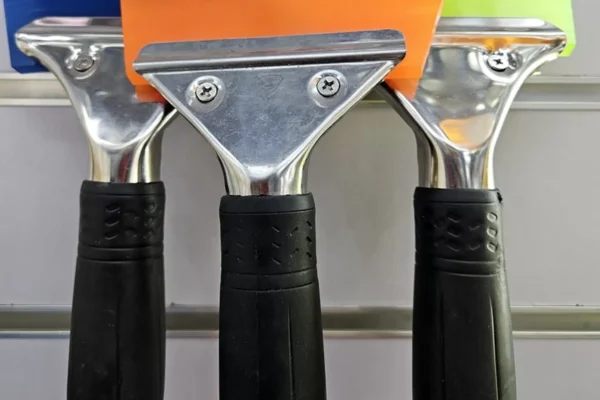
What is cleaning using climbing equipment? I can tell you it’s one of those jobs that looks wild from the street but feels steady as anything when you’re clipped into the right gear.
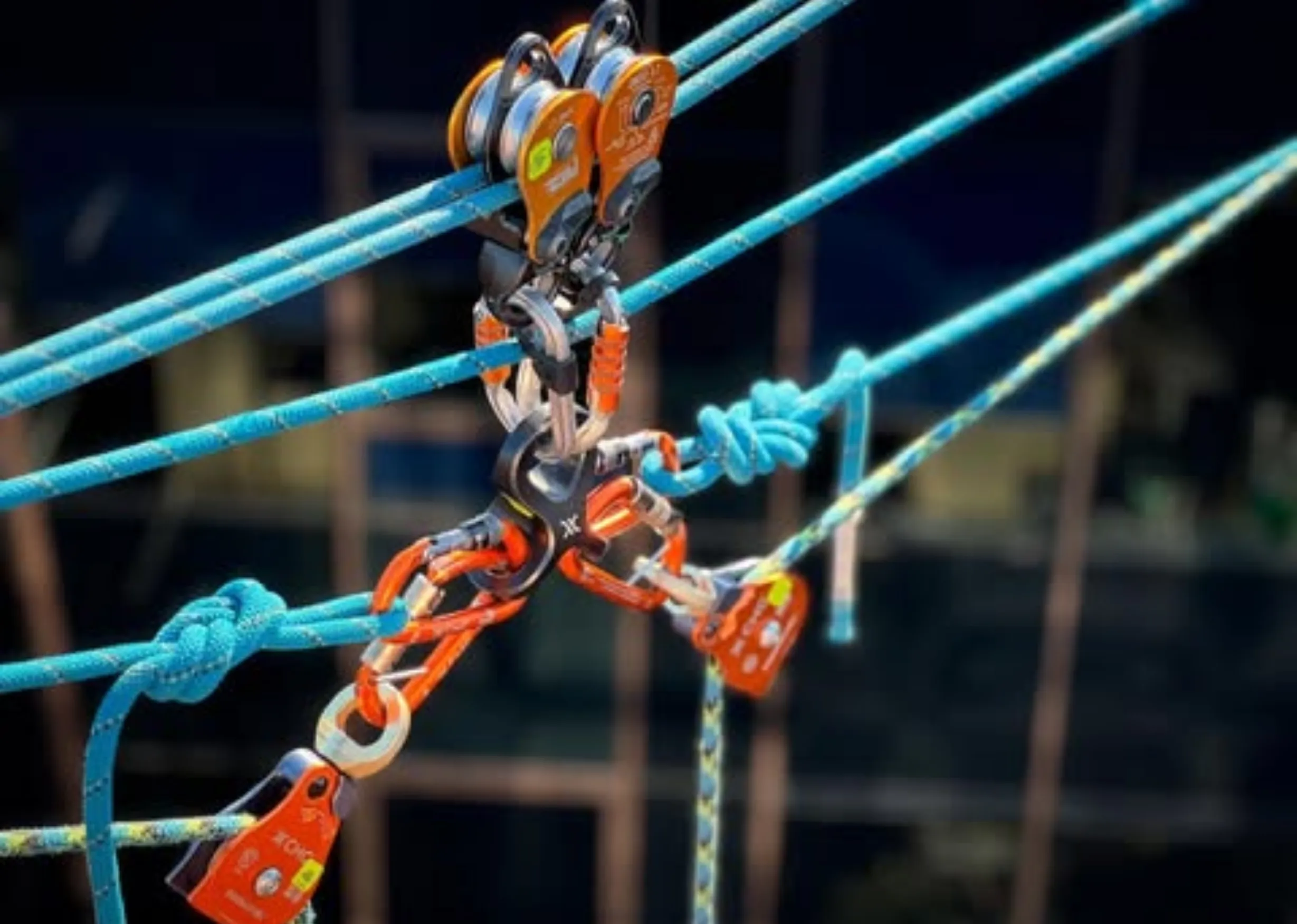
Cleaning using climbing equipment is a controlled system of ropes, harnesses and anchor setups that allow trained technicians to descend, move and work safely at height. It’s not dramatic, it’s not a stunt, and it’s definitely not freestyle rope soloing. It’s careful, methodical and governed by strict safety rules that keep everyone out of trouble.
Below, I’ll walk you through how the system works, what gear we use, how we properly clean climbing lines, and why rope access often beats lifts, scaffolds, or ladders — especially for spring-cleaning jobs that reach well above the “no thanks” height for most homeowners.
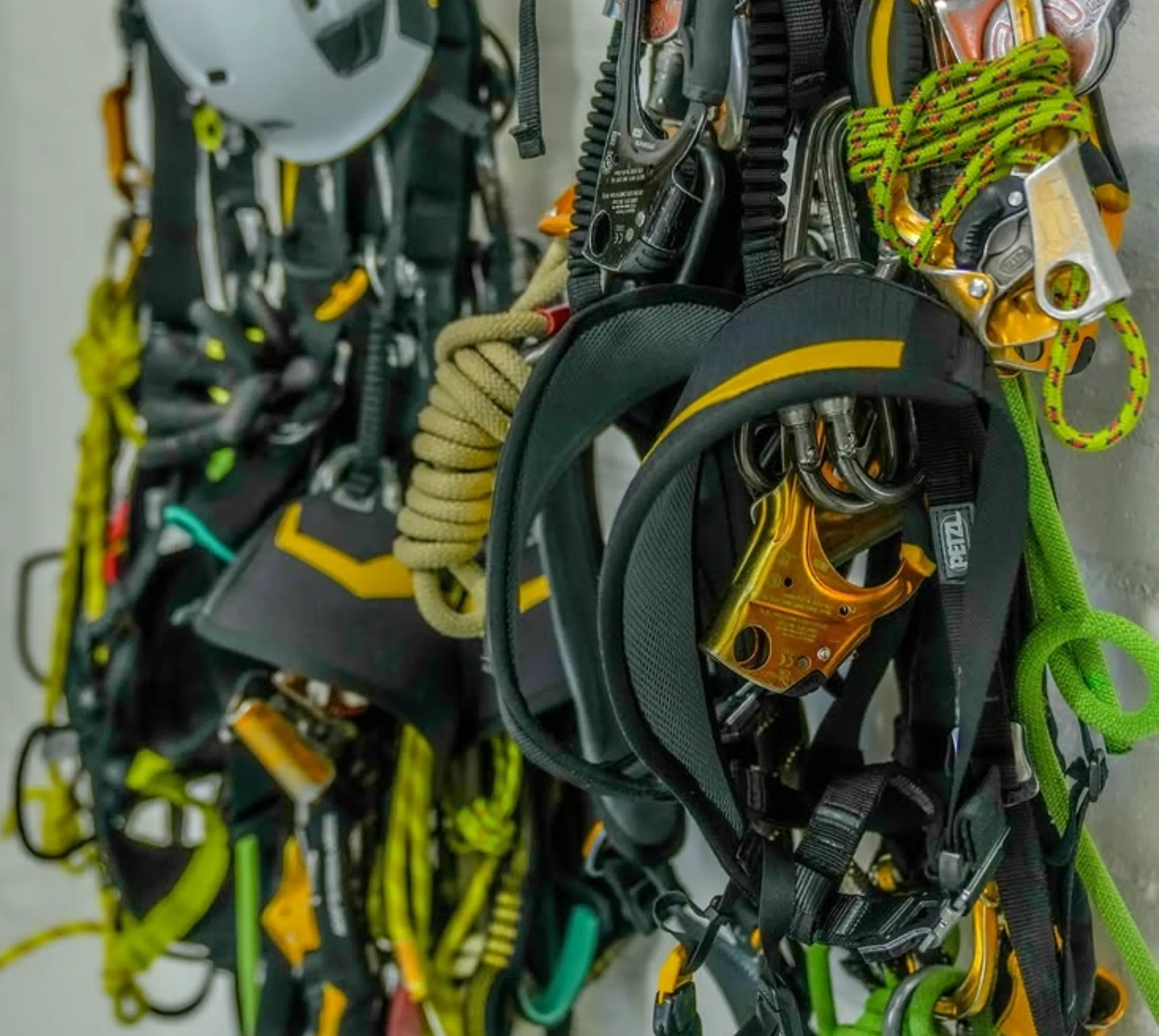
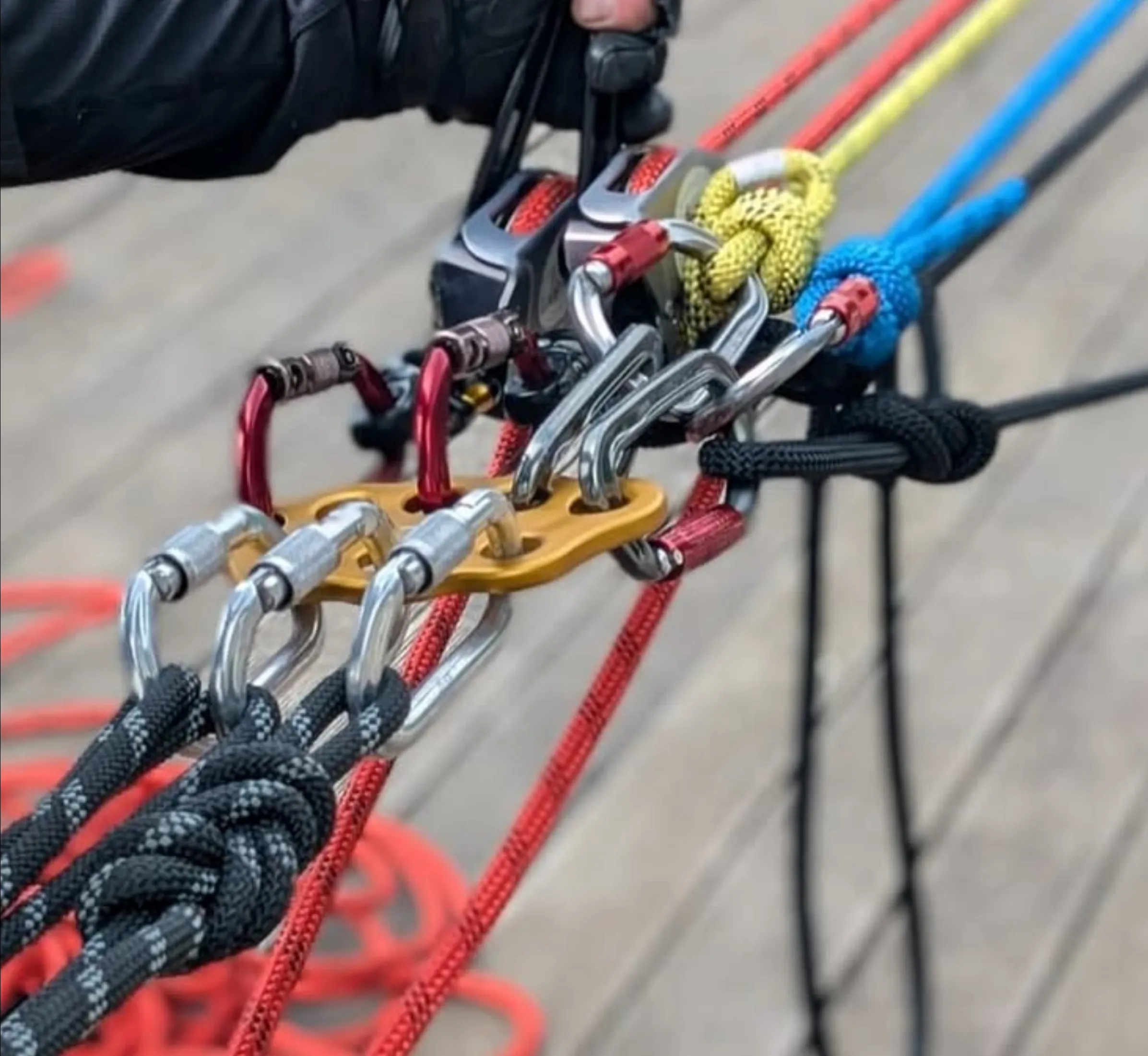
When we rock up to a site, the first thing we look for is where we’ll set our Climbing Anchors. These can be permanent stainless steel fixtures on commercial roofs or removable marine-grade aluminium devices designed for temporary setups. Once we’ve confirmed anchor points, we build a safe 3-way system or other load-sharing anchor setups using nylon webbing, polyester webbing and hardware that’s rated well beyond our working loads.
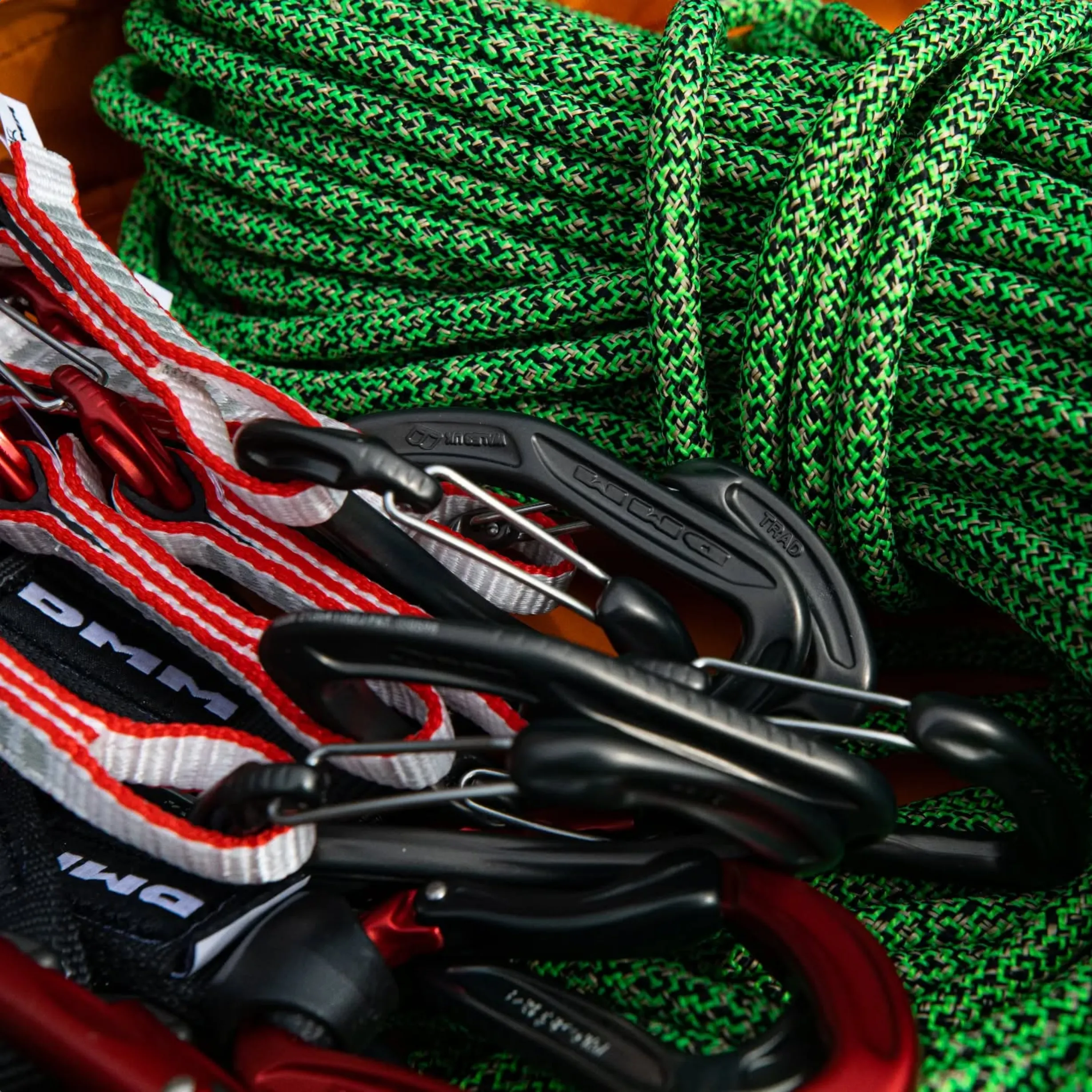
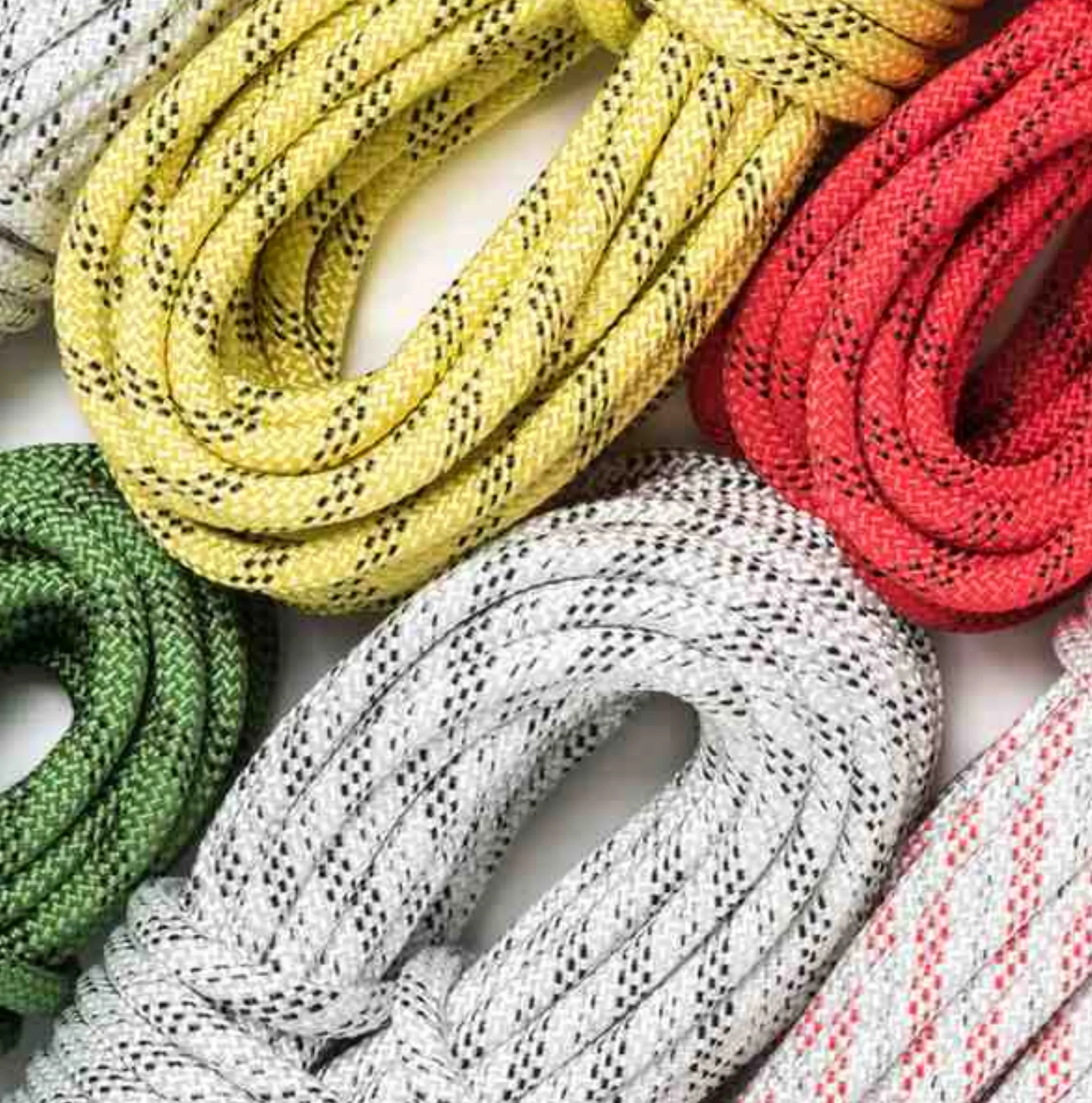
Then come the ropes — and not the cheap stuff you find in a bargain bin. Rope access relies on climbing ropes designed with consistent sheath tension, strong nylon threads and predictable handling. Dry weather? Wet weather? Good ropes handle it all, though they still need proper Climbing Line Cleaning to stay healthy.
A typical descent uses:
- One primary fixed line
- One backup line
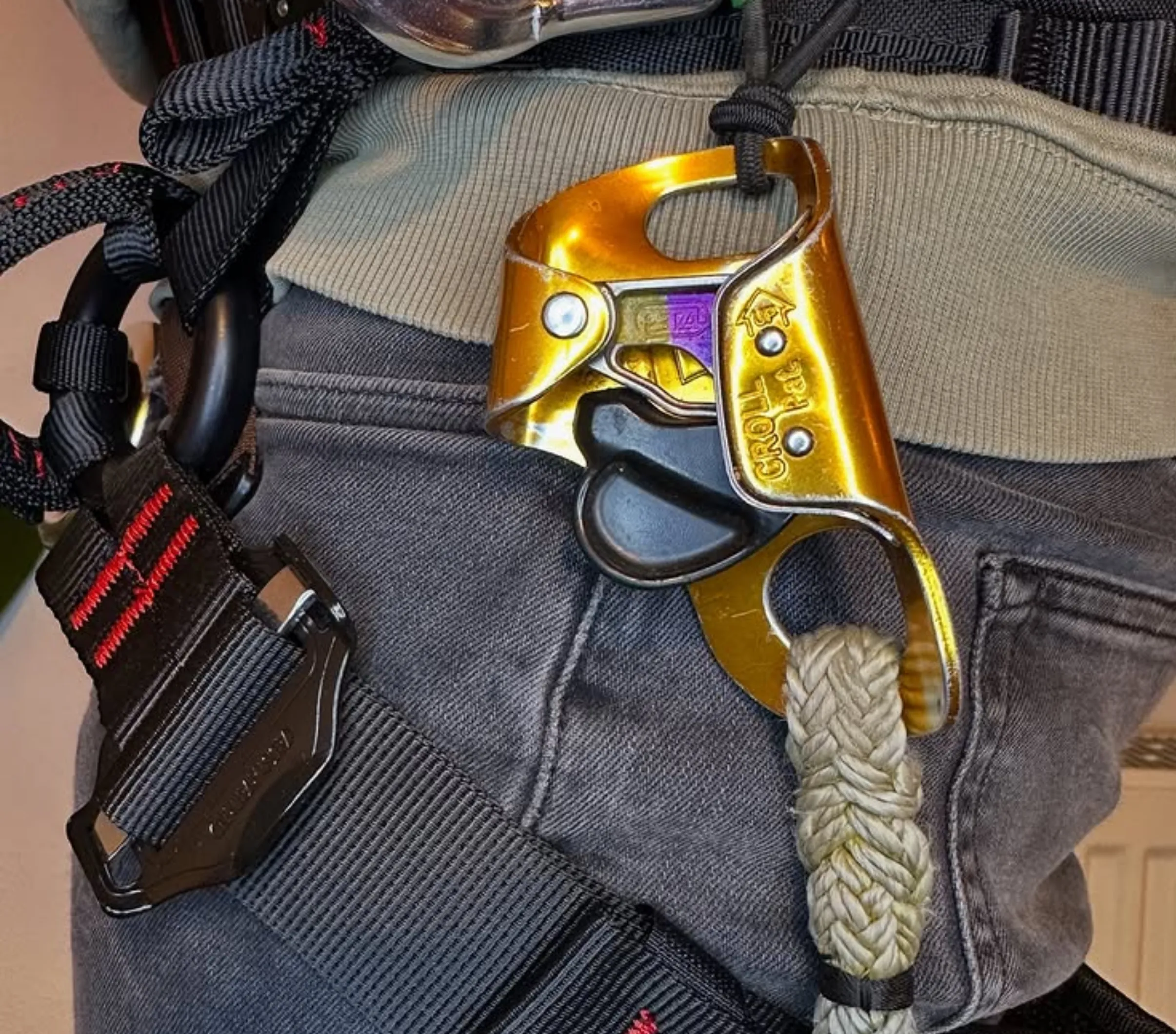
- A belay device or rappel device
- A full-body harness with a belay loop
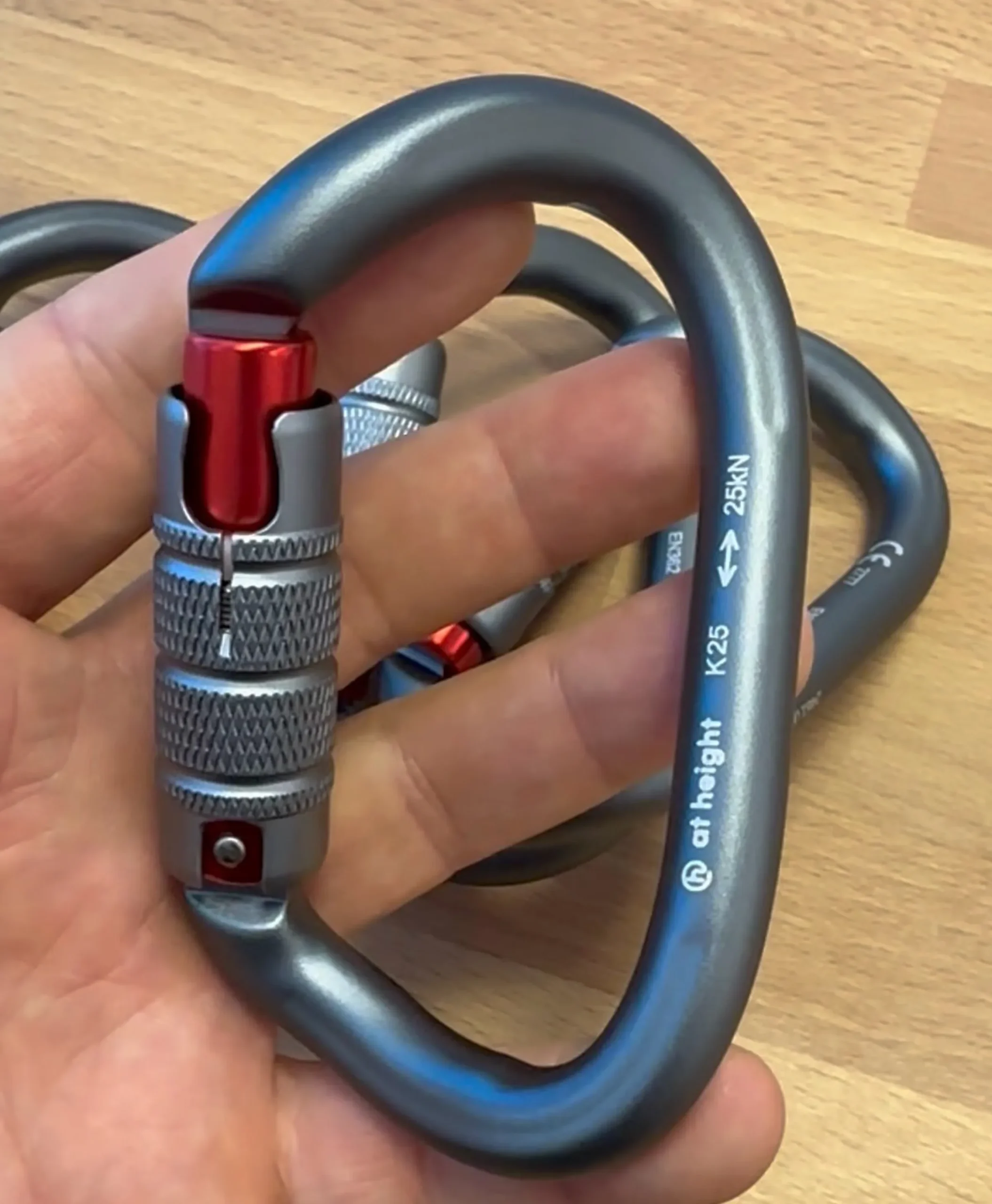
- Connectors with strong crab gates and metal gear
The tech clips in using an anchor-friendly setup (never a dodgy clove hitch unless it’s for a temporary positioning point), double-checks the system and begins controlled movement. There’s no swinging around in the breeze — unless Melbourne decides to throw a southerly through the laneway.
Why Rope Access Beats Ladders and Lifts
Let’s be real: ladders get wobbly above 6 metres, and lifts don’t always fit down narrow driveways, courtyard gardens or the odd laneway that’s tighter than a tram during peak hour. Rope access usually wins because:
- It doesn’t damage the ground
- It doesn’t block footpaths
- It reaches awkward corners
- It handles height without drama
- It gives precise control for façade or window cleaning
Plus, when the building gets a year’s worth of grime from sea air, autumn leaves, dust storms and spring cleaning neglect, rope access gets us exactly where the mess hides.
The Gear That Keeps Rope Techs Safe
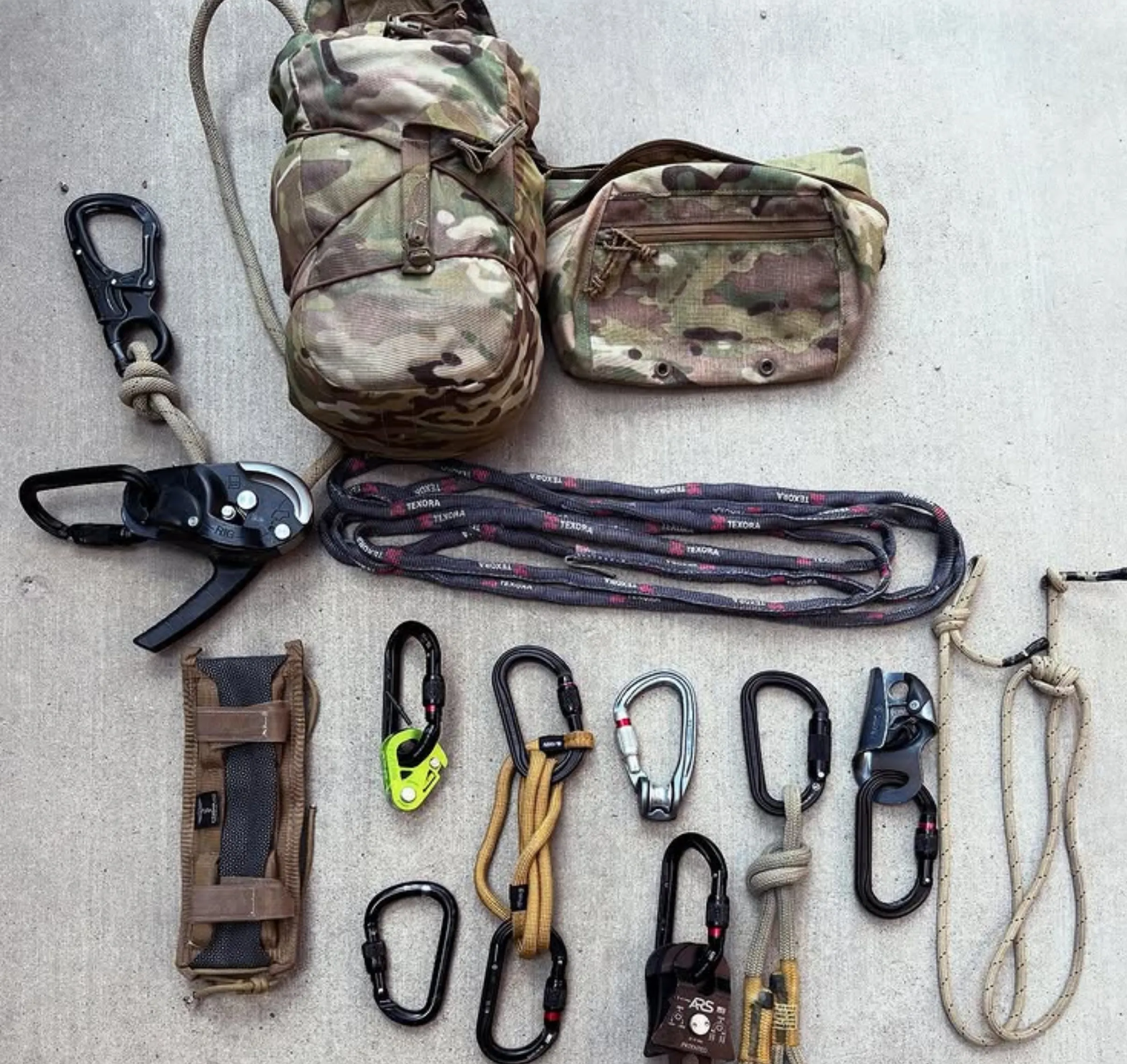
A lot of people picture rope access using the same kit as rock climbers. Some gear overlaps, sure, but we don’t rock up in climbing shoes or start the day with rope-soloing setups or a solo device. What we do rely on includes:
| Gear | Purpose | Works Because… |
| Climbing rope / dry-treated rope | Main working and backup lines | Handles outdoor weather, low stretch, strong sheath |
| Belay device/rappel device | Controlled descent | Smooth braking, predictable friction |
| Anchor setups | Secure attachment to the structure | Stainless steel or marine-grade aluminium |
| Daisy chain | Positioning at height | Let’s hold stable while cleaning |
| Nylon webbing & polyester webbing | Load-sharing anchors | Strong, flexible, reliable |
| Metal gear with krab gates | Connects everything | Rated for high loads, resists corrosion |
| Belay loop | Central attachment point on the harness | Built for dynamic and static loads |
International rope access associations see some of the lowest incident rates in the height-work industry thanks to systems like this – and the simple rule of always having two independent lines in place.
Where Rope Access Cleaning Really Shines
Climbing–based cleaning isn’t for every job – but where it does fit in, it really does the trick. We’ve found it’s beneficial for:
Tall Residential Townhouses in Melbourne
Those trendy three-storey builds with narrow side access? Perfect for our rope-access rigs.
High-Rise Glass Buildings
Office towers across the city love rope access because it keeps footpaths clear and avoids blocking streets with those big machines.
Coastal Homes with a Big Beach View
Salt stains on upper-level windows from those Port Phillip Bay breezes? Rope access lets us get right up to the source and deal with it.
Industrial Sites
Factories, silos and loading bays – anywhere the ground is rougher than a footy match on a Friday arvo.
The Jobs Our Rope Techs Can Handle
Cleaning isn’t all we do with rope access. Depending on the building and access needs, rope systems can handle a fair few tasks – including:
- Window cleaning – the safest way to get that sparkling glass
- Gutter clearing – to keep the water flowing freely
- Pressure washing – to get rid of all that dirt and grime
- Façade cleaning – to make your building look its best
- Solar panel cleaning – to keep those panels running at top efficiency
- Bird-proofing installs – to keep those pesky birds from making a mess
- Light maintenance and inspections – to catch any potential problems before they become major headaches
But there are definitely some jobs that are a no-go for ropes – wind gusts over safe limits, stormy weather, and fragile substrates like loose render being just a few examples.
The Biggest Myths About Rope Access Cleaning Debunked
“Isn’t hanging off a rope just plain reckless?” Actually, it’s one of the safest high-access methods thanks to the strict guidelines and double safety lines.
“Wouldn’t a lift be way easier?” Sometimes, yeah – but lifts can’t always fit everywhere, are a lot more expensive to hire, and tend to struggle on uneven ground.
“Don’t cleaners just swing around like a bunch of lunatics?” Only in the movies. Our rope techs work in positions that keep them nice and stable, and give them loads of control.
“It must cost a fortune to do things the rope-access way” Not always. Without all the need for big heavy machinery, rope jobs can be pretty cost-efficient.
A Quick Look at the Prices
Prices vary depending on all sorts of stuff – like how tall the building is, how many access points need using, how dirty the surfaces are, and what type of surface we’re dealing with. But basically, it goes something like this:
- Townhouse window clean with rope access: $250-$500
- Commercial façade clean (mid-rise): $1,000-$3,500
- Industrial access clean: $100-$160 per hour
All that said, if we need to pre-treat any heavy grime or set up the anchor points from scratch, that can all add to the cost.
DIY High-Access Cleaning Risks
If you’ve ever tried cleaning a second-storey window from inside while hanging out and hoping for the best, you already know this isn’t a DIY sport. Rope access is a lot more technical and heavily regulated than people think. You need proper certification, rescue training, and all the right anchoring setup to do it safely.
DIY attempts can all too easily lead to falls, damaged render, cracked tiles, broken windows, and, in the worst cases, even a trip to the hospital. It’s just not worth guessing when it comes to cleaning at height.
When Rope Access Isn’t the Right Solution
At Window Cleaning Melbourne Crew, we’re honest: rope access is great, but it’s not magic. We don’t use ropes when:
- There’s no certified anchor point
- The building material is too brittle
- The wind is blowing sideways (classic Melbourne)
- There’s an electrical risk around overhead wires
- The substrate is loose, flaking, or water-damaged
In those cases, we switch to drones, poles or elevated work platforms depending on the job.
How We Make Rope Access Eco-Friendly
We use biodegradable detergents where possible and avoid heavy chemical runoff — especially near waterways and stormwater drains. Being suspended gives techs pinpoint control over wastewater, overspray and how much product is used.
Plus, because ropes don’t require fuel or machinery, the carbon footprint is lighter — good for high-rise cleaning and good for the planet.
Quick Safety Checklist Before Any Rope Access Job
Here’s what we check every time:
- Certified anchor points inspected
- Backup rope and descender setup
- Harness checked for wear
- Weather conditions reviewed
- Public safety barriers installed
- Communication system tested
- Emergency rescue plan ready
At Window Cleaning Melbourne Crew, rope access cleaning is just another day on the tools — well, the ropes — especially when the building is tall, the ground is uneven, or Melbourne weather has slapped sea air and salt water all over the upper windows again.
FAQ
Is cleaning using climbing equipment safe?
Yes — rope access is extremely safe due to backup lines, strict anchor setups and certified technicians.
How do you clean climbing ropes?
With rope-friendly products like Beal Rope Cleaner, soap, lukewarm water and careful drying. Never bleach or pressure wash them.
Does sea air damage climbing gear?
Salt water can corrode metal gear, which is why we use marine-grade aluminium and stainless steel hardware and follow strict maintenance routines.
Can rope access be used for small homes?
Absolutely — especially multi-storey townhouses where ladders won’t reach safely.
What weather stops rope access work?
Strong wind, heavy rain, lightning and extreme heat can pause a job. Safety first.