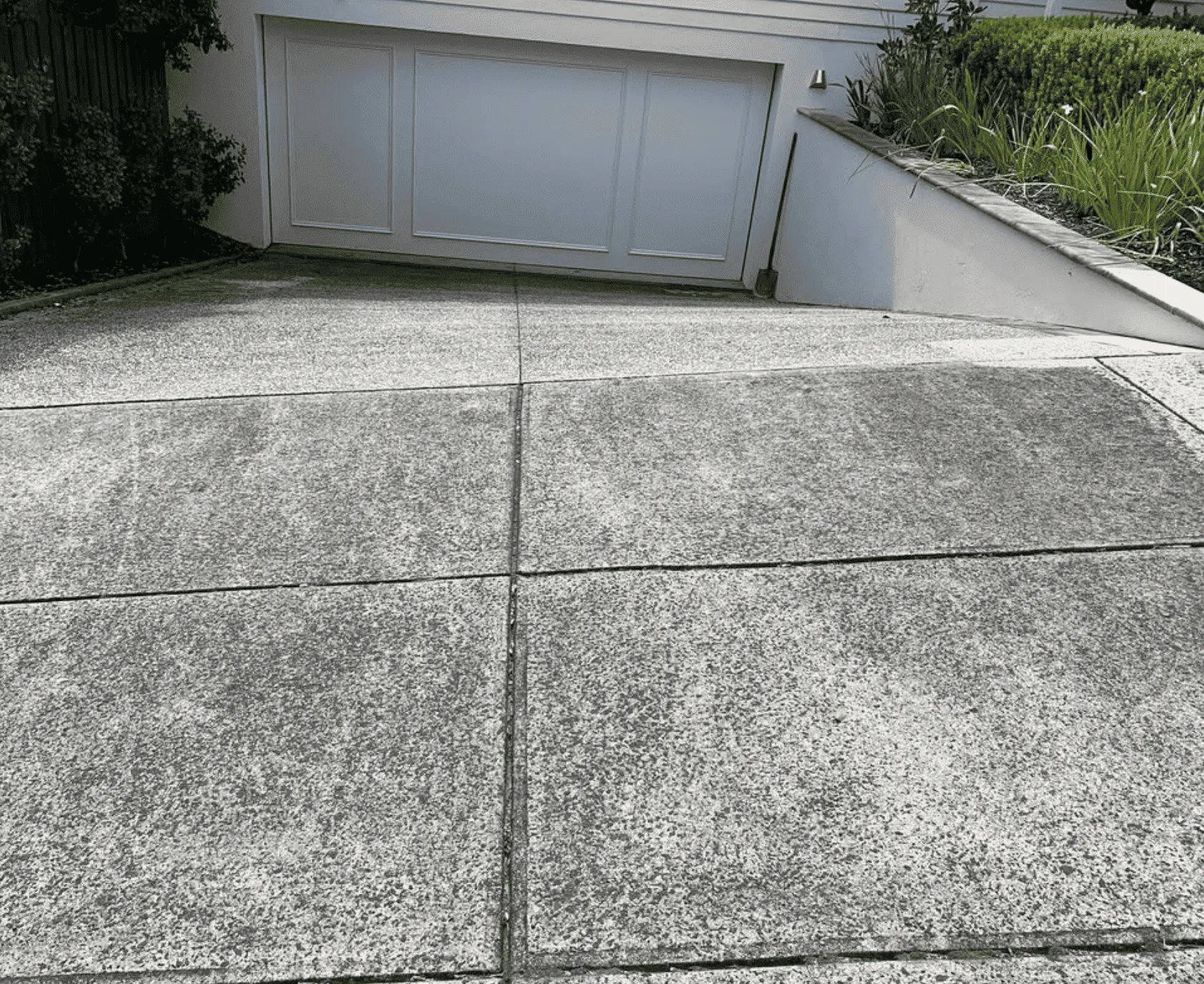
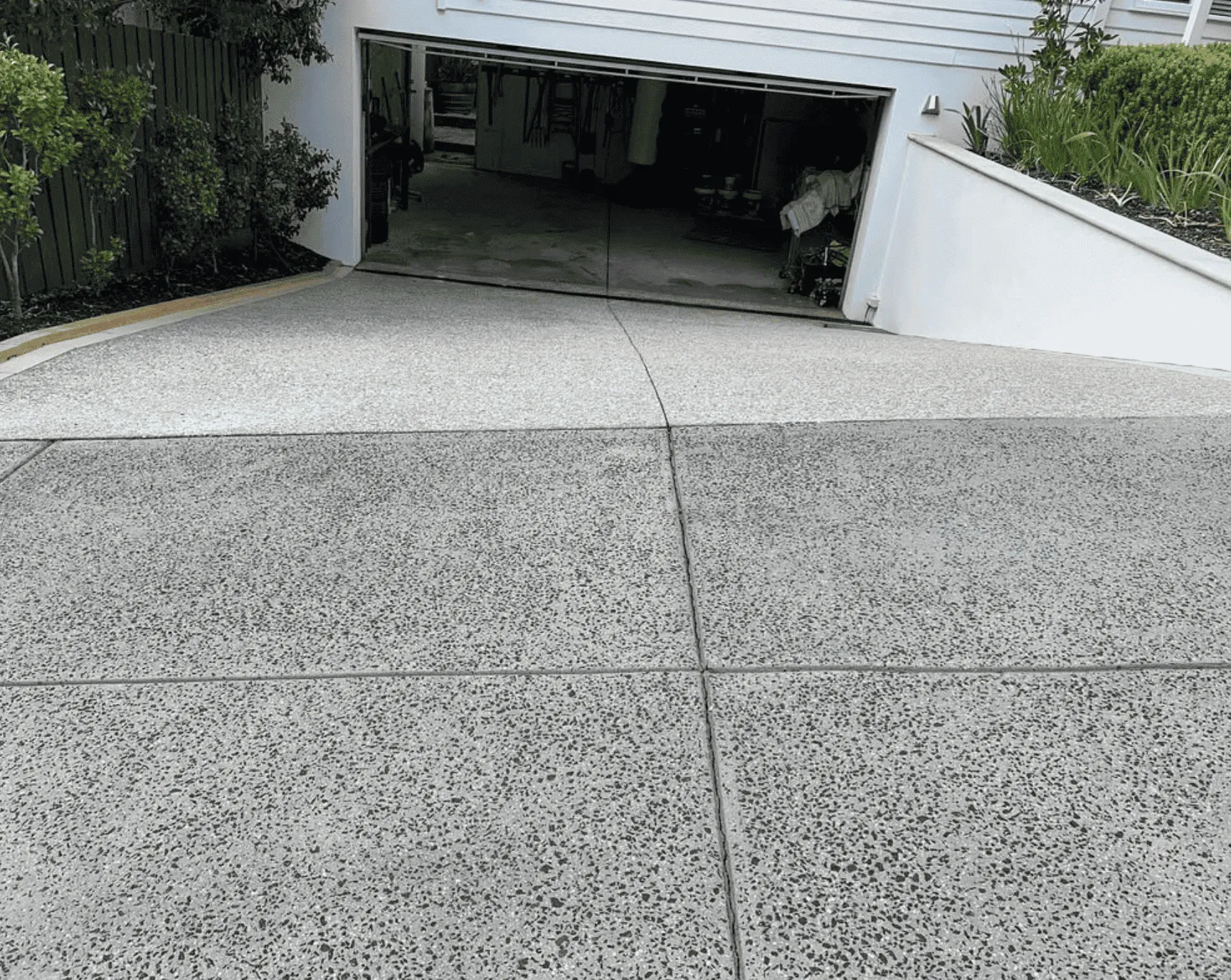
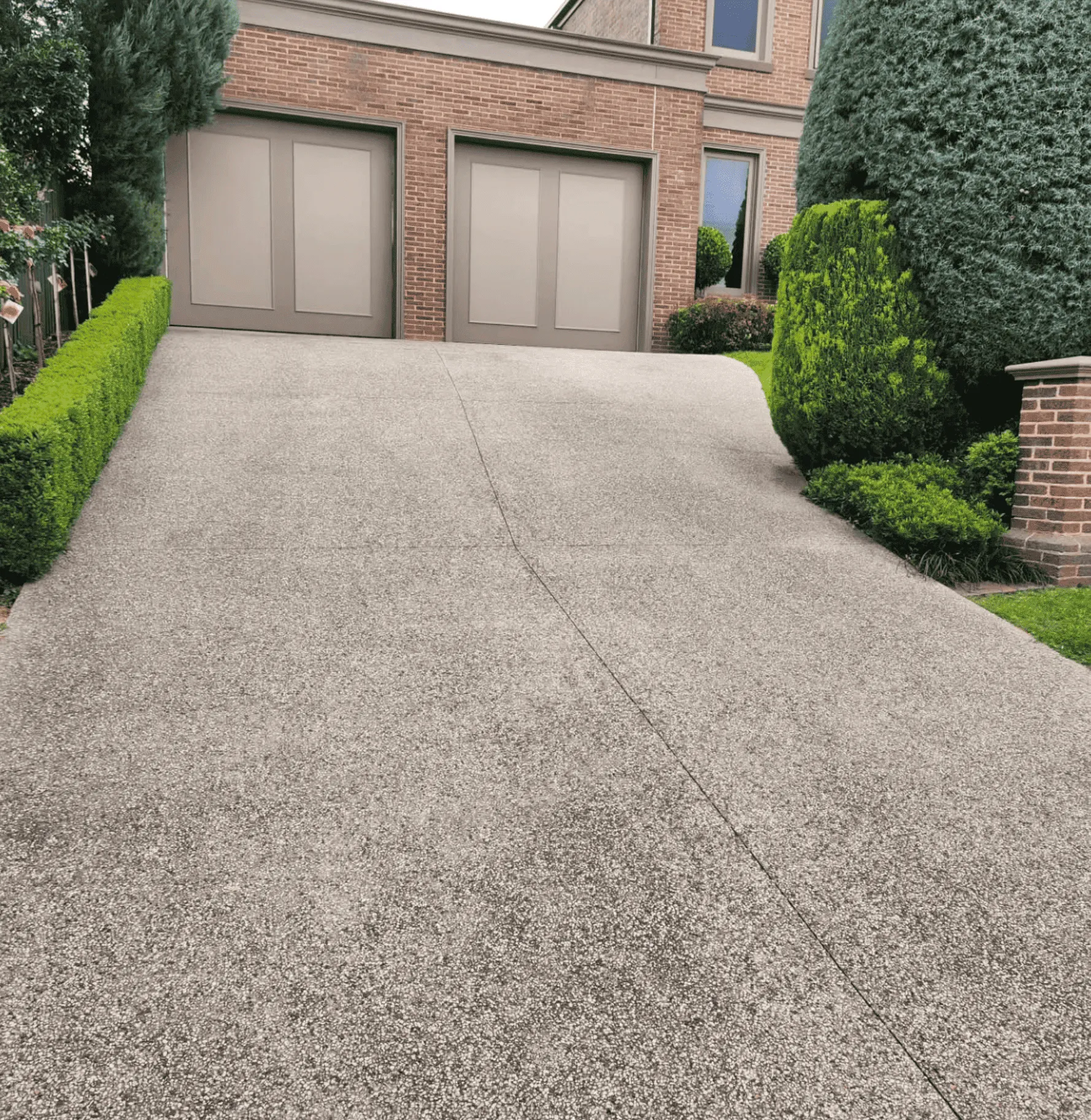
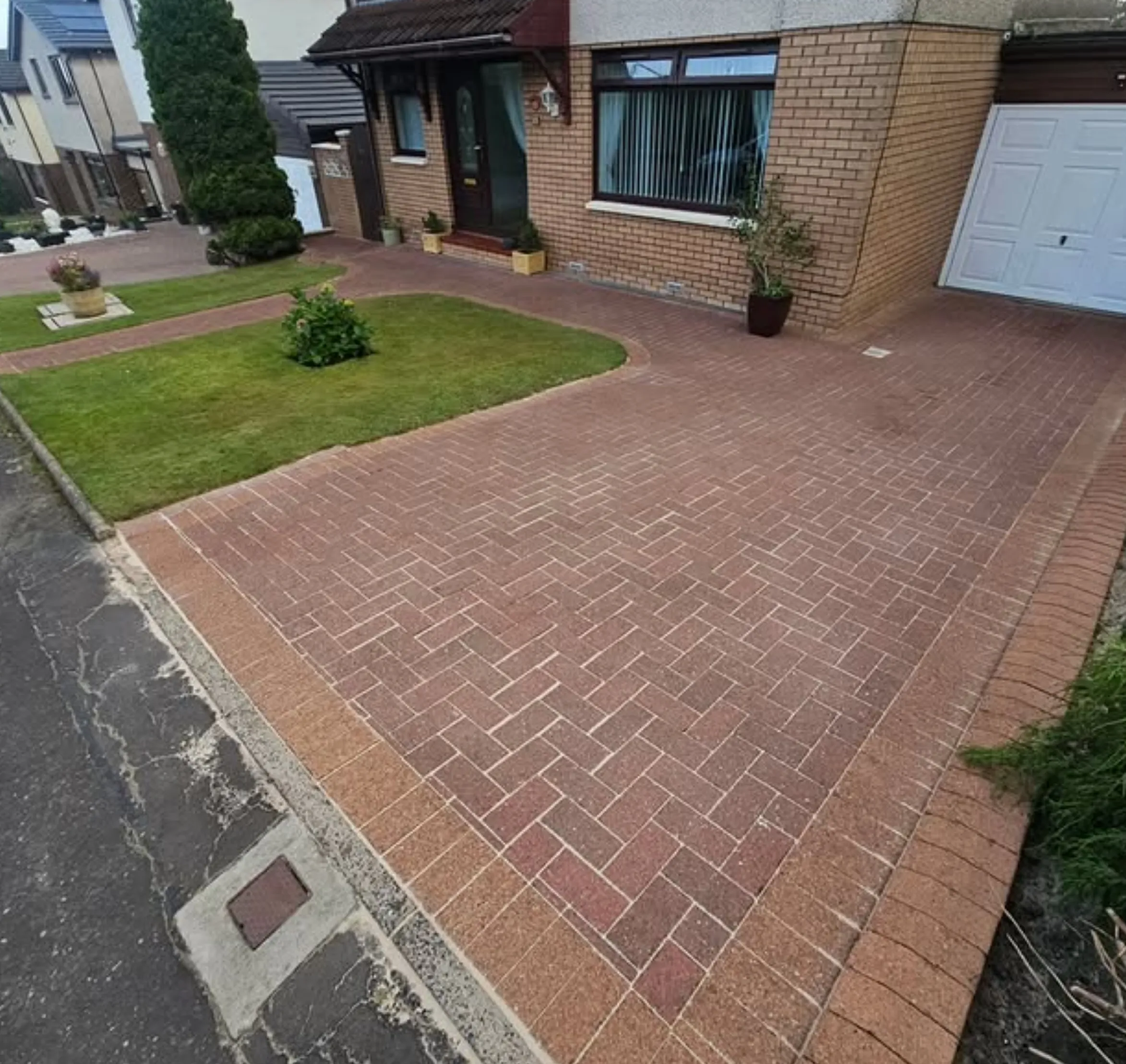
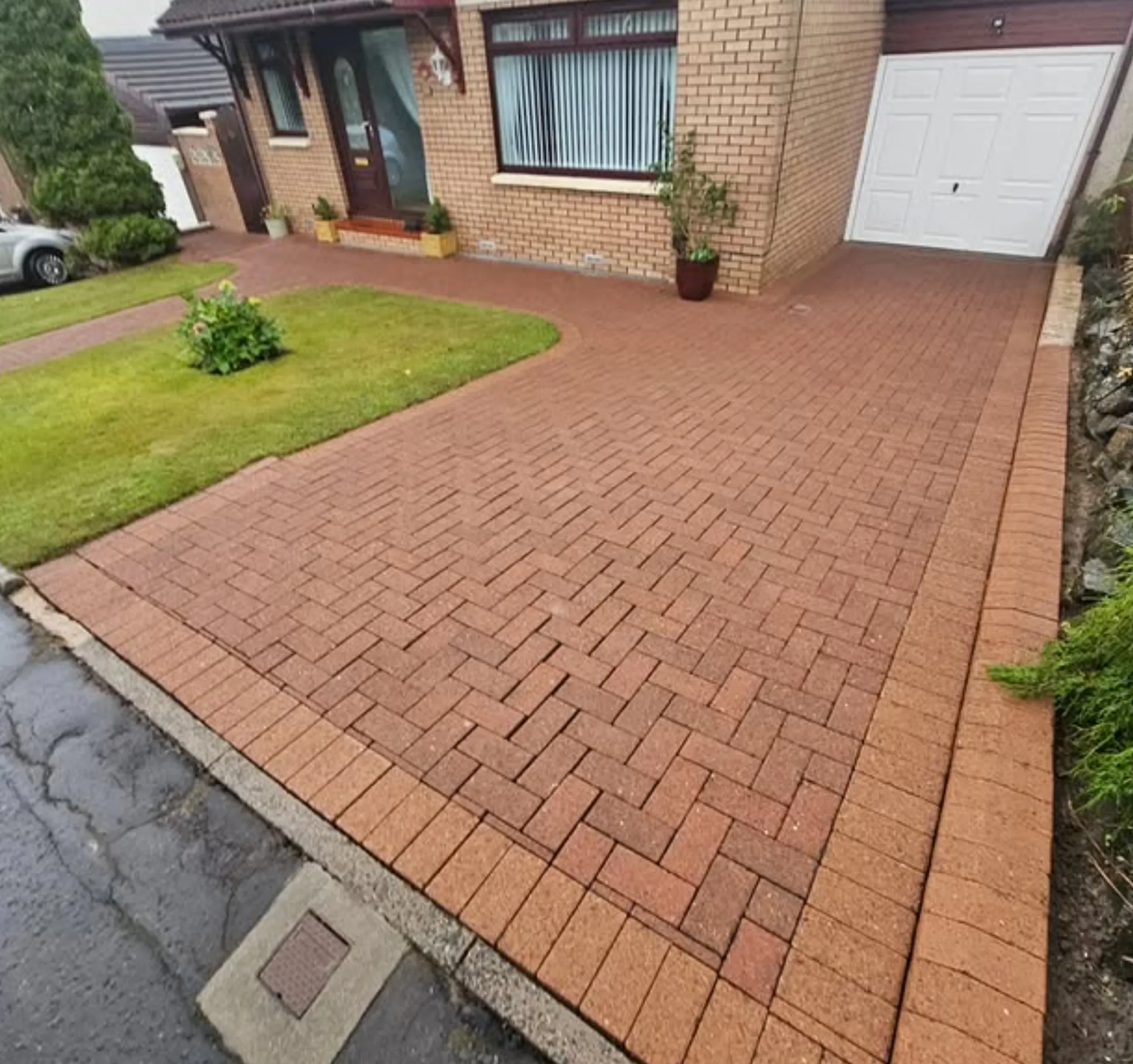
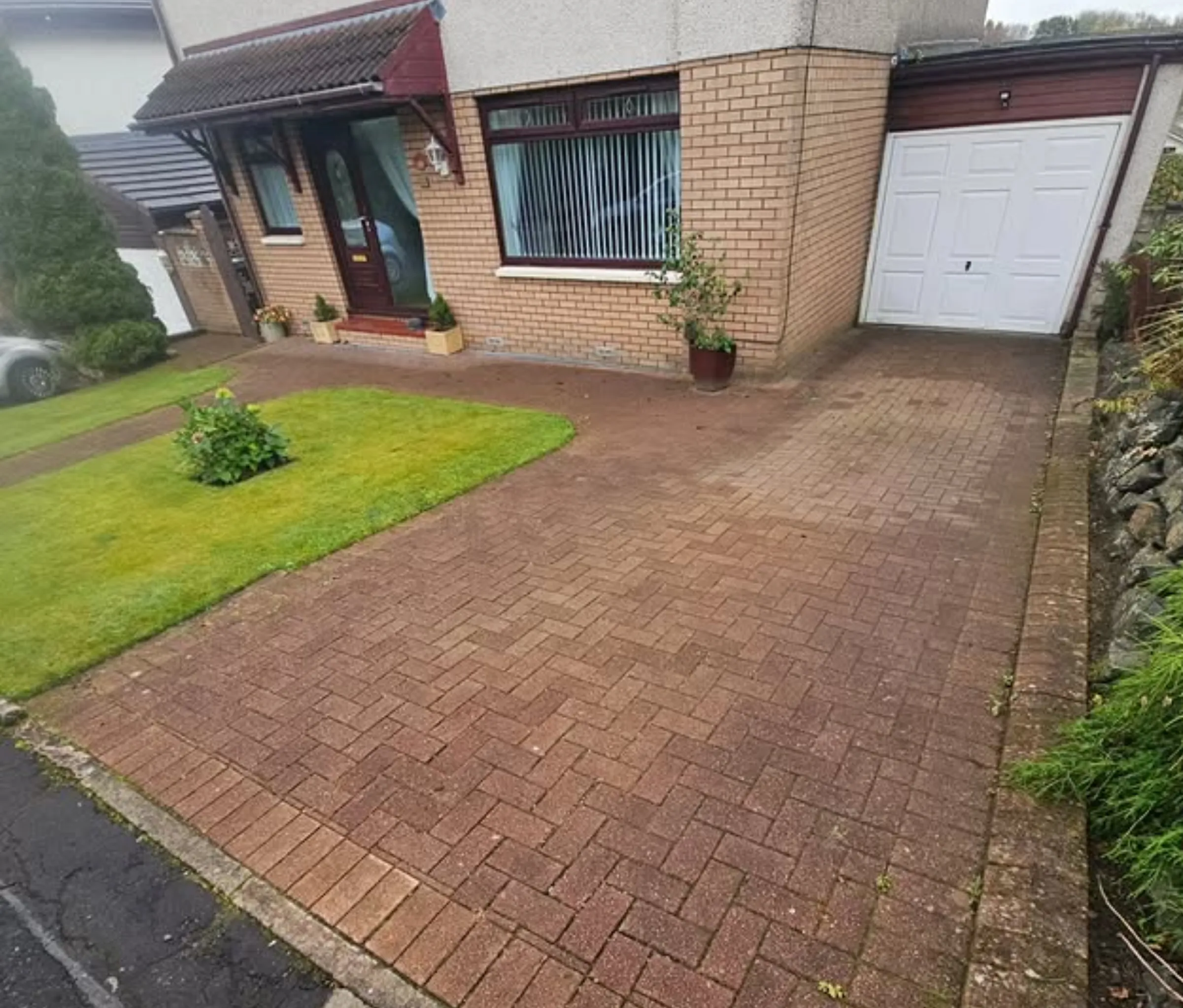
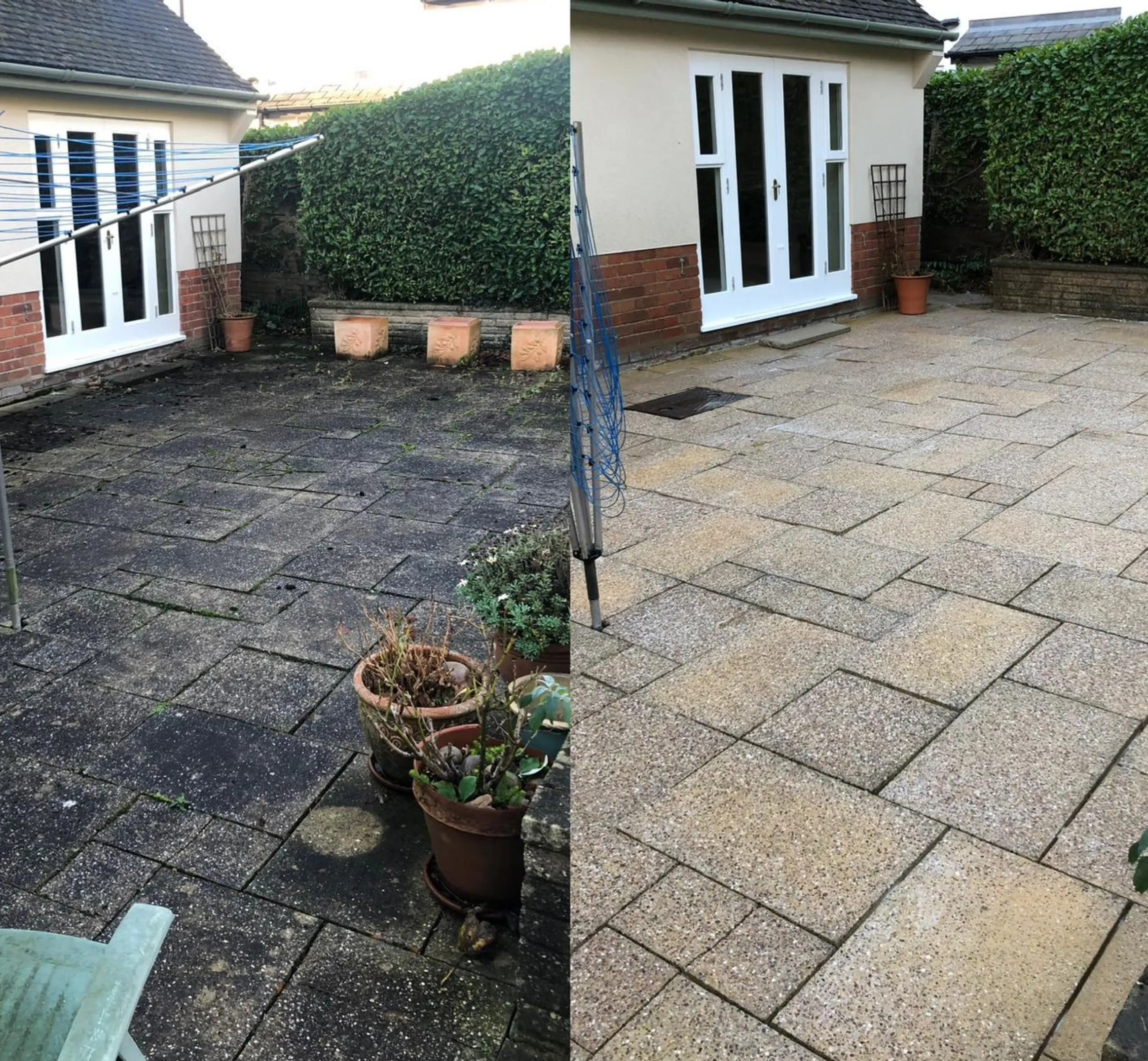
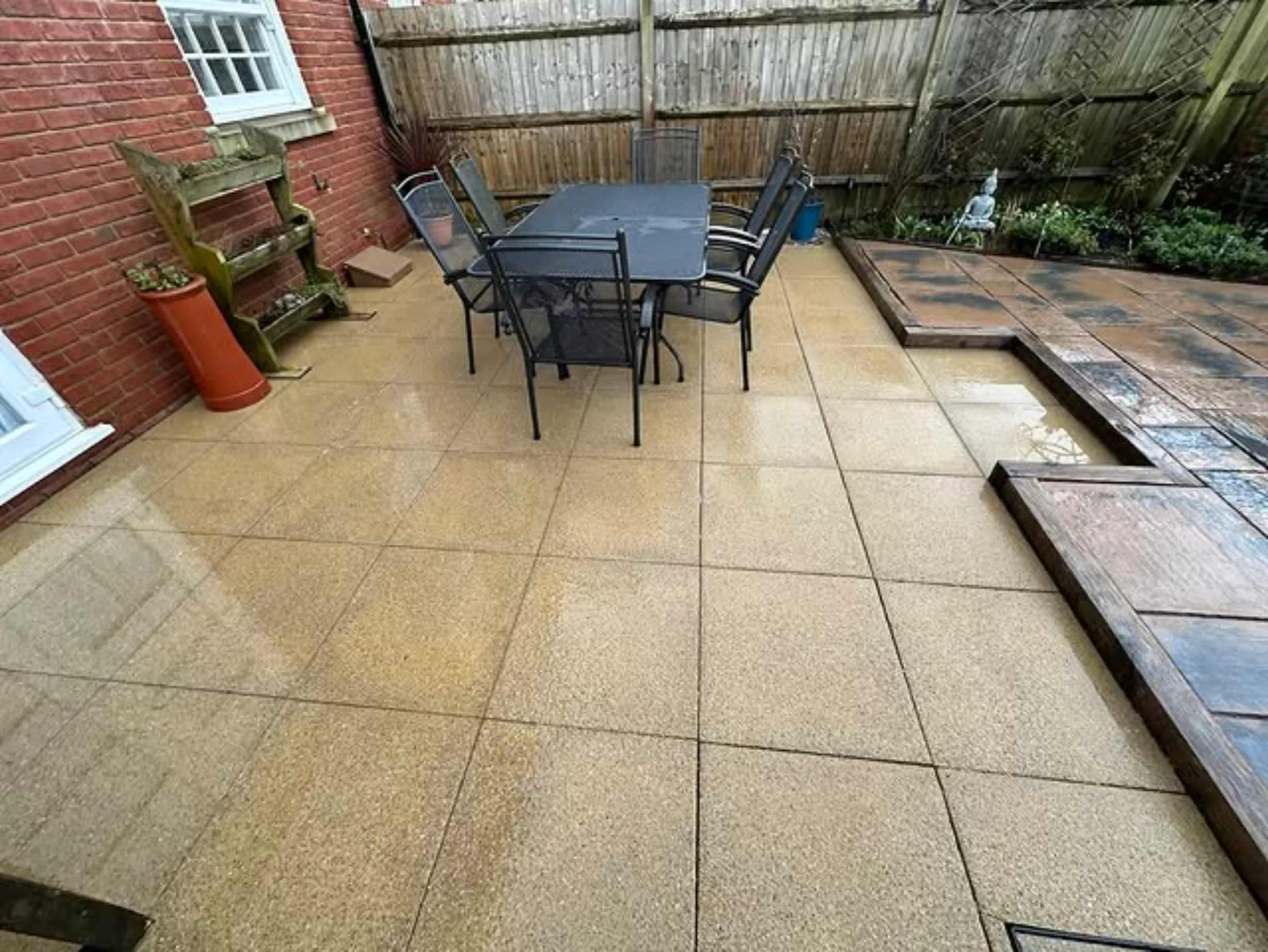
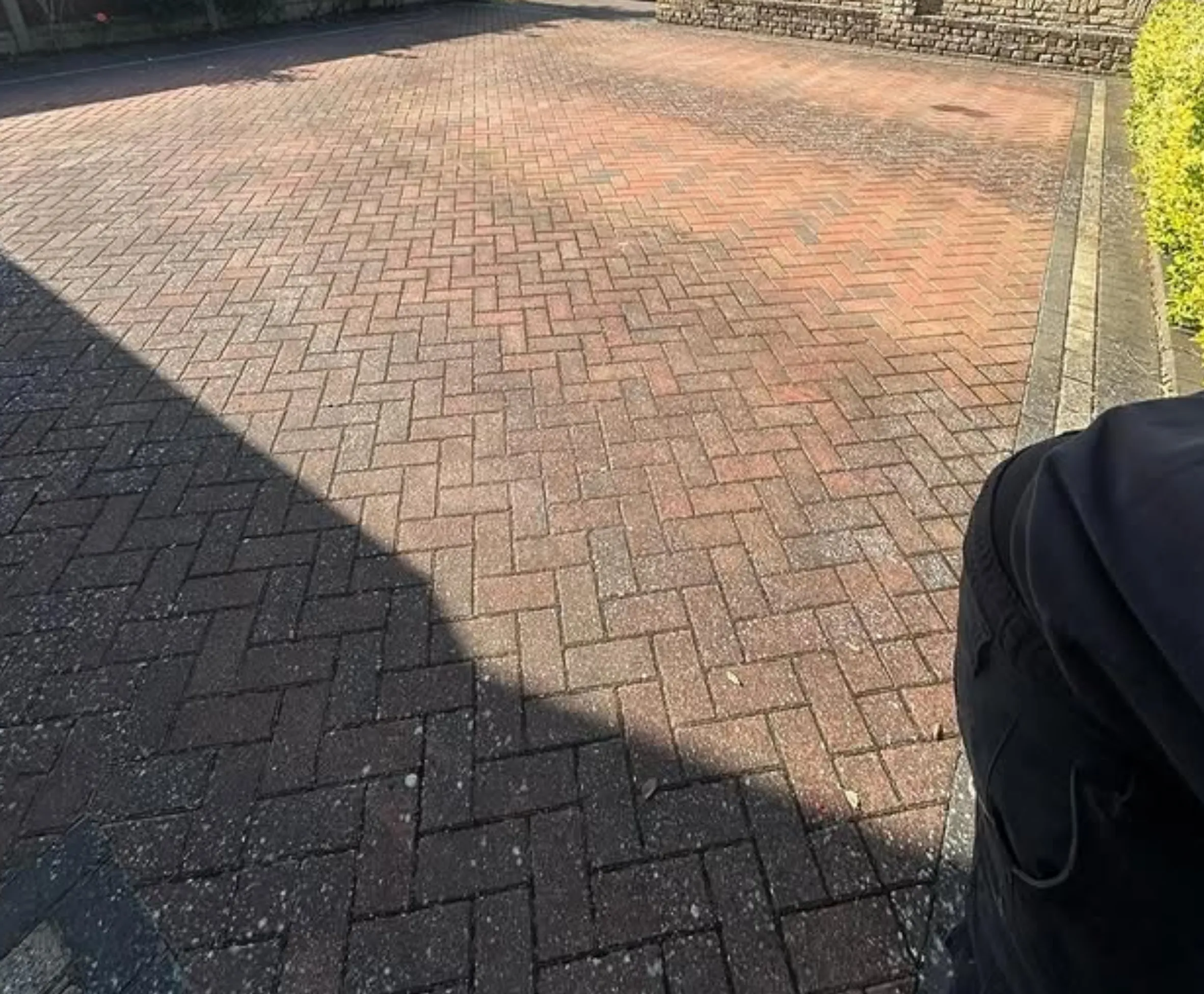
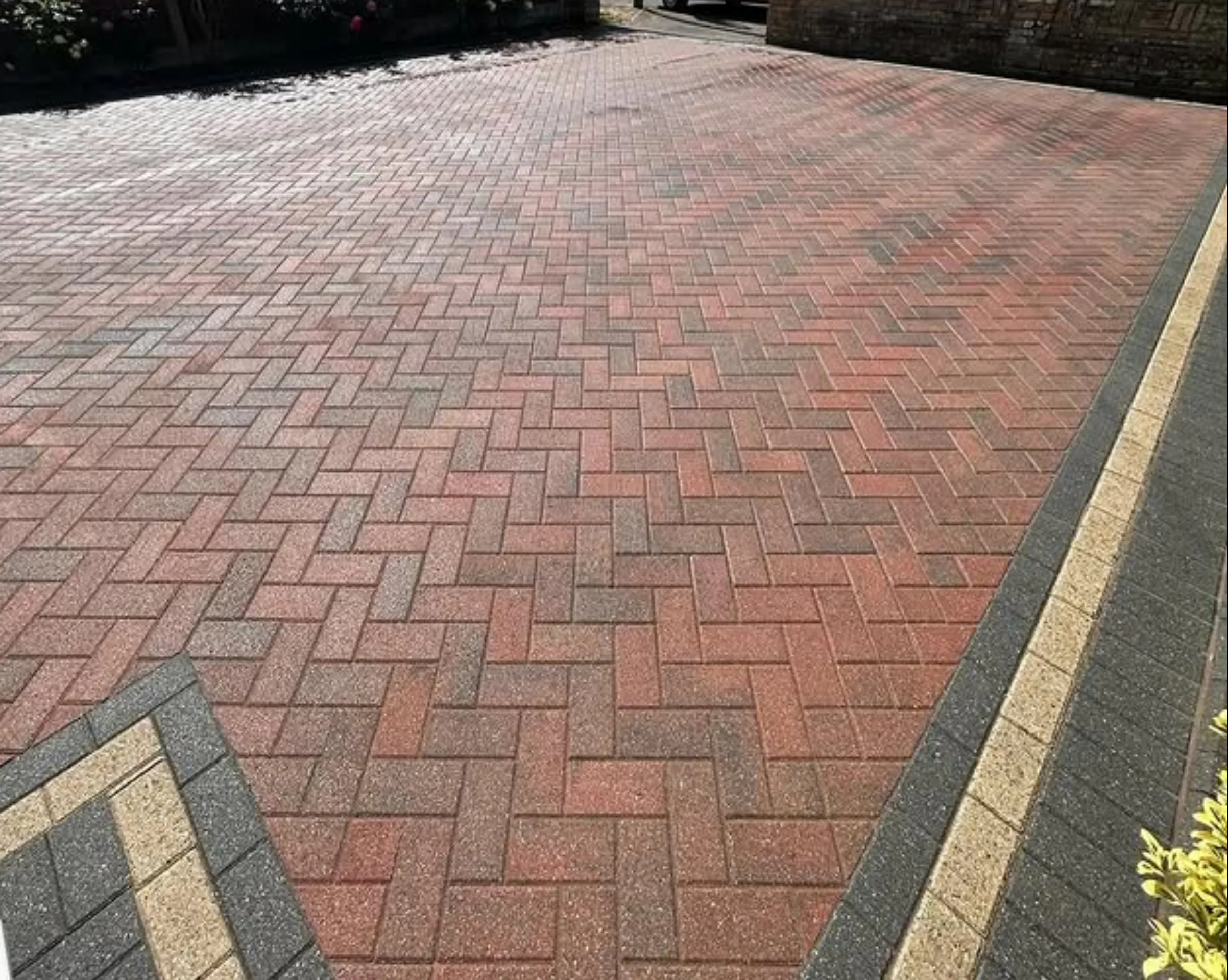
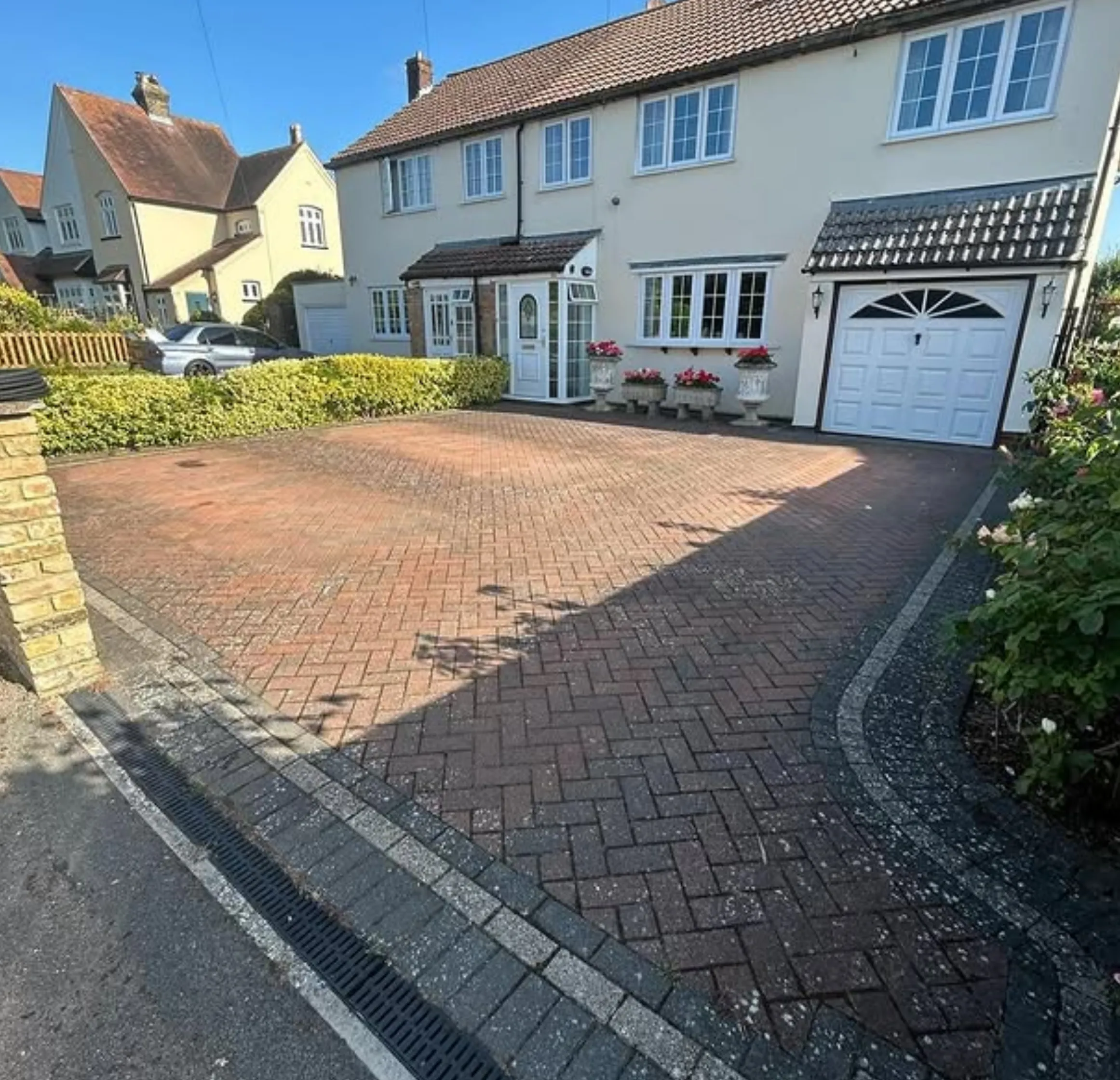
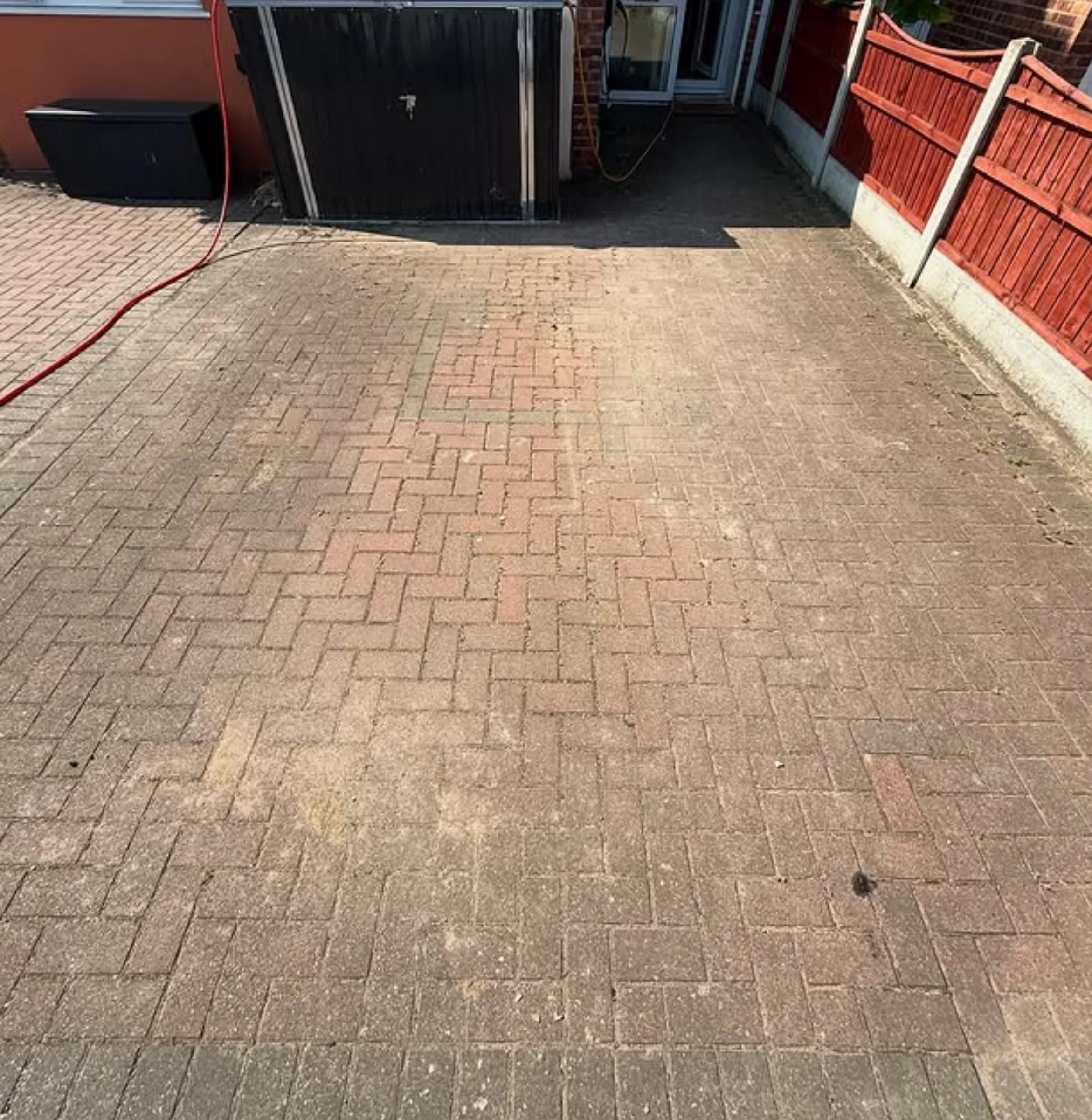
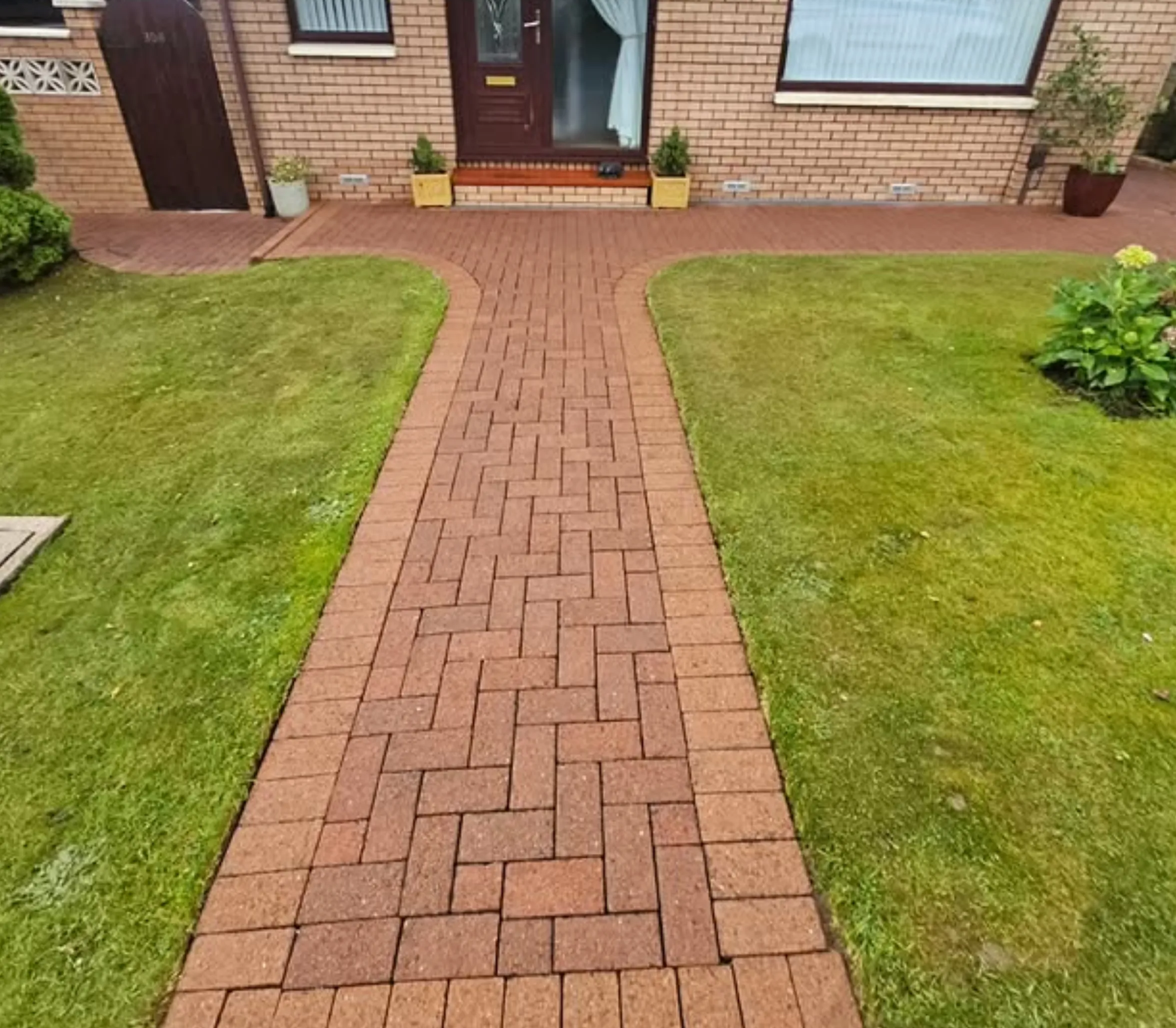
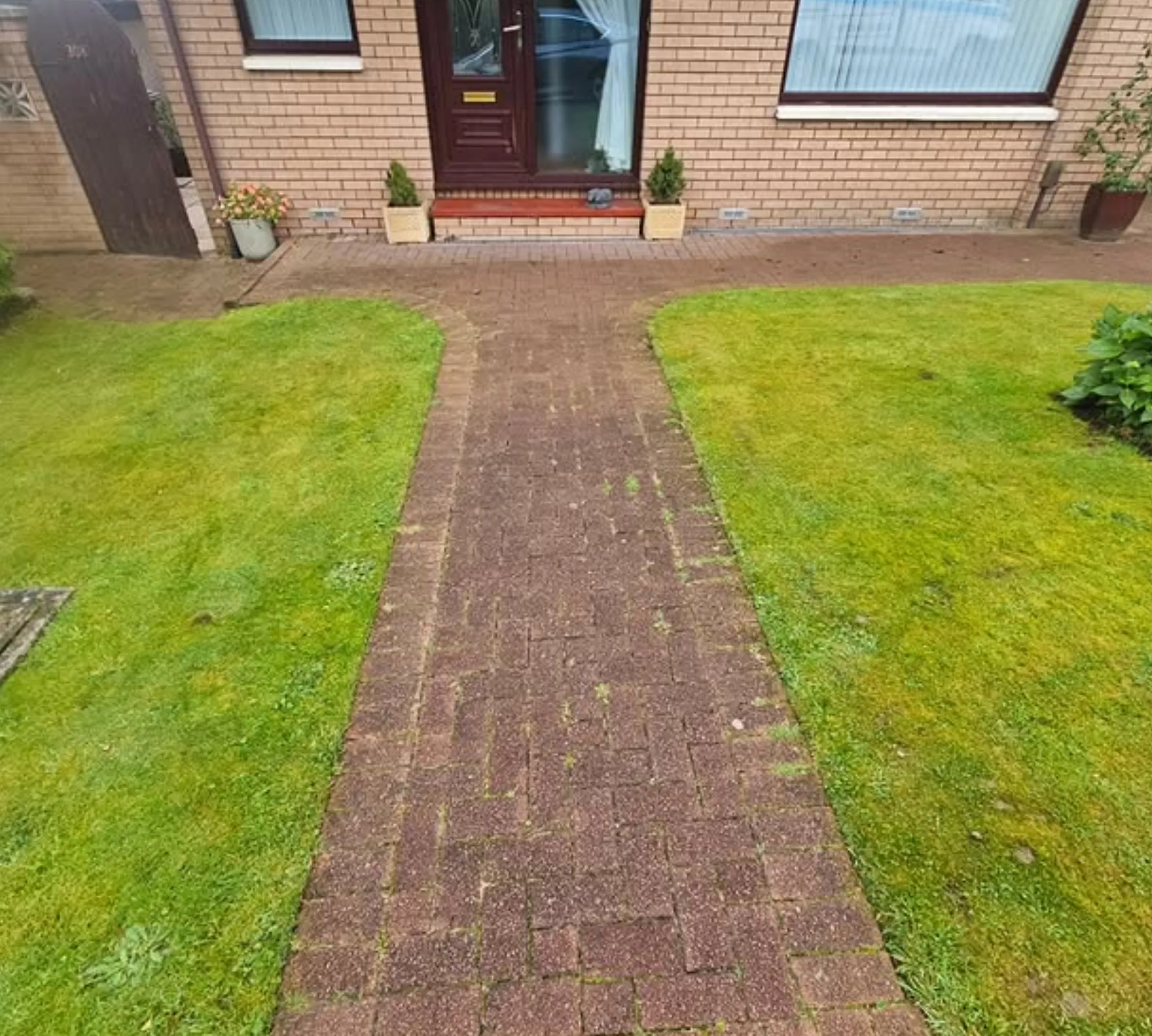
Driveway cleaning removes built-up dirt, traffic film, organic growth, leaf and tannin staining, tyre marks and other surface contamination from concrete driveways, exposed aggregate and paved driveway surfaces. At Window Cleaning Melbourne Crew, we assess the driveway material, condition, existing coatings, stains, and surrounding areas before deciding how to clean the surface.
Pressure cleaning can work well on sound concrete, but maximum pressure is not the goal. Decorative finishes, ageing surfaces, coloured concrete, paver joints, and existing sealers may require a more controlled approach. Lichen, moss, algae, mould, oil, rust and tannin staining behave differently, so increasing water pressure is not always the answer.
- Very nice and professional cleaning team. We order fully cleaning including gutter , townhouse exterior , all windows outside &inside.WaterCrew provides great service and affordable price .read moreread lessping lee10/11/2026Thankyou. Fantastic work, professional and very happy with how clean our windows and surrounds were.read moreread lessStephanie Johnston10/02/2026Excellent & professional in all ways.read moreread lessWendy Haines9/24/2026
- Eren did a sensational job & his communication was fantastic - would definitely use again & recommend 👍read moreread lessTony Murdoch8/26/2026Eren was professional, efficient and completed the roof cleaning to a very high standard. The service was prompt, the workmanship was excellent, and the overall result was fantastic. Highly recommend Eren for anyone looking for reliable and quality roof cleaning services.read moreread lessJanan8/24/2026Excellent. Efficient, thorough, and swift!read moreread lessLu Lu7/15/2026
- Very happy with the service. They were clean, professional and left everything tidyPlus the job was done beautifullyMany thanks!read moreread lessAdelle7/04/2026Highly recommend Eren and his WaterCrew. Have used for gutter cleaning and will in future use for terracotta roof tile cleaning & window cleaning. They do a very thorough and professional job at competitive rates. Also, they are polite, friendly and well spoken.read moreread less
 Alan Thomas6/30/2026Very professional job done in BrightonVery thorough and was on time !!!!read moreread lessRENATO CENEDESE6/12/2026


Surfaces and Conditions We Assess
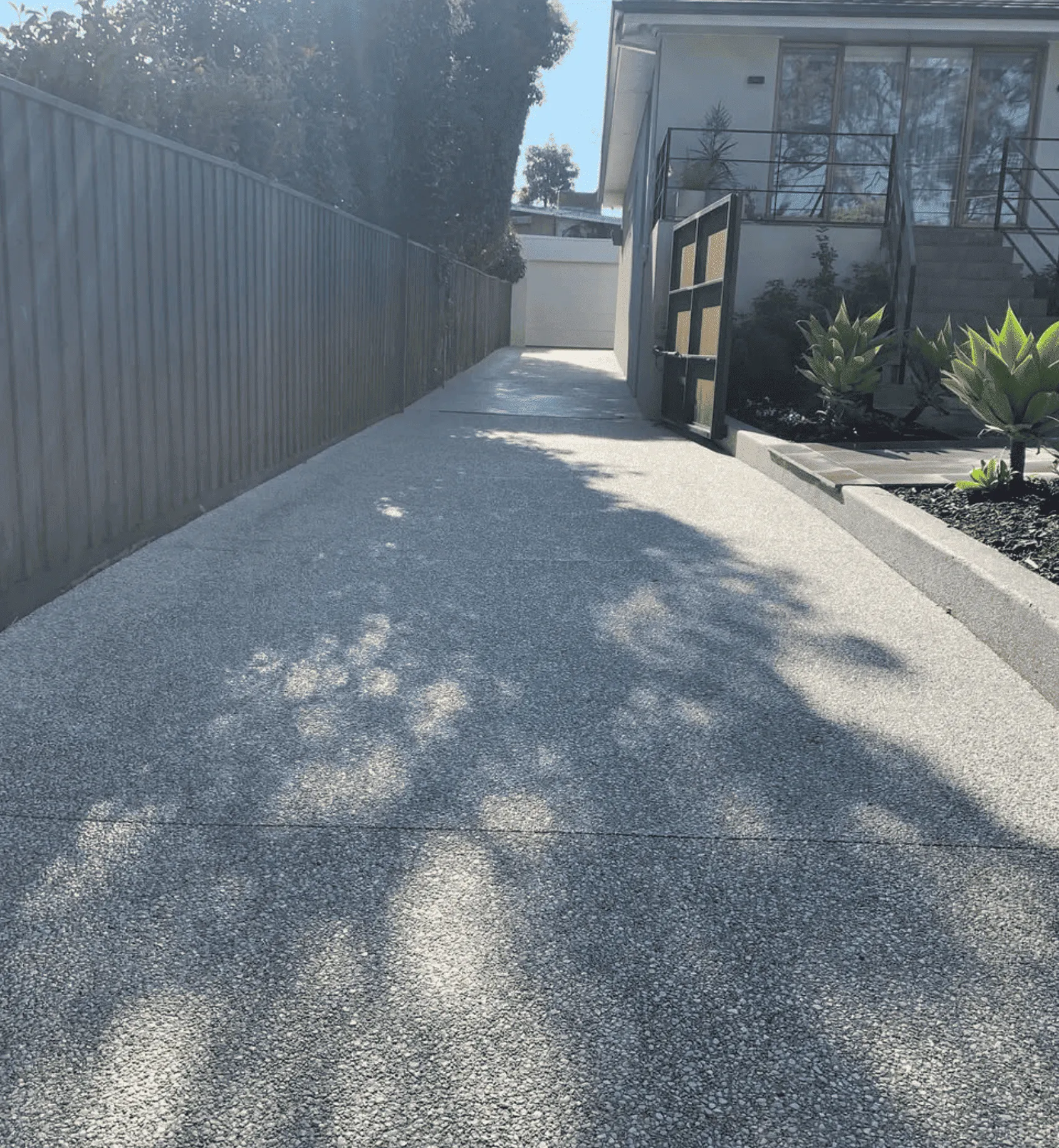
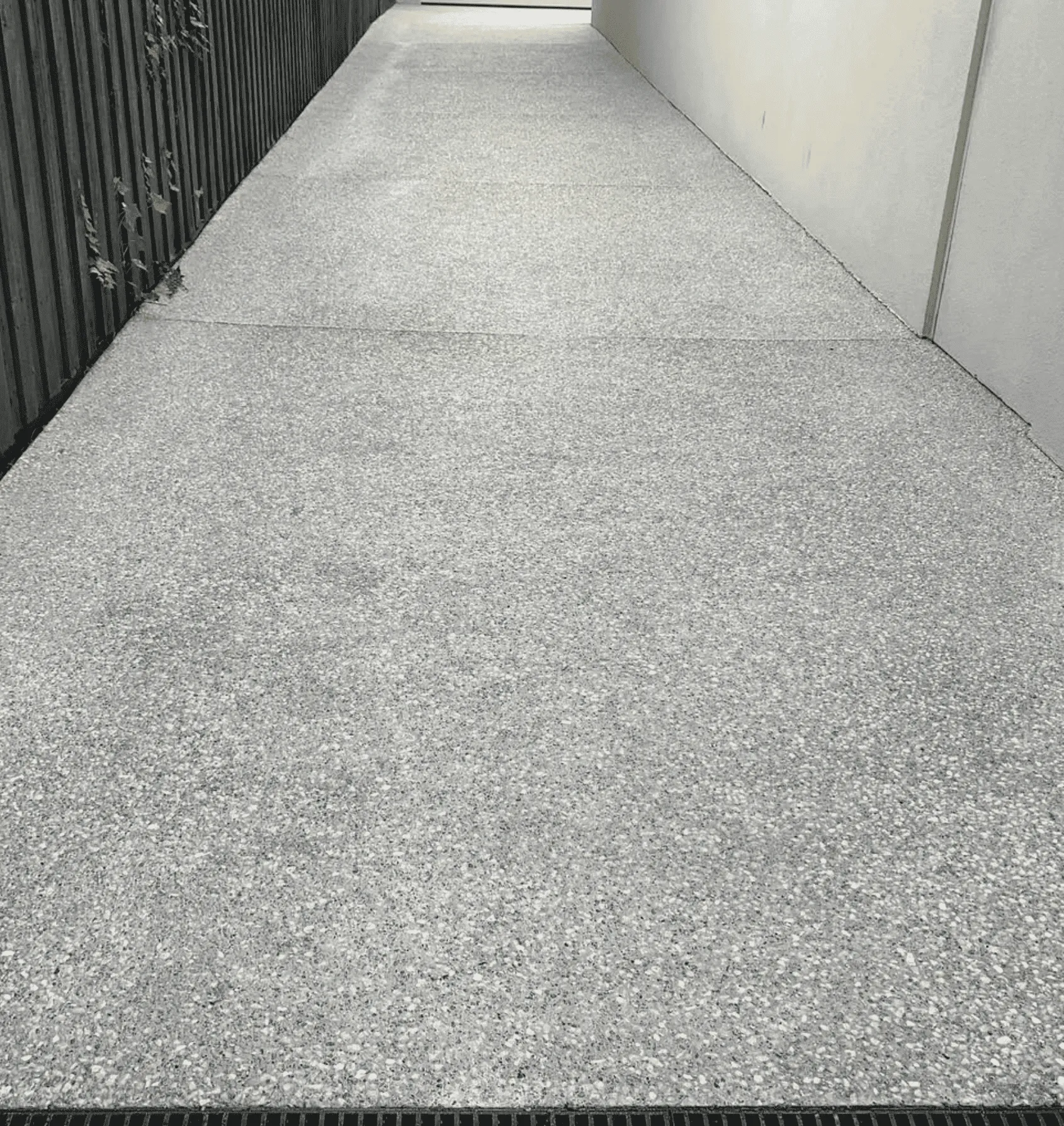
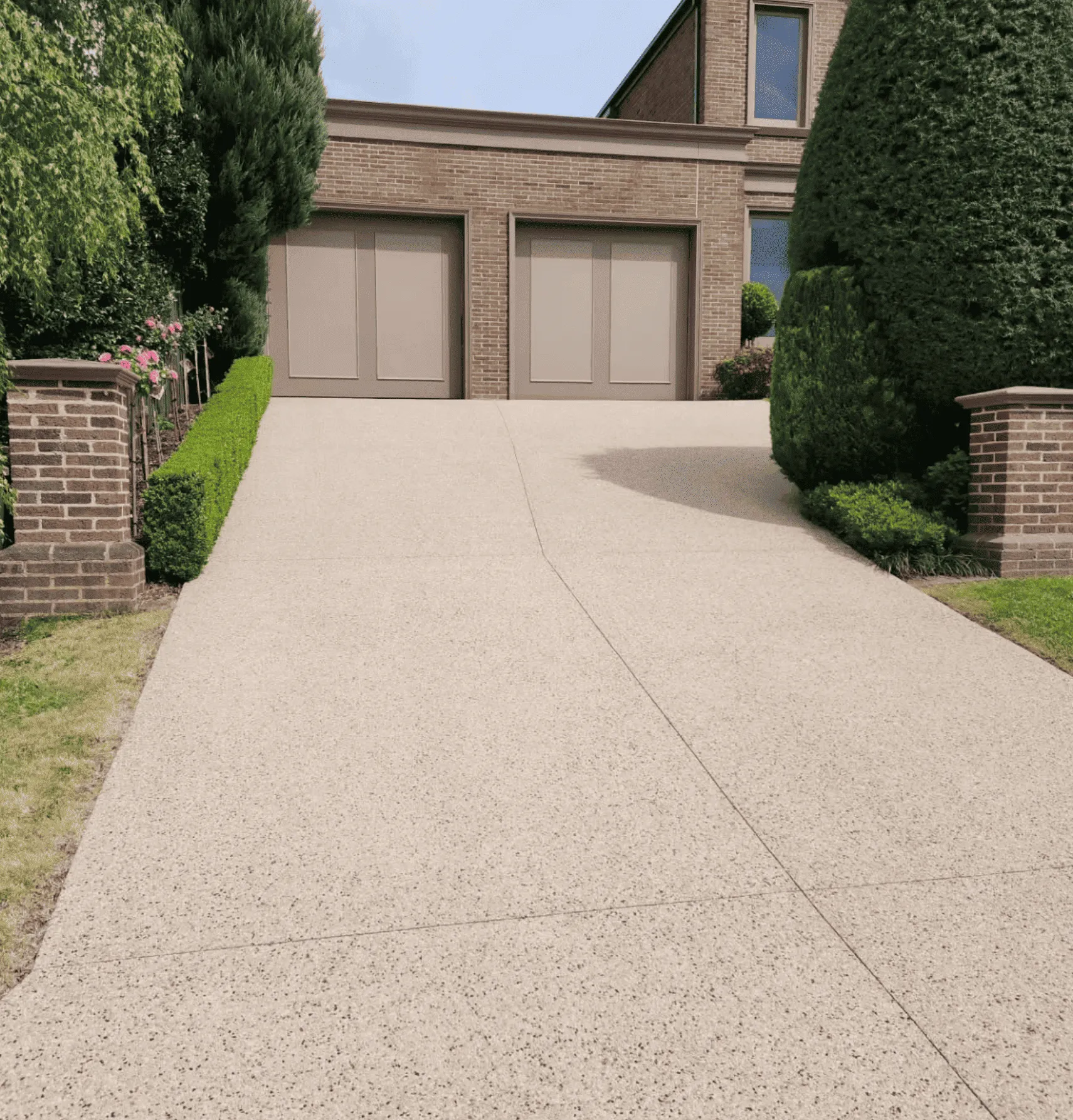
A driveway may appear as a single continuous hard surface, but its construction and finish determine how it should be treated. Exposed aggregate contains visible stone within a cement matrix; paving cleaning must account for joints and bedding; coloured, stencilled or sealed concrete has a finish that aggressive cleaning can affect.
We consider both the contamination and the substrate before cleaning.
| Driveway surface | Typical cleaning consideration | Main limitation |
|---|---|---|
| Plain concrete | Controlled pressure cleaning can remove general surface build-up | Weak or deteriorated areas can be etched |
| Exposed aggregate | Even cleaning without unnecessarily attacking the cement matrix | Excessive pressure can alter the surface |
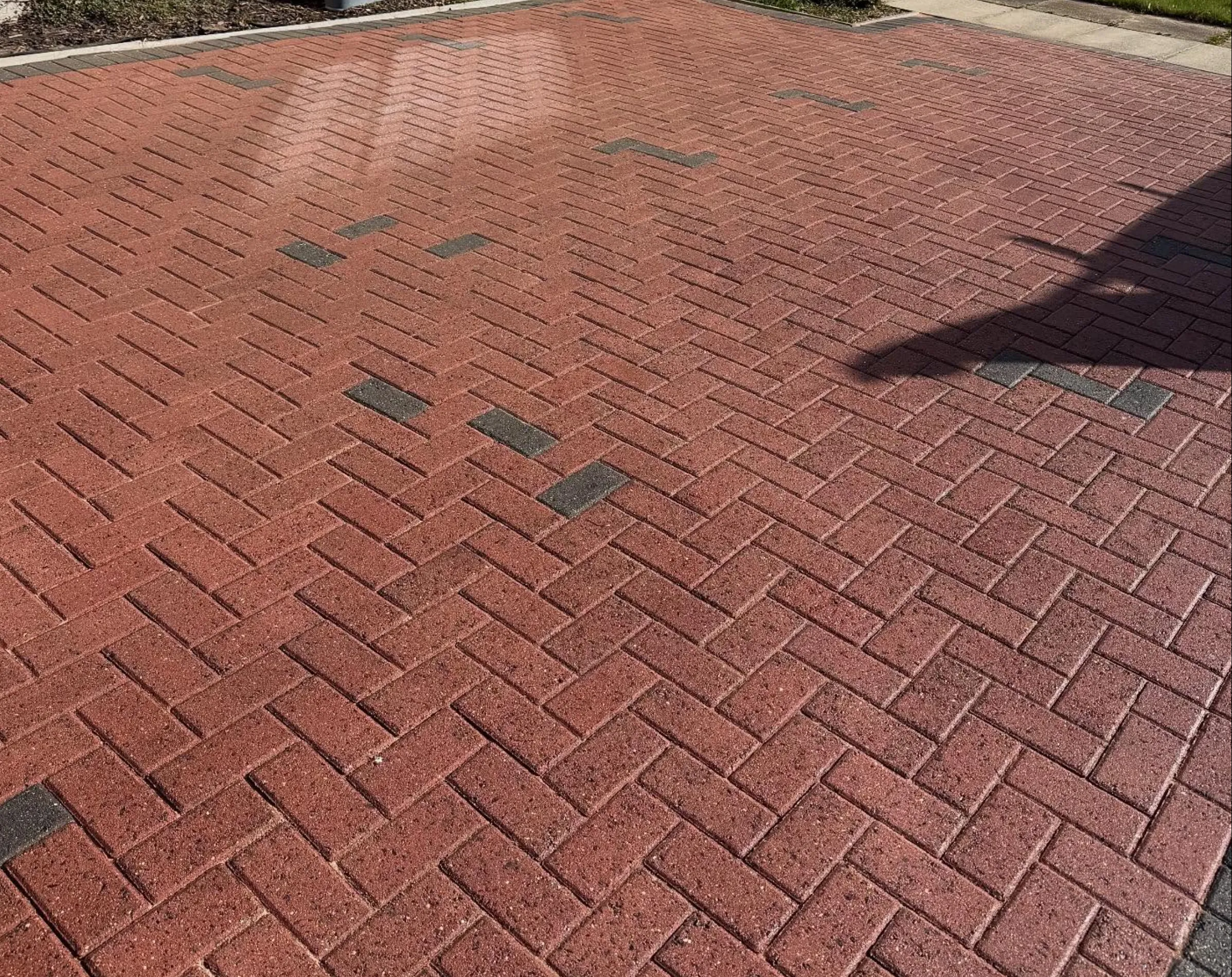
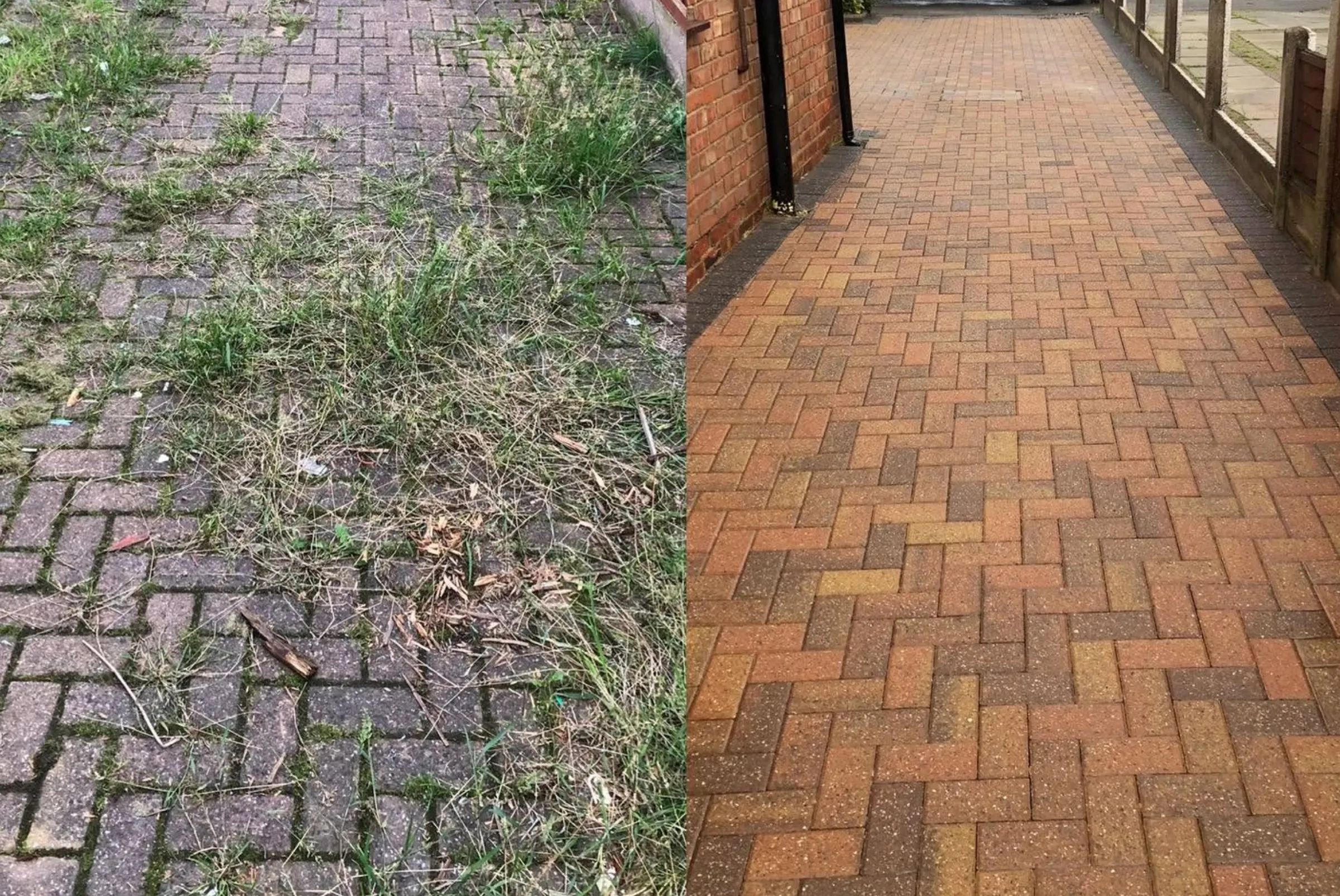
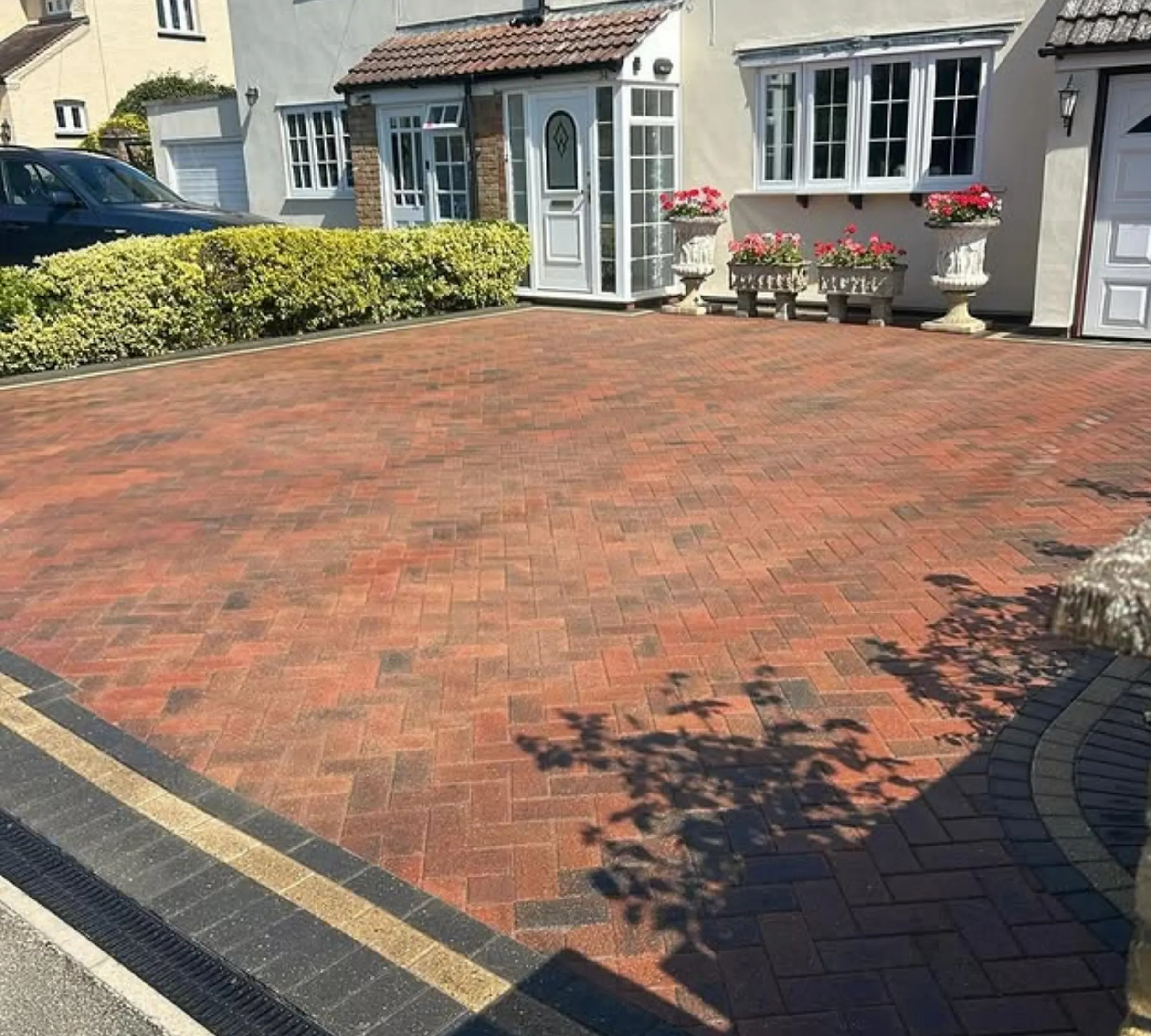
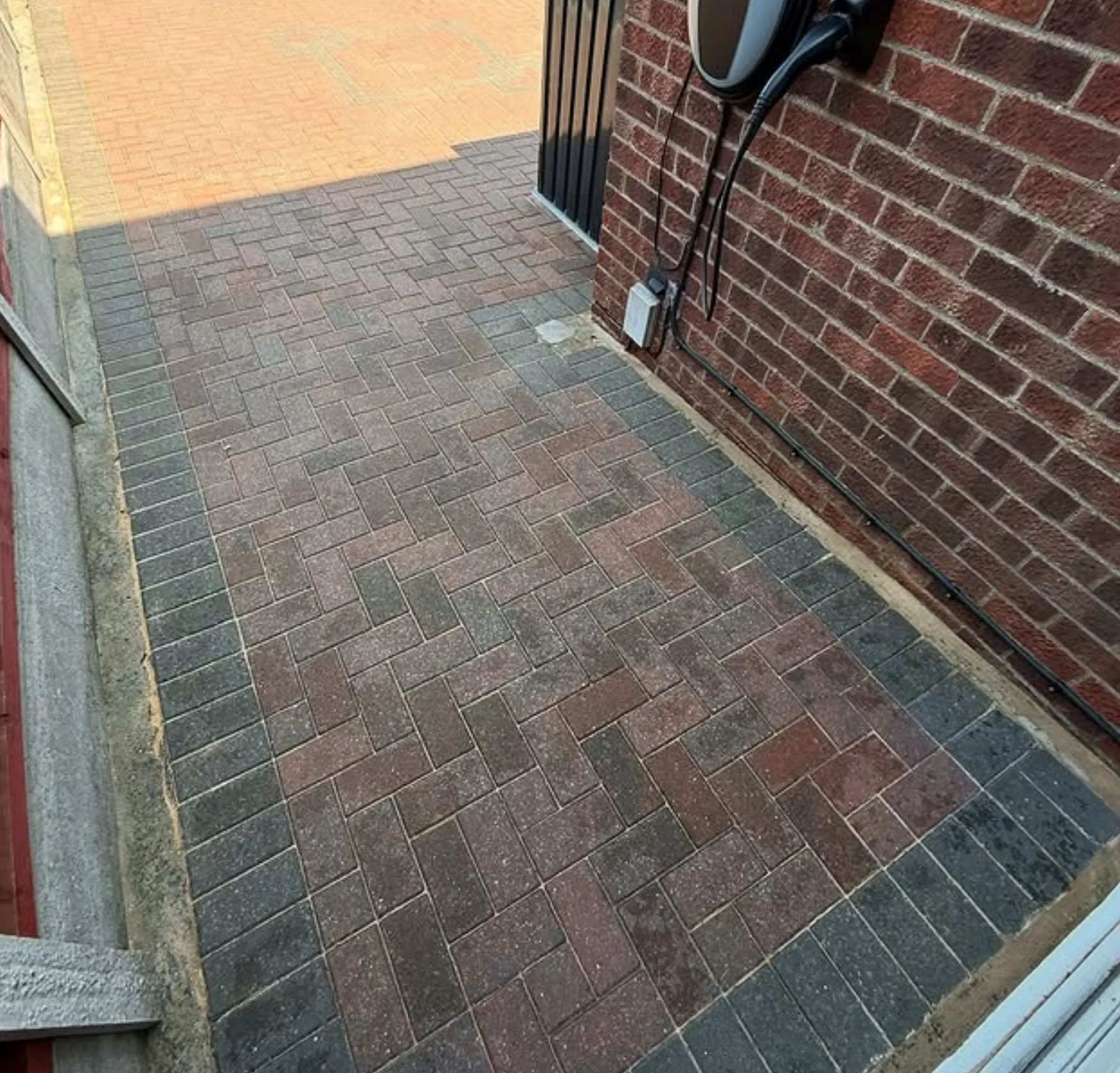
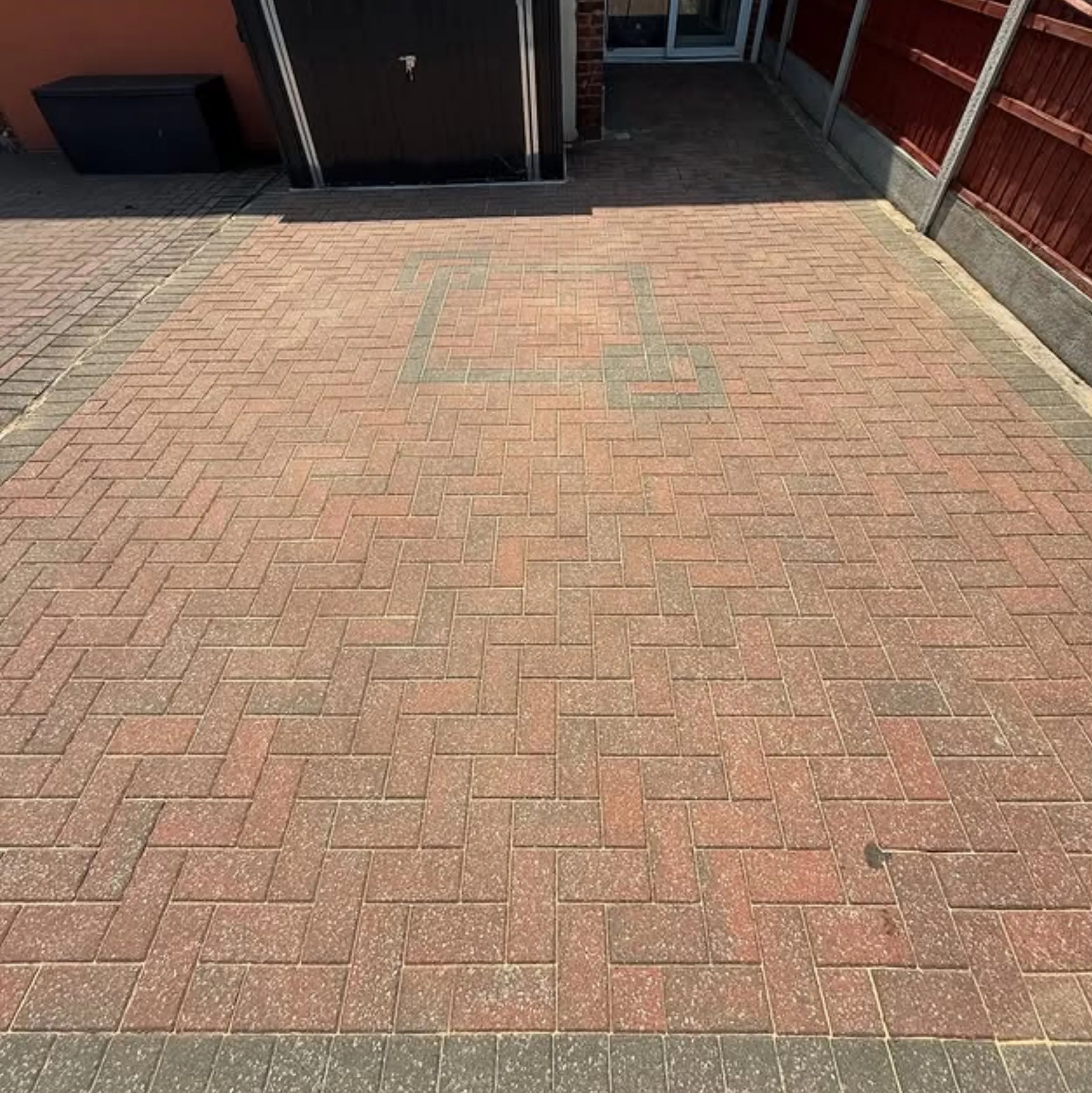
| Concrete pavers | Dirt and organic growth may collect in joints | Pressure can remove jointing sand |
| Sealed or coloured concrete | The existing coating condition needs to be checked first | Cleaning may expose faded or failing sealer |
| Stencilled or painted concrete | Lower-impact cleaning is selected around the coating condition | Excessive pressure can damage or remove the decorative finish |
| Older driveways | Condition matters as much as surface type | Cracks and deterioration are not cleaning problems |
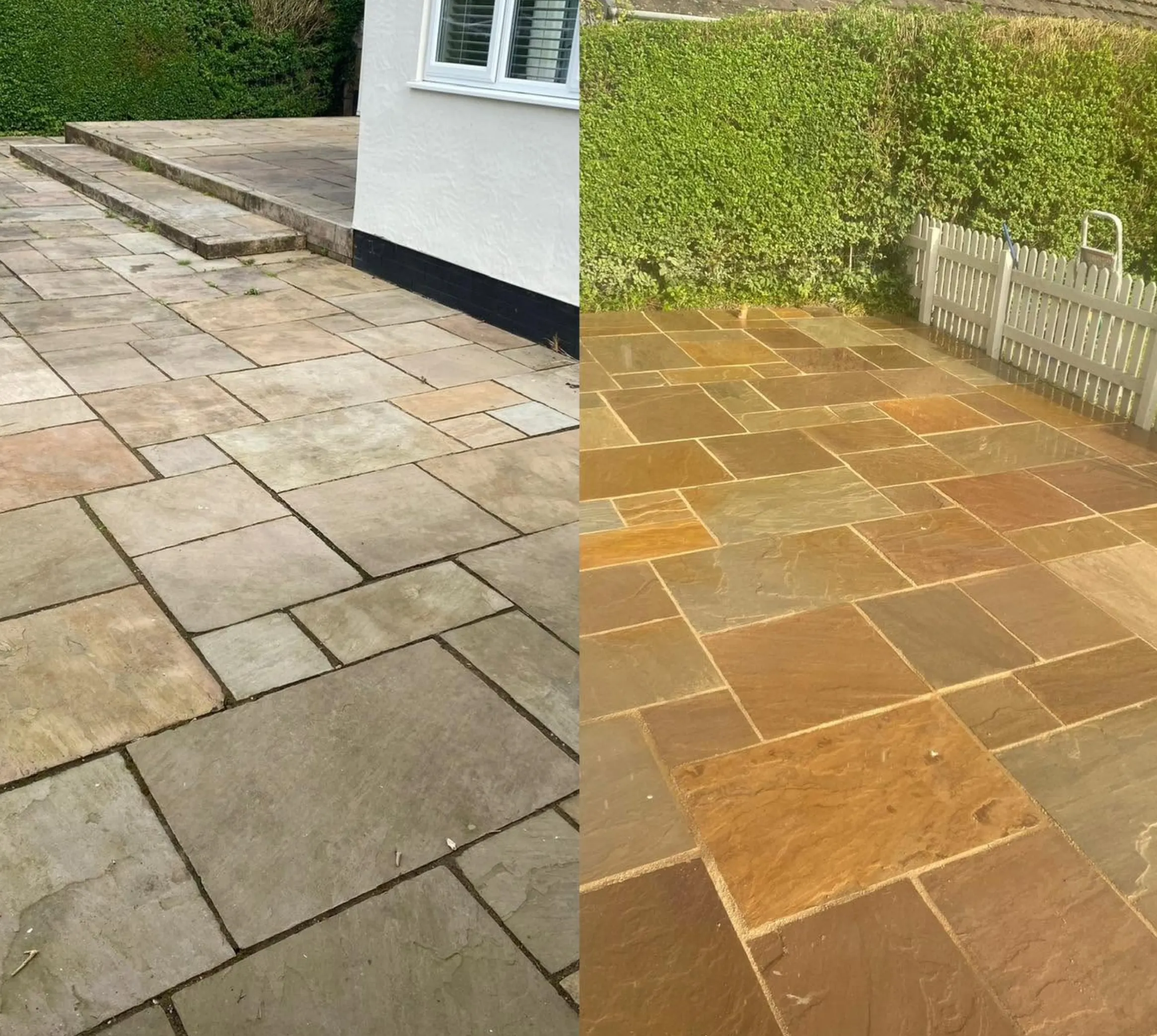
Cleaning can improve appearance, but it cannot repair cracking, spalling, movement, faded integral colour or a deteriorated coating. If a mark remains after appropriate cleaning, the problem may lie within the concrete, coating or substrate rather than being removable surface contamination.
What the Service Can Improve
Professional driveway cleaning is primarily about removing surface contamination while managing the risk of damage. Once that build-up is gone, the driveway’s actual condition is easier to assess before maintenance, driveway sealing or driveway painting.
Depending on the surface and contamination, cleaning may help remove:
- Accumulated soil, dust and general grime;
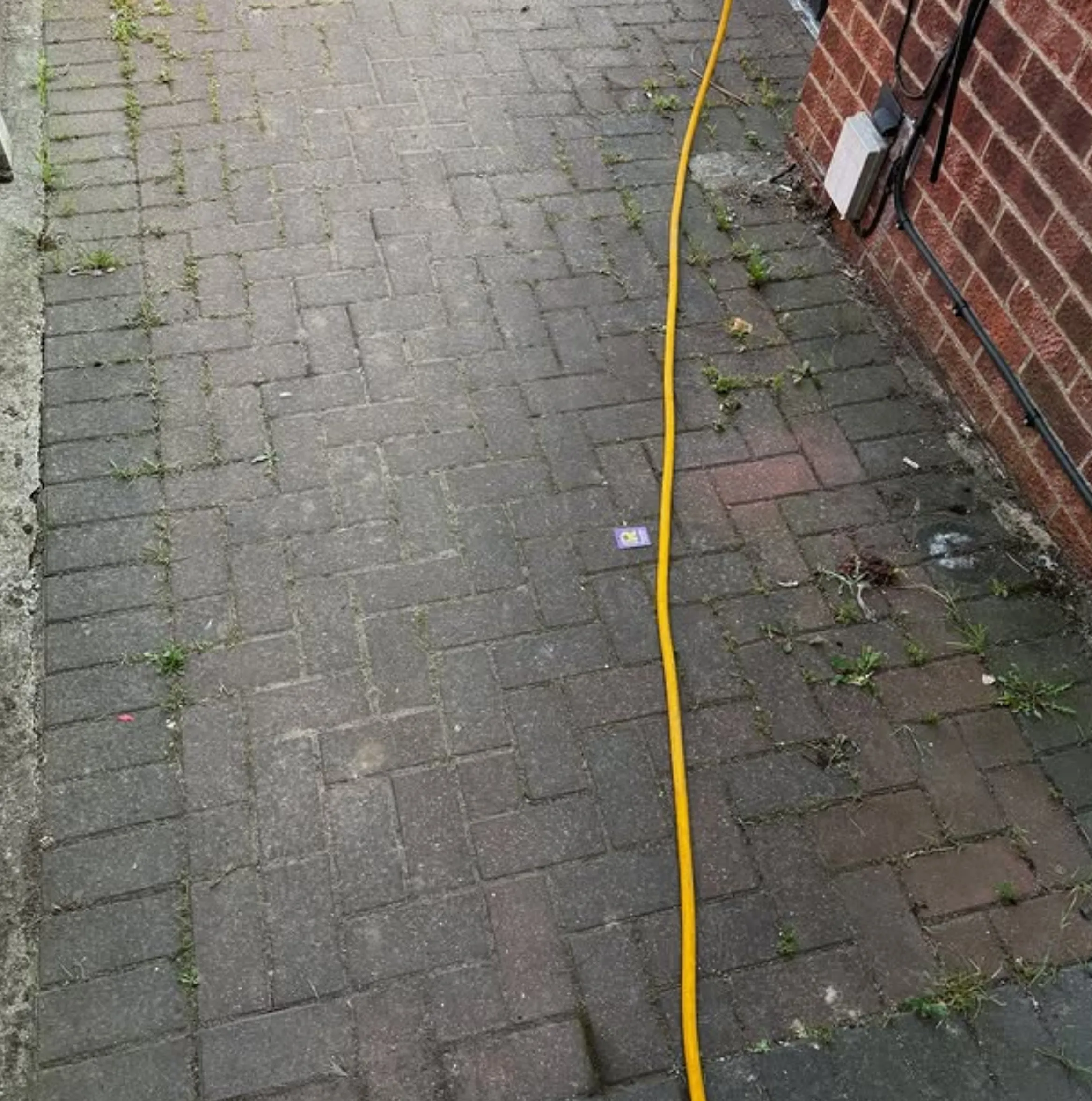
- Algae, moss, lichen, black mould and other organic growth;
- Leaf, bark and tannin staining;
- Tyre marks and traffic film;
- Some oil, grease and automotive fluid residues;
- Loose material before compatible driveway sealing.
Different contaminants need different treatments. Organic growth may respond to an appropriate cleaning agent, while oil, rust and tannin stains can require separate stain-removal treatments. Deeply absorbed oil, rust stains, efflorescence and established mineral staining may not disappear completely.
How We Match the Method to the Surface
Our driveway cleaning services are selected according to the surface material, its condition and the type of contamination. Pressure, pre-treatment and cleaning methods are adjusted to suit the individual driveway.
Controlled Water Pressure
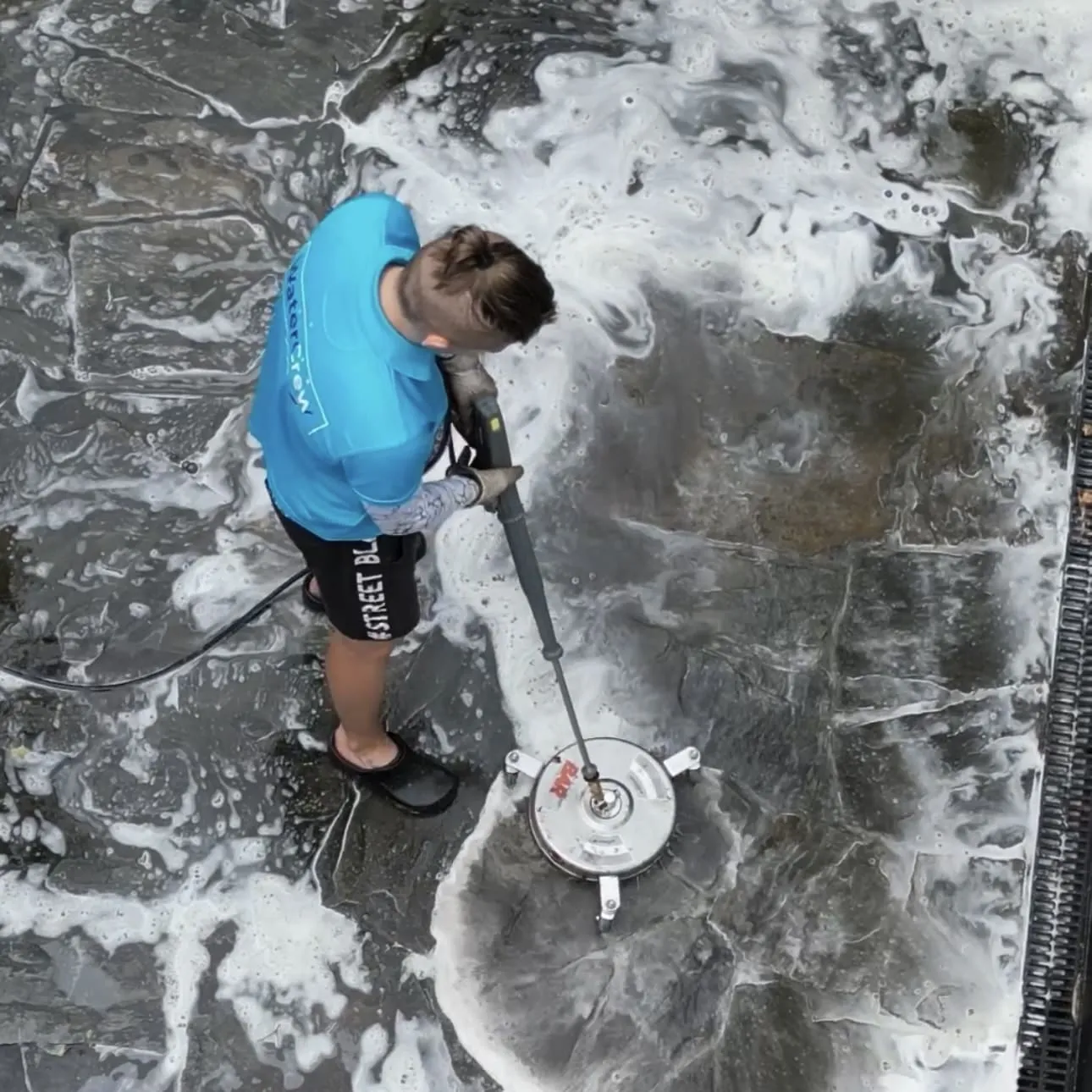
Driveway pressure washing uses high-pressure water to dislodge contaminants from suitable hard surfaces. Depending on the area and its condition, professional equipment such as a pressure washer and surface cleaner can produce more consistent results than repeatedly concentrating a narrow jet on individual sections.
Rather than treating every driveway as suitable for aggressive high-pressure washing, we base the method on surface strength, finish and condition. Where contamination is chemically different from ordinary dirt, pre-treatment, a suitable concrete degreaser, or agitation may be more appropriate than increasing pressure.
High-pressure cleaning is not suitable for every driveway surface. Where age, finish or condition makes aggressive pressure unsuitable, a lower-pressure approach combined with an appropriate cleaning agent may be considered, particularly for coloured concrete, older paving and some natural stone surfaces.
Sound and Ageing Concrete
Sound concrete driveways can often tolerate pressure cleaning well, but concrete is not indestructible. Existing deterioration, weak surface paste, coatings and previous damage all affect what is appropriate.
Oil stains present a different challenge. Because concrete is porous, contamination that has penetrated beneath the immediate surface may remain visible even after substantial surface grime has been removed. Appropriate stain-removal treatments may improve the result, but cleaning should be judged by what can safely be removed, not by a promise that every mark will disappear.
The same surface-specific reasoning applies where cleaning extends to associated concrete paths or compatible entertainment areas within the agreed scope.
Decorative Aggregate Finishes
Exposed aggregate requires control because the decorative stones are intentionally revealed within the concrete surface. Aggressive cleaning can affect the cement matrix surrounding the aggregate, particularly where it is already weathered or deteriorated.
Before selecting an approach, we assess the matrix, aggregate and any existing sealer. The aim is to remove contamination effectively without assuming that higher pressure will yield a better result.
Pavers, Joints and Efflorescence
Cleaning pavers involves more than treating the face of each unit. The joints are part of the pavement system, and excessive pressure on them can dislodge jointing sand.
Those joints should be checked after pressure washing, rather than assuming the paving needs only surface treatment. Paver condition, jointing material and any previous sealer also influence the appropriate cleaning method.
Efflorescence requires separate diagnosis. This white deposit can result from soluble salts reaching the surface when moisture is present; removing ordinary dirt does not address the moisture conditions that allow it to appear.
Before Applying a Sealer
A driveway being prepared for sealing needs to be clean, suitably dry and compatible with the proposed coating system. Cleaning cannot compensate for an unsuitable substrate or a failing previous coating.
As one manufacturer-specific example, Dulux Avista specifies a minimum pressure of 2,000 psi (approximately 138 bar) when pressure-cleaning concrete before applying its General Purpose Concrete Sealer. This is a preparation requirement for that system, not a universal driveway-cleaning pressure.
For the same system, concrete moisture content must be below 10% before sealing. Dulux Avista also provides a 1-hour dry test using a plastic sheet where moisture-testing equipment is unavailable.
Return-to-service times are product-specific. Dulux Avista General Purpose Concrete Sealer requires at least 24 hours before foot traffic and 5 days before vehicle traffic. Other sealers may differ, so the product instructions take precedence.
What to Expect on the Day
We begin by identifying the surface and inspecting its condition, oil stains, tyre marks, organic growth, coatings, joints, drainage and nearby areas. Loose debris is cleared before appropriate cleaning, stain removal or pre-treatment begins.
The general sequence is:
- Assess the driveway material and existing condition;
- Identify general grime and stains that may need separate treatment;
- Protect or account for adjacent areas and runoff;
- Select suitable pressure cleaning, cleaning products and agitation;
- Clean systematically and rinse away loosened contamination;
- Inspect the surface and identify any remaining marks or defects.
Wash water and loosened contamination also need somewhere to go, so nearby garden beds, neighbouring surfaces and stormwater drainage form part of the process.
Driveway size, material, contamination, stain-removal requirements, access and condition can all affect the quote, as can preparation for subsequent driveway sealing.
Choosing Products for the Surface
For us, the “best” product is not simply the strongest one. It is the product suited to the surface, contamination and intended next step.
When we use cleaning agents, concrete degreasers or sealers, we follow the manufacturer’s directions for dilution, dwell time, surface compatibility, application conditions and drying requirements. Where appropriate, biodegradable cleaners or other surface-compatible products may be considered, but suitability matters more than an “eco-friendly” label alone.
Before sealing, we also distinguish removable contamination from moisture problems, damaged coatings or structural deterioration that cleaning cannot correct.
Melbourne Conditions That Affect Driveways
Conditions vary considerably across Melbourne driveways. Shaded areas that remain damp can develop algae, black mould, moss and other organic growth more quickly. Beneath established trees, driveways may accumulate leaf litter, bark and tannin staining and stay damp longer after rain. More exposed sites can collect dust, tyre marks and traffic residues, particularly near busy roads.
Water use must also comply with Victoria’s Permanent Water Saving Rules. Under these rules, a high-pressure water cleaning device must use no more than 9 litres of water per minute. Water may also be used to clean developed staining from hard surfaces such as driveways once per season, subject to the applicable rules and exceptions. This is a water-use restriction, not a recommendation to pressure clean a driveway every season.
Maintenance is therefore better based on driveway condition than on an identical cleaning calendar across Melbourne. Drainage, shade, vegetation, vehicle traffic and surface porosity usually matter more than the suburb name itself.
When the Surface Needs Attention
There is no universal interval for a driveway pressure clean. A sheltered driveway with little traffic may remain presentable considerably longer than a shaded surface beneath trees.
Pressure cleaning may be worth considering once contamination becomes established, the surface is noticeably discoloured or slippery organic growth appears. Cleaning can also form part of preparation for compatible driveway sealing, subject to the coating manufacturer’s requirements.
Between Professional Cleans
Sweep away leaves, bark, soil and organic debris before they remain wet against porous surfaces for long periods. Fresh oil and other automotive fluid leaks are best dealt with promptly rather than being allowed to penetrate, while surrounding drainage areas should be kept clear.
Avoid turbo nozzles or concentrated pressure around paver joints, deteriorated concrete and decorative finishes. Localised force can remove jointing material or damage the surface. On sealed or coloured concrete, watch for coating wear rather than assuming dullness is dirt. Recurring black mould, algae or efflorescence can also indicate moisture or drainage issues that cleaning alone will not resolve.
Request a Free Quote
If your driveway has accumulated grime, organic growth, tannin staining, tyre marks, oil stains or other surface contamination, Window Cleaning Melbourne Crew can assess the surface and determine an appropriate cleaning approach.
Tell us the driveway material, approximate area, current condition and any problem stains. These details help us assess the likely cleaning method and determine whether specific stain removal or sealing preparation should be included in the scope.

Your satisfaction is our top priority. We tailor our services to meet your specific needs

We are committed to environmental responsibility. Our cleaning products are eco-friendly.

Pricing
We offer competitive pricing without compromising on the quality of our services.

Expertise
As a locally owned and operated company, we understand the unique needs of our community.
FAQ
Can pressure cleaning damage a driveway?
Yes, excessive or poorly controlled pressure cleaning can damage some driveway surfaces. Existing deterioration, decorative finishes, coloured or stencilled concrete, coatings and paver joints all affect how much mechanical cleaning is appropriate.
Will driveway cleaning completely remove oil stains?
Not always. Fresh surface contamination may respond well to an appropriate concrete degreaser or stain-removal treatment, while oil that has penetrated porous concrete can leave residual discolouration after cleaning.
Should pavers be resealed after cleaning?
Not automatically. Whether driveway sealing is suitable depends on the paver, previous treatments, desired finish and sealer requirements; disturbed jointing sand may also need attention before sealing.
Is pressure cleaning suitable for coloured or sealed concrete?
It can be, but the condition of the colour treatment or sealer needs to be assessed first. Excessive pressure can affect decorative finishes or expose an already deteriorating coating, so a lower-pressure method may be more appropriate in some cases.
What affects the cost of driveway cleaning?
The main factors are the area, driveway surface, condition, type and severity of contamination, access and any additional stain-removal treatments or sealing preparation required. An assessment allows the cleaning scope to be matched to the actual driveway rather than priced solely by surface area.
SEO Title: Driveway Cleaning Melbourne
Meta Description: Professional driveway cleaning in Melbourne for concrete, exposed aggregate and pavers. Pressure cleaning, stain removal and sealing prep.