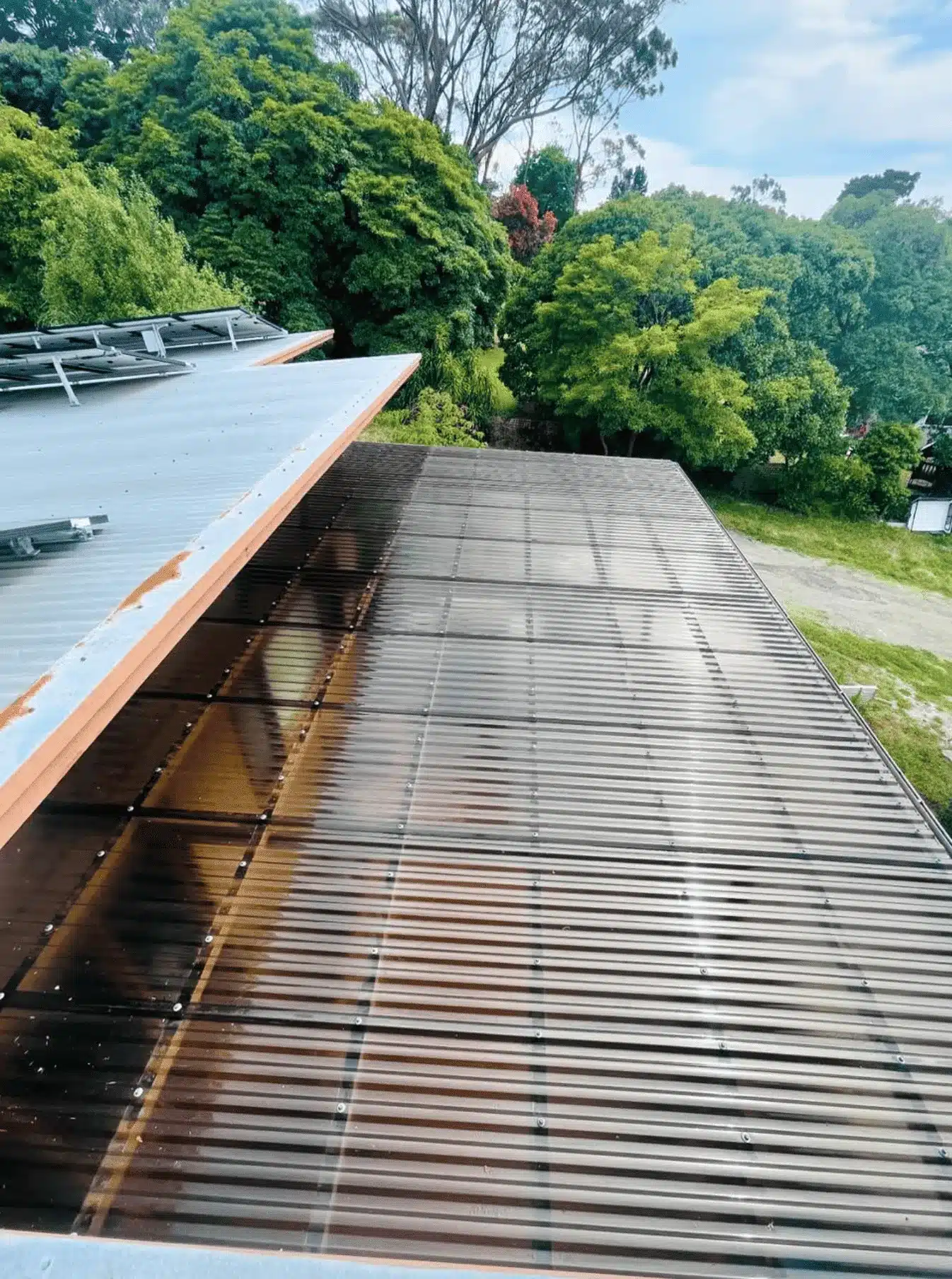
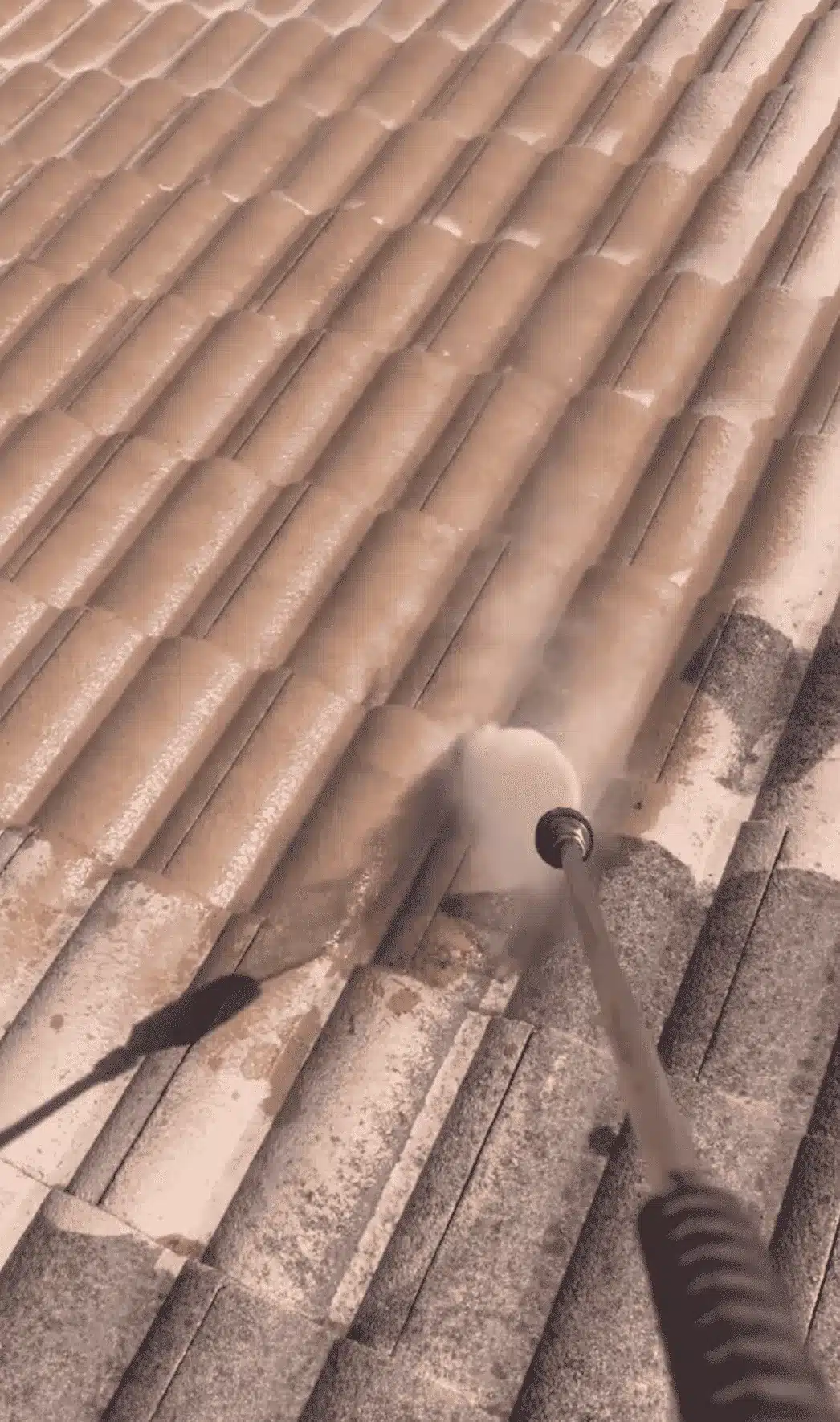
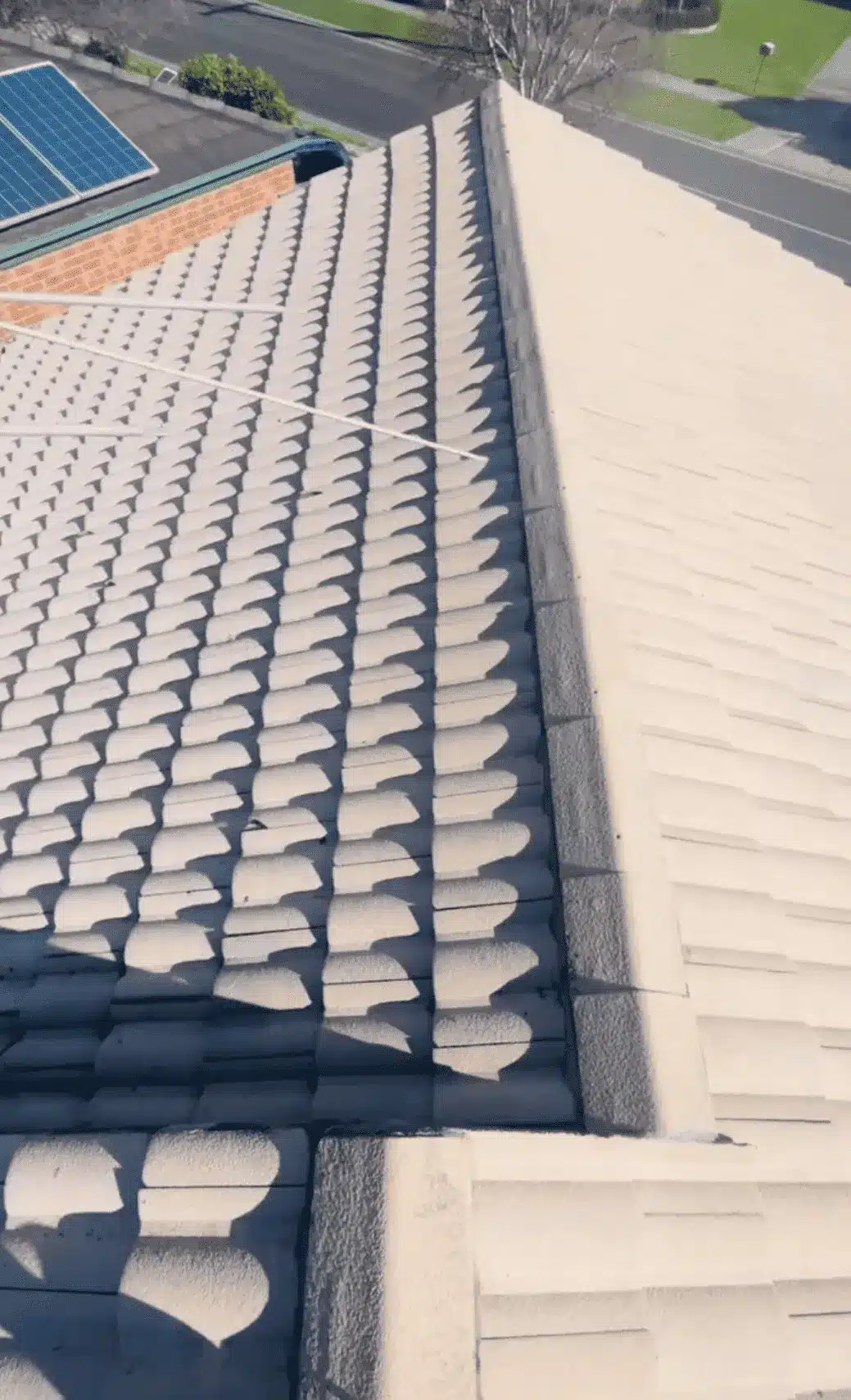
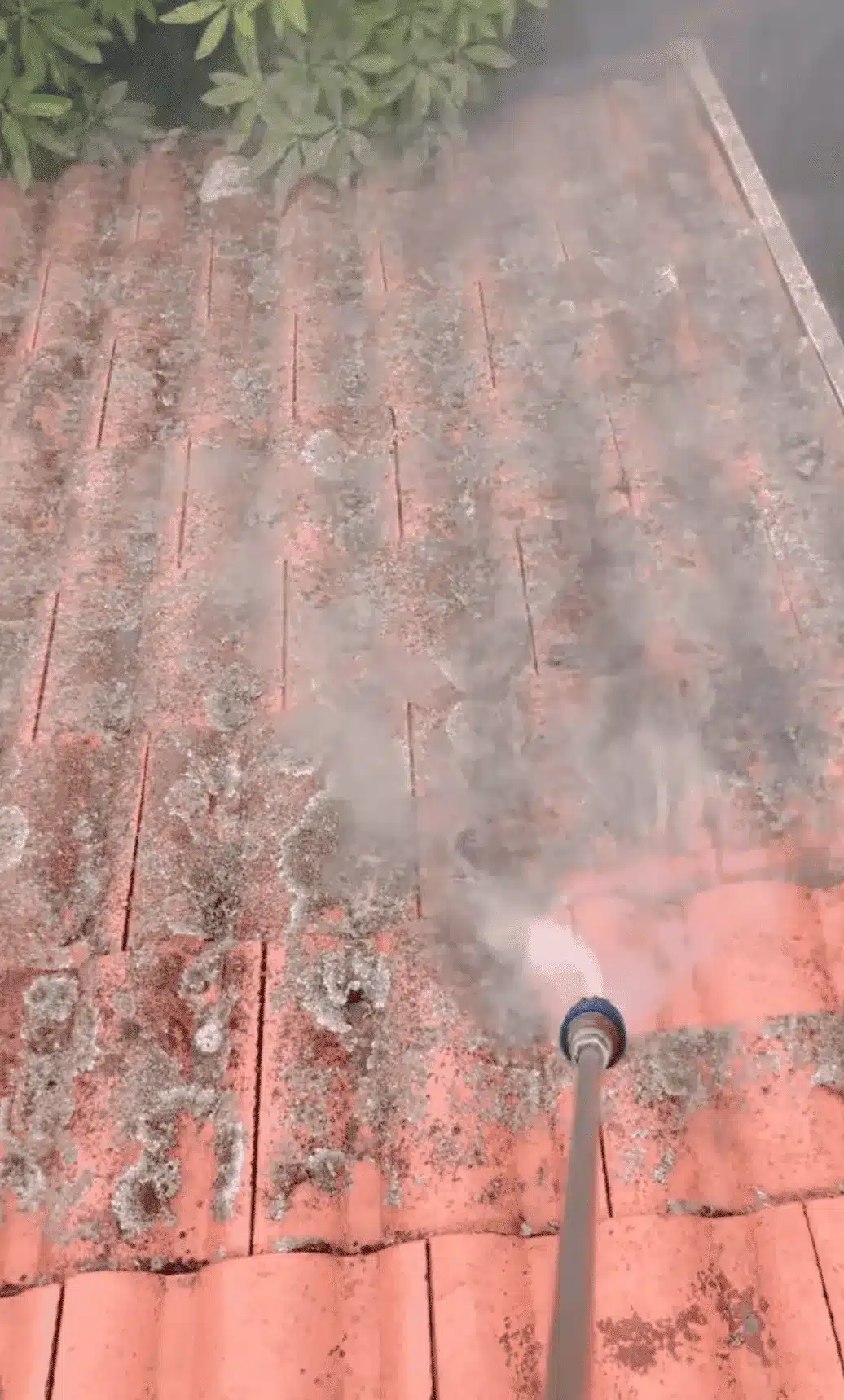
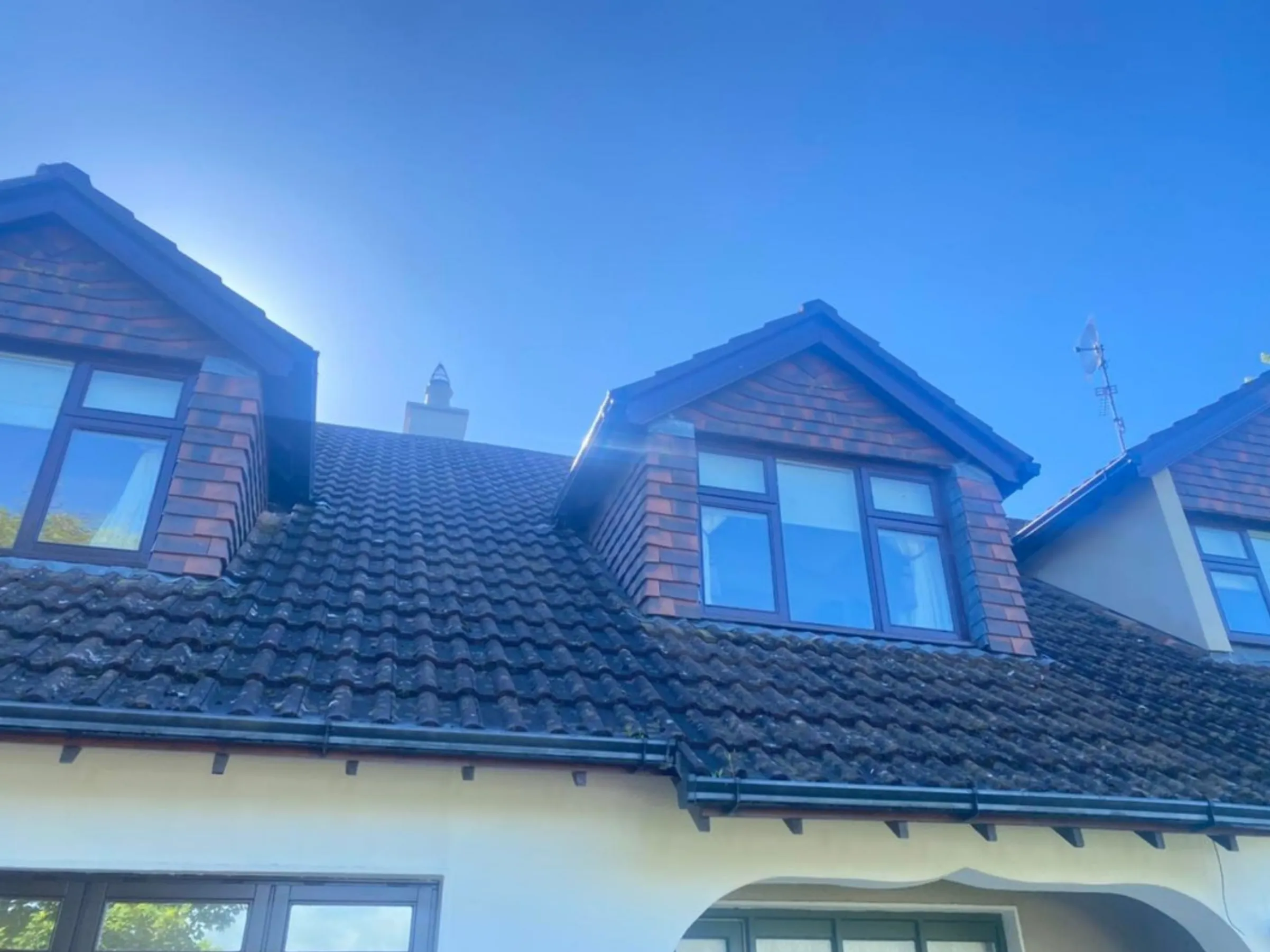
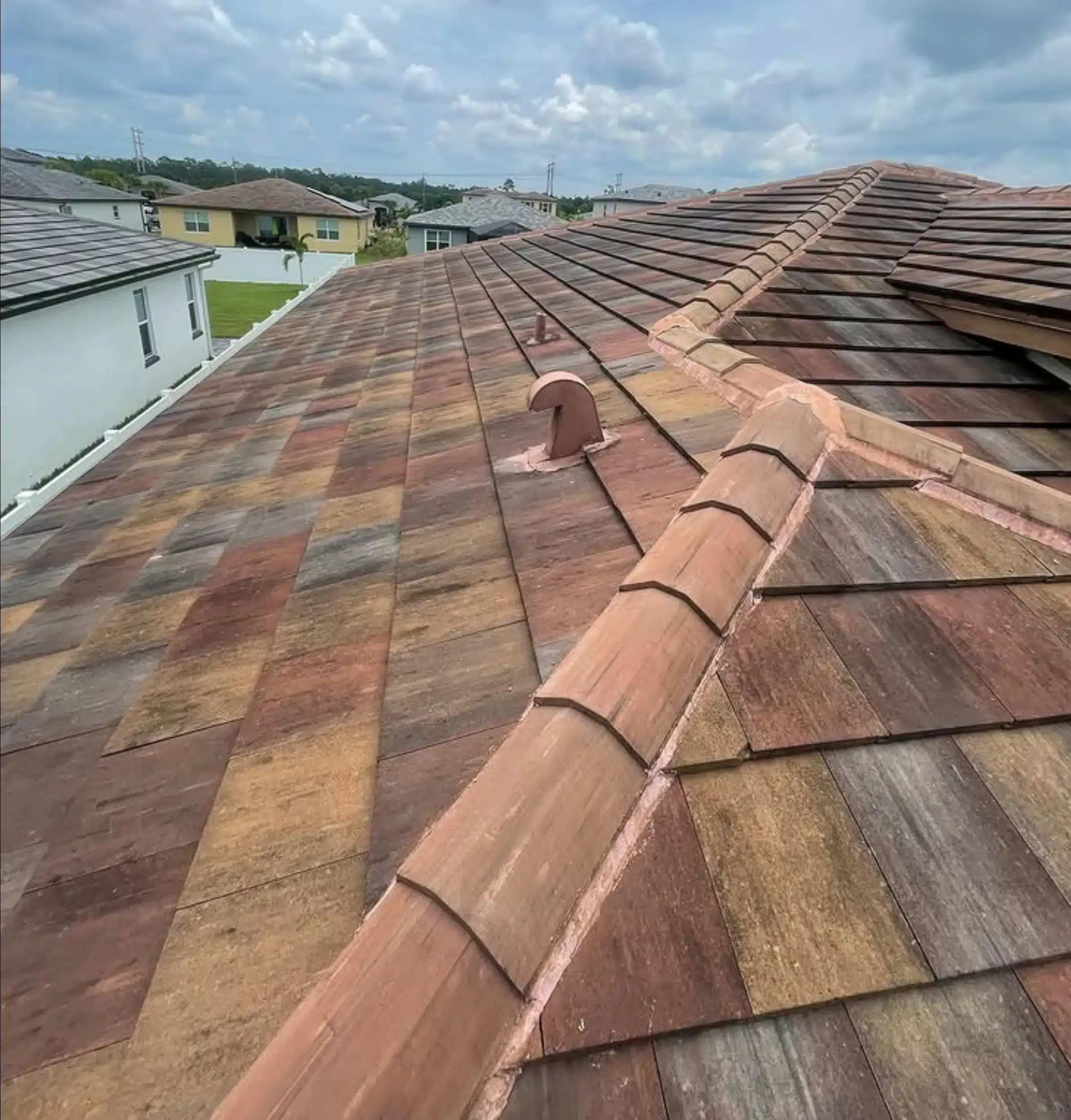
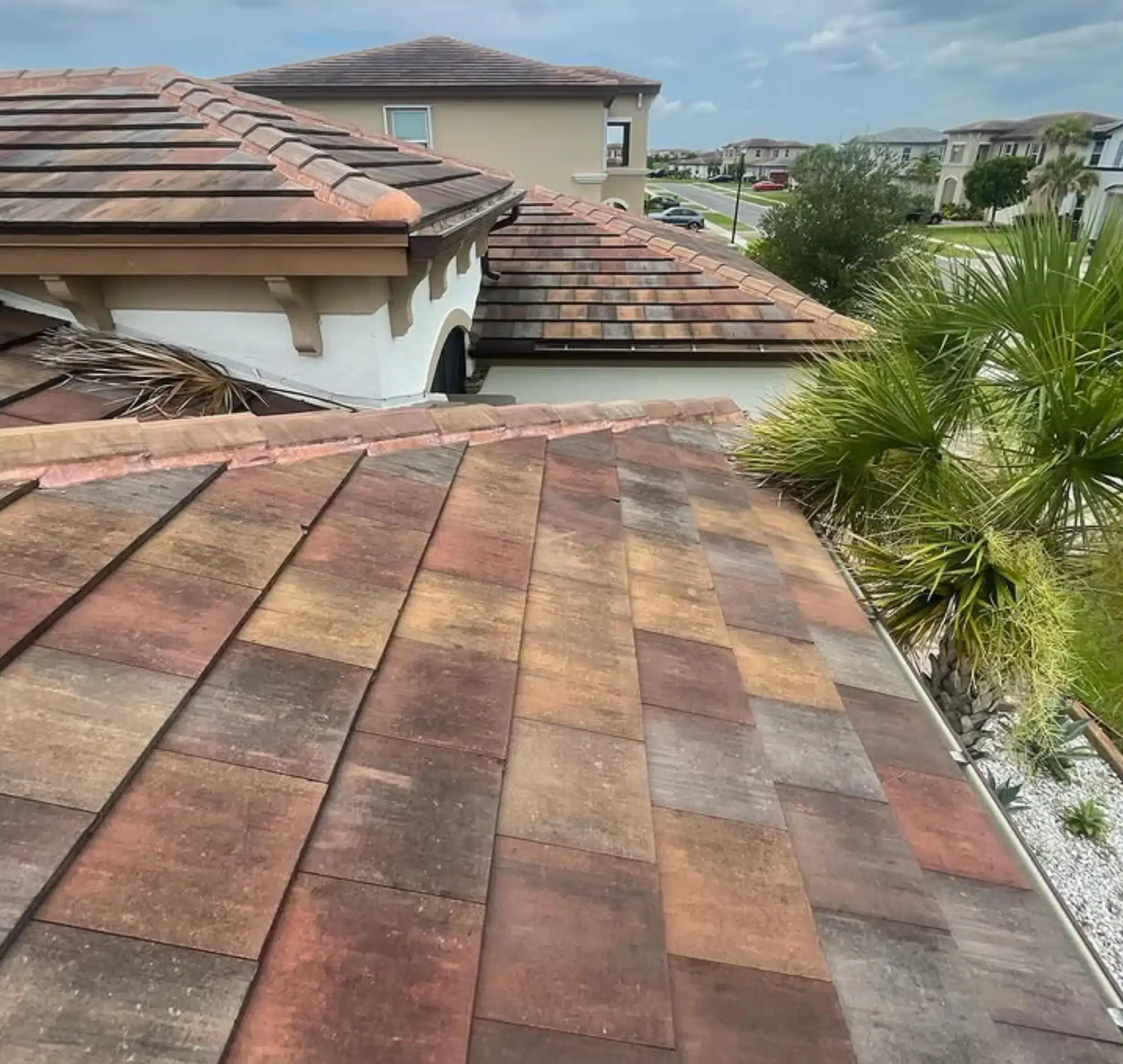
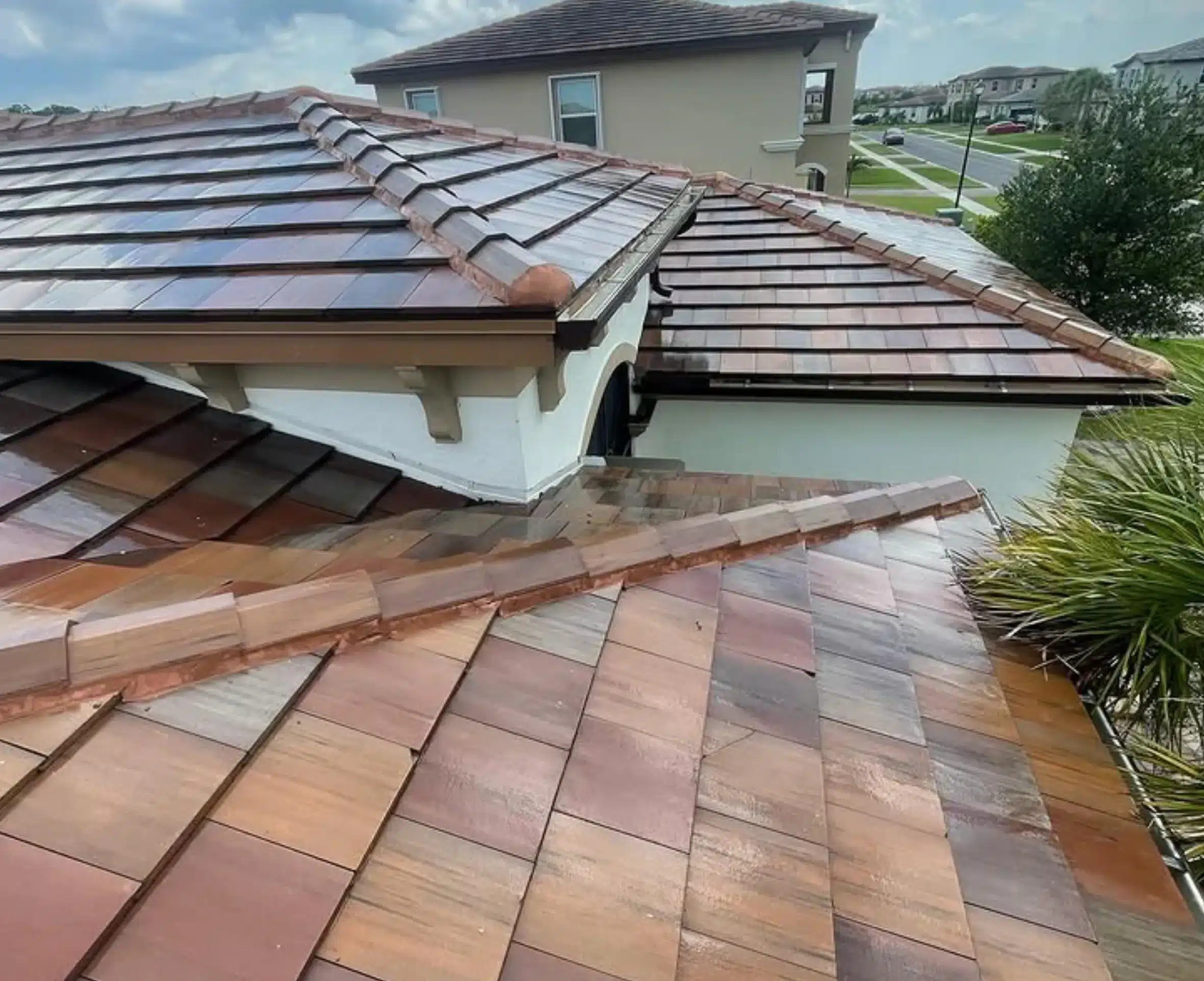
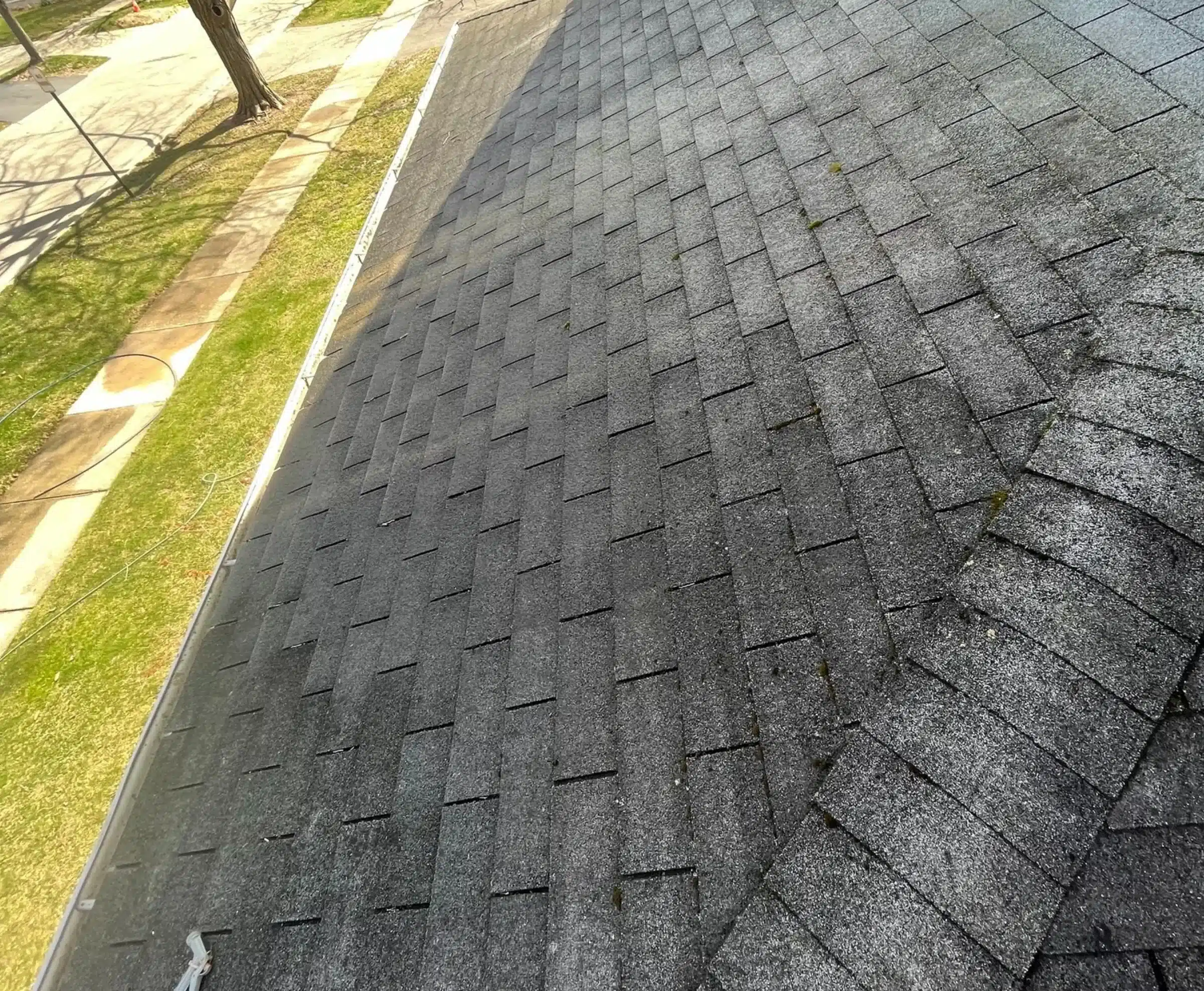
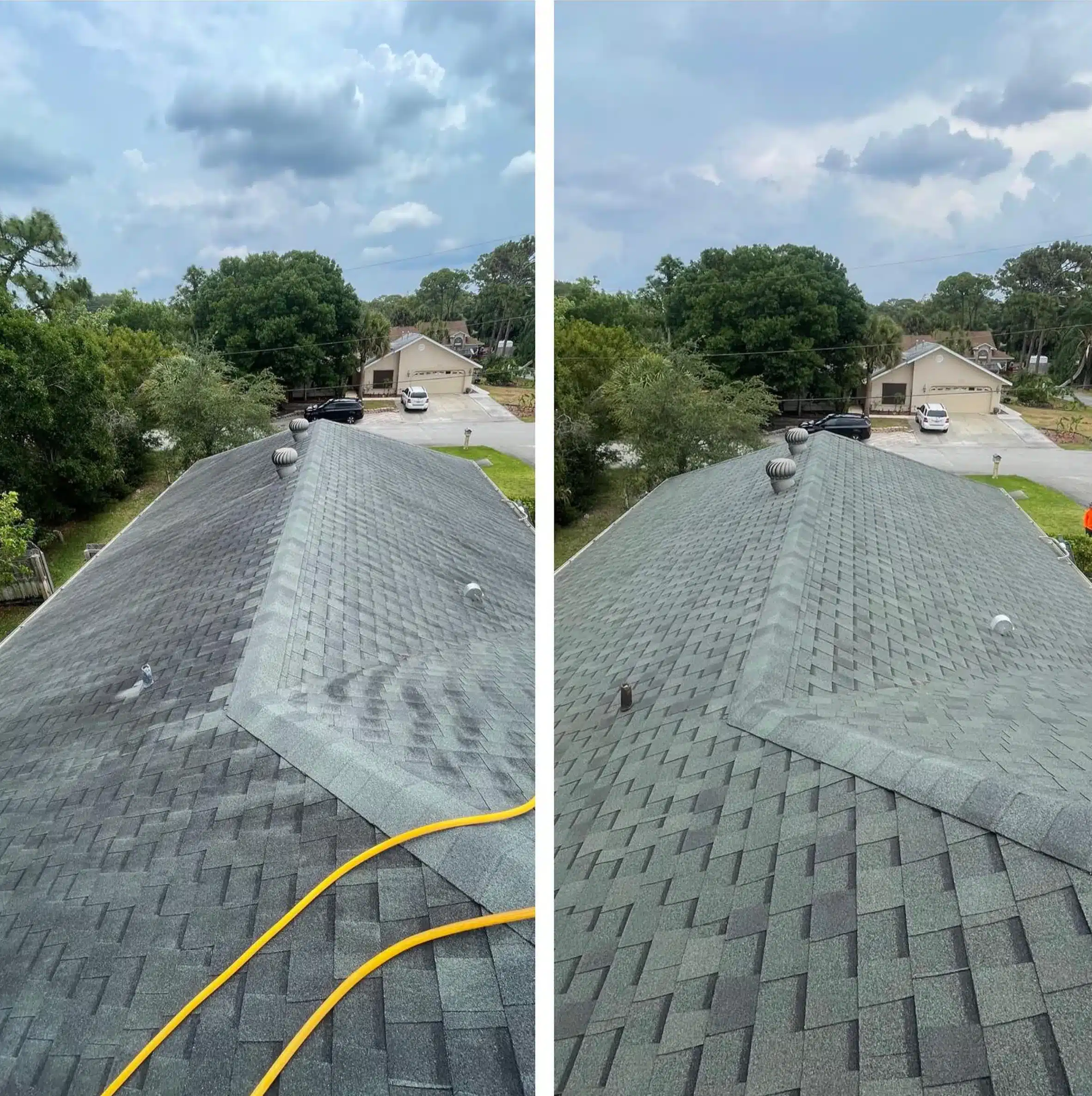
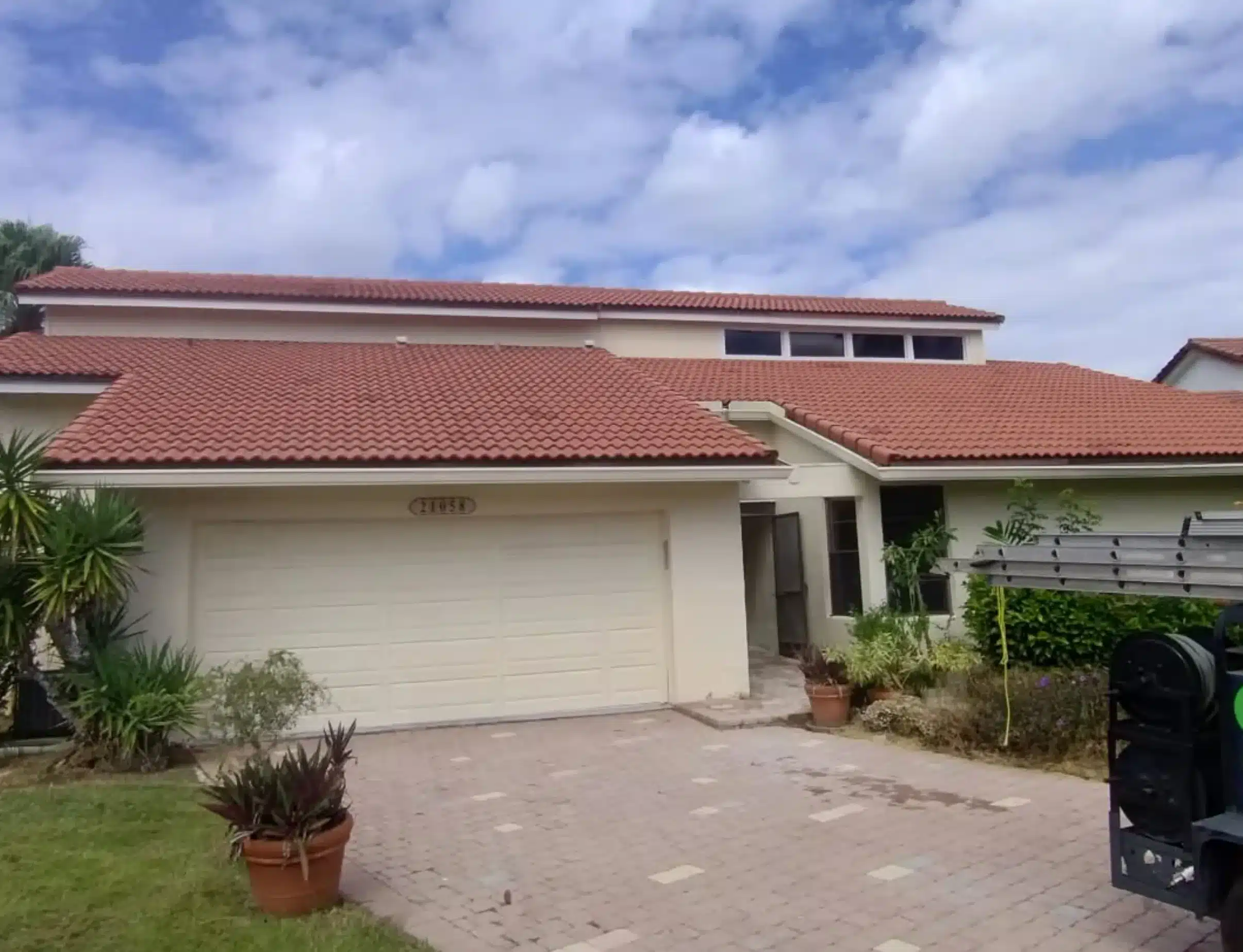
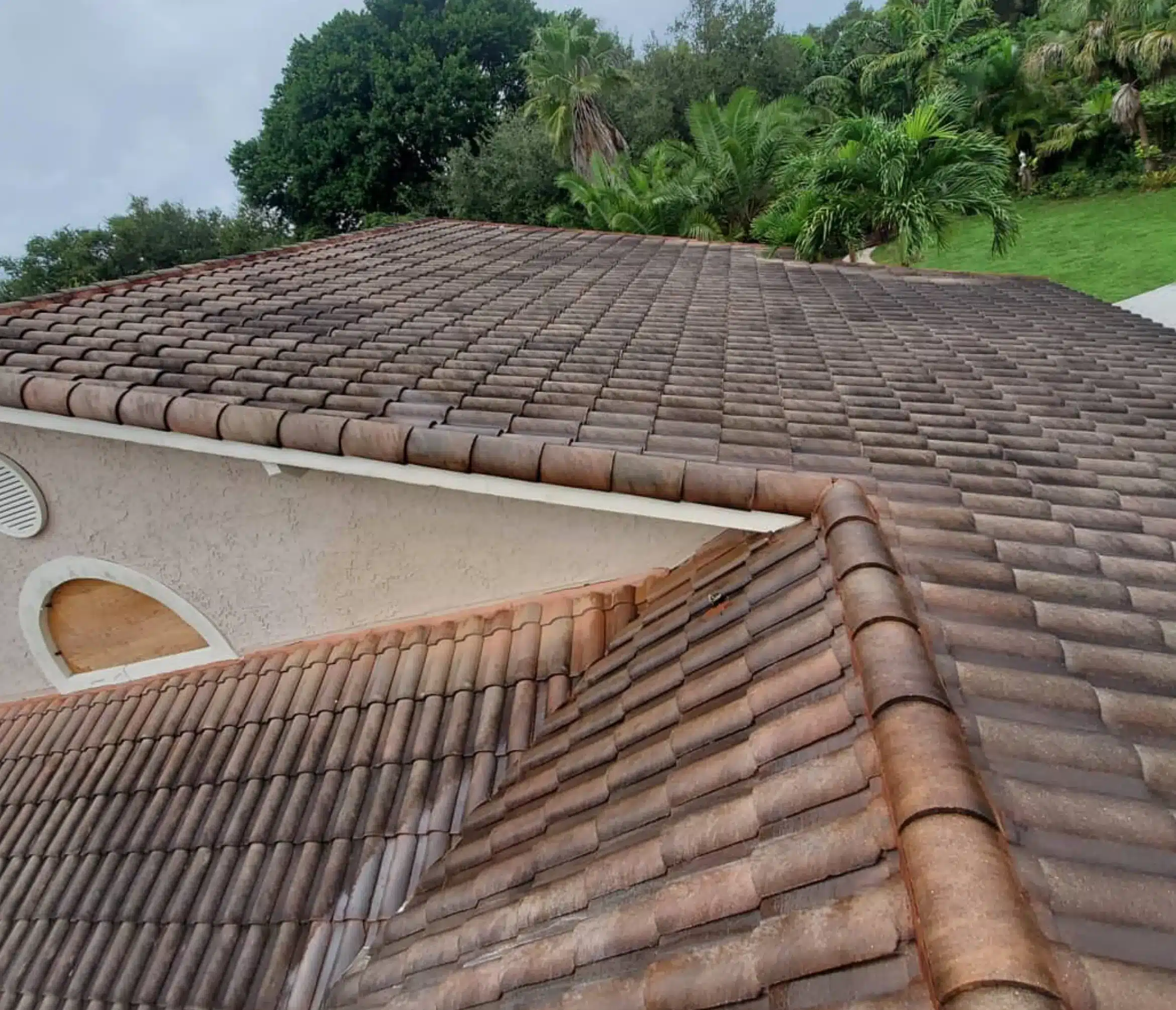
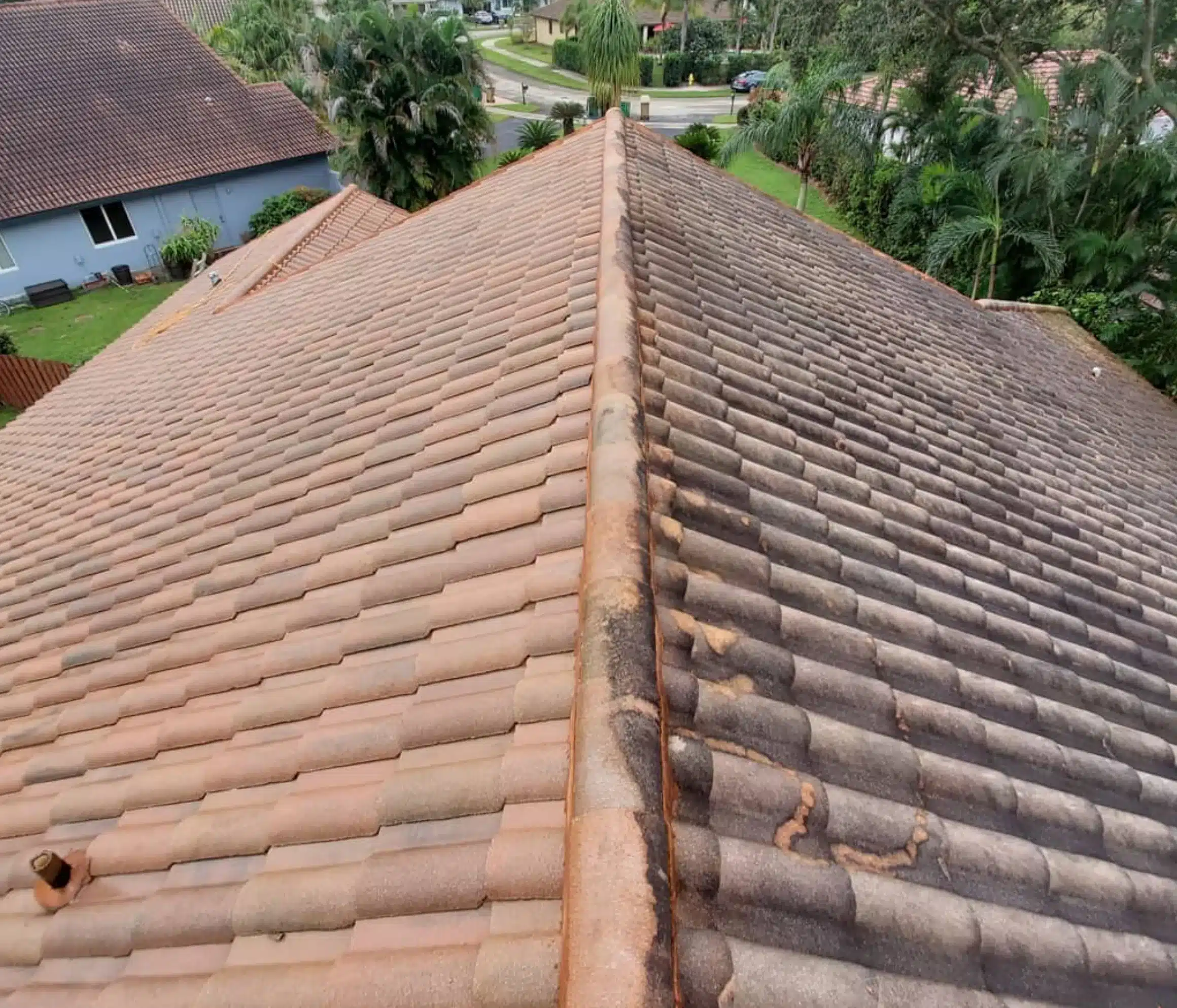
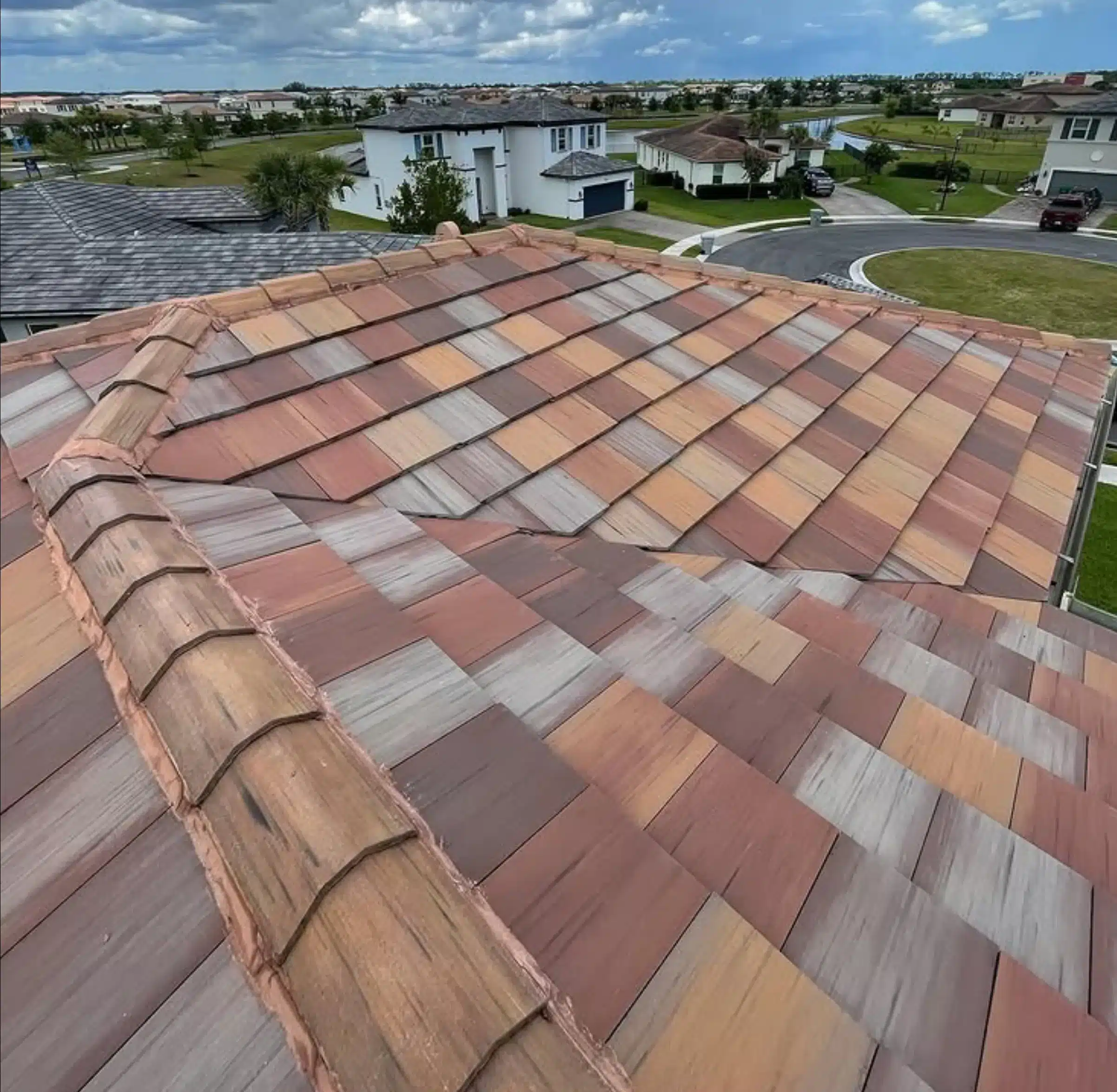
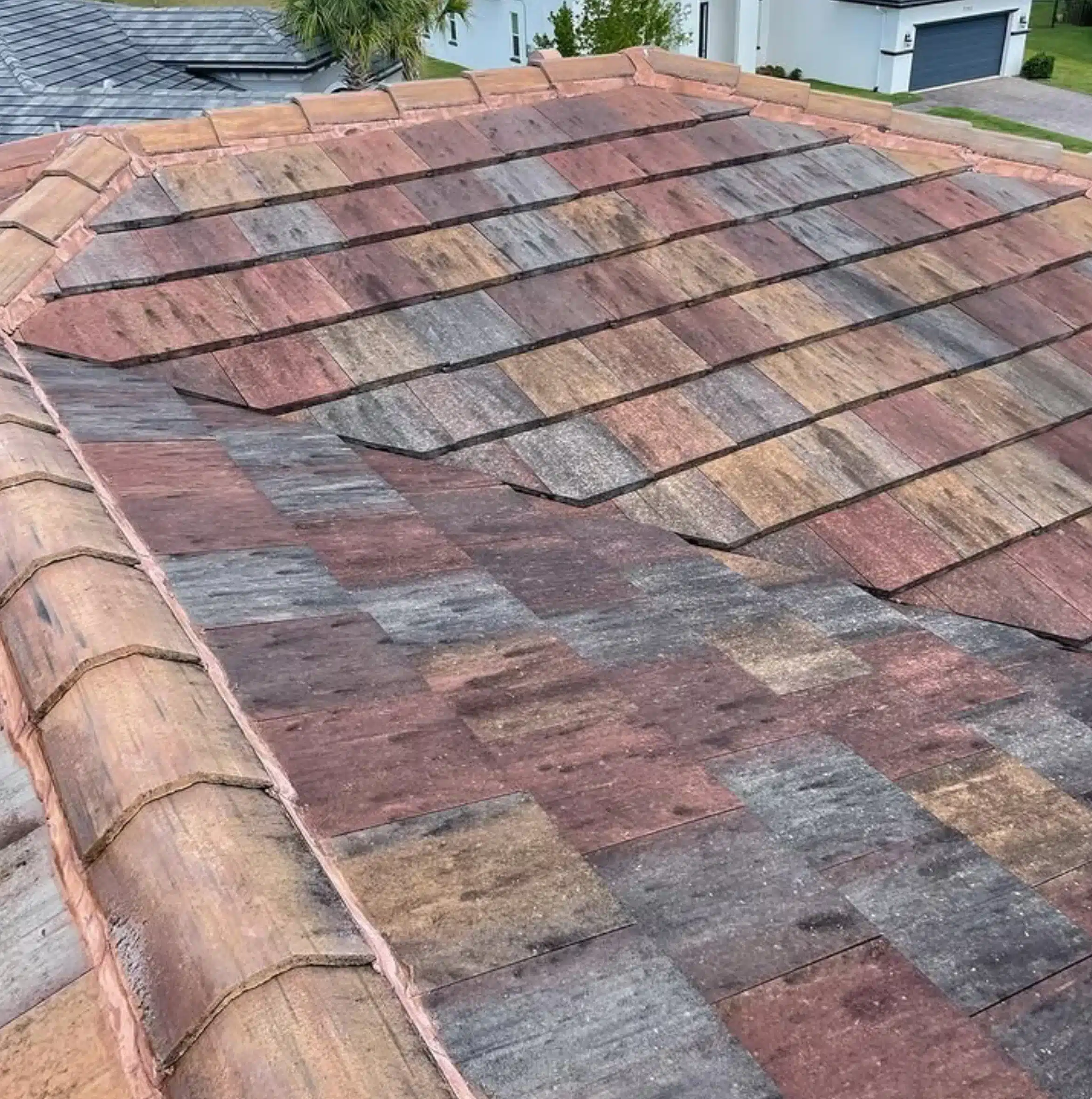
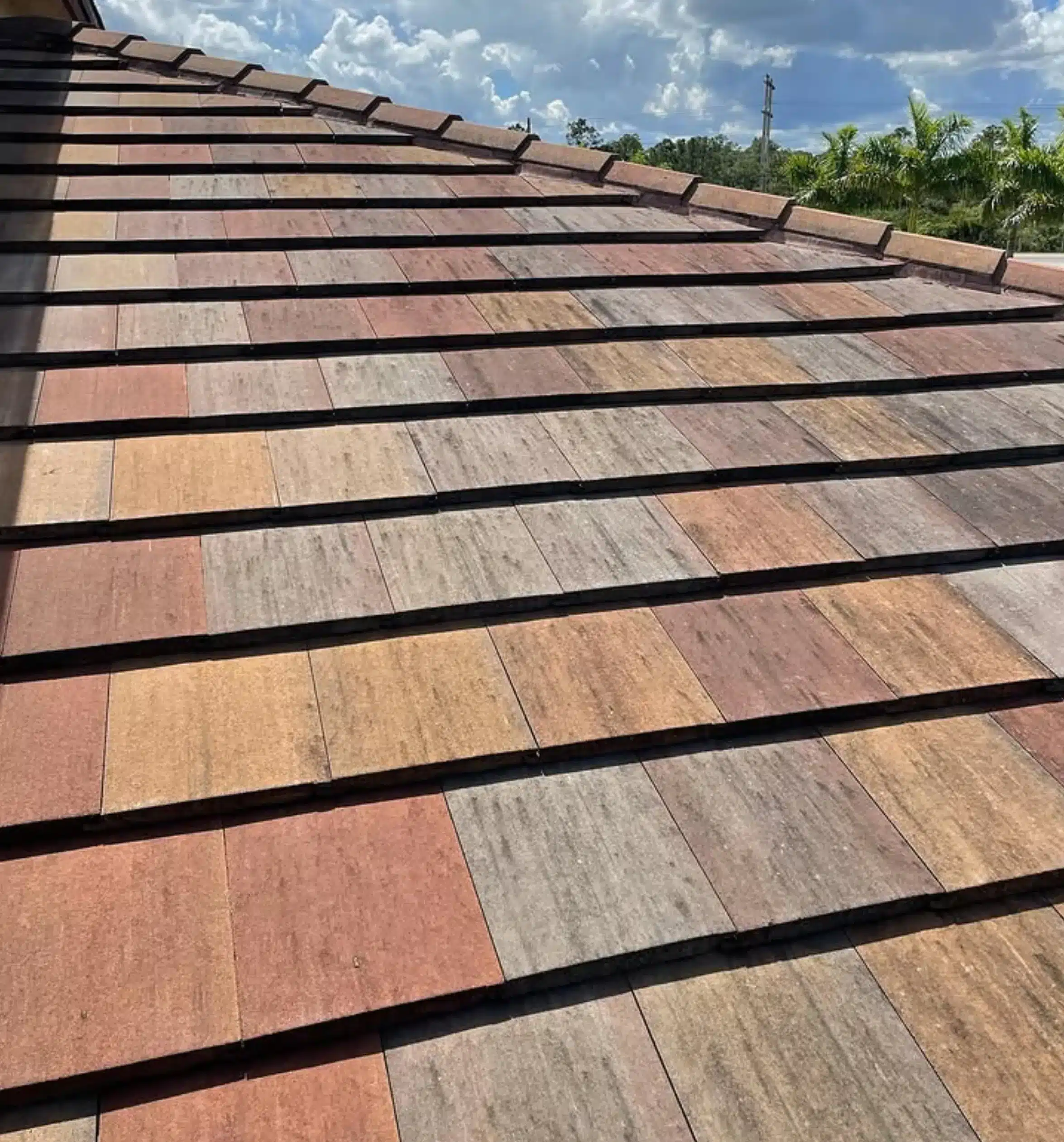
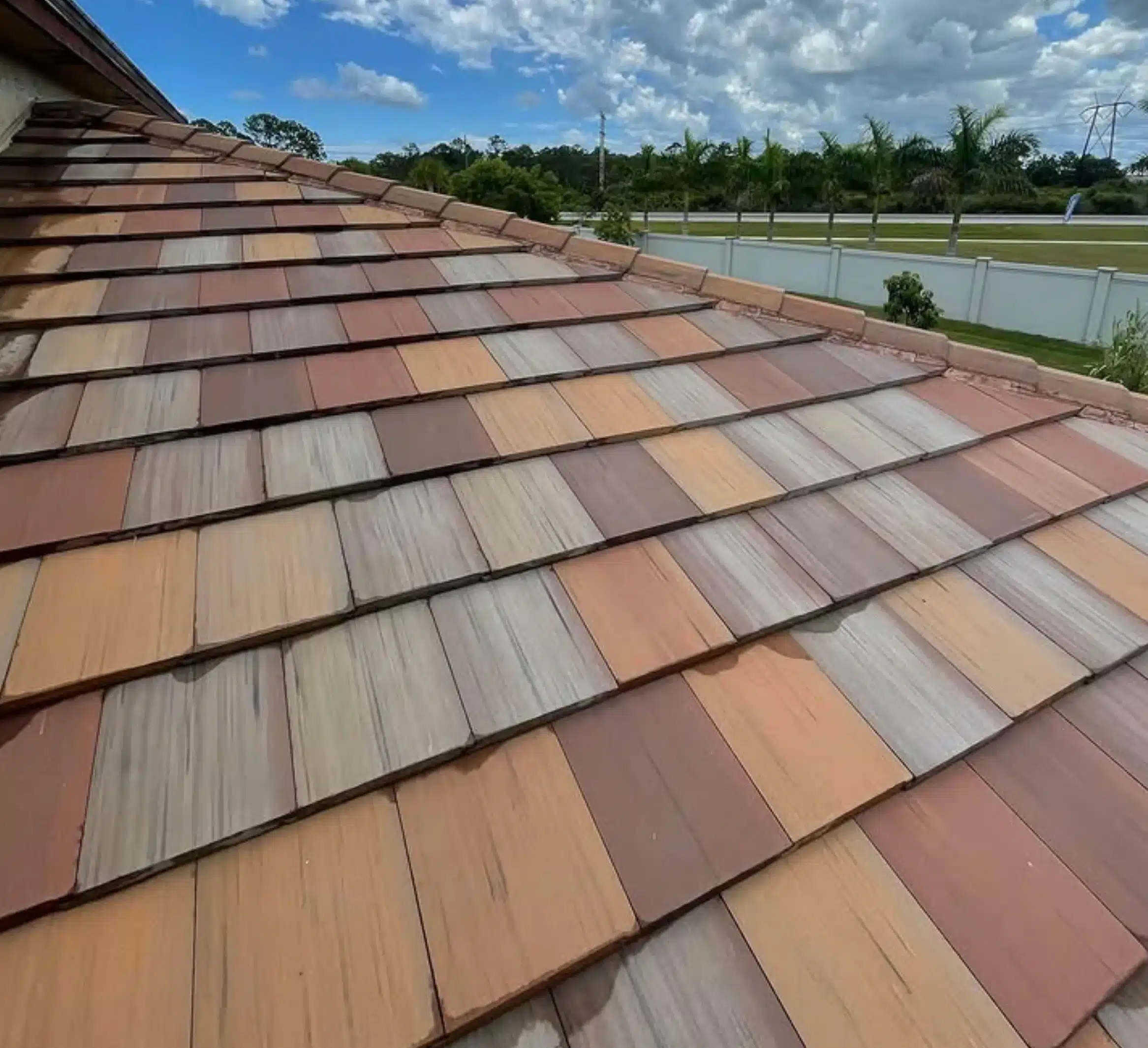
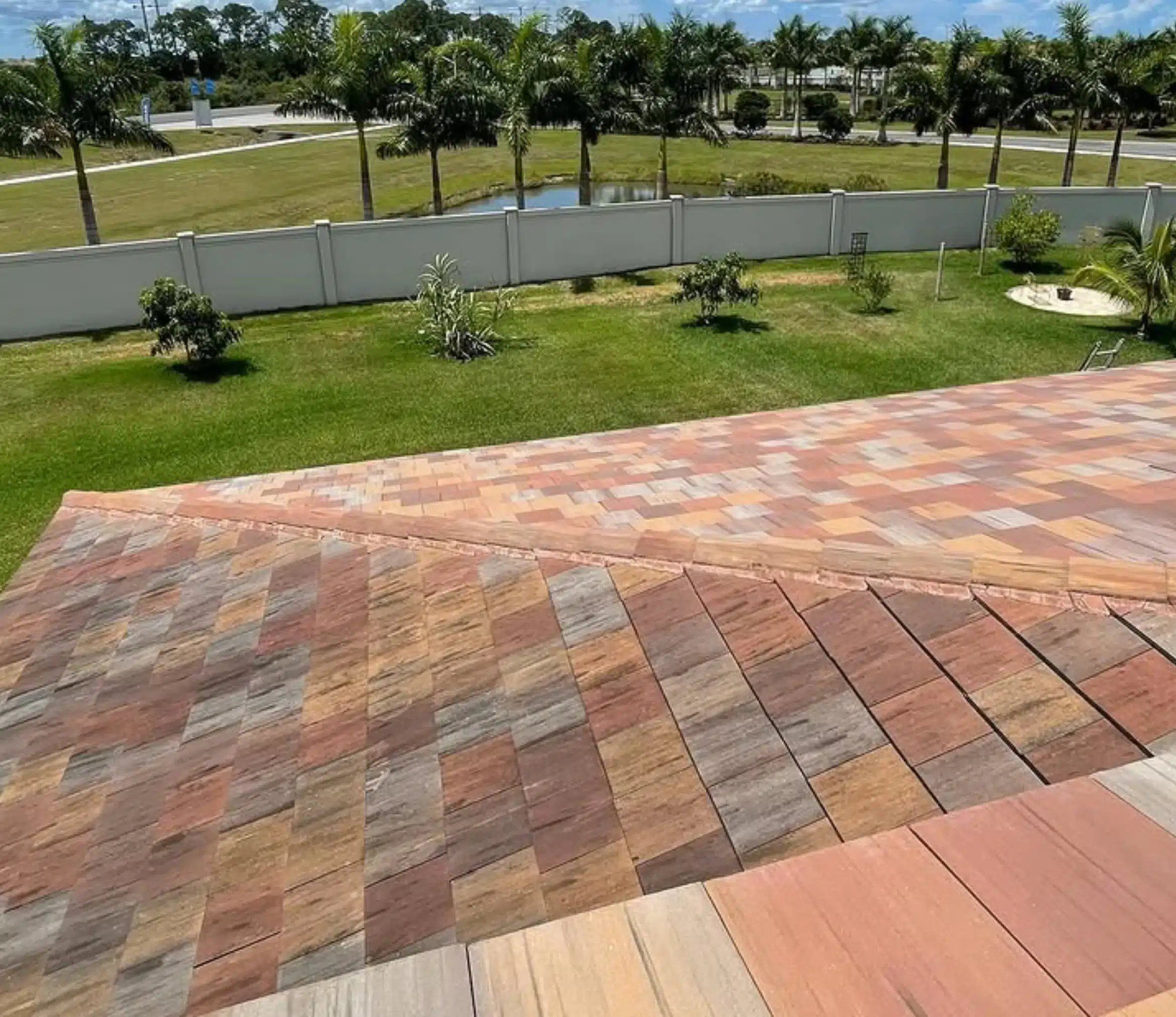
Soft wash roof cleaning removes moss, algae, mould, lichen, black streaks, and other organic growth from the roof surface using low-pressure washing techniques and a cleaning solution suited to the roof material. At Window Cleaning Melbourne Crew, we assess roof tiles or metal roofs, visible contamination, roof heights, pitch, access, solar panels and surrounding exterior surfaces before deciding whether the soft wash method is appropriate.
The key distinction is contamination versus damage. Roof washing can remove organic build-up and offending stains; it cannot repair cracked roof tiles, corrosion, failed protective coatings, tile deterioration or water damage. A dirty roof may still be structurally sound, just as a clean-looking roof may still need repair.
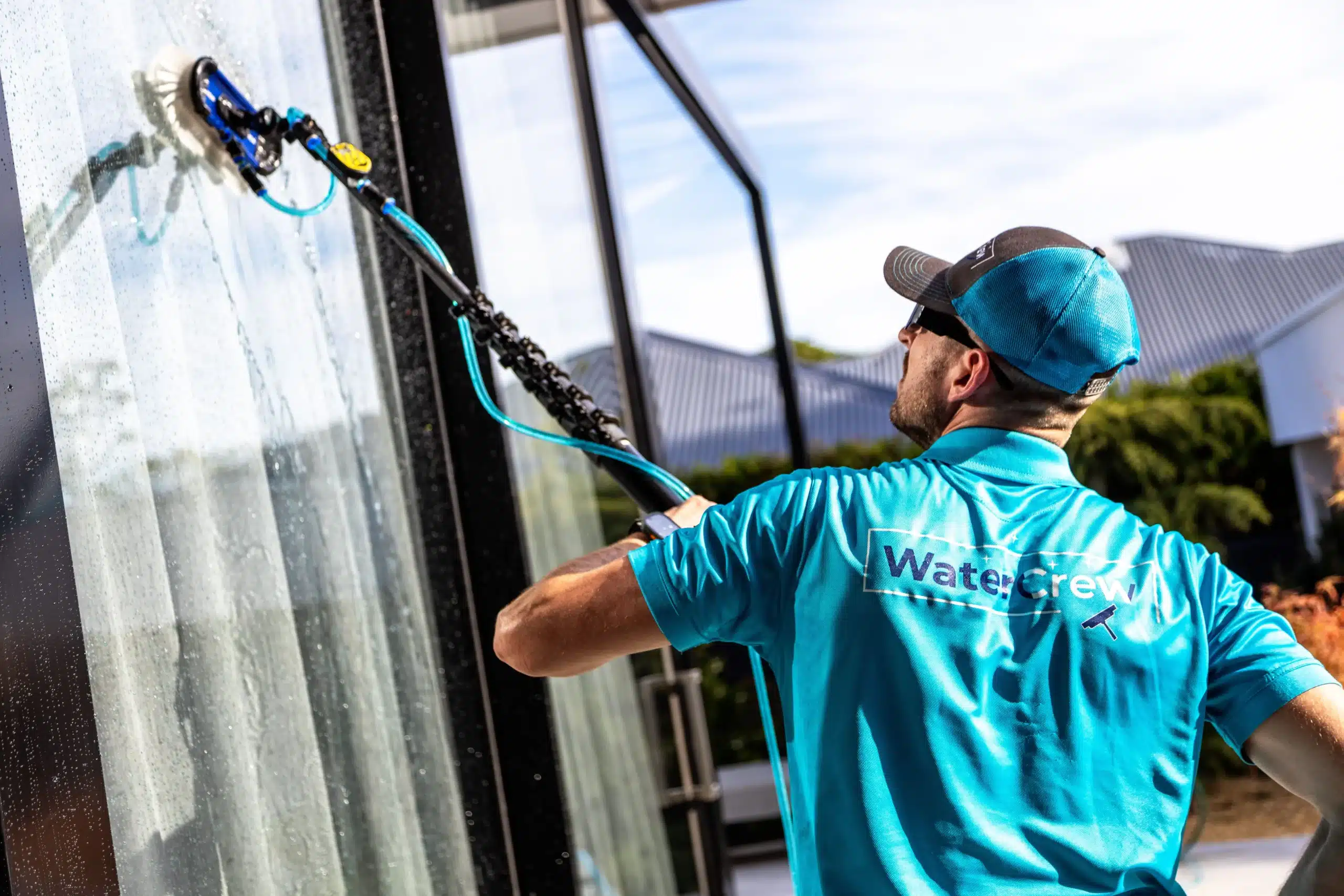
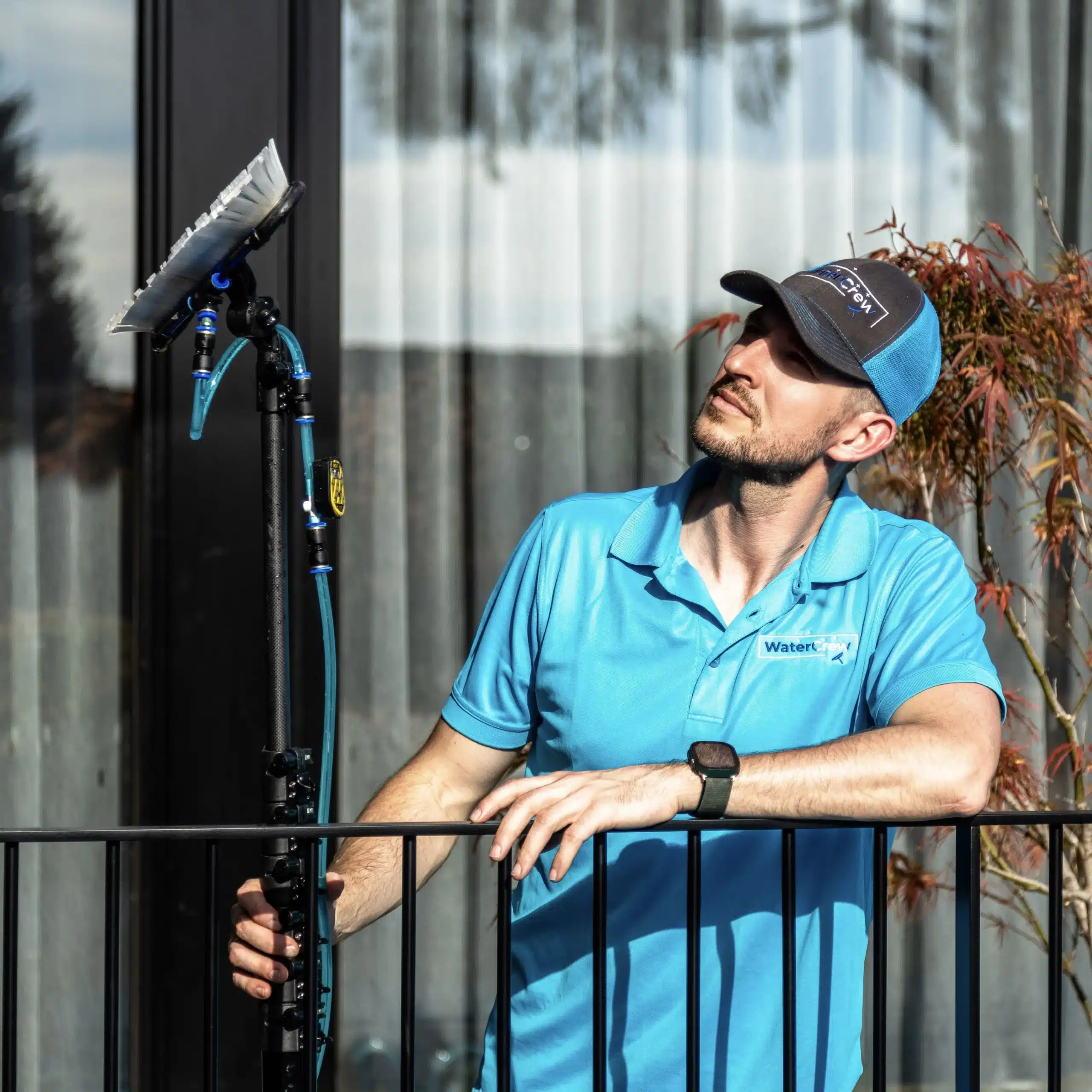


- Very nice and professional cleaning team. We order fully cleaning including gutter , townhouse exterior , all windows outside &inside.WaterCrew provides great service and affordable price .read moreread lessping lee10/11/2026Thankyou. Fantastic work, professional and very happy with how clean our windows and surrounds were.read moreread lessStephanie Johnston10/02/2026Excellent & professional in all ways.read moreread lessWendy Haines9/24/2026
- Eren did a sensational job & his communication was fantastic - would definitely use again & recommend 👍read moreread lessTony Murdoch8/26/2026Eren was professional, efficient and completed the roof cleaning to a very high standard. The service was prompt, the workmanship was excellent, and the overall result was fantastic. Highly recommend Eren for anyone looking for reliable and quality roof cleaning services.read moreread lessJanan8/24/2026Excellent. Efficient, thorough, and swift!read moreread lessLu Lu7/15/2026
- Very happy with the service. They were clean, professional and left everything tidyPlus the job was done beautifullyMany thanks!read moreread lessAdelle7/04/2026Highly recommend Eren and his WaterCrew. Have used for gutter cleaning and will in future use for terracotta roof tile cleaning & window cleaning. They do a very thorough and professional job at competitive rates. Also, they are polite, friendly and well spoken.read moreread less
 Alan Thomas6/30/2026Very professional job done in BrightonVery thorough and was on time !!!!read moreread lessRENATO CENEDESE6/12/2026


Why Soft Washing Uses Less Pressure
Soft washing offers an alternative to relying solely on pressure washing. A soft wash system uses specialised cleaning agents to treat biological contamination while reducing the mechanical force applied to the roof surface.
This can be particularly useful for roof moss removal, algae, mould growth, lichen and black streaks where aggressive pressure is unnecessary. It does not, however, make soft washing techniques suitable for every roof. Existing deterioration, fragile roof tiles, damaged metal coatings, mortar joints and uncertain roof integrity can all change the recommendation.
Our preference is to use the least aggressive method that can reasonably address the contamination, rather than assume that higher pressure will yield a better result.
How the Soft Wash System Works
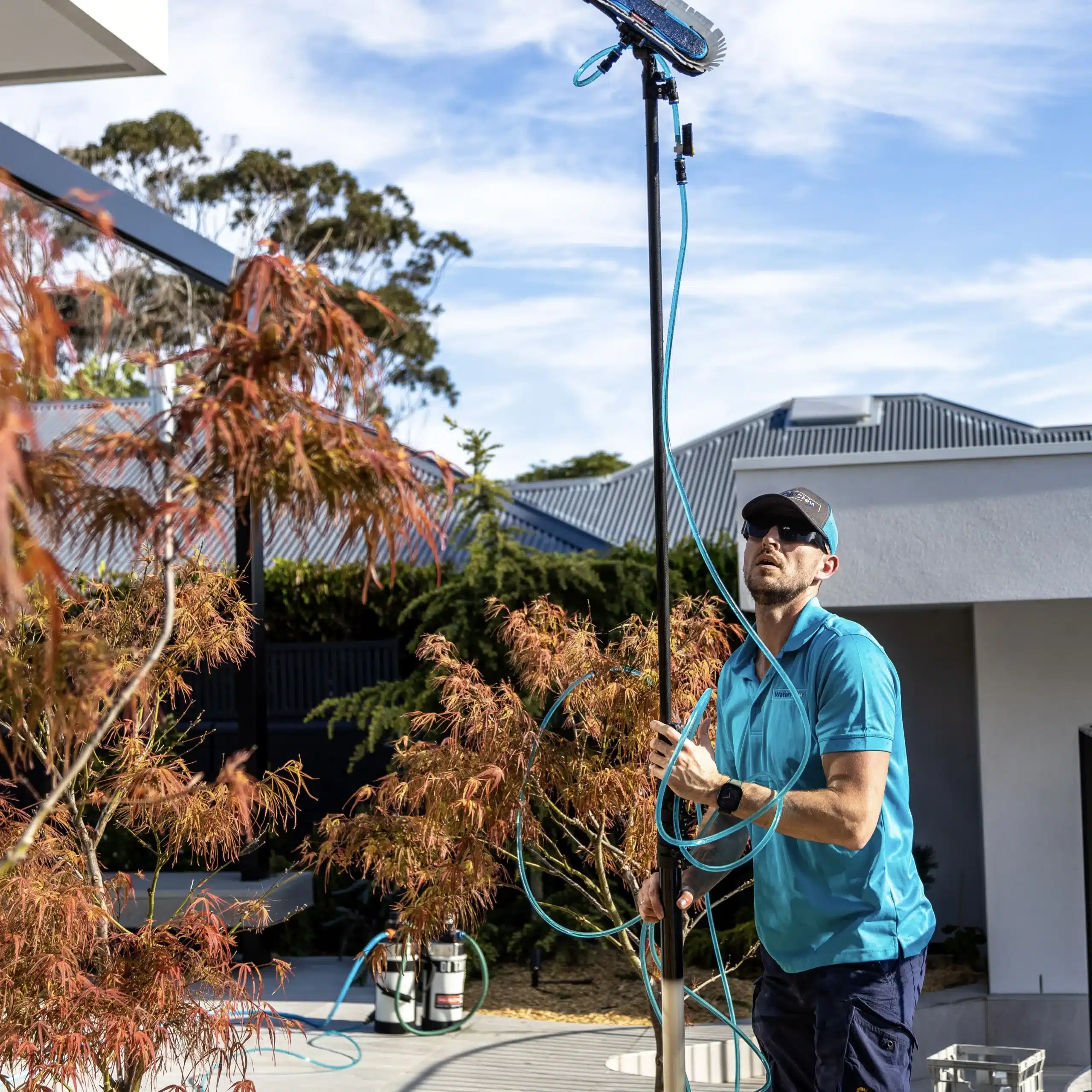
A soft wash system combines controlled application with an appropriate chemical wash and low-pressure washing techniques. Instead of trying to blast organic growth off the roof, the process lets the cleaning agents do more of the work.
The difference between ordinary dirt and biological contamination matters here. Loose dirt may mainly need to be removed, while moss, algae, mould and lichen are organic growth. When biological contamination is the problem, the cleaning solution can treat the growth without relying solely on water pressure to detach it from the surface.
Soft wash solutions may contain sodium hypochlorite and cleaning surfactants to treat biological growth, but the appropriate product, concentration and application depend on the roof material and coating. A chemical being biodegradable or marketed as an eco-friendly cleaning solution does not automatically make it suitable for every roof, coating, plant or exterior surface.
| Roof condition or problem | Approach that may suit | Important limitation |
|---|---|---|
| Moss, algae, mould or black streaks | Soft wash method | Does not repair damaged roofing |
| Loose dirt or surface debris | Controlled roof washing | Method depends on roof material |
| Heavy organic growth | Inspection and assessment before cleaning | Higher pressure is not automatically better |
| Failed protective coatings or tile deterioration | Roofing assessment or repair first | Cleaning cannot restore failed material |
| Fragile or questionable roof | Further roof inspection before access | Safety and roof integrity take priority |
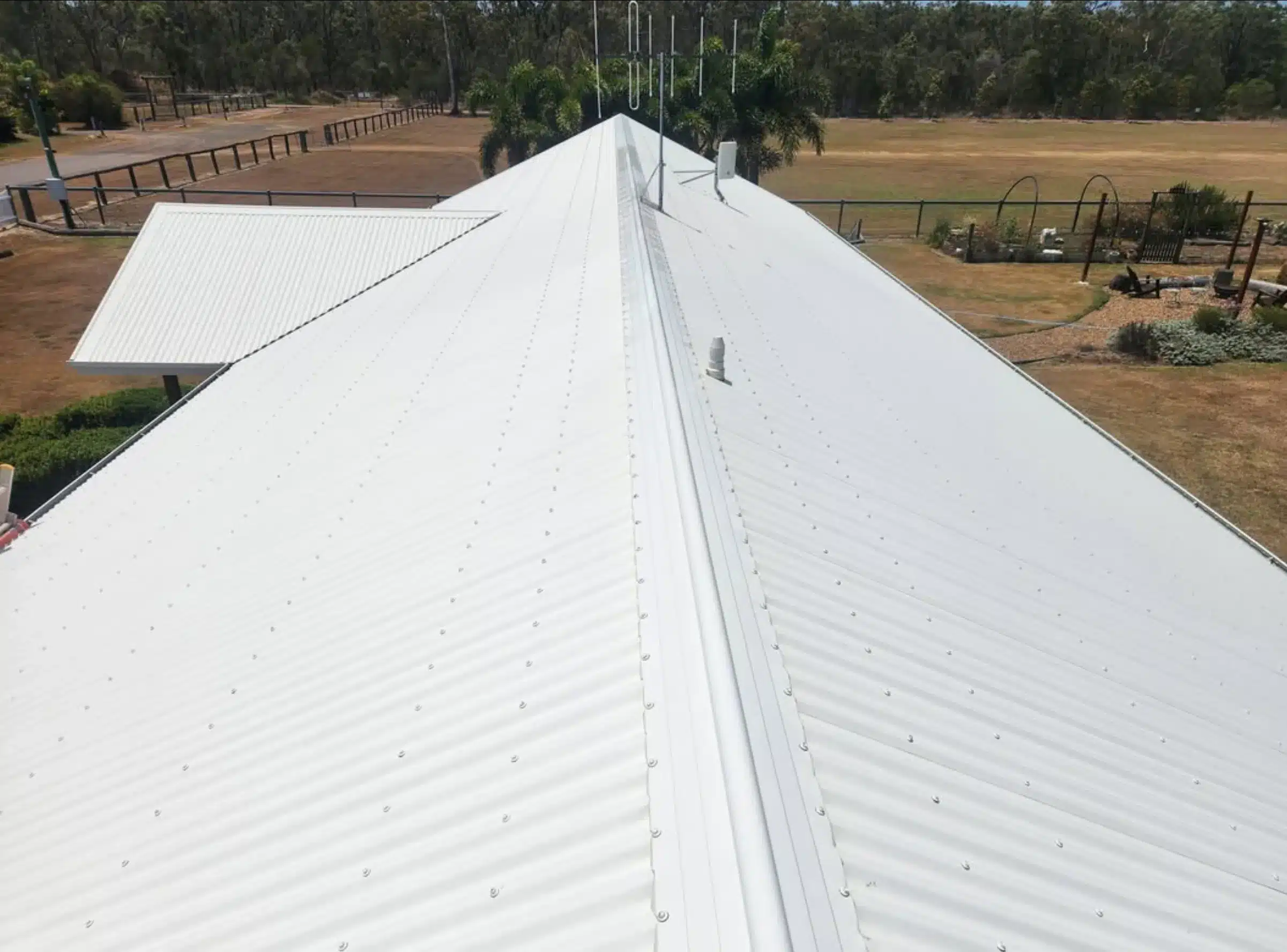
For coated metal roofs, the cleaning method must remain compatible with the manufacturer’s maintenance guidelines. BlueScope recommends gentle, non-abrasive cleaning rather than treating every coated roof with the same chemical or pressure setting.
Why Roofs Need Regular Cleaning
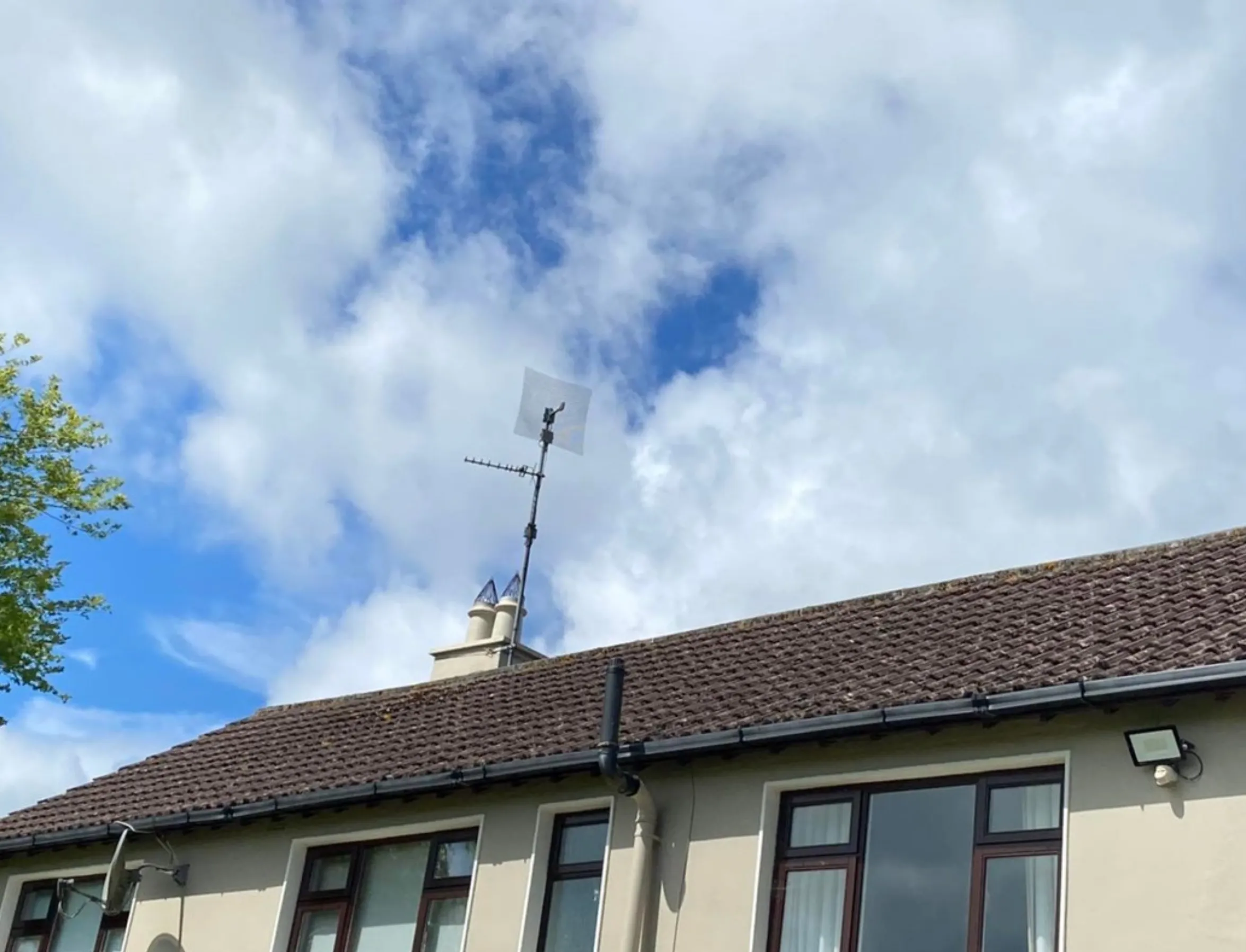
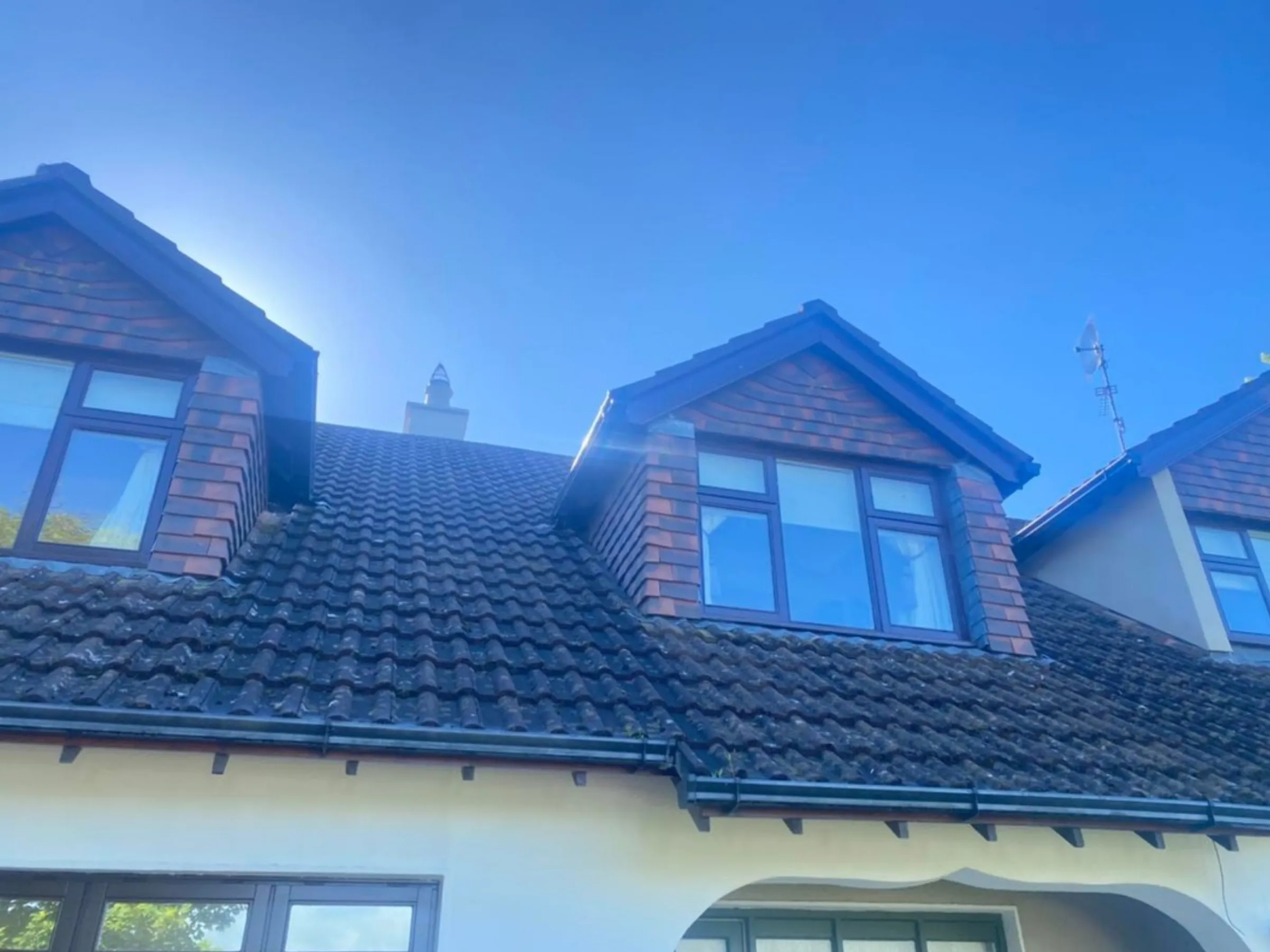
Melbourne roofs can accumulate dirt and organic growth, especially where surfaces stay shaded, damp or close to vegetation. Moss, algae and lichen may establish on roof tiles and around laps, edges and other areas where moisture and debris persist.
Regular exterior cleaning can improve street appeal, but preventative maintenance is not the same as repair. Cleaning cannot reverse deterioration caused by age, UV exposure, corrosion or failed coatings.
Nor is every dark or discoloured area necessarily organic growth. Once biological contamination has been treated, staining caused by coating wear, corrosion or ageing may still be visible. Chasing those marks with increasingly aggressive cleaning risks treating a material problem as though it were stubborn dirt. A remaining mark can therefore reflect the condition of the roof surface rather than a failure of the cleaning process.
Instead of working to an arbitrary calendar, cleaning is better guided by what is actually developing on the roof. Visible mould growth, moss, black streaks, persistent staining and accumulating debris are practical reasons to arrange a roof inspection.
Roof Materials and Suitability
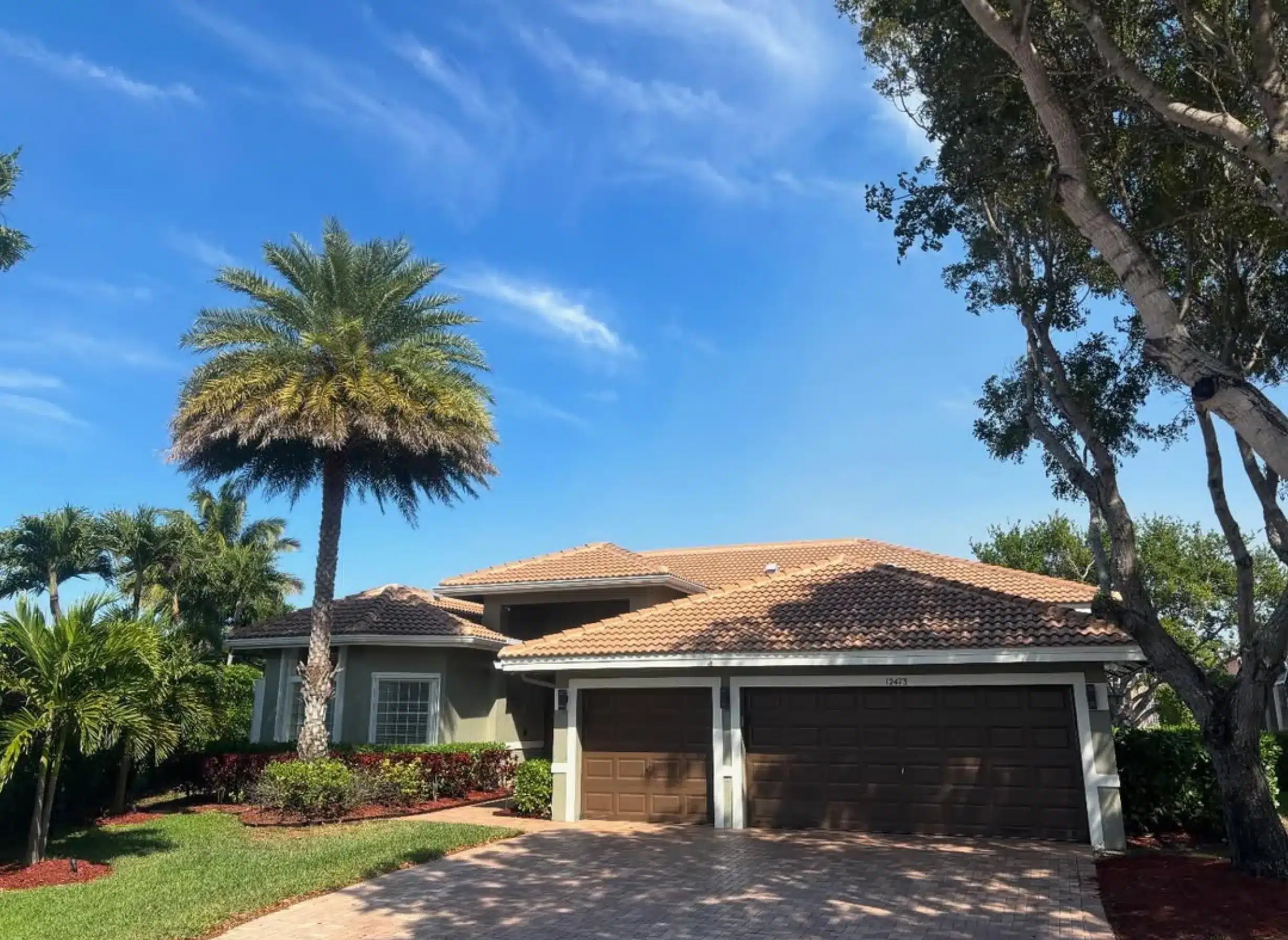
Window Cleaning Melbourne Crew provides roof cleaning across Melbourne metro and surrounding suburbs, including soft washing for suitable tile roofs and coated metal roofs.
Suitability is assessed rather than assumed. Cement roof tiles, other tiled surfaces and metal roofing have different surface characteristics, coatings and deterioration risks. The condition of the roof can be just as important as the material itself.
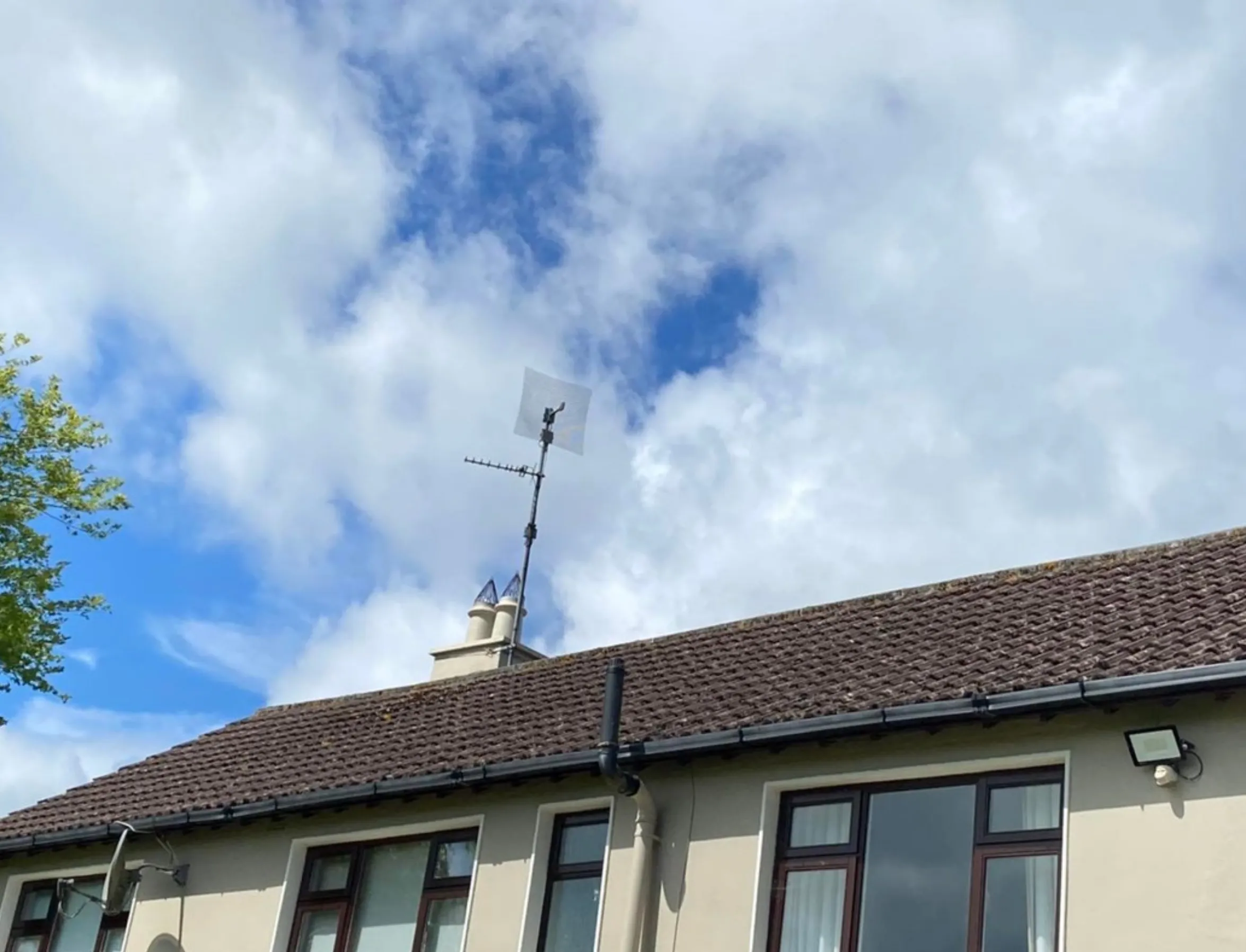
Solar panel cleaning requirements, roof heights, pitch and safe access also influence the cleaning approach. Where a roof has loose or cracked components, significant corrosion, deteriorated protective coatings or suspected fragile material, specialist assessment or repair may be needed before professional roof washing proceeds.
What Happens During the Service
Our soft-wash roof cleaning process begins with a diagnosis, not with the immediate application of a chemical wash.
- Roof inspection and assessment. We consider roof material, surface condition, pitch, organic growth and visible deterioration.
- Assess access and surroundings. Roof heights, edges, skylights, solar panels, gutters, drainage points and surrounding exterior surfaces can affect the work.
- Select the cleaning method. Where soft washing is suitable, we select an appropriate treatment and a controlled low-pressure approach rather than defaulting to pressure washing.
- Treat the contamination. The soft wash method targets moss, algae, mould, lichen, and other organic growth rather than relying primarily on mechanical force.
- Review the roof surface. Once contamination is removed, permanent staining, coating wear, damaged roof tiles or other defects may become more apparent.
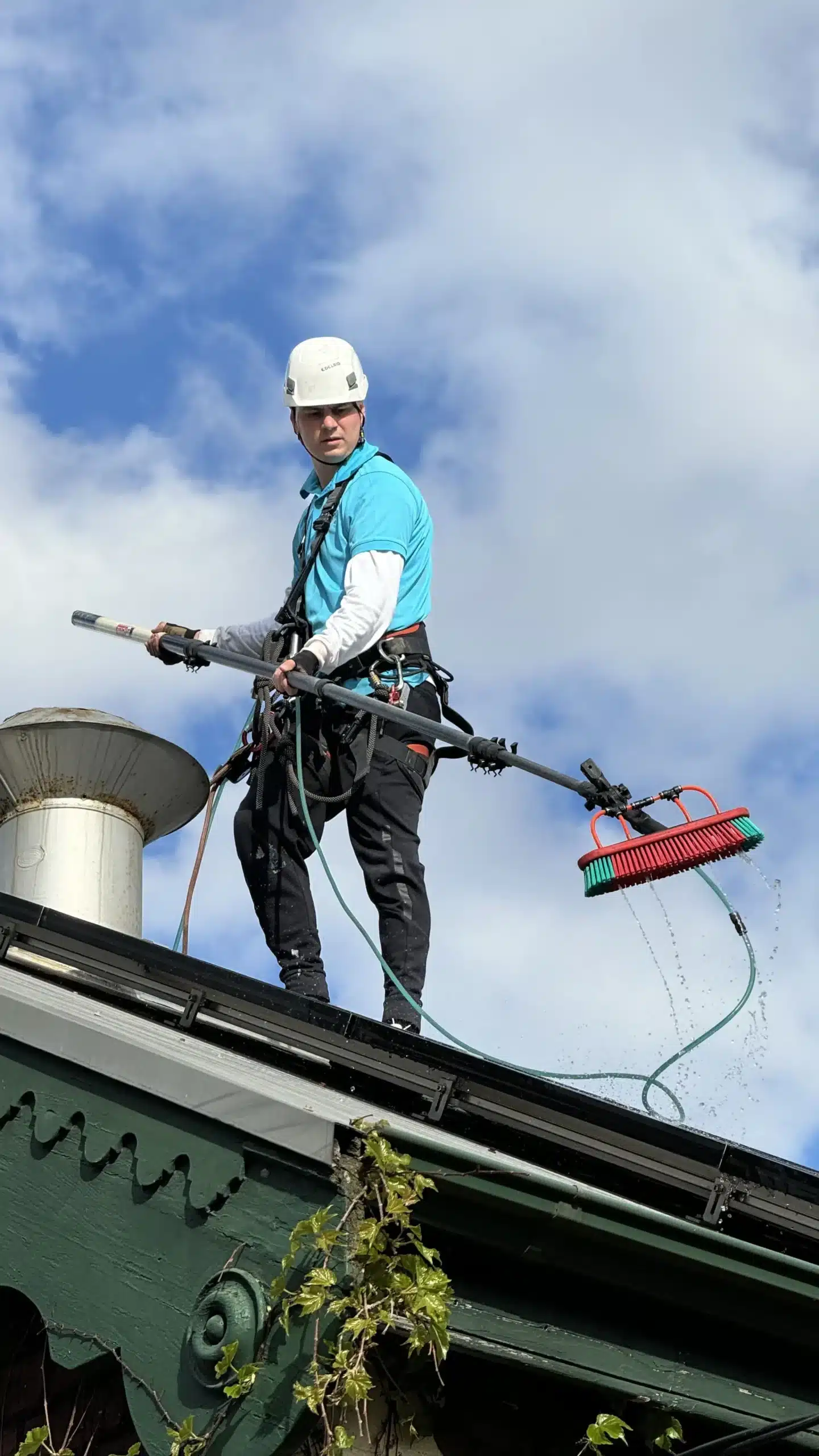
Working at height remains a separate safety issue, regardless of the cleaning method. Skylights, fragile sections and wet roof surfaces require particular attention.
When Does the Roof Need Cleaning Again?
There is no responsible single cleaning interval for every Melbourne roof.
How quickly organic growth returns depends on shade, surrounding vegetation, moisture exposure, roof orientation, UV exposure, roof material and surface condition. A shaded tile roof beneath trees may need assessment sooner than an exposed metal roof with little biological contamination.
Manufacturer guidance reinforces that maintenance should be tailored to the roof rather than reduced to a single cleaning interval. For tiled roofs, Monier recommends engaging a qualified roofing professional for inspections or work, ideally every five years. This is a broader inspection and maintenance benchmark, not a recommendation to soft wash the roof every five years.
Coated-steel maintenance can be different again. BlueScope advises that coated-steel areas not regularly washed by rainwater should be hosed down at least every six months, and more frequently where marine salt spray or high industrial fallout is present. Roof cladding that is normally washed by rain does not usually require this maintenance washing, so the six-month guidance should not be treated as a universal roof-cleaning schedule.
Heavy rain, leaf fall and persistent damp conditions can also influence how quickly debris and biological growth accumulate. Even then, cleaning should be based on the roof’s actual condition rather than an automatic schedule.
DIY Considerations and Roof Access
DIY soft washing involves more than buying sodium hypochlorite or other cleaning agents and spraying the roof.
Two issues matter in particular: chemical compatibility and working at height. An incorrect chemical concentration or unsuitable application can affect roof materials, protective coatings, plants and adjacent exterior surfaces. Once wet, roofing can also become extremely slippery.
Roof pitch can fundamentally change the access decision. WorkSafe Victoria states that where a roof slope exceeds 35°, the roof is an inappropriate surface to stand on, even with guardrailing or a catch platform. Wet or otherwise slippery roofing introduces additional fall risk regardless of pitch, so the cleaning and access methods need to be considered separately.
Pressure cleaning presents different risks if excessive force is applied to roof tiles, mortar joints, or coatings. Where cleaning requires roof access, professional inspection and assessment are the safer starting points.
Assessment & Quote
A useful roof-cleaning quote involves more than just calculating the roof area. Roof material, roof heights, pitch, extent of organic growth, existing condition, safe access, solar panels and other obstacles around the property can all affect the work required.
That is why two roofs of similar size can call for quite different approaches. Straightforward organic growth on an accessible, sound roof surface presents a different cleaning problem from the same roof area with fragile tiles, coating deterioration, solar panels or difficult access.
An inspection also helps establish whether soft washing is appropriate, whether another controlled cleaning method makes more sense, or whether repair should come first. This avoids treating deterioration as though it were simply stubborn contamination.
Window Cleaning Melbourne Crew provides roof cleaning quotes across Melbourne metro and surrounding suburbs. Contact us to arrange an assessment and determine a suitable roof washing approach.
Keeping the Roof in Better Condition
Good preventative maintenance starts by separating cleaning needs from repair needs.
Watch for recurring moss, mould growth, algae, black streaks, debris accumulation and sections that remain unusually damp. At the same time, look for cracked or displaced roof tiles, deteriorated coatings, corrosion and other visible defects. Those problems call for an appropriate roofing response, not stronger pressure cleaning.
Roof debris can also collect in gutters and around drainage points, so their condition should be considered when planning roof washing. This keeps the focus on the roof and its immediate drainage areas without assuming that every property needs a separate gutter-cleaning service.
Guaranteed Results Every Time
A “guaranteed result every time” or an arbitrary 30-month guarantee is not a responsible promise for every roof unless such a guarantee is specifically supported by the service being quoted.
What can realistically be achieved depends on the roof material, existing condition, severity and type of organic growth, previous protective coatings and any permanent staining beneath the contamination. Soft washing can remove suitable biological growth, but it cannot make aged roof tiles or metal coatings new again.
Our approach is to inspect the roof, determine what can realistically be cleaned, and set expectations based on its condition.

Your satisfaction is our top priority. We tailor our services to meet your specific needs

We are committed to environmental responsibility. Our cleaning products are eco-friendly.

Pricing
We offer competitive pricing without compromising on the quality of our services.

Expertise
As a locally owned and operated company, we understand the unique needs of our community.
FAQ
Is soft washing safe for every roof?
No. Suitability depends on roof material, protective coatings, condition, contamination and access. Fragile, deteriorated or damaged roofs may need further assessment before cleaning.
Will soft washing remove roof moss, mould and black streaks?
Soft washing can be suitable for removing moss, mould, algae, lichen, and some black streaks caused by organic contamination. Permanent staining or deterioration may remain after the growth is removed.
Is soft washing better than pressure cleaning?
Neither method is universally better. Soft washing reduces reliance on mechanical force, while controlled pressure cleaning may be better suited to certain surfaces or types of contamination. The roof material and condition should determine the method.
Can you soft wash around solar panels?
Solar panels affect access and how surrounding roof areas are approached. Their presence should be identified during the roof inspection so that the cleaning method can account for the panels and associated roof-access constraints.
What affects a soft wash roof cleaning quote?
Roof size, material, condition, roof heights, pitch, organic growth, and safe access, as well as obstacles such as solar panels, can affect the work required. An inspection and assessment allow these factors to be considered before the method and quote are confirmed.
SEO Title: Soft Wash Roof Cleaning Melbourne
Meta Description: Soft wash roof cleaning in Melbourne for moss, mould, algae and lichen. Low-pressure cleaning for suitable tile and metal roofs.