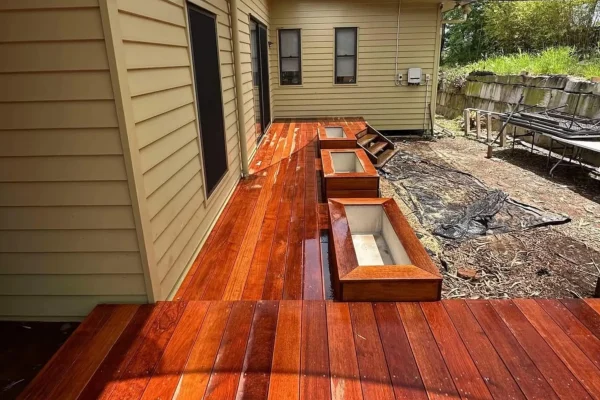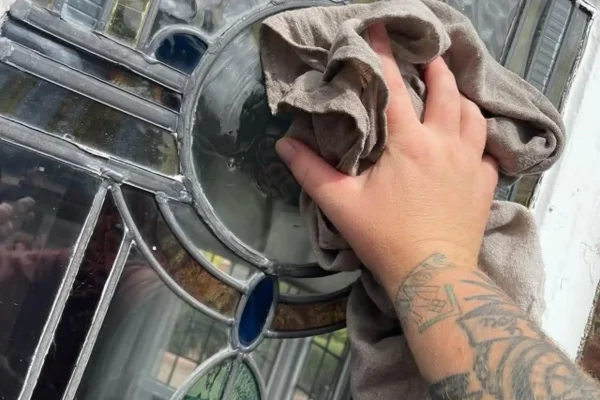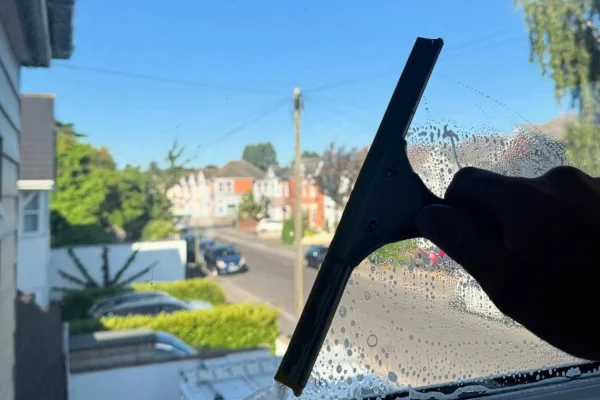
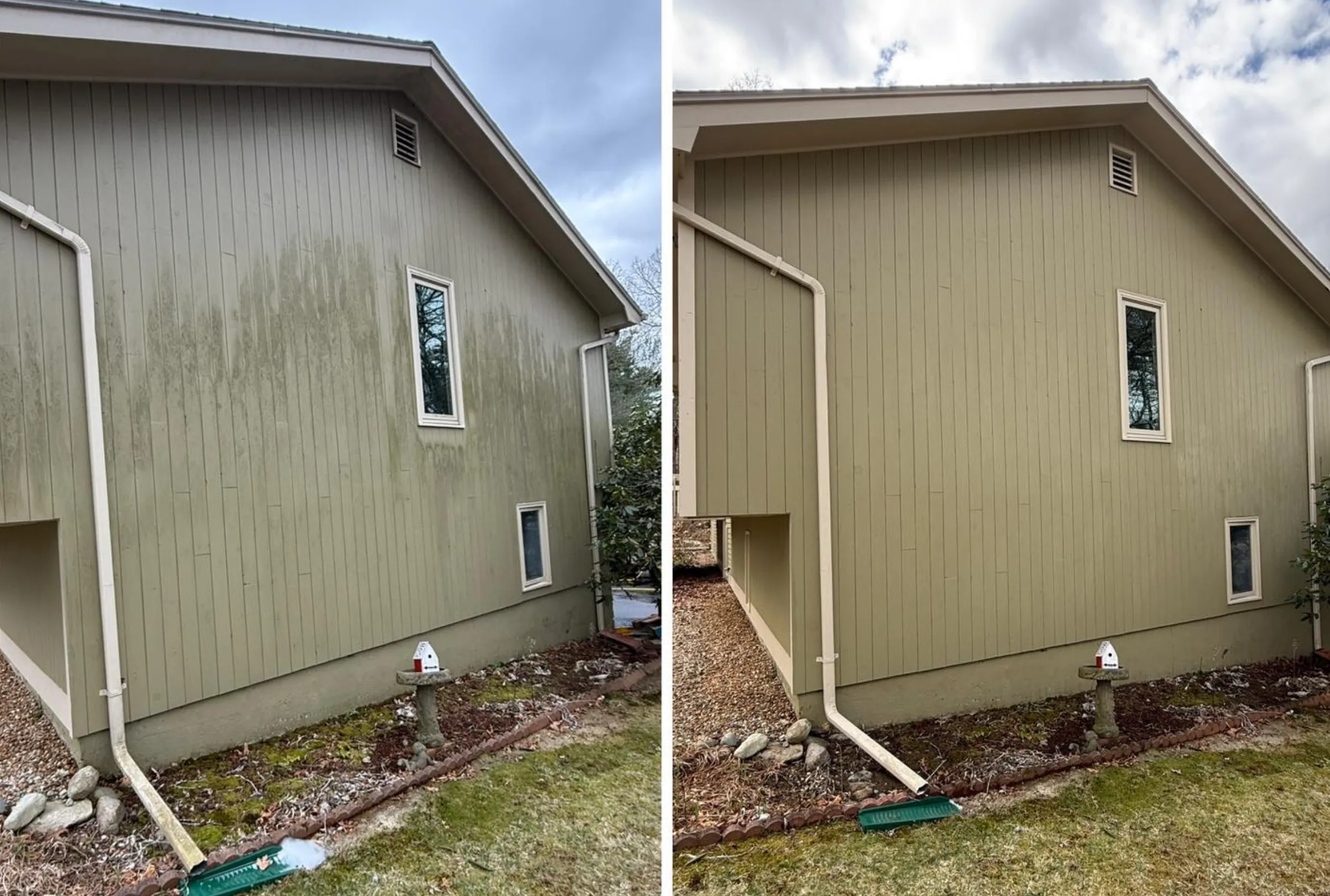
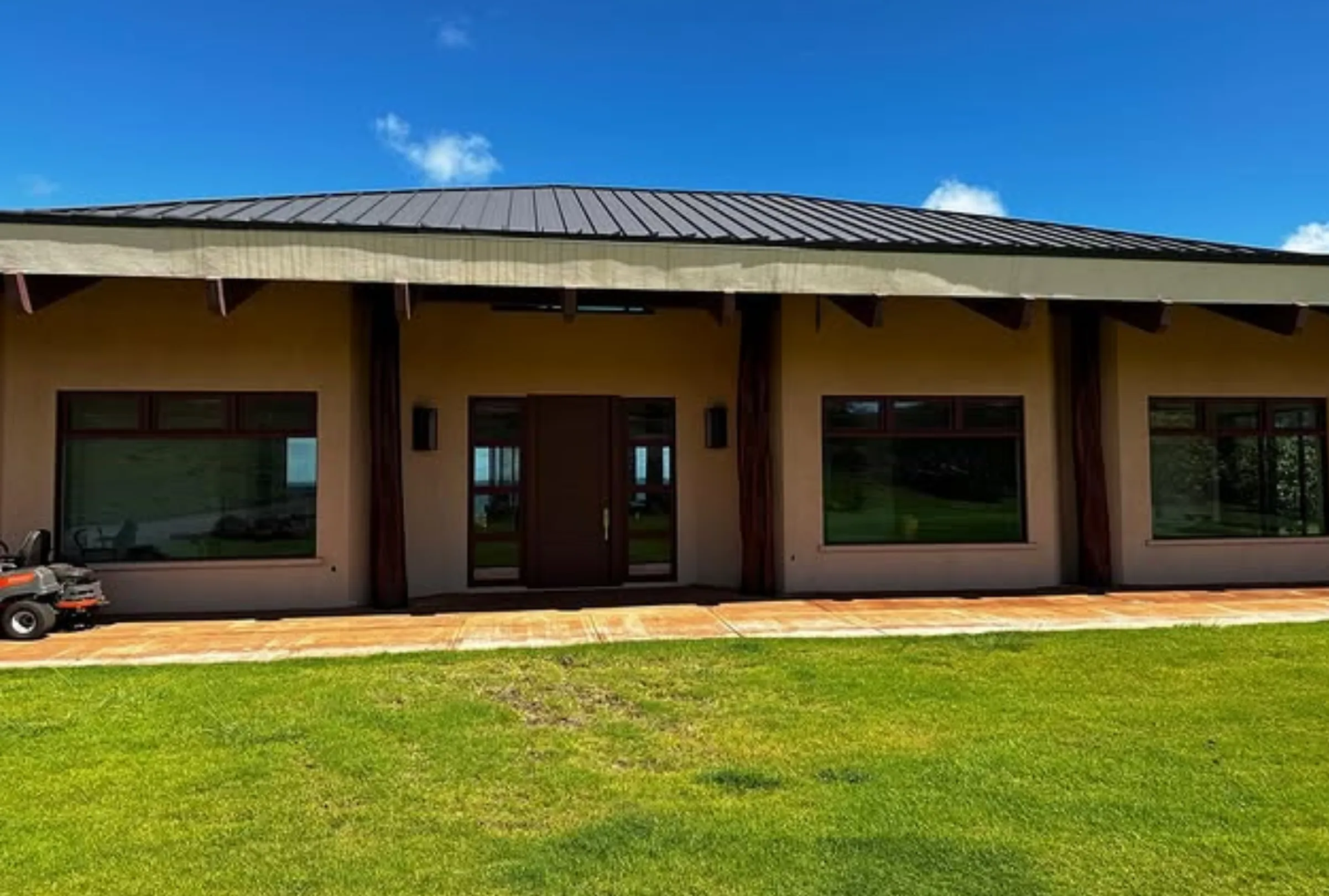
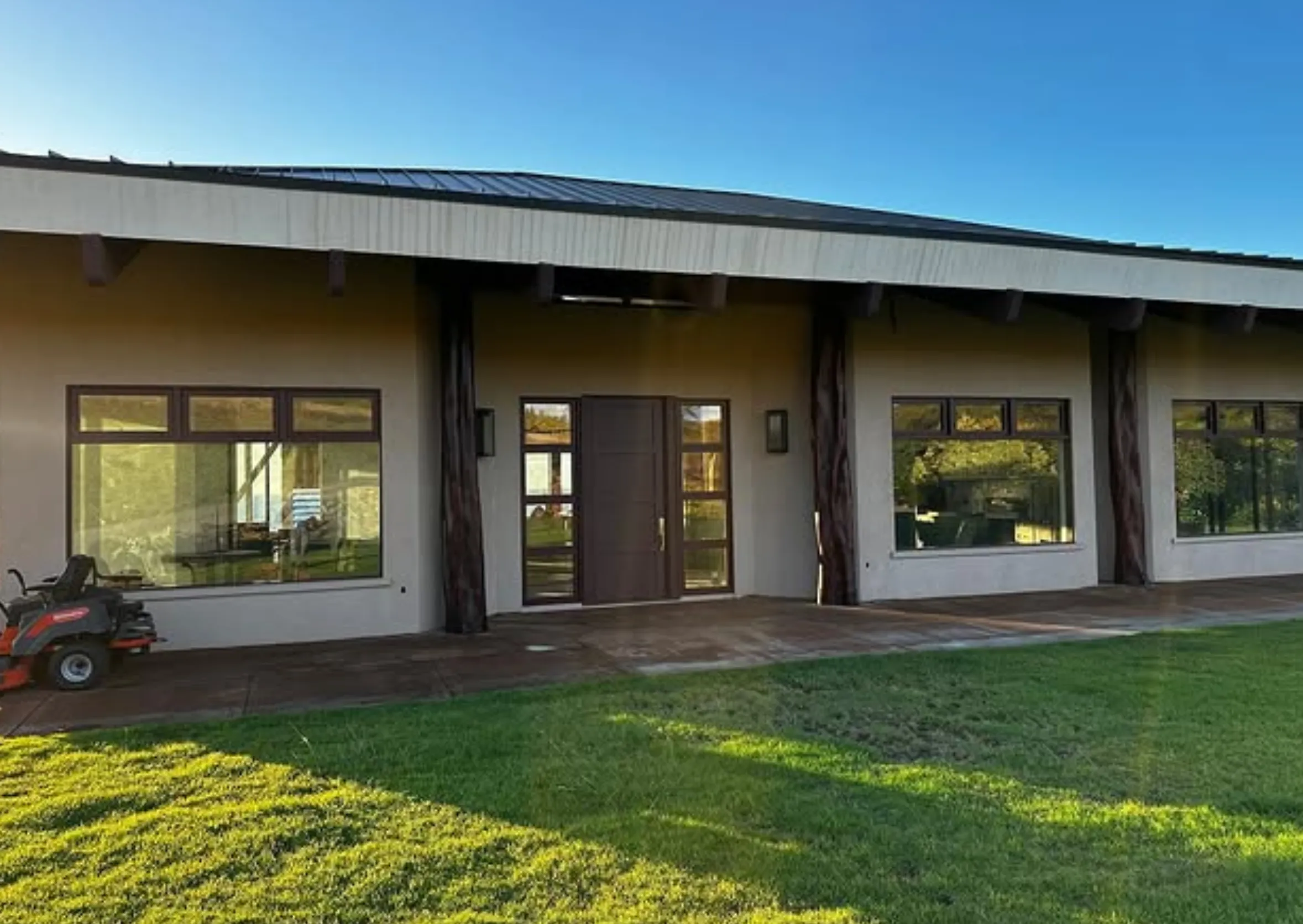
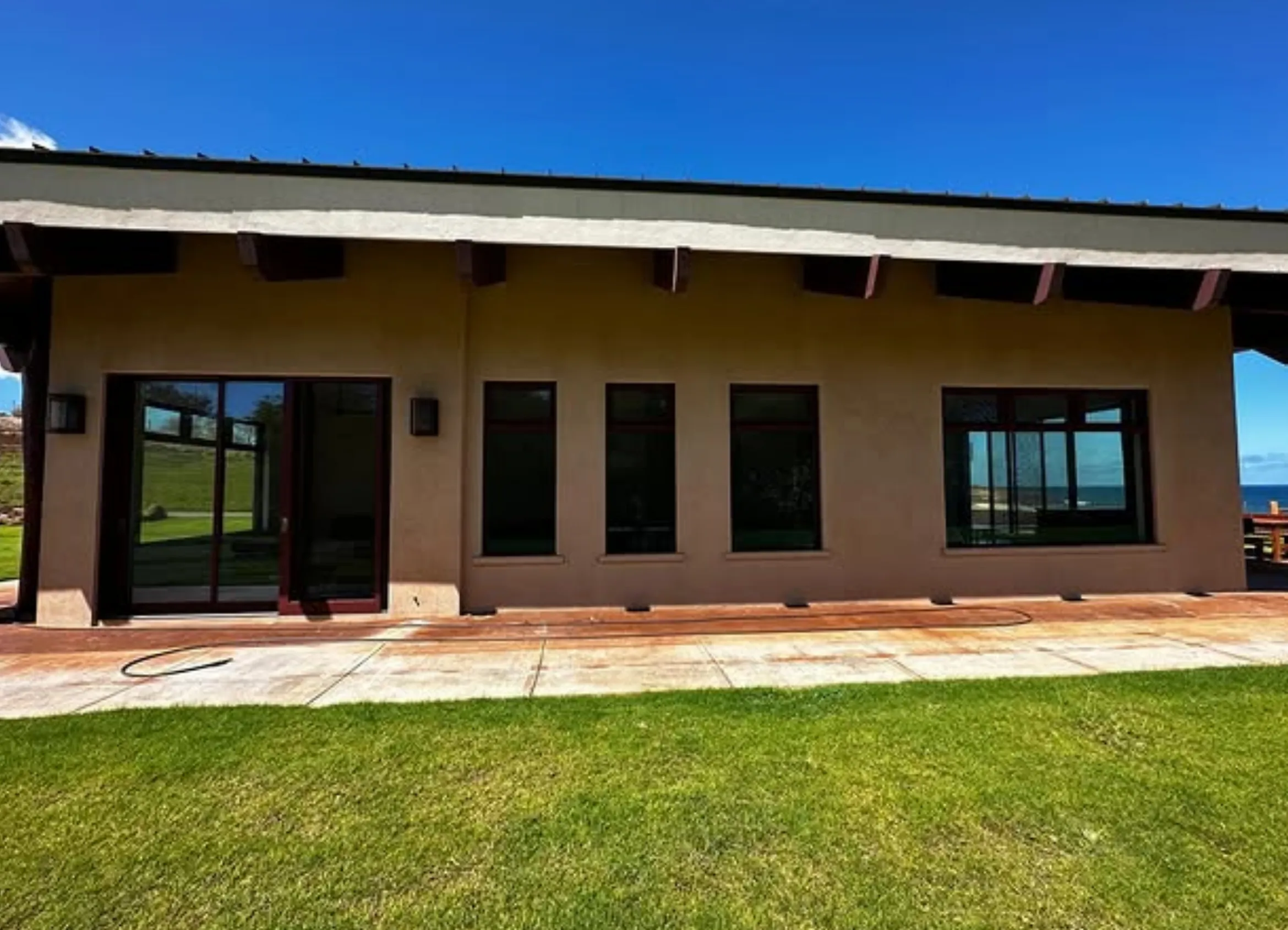
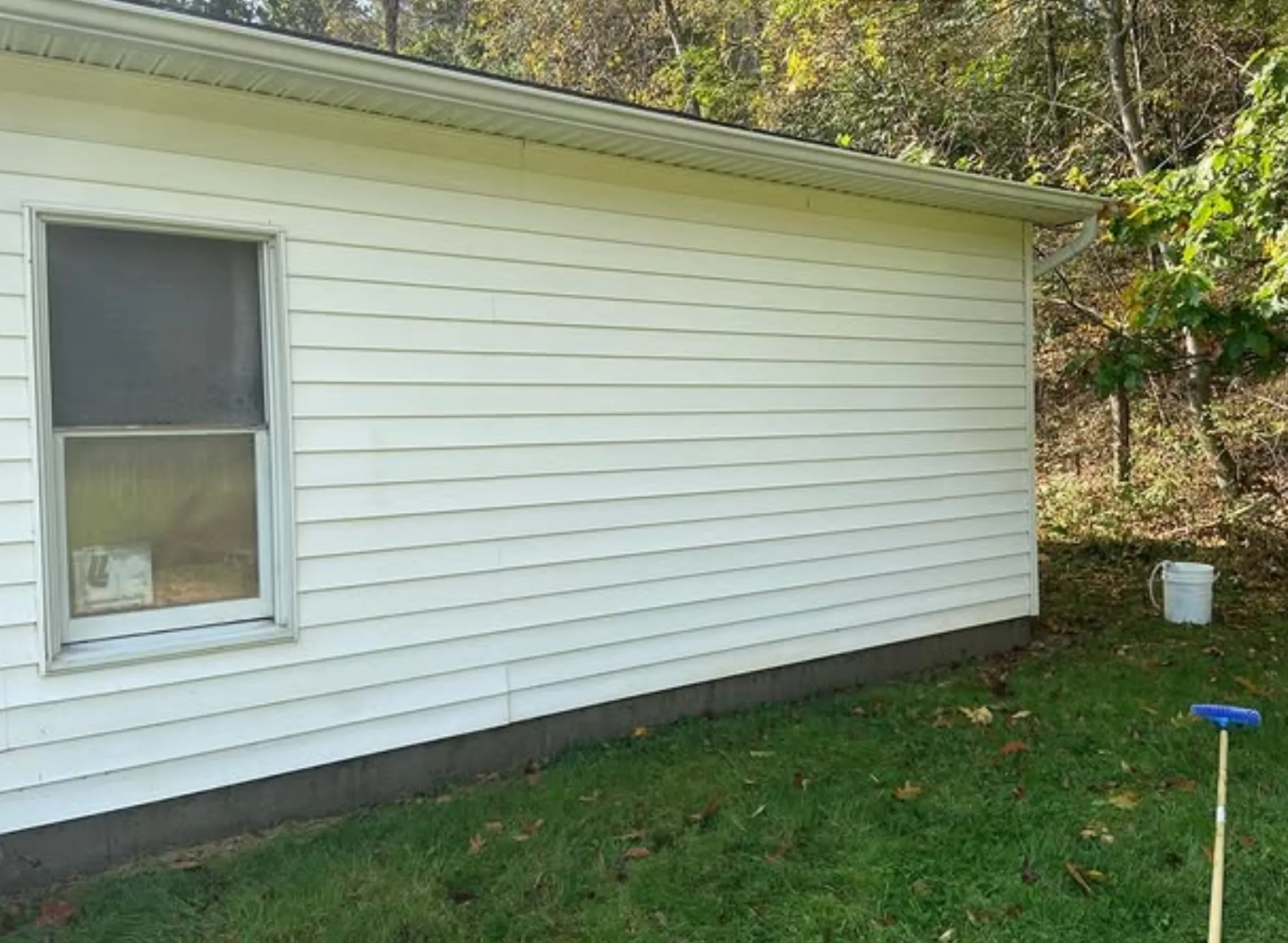
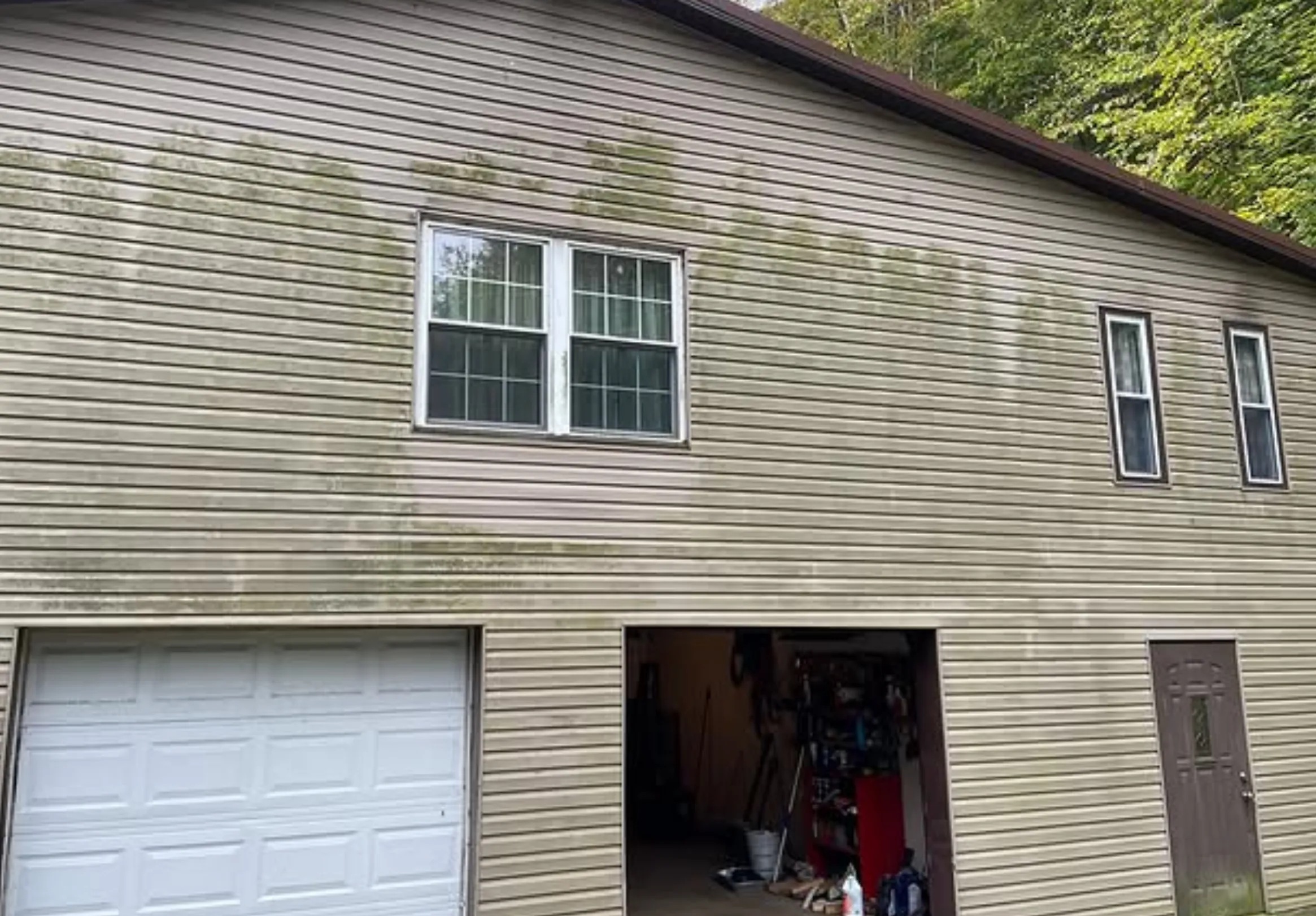
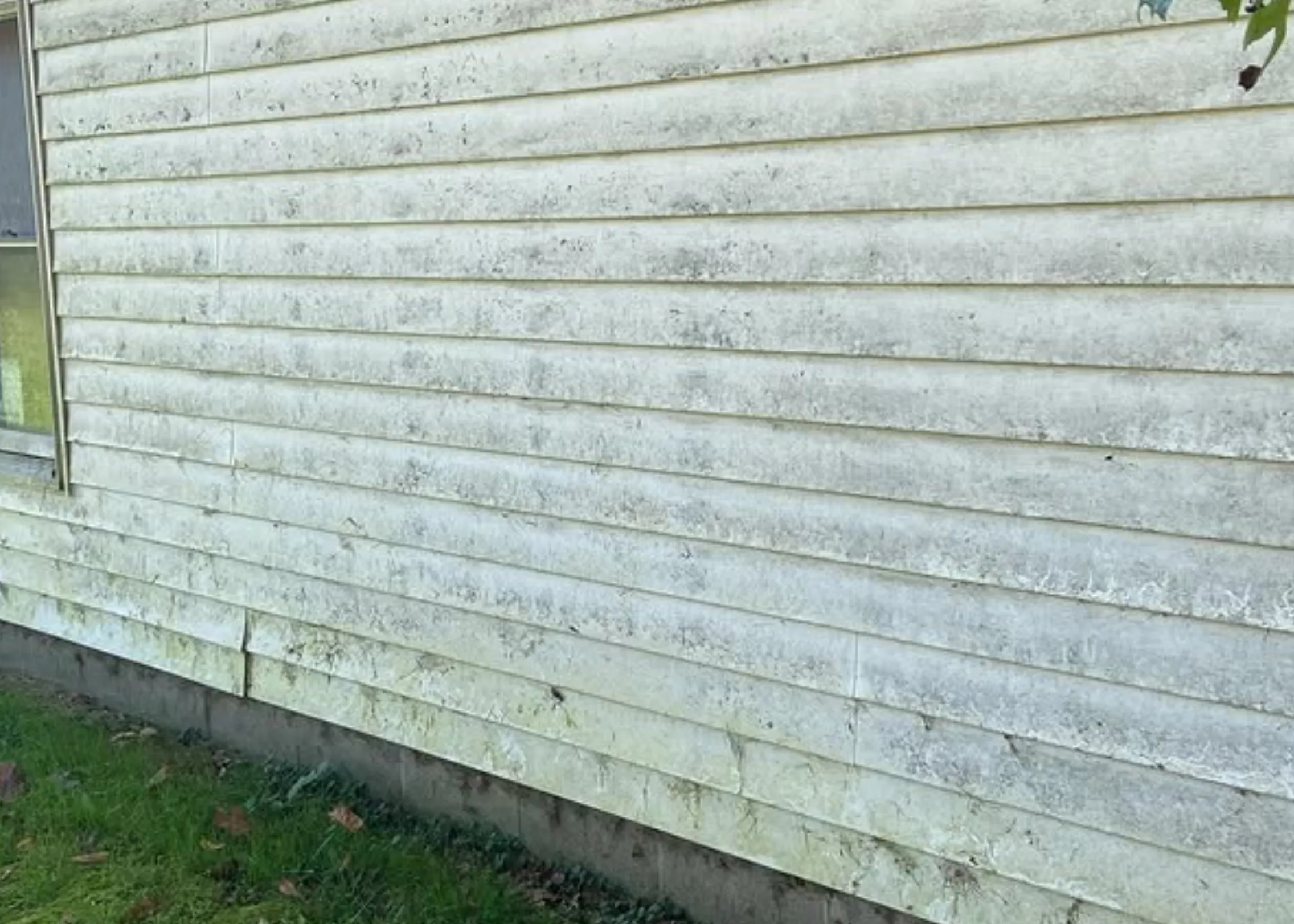
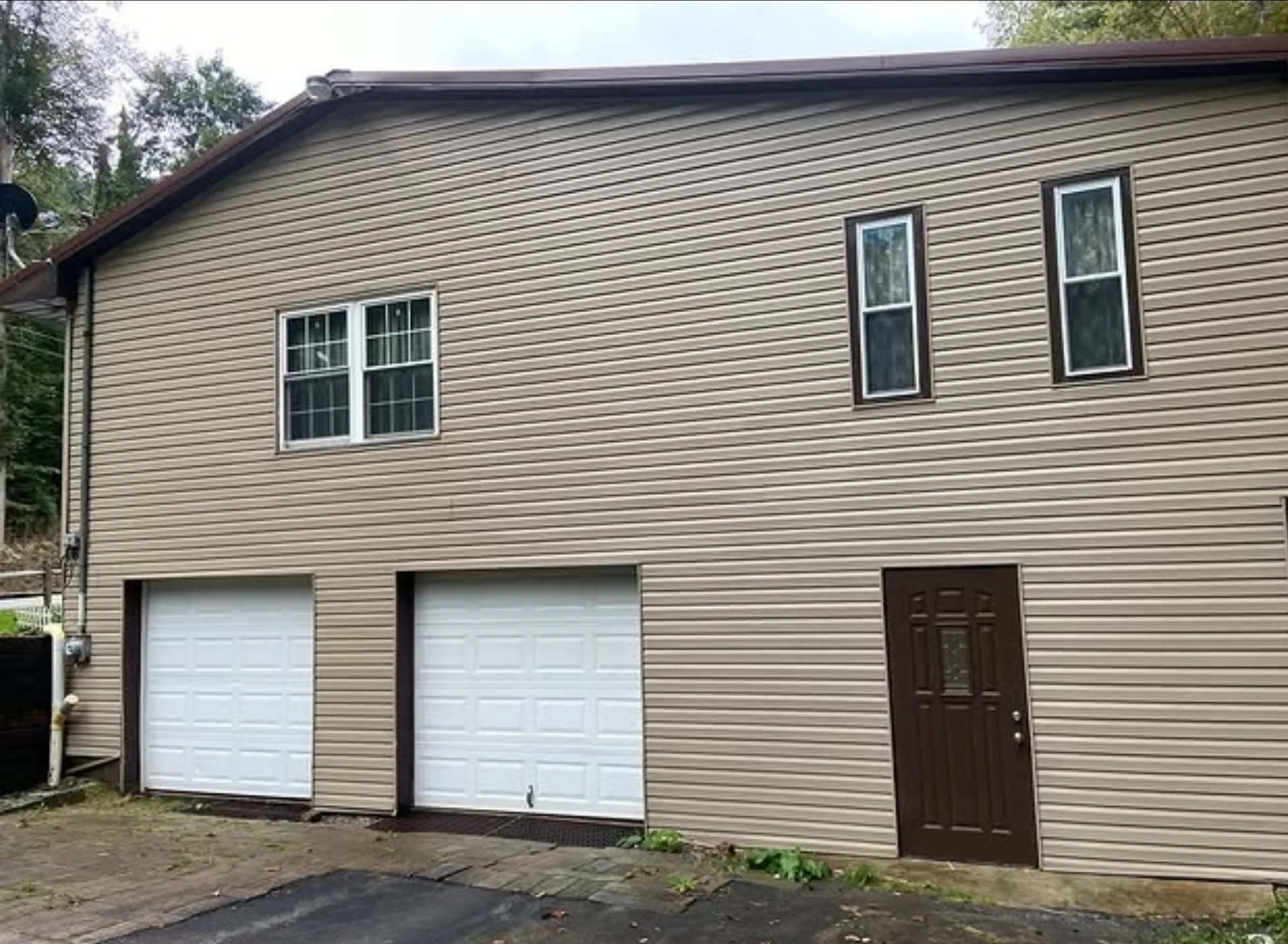
Facade cleaning removes dirt, organic growth, pollution stains, bird droppings and other environmental contamination from building exteriors. At Window Cleaning Melbourne Crew, we provide facade cleaning across Melbourne for residential, commercial, and multi-storey properties, choosing the method based on surface type, condition, contamination, and access.
Rendered walls, masonry, concrete, metal cladding and glazing respond differently to water pressure, cleaning agents and agitation. We assess the surface first, then determine how to clean it.
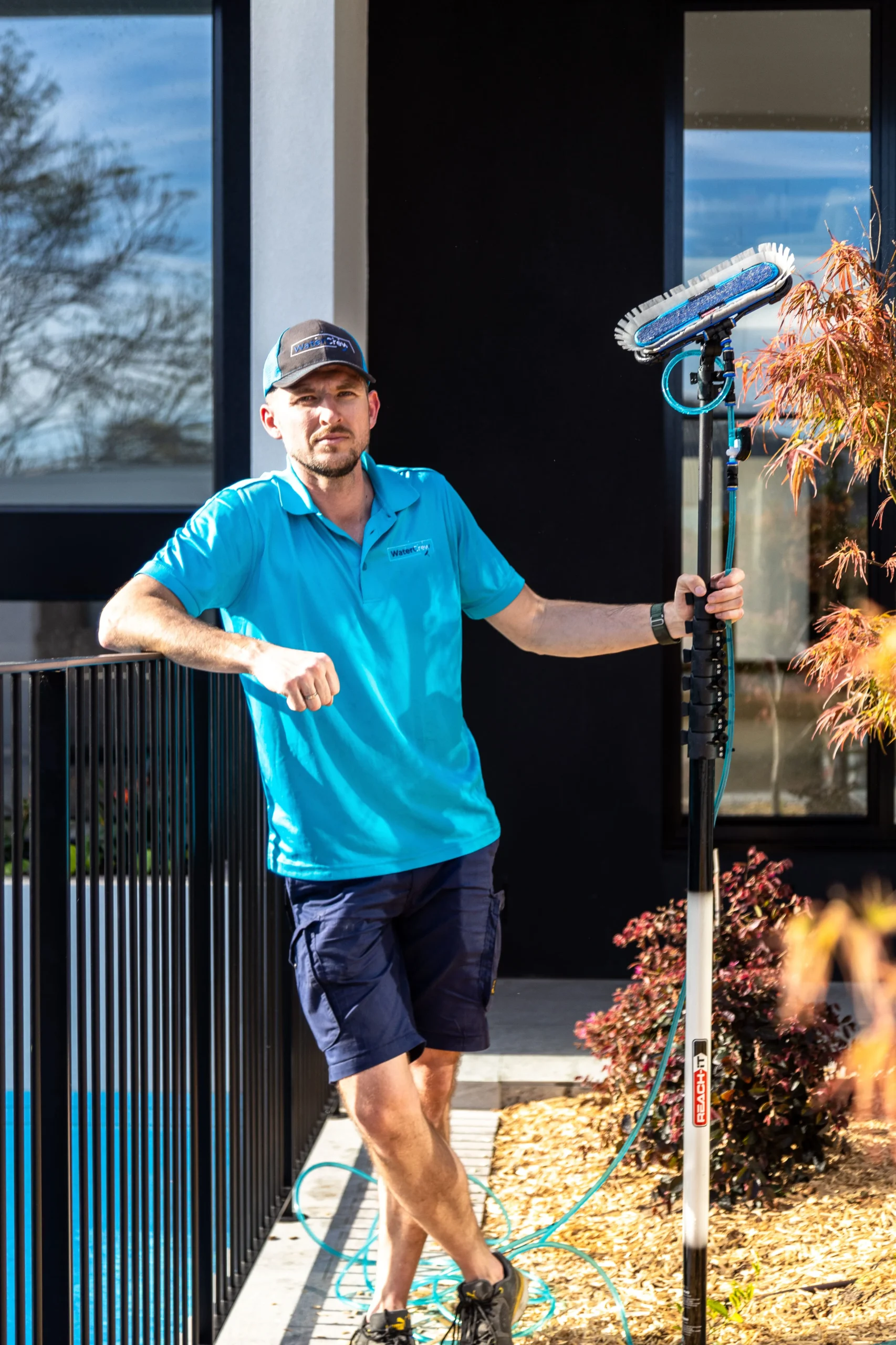
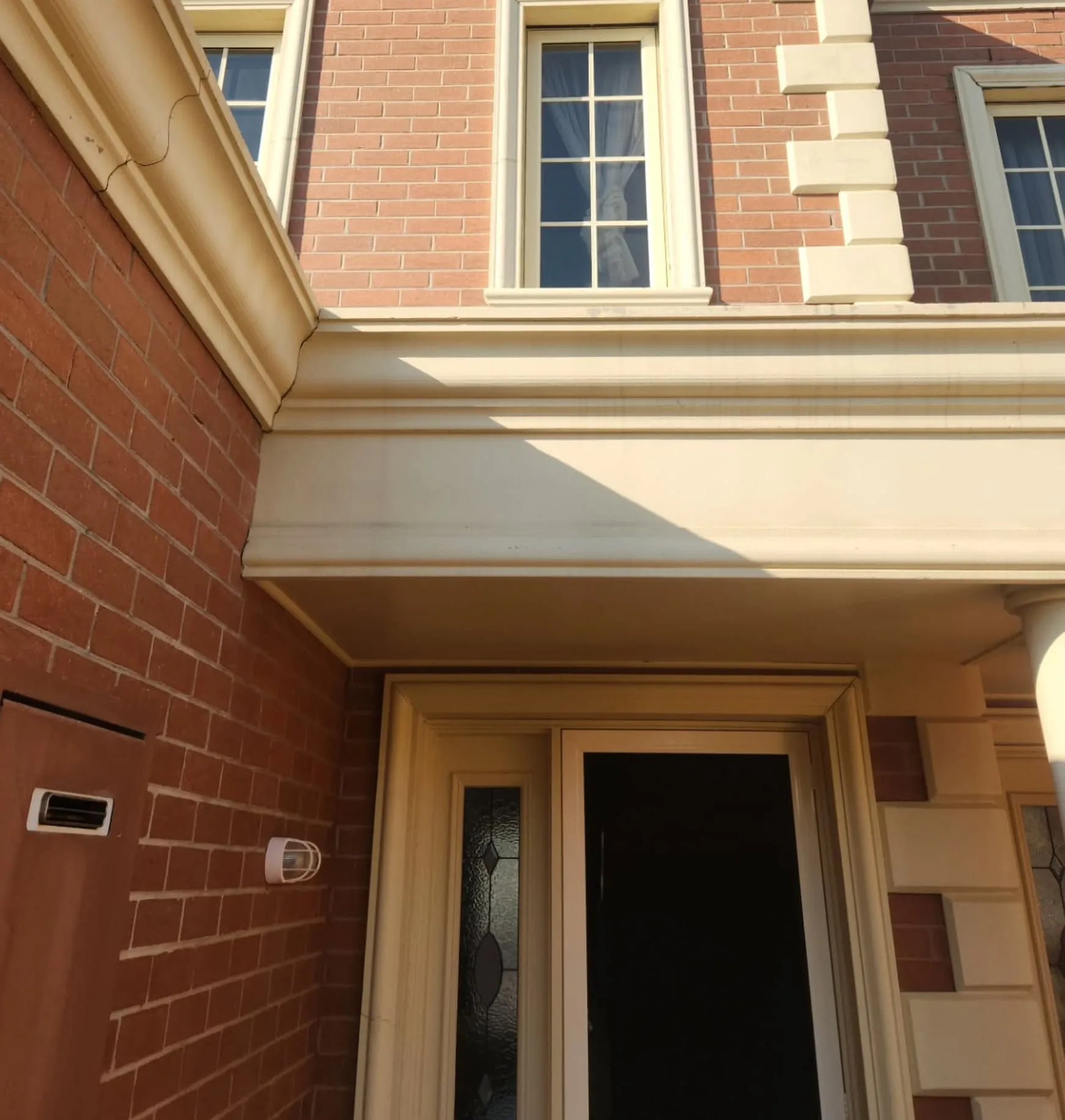
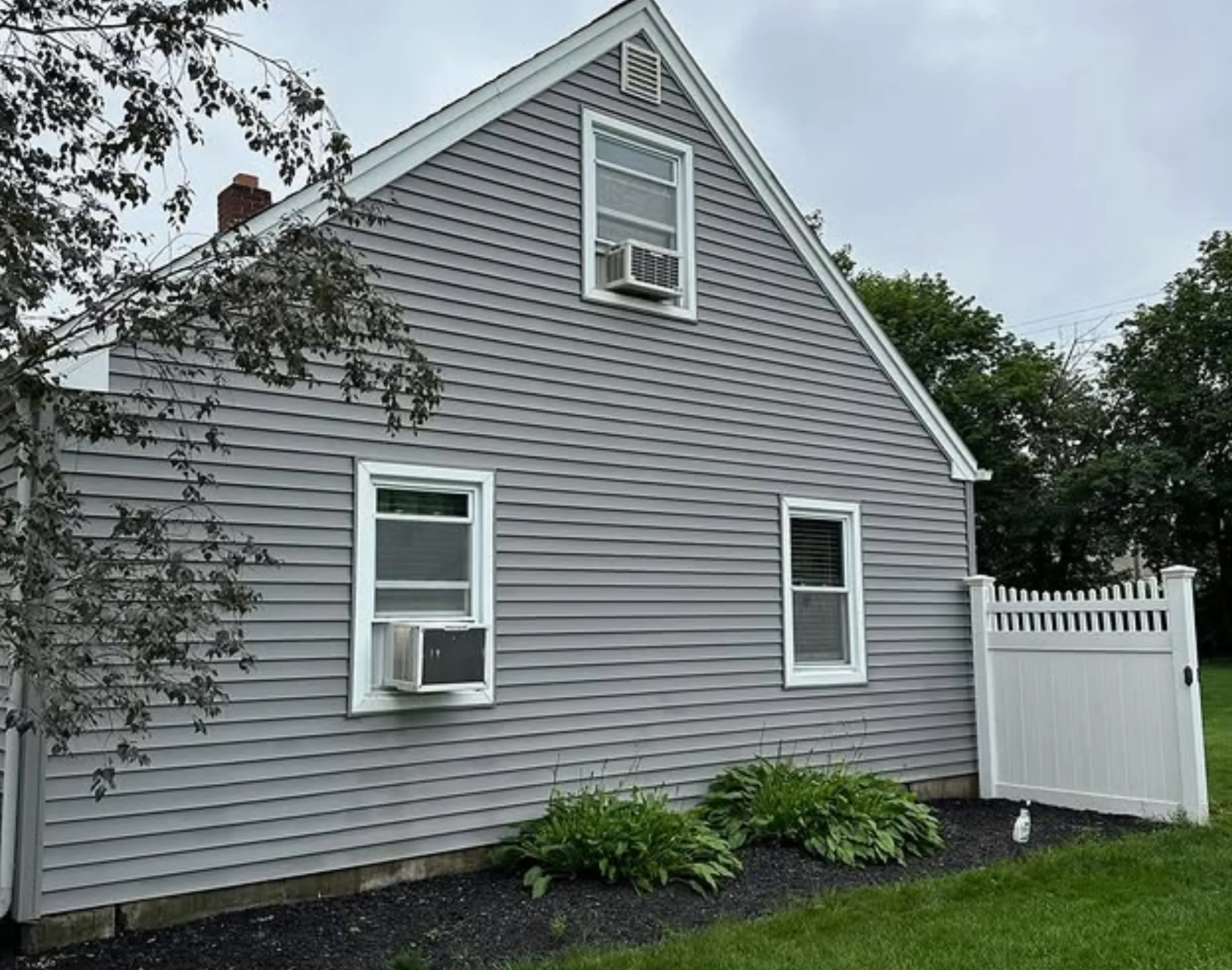
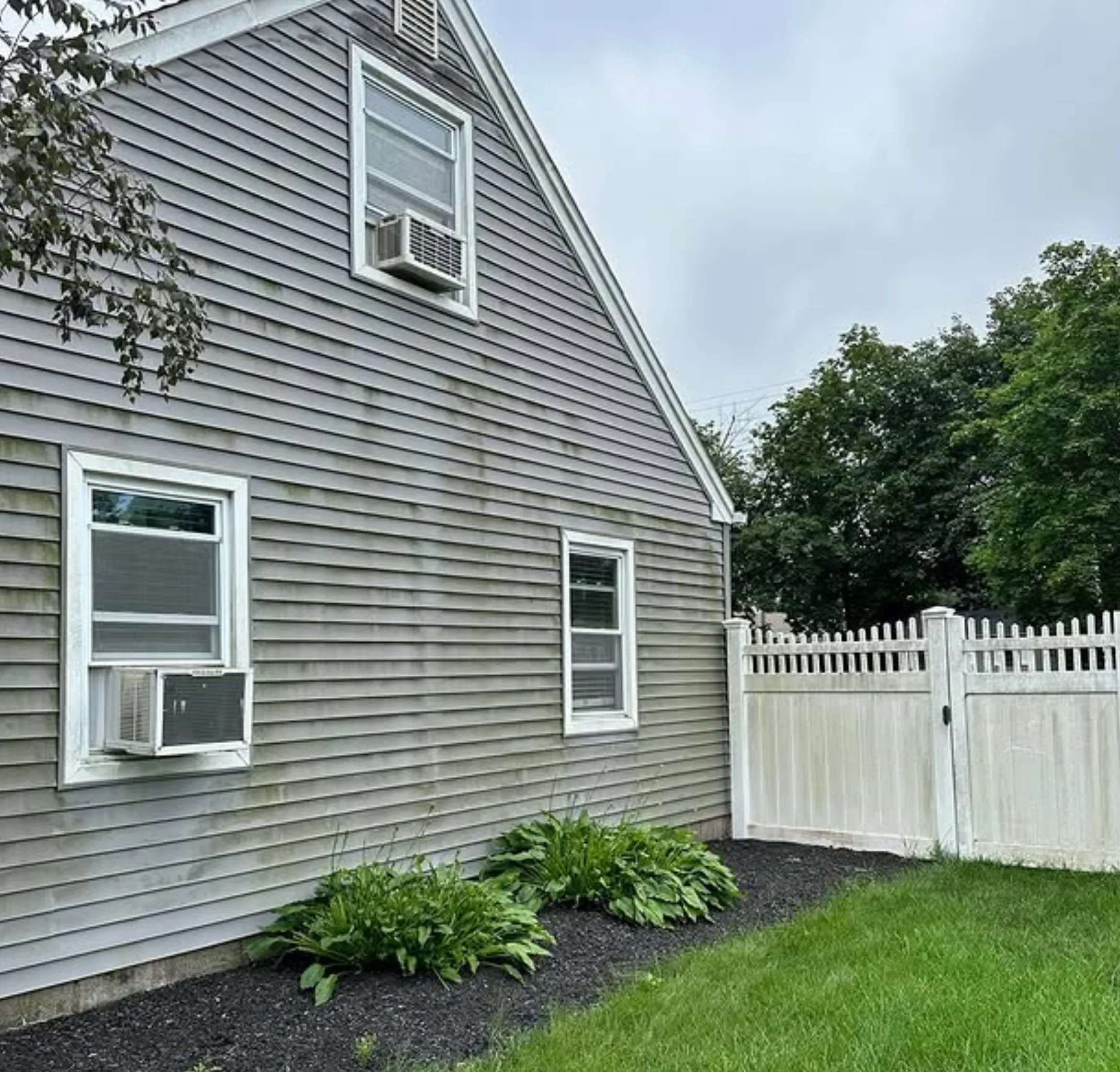
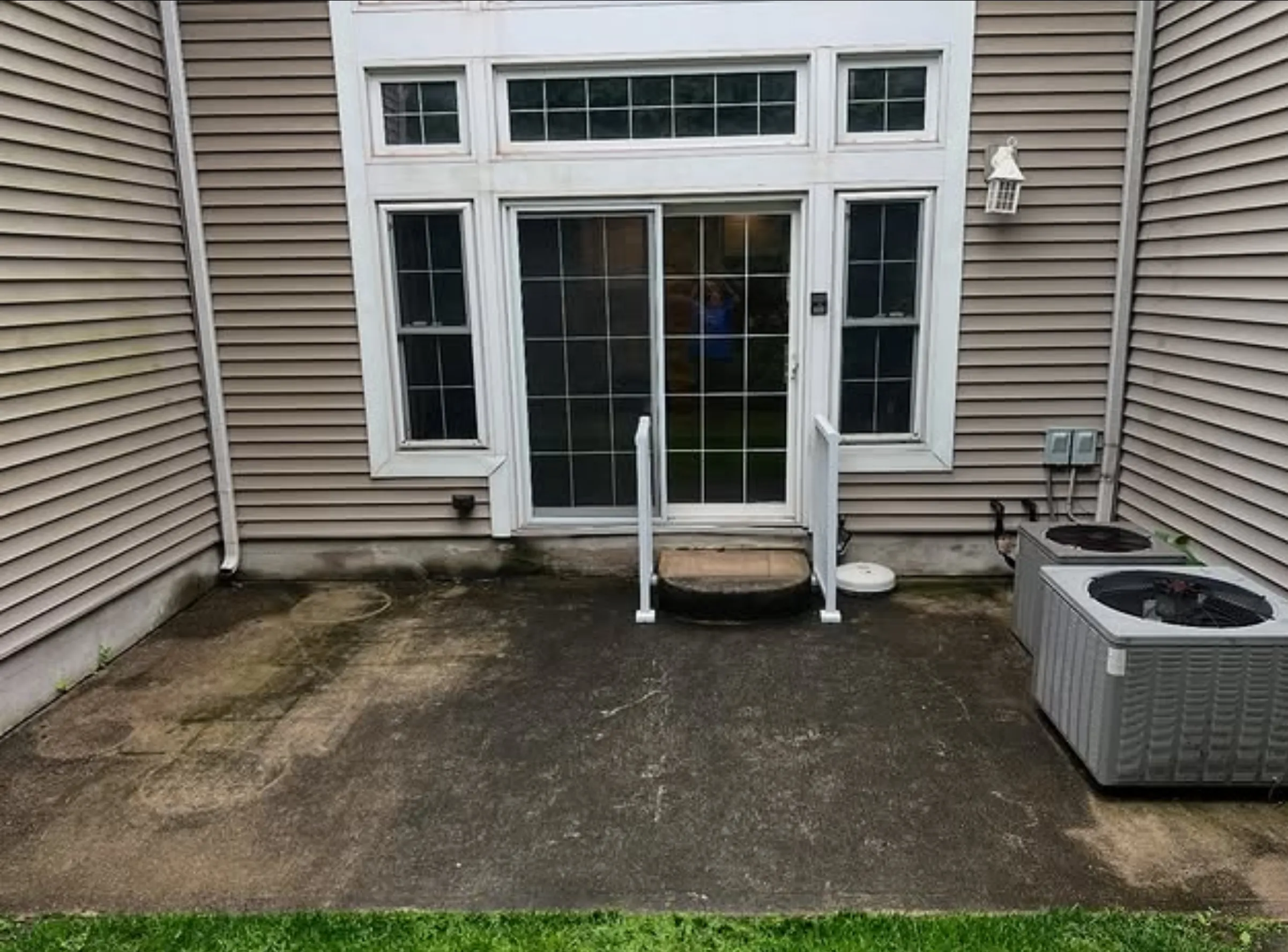
- Very nice and professional cleaning team. We order fully cleaning including gutter , townhouse exterior , all windows outside &inside.WaterCrew provides great service and affordable price .read moreread lessping lee10/11/2026Thankyou. Fantastic work, professional and very happy with how clean our windows and surrounds were.read moreread lessStephanie Johnston10/02/2026Excellent & professional in all ways.read moreread lessWendy Haines9/24/2026
- Eren did a sensational job & his communication was fantastic - would definitely use again & recommend 👍read moreread lessTony Murdoch8/26/2026Eren was professional, efficient and completed the roof cleaning to a very high standard. The service was prompt, the workmanship was excellent, and the overall result was fantastic. Highly recommend Eren for anyone looking for reliable and quality roof cleaning services.read moreread lessJanan8/24/2026Excellent. Efficient, thorough, and swift!read moreread lessLu Lu7/15/2026
- Very happy with the service. They were clean, professional and left everything tidyPlus the job was done beautifullyMany thanks!read moreread lessAdelle7/04/2026Highly recommend Eren and his WaterCrew. Have used for gutter cleaning and will in future use for terracotta roof tile cleaning & window cleaning. They do a very thorough and professional job at competitive rates. Also, they are polite, friendly and well spoken.read moreread less
 Alan Thomas6/30/2026Very professional job done in BrightonVery thorough and was on time !!!!read moreread lessRENATO CENEDESE6/12/2026


Why Exterior Surfaces Need Attention
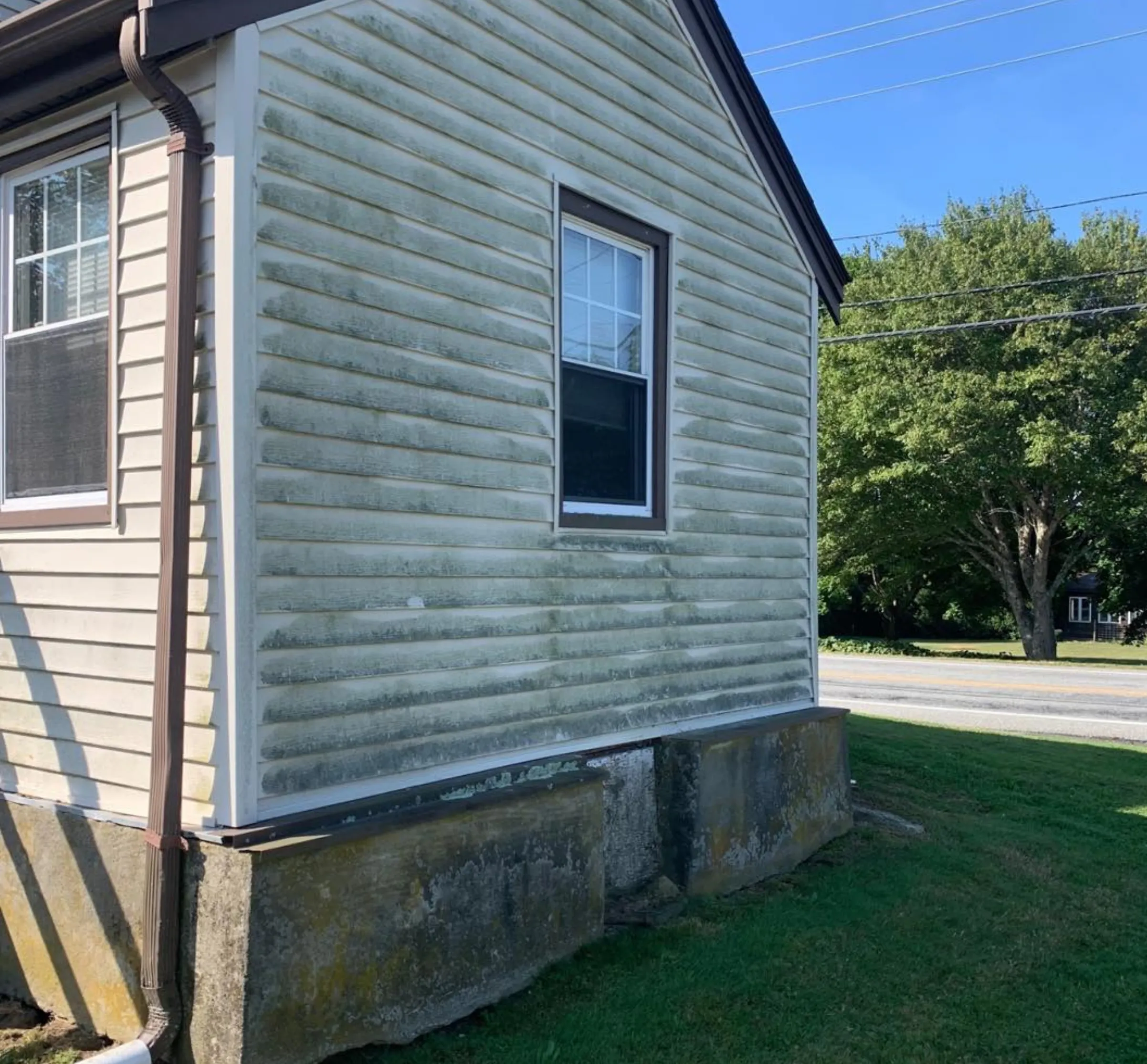
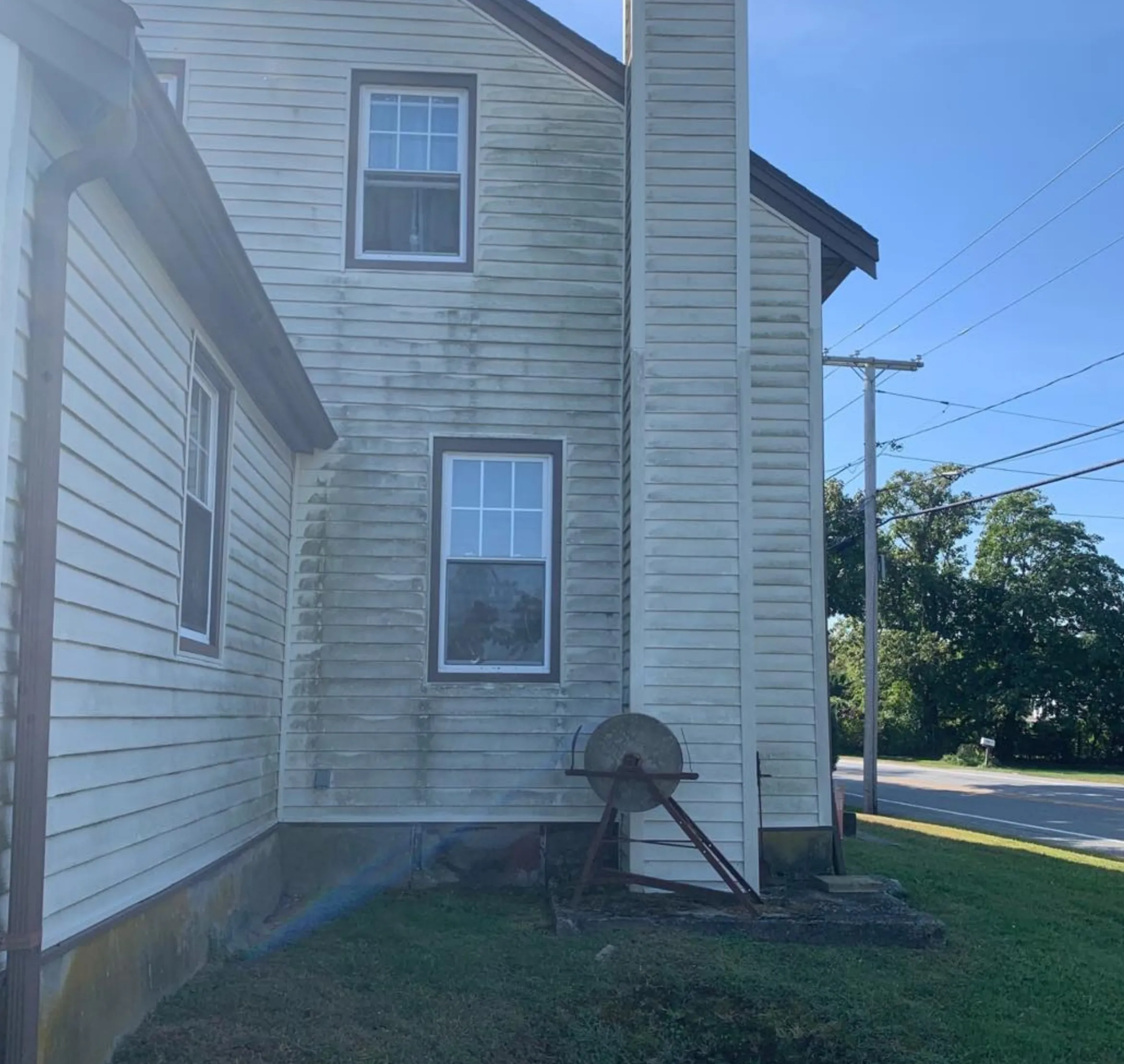
Building façades are continuously exposed to weather, atmospheric residues and environmental pollutants. Deposits build up over time and can become harder to remove, particularly from porous or textured surfaces.
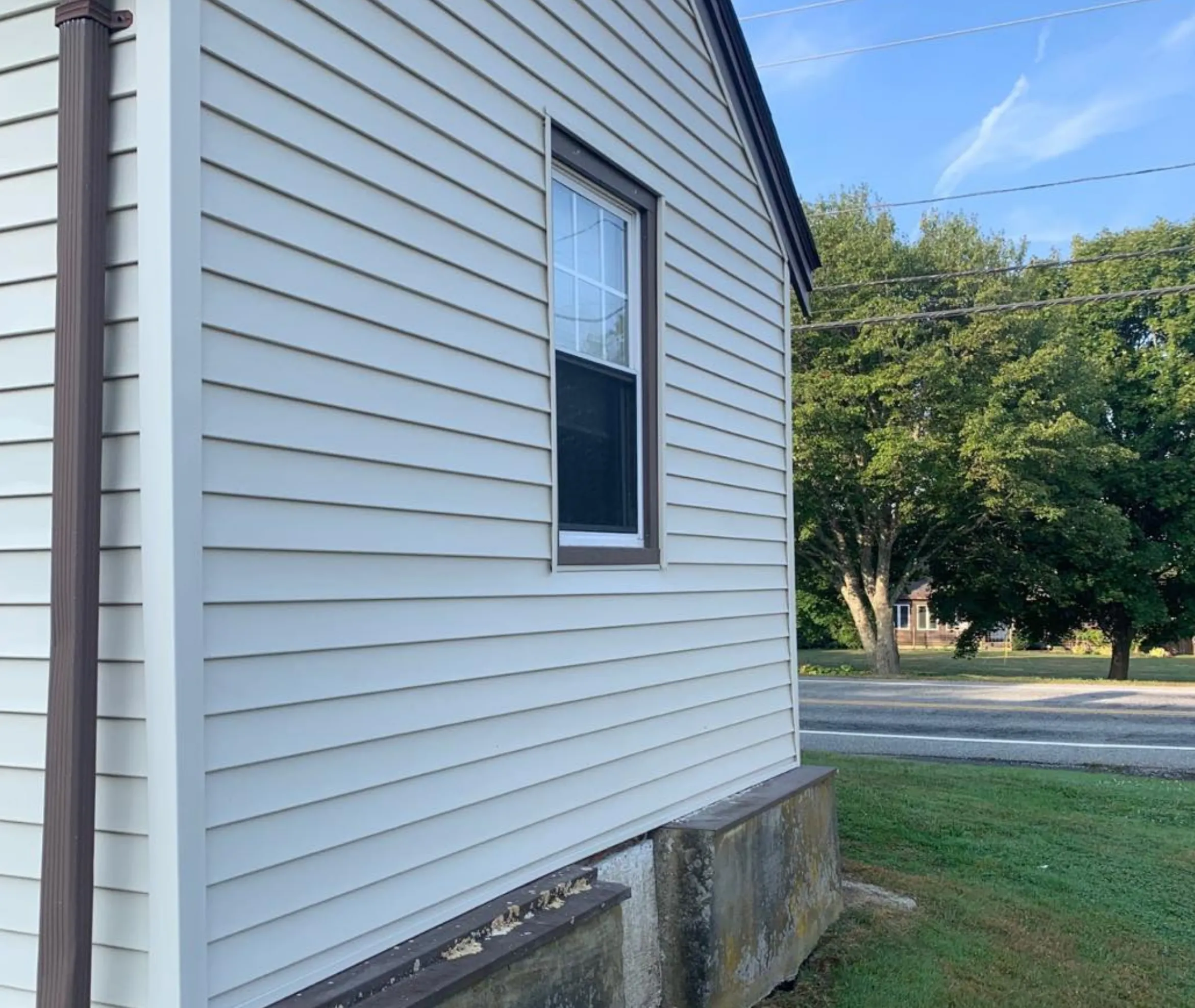
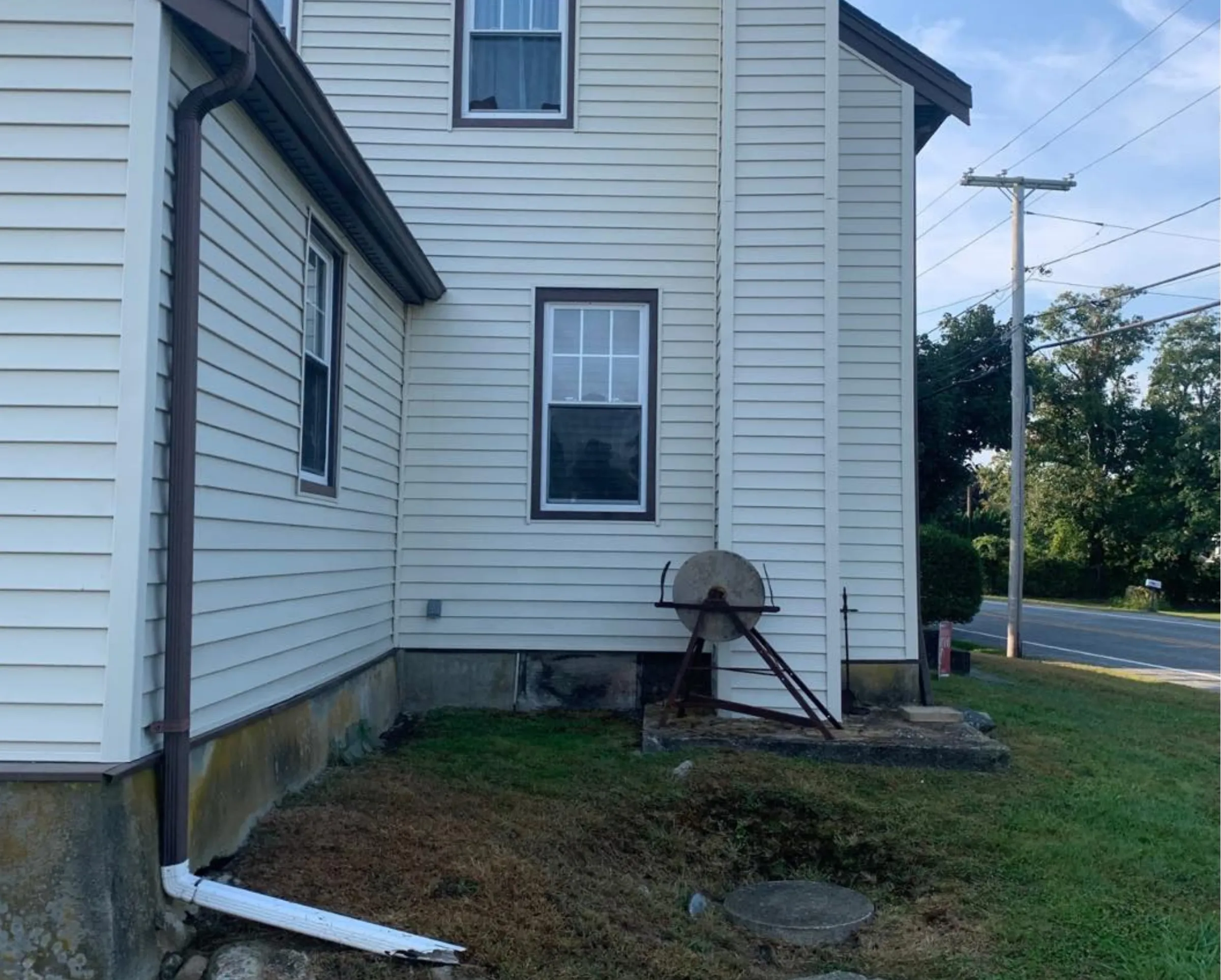
Regular cleaning supports facade maintenance and aesthetic appeal while making the exterior easier to inspect. It can also reveal defects concealed by grime, but it cannot repair the substrate itself. Before setting expectations for the result, we distinguish removable contamination from deterioration.
Common Exterior Contaminants
Melbourne facades can collect:
- Airborne dust, atmospheric residues and traffic-related grime;
- Mould, algae and other organic growth;
- Green growth on damp or shaded surfaces;
- Cobwebs and insect debris;
- Bird droppings;
- Pollen and plant debris;
- Salt deposits in exposed coastal locations;
- Lime efflorescence and other mineral deposits;
- Runoff marks beneath ledges, joints and architectural features.
The pattern of contamination can help determine our approach. Green growth concentrated on a shaded elevation may indicate persistent moisture, while dark pollution stains beneath projections may result from repeated rainwater runoff.
Surfaces and Materials
Our cleaning approach depends on the surface, its condition and the contamination present.
Rendered Surfaces
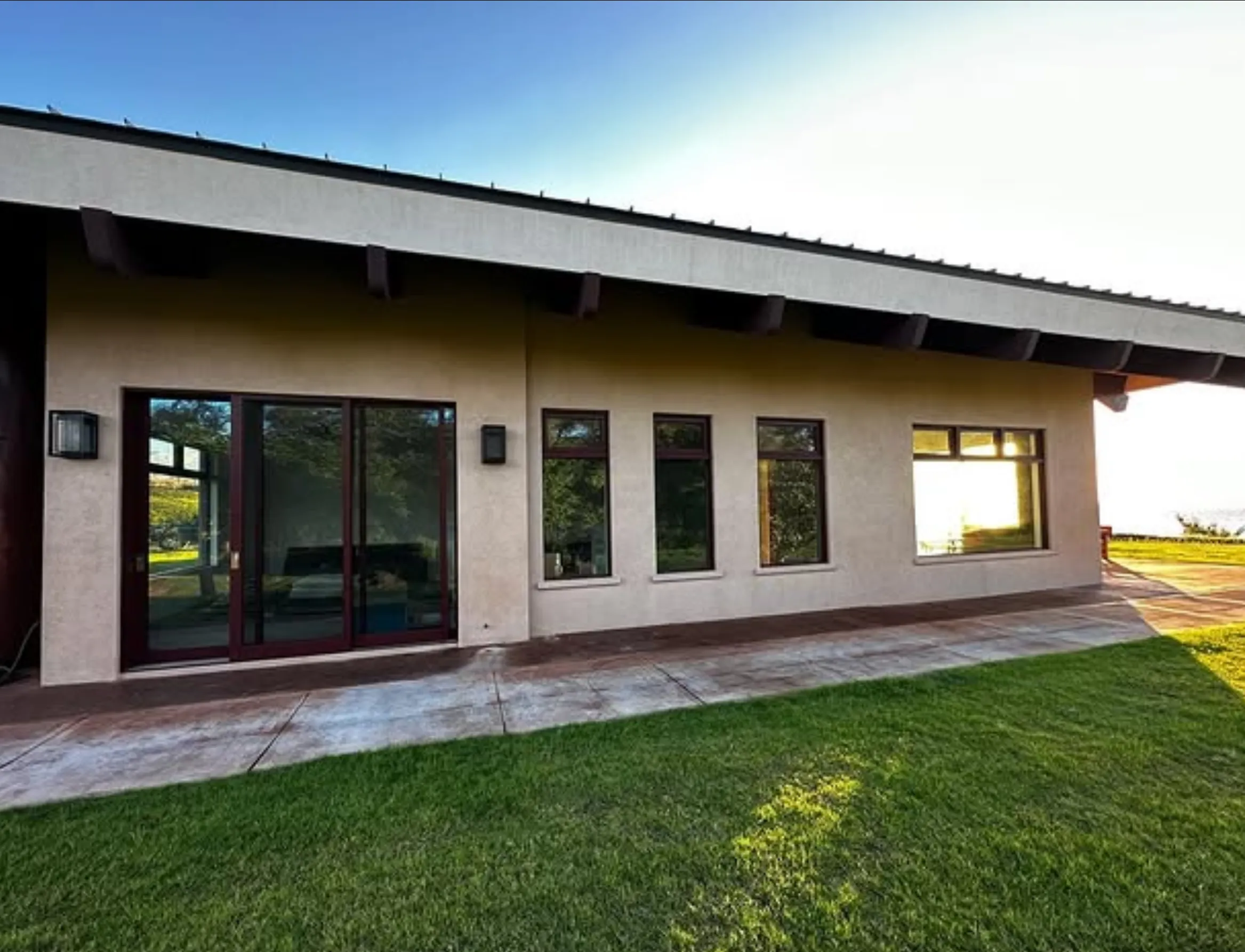
Painted surfaces, acrylic render and other rendered finishes require careful render cleaning because they can be vulnerable to aggressive pressure, especially where coatings are weathered, cracked or poorly bonded. Depending on the finish, we may use lower-pressure washing, suitable cleaning agents and controlled agitation.
For some rendered façade systems, manufacturer guidance recommends cleaning at approximately 12-month intervals, together with monthly visual checks for dirt, mould, cracking and other deterioration. Where pressure cleaning is permitted for a particular system, around 500 PSI with a fan tip is one manufacturer-specific benchmark. We do not treat these figures as universal settings for all renders; the coating specification, condition and contamination still determine how we approach the surface.
Cracks and failed joints also require care. Cleaning cannot address the underlying cause of water ingress.
Brick, Masonry and Stone
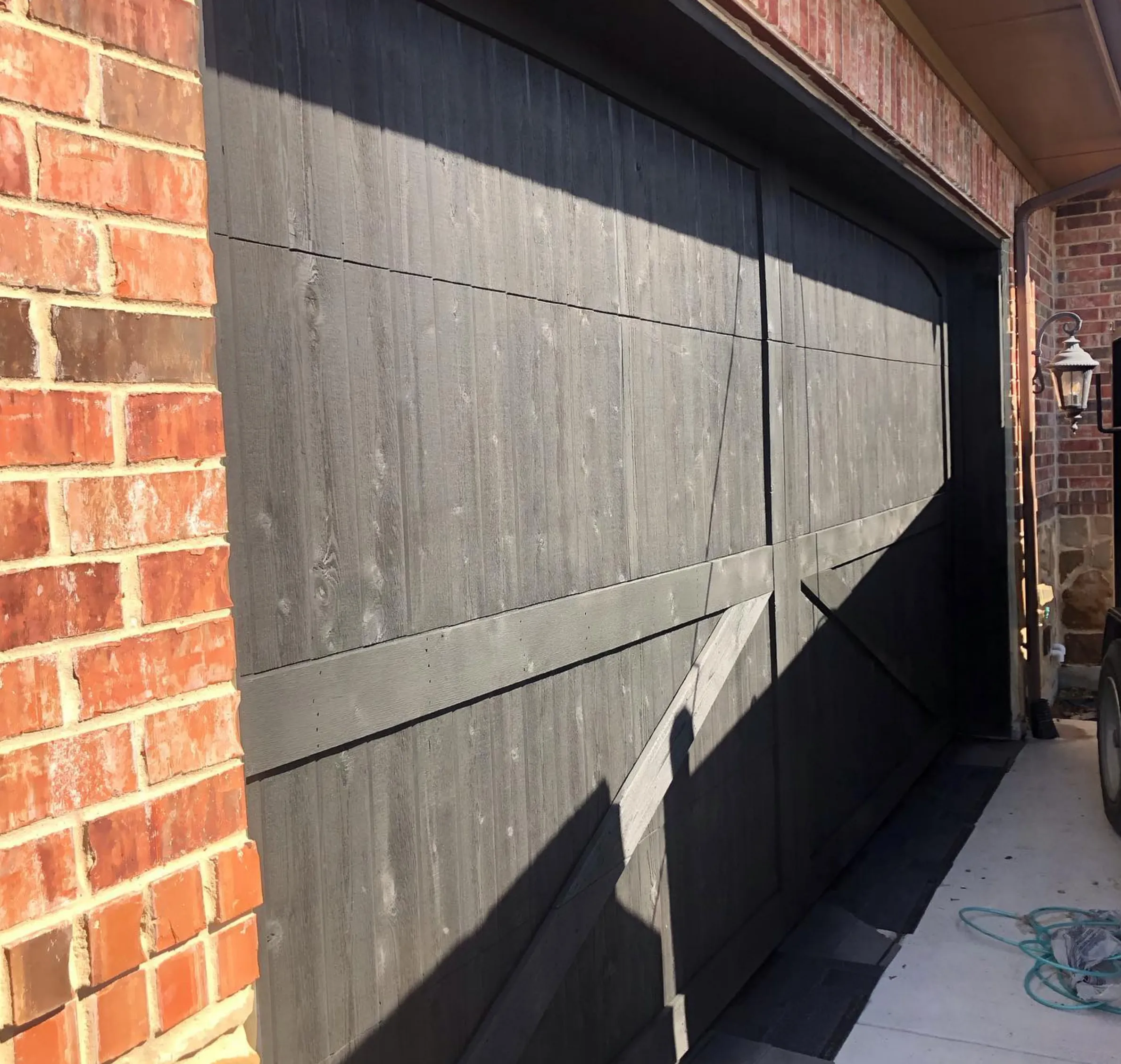
Brick, masonry, and natural stone call for an assessment of mortar, porosity, surface finish, previous treatments, and sensitivity to cleaning agents, rather than an assumption that they can withstand high-pressure cleaning.
Lime efflorescence is different from ordinary dirt. Removing visible deposits does not address the moisture movement carrying soluble salts to the surface, so recurring deposits may indicate an underlying moisture issue.
Concrete Surfaces
Sound concrete can tolerate methods unsuitable for delicate coatings, but the pressure still needs to match the surface condition. Cracking, loose material, or an applied coating changes the appropriate method.
Metal and Cladding Systems
Metal and coated cladding require particular attention to the finish. We do not treat these surfaces as ordinary masonry: abrasive methods or unsuitable chemical cleaning agents can damage coatings, and joints and interfaces should not be unnecessarily flooded.
For some coated-steel façade systems, sheltered areas that are not naturally washed by rain are recommended to receive maintenance washing at least every 6 months. In coastal locations affected by marine salt spray, or where airborne dirt and industrial fallout are significant, that interval may shorten to around 3 months. We use these figures as material-specific maintenance benchmarks rather than applying them as a universal facade-cleaning schedule.
Fibre-cement cladding has different requirements again. Manufacturer guidance for certain exterior fibre-cement systems recommends washing at approximately 6–12-month intervals, with environmental exposure and contamination influencing where a property falls within that range.
Glass and Glazing
For integrated glazing, we consider the glass alongside its frames, seals, coatings and adjacent cladding. Depending on the glazing and job requirements, our water-fed systems can use purified or deionised water produced through filtration processes such as reverse osmosis.
| Facade condition | Approach we consider | Main concern |
|---|---|---|
| Painted or rendered finish | Lower pressure or soft washing | Coating damage or water ingress |
| Sound concrete | Controlled pressure cleaning | Excessive pressure on weak areas |
| Brick, masonry or stone | Surface-specific washing | Mortar, porosity and efflorescence |
| Coated metal/cladding | Gentle washing suited to the finish | Scratching or coating damage |
| Glass and glazing | Glass-specific cleaning | Coatings, seals and spotting |
Choosing the Right Cleaning Method
We select the method according to both the substrate and the contamination. The same material may require different treatments for organic growth, atmospheric grime, bird droppings, or water-related staining.
Where suitable, soft washing allows an appropriate cleaning solution to do more of the work at lower pressure. Organic growth may call for a different cleaning agent, concentration, or contact time than soot, oily traffic film, or general dirt. Sound, durable surfaces, including certain concrete areas, may be suitable for controlled pressure cleaning or a pressure rinse. Around sensitive joints and architectural features, manual detailing may offer better control.
Our equipment may include pressure sprayers and other controlled application systems, but the equipment itself does not dictate the method. When a finish’s reaction is uncertain, we may first perform test cleaning. More pressure is not automatically more effective: on the wrong facade, high-pressure cleaning can cause damage rather than solve a maintenance problem.
How We Approach the Work
Before cleaning begins, we assess the facade material, condition, contamination and access. Entrances, vehicles, landscaping, pedestrians and neighbouring surfaces also influence how the work is staged.
We then select a suitable method, prepare the work area, complete the agreed scope and check for remaining contamination or visible defects.
Access at Different Building Heights
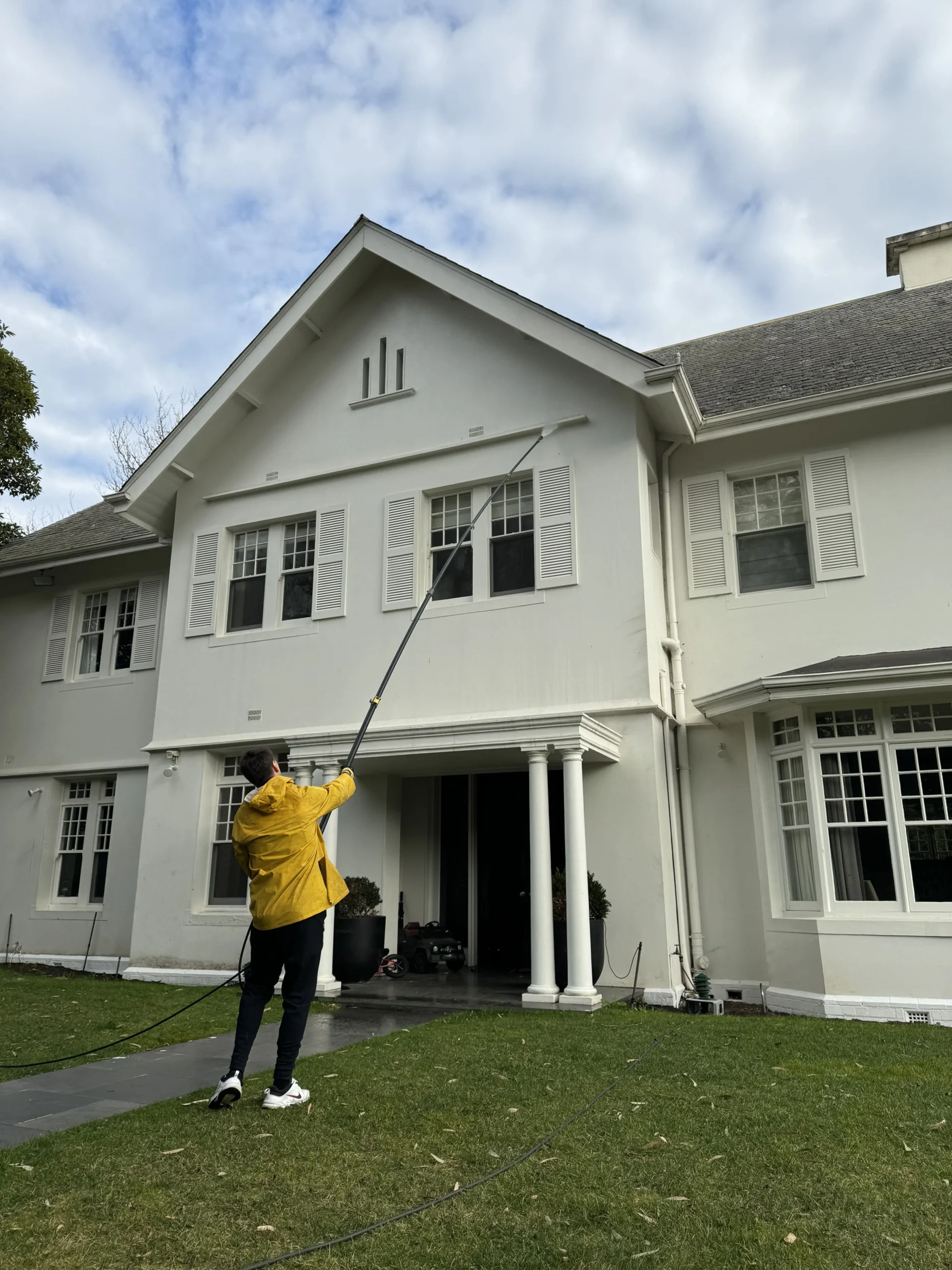
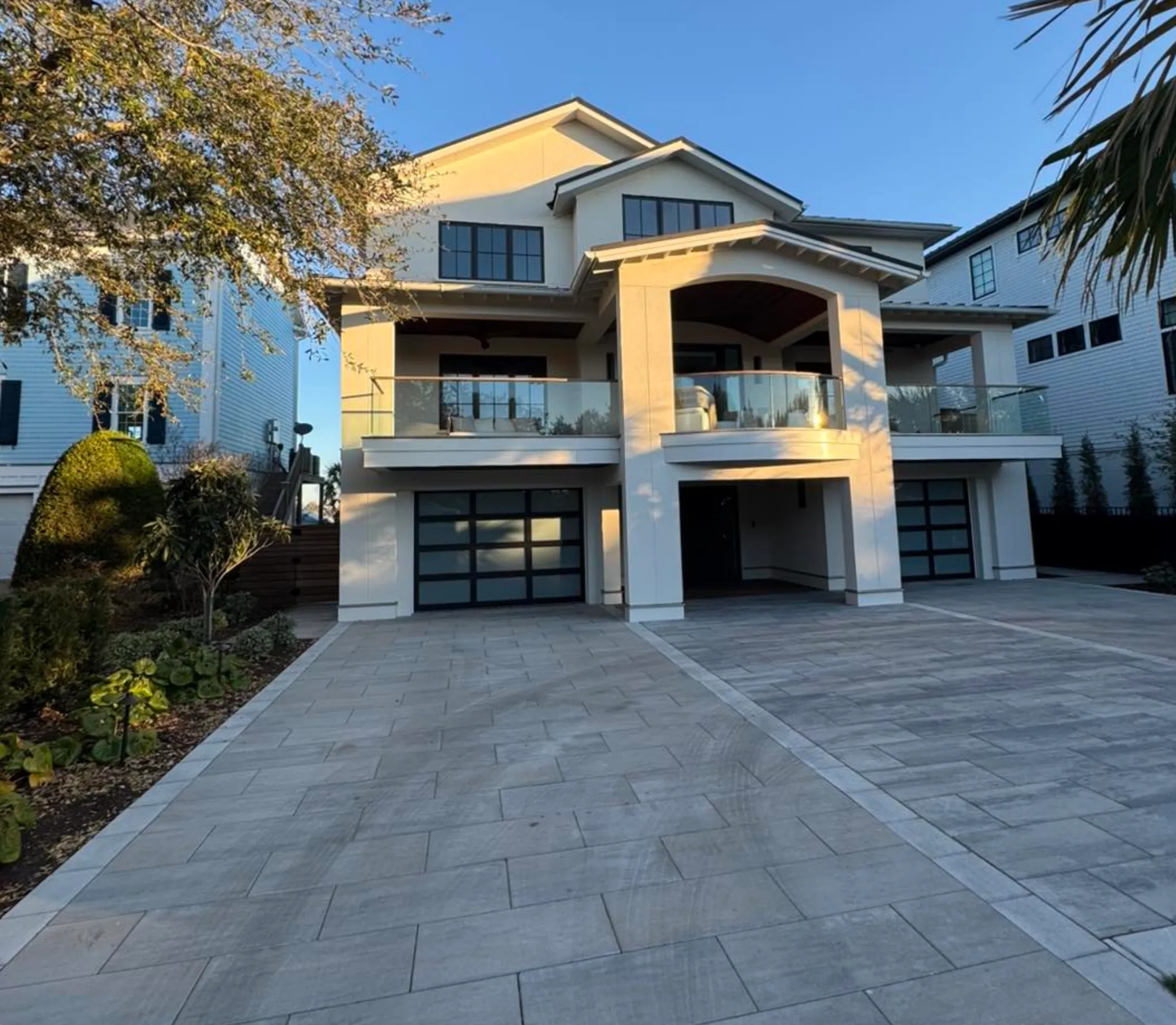
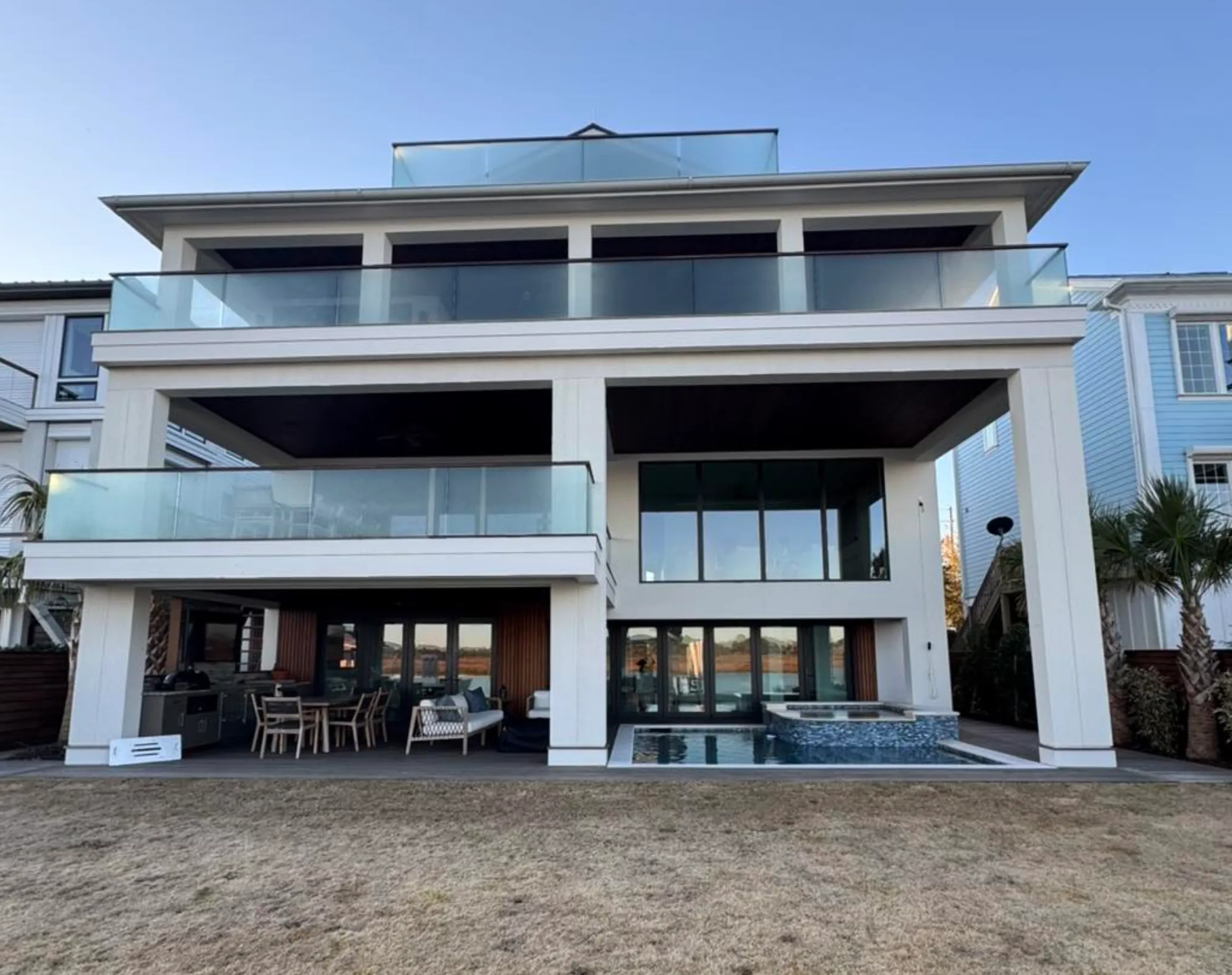
Ground-level walls may be accessible directly or with extension equipment. Higher or more difficult areas may require water-fed systems, elevated work platforms, scaffolding or abseil window cleaning techniques, depending on the property and work required.
We do not choose an access method from storey count alone. Building height, setback, ground conditions, obstacles and facade layout all affect the decision. Access also influences complexity and cost: two facades of similar area can involve very different scopes when one is accessible from the ground while the other requires specialist façade access systems.
In Victoria, specific regulatory duties for fall risks above 2 metres apply where there is a risk of a person falling from more than that height; risks at lower heights must still be controlled. We account for these requirements when planning access rather than treating the threshold as a rule for choosing the cleaning method.
Where we use a boom-type elevated work platform with a boom length over 11 metres, the operator requires the appropriate high-risk work licence. Building height is therefore only one part of our access assessment.
Reaching Complex Exterior Areas
Recesses, overhangs, narrow side passages, upper-level panels and areas above awnings can all complicate cleaning.
The question is not simply whether we can reach a surface, but whether we can clean it safely and with enough control to protect adjacent materials. Ground-level cleaning and specialist high-rise work present fundamentally different access situations; the latter requires additional planning and risk controls.
Cleaning Results and Limitations
Facade cleaning can remove surface contamination, but it cannot restore every form of discolouration or deterioration.
Faded paint, corrosion, damaged coatings, cracks, deteriorated sealants, failed finishes, permanent etching and some established mineral staining may remain visible. Removing efflorescence does not address the moisture movement that brought salts to the surface, so deposits can return as long as the source remains.
Cleaning also cannot repair water ingress pathways or damaged insulating facade components. We identify these limitations where relevant so that deterioration is not mistaken for removable dirt and expectations for the finished result remain realistic.
Setting a Maintenance Schedule
We do not recommend one fixed cleaning interval for every building. Facade material, orientation, vegetation, traffic, exposure and contamination rate all influence how quickly a surface needs attention.
Material-specific manufacturer guidance can provide useful benchmarks. Some rendered finishes have cleaning recommendations of approximately 12 months; fibre-cement cladding may have a 6–12-month wash-down interval, and sheltered coated-steel areas may require maintenance washing approximately every 6 months, increasing to around every 3 months in more severe coastal or polluted environments.
We do not apply these figures indiscriminately across an entire building. A shaded elevation prone to organic growth may need attention sooner than a rain-washed wall, while a traffic-exposed commercial site may have different presentation requirements from a residential property. For that reason, we favour a condition-based maintenance schedule informed by the material, exposure and applicable manufacturer guidance. For larger properties, our maintenance agreements can help coordinate cleaning based on the actual facade condition and access requirements.
Melbourne Weather and Exterior Exposure
Different elevations of the same Melbourne building can face very different conditions. Rain and shade encourage organic growth; dry periods bring dust and airborne particles; coastal locations add salt exposure; and busy roads increase environmental pollutants and grime.
Orientation and immediate surroundings can matter as much as location. One elevation may remain relatively clean while a shaded or weather-facing wall develops staining much faster. We account for these differences rather than assuming every side of a building needs the same treatment or maintenance interval.
Safety and Environmental Considerations
Facade cleaning can involve work at height, equipment, chemical cleaning agents, water runoff and interaction with building occupants or pedestrians.
Where the job meets the definition of high-risk construction work in Victoria, a Safe Work Method Statement is required before that work begins. Construction work involving a risk of a person falling more than 2 metres is classified as high-risk construction work; routine facade cleaning does not automatically fall into that category solely because it takes place above this height.
Specialist façade access systems, rope access techniques and other work-at-height methods require appropriate planning, competent operators and applicable safety controls. Depending on the site, our controls may include exclusion areas and measures to protect people below. Where a boom-type elevated work platform has a boom length over 11 metres, the operator requires the applicable high-risk work licence.
We also match cleaning agents and water use to the job, taking into account sensitive plants, neighbouring surfaces, and drainage points that could be affected.
Our Approach to Each Building
At Window Cleaning Melbourne Crew, we start with the building itself: facade material, contamination, condition and safe access. The safest method for delicate rendering is not necessarily the most effective for sound concrete; high-rise building façades introduce different access and safety requirements again.
Rather than applying a single process to every exterior surface, we adapt our approach to the materials and conditions we encounter on the property.
Request a Quote
Facade area and condition, contamination, building height, number of elevations, difficult-access sections and the required access method can all affect the scope and quote.
Contact Window Cleaning Melbourne Crew with details of your property and the areas you want cleaned. Photos can help us identify surface types, staining and obvious access constraints before assessment.
Why Choose Us

Your satisfaction is our top priority. We tailor our services to meet your specific needs

We are committed to environmental responsibility. Our cleaning products are eco-friendly.

Pricing
We offer competitive pricing without compromising on the quality of our services.

Expertise
As a locally owned and operated company, we understand the unique needs of our community.
FAQ
Can you pressure wash every building facade?
No. High-pressure cleaning can damage some render, painted surfaces, coatings, mortar and other sensitive finishes. We match pressure, cleaning agents and application method to the surface and its condition.
Will facade cleaning remove black and green staining?
We can remove many forms of surface dirt, green growth and organic growth, but results depend on the cause. Permanent discolouration, coating deterioration and some pollution or mineral stains may remain.
Can you clean different facade materials in the same job?
Yes. Where a building combines glass, render, concrete, natural stone and metal cladding, we adjust the method between surfaces rather than applying a single process across the entire facade.
What affects the cost of facade cleaning?
Facade area and condition, contamination, building height, access complexity, surface type and cleaning method all affect the scope. Ground-level access, scaffolding, elevated work platforms and rope access can involve substantially different levels of work even for similar facade areas.
Do I need to prepare the building before facade cleaning?
Preparation depends on the property. Access, vehicles, pedestrian movement, balconies, open windows and items close to the facade may need attention. We can confirm site-specific preparation during assessment.
SEO Title: Facade Cleaning Melbourne
Meta Description: Professional facade cleaning Melbourne for render, brick, concrete, cladding and glass. Low-rise, high-rise and difficult-access buildings