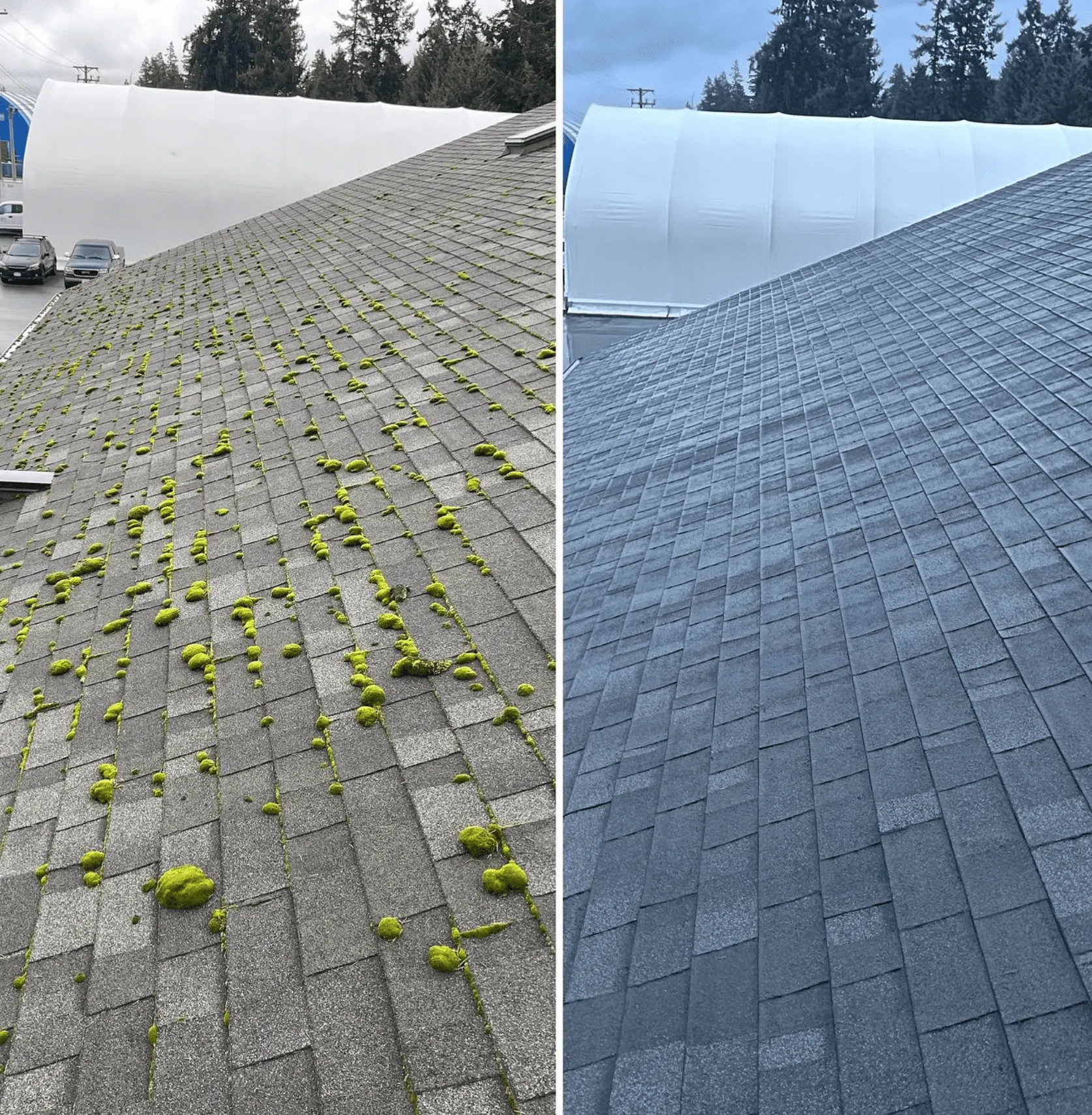
Roof moss removal clears biological and organic growth from the roof surface using a treatment and cleaning method suited to the roof material, condition and level of contamination. At Window Cleaning Melbourne Crew, we assess the roof first, then decide whether a soft wash, targeted treatment or controlled pressure cleaning is appropriate. A moss-covered roof does not automatically need aggressive cleaning.
For Melbourne homes, the important distinction is between roof moss cleaning and roof repair. Moss can be treated and removed, improving a property’s appearance and street appeal. Cracked tiles, deteriorated coatings, corrosion, failed pointing, or roof leaks are distinct problems that require appropriate repairs rather than stronger cleaning.
- Very nice and professional cleaning team. We order fully cleaning including gutter , townhouse exterior , all windows outside &inside.WaterCrew provides great service and affordable price .read moreread lessping lee10/11/2026Thankyou. Fantastic work, professional and very happy with how clean our windows and surrounds were.read moreread lessStephanie Johnston10/02/2026Excellent & professional in all ways.read moreread lessWendy Haines9/24/2026
- Eren did a sensational job & his communication was fantastic - would definitely use again & recommend 👍read moreread lessTony Murdoch8/26/2026Eren was professional, efficient and completed the roof cleaning to a very high standard. The service was prompt, the workmanship was excellent, and the overall result was fantastic. Highly recommend Eren for anyone looking for reliable and quality roof cleaning services.read moreread lessJanan8/24/2026Excellent. Efficient, thorough, and swift!read moreread lessLu Lu7/15/2026
- Very happy with the service. They were clean, professional and left everything tidyPlus the job was done beautifullyMany thanks!read moreread lessAdelle7/04/2026Highly recommend Eren and his WaterCrew. Have used for gutter cleaning and will in future use for terracotta roof tile cleaning & window cleaning. They do a very thorough and professional job at competitive rates. Also, they are polite, friendly and well spoken.read moreread less
 Alan Thomas6/30/2026Very professional job done in BrightonVery thorough and was on time !!!!read moreread lessRENATO CENEDESE6/12/2026


Why Moss Develops
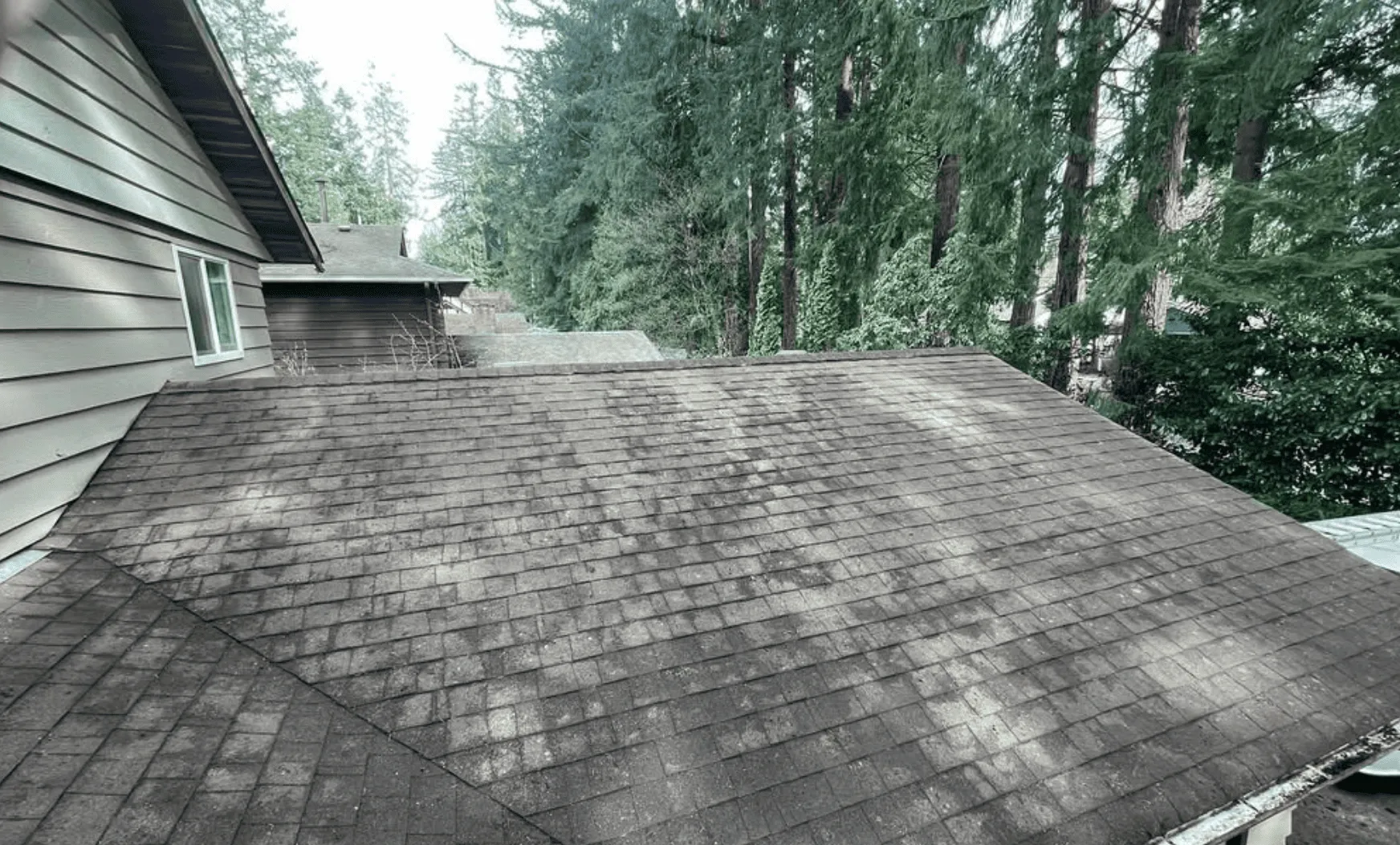
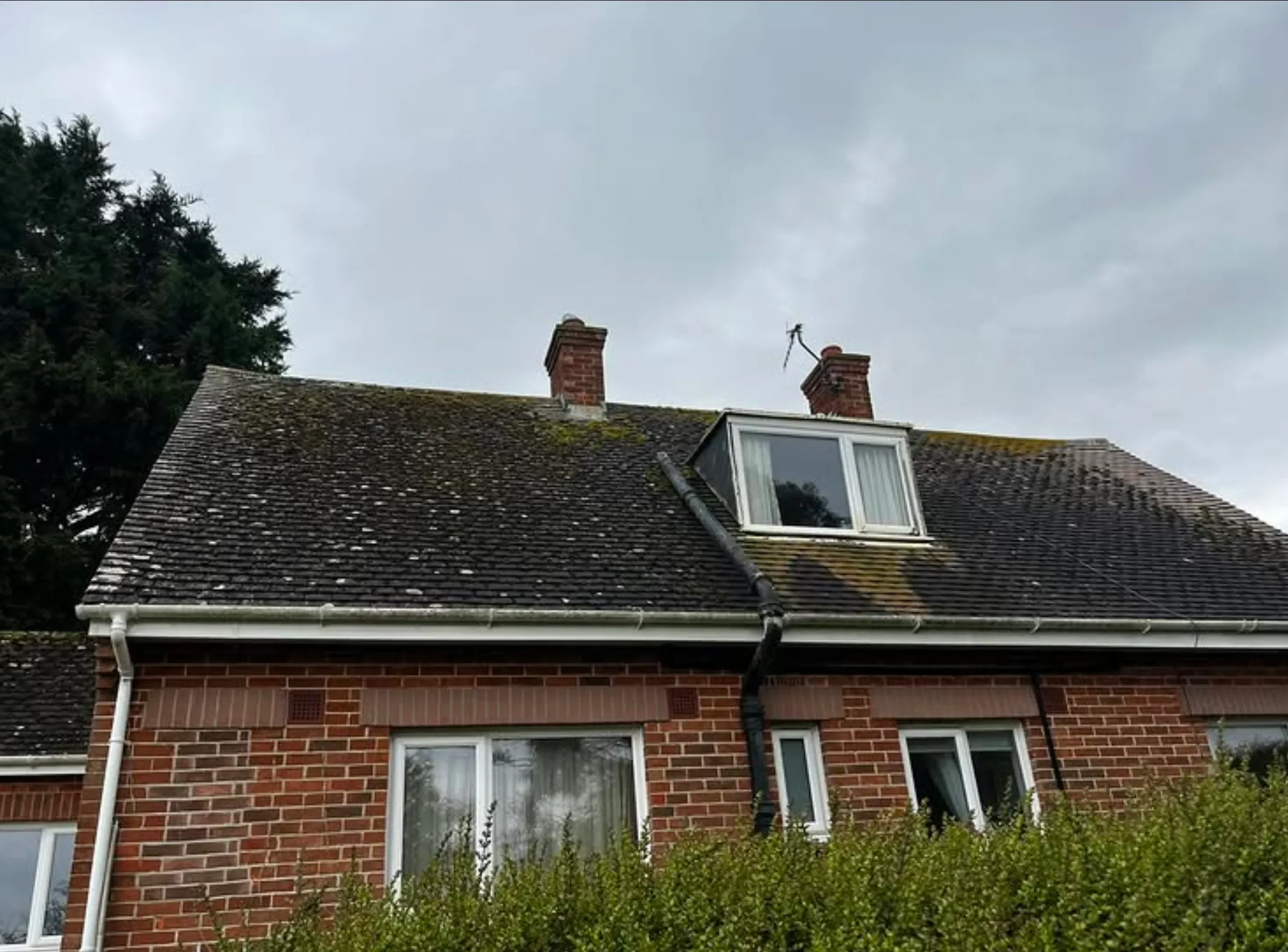
Moss establishes where moisture remains available long enough for growth. Shaded roof sections, overhanging vegetation, accumulated organic debris and surfaces that stay damp after rain are therefore more susceptible.
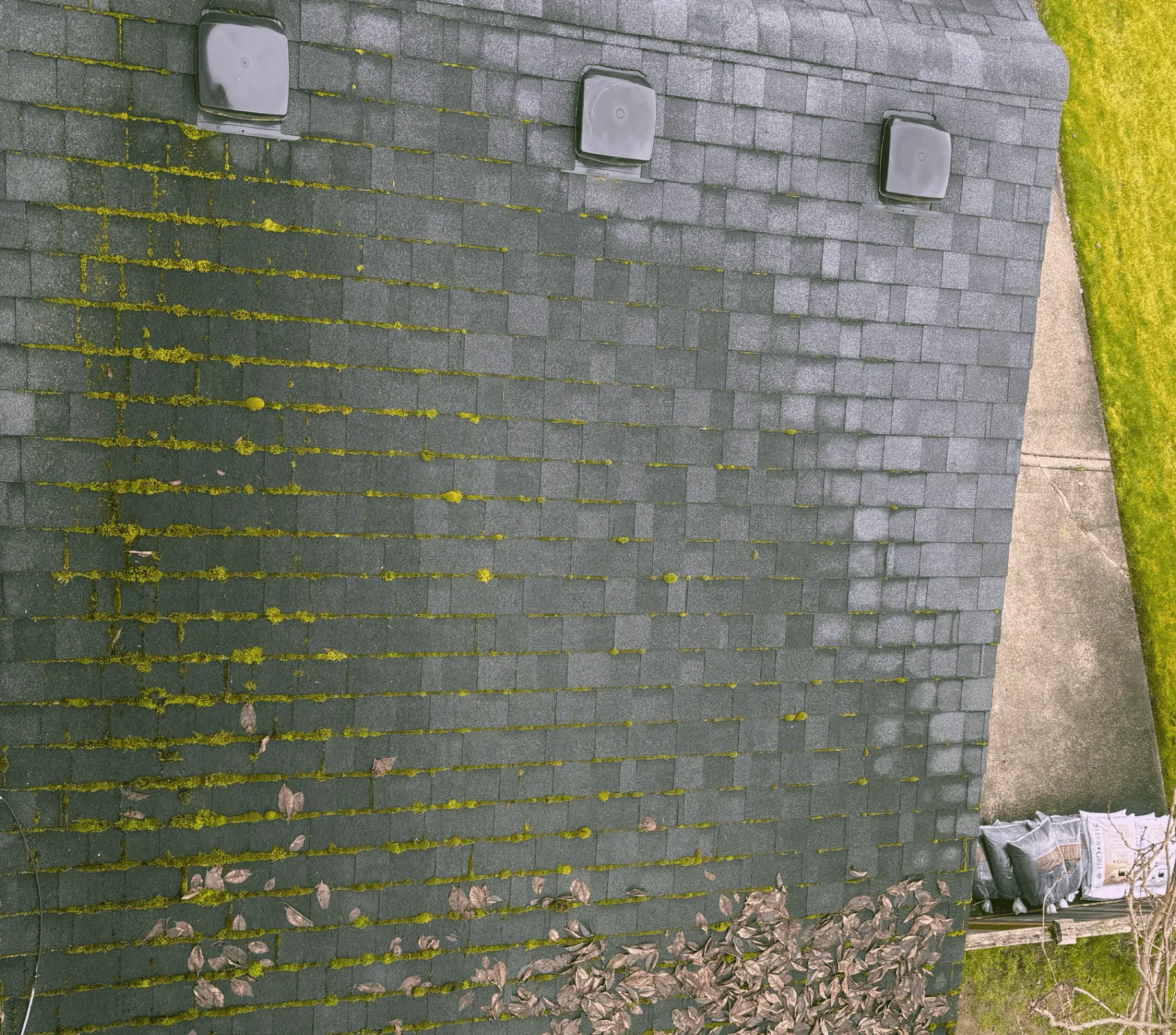
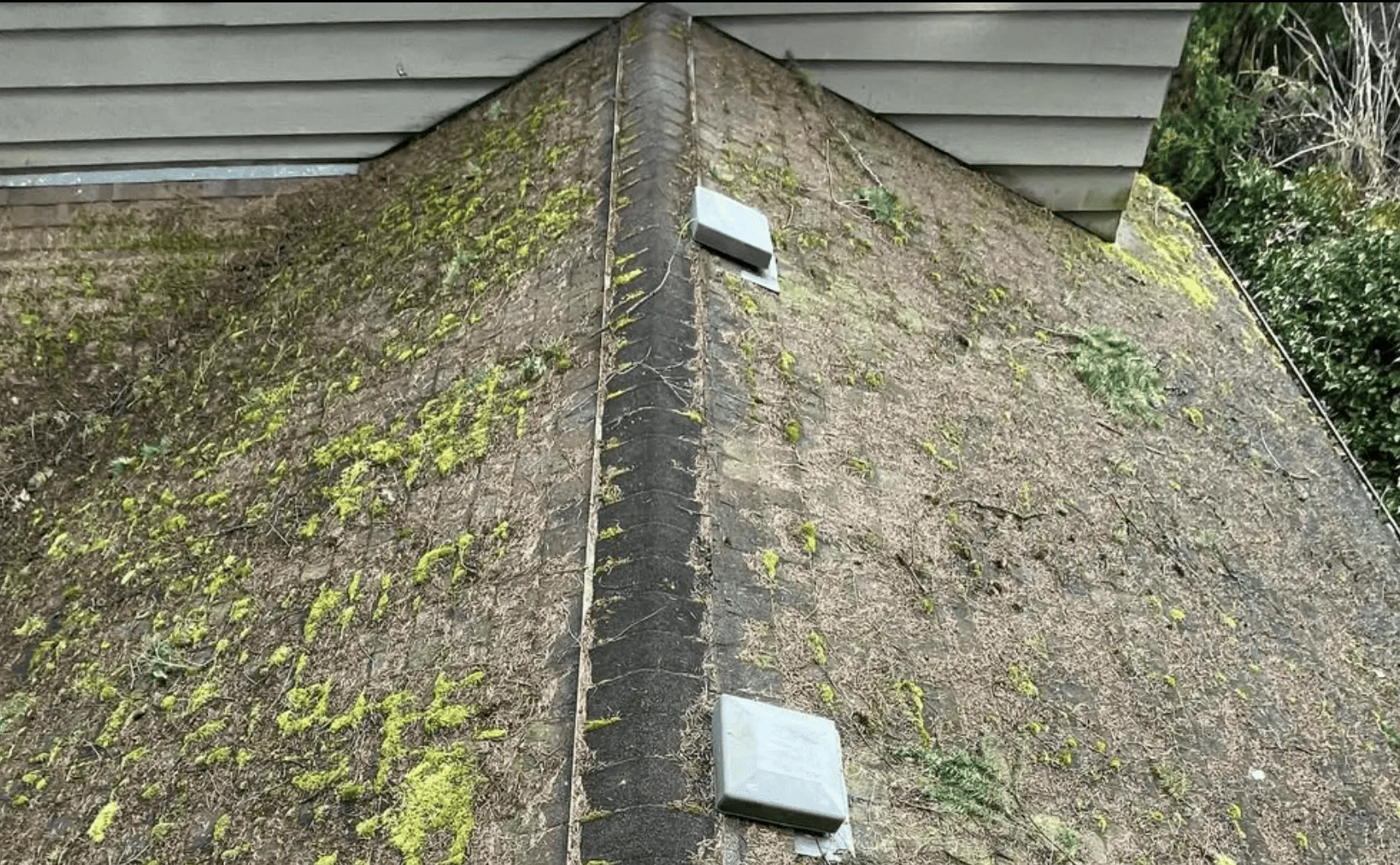
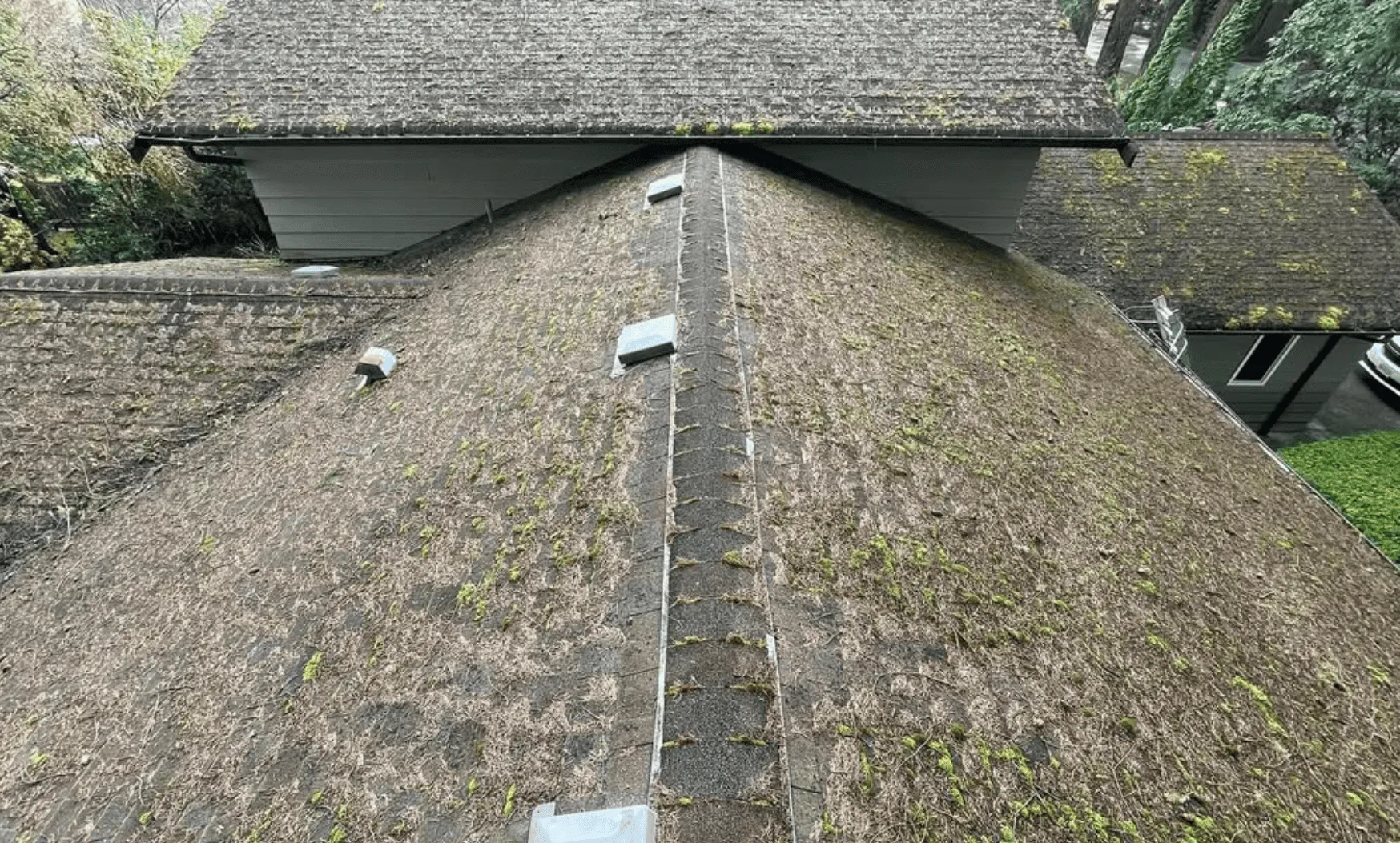
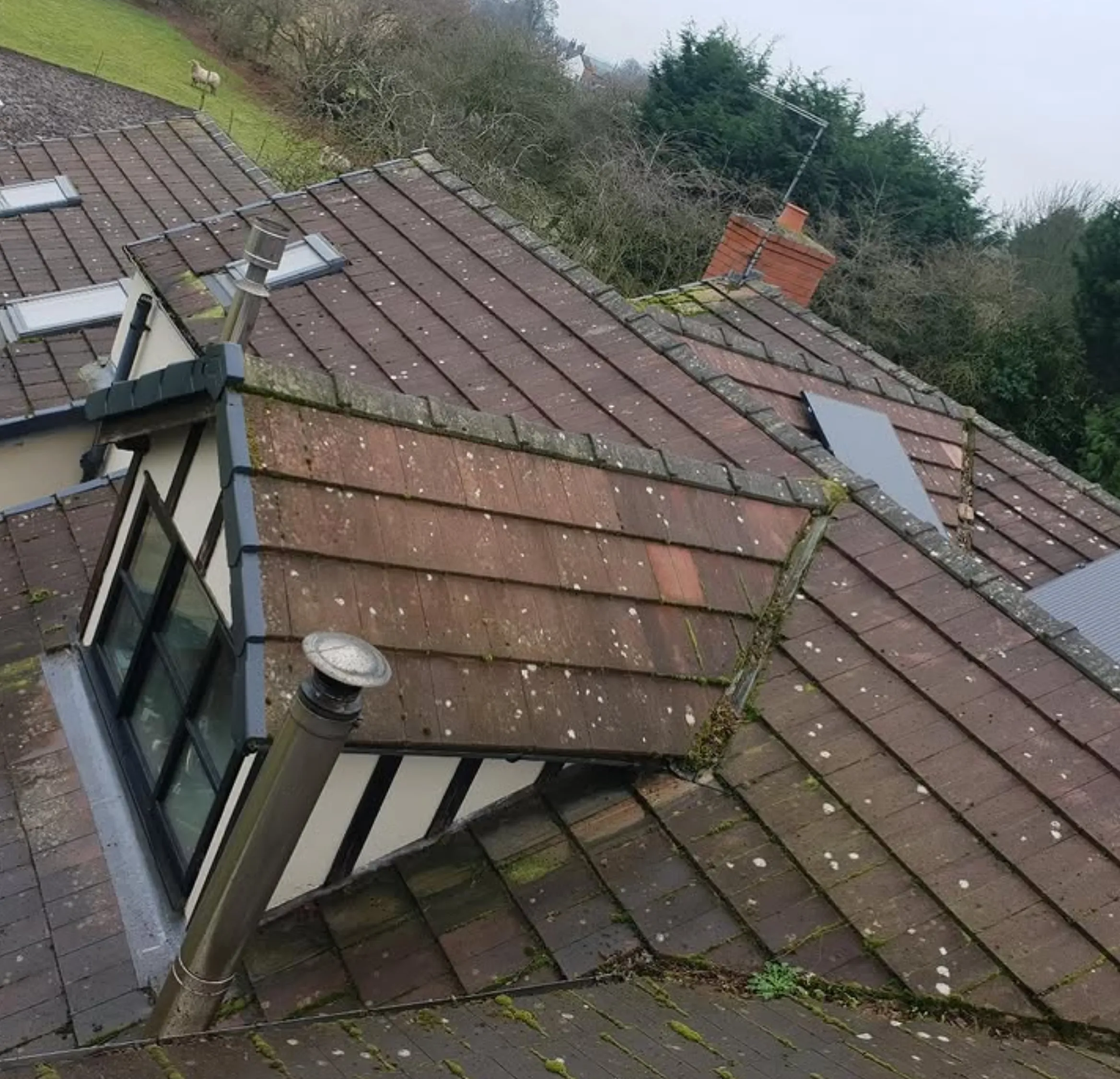
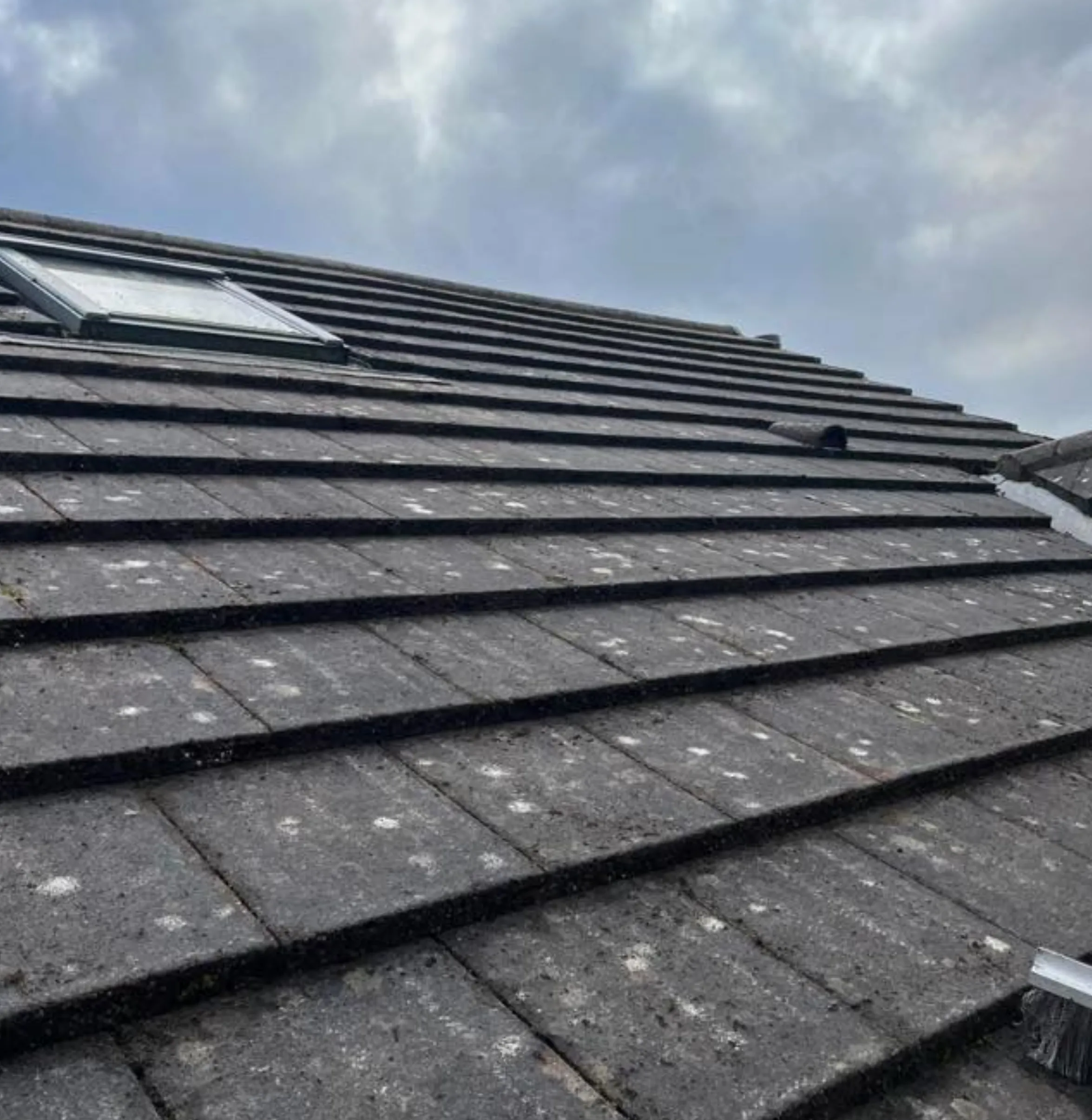
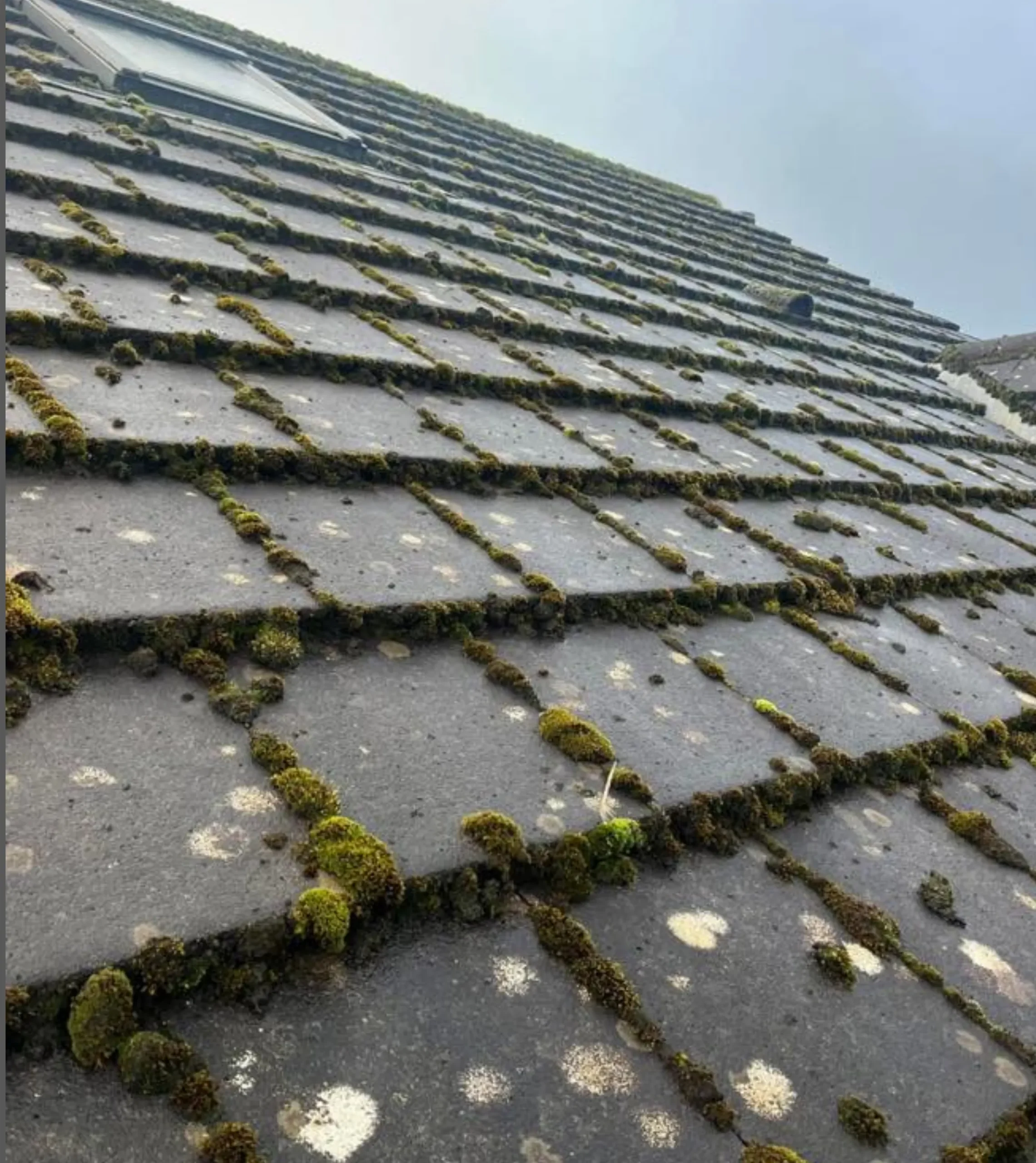
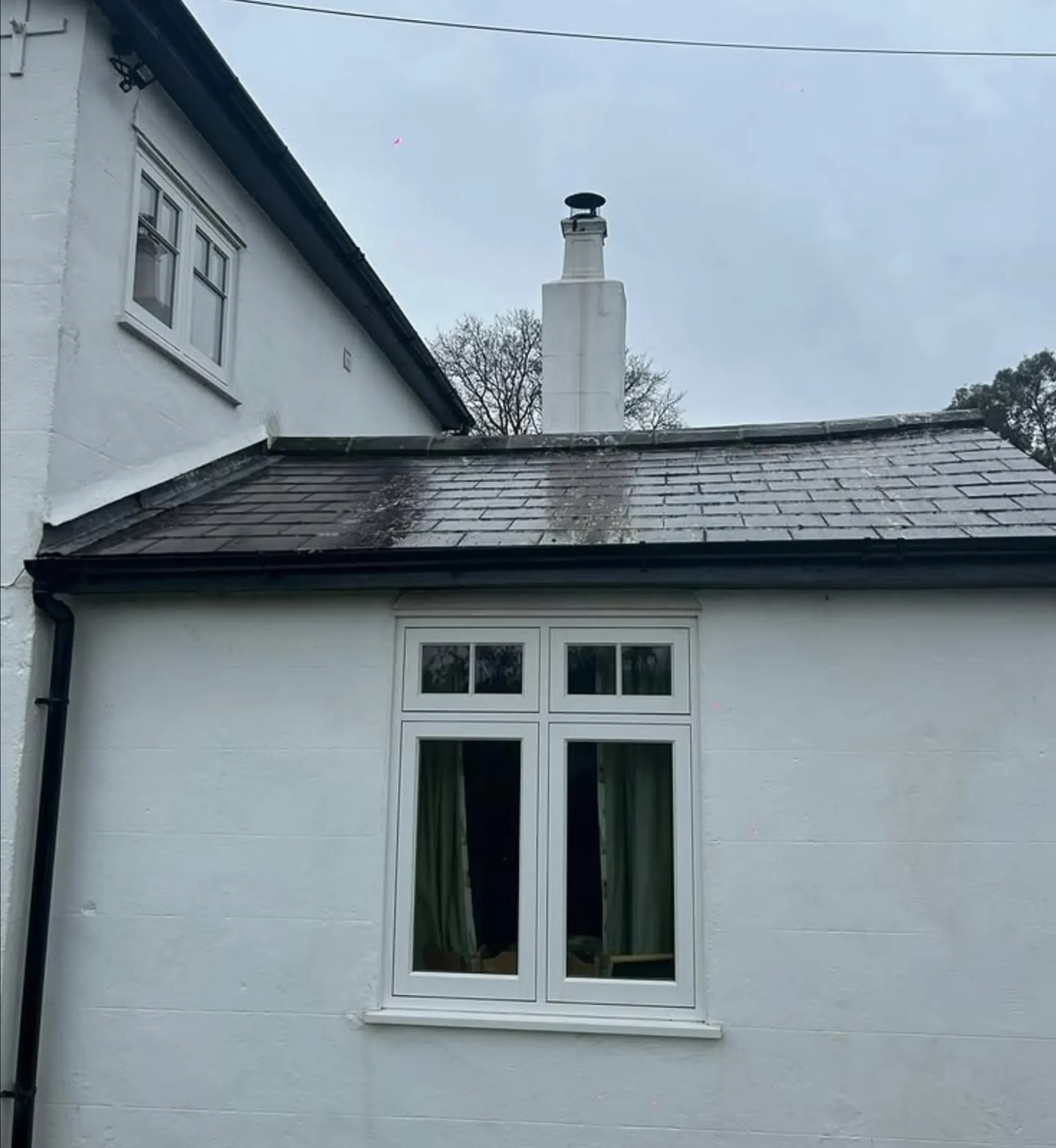
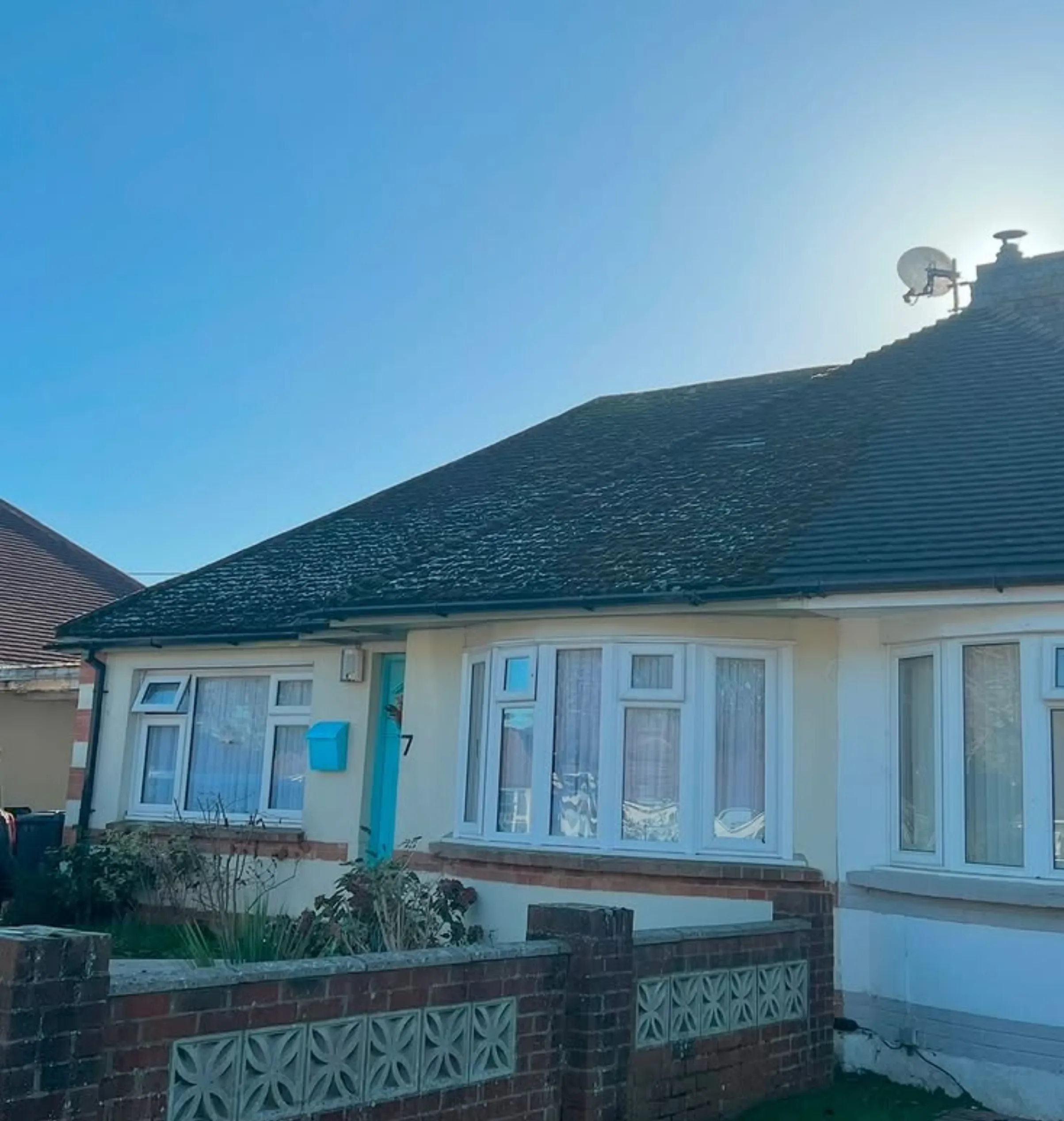
Growth can vary considerably across the same roof. A shaded south-facing section may develop slippery green moss while a sunnier section remains comparatively clear. Valleys, tile overlaps and areas beneath nearby trees can also retain debris and moisture, creating favourable conditions for organic growth.
Melbourne’s changing weather means a roof is better assessed by its actual exposure and contamination than simply by its age or suburb. Different roof tiles and roofing finishes retain moisture differently, so two similarly sized tiled roofs can develop very different levels of moss.
Not every pale or crusty deposit is moss. Mineral deposits, surface staining and biological growth can look similar from a distance but may require different cleaning approaches. Correct identification matters before treatment begins.
When Growth Becomes a Problem
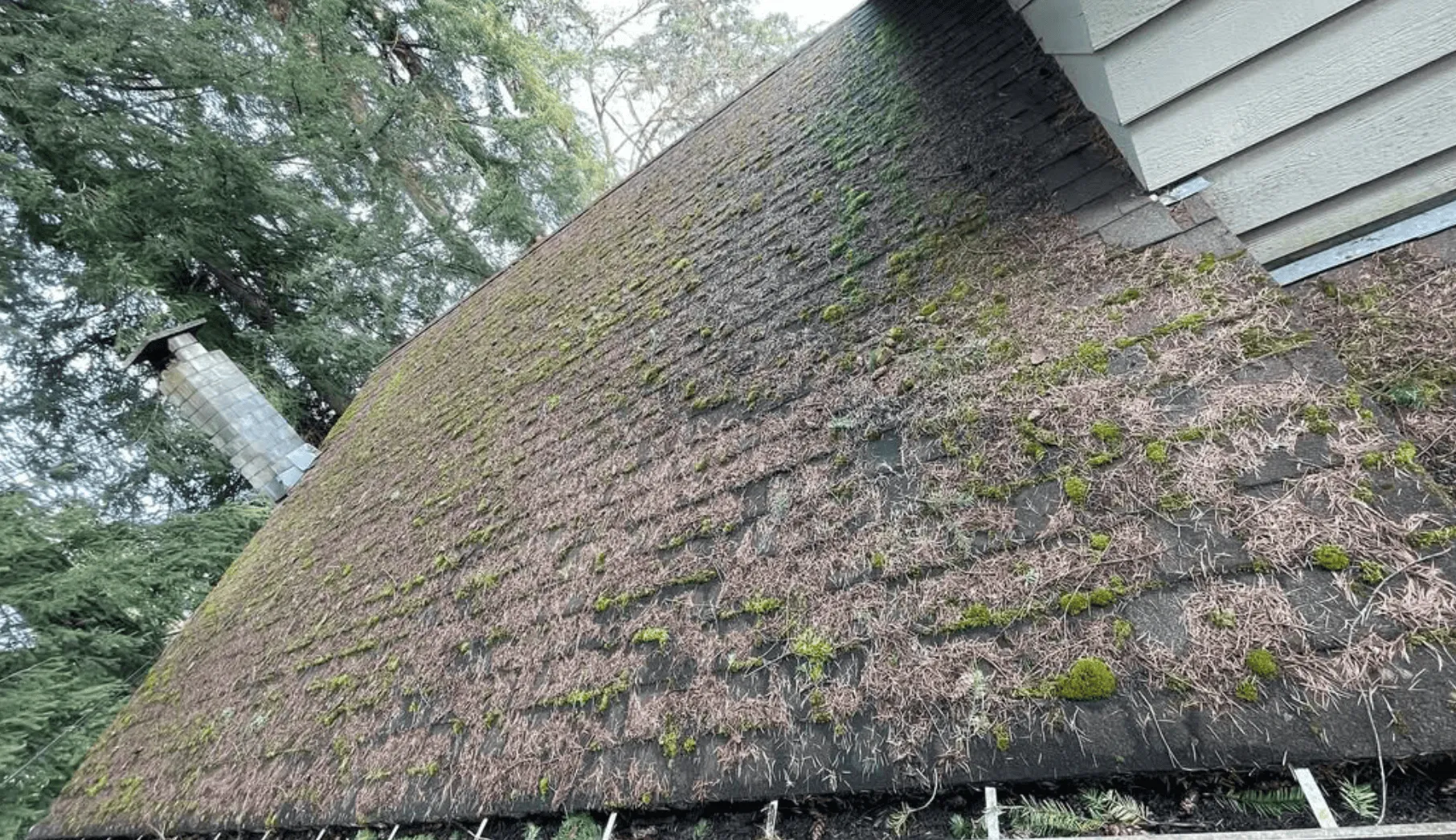
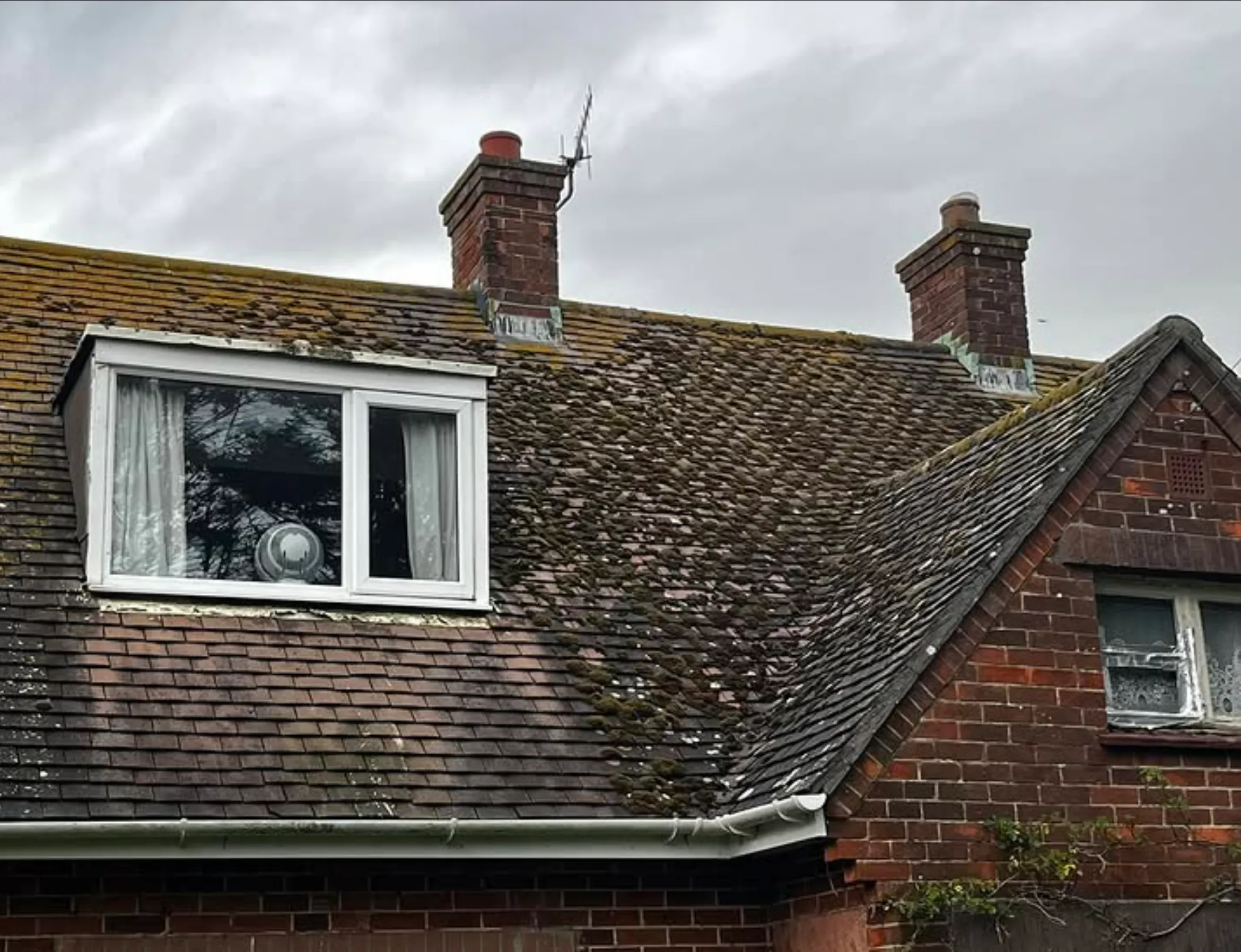
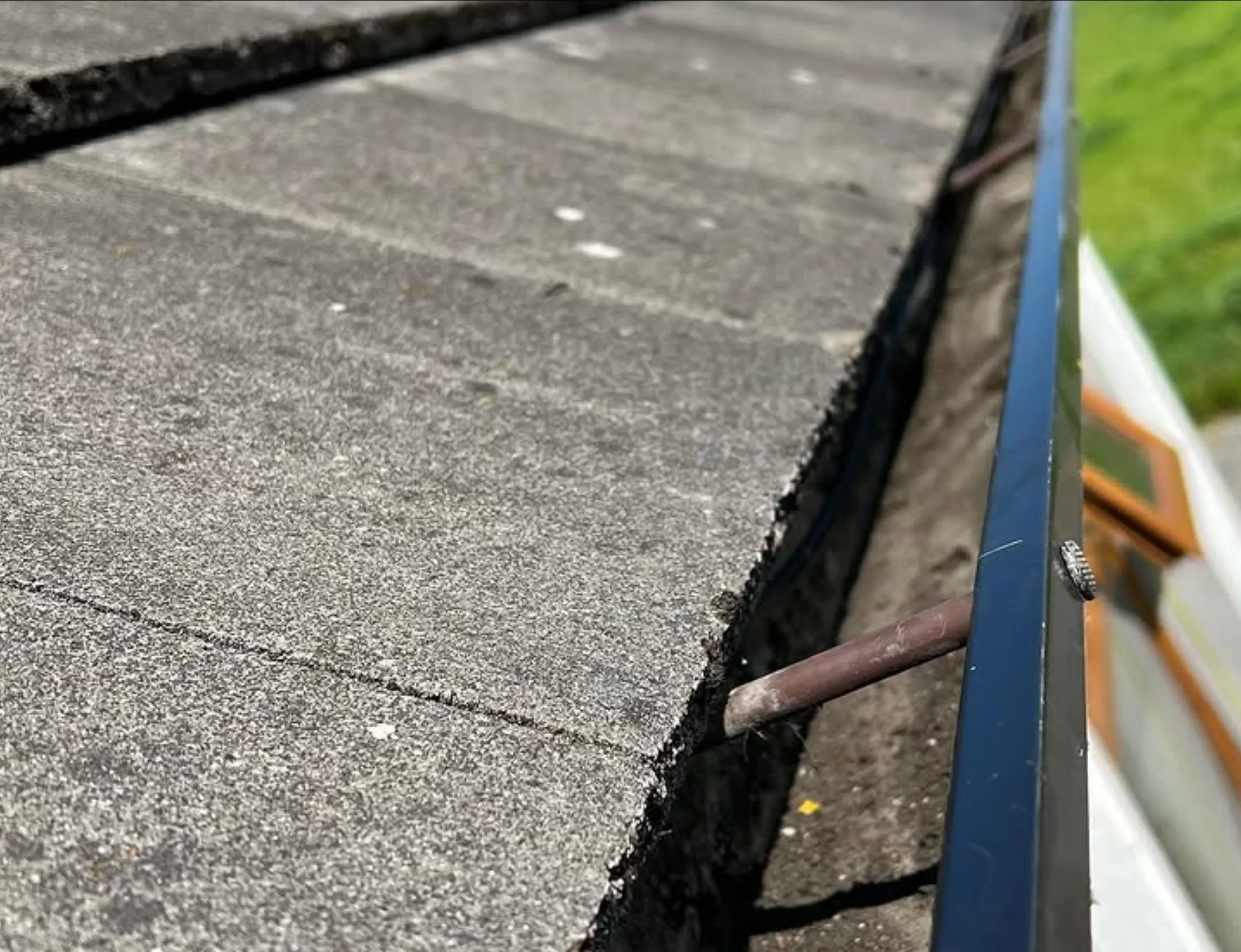
Established moss holds moisture and collects additional debris against the roof surface. Thick growth can also extend into tile channels, valley irons, and the gutter system, where unrestricted drainage is important.
The practical concerns include:
- Prolonged surface dampness and organic growth;
- staining and persistent biological contamination;
- Gutter cleaning for debris entering gutters and drainage paths;
- Moss concealing cracked tiles or deteriorated areas;
- Unsafe, slippery conditions for anyone attempting roof access.
An existing roof leak or underlying deterioration should not automatically be blamed on moss. If cleaning exposes damage underneath, that does not mean the cleaning process created the defect. A roof inspection can help distinguish surface contamination from conditions that need repair.
Why the Cleaning Method Matters
Roof moss removal combines two risks that are easy to underestimate: working at height and working on a surface that can become even more slippery during treatment.
The roof substrate also matters when choosing products, equipment and water pressure. Excessive high pressure may create a faster visual change, but it is not automatically appropriate for every tile, coating or metal finish.
We assess the roofing material, visible condition, pitch, access, contamination and surrounding property before selecting an approach. Where a roof appears too deteriorated for cleaning, roof repair or specialist roofing assessment may need to come first.
How Roof Material Changes the Approach
Different roofing surfaces call for different decisions.
| Roof surface | Main consideration | Cleaning approach |
|---|---|---|
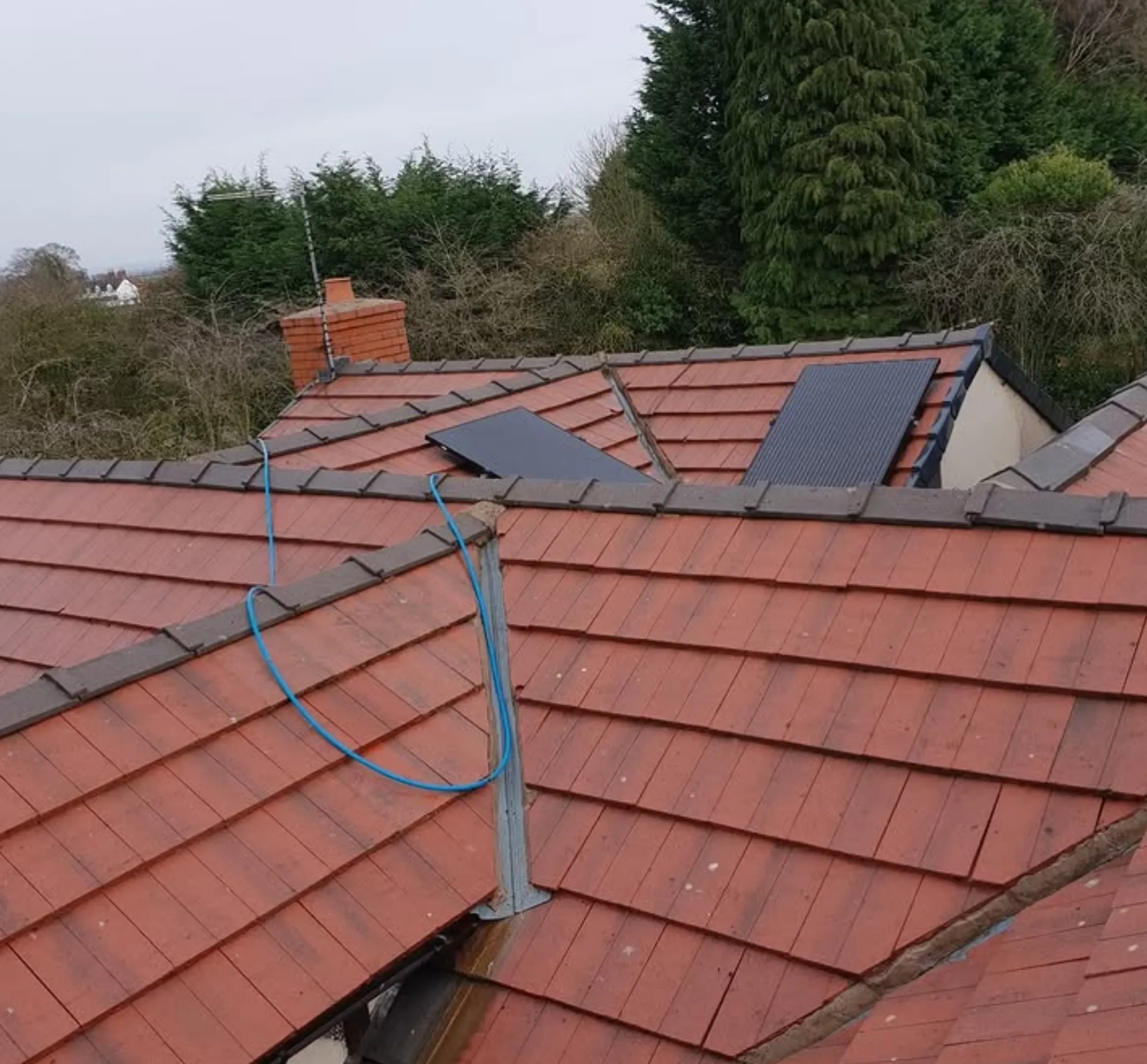
| Terracotta roof tiles | Tile condition and surface weathering | Treatment and controlled cleaning suited to the tile |
| Concrete tiled roofs | Coating condition, porosity and established growth | Soft wash or controlled cleaning after assessment |
| Painted or coated metal roofs | Protecting the existing finish | Compatible treatment and controlled cleaning |
| Fragile or deteriorated roofing | Breakage and water-entry risk | Repair or specialist assessment may be needed first |
A “mossy roof” is not a complete diagnosis. The same visible growth can require different treatment on different surfaces.
Coated steel needs particular care because its existing finish must be protected. For fungal contamination on prepainted steel, Lysaght specifies a 2% sodium hypochlorite solution, applied with a soft-bristle broom and left for 3–5 minutes before thorough rinsing with fresh potable water. Higher concentrations or longer contact times may harm long-term coating performance, and cleaning solution must be kept out of rainwater tanks.
Choosing the Treatment
Because moss is biological contamination, an appropriate biocide may be more useful than mechanically removing every visible trace.
Window Cleaning Melbourne Crew can use soft wash roof cleaning and controlled cleaning where appropriate. Product choice, concentration and contact time must suit the roofing material and follow manufacturer instructions. The 2% concentration and 3–5 minute contact time specified for fungal contamination on prepainted steel illustrate why stronger or longer treatment is not automatically better.
Runoff matters too. Water tanks, gardens, painted finishes, gutters and adjacent materials can affect how a product is applied and managed. Improvised chemical mixtures should be avoided unless their compatibility with the roof and drainage environment has been established.
From Assessment to Treatment
A sensible moss-removal process starts with assessment, not maximum water pressure.
We consider:
- Roof material and condition — including visible cracking, deterioration, corrosion or coating problems.
- Extent of contamination — isolated patches need a different response from widespread established moss.
- Access and pitch — including roof windows and difficult roof sections.
- Surroundings — including gutters, water tanks, vegetation and nearby surfaces.
- Cleaning method — biocide treatment, soft washing or controlled pressure cleaning is selected according to what the surface can tolerate.
One expectation is particularly important: dead moss is not necessarily gone moss. Successful treatment does not always produce an instantly clean-looking roof. A biocide can kill biological growth before dead moss and residual material progressively loosen and weather away.
An immediate spotless appearance should therefore not be promised when the selected treatment is designed to work over time.
What Property Owners Should Know
Mechanical scraping can damage weathered or coated surfaces if the tool, angle or pressure is unsuitable. Controlled pressure cleaning likewise belongs only on surfaces that can tolerate it. More pressure does not automatically produce a better or safer result.
Roof access also changes with measurable risk factors. In Victoria, construction work involving a risk of falling more than 2 metres is classified as high-risk construction work. WorkSafe Victoria also states that a roof slope exceeding 35° is an inappropriate surface to stand on even with guardrailing or a catch platform.
Moss, moisture and treatment can make the surface more slippery, so height, pitch, weather, access and roof condition all matter. A single-storey moss-covered roof should not automatically be considered safe to walk on.
Deciding When Treatment Is Needed
There is no reliable fixed moss-cleaning interval for every Melbourne roof. Regrowth depends on shade, nearby trees, moisture retention, orientation, surface texture and local conditions.
For tiled roofs, Monier recommends engaging a qualified roofing professional for inspections or work ideally every five years. This is an inspection benchmark, not a five-year moss-removal schedule. Treatment should still respond to actual growth, roof condition and exposure.
Early patches are generally easier to manage than thick, established growth.
Reducing Future Growth
For tiled roofs, Monier recommends cleaning gutters, downpipes and valleys at least annually, and more often where the roof is surrounded by trees. This is a drainage-maintenance interval rather than a moss-cleaning schedule, but removing trapped organic debris helps reduce conditions that retain moisture.
Manage overhanging vegetation where appropriate and monitor shaded sections where growth repeatedly appears. Fast regrowth does not necessarily mean treatment failed: persistent shade, moisture and recurring debris can recreate favourable growing conditions.
These measures can reduce regrowth, but no outdoor roof can responsibly be promised to remain permanently moss-free.
Choosing an Approach That Suits the Roof
Effective roof moss removal is not measured by how aggressively a roof can be cleaned. The aim is to address biological contamination without unnecessarily damaging the surface.
That means recognising when coating failure, corrosion, leaks or cracked tiles require repair, choosing products compatible with the substrate and setting realistic expectations about progressive treatment results.
Window Cleaning Melbourne Crew can assess the roof material, contamination, access and visible condition before recommending an appropriate cleaning approach.
Why Choose Us

Your satisfaction is our top priority. We tailor our services to meet your specific needs

We are committed to environmental responsibility. Our cleaning products are eco-friendly.

Pricing
We offer competitive pricing without compromising on the quality of our services.

Expertise
As a locally owned and operated company, we understand the unique needs of our community.
FAQ
Can you remove thick moss from roof tiles?
Yes. Established moss can be treated, but the appropriate removal method depends on the roof tiles and their condition. Heavy growth does not automatically justify excessive high pressure.
Does roof moss cleaning work immediately?
Not always. Some treatments kill moss first, allowing dead organic growth and residual staining to diminish progressively through weathering. The roof surface may therefore continue changing after treatment.
Is controlled pressure cleaning safe for a mossy roof?
It can be suitable for some roof surfaces, but the decision depends on the material and its condition. Weathered tiles, deteriorated coatings and other vulnerable surfaces may require a gentler approach.
What affects the cost of roof moss removal?
Roof size is only one factor. Pitch, access, roof material, contamination level, roof windows, surface condition and the cleaning method required can all affect the scope and quote.
Will moss come back after professional removal?
Moss can return when environmental conditions remain favourable. Shade, moisture, nearby vegetation and debris accumulation influence regrowth, so recurrence by itself does not prove that the previous treatment was unsuccessful.
SEO Title: Roof Moss Removal Melbourne
Meta Description: Professional roof moss removal in Melbourne for tiled and metal roofs. Soft wash and controlled cleaning for moss and organic growth.
Roof moss removal clears biological and organic growth from the roof surface using a treatment and cleaning method suited to the roof material, condition and level of contamination. At Window Cleaning Melbourne Crew, we assess the roof first, then decide whether a soft wash, targeted treatment or controlled pressure cleaning is appropriate. A moss-covered roof does not automatically need aggressive cleaning.
For Melbourne homes, the important distinction is between roof moss cleaning and roof repair. Moss can be treated and removed, improving a property’s appearance and street appeal. Cracked tiles, deteriorated coatings, corrosion, failed pointing, or roof leaks are distinct problems that require appropriate repairs rather than stronger cleaning.
- Very nice and professional cleaning team. We order fully cleaning including gutter , townhouse exterior , all windows outside &inside.WaterCrew provides great service and affordable price .read moreread lessping lee10/11/2026Thankyou. Fantastic work, professional and very happy with how clean our windows and surrounds were.read moreread lessStephanie Johnston10/02/2026Excellent & professional in all ways.read moreread lessWendy Haines9/24/2026
- Eren did a sensational job & his communication was fantastic - would definitely use again & recommend 👍read moreread lessTony Murdoch8/26/2026Eren was professional, efficient and completed the roof cleaning to a very high standard. The service was prompt, the workmanship was excellent, and the overall result was fantastic. Highly recommend Eren for anyone looking for reliable and quality roof cleaning services.read moreread lessJanan8/24/2026Excellent. Efficient, thorough, and swift!read moreread lessLu Lu7/15/2026
- Very happy with the service. They were clean, professional and left everything tidyPlus the job was done beautifullyMany thanks!read moreread lessAdelle7/04/2026Highly recommend Eren and his WaterCrew. Have used for gutter cleaning and will in future use for terracotta roof tile cleaning & window cleaning. They do a very thorough and professional job at competitive rates. Also, they are polite, friendly and well spoken.read moreread lessAlan Thomas6/30/2026Very professional job done in BrightonVery thorough and was on time !!!!read moreread lessRENATO CENEDESE6/12/2026
Why Moss Develops
Moss establishes where moisture remains available long enough for growth. Shaded roof sections, overhanging vegetation, accumulated organic debris and surfaces that stay damp after rain are therefore more susceptible.
Growth can vary considerably across the same roof. A shaded south-facing section may develop slippery green moss while a sunnier section remains comparatively clear. Valleys, tile overlaps and areas beneath nearby trees can also retain debris and moisture, creating favourable conditions for organic growth.
Melbourne’s changing weather means a roof is better assessed by its actual exposure and contamination than simply by its age or suburb. Different roof tiles and roofing finishes retain moisture differently, so two similarly sized tiled roofs can develop very different levels of moss.
Not every pale or crusty deposit is moss. Mineral deposits, surface staining and biological growth can look similar from a distance but may require different cleaning approaches. Correct identification matters before treatment begins.
When Growth Becomes a Problem
Established moss holds moisture and collects additional debris against the roof surface. Thick growth can also extend into tile channels, valley irons, and the gutter system, where unrestricted drainage is important.
The practical concerns include:
- Prolonged surface dampness and organic growth;
- staining and persistent biological contamination;
- Gutter cleaning for debris entering gutters and drainage paths;
- Moss concealing cracked tiles or deteriorated areas;
- Unsafe, slippery conditions for anyone attempting roof access.
An existing roof leak or underlying deterioration should not automatically be blamed on moss. If cleaning exposes damage underneath, that does not mean the cleaning process created the defect. A roof inspection can help distinguish surface contamination from conditions that need repair.
Why the Cleaning Method Matters
Roof moss removal combines two risks that are easy to underestimate: working at height and working on a surface that can become even more slippery during treatment.
The roof substrate also matters when choosing products, equipment and water pressure. Excessive high pressure may create a faster visual change, but it is not automatically appropriate for every tile, coating or metal finish.
We assess the roofing material, visible condition, pitch, access, contamination and surrounding property before selecting an approach. Where a roof appears too deteriorated for cleaning, roof repair or specialist roofing assessment may need to come first.
How Roof Material Changes the Approach
Different roofing surfaces call for different decisions.
| Roof surface | Main consideration | Cleaning approach |
|---|---|---|
| Terracotta roof tiles | Tile condition and surface weathering | Treatment and controlled cleaning suited to the tile |
| Concrete tiled roofs | Coating condition, porosity and established growth | Soft wash or controlled cleaning after assessment |
| Painted or coated metal roofs | Protecting the existing finish | Compatible treatment and controlled cleaning |
| Fragile or deteriorated roofing | Breakage and water-entry risk | Repair or specialist assessment may be needed first |
A “mossy roof” is not a complete diagnosis. The same visible growth can require different treatment on different surfaces.
Coated steel needs particular care because its existing finish must be protected. For fungal contamination on prepainted steel, Lysaght specifies a 2% sodium hypochlorite solution, applied with a soft-bristle broom and left for 3–5 minutes before thorough rinsing with fresh potable water. Higher concentrations or longer contact times may harm long-term coating performance, and cleaning solution must be kept out of rainwater tanks.
Choosing the Treatment
Because moss is biological contamination, an appropriate biocide may be more useful than mechanically removing every visible trace.
Window Cleaning Melbourne Crew can use soft wash roof cleaning and controlled cleaning where appropriate. Product choice, concentration and contact time must suit the roofing material and follow manufacturer instructions. The 2% concentration and 3–5 minute contact time specified for fungal contamination on prepainted steel illustrate why stronger or longer treatment is not automatically better.
Runoff matters too. Water tanks, gardens, painted finishes, gutters and adjacent materials can affect how a product is applied and managed. Improvised chemical mixtures should be avoided unless their compatibility with the roof and drainage environment has been established.
From Assessment to Treatment
A sensible moss-removal process starts with assessment, not maximum water pressure.
We consider:
- Roof material and condition — including visible cracking, deterioration, corrosion or coating problems.
- Extent of contamination — isolated patches need a different response from widespread established moss.
- Access and pitch — including roof windows and difficult roof sections.
- Surroundings — including gutters, water tanks, vegetation and nearby surfaces.
- Cleaning method — biocide treatment, soft washing or controlled pressure cleaning is selected according to what the surface can tolerate.
One expectation is particularly important: dead moss is not necessarily gone moss. Successful treatment does not always produce an instantly clean-looking roof. A biocide can kill biological growth before dead moss and residual material progressively loosen and weather away.
An immediate spotless appearance should therefore not be promised when the selected treatment is designed to work over time.
What Property Owners Should Know
Mechanical scraping can damage weathered or coated surfaces if the tool, angle or pressure is unsuitable. Controlled pressure cleaning likewise belongs only on surfaces that can tolerate it. More pressure does not automatically produce a better or safer result.
Roof access also changes with measurable risk factors. In Victoria, construction work involving a risk of falling more than 2 metres is classified as high-risk construction work. WorkSafe Victoria also states that a roof slope exceeding 35° is an inappropriate surface to stand on even with guardrailing or a catch platform.
Moss, moisture and treatment can make the surface more slippery, so height, pitch, weather, access and roof condition all matter. A single-storey moss-covered roof should not automatically be considered safe to walk on.
Deciding When Treatment Is Needed
There is no reliable fixed moss-cleaning interval for every Melbourne roof. Regrowth depends on shade, nearby trees, moisture retention, orientation, surface texture and local conditions.
For tiled roofs, Monier recommends engaging a qualified roofing professional for inspections or work ideally every five years. This is an inspection benchmark, not a five-year moss-removal schedule. Treatment should still respond to actual growth, roof condition and exposure.
Early patches are generally easier to manage than thick, established growth.
Reducing Future Growth
For tiled roofs, Monier recommends cleaning gutters, downpipes and valleys at least annually, and more often where the roof is surrounded by trees. This is a drainage-maintenance interval rather than a moss-cleaning schedule, but removing trapped organic debris helps reduce conditions that retain moisture.
Manage overhanging vegetation where appropriate and monitor shaded sections where growth repeatedly appears. Fast regrowth does not necessarily mean treatment failed: persistent shade, moisture and recurring debris can recreate favourable growing conditions.
These measures can reduce regrowth, but no outdoor roof can responsibly be promised to remain permanently moss-free.
Choosing an Approach That Suits the Roof
Effective roof moss removal is not measured by how aggressively a roof can be cleaned. The aim is to address biological contamination without unnecessarily damaging the surface.
That means recognising when coating failure, corrosion, leaks or cracked tiles require repair, choosing products compatible with the substrate and setting realistic expectations about progressive treatment results.
Window Cleaning Melbourne Crew can assess the roof material, contamination, access and visible condition before recommending an appropriate cleaning approach.
Why Choose Us
Your satisfaction is our top priority. We tailor our services to meet your specific needs
We are committed to environmental responsibility. Our cleaning products are eco-friendly.
Pricing
We offer competitive pricing without compromising on the quality of our services.
Expertise
As a locally owned and operated company, we understand the unique needs of our community.
FAQ
Can you remove thick moss from roof tiles?
Yes. Established moss can be treated, but the appropriate removal method depends on the roof tiles and their condition. Heavy growth does not automatically justify excessive high pressure.
Does roof moss cleaning work immediately?
Not always. Some treatments kill moss first, allowing dead organic growth and residual staining to diminish progressively through weathering. The roof surface may therefore continue changing after treatment.
Is controlled pressure cleaning safe for a mossy roof?
It can be suitable for some roof surfaces, but the decision depends on the material and its condition. Weathered tiles, deteriorated coatings and other vulnerable surfaces may require a gentler approach.
What affects the cost of roof moss removal?
Roof size is only one factor. Pitch, access, roof material, contamination level, roof windows, surface condition and the cleaning method required can all affect the scope and quote.
Will moss come back after professional removal?
Moss can return when environmental conditions remain favourable. Shade, moisture, nearby vegetation and debris accumulation influence regrowth, so recurrence by itself does not prove that the previous treatment was unsuccessful.
SEO Title: Roof Moss Removal Melbourne
Meta Description: Professional roof moss removal in Melbourne for tiled and metal roofs. Soft wash and controlled cleaning for moss and organic growth.