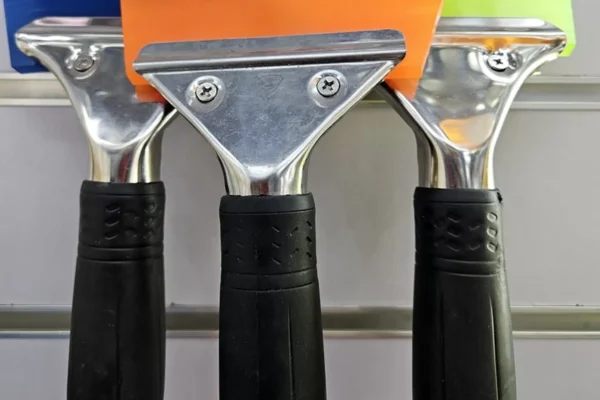
Gutter vacuum cleaning removes leaves, sludge, dirt and other loose debris from roof gutters using a specialist vacuum system. At Window Cleaning Melbourne Crew, we provide this service for residential and commercial properties across Melbourne, including sites where gutter height, roof design or obstacles make access more difficult.
The right approach depends on the property. Gutter height, surrounding trees, debris, downpipe condition, roof access and solar panel cleaning requirements can all influence the cleaning method.
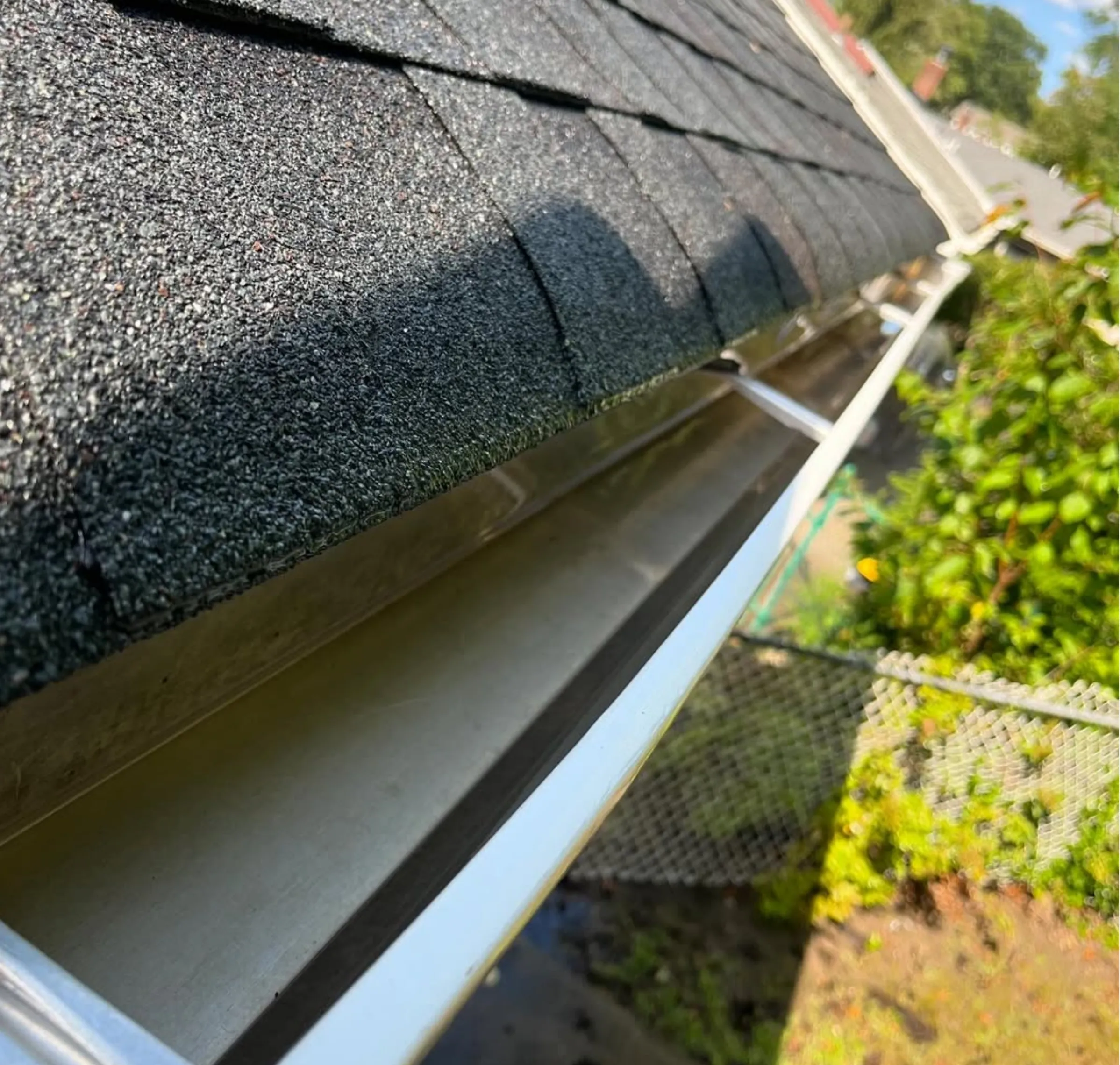
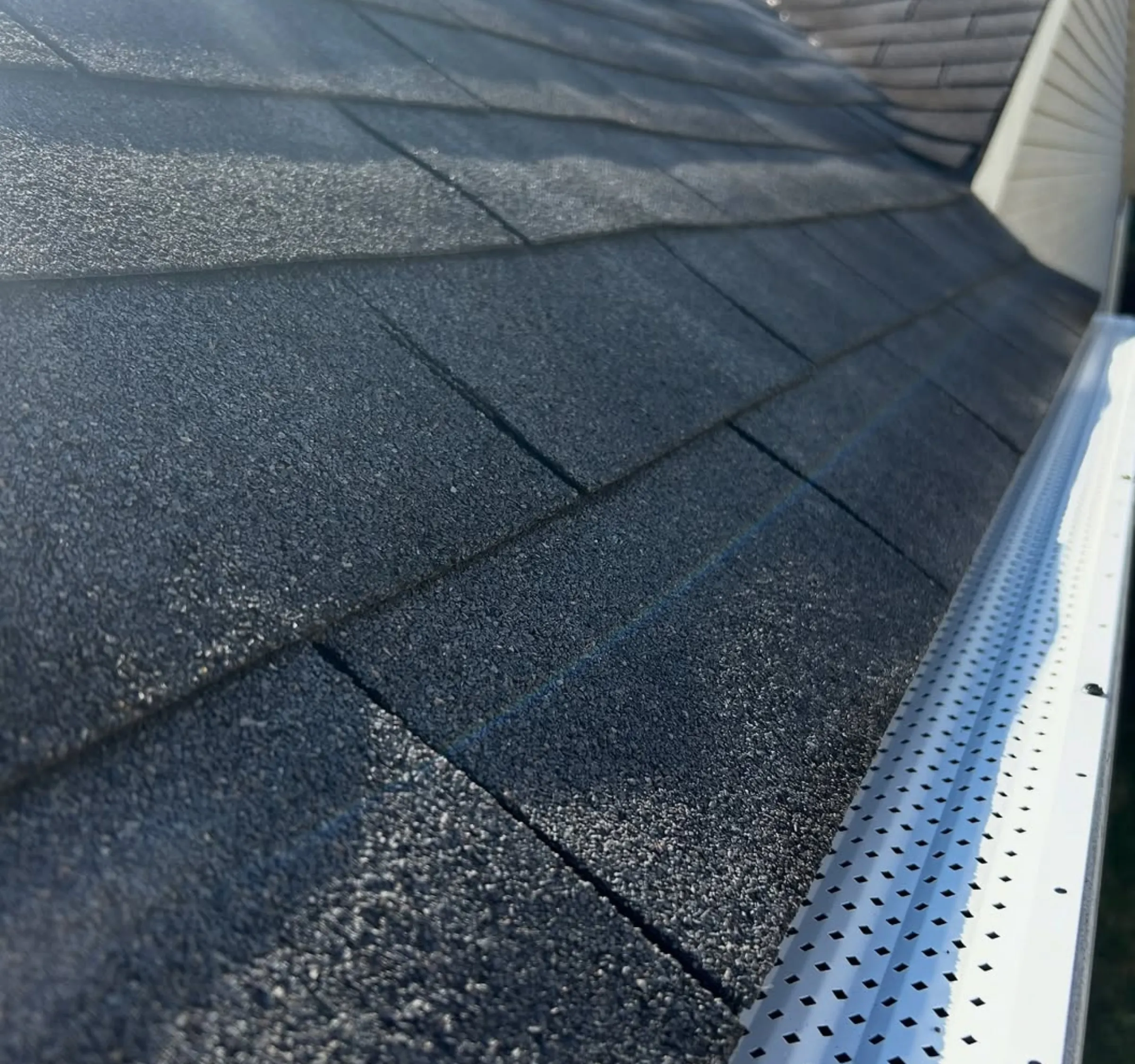
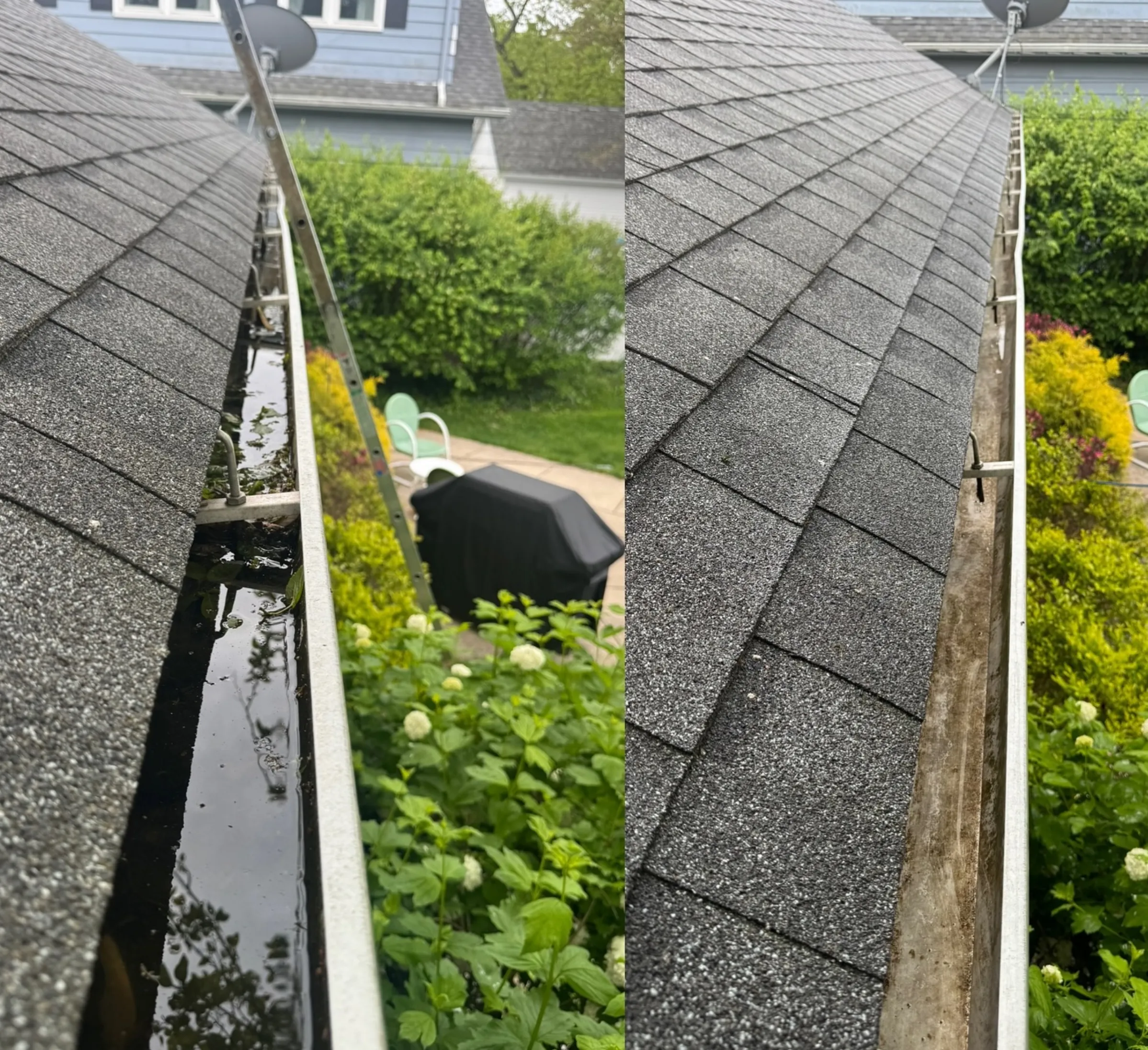
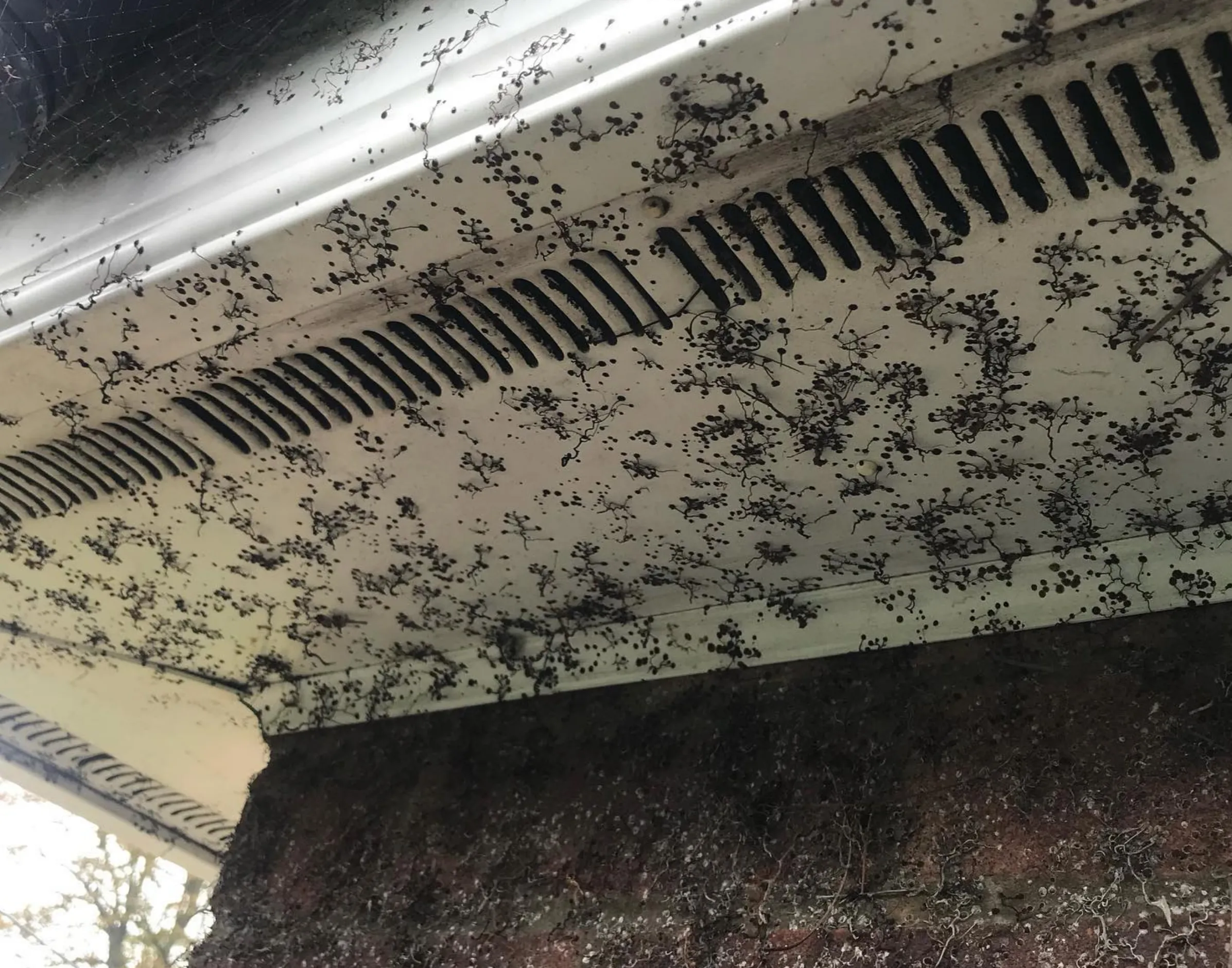
- Very nice and professional cleaning team. We order fully cleaning including gutter , townhouse exterior , all windows outside &inside.WaterCrew provides great service and affordable price .read moreread lessping lee10/11/2026Thankyou. Fantastic work, professional and very happy with how clean our windows and surrounds were.read moreread lessStephanie Johnston10/02/2026Excellent & professional in all ways.read moreread lessWendy Haines9/24/2026
- Eren did a sensational job & his communication was fantastic - would definitely use again & recommend 👍read moreread lessTony Murdoch8/26/2026Eren was professional, efficient and completed the roof cleaning to a very high standard. The service was prompt, the workmanship was excellent, and the overall result was fantastic. Highly recommend Eren for anyone looking for reliable and quality roof cleaning services.read moreread lessJanan8/24/2026Excellent. Efficient, thorough, and swift!read moreread lessLu Lu7/15/2026
- Very happy with the service. They were clean, professional and left everything tidyPlus the job was done beautifullyMany thanks!read moreread lessAdelle7/04/2026Highly recommend Eren and his WaterCrew. Have used for gutter cleaning and will in future use for terracotta roof tile cleaning & window cleaning. They do a very thorough and professional job at competitive rates. Also, they are polite, friendly and well spoken.read moreread less
 Alan Thomas6/30/2026Very professional job done in BrightonVery thorough and was on time !!!!read moreread lessRENATO CENEDESE6/12/2026


How the Vacuum System Works
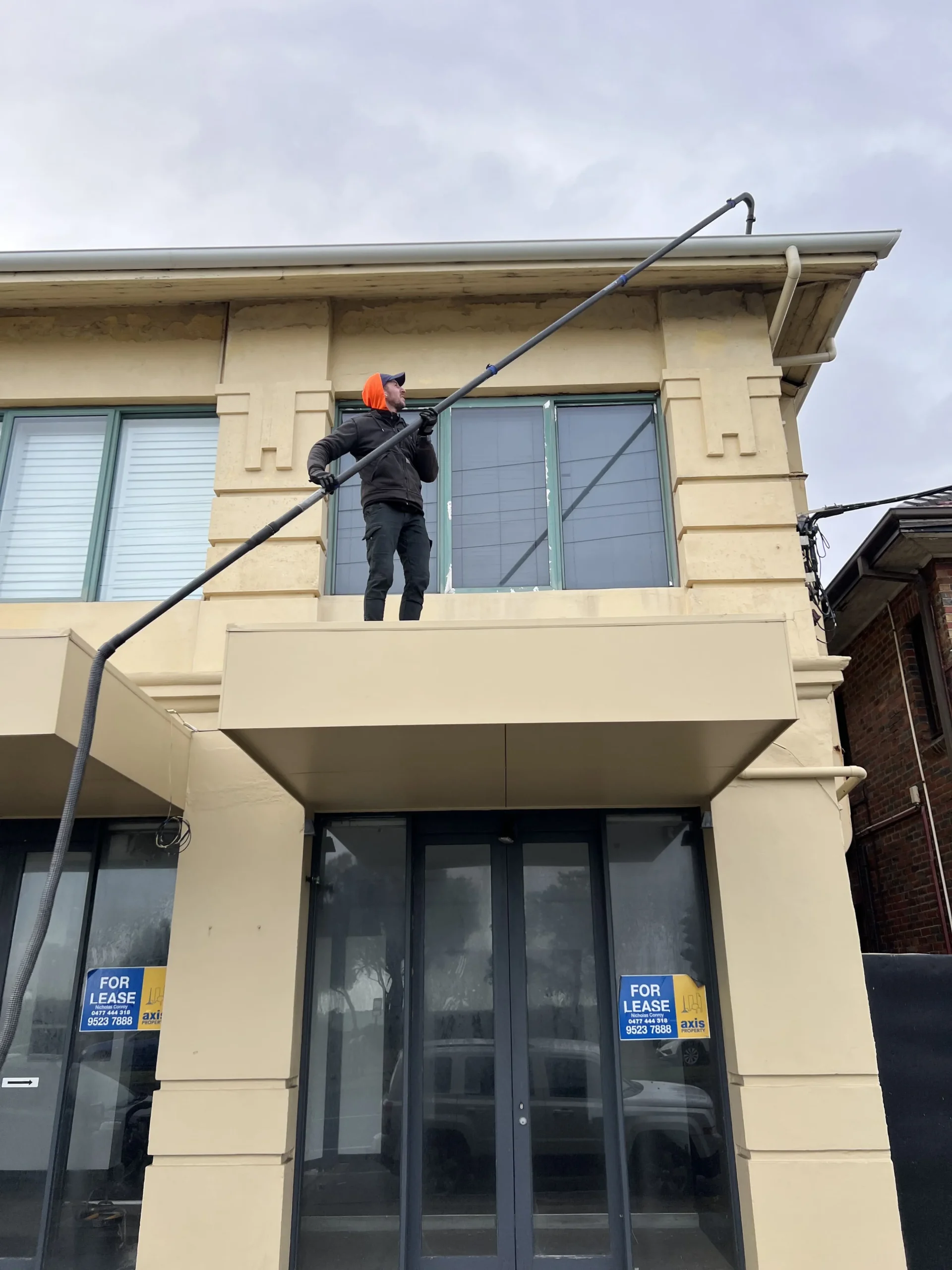
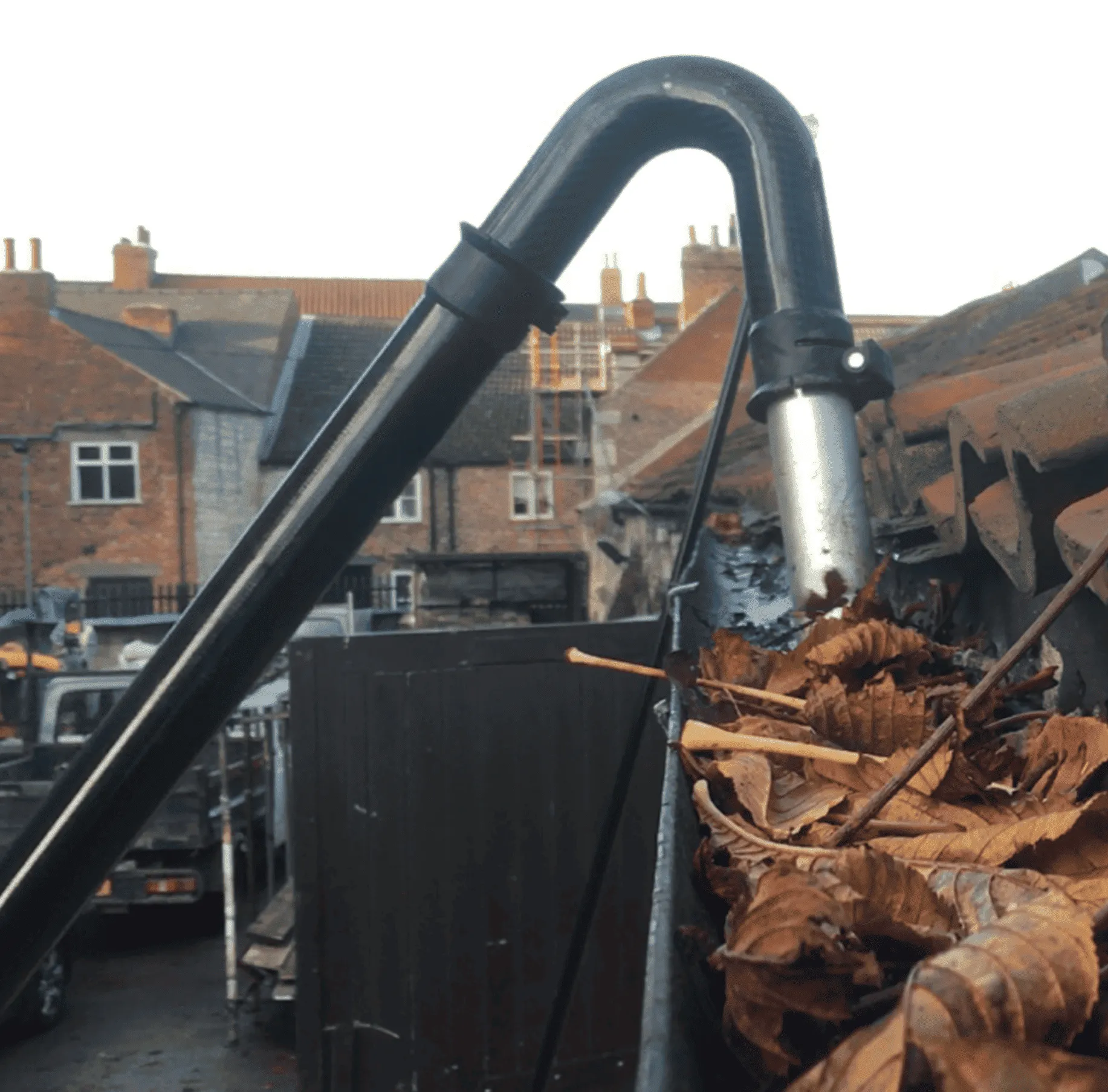
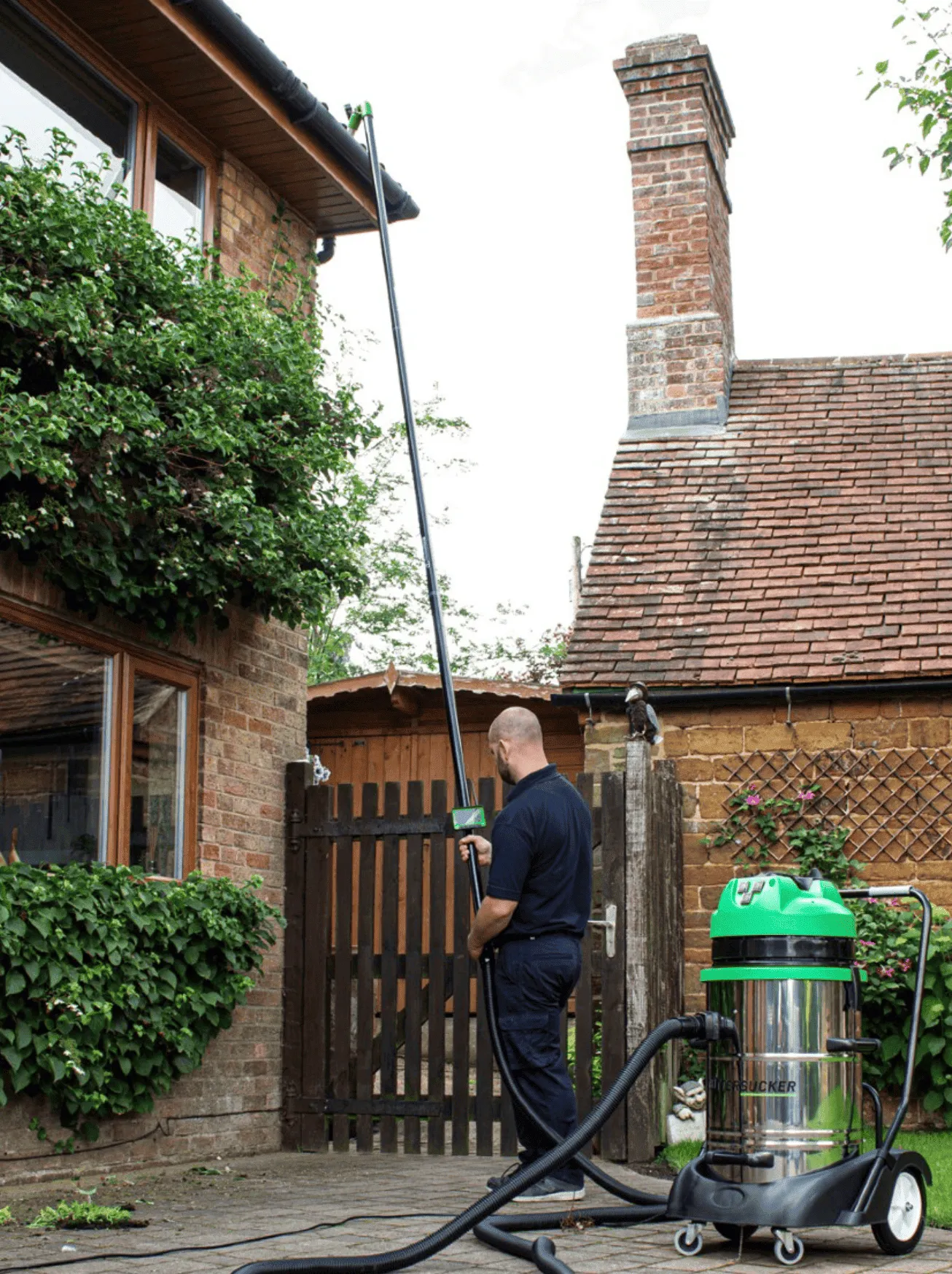
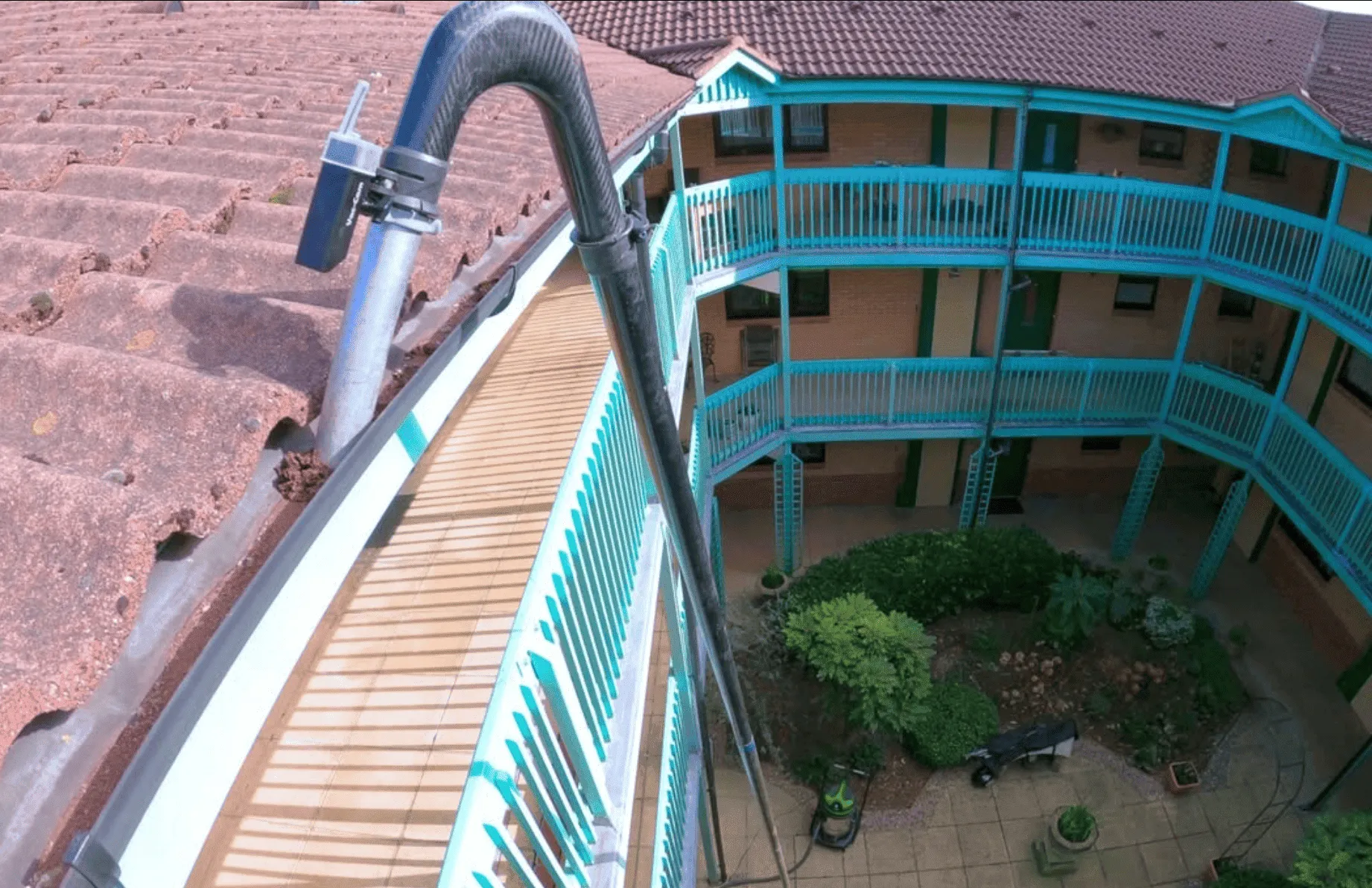
A purpose-built vacuum system uses a vacuum hose, long-reach poles, and gutter-cleaning tools to extract debris into a waste tank.
The method is particularly useful for dry leaves, decomposed organic matter, dirt and sludge. On suitable properties, high-reach vacuums can also reduce the need for direct gutter-level access.
Cleaning and repair are different jobs. Vacuuming does not correct damaged gutters, failed joints, incorrect falls, corrosion or defective stormwater drainage. As a design reference, the NCC Housing Provisions specify a minimum fall of 1:500 for applicable eaves gutters and 1:100 for box gutters. Cleaning can restore a blocked flow path, but it cannot correct inadequate fall or defective drainage design.
Benefits of Controlled Debris Removal
Controlled debris collection is one of the main advantages. Rather than throwing material onto the roof, garden or ground, the vacuum draws it into a collection tank. Lightweight poles can also make some elevated gutters accessible from ground level where the property layout permits.
Practical benefits include:
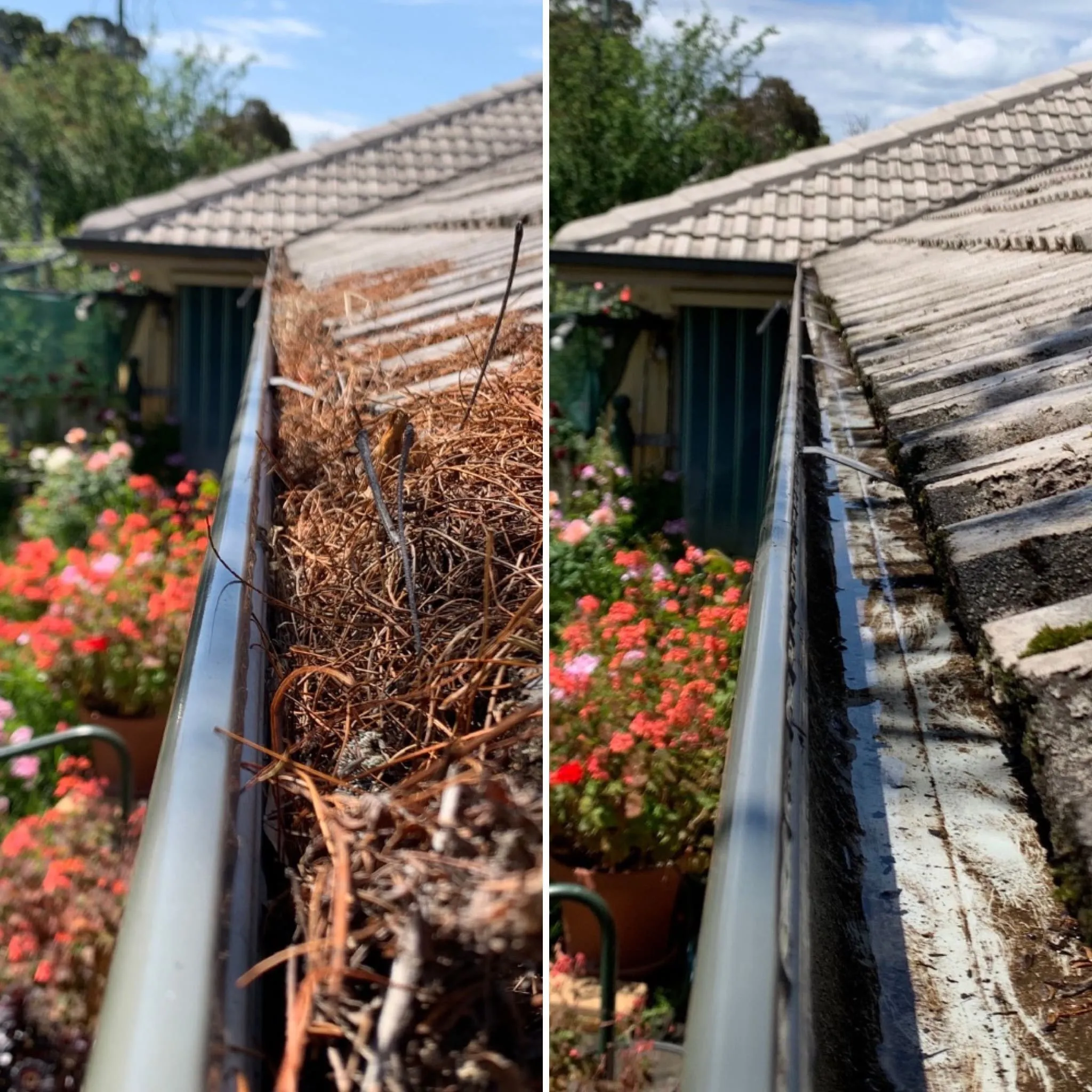
- Removing loose leaves, dirt, sludge and organic build-up;
- Reaching some awkward or elevated gutter sections;
- Containing extracted waste;
- Suitability for domestic and commercial gutter cleaning;
- Handling wet material can be difficult when sweeping or scooping.
Ground-based vacuum cleaning can reduce certain access risks, but it does not make every gutter safe or practical to reach.
What Happens During the Service
We begin by assessing the gutter line, access conditions and obvious trouble spots. Equipment and access controls are then set up before debris is extracted section by section through a vacuum hose and suitable cleaning attachments.
Corners and outlets deserve particular attention because debris tends to concentrate there. Under the NCC Housing Provisions, one downpipe serves no more than 12 m of gutter, which helps explain why an obstruction around an outlet can affect drainage from a substantial section of the roofline.
Where accessible and within the service scope, gutter outlets and downpipes can also be checked for accumulated material. A blockage deeper within the drainage system may require separate investigation.
Once cleaning is complete, collected material and equipment are removed from the work area. Visible issues around the gutter line can also be distinguished from removable contamination, although gutter cleaning is not a substitute for a roof or building inspection.
Equipment and Inspection Tools
Professional gutter vacuum equipment combines suction, a vacuum hose, waste collection, extension poles and gutter-specific attachments. Commercial-grade systems may handle dry debris as well as suitable wet material, although capability varies between machines.
Water lift describes one aspect of suction performance, while tank capacity determines how much material can be collected before the tank is empty. Neither specification alone establishes whether a vacuum is appropriate for a particular property.
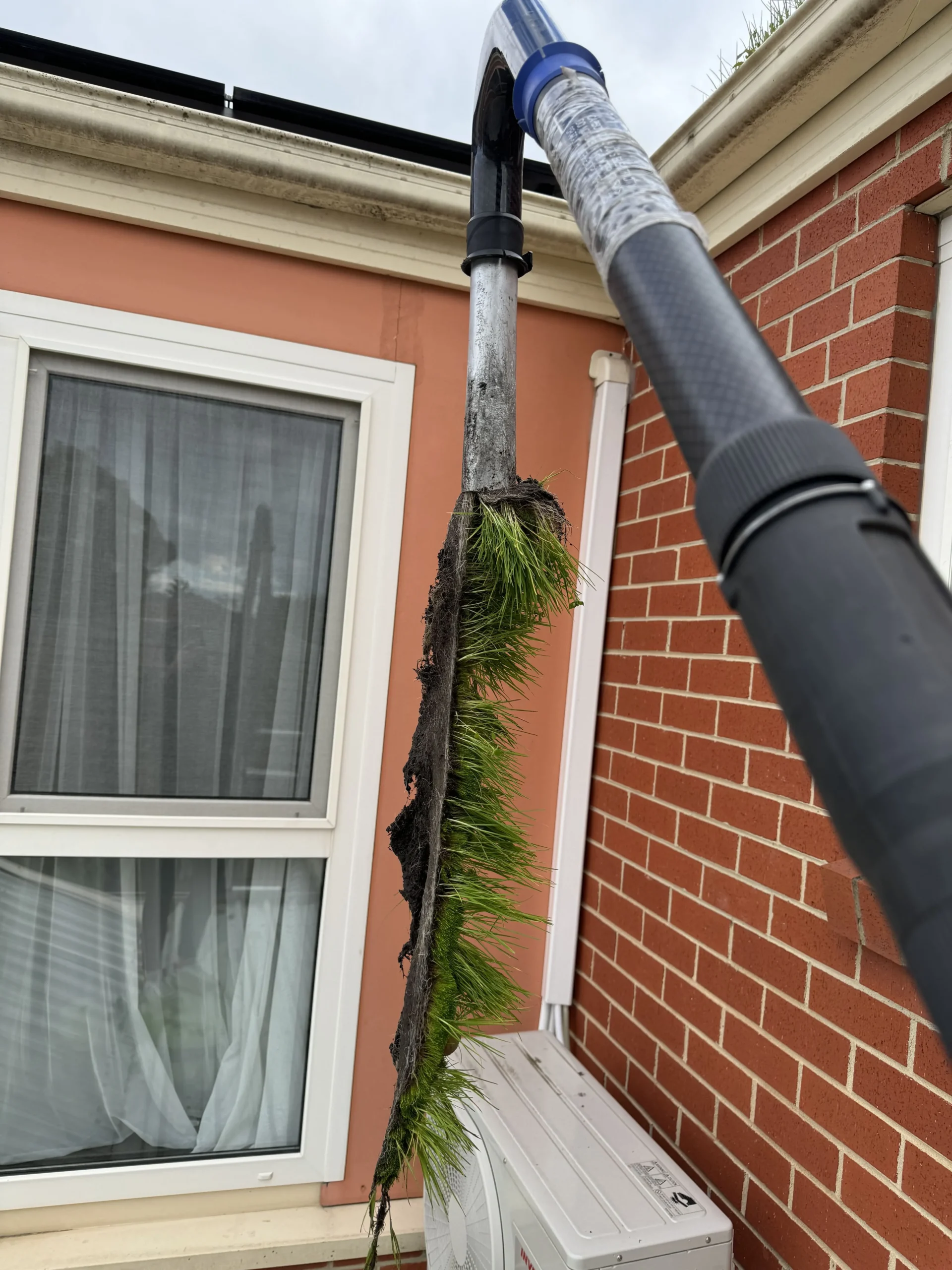
Professional systems are available with lightweight carbon fibre or carbon fibre hybrid poles designed for high-reach work. Crevice tools and other vacuum attachments accommodate different gutter profiles.
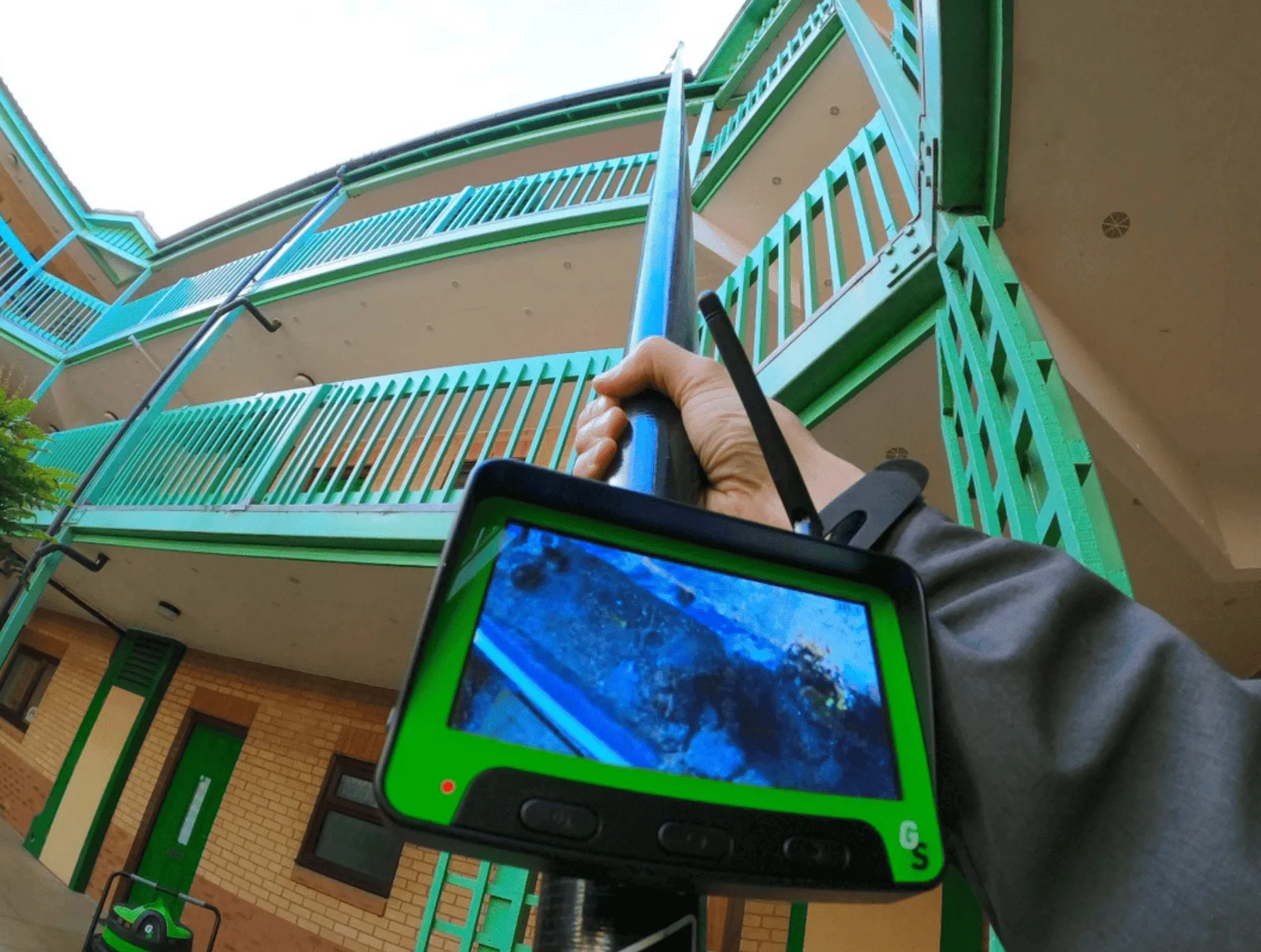
Some systems can also be used with a mini camera to view sections concealed by the roof edge or gutter profile. Where suitable, this can help identify remaining debris or restricted areas rather than treating visibility from ground level as proof that the entire gutter is clear.
Leaves, Sludge and Organic Build-Up
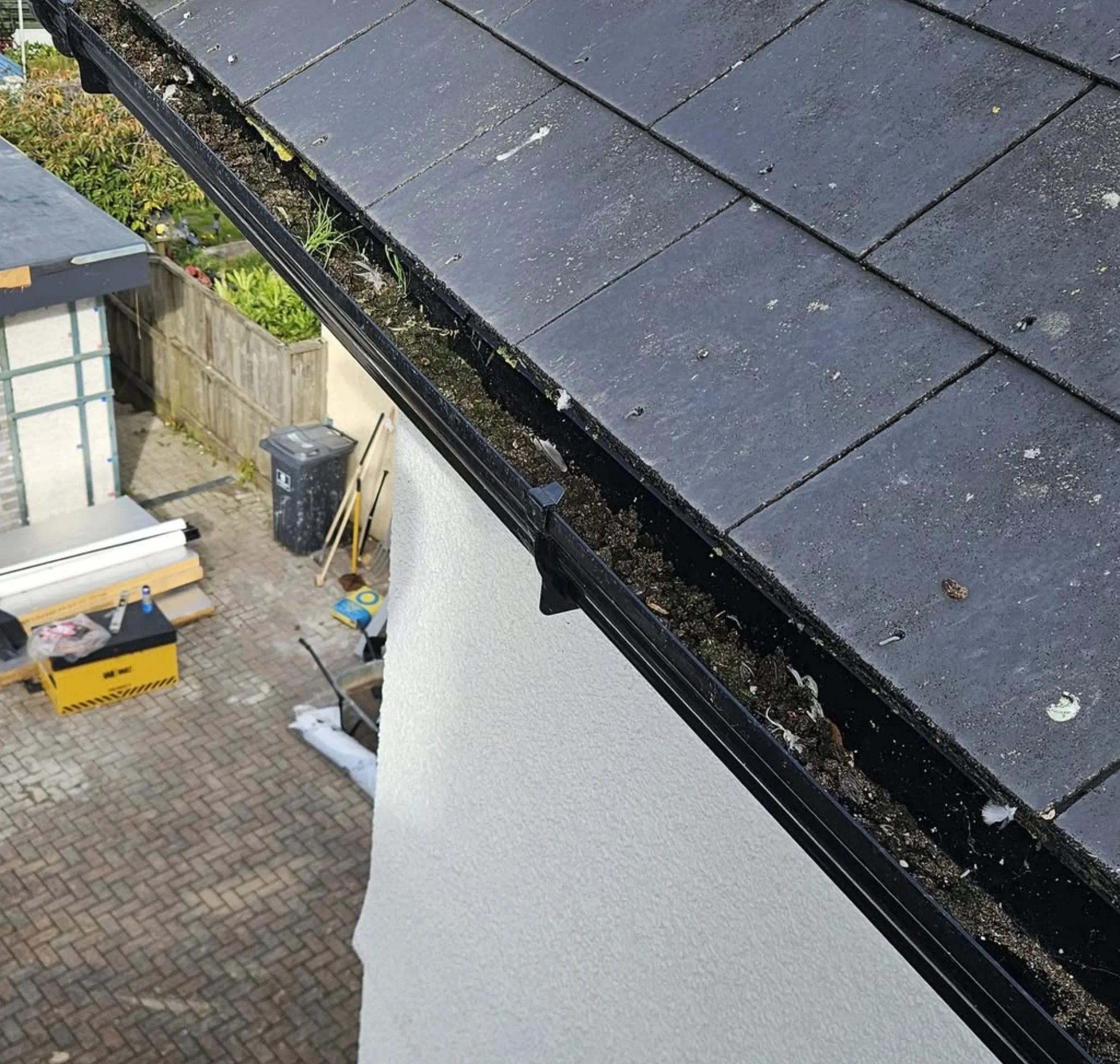
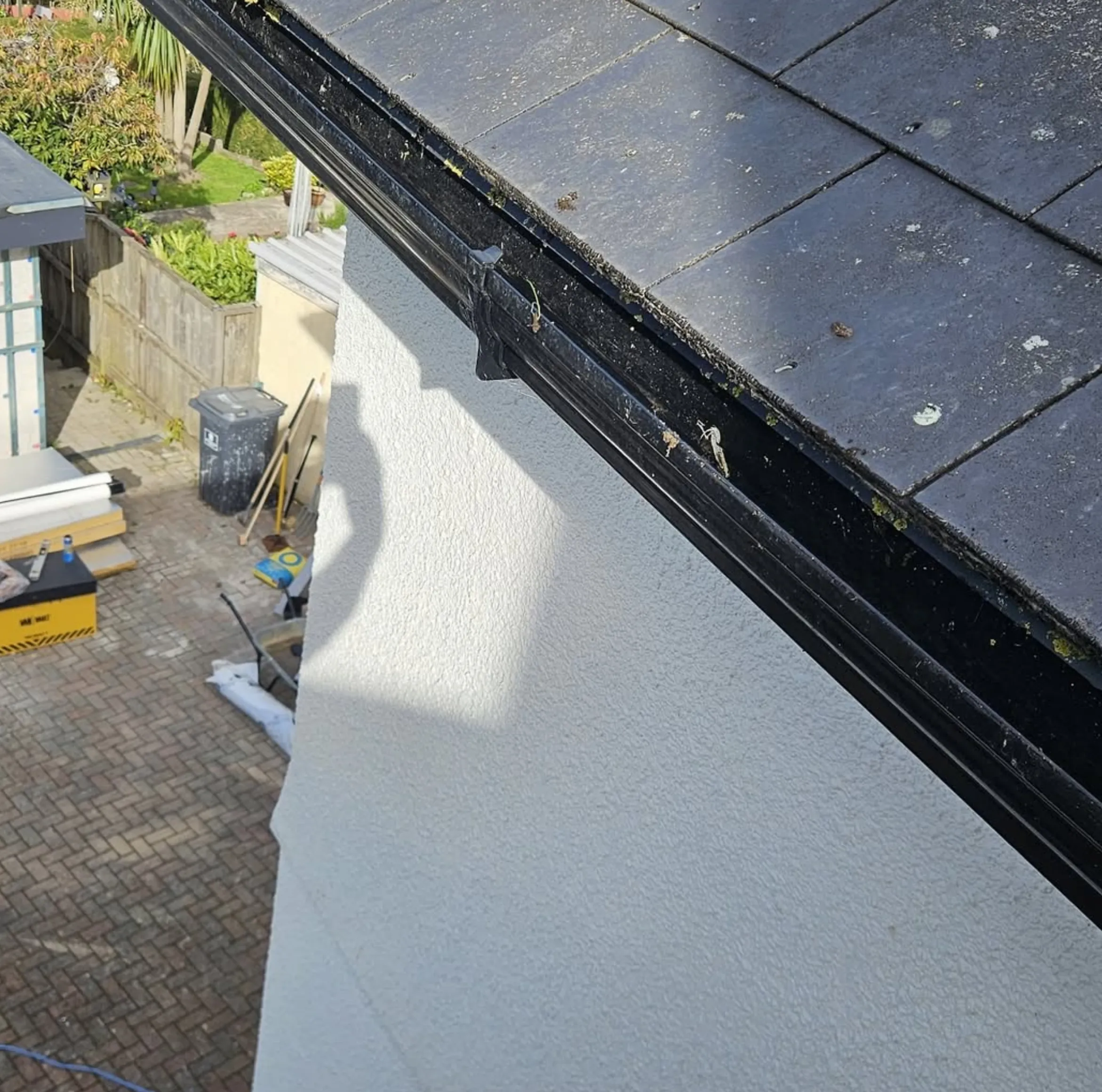
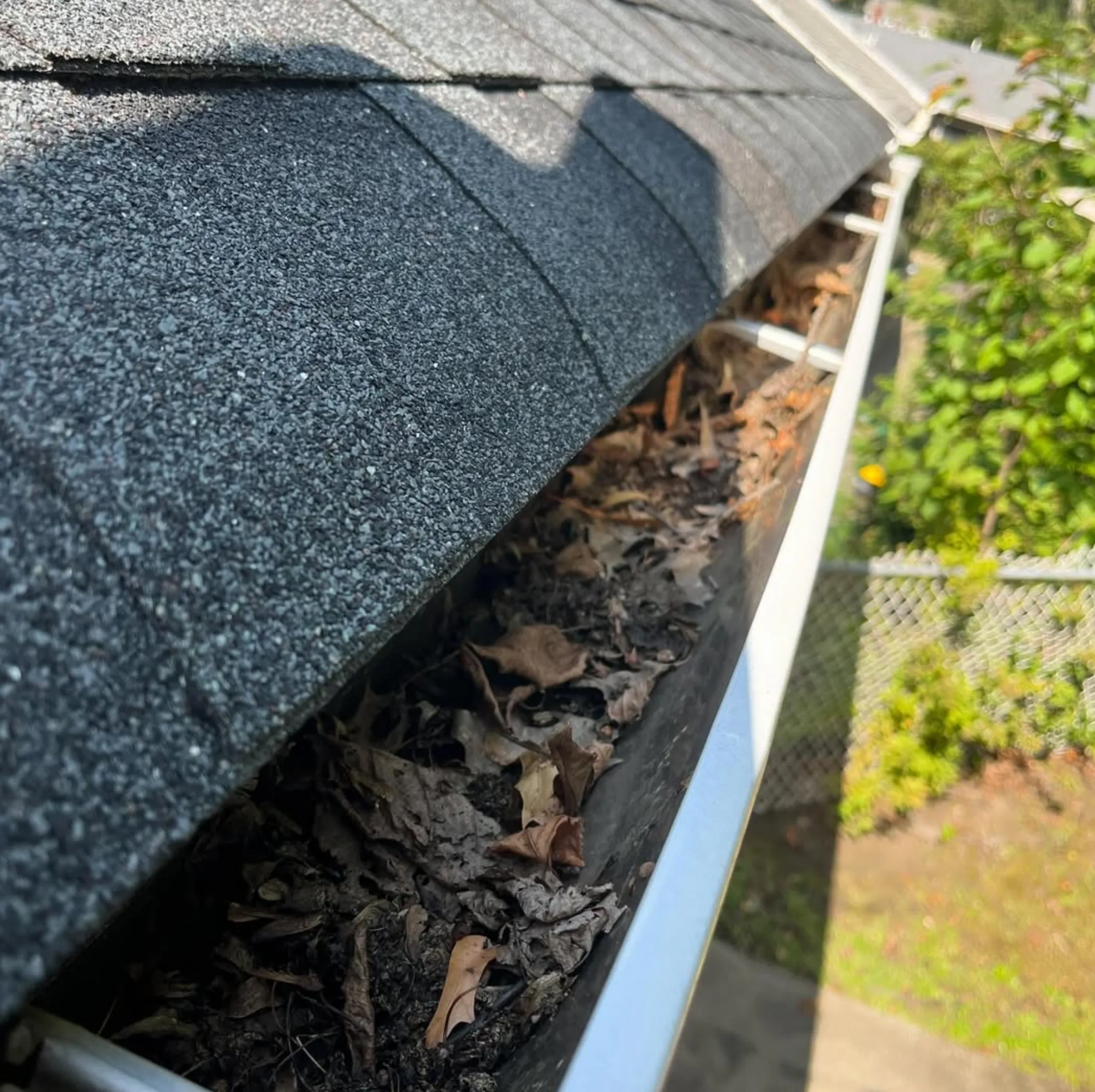
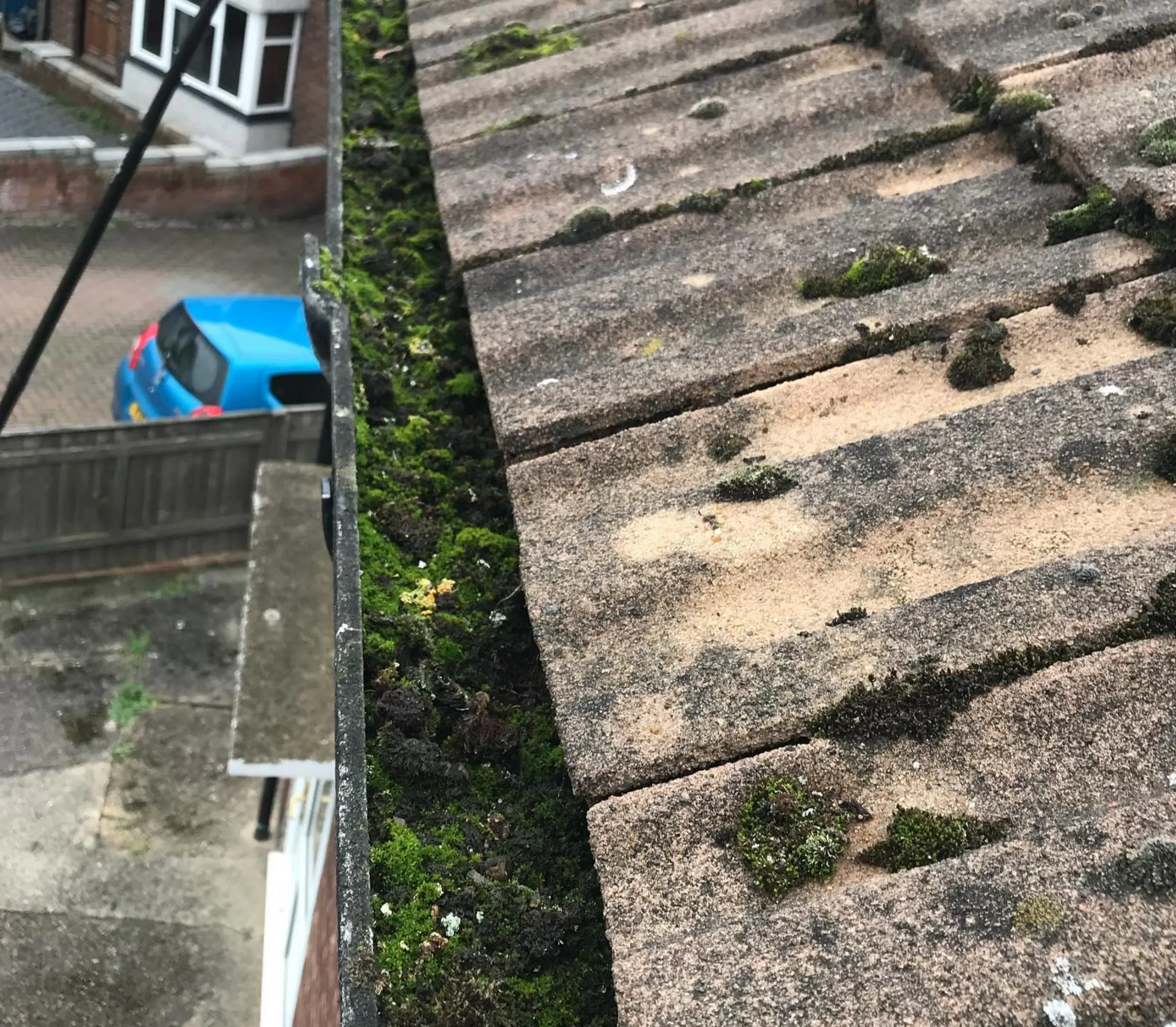
Leaves, twigs, dirt, decomposed plant material and sludge are all suited to vacuum removal. Left for long enough, organic material can become dense enough to support plant growth.
Condition matters as much as debris type. Dry leaves, wet sludge and compacted organic material behave differently under suction. Dense or tightly packed debris can take longer to extract and may require a different attachment or closer access than loose surface material.
For some dry debris, a leaf blower may be appropriate. The practical difference is containment: leaf blowing moves material, whereas vacuum extraction collects it.
Neither approach repairs the gutter system. Persistent overflow after cleaning may point to a deeper downpipe obstruction or another drainage problem.
Choosing the Right Removal Method
No single method suits every property.
| Method | Best suited to | Main consideration |
|---|---|---|
| Gutter vacuum cleaning | Loose leaves, dirt, sludge and accessible elevated gutters | Collects debris and can reduce direct gutter-level access |
| Manual gutter cleaning | Localised material requiring direct handling or inspection | Usually requires closer physical access |
| Leaf blowing | Suitable dry, loose leaves in controlled situations | Moves debris rather than containing it |
| Combined approach | Mixed or difficult contamination | Allows the method to change where vacuuming alone is unsuitable |
A pressure washer is not an interchangeable alternative. Introducing water creates runoff, while aggressive pressure is unsuitable for some gutters, roof edges and surrounding surfaces.
Reaching Elevated and Awkward Areas
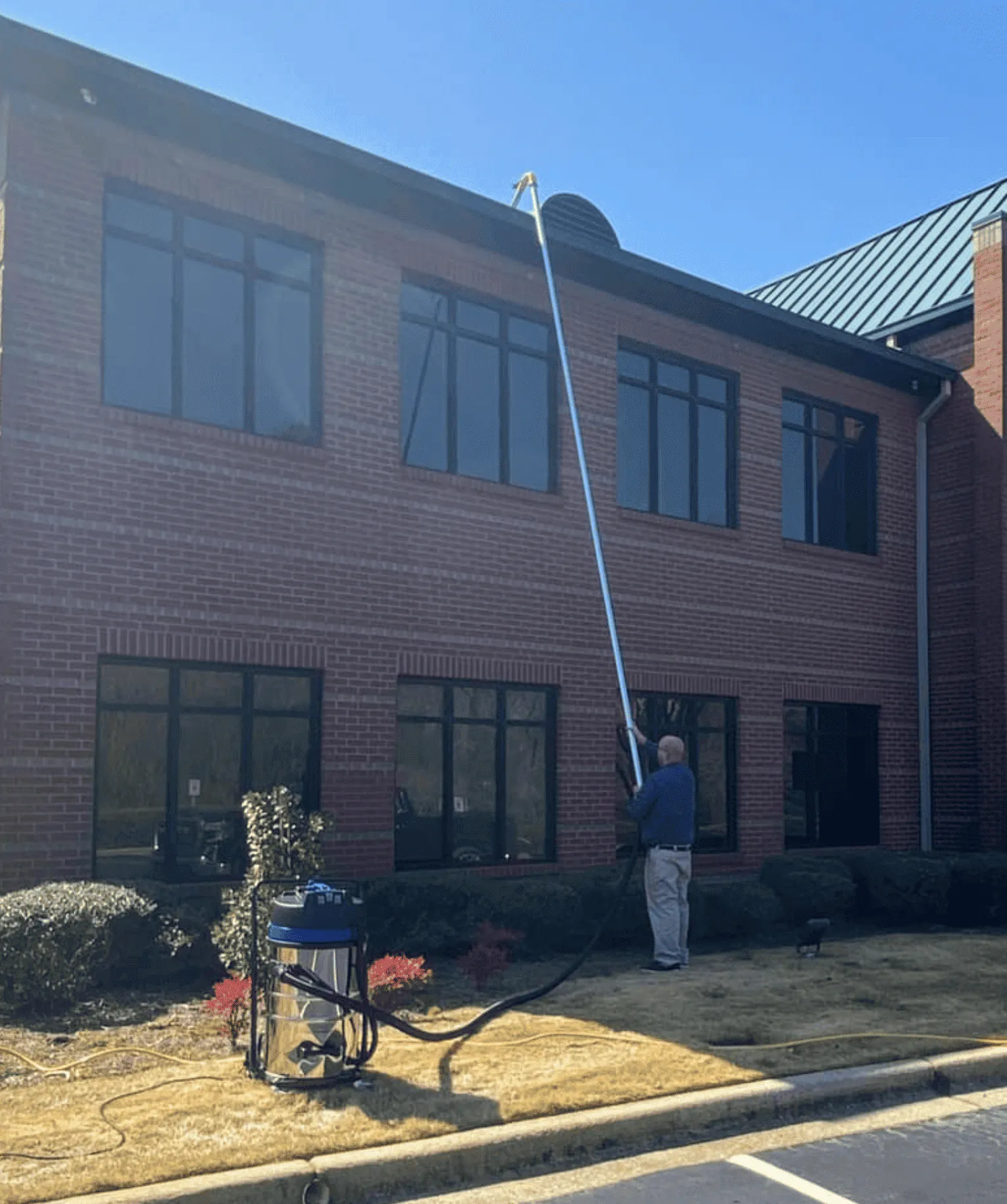
High-reach vacuums fitted with lightweight poles can access many elevated or awkward gutters, including some two-storey properties. They can also be useful where solar panels or roof geometry make conventional access more difficult, provided the attachment can still be positioned and controlled effectively.
Reaching alone is not enough. Building height, setbacks, gutter position, obstacles, ground conditions and pole angles all matter. A professional gutter cleaner needs sufficient control to work inside the gutter, not simply enough pole length to reach the roofline.
In Victoria, specific prevention-of-falls requirements apply where there is a risk of falling more than 2 m. Work below 2 m can still require controls where a fall could cause injury. Ground-based vacuuming can therefore be useful where practical, but the access method must still suit the individual site.
Signs Debris Needs Attention
Common signs include:
- Visible leaves or plant growth;
- Water is spilling over the gutter during rain;
- Staining below the gutter line;
- Debris concentrated around outlets;
- Accumulated organic material.
Overflow does not always mean the gutter itself is dirty. If water continues to spill after cleaning, the cause may be a blocked downpipe, incorrect gutter fall, insufficient drainage capacity or another defect.
Planning Ongoing Maintenance
There is no single cleaning interval suitable for every Melbourne property.
Homes beneath mature trees can accumulate debris faster than exposed properties. Season, roof design, gutter guards and surrounding vegetation also affect maintenance requirements. What matters is how quickly debris returns, while additional checks can be useful after severe weather if leaves, twigs or other material have accumulated.
Rather than following an arbitrary calendar interval, cleaning frequency is better determined by actual debris buildup and whether outlets remain clear.
For gutters connected to a rainwater tank, Victorian health guidance provides more specific maintenance intervals. First-flush diverters should be checked every 3 months, while the roof and gutters should be inspected for accumulated debris every 6 months. Properties under trees or exposed to rapid debris build-up may require attention sooner.
Access Considerations by Property Type
Single-storey homes may allow for extensive ground-based vacuum access, while double-storey properties may require greater reach or a different access method.
Commercial gutter cleaning brings other considerations, including larger roof areas, longer gutter runs, pedestrian zones and more complex access. Our existing service scope covers residential, commercial and government properties.
Gutter guards introduce another variable. Debris may collect on top of the guard or beneath it, while some designs restrict direct access to the gutter channel. The type and installation of the guard therefore affect whether vacuum cleaning can be performed directly or requires additional access.
Property type alone does not determine the method. Building height, gutter configuration, contamination and safe access remain the deciding factors.
Quality and Safety
Gutter cleaning can involve height, ladder, electrical, roof and access hazards. WorkSafe Victoria recommends considering whether the work can be performed from ground level and applying appropriate controls where fall risks remain.
Where there is a risk of falling more than 2 m, Victoria’s specific prevention-of-falls requirements apply. High-reach vacuum systems can reduce the need for direct gutter-level access on suitable jobs, but they do not eliminate all risk. Equipment and access methods still need to be tailored to the site.
Areas We Service Across Melbourne
Window Cleaning Melbourne Crew provides gutter cleaning for residential and commercial properties across Melbourne and surrounding suburbs.
Conditions vary considerably between properties. Tree cover, building height, roof configuration, gutter length and access around the building all influence the job, so the cleaning approach should reflect the site rather than follow a one-method-fits-all process.
Get a Quote
For gutter vacuum cleaning price estimates, provide details about the property, including the building type, approximate height, access, and any known gutter or downpipe problems. Photos showing the roofline, solar panels, obstacles and visible build-up can help establish the scope.
Call us to discuss your property and request a quote for the required work.

Your satisfaction is our top priority. We tailor our services to meet your specific needs

We are committed to environmental responsibility. Our cleaning products are eco-friendly.

Pricing
We offer competitive pricing without compromising on the quality of our services.

Expertise
As a locally owned and operated company, we understand the unique needs of our community.
FAQ
Can gutter vacuum cleaning remove wet sludge?
Yes. Suitable commercial-grade vacuum equipment can remove many types of wet sludge and decomposed organic material, although heavily compacted material may require another approach.
Does gutter vacuum cleaning clear blocked downpipes?
It can remove debris around outlets and accessible downpipe areas, but deeper blockages may require separate investigation.
Is gutter vacuum cleaning suitable for two-storey homes?
It can be. Suitability depends on building height, gutter position, surrounding access, roof geometry and obstacles such as solar panels.
Can gutters be vacuumed if gutter guards are installed?
It depends on the gutter-guard design and whether the material beneath it can be accessed. Gutter guards reduce debris but do not make gutter maintenance free.
What affects gutter vacuum cleaning price estimates?
Property size, gutter length, height, access difficulty, debris type and quantity, roofline obstacles and any need for alternative access can all affect the quote.
SEO Title — 30 characters Gutter Vacuum Cleaning Melbourne
Meta Description — 139 characters Gutter vacuum cleaning in Melbourne for homes and commercial properties. Remove leaves, sludge and debris from gutters with specialist equipment.