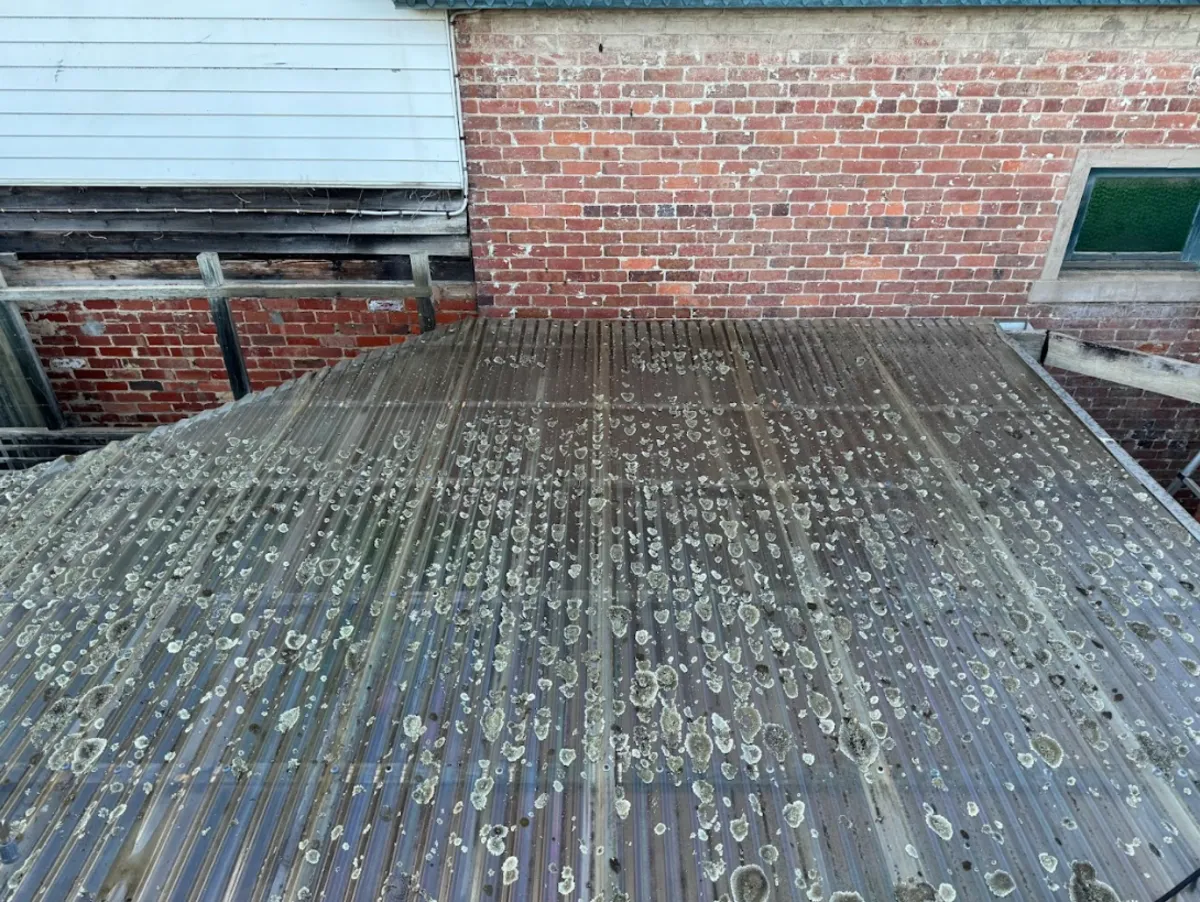
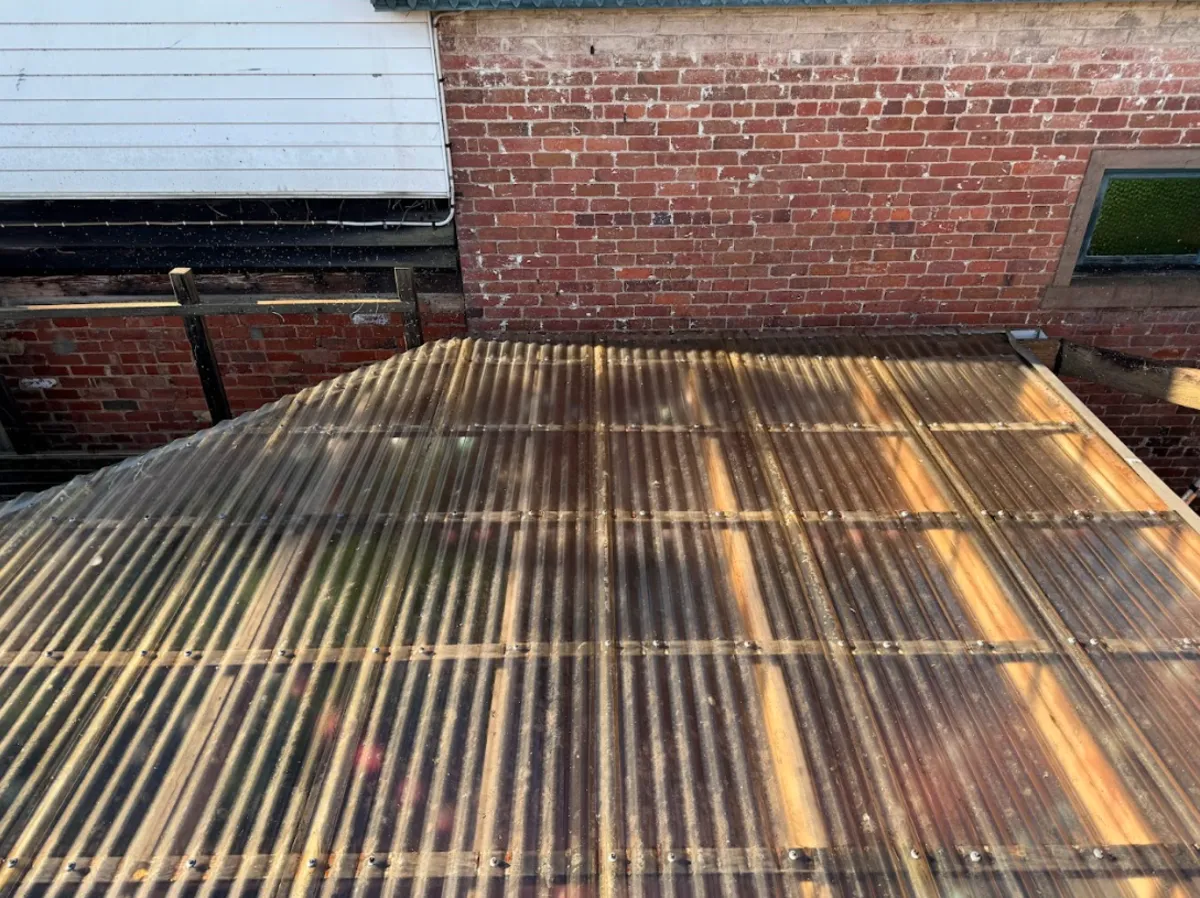
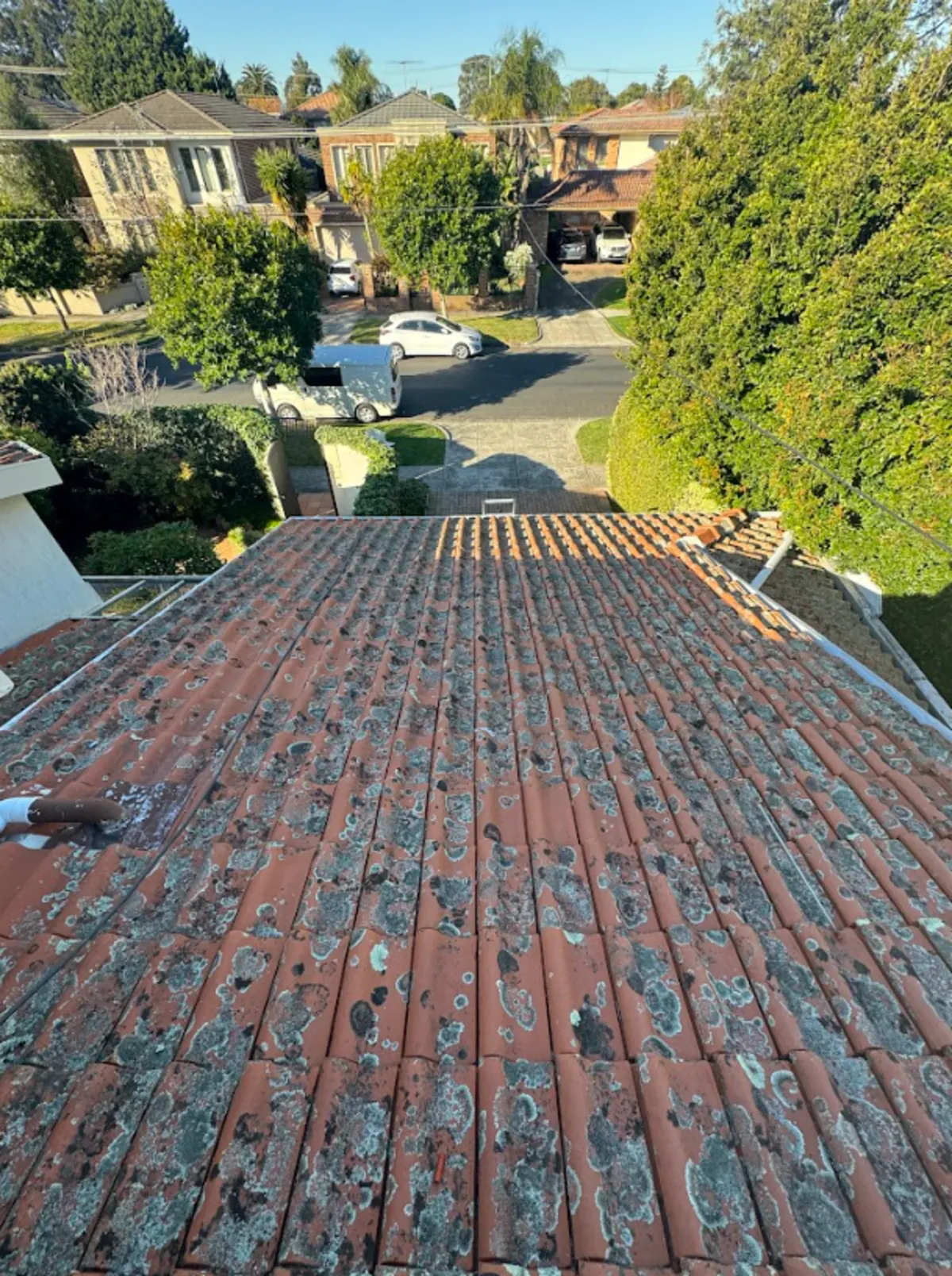
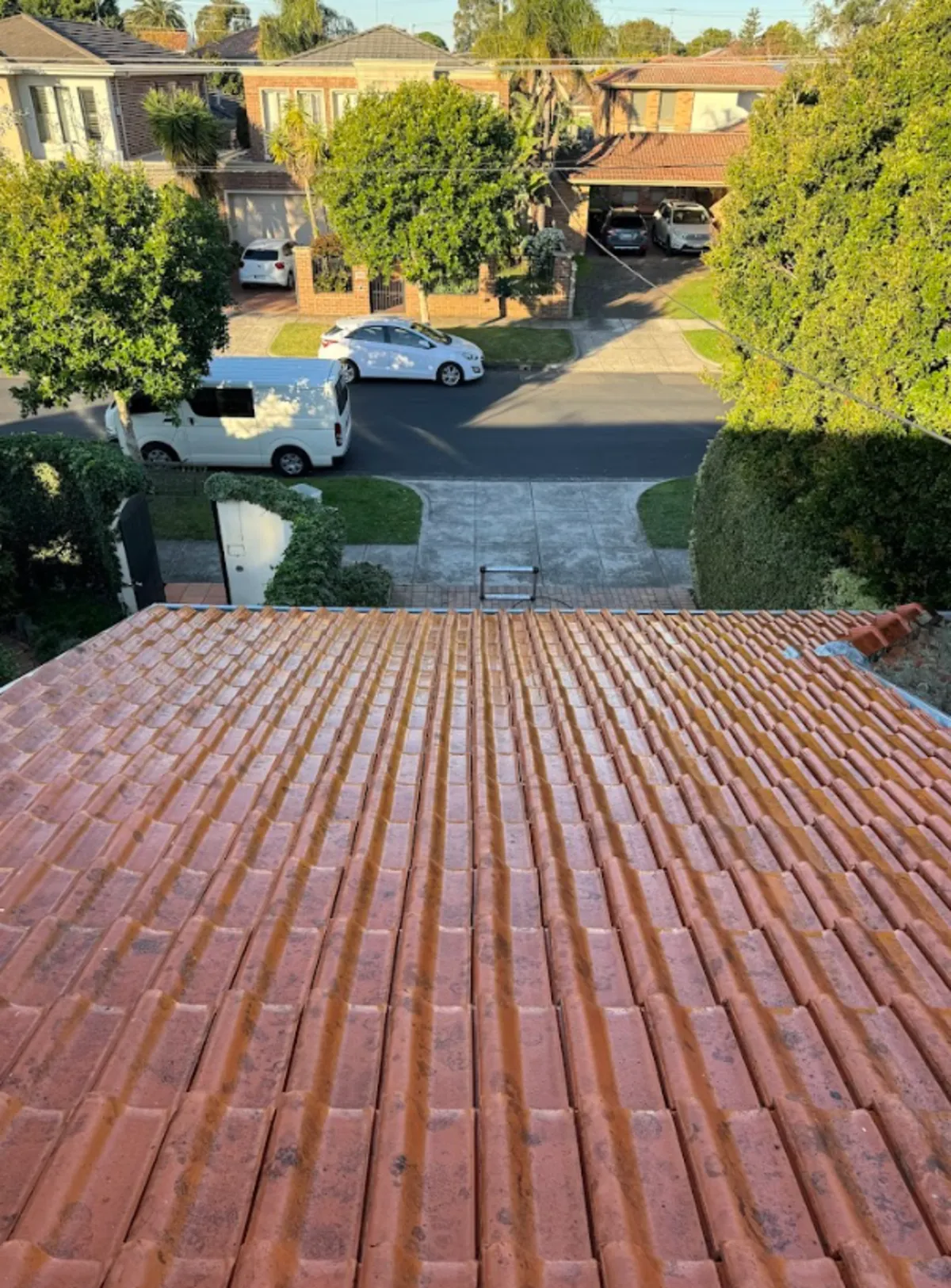
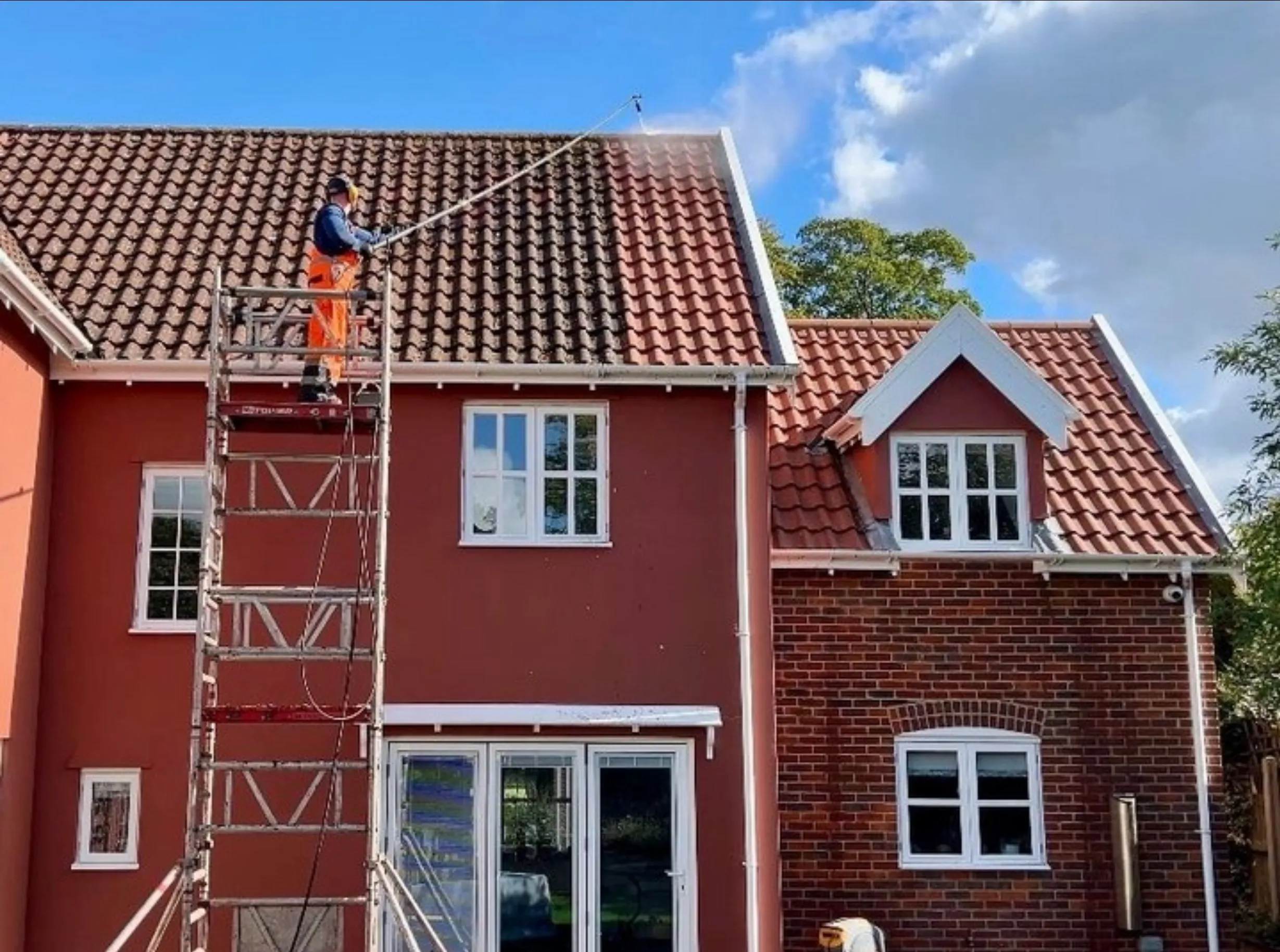
Roof cleaning removes moss, lichen, algae, mould, dirt, black streaks and other organic growth from the roof surface using a method suited to its material and condition. At Window Cleaning Melbourne Crew, we assess contamination, roof type, pitch, access and visible deterioration before choosing between soft washing, controlled pressure cleaning or manual treatment.
The key distinction is contamination versus damage. Cleaning can remove build-up and improve street appeal, but cracked tiles, failed coatings, corrosion and flashing deterioration require roof repairs rather than more aggressive cleaning.
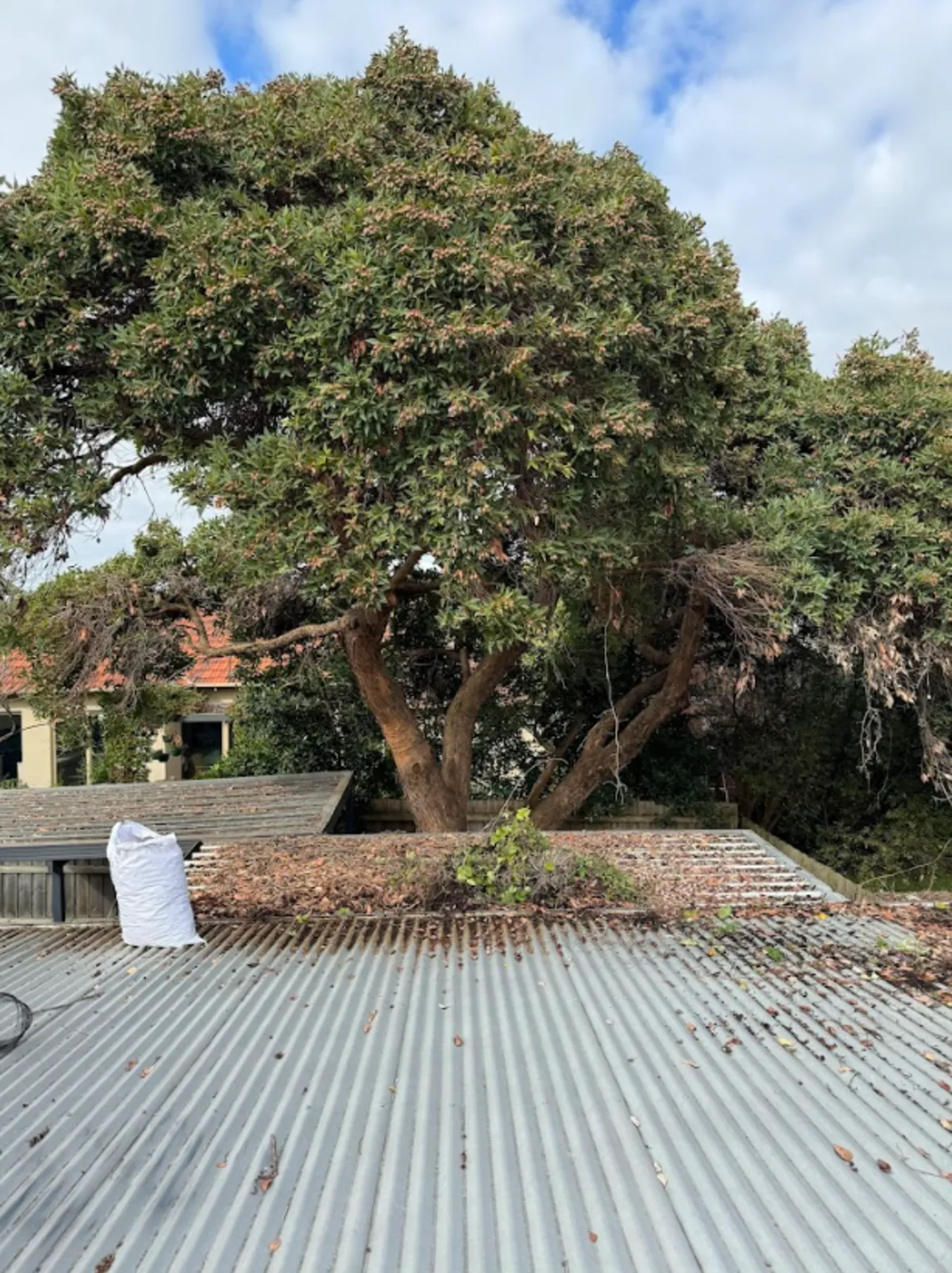
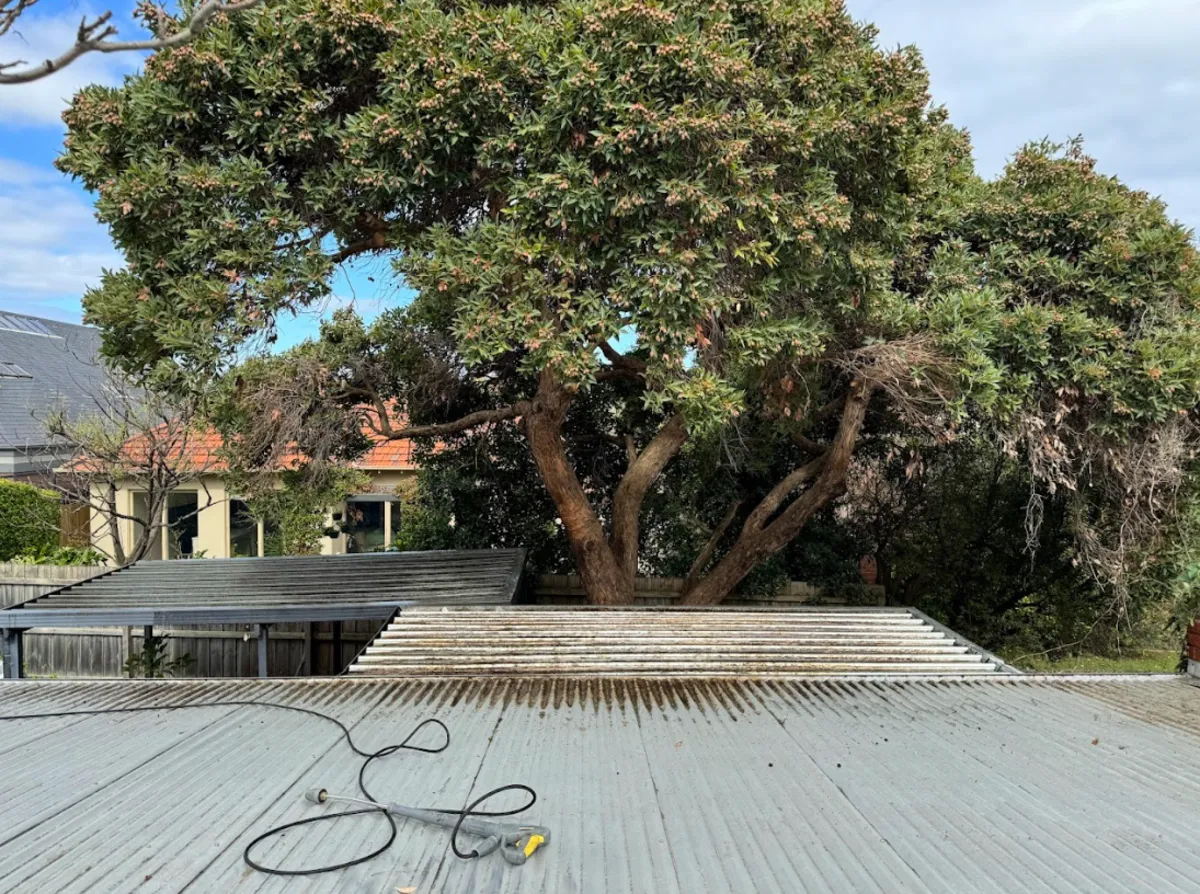
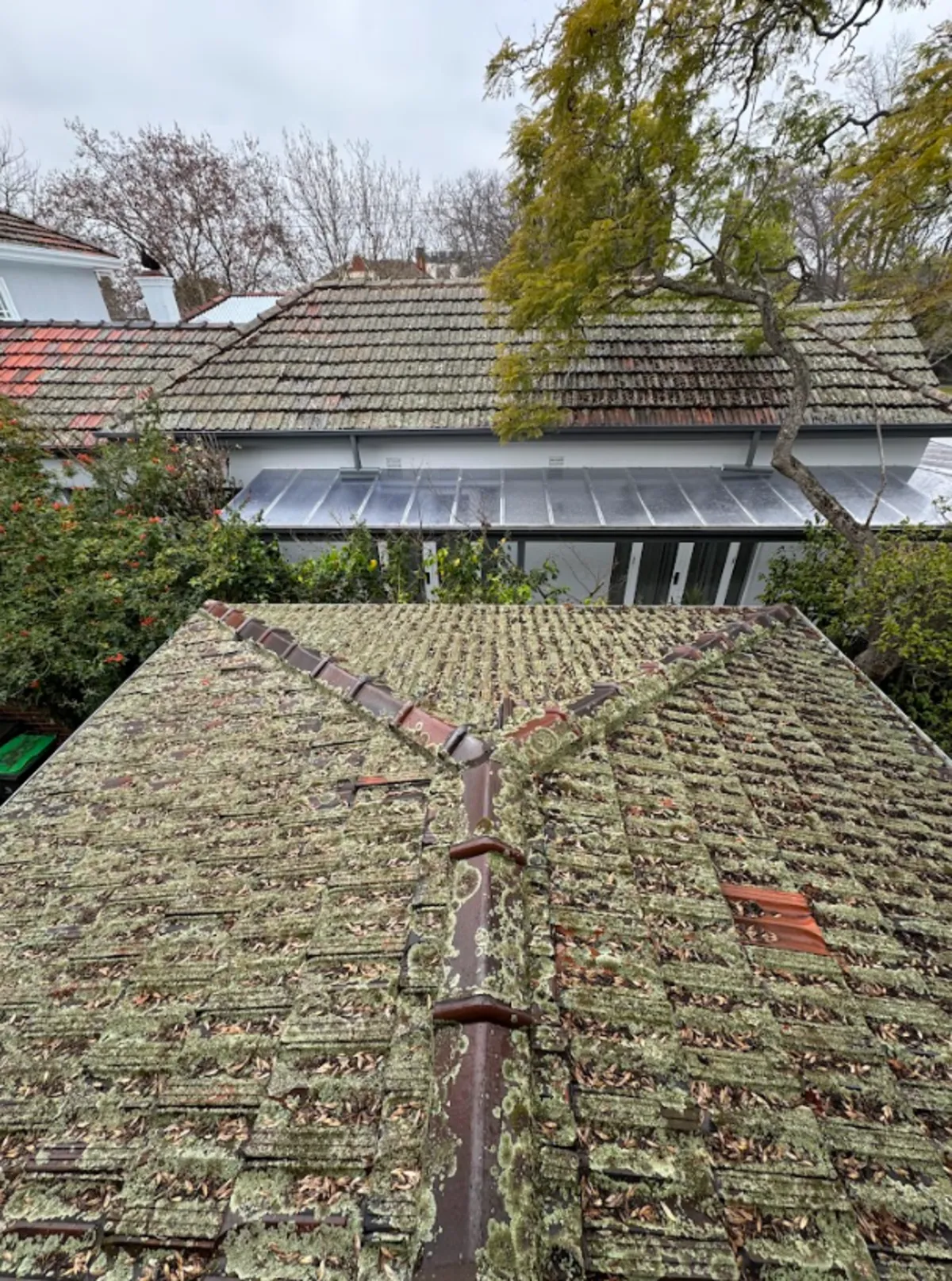
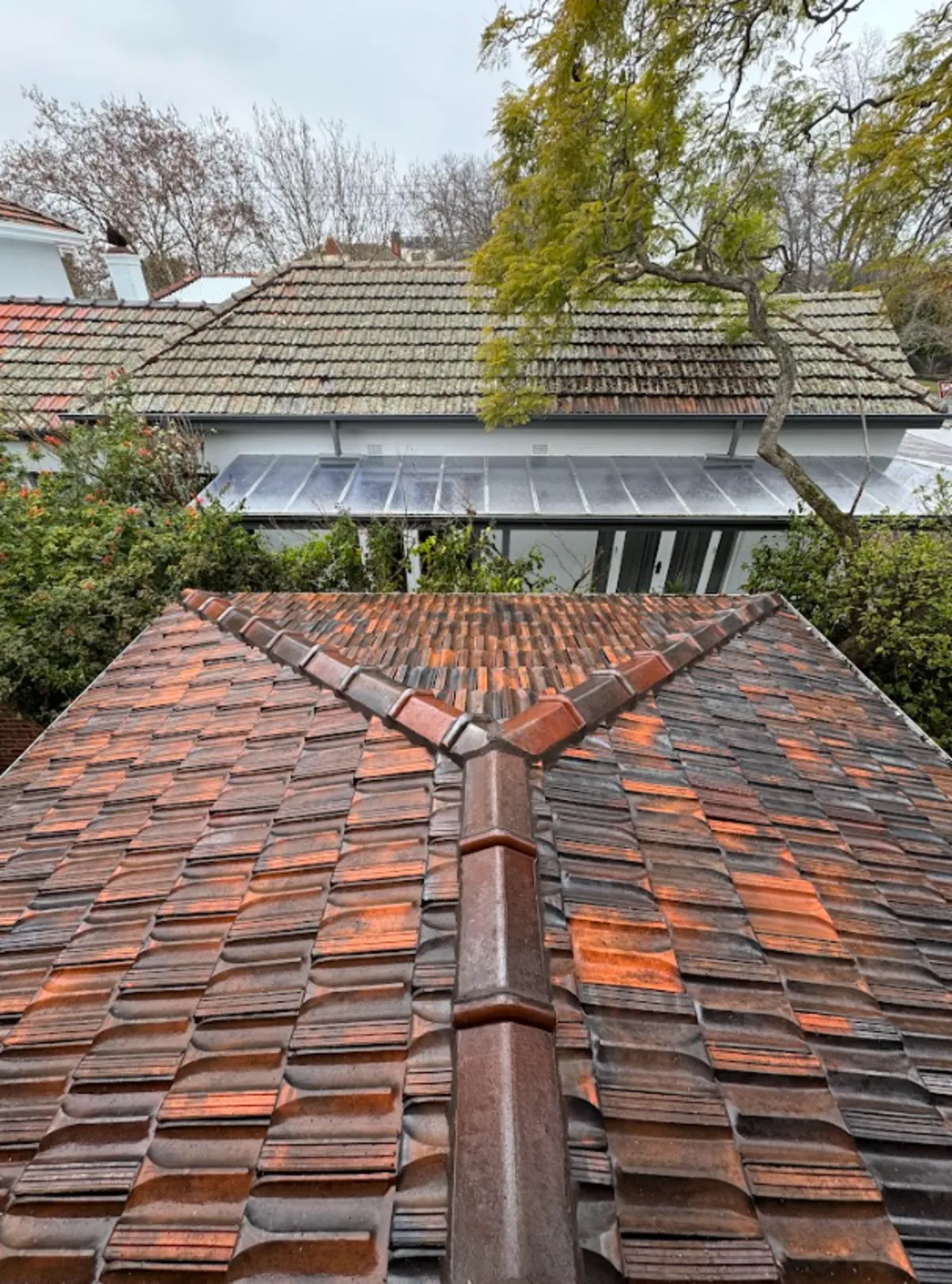
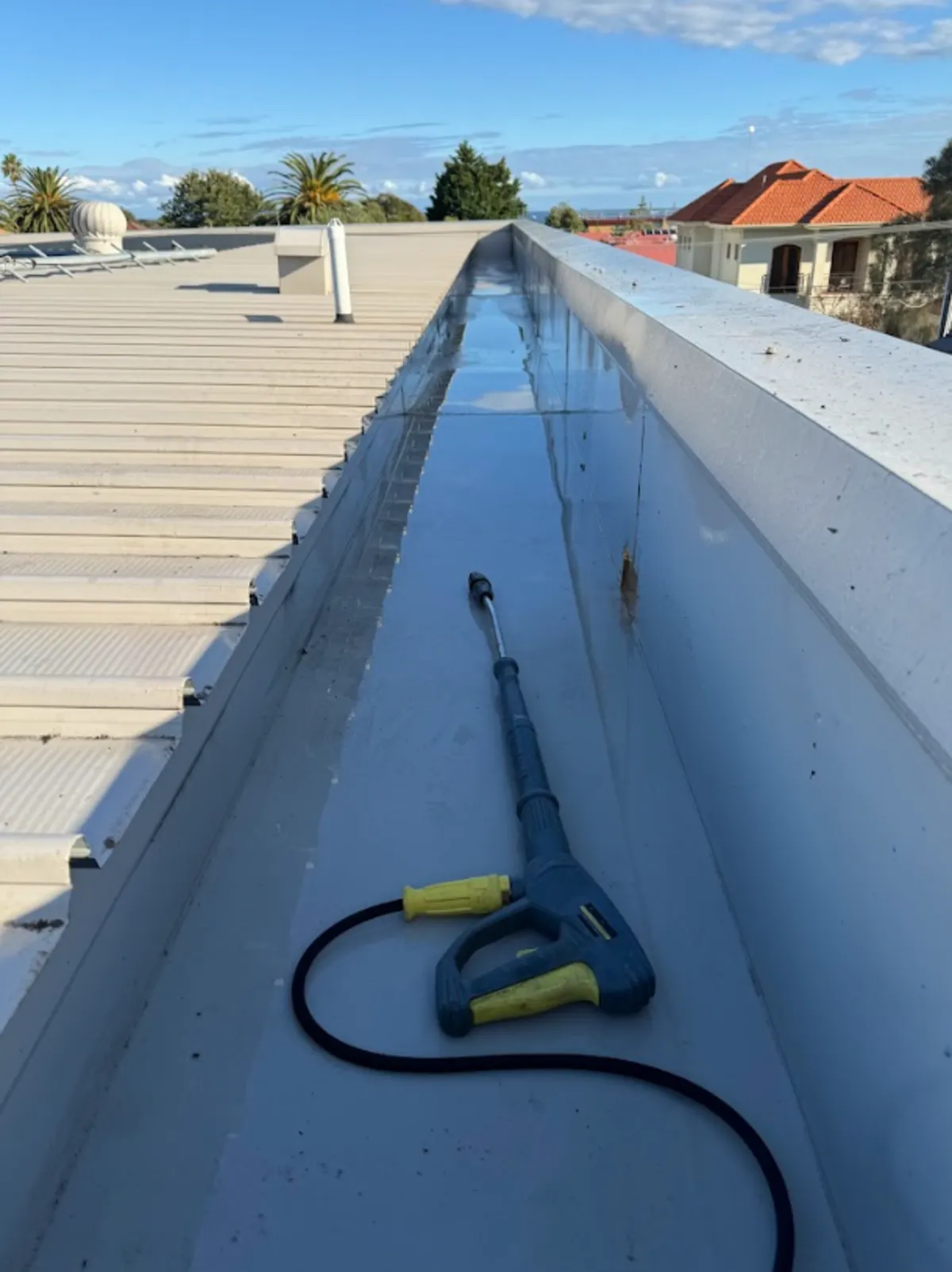
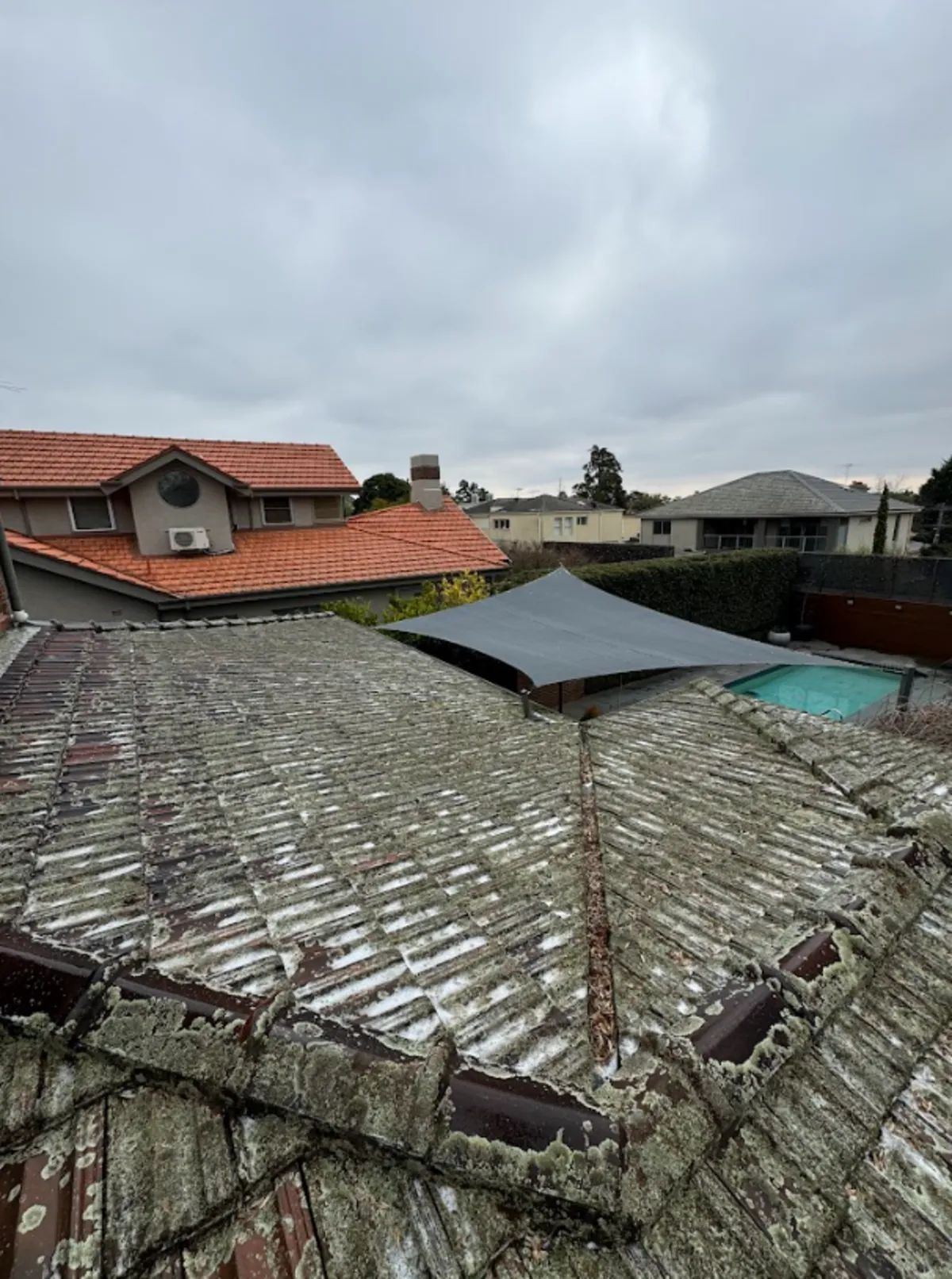
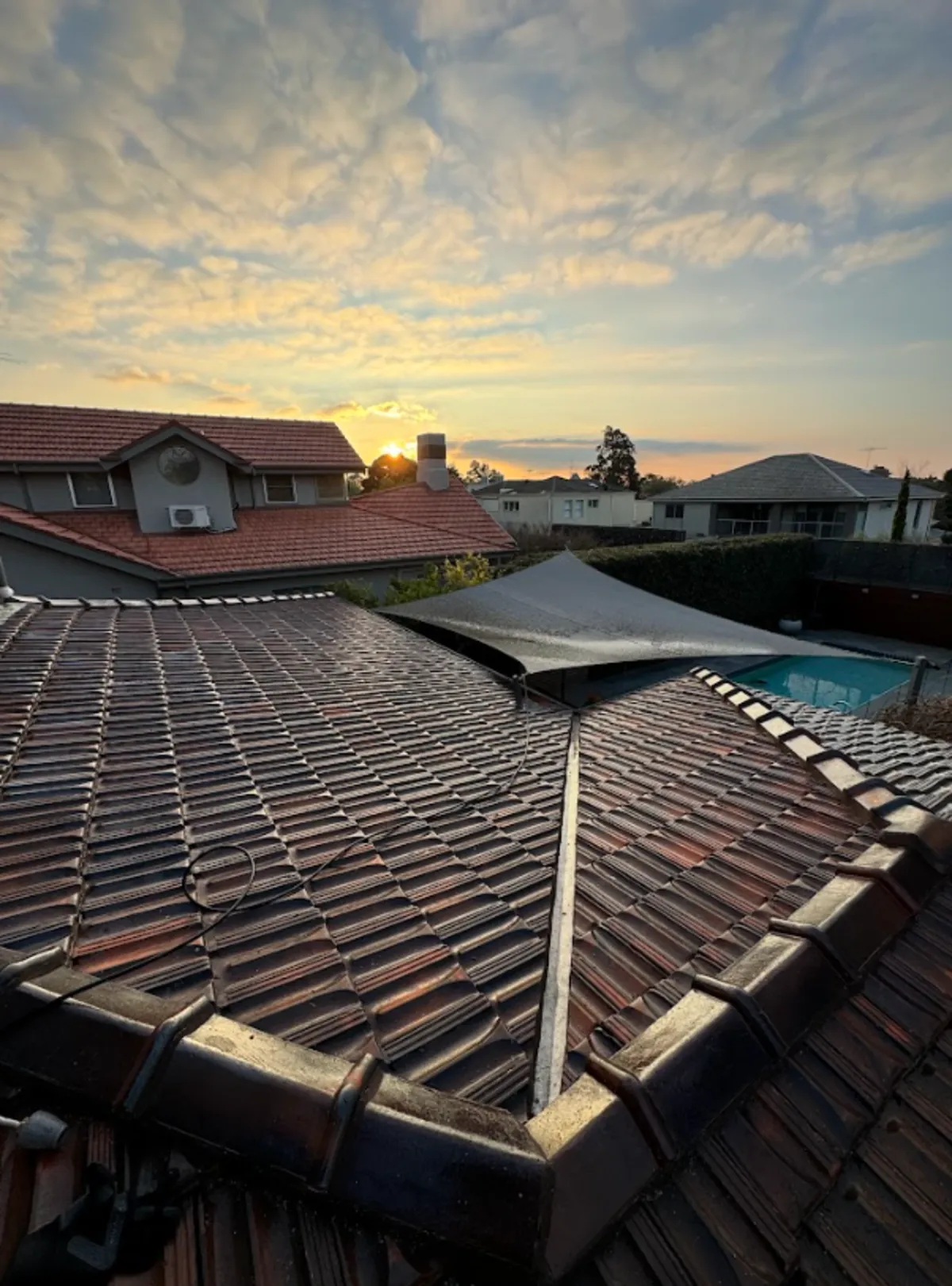
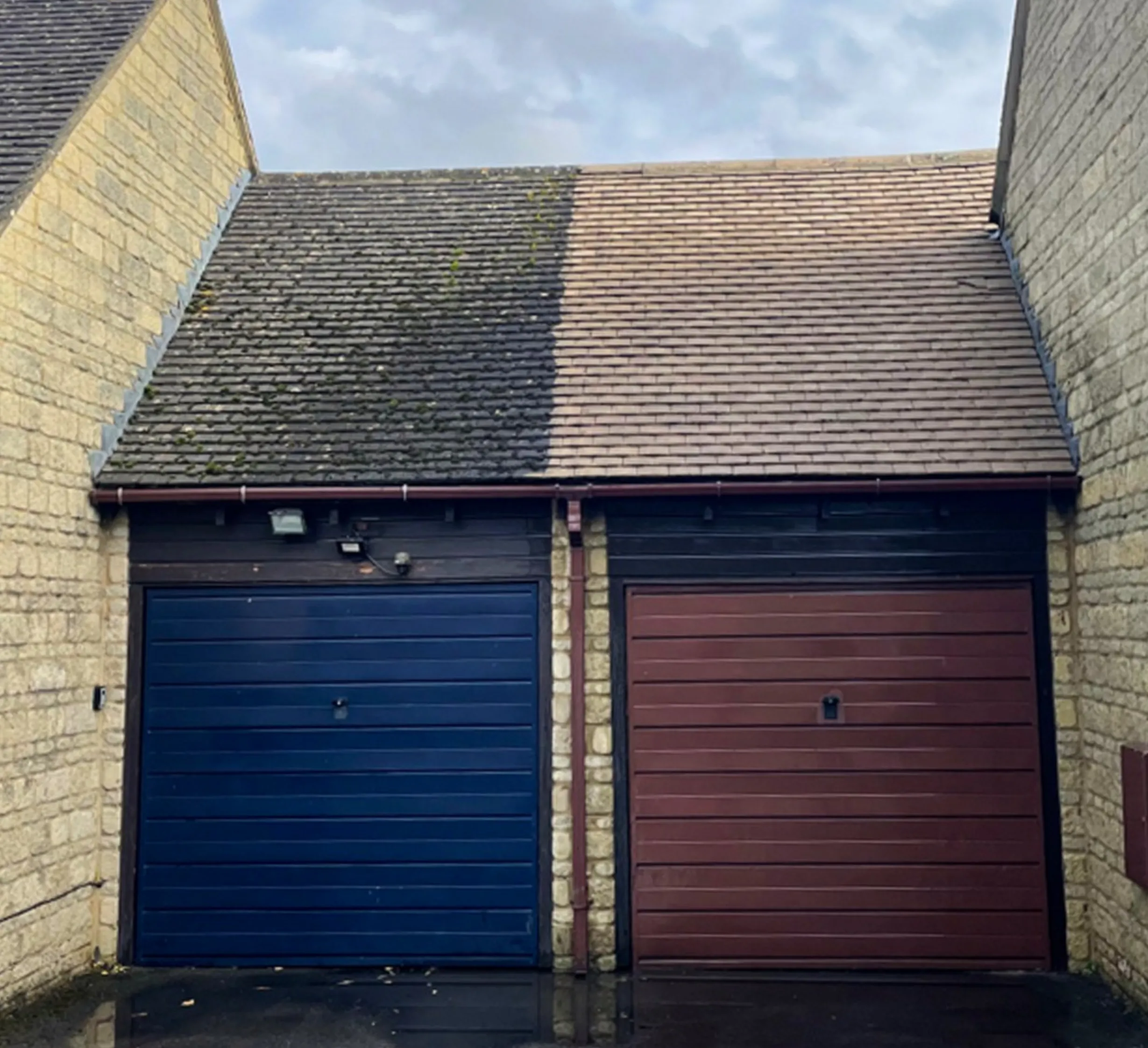
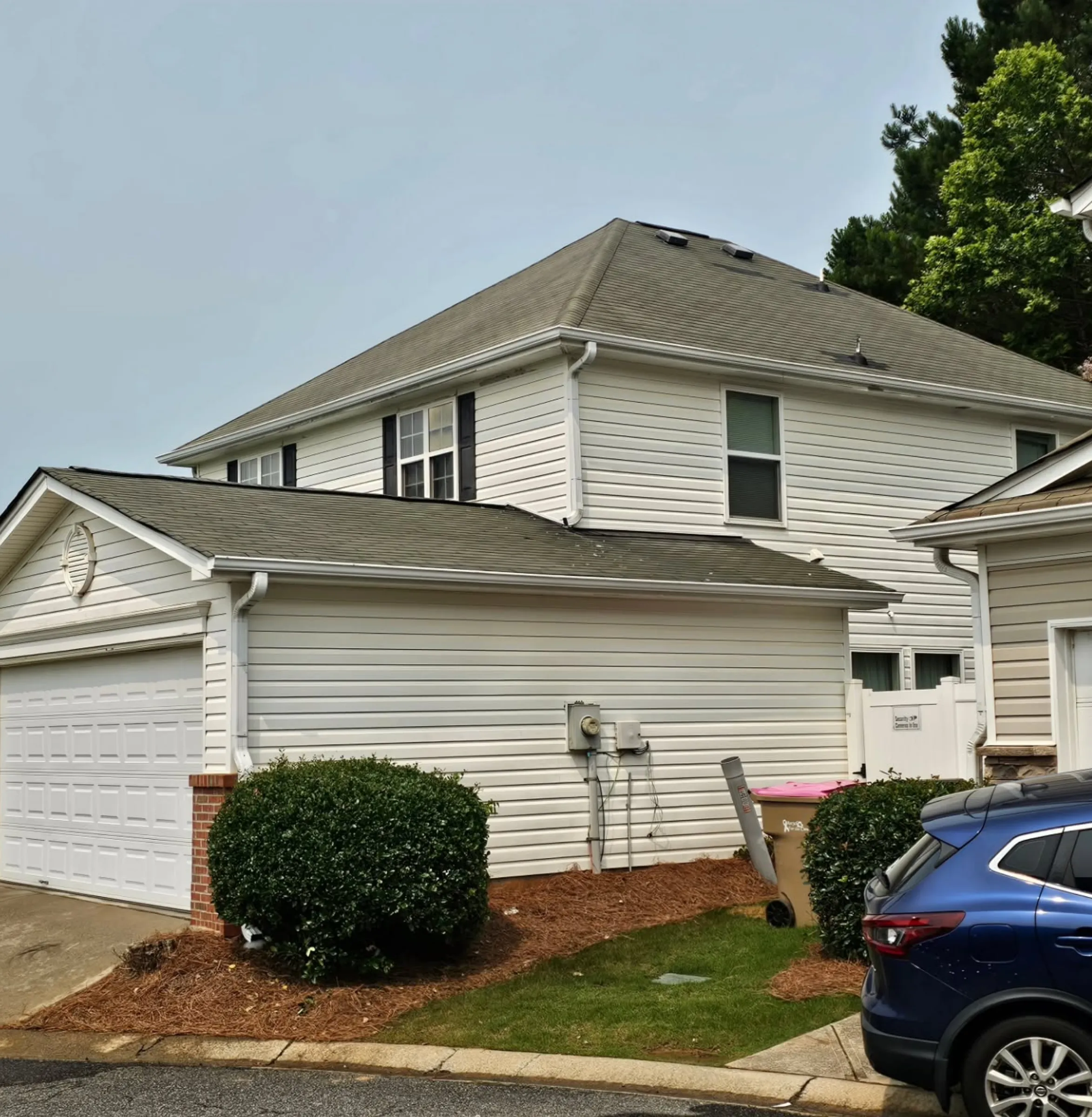
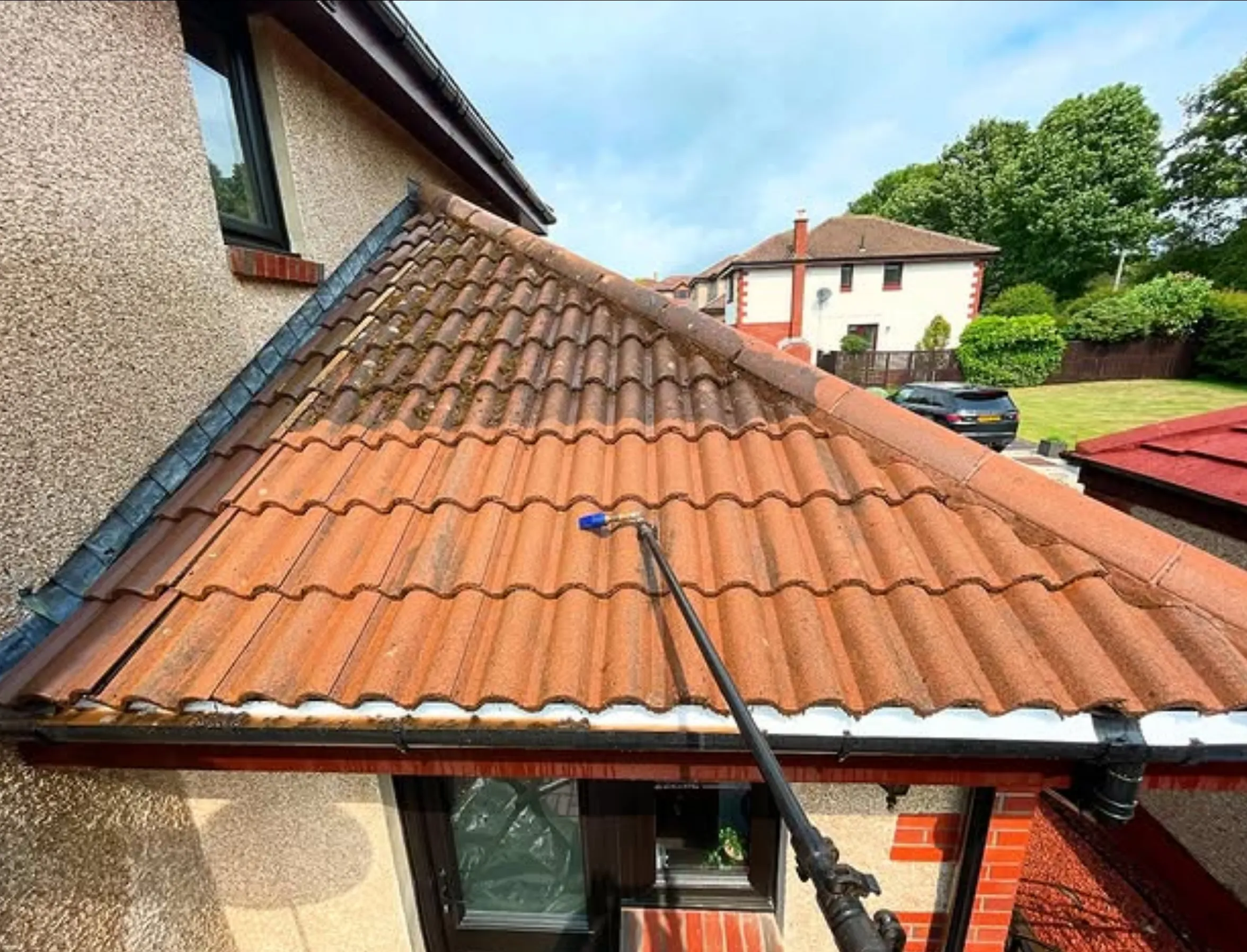
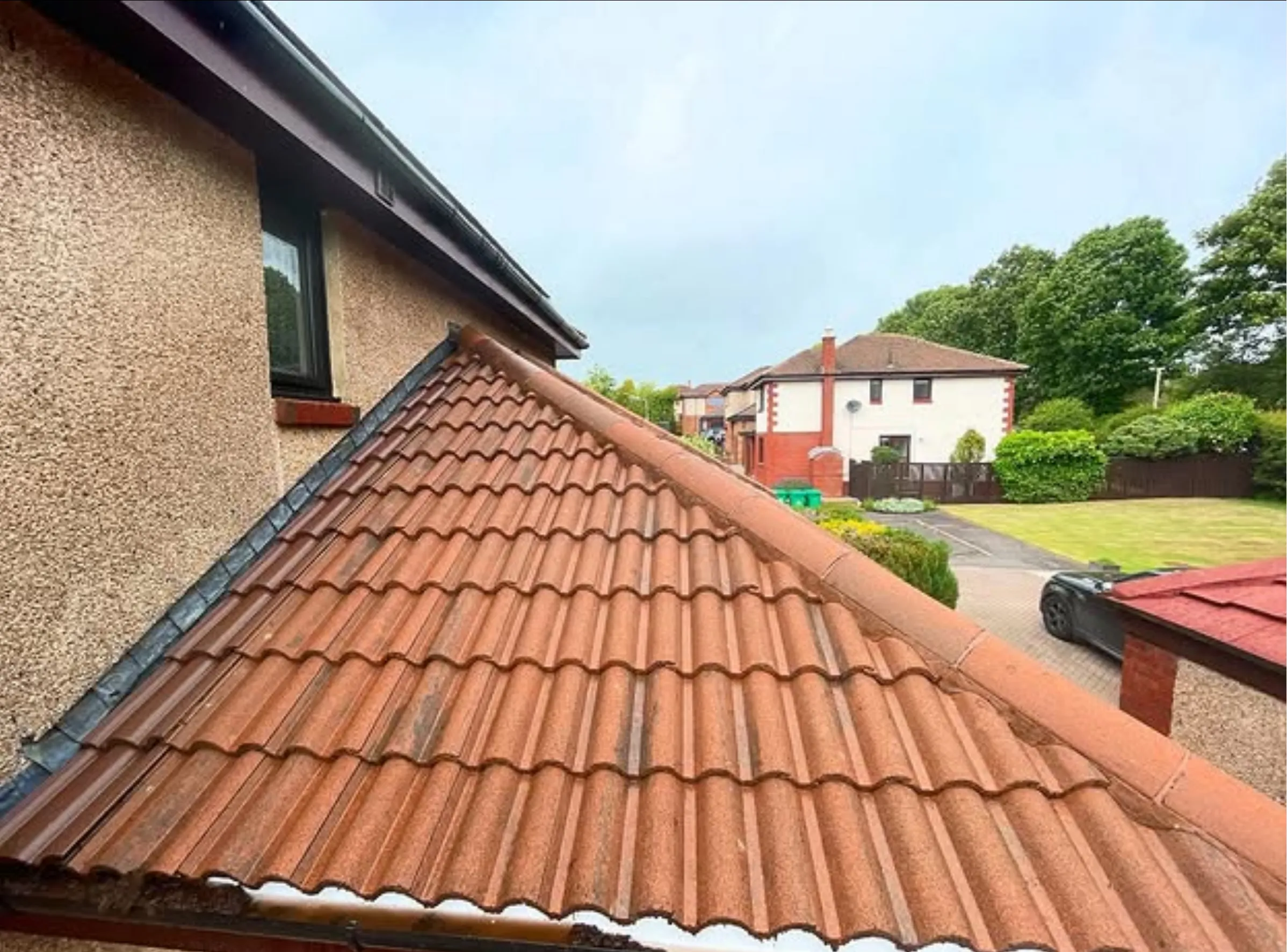
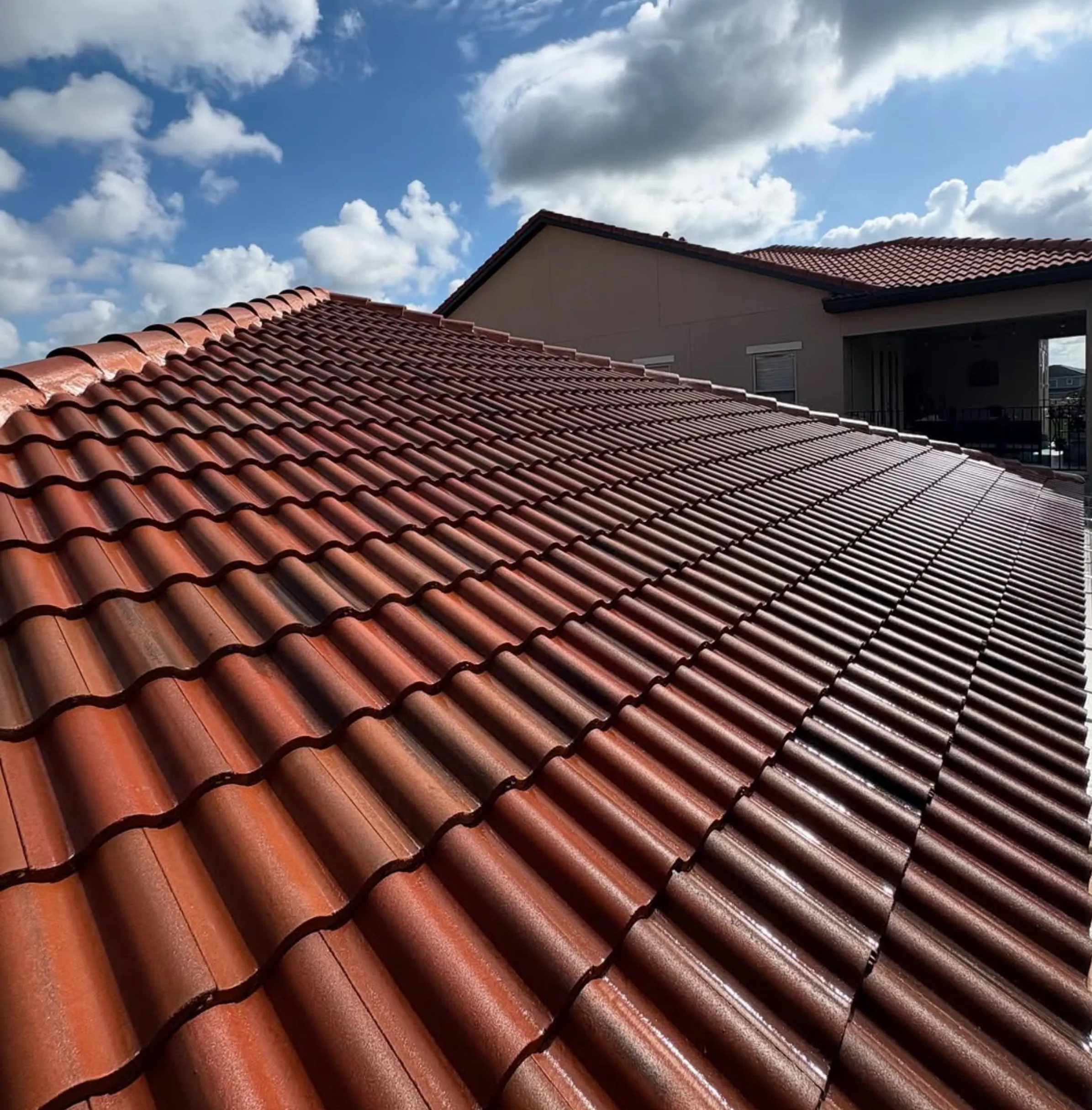
- Very nice and professional cleaning team. We order fully cleaning including gutter , townhouse exterior , all windows outside &inside.WaterCrew provides great service and affordable price .read moreread lessping lee10/11/2026Thankyou. Fantastic work, professional and very happy with how clean our windows and surrounds were.read moreread lessStephanie Johnston10/02/2026Excellent & professional in all ways.read moreread lessWendy Haines9/24/2026
- Eren did a sensational job & his communication was fantastic - would definitely use again & recommend 👍read moreread lessTony Murdoch8/26/2026Eren was professional, efficient and completed the roof cleaning to a very high standard. The service was prompt, the workmanship was excellent, and the overall result was fantastic. Highly recommend Eren for anyone looking for reliable and quality roof cleaning services.read moreread lessJanan8/24/2026Excellent. Efficient, thorough, and swift!read moreread lessLu Lu7/15/2026
- Very happy with the service. They were clean, professional and left everything tidyPlus the job was done beautifullyMany thanks!read moreread lessAdelle7/04/2026Highly recommend Eren and his WaterCrew. Have used for gutter cleaning and will in future use for terracotta roof tile cleaning & window cleaning. They do a very thorough and professional job at competitive rates. Also, they are polite, friendly and well spoken.read moreread less
 Alan Thomas6/30/2026Very professional job done in BrightonVery thorough and was on time !!!!read moreread lessRENATO CENEDESE6/12/2026


What Is Roof Cleaning?
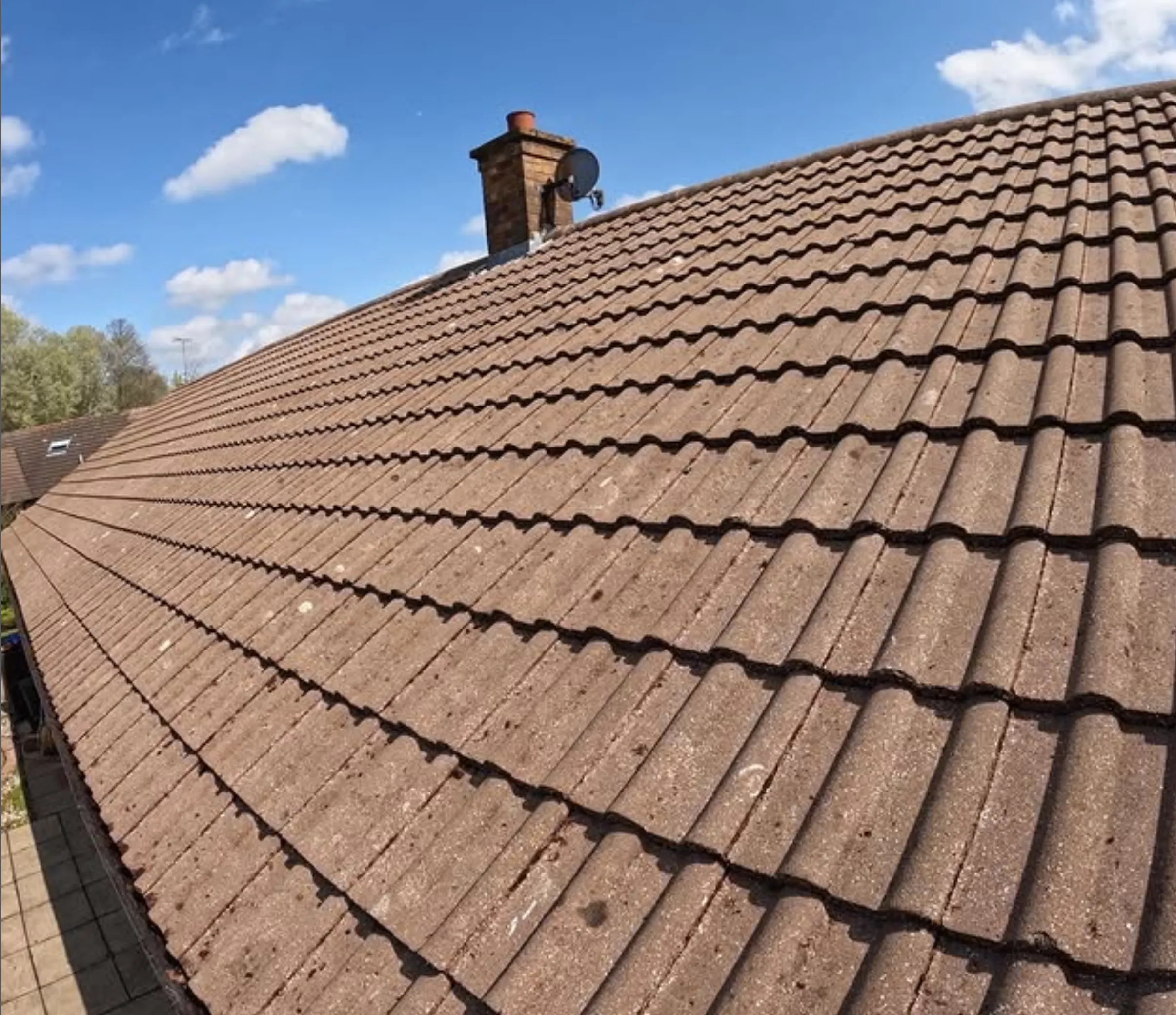
Professional roof cleaning removes surface contamination from roof tiles, metal roofs and other suitable roofing systems. Common targets include moss, lichen, algae, airborne mould, leaf residue and algae stains.
Roofing materials respond differently to water pressure, cleaning solutions and physical agitation. Concrete tiles, terracotta tiles and coated metal roofs should not automatically receive identical treatment.
Why Cleaning Matters
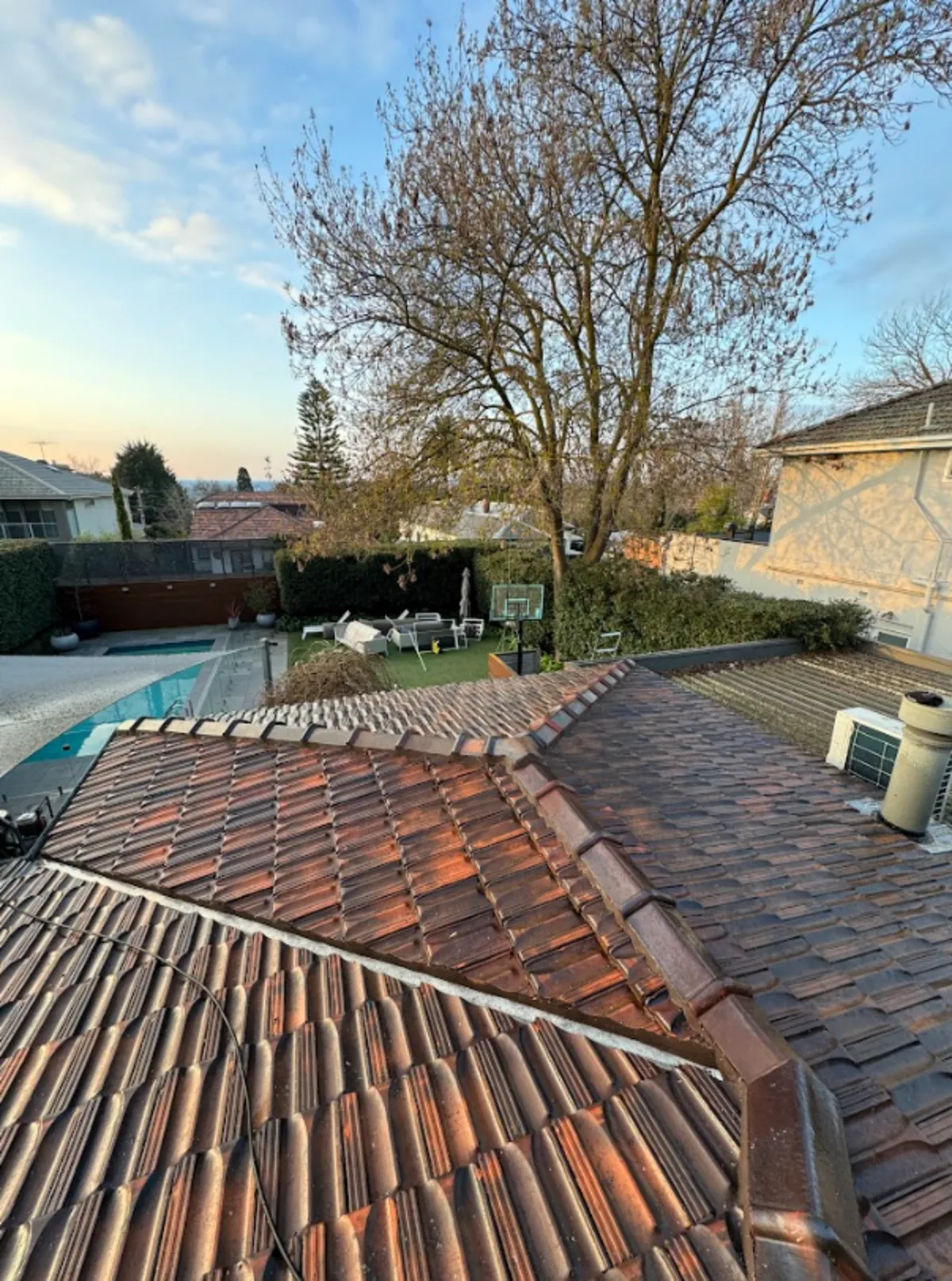
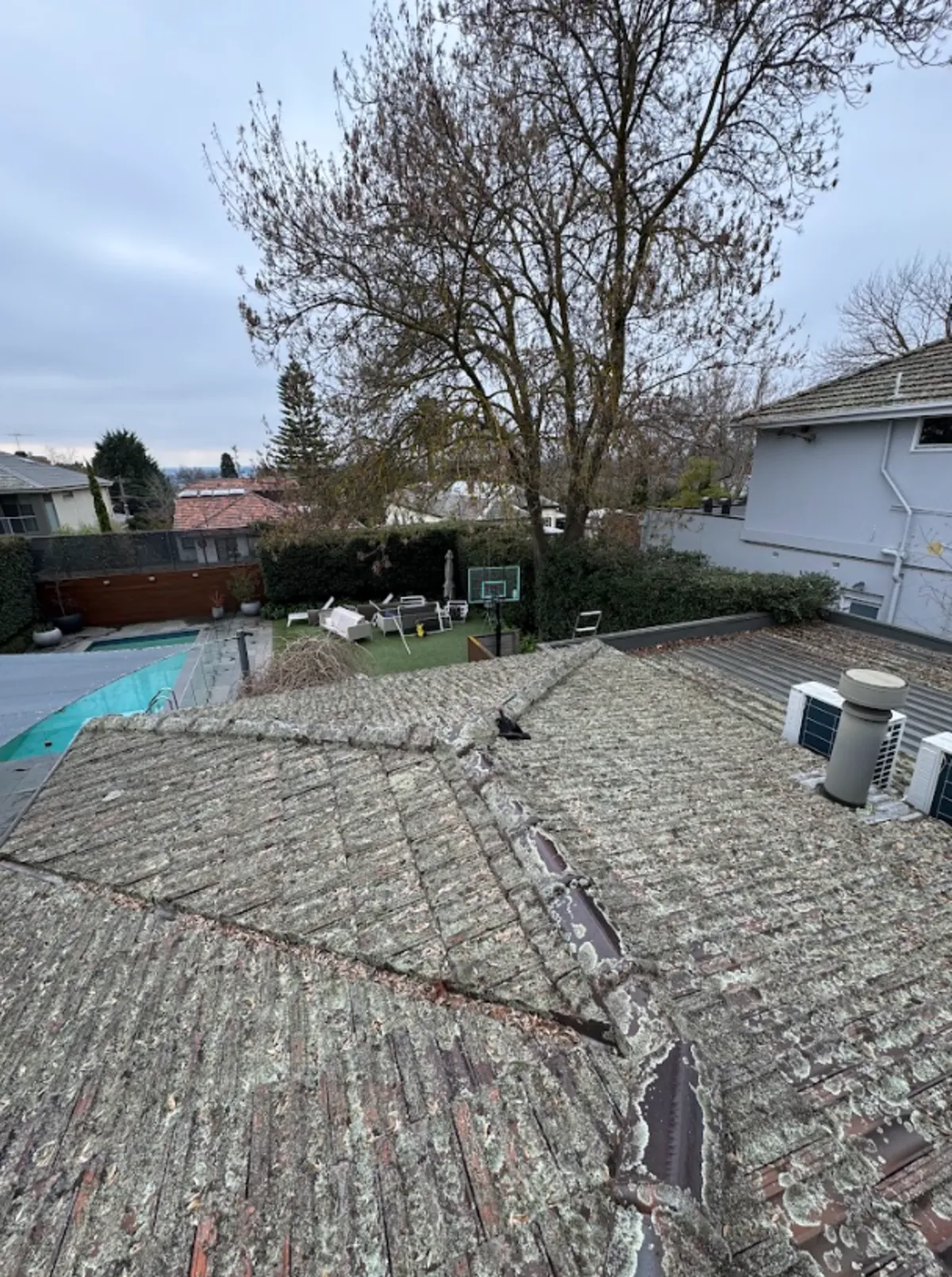
Moss and other organic growth can retain moisture and collect debris. Heavier growth may also interfere with normal water movement around tiles, valleys and gutters.
Removing contamination makes the underlying surface easier to assess, bringing cracked tiles, deteriorated coatings, damaged mortar joints or corrosion into clearer view. A clean roof is not necessarily a sound roof: cleaning does not fix roof leaks or make defective roofing watertight.
Signs Your Roof Needs Cleaning
A roof is worth assessing when you notice:
- Moss across or between roof tiles;
- Firmly attached lichen;
- Black streaks, algae stains or widespread discolouration;
- Accumulated leaves and organic debris;
- Heavier growth on shaded sections;
- Contamination affecting valleys or drainage paths.
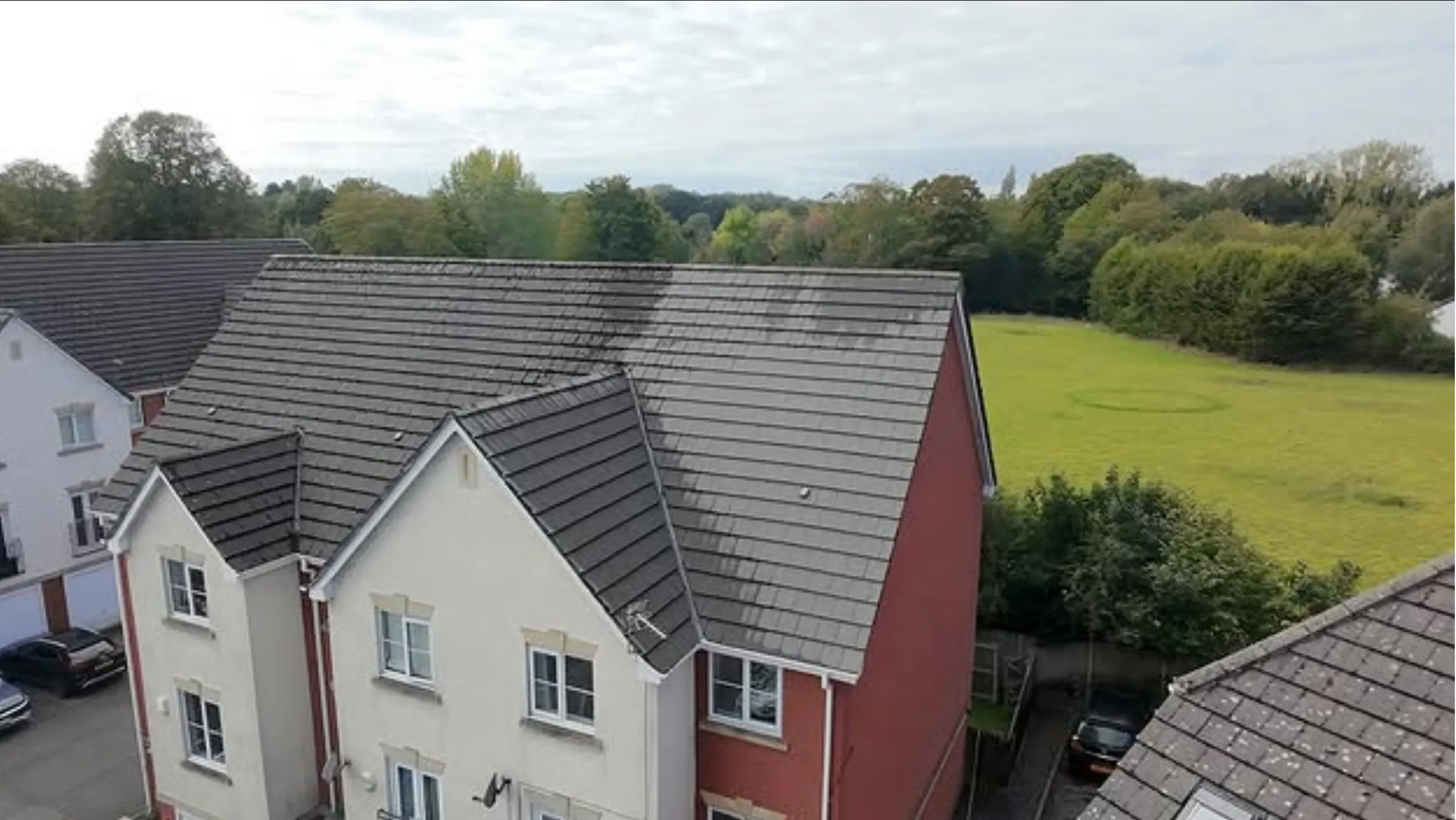
Staining patterns can provide useful clues. Shaded, slow-drying sections may develop organic growth while sunnier areas remain relatively clean. Exposed properties can accumulate airborne dirt, while coastal conditions may contribute to salt buildup. These signs point to a need for assessment, not necessarily roof failure.
Best Cleaning Methods
The cleaning method should match the contamination, roofing material and surface condition. We use the assessment to choose the least aggressive method capable of doing the job.
| Method | Best suited to | Main consideration |
|---|---|---|
| Soft wash roof cleaning | Moss, algae, mould and biological staining | Low-pressure application limits unnecessary mechanical force |
| Controlled pressure cleaning | Sound surfaces with firmly attached dirt | Excessive pressure can damage vulnerable materials or coatings |
| Manual treatment + Bio-Shield application | Localised or persistent organic growth | Treatment must suit the roof and surrounding environment |
1. Low-Pressure Treatment
Soft wash roof cleaning uses low-pressure systems with an appropriate cleaning solution to target biological contamination. Rather than relying mainly on water force, the treatment acts on moss, algae and similar growth before removal or natural weathering.
This approach can suit surfaces where high-pressure blasting would apply unnecessary mechanical force. Any treatment must still be suitable for the roofing material, surrounding vegetation, and runoff requirements.
2. Cleaning Sound, Durable Surfaces
Stubborn contamination does not automatically justify pressure cleaning. Excessive pressure can disturb deteriorated coatings, damage vulnerable tiles or drive water where it should not enter.
Roof pressure cleaning may suit sound surfaces capable of tolerating it. Where tiles, coatings or other roof components are vulnerable, a gentler method or repairs before cleaning may be more appropriate.
3. Targeted Treatment for Organic Growth
Localised or firmly attached moss and lichen may respond better to targeted manual removal followed by an appropriate biological treatment. We may use a Bio-Shield application where it suits the roof condition and type of growth.
Post-clean treatment may help manage biological regrowth, but it cannot correct poor drainage or persistent moisture problems.
How Roof Material Changes the Approach
Concrete tiles: Older, weathered or coated tiles may require a gentler approach than sound surfaces.
Terracotta tiles: Ageing tiles can be vulnerable to breakage, so their condition and the proposed cleaning method should be assessed before work begins.
Coated metal roofs: The protective coating needs to be considered when choosing a cleaning method, with manufacturer instructions taking priority over a generic chemical mix. For example, Australian coated-steel manufacturer guidance for treating fungal growth specifies a 2% sodium hypochlorite solution with a 3–5 minute contact time, followed by thorough rinsing with fresh potable water. Higher concentrations or longer contact times may affect the coating’s long-term performance. These figures are manufacturer-specific and should not be applied automatically to other roofing materials.
Roofs with solar panels: Panel locations affect safe access and the risk of detergent overspray. Their placement needs to be considered when planning the roof-cleaning method.
Older or fragile roofing: Suspected asbestos-containing or otherwise fragile roofing requires specialist consideration rather than routine pressure cleaning.
Cleaning Frequency & Location-Based Guide
There is no fixed roof-cleaning interval suitable for every Melbourne property. Roof material, shade, trees, exposure and the rate at which contamination returns are better indicators.
For tiled roofs, professional inspection provides a separate maintenance benchmark without becoming a cleaning schedule. Australian roof-tile manufacturer guidance recommends having a qualified roofing professional inspect or work on the roof, ideally every five years, to help identify maintenance issues. That does not mean every tiled roof requires cleaning every five years; the need for cleaning should still be based on contamination and roof condition.
Tree-covered and shaded roofs may stay damp longer and collect more debris, while coastal exposure can contribute to salt buildup on exterior surfaces. Even sheltered and naturally rain-washed sections of the same roof can accumulate contamination at different rates.
Manufacturer guidance for coated steel further illustrates why exposure matters. Roof surfaces naturally washed by rain generally do not require routine fresh-water washing, while sheltered unwashed areas may require washing with fresh potable water at least every six months. That interval increases to every three months in coastal areas affected by marine salt spray or in locations with high levels of airborne dust, dirt or industrial fallout. These are manufacturer-specific maintenance guidelines for coated-steel surfaces, not a universal roof-cleaning schedule.
What Happens During a Roof Clean?
Professional cleaning begins with an assessment. We consider:
- Roofing material and visible condition;
- Type and extent of contamination;
- Roof pitch, edges, skylights, solar panels and access hazards;
- Nearby surfaces, gardens, gutters and drainage;
- The least aggressive method capable of doing the job.
Cracked tiles, flashing deterioration or suspected roof leaks may need assessment by an appropriately qualified roofing professional before cleaning proceeds.
DIY Cleaning vs Professional Work
DIY roof cleaning carries two distinct risks: roof damage and falls. Water, moss and cleaning treatments can make roof surfaces particularly slippery, while unsuitable pressure can damage roofing or direct water into vulnerable areas.
Professional cleaning also allows the method and access strategy to be selected for the specific roof instead of assuming stronger pressure will produce a better result. Our professionals are fully insured.
Products, Runoff and Environmental Care
Product selection, concentration, water use, application and wastewater control all matter during roof cleaning. Treatment needs to suit both the contamination and roofing material rather than relying on a generic chemical mix.
Runoff deserves the same consideration. Cleaning solution and contaminated wash water should be managed with surrounding gardens, gutters, drains and exterior surfaces in mind.
Roof Cleaning Cost
Roof size, material, pitch, number of storeys, access, contamination, solar panels, cleaning method and required safety controls can all affect the cost of roof cleaning.
An accessible roof with light contamination is a different job from a steep multi-level roof with extensive moss. We provide quotes based on the actual cleaning requirements rather than estimating cost from roof area alone.
Clients We Work With
We clean roofs on residential homes and suitable commercial and strata properties across Melbourne. Multi-unit buildings and commercial sites can involve different access, safety and site-management requirements from residential work.
Removing visible dirt, staining and organic growth can also improve the property’s exterior appearance and street appeal.
Safety Cleaning
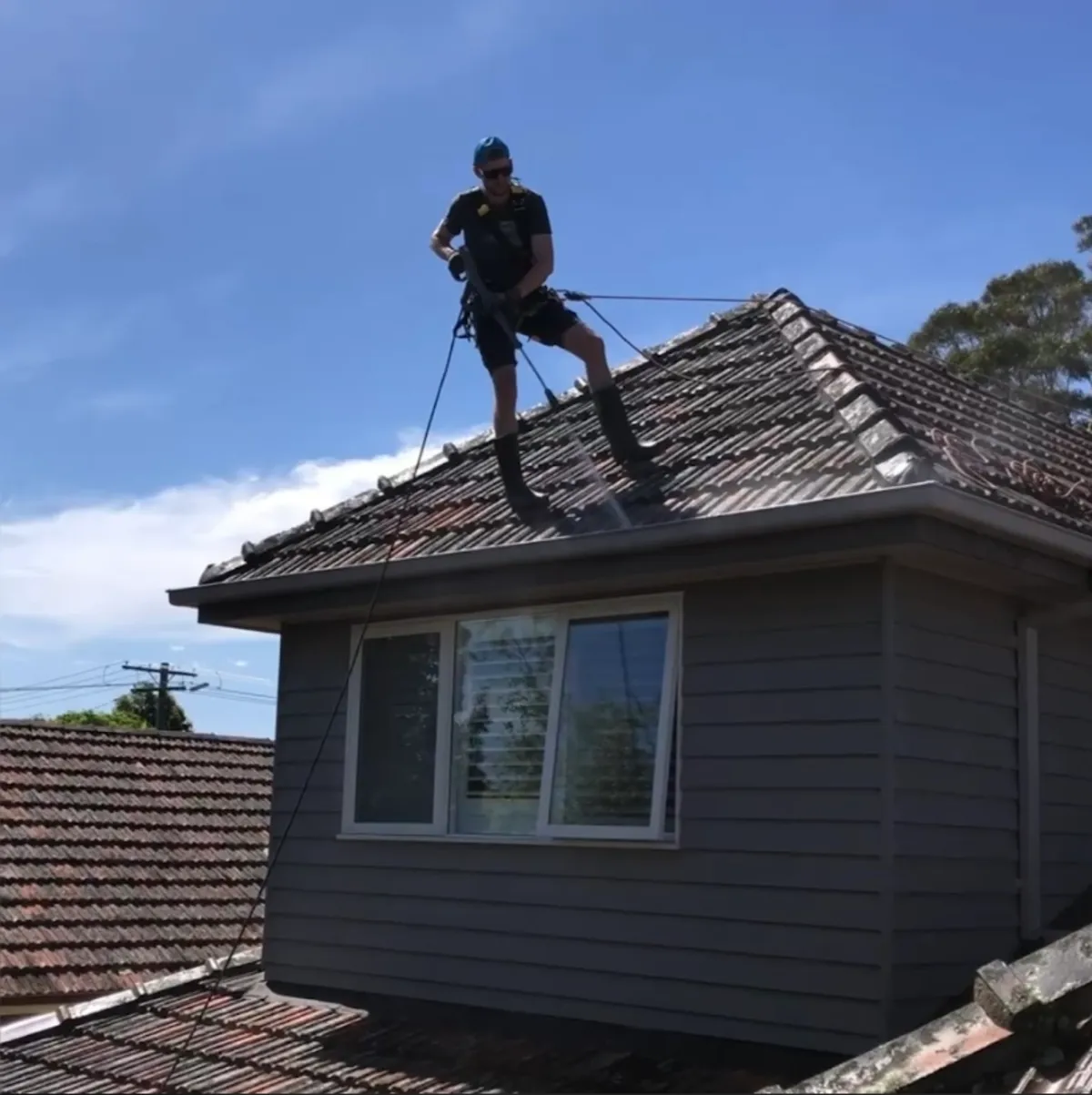
Working at height, combined with water and slippery surfaces, makes safety central to roof cleaning. Before work begins, edges, skylights, roof penetrations, fragile materials, roof condition and safe access all need consideration.
Roof pitch can change the access method altogether. WorkSafe Victoria guidance states that where a roof slope exceeds 35°, the roof is considered an inappropriate surface to stand on, even with guardrailing or a catch platform. On steep roofs, the access and fall-control strategy therefore needs to change rather than treating the pitch as simply another cleaning difficulty.
Appropriate access and fall controls depend on the roof and the work being undertaken. If the proposed approach does not allow safe access or cleaning, the work method needs to change rather than forcing the job to fit a preferred cleaning technique.
Tips to Keep Your Roof Cleaner for Longer
Keep gutters and drainage paths clear, monitor shaded sections for returning organic growth and prevent leaf litter from accumulating on the roof. Heavy tree cover can contribute both shade and debris.
Unusually rapid regrowth or persistent damp areas deserve investigation rather than repeated treatment of the symptom. Roof cleaning is preventative maintenance, not a substitute for repairs.
For a roof cleaning quote in Melbourne, contact Window Cleaning Melbourne Crew with details of the property, roof type, contamination and access so we can assess the appropriate cleaning approach.

Your satisfaction is our top priority. We tailor our services to meet your specific needs

We are committed to environmental responsibility. Our cleaning products are eco-friendly.

Pricing
We offer competitive pricing without compromising on the quality of our services.

Expertise
As a locally owned and operated company, we understand the unique needs of our community.
FAQ
Can pressure cleaning damage roof tiles?
Yes. Unsuitable pressure can damage vulnerable roof tiles, coatings or deteriorated surfaces, so the roof’s condition should determine whether controlled pressure cleaning or a lower-pressure method is appropriate.
Is soft-wash roof cleaning better than pressure washing?
Soft washing often suits organic growth or surfaces that should not receive aggressive pressure, but neither method is universally better. Roof material, condition and contamination determine the choice.
Can you clean a roof that already leaks?
Cleaning is not a repair for roof leaks. Cracked tiles, flashing deterioration or other suspected defects may need assessment by an appropriately qualified roofing professional before cleaning.
How often should a Melbourne roof be cleaned?
There is no universal interval. Shade, trees, moisture, roof material, coastal exposure and the rate at which contamination returns are better indicators than a fixed schedule. Manufacturer maintenance intervals for particular materials or sheltered areas should not be treated as universal roof-cleaning frequencies.
Can you clean a roof with solar panels installed on it?
Yes, a roof with solar panels can still be cleaned, but the panels affect access and the cleaning approach. Their location, electrical components and the risk of detergent overspray need to be considered, while the panels themselves should only be cleaned using methods appropriate to their requirements.
SEO Title: Roof Cleaning Melbourne
Meta Description: Professional roof cleaning in Melbourne for moss, lichen, algae and stains. Soft washing and pressure cleaning for tile and metal roofs.