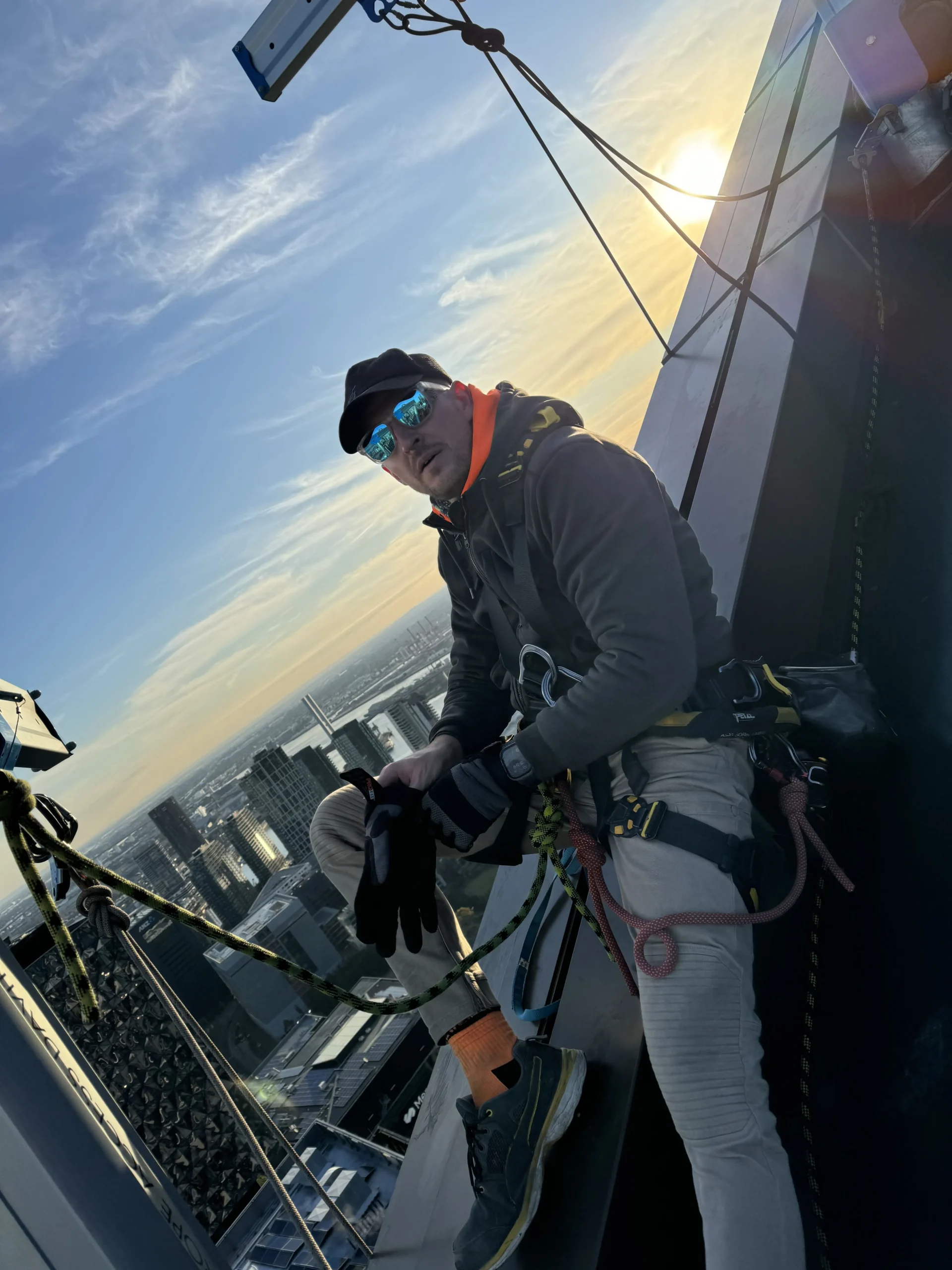
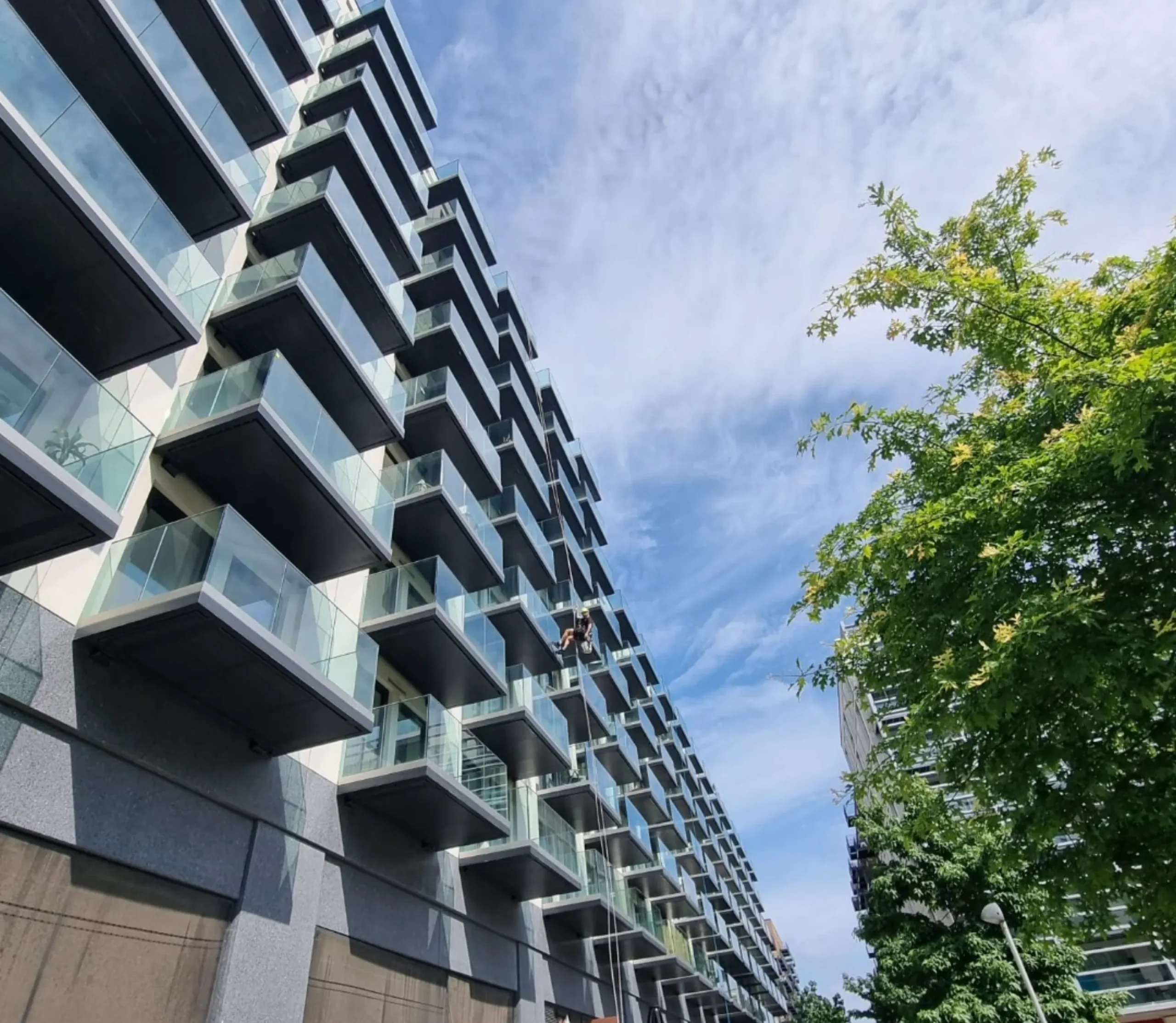
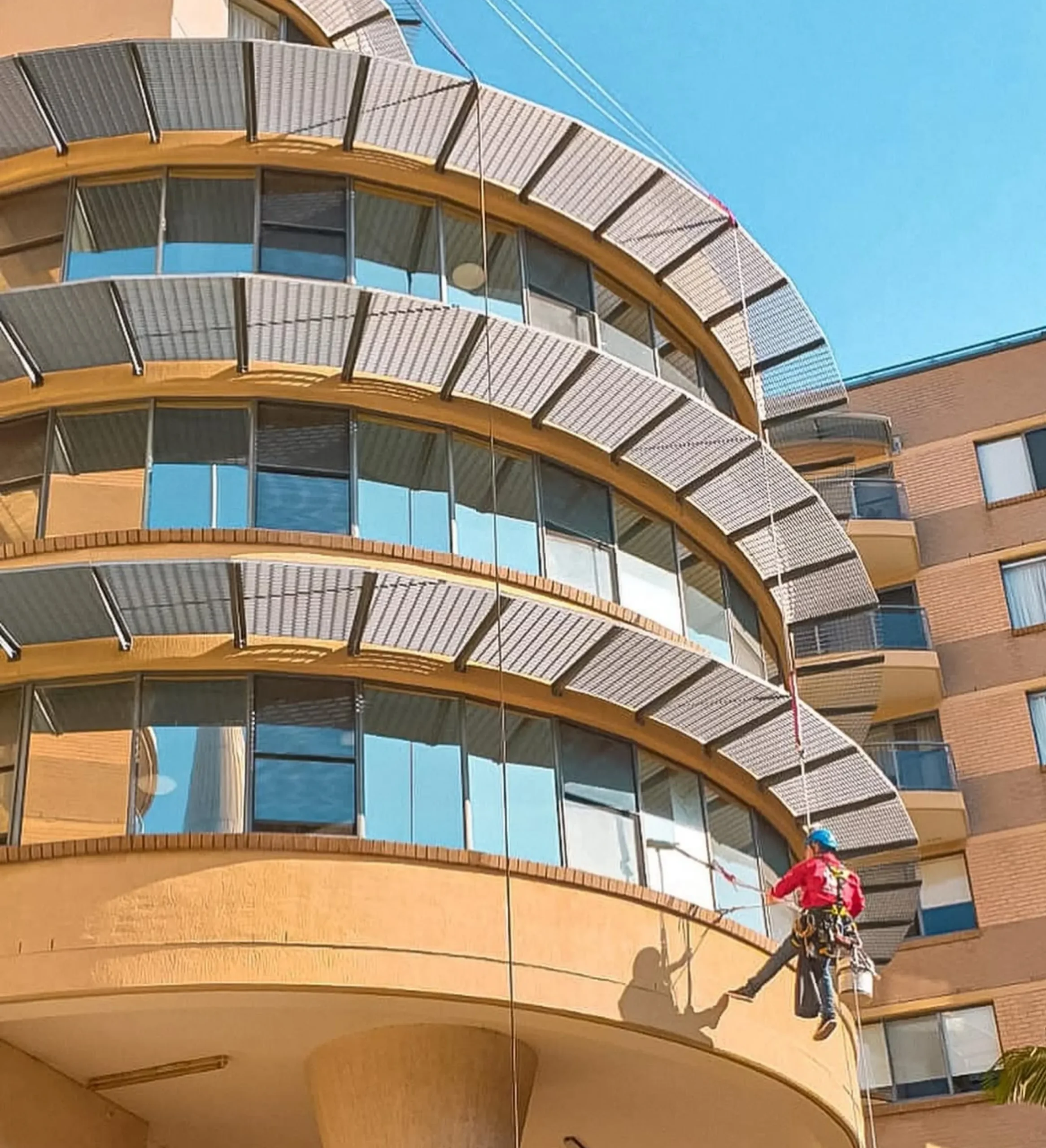
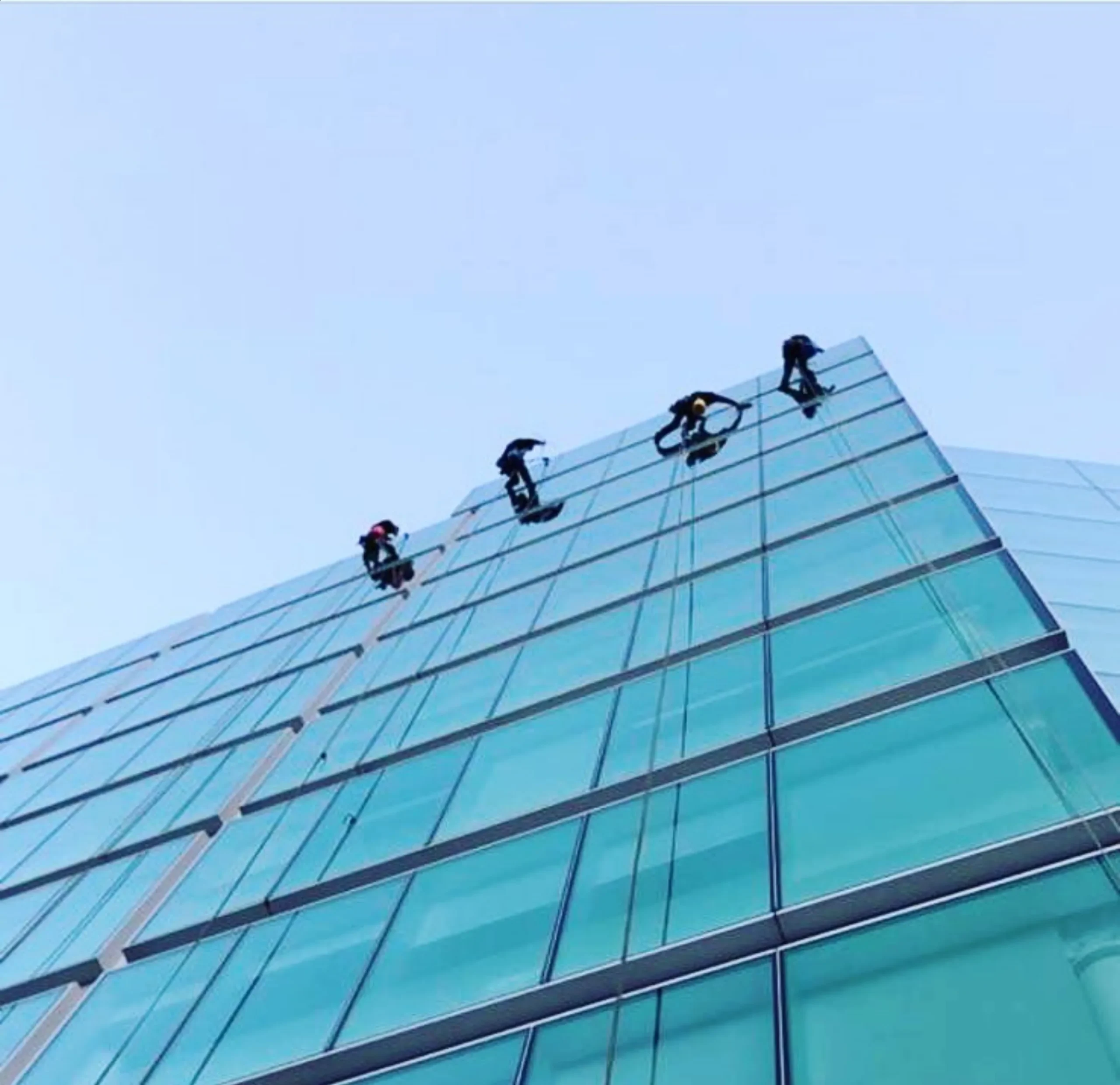
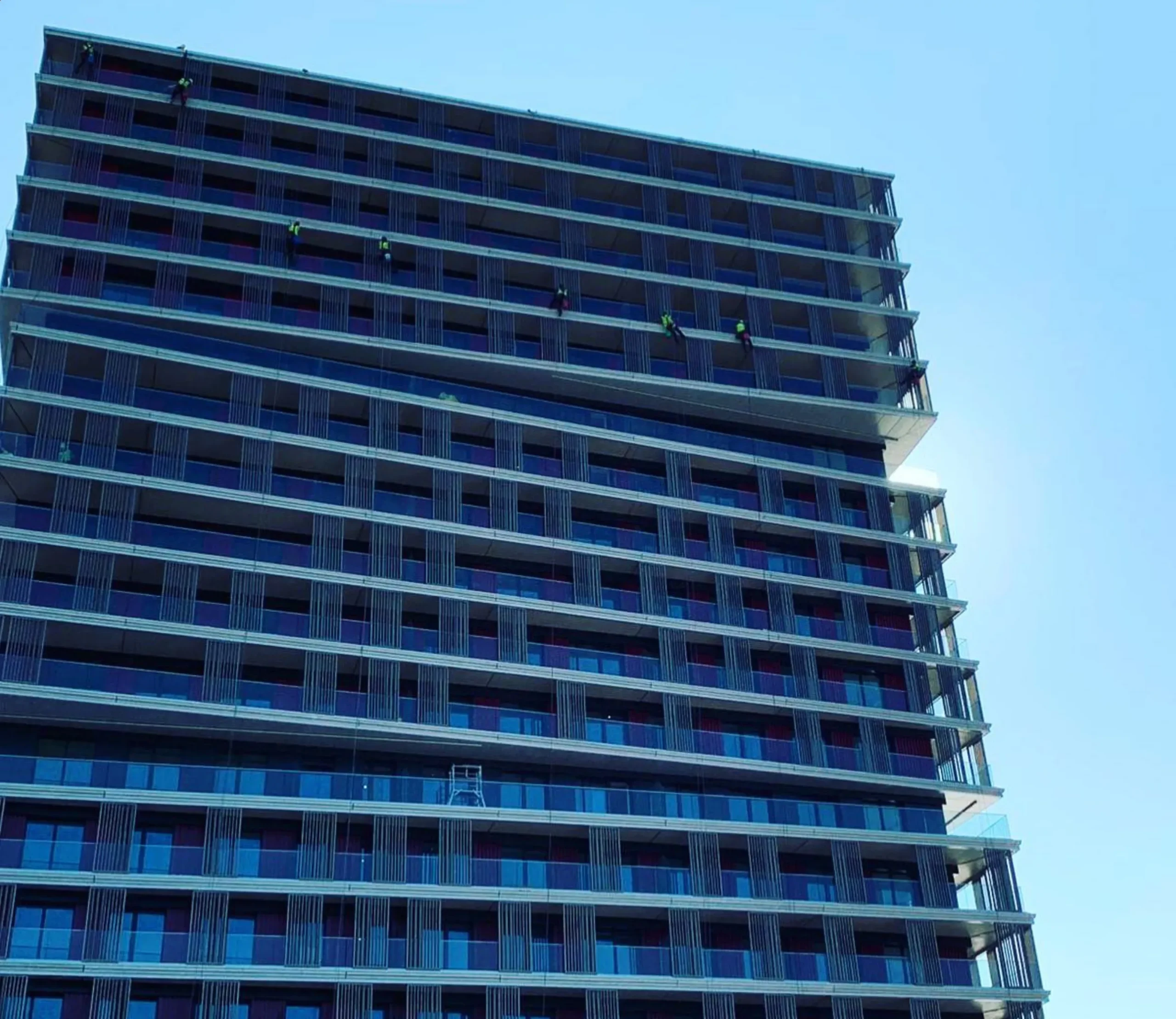
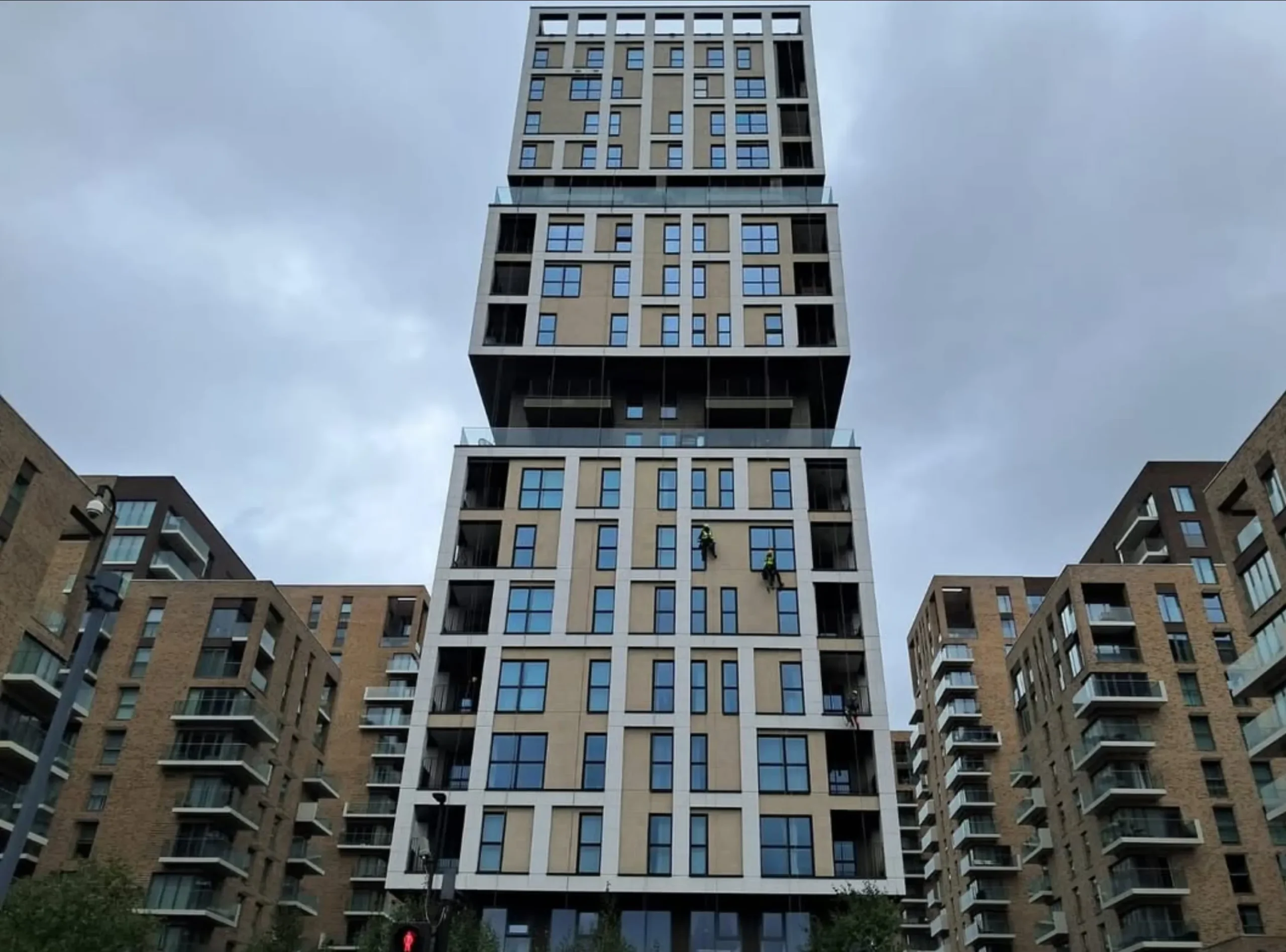
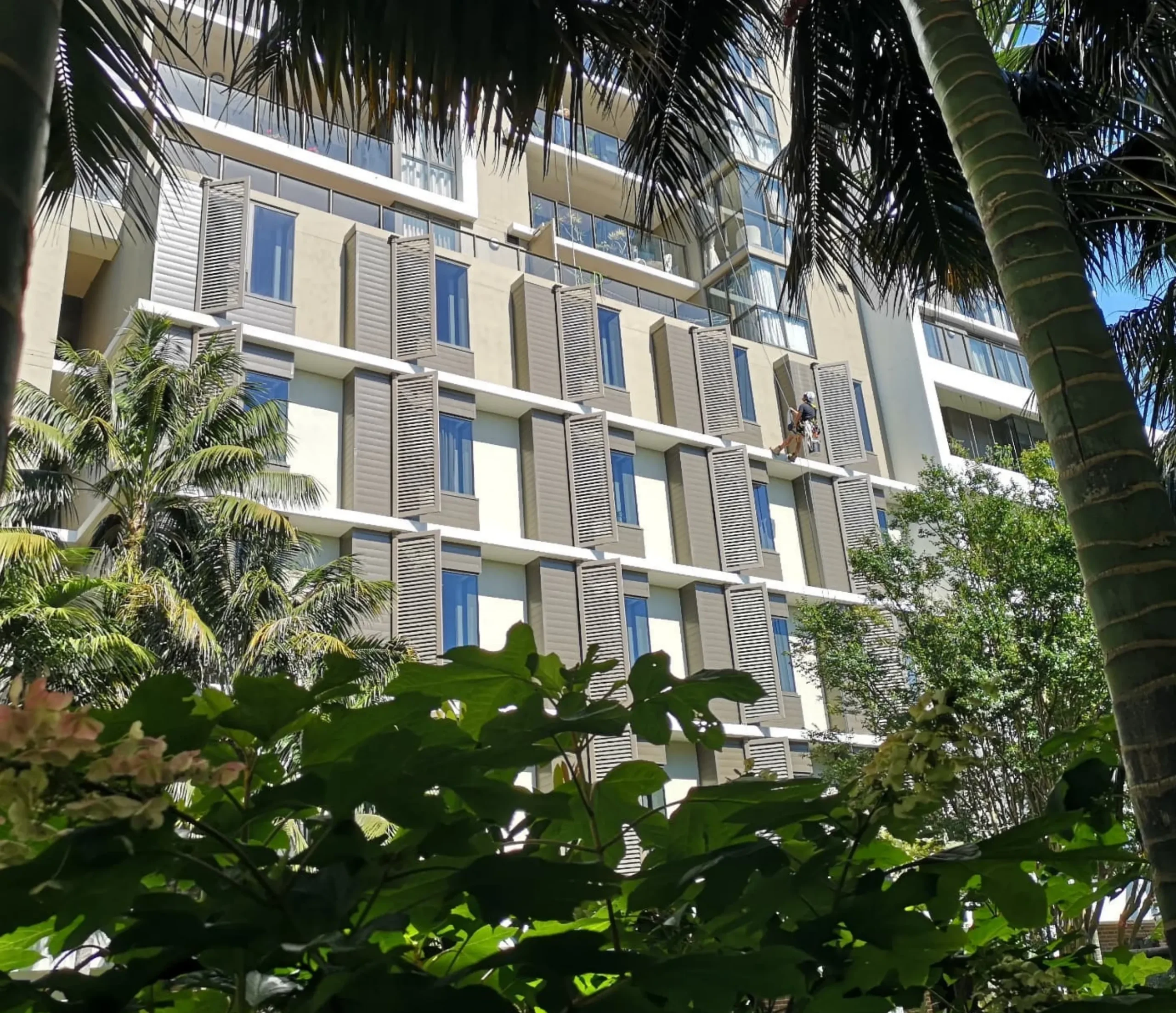
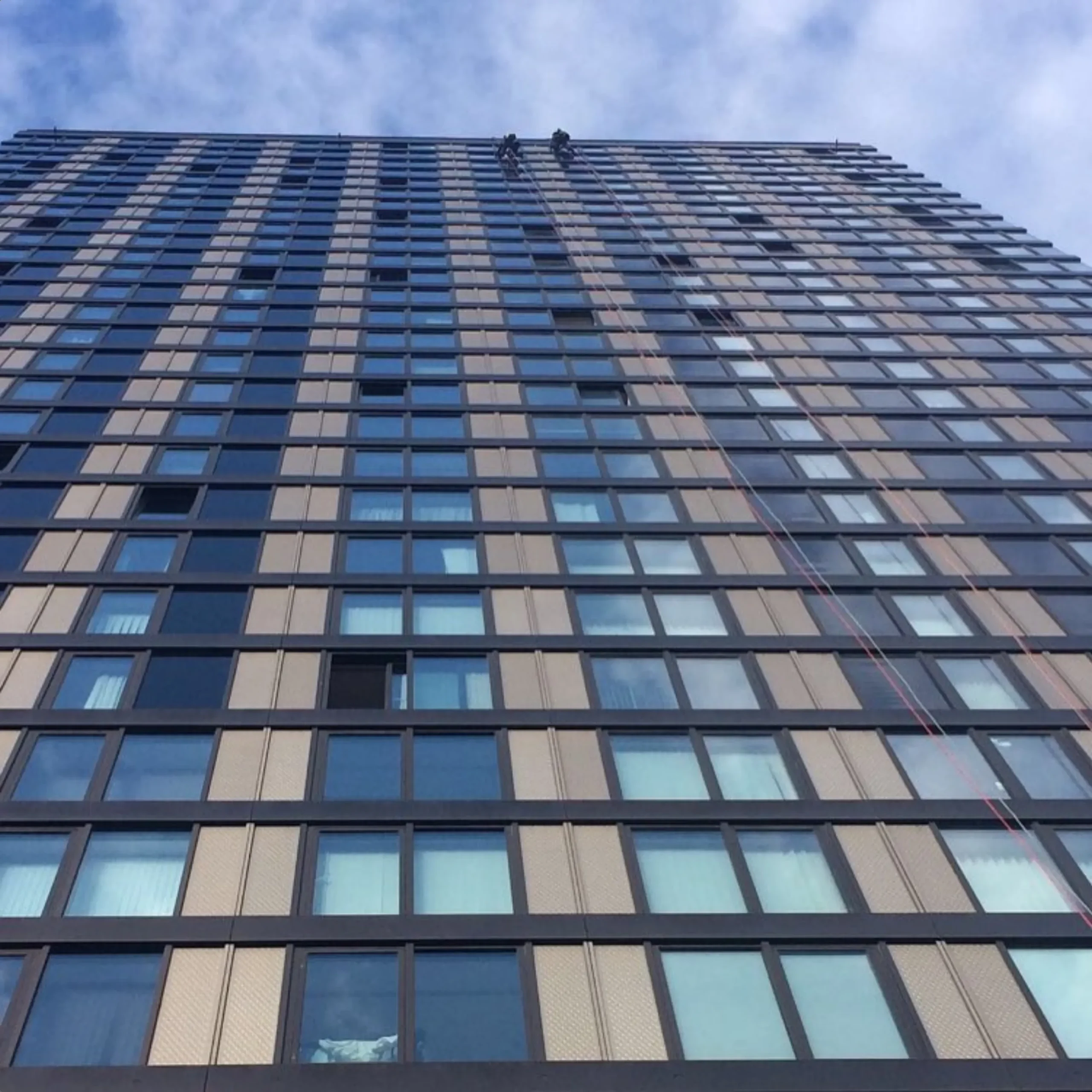
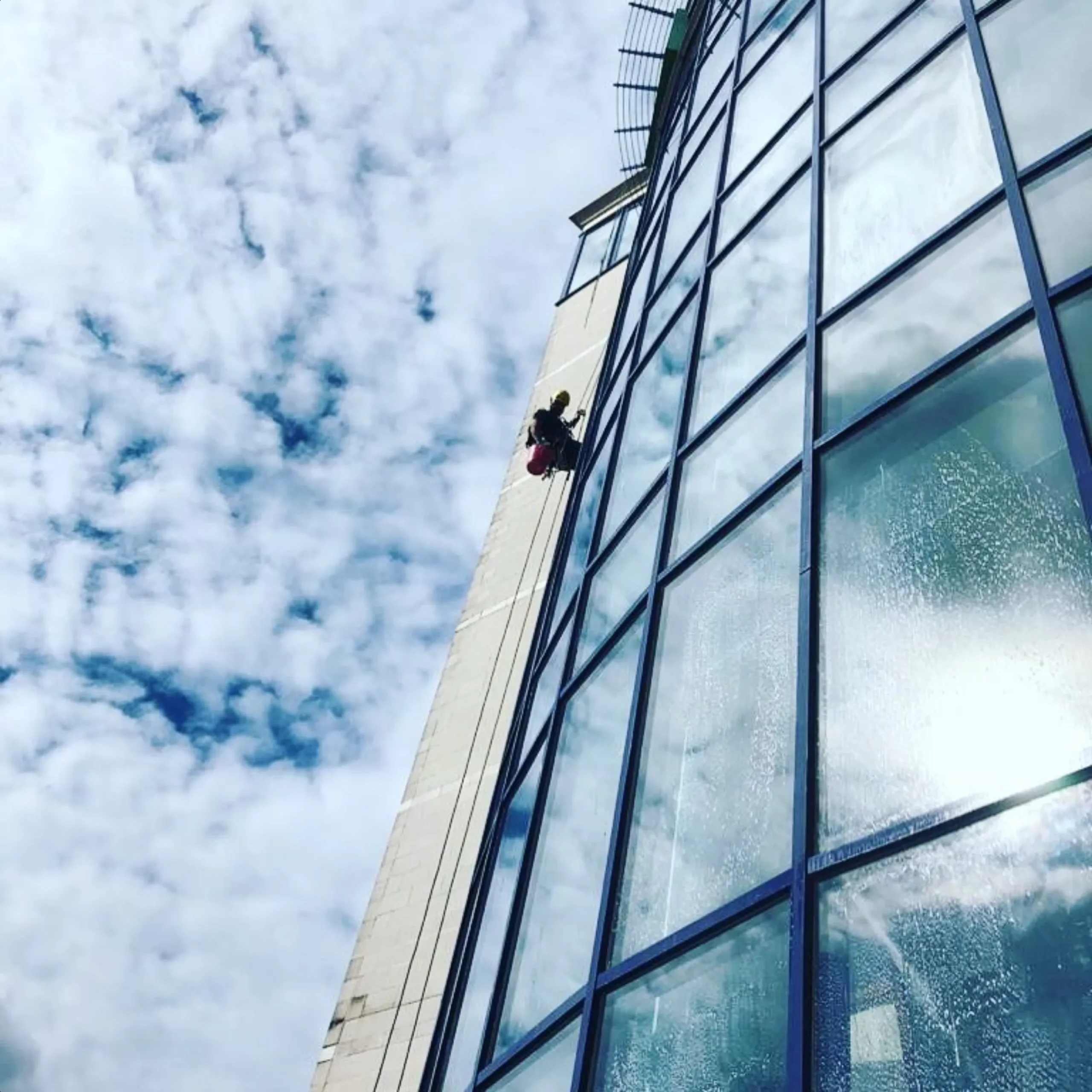
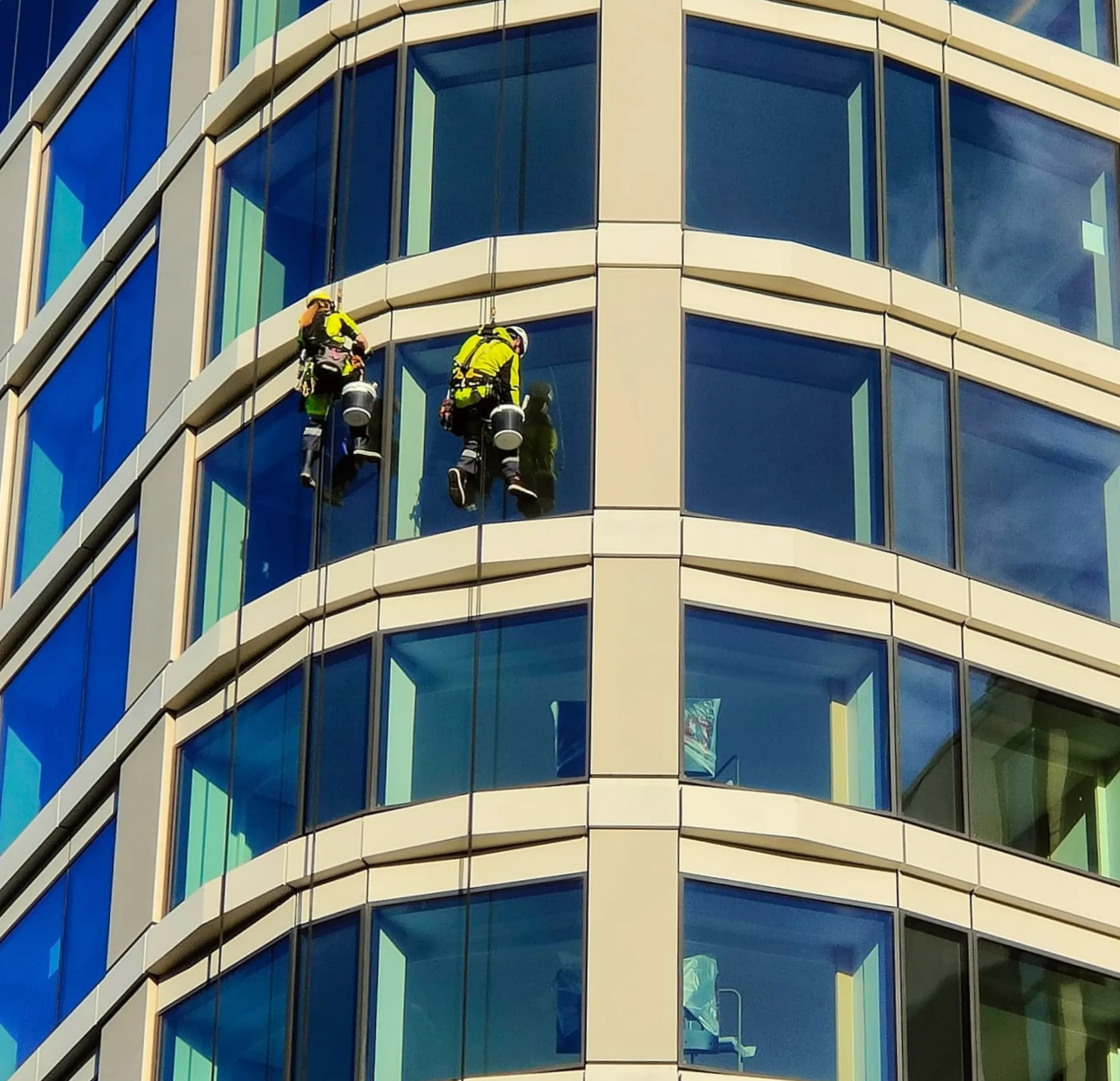
Abseil window cleaning provides building owners, strata managers, and facility managers with a practical way to clean exterior glass that cannot be safely or efficiently reached from the ground. At Window Cleaning Melbourne Crew, we may use rope access for high-rise windows and difficult façades where building design, height or surrounding space makes conventional access unsuitable.
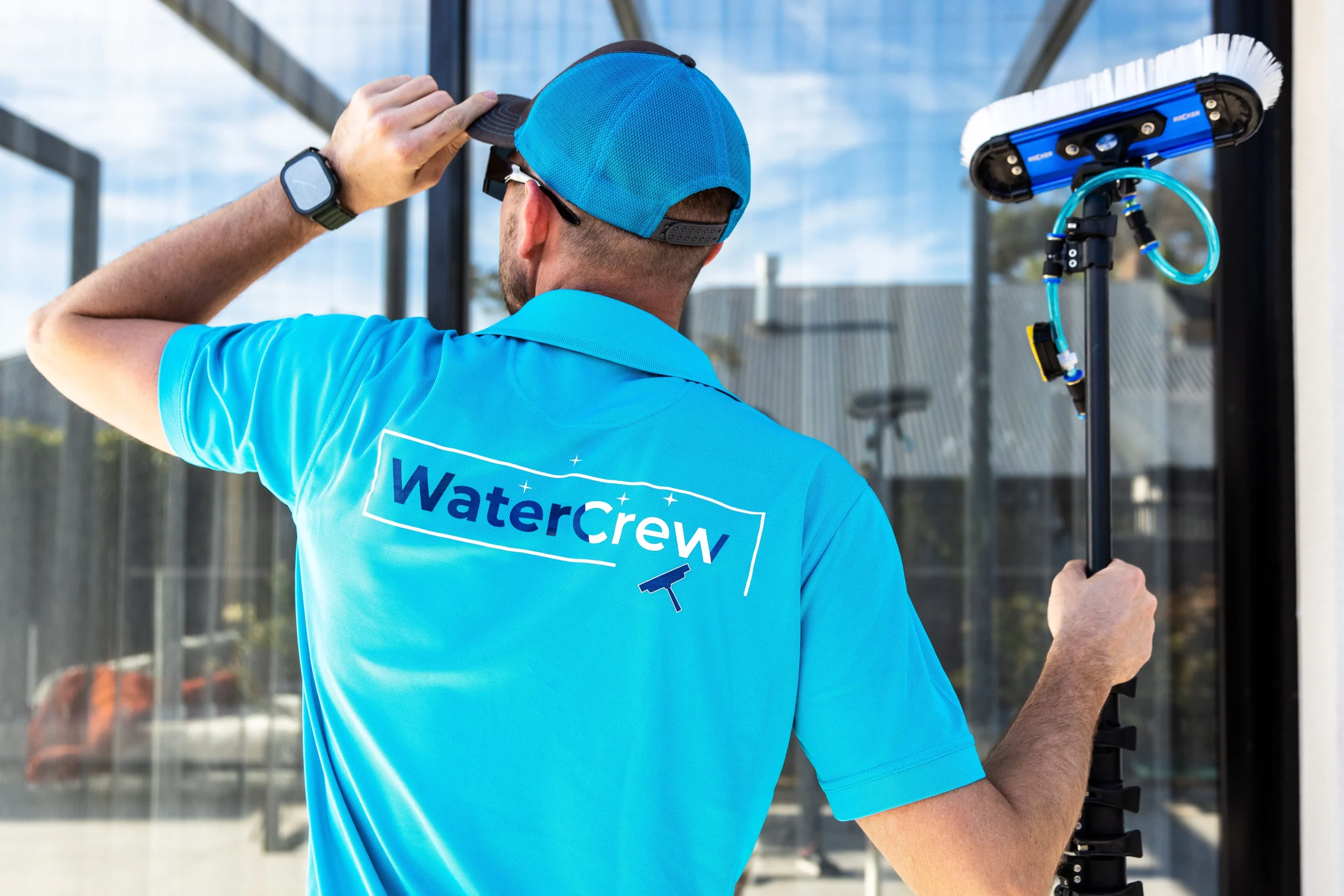
Abseiling is an access method, not the cleaning method itself. Before recommending it, we assess the building, glazing, roof access, anchor points and contamination. Where practical, a water-fed pole or cherry picker may be more suitable.
- Very nice and professional cleaning team. We order fully cleaning including gutter , townhouse exterior , all windows outside &inside.WaterCrew provides great service and affordable price .read moreread lessping lee10/11/2026Thankyou. Fantastic work, professional and very happy with how clean our windows and surrounds were.read moreread lessStephanie Johnston10/02/2026Excellent & professional in all ways.read moreread lessWendy Haines9/24/2026
- Eren did a sensational job & his communication was fantastic - would definitely use again & recommend 👍read moreread lessTony Murdoch8/26/2026Eren was professional, efficient and completed the roof cleaning to a very high standard. The service was prompt, the workmanship was excellent, and the overall result was fantastic. Highly recommend Eren for anyone looking for reliable and quality roof cleaning services.read moreread lessJanan8/24/2026Excellent. Efficient, thorough, and swift!read moreread lessLu Lu7/15/2026
- Very happy with the service. They were clean, professional and left everything tidyPlus the job was done beautifullyMany thanks!read moreread lessAdelle7/04/2026Highly recommend Eren and his WaterCrew. Have used for gutter cleaning and will in future use for terracotta roof tile cleaning & window cleaning. They do a very thorough and professional job at competitive rates. Also, they are polite, friendly and well spoken.read moreread less
 Alan Thomas6/30/2026Very professional job done in BrightonVery thorough and was on time !!!!read moreread lessRENATO CENEDESE6/12/2026


What Is Abseil Window Cleaning?
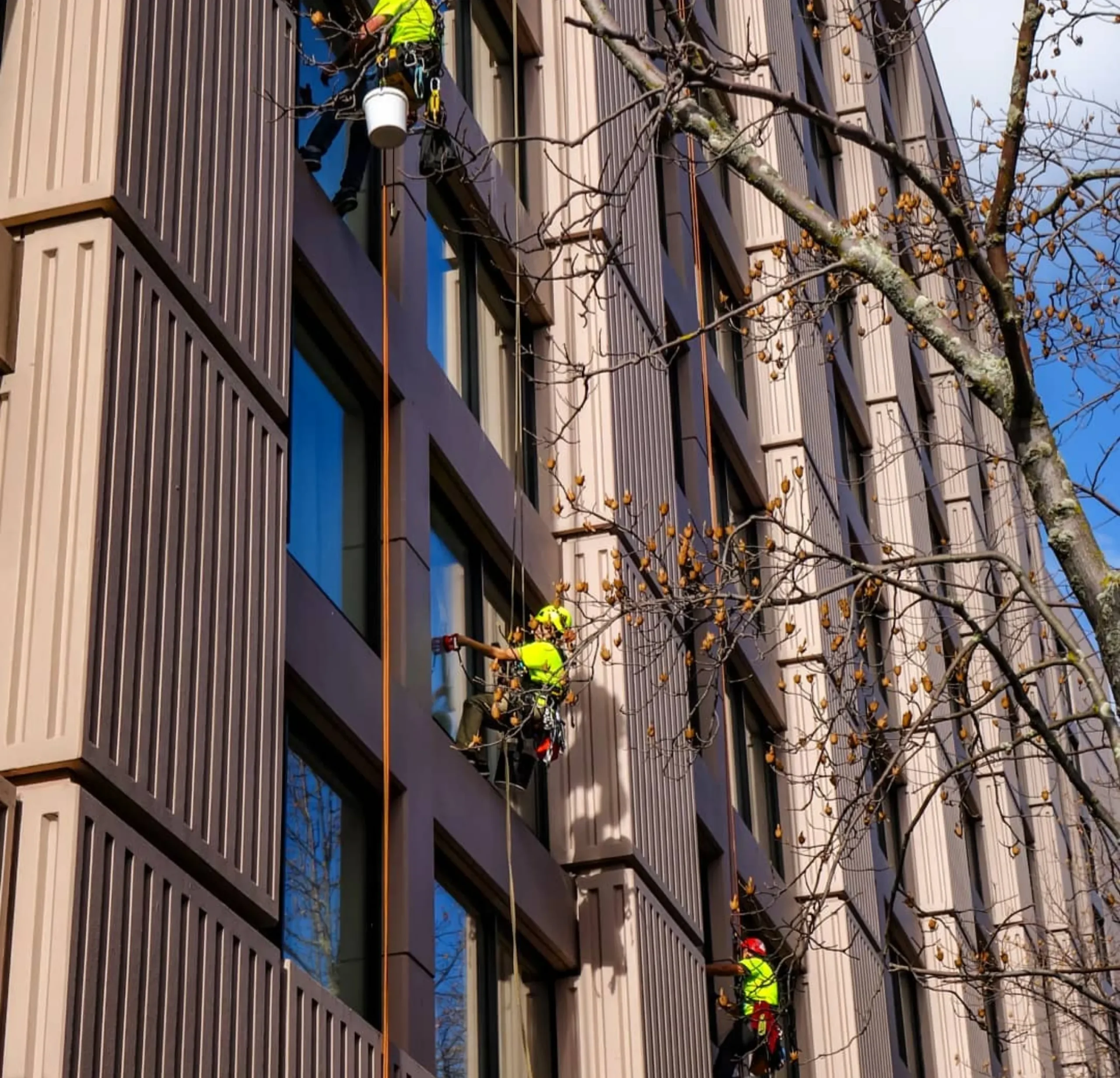
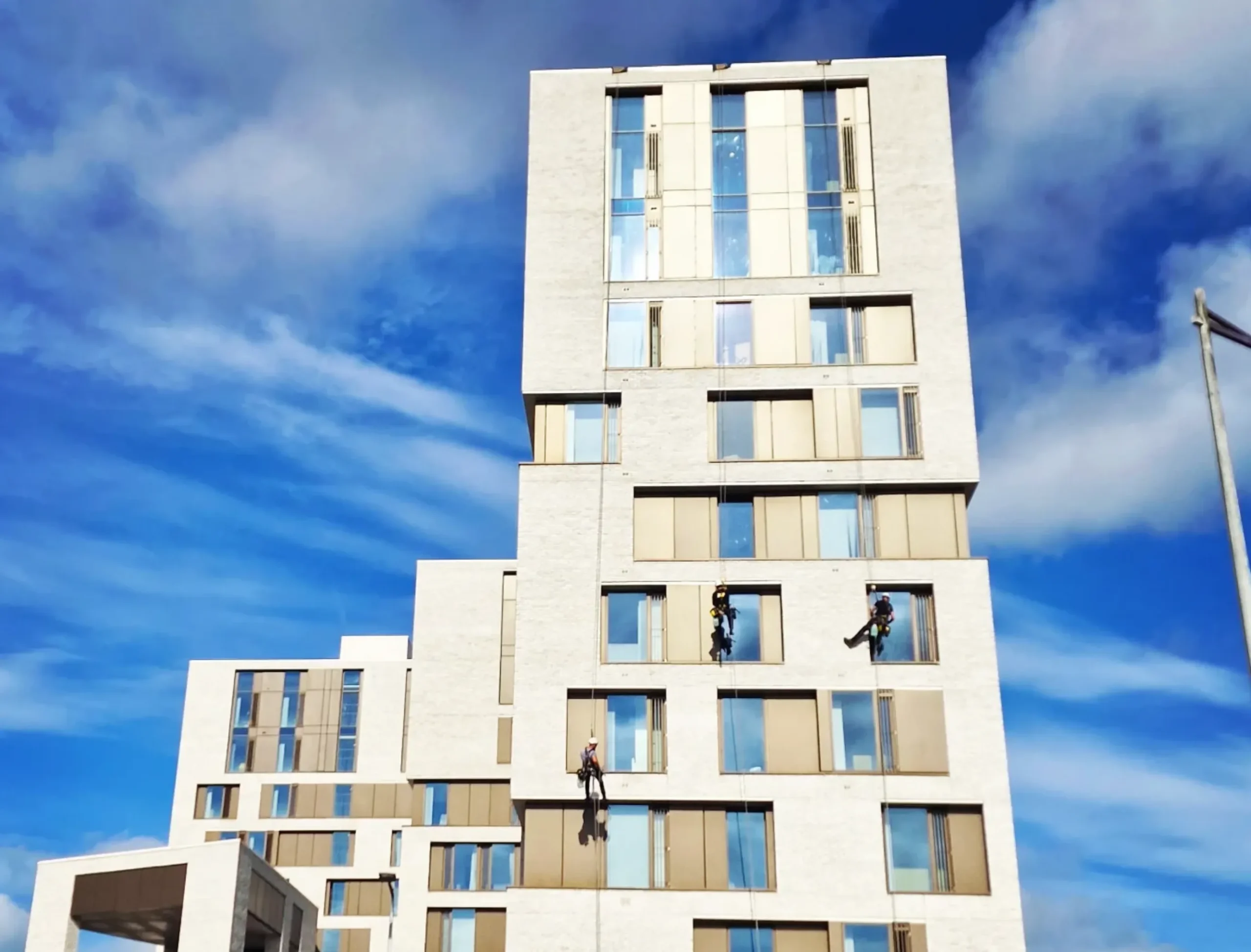
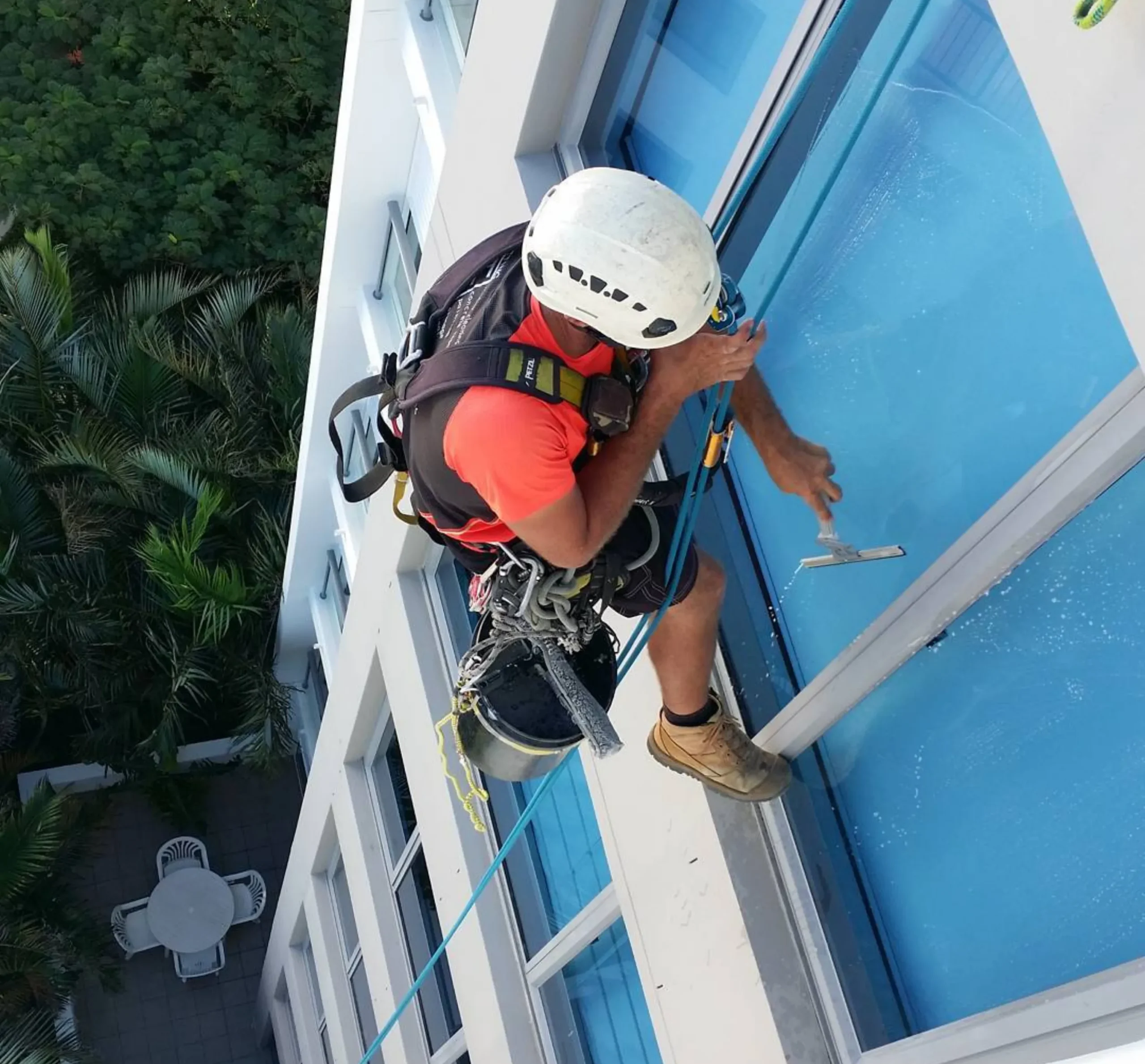
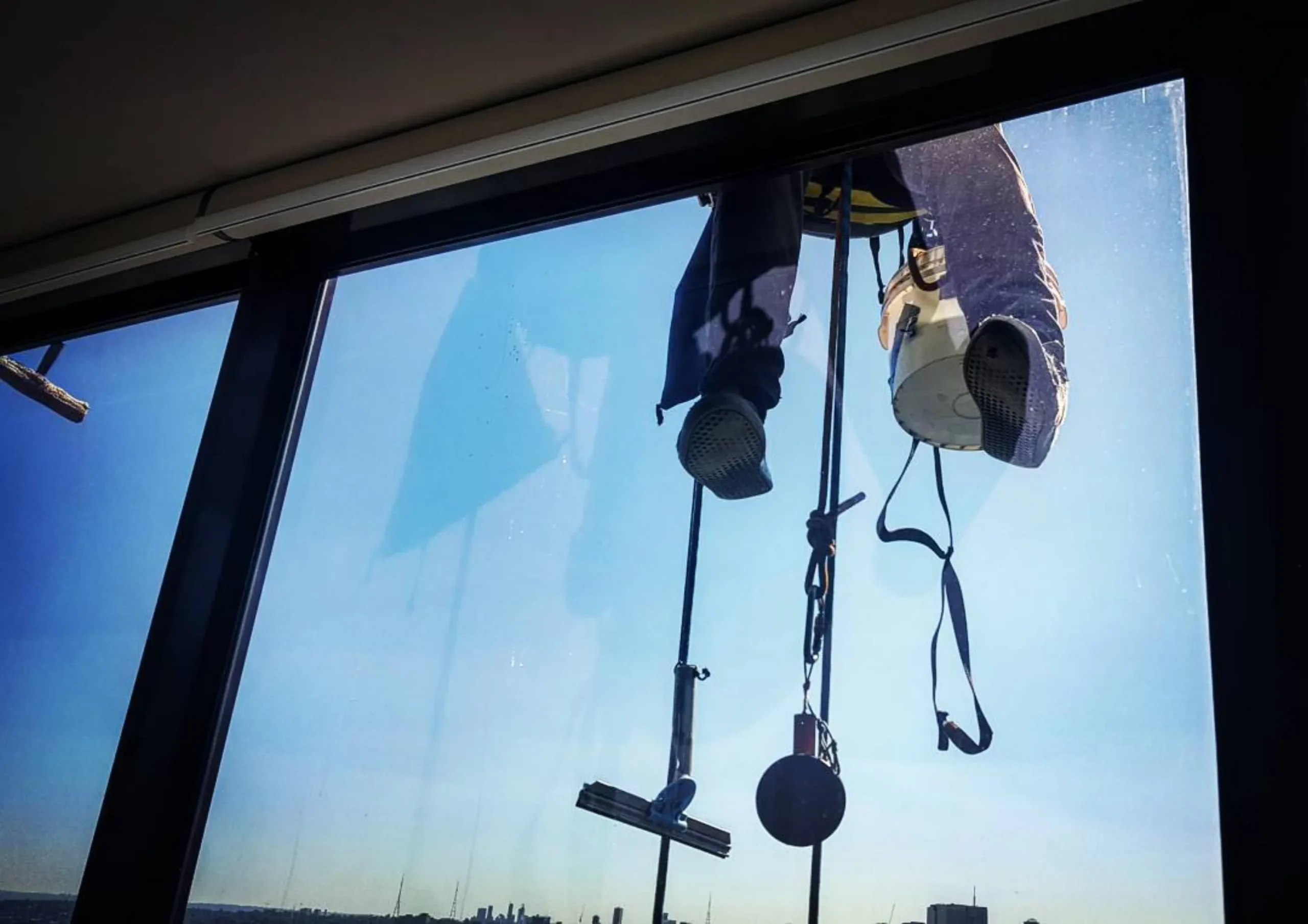
Abseil window cleaning uses an industrial rope-access system to position trained technicians in difficult exterior areas of a building. From there, we can remove surface contamination such as dust, traffic film, bird droppings and general grime.
High-rise window cleaning does not automatically make rope access the right choice. Suitability depends on the building, anchorage points, height safety considerations, and whether another access system can complete the work more safely or efficiently.
Why Rope Access Works for Difficult Glazing
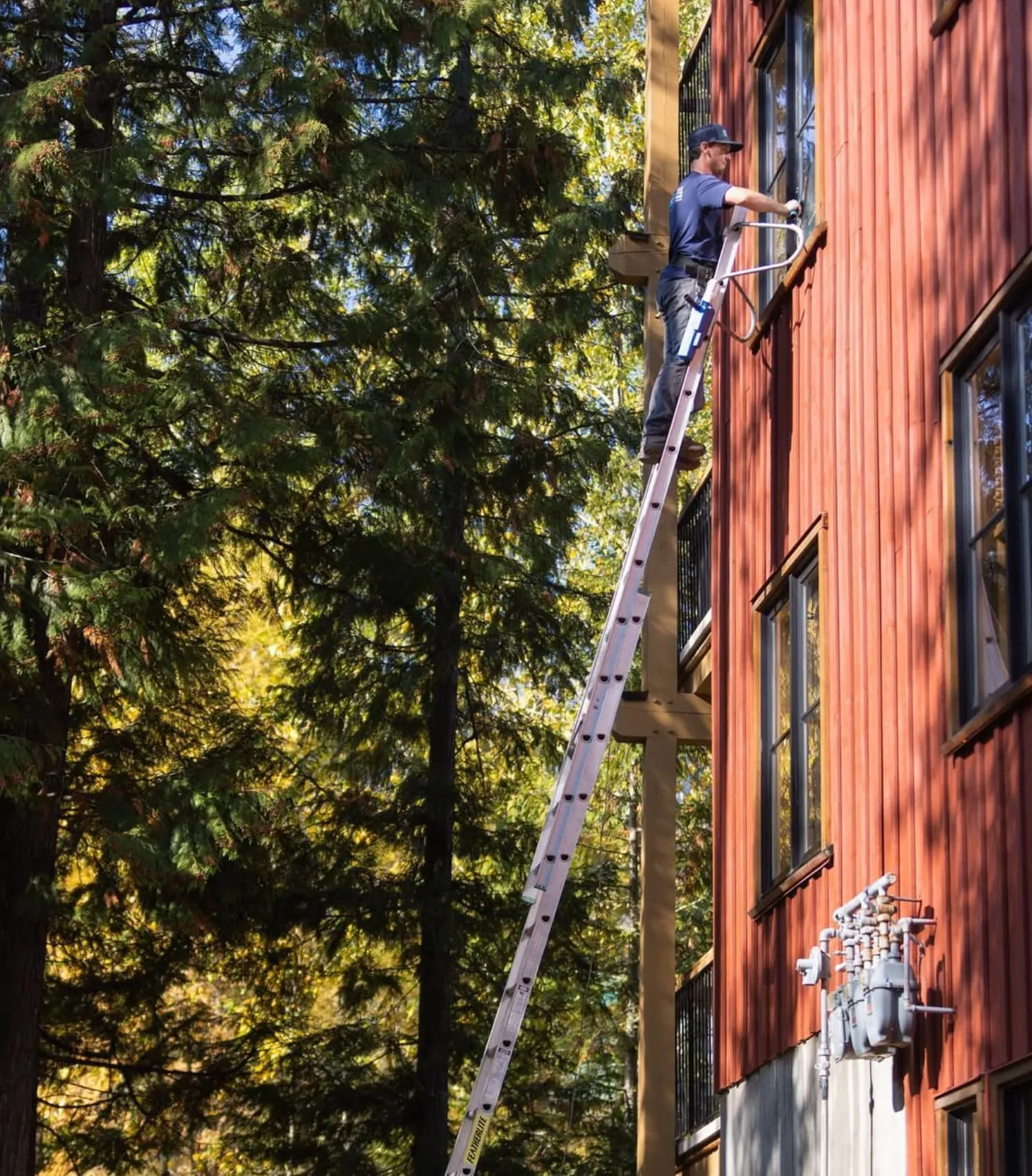
Rope access is useful where ground-based or mechanical access is impractical, including high-rises, apartment complexes and offices with limited ground space, setbacks or recessed glazing.
| Access consideration | Rope access may suit | Another method may suit |
|---|---|---|
| High vertical façade | Direct rope drops are practical | The existing building access system is suitable |
| Limited ground space | Large mechanical access footprint is difficult | Cherry pickers have clear, stable access |
| Recessed or awkward glass | Rope positioning can provide access | A water-fed pole can reach it safely from below |
| Low or medium-rise glazing | Rope access may be unnecessary | Ground-based equipment may be simpler |
| Unsuitable anchor points | Rope access may not be appropriate | Alternative access needs assessment |
The access method should therefore be selected for the property rather than treating abseiling as the default for high-rise buildings.
Where Rope Access Makes Sense
Rope access is most relevant to commercial high-rises, apartment complexes, office window cleaning projects and strata-managed properties with difficult exterior glazing.
Height is only one factor. A medium-rise property with restricted ground access or complex façade geometry can present a more difficult access problem than a taller building with purpose-designed infrastructure.
The building’s surroundings matter as well. Adjacent structures, pedestrian zones, balconies and awnings can affect rope positioning and exclusion zones, while safe anchorage points influence how the work is planned. Curved glazing, overhangs and atrium façades add another layer of complexity because the glass may not sit on a simple vertical plane.
Cleaning Different Glass and Contamination
Effective abseil window cleaning combines rope access competency with window-cleaning judgement. Coated or tinted glazing, rubber seals, and delicate exterior materials may require a different process from standard untreated glass.
The type of contamination also influences the approach. Ordinary grime differs from hard water staining or mineral deposits such as salt or calcium buildup, and a more aggressive cleaning method is not automatically better.
Scratches, glass etching, failed seals, damaged coatings and some established mineral staining may remain after surface contamination has been removed. These conditions may call for specialist glass restoration or building repairs rather than further cleaning.
Glazing Accessible by Rope
Where our assessment confirms that rope access is suitable, we can use it to reach:
- Exterior high-rise windows;
- Large glazed façade sections;
- Recessed windows;
- Glazing around balconies and setbacks;
- Difficult architectural glass; and
- Selected exterior surfaces within the planned work area.
Not every part of the same property needs the same access method. Lower glazing, for example, may be better suited to a water-fed pole.
How We Assess Access and Cleaning Requirements
Our assessment considers building height and location, roof access, anchor points, façade geometry, existing access infrastructure and the areas beneath the proposed work zone. Anchor suitability cannot be assumed simply because an attachment point already exists on a roof.
We also examine the glass, frames, rubber seals and contamination. Painted render, sandstone, and other sensitive surrounding materials can influence the cleaning process, while hard water staining, damaged coatings or deterioration can change the realistic result. Gusty winds, storms and other unsuitable weather may also affect work at height.
Important quoting factors include:
- Extent and position of the glazing;
- Number of rope drops;
- Rigging and anchor requirements;
- Building and roof access;
- Façade geometry;
- Contamination level;
- Ground-level restrictions; and
- Agreed cleaning scope.
As a result, two high-rise buildings with a similar number of windows can have different access requirements and maintenance costs.
Safety and Work-at-Height Planning
Industrial rope access planning covers suitable anchors, fall and rope protection, exclusion zones, weather conditions and emergency arrangements.
In Victoria, specific fall-prevention requirements apply where there is a risk of falling from more than 2 metres, although risks at lower heights must also be controlled. This is a regulatory threshold, not a minimum height for rope access.
Under WorkSafe Victoria’s hierarchy, work from the ground or a solid platform sits at Level 1; passive fall-prevention systems, such as an elevated work platform (EWP), are at Level 2; and industrial rope access is at Level 3. Rope access should therefore be selected only after considering whether a higher-level control is reasonably practicable.
Safe Work Australia’s industrial rope access guidance includes a 15 kN load criterion for anchor systems and their supporting structures, alongside system design and manufacturer requirements. Existing roof anchors still require appropriate assessment, testing and inspection.
Where the scope qualifies as high-risk construction work, a site-specific Safe Work Method Statement (SWMS) must address the relevant hazards and controls. Exclusion zones may be required above occupied areas, while falling-object risks, equipment condition and emergency arrangements must also be managed.
Setting the Right Cleaning Schedule
There is no universal cleaning interval for every high-rise building. Properties exposed to traffic pollution, construction dust, bird activity, coastal salt or hard water staining may need cleaning sooner than more sheltered buildings.
Rather than following an arbitrary number of cleans per year, the schedule should reflect how quickly contamination returns, the surrounding environment and the property’s presentation requirements.
What Cleaning Can and Cannot Fix
Professional window cleaning can remove surface build-up, but it cannot correct damaged coatings, scratched glass, failed rubber seals or structural defects. Distinguishing contamination from deterioration helps set realistic expectations before further cleaning is considered.
Request an Assessment and Quote
If your Melbourne property has difficult-to-reach exterior windows, we can assess the glazing, access and cleaning requirements before recommending an approach.
For a quote, provide the property details, the areas requiring cleaning, and any available information about roof access, anchor points, or existing access infrastructure. Photos of the building and difficult glazing can also help establish likely access requirements before detailed scoping.

Your satisfaction is our top priority. We tailor our services to meet your specific needs

We are committed to environmental responsibility. Our cleaning products are eco-friendly.

Pricing
We offer competitive pricing without compromising on the quality of our services.

Expertise
As a locally owned and operated company, we understand the unique needs of our community.
FAQ
Is abseil window cleaning only for high-rise buildings?
No. Rope access can also suit medium-rise buildings where façade design, restricted ground access or difficult glazing makes other access methods impractical.
Is rope access always better than cherry pickers?
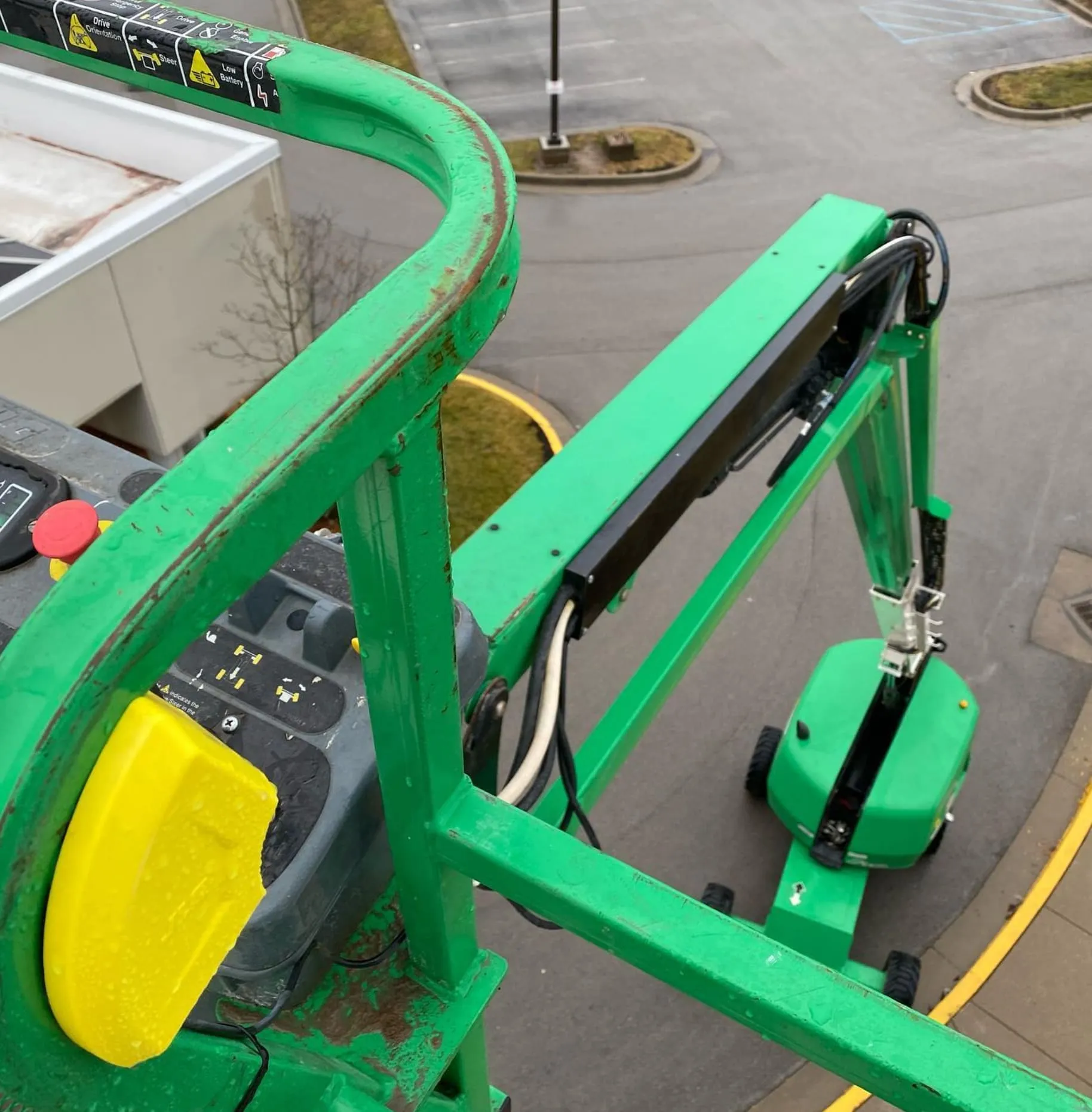
No. Cherry pickers may be more practical where there is stable ground access, and the glazing falls within the machine’s working reach. Rope access can suit façades where ground space, setbacks, overhangs or glazing position makes mechanical access impractical.
Can Abseil window cleaning remove hard water staining?
Some mineral deposits can be treated, but standard window cleaning cannot guarantee removal of established hard water staining, glass etching or coating damage. The glass should be assessed before more intensive treatment.
What affects the cost of abseiling window cleaning?
Building height, glazing area, rope drops, rigging requirements, anchorage points, contamination, site restrictions and the agreed scope all affect the work required. Two buildings of similar height can therefore require different access plans.
Do you need access inside apartments or offices?
Not necessarily. Exterior rope access may be completed from outside, but access to the roof, balcony, plant room or other controlled areas may be required depending on the building.
SEO Title: Abseil Window Cleaning Melbourne
Meta Description: Rope access window cleaning for high-rise and difficult-to-reach windows in Melbourne. Safe access for commercial and residential buildings.