ConcreteSeen discoloured patches on your concrete that just won’t budge? You’re not alone. At our concrete cleaning service, we’ve handled everything from barbecue grease bombs on driveways to moss-covered garden paths in Tassie.
Whether it’s concrete cleaning, high-pressure cleaning, or a soft-wash approach, Aussie conditions throw the full book at concrete—UV, floods, pollen, red dust, and mould—and it shows. That doesn’t mean you need a full rip and replace. Most of the time, what your concrete surfaces need is a proper, professional clean. Here’s how to know when, why, and how to do it right.
- Very nice and professional cleaning team. We order fully cleaning including gutter , townhouse exterior , all windows outside &inside.WaterCrew provides great service and affordable price .read moreread lessping lee10/11/2026Thankyou. Fantastic work, professional and very happy with how clean our windows and surrounds were.read moreread lessStephanie Johnston10/02/2026Excellent & professional in all ways.read moreread lessWendy Haines9/24/2026
- Eren did a sensational job & his communication was fantastic - would definitely use again & recommend 👍read moreread lessTony Murdoch8/26/2026Eren was professional, efficient and completed the roof cleaning to a very high standard. The service was prompt, the workmanship was excellent, and the overall result was fantastic. Highly recommend Eren for anyone looking for reliable and quality roof cleaning services.read moreread lessJanan8/24/2026Excellent. Efficient, thorough, and swift!read moreread lessLu Lu7/15/2026
- Very happy with the service. They were clean, professional and left everything tidyPlus the job was done beautifullyMany thanks!read moreread lessAdelle7/04/2026Highly recommend Eren and his WaterCrew. Have used for gutter cleaning and will in future use for terracotta roof tile cleaning & window cleaning. They do a very thorough and professional job at competitive rates. Also, they are polite, friendly and well spoken.read moreread less
 Alan Thomas6/30/2026Very professional job done in BrightonVery thorough and was on time !!!!read moreread lessRENATO CENEDESE6/12/2026


Common Concrete Issues We See Daily
1. Oil Stains from Cars, Tools and Lawn Mowers
- Thanks to the porous material and frequent use, concrete soaks up drtiveway oil faster than you can spill it.
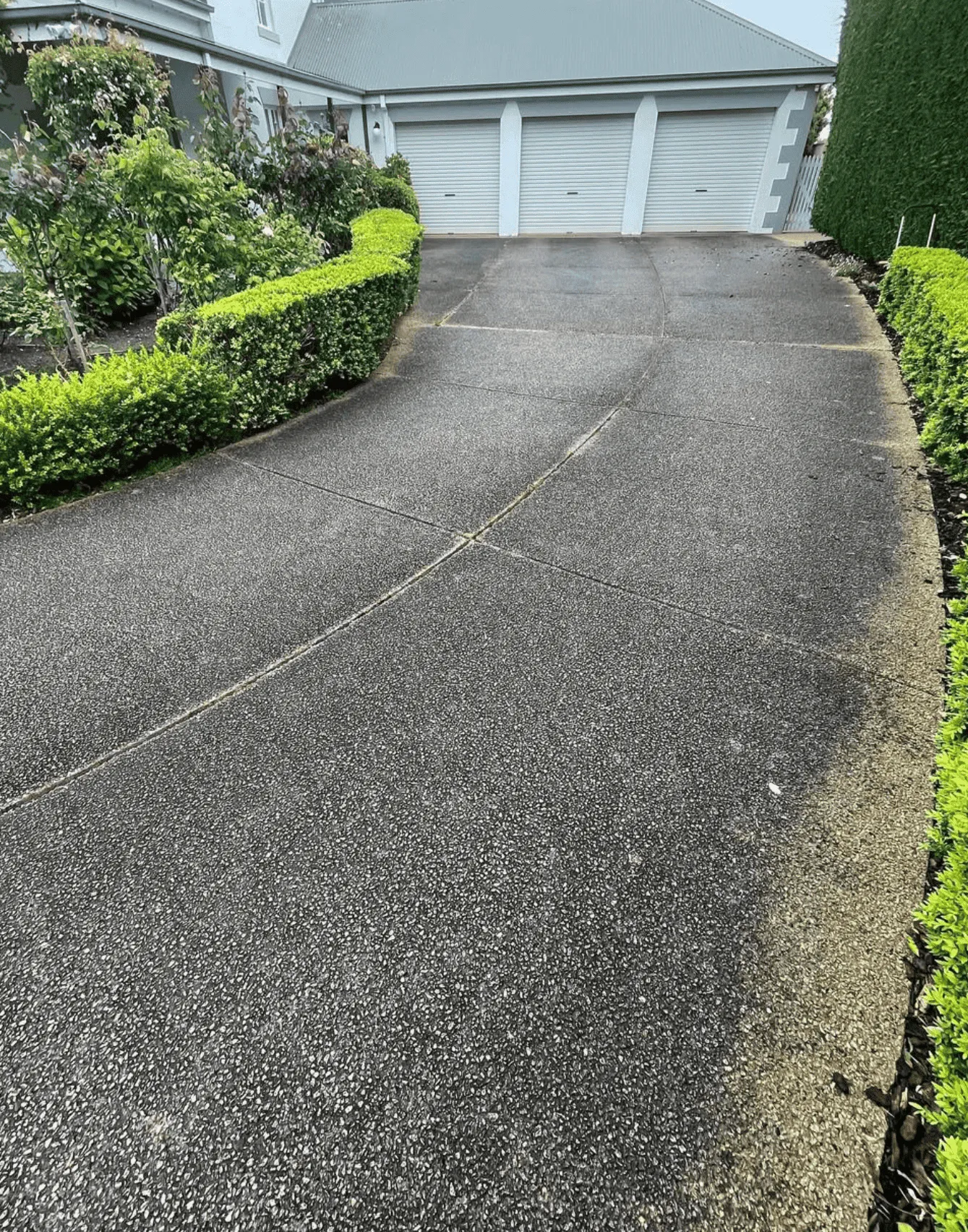
- The porous nature of concrete means those driveway oil leaks won’t budge without high pressure cleaning or steam cleaning.
2. Rust Stains and Art Equipment Residue
- Steel furniture, art equipment or even forgotten garden tools can leave behind rust stains and mineral marks that are hard to remove.
3. Built-Up Grime and Organic Growth
- We’re talking mould, moss, algae — especially in shaded areas and play surfaces.
- Without regular cleaning services or a mould removal agent, it can spread quickly.
4. Residue from Petrol and Cleaning Products
- Workshops, paver washing areas or retail stores often have build-up from petrol, paint or unfriendly detergents.
- These react with exterior surfaces and cause damage over time.
5. Grime from Business Hours, Wear and Tear
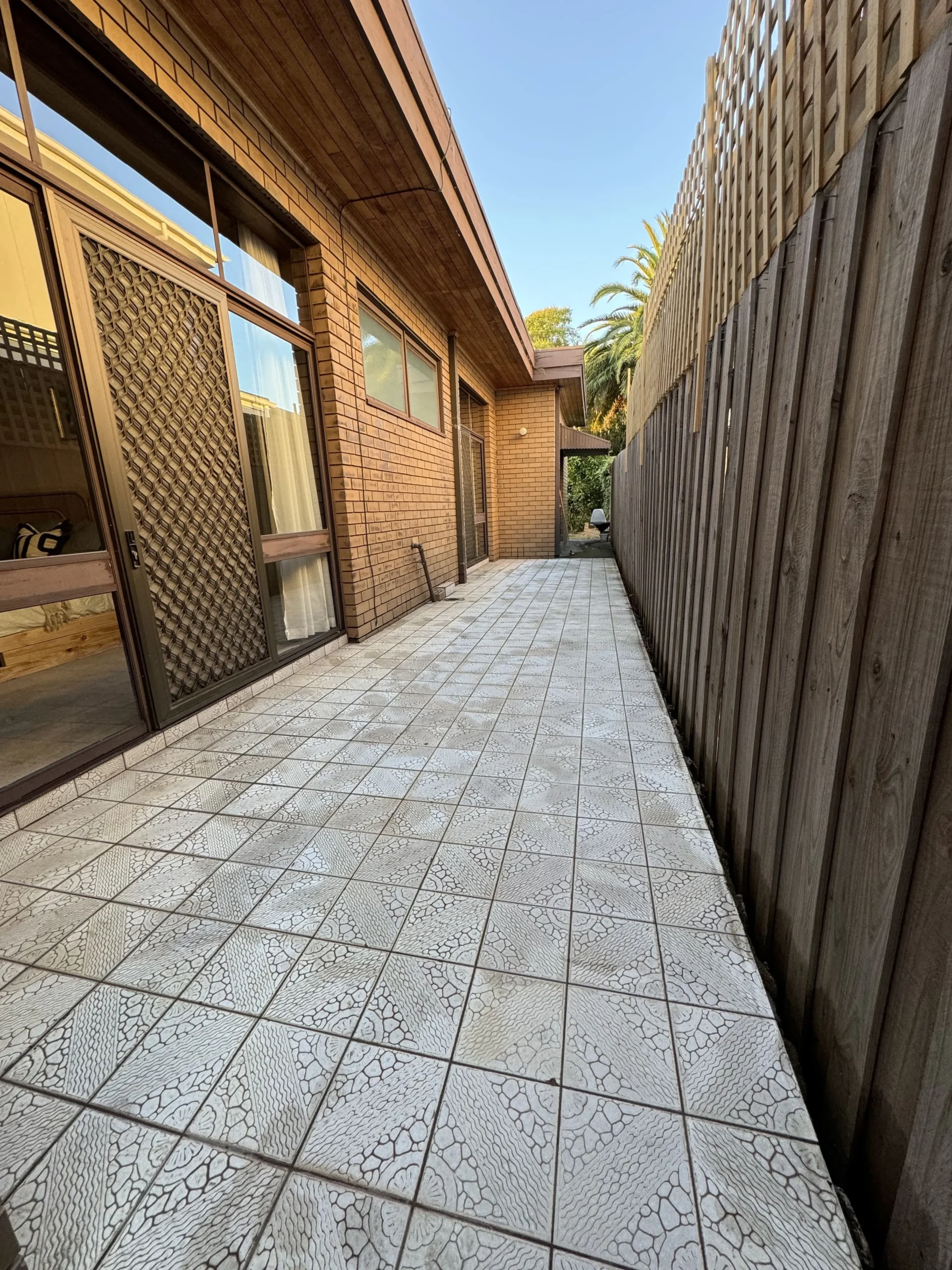
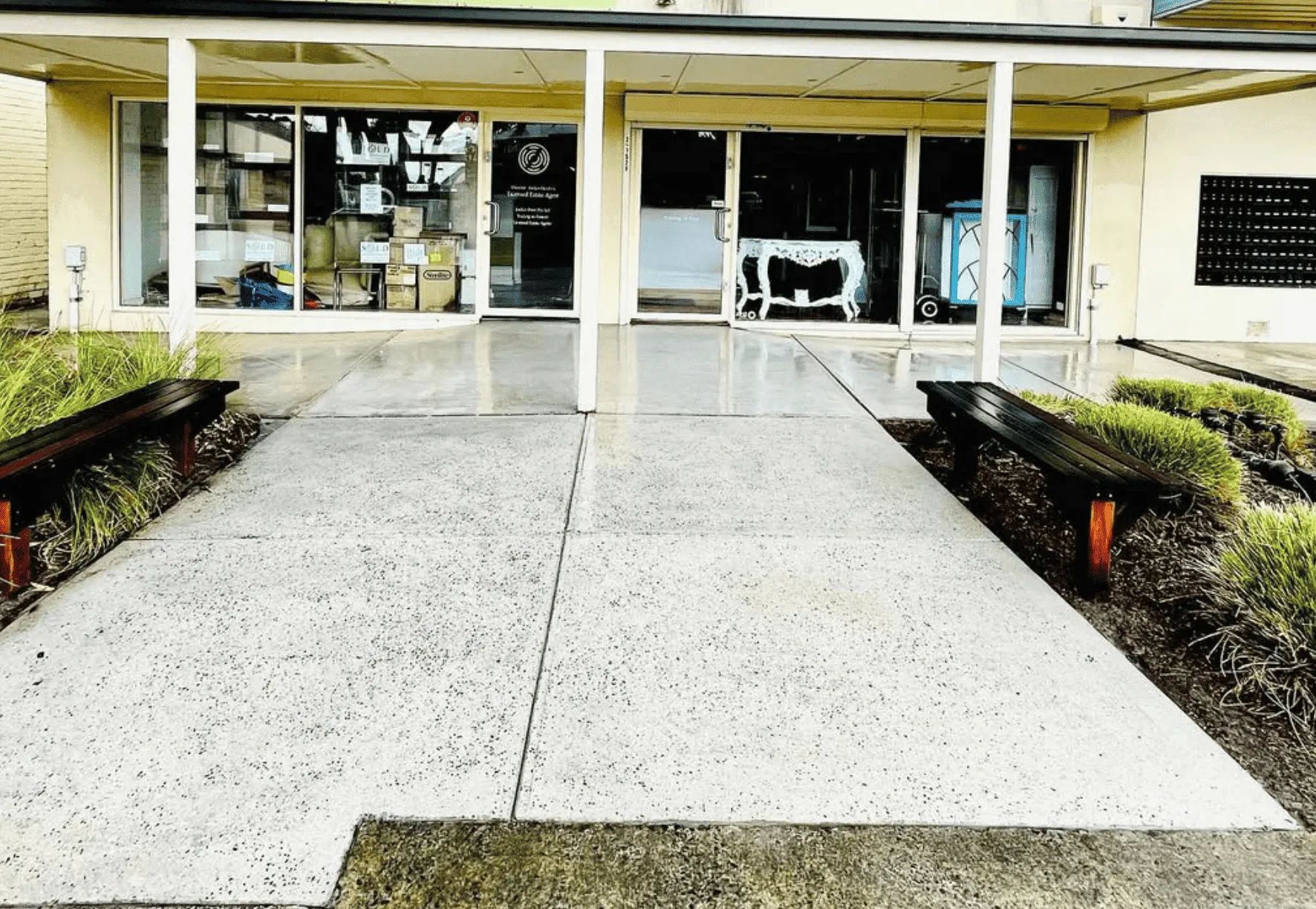
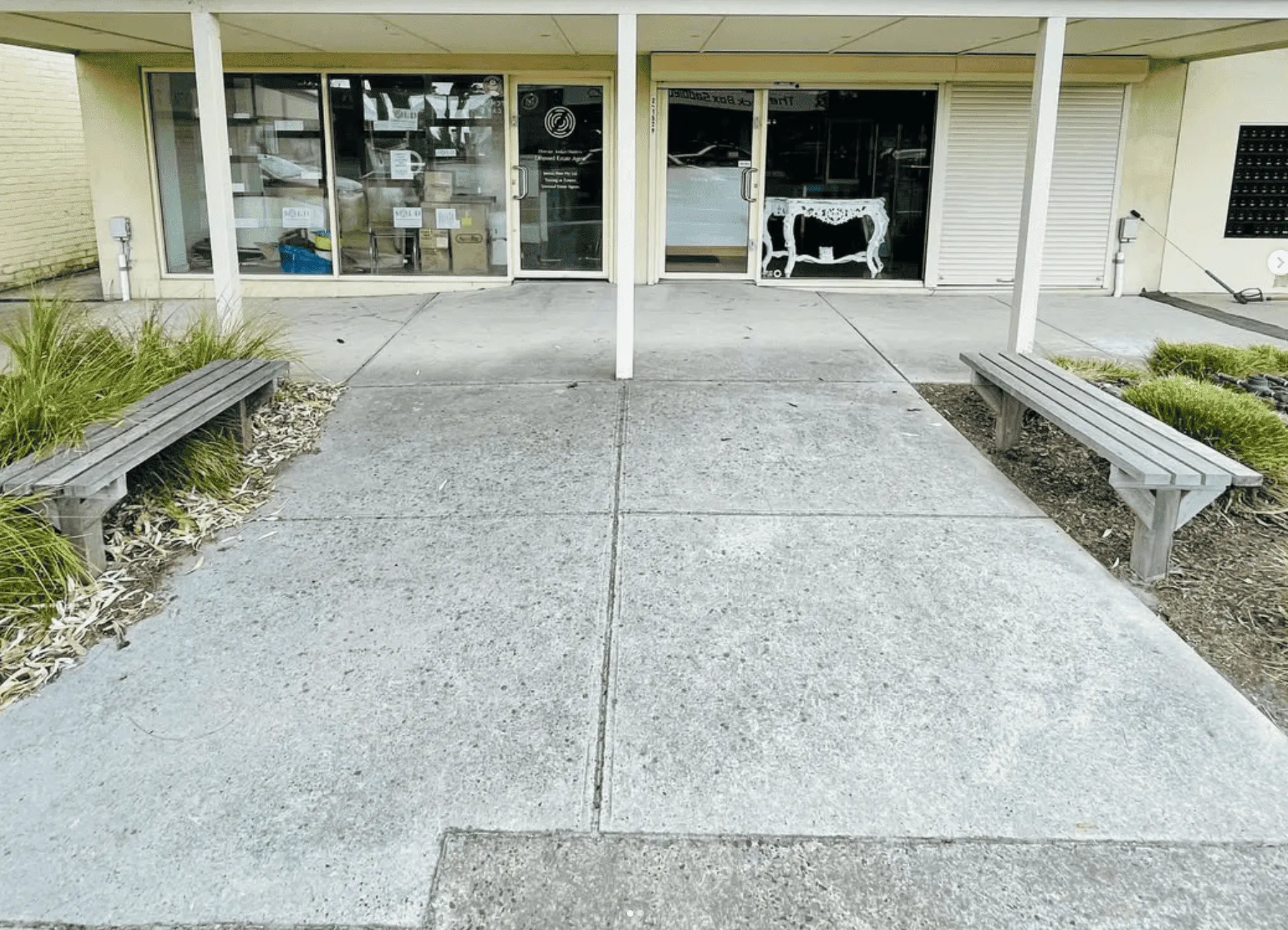
- Foot traffic, art shows, outdoor treatments, lease cleaning activities or just dirty boots all add to the amount of grime that builds up across outdoor spaces and external surfaces.Window Cleaning Melbourne Crew
Top Way to Clean Surfaces
Pressure Cleaning
High pressure cleaning is the way to go for tough stains and built-up grime. But you’ll want:
- Safe water pressure to not damage the surface
- A skilled team that knows water PSI pressures
- The right cleaning attachment for the job (from sized machines to handheld wands)
Use clean water (warm water or hot water if available), especially when targeting oil stains, rust or stubborn stains.
Soft Washing for Porous or Decorative Concrete
Soft washing is your mate when you’ve got coloured concrete, stencilled finishes or delicate playing surfaces. It uses low pressure, friendly detergents and a rinse cycle that doesn’t blast the top layer away.
Great for:
- Wall cleaning
- House exteriors
- Garden walls
- Outdoor surfaces with organic growth
Steam Cleaning
Ideal for commercial space flooring, lease cleaning and industrial customers. Steam works well when you’re dealing with:
- Cold-weather build-up
- Driveways with multiple oil stain layers
- Large square metres of concrete
Steam works especially well with warm water and special cleaning solutions designed for porous material.
Don’t Do This: Common Cleaning Mistakes
- Using cold water and bleach combo on coloured concrete: That’s a fast track to faded colour.
- Too much pressure: Wrong pressure levels will scar your surface worse than a lawnmower mishap.
- Skipping pre-treatment: Individual stains like oil or rust need the right cleaning solution first
- Using the wrong detergent: Always use safe detergents designed for cement and exterior cleaning
- No rinse: Leaving residue will attract more dirt and look worse over time
When’s the Best Time to Clean?
- Autumn: Get in before the wet season. Loose dirt and leaves left to rot will stain.
- Winter: Avoid rainy days. Cold water won’t cut it and damp concrete = slippery hazards.
- Spring: Perfect time to clean attachment tools and full pressure cleaning service after the wet.
- Summer: Early mornings are best. Hot concrete dries products too fast. Add water damage risks if you don’t rinse properly.
When to Clean Your Surfaces
- Retail stores and commercial clients: Every 1–3 months to meet visual standards
- Residential driveways: Every 6–12 months
- Warehouses and industrial areas: Monthly to quarterly
- Playing surfaces or outdoor treatments: After any major event
Annual
Pricing (Ballpark)
- Driveways (standard size): $250–$450
- Warehouse floors or commercial space: $500+ for large jobs
- Small paths or patios: $150–$250
We offer competitive pricing across all our services from wall cleaning to full commercial cleaning.
Who We Service
Window Cleaning Melbourne Crew services:
- Property managers and property owners
- Business owners with outdoor spaces
- Corporate clients across Melbourne
- Industrial customers and warehouse teams
Our cleaning teams work on all surfaces so you get complete satisfaction. We operate during business hours but offer flexible scheduling.
Our Process
- Surface type and condition assessment
- Method of cleaning — soft washing, pressure cleaning or steam
- Friendly detergents and the right tools
- Precise water PSI pressures for safe water pressure
- Rinse and inspect for any unexpected damage or leftover spots
We back it up with a satisfaction guarantee.
Bottom Line
A clean concrete surface doesn’t just look good — it extends the life of your property. With regular cleaning you avoid damage over time, water damage from runoff and the hassle of replacing surfaces early.
Ready to work with one of Melbourne’s largest pressure cleaning companies? Contact Window Cleaning Melbourne Crew. We bring expert advice, professional standards and honesty to every job.
Need help with a stubborn stain or looking for peace of mind before lease turnover? Get in touch today for a quote.

Your satisfaction is our top priority. We tailor our services to meet your specific needs

We are committed to environmental responsibility. Our cleaning products are eco-friendly.

Pricing
We offer competitive pricing without compromising on the quality of our services.

Expertise
As a locally owned and operated company, we understand the unique needs of our community.
FAQ
Will pressure damage my concrete?
Not with safe water pressure. We test and match PSI to the surface.
Do you clean concrete walls?
Yes. Wall cleaning is part of our exterior package.
Can you help after a lease clean?
Yes. We offer outdoor treatments and lease cleaning for commercial clients.
Is soft washing enough for my driveway?
Depends on the grime. For oil stains, high pressure or steam is better.
Do you offer same-day service?
We respond within one business day. Response time depends on your area and job size.
Concrete cleaning removes dirt, grime, organic growth, traffic residue and surface stains from suitable concrete surfaces around Melbourne homes and commercial properties. At Window Cleaning Melbourne Crew, we assess the concrete surface, coating, contamination and condition before selecting controlled pressure cleaning, soft washing or targeted stain treatment.
Plain, coloured, sealed, exposed aggregate, and weathered concrete respond differently to pressure and cleaning products, so the method must suit the surface.
- Very nice and professional cleaning team. We order fully cleaning including gutter , townhouse exterior , all windows outside &inside.WaterCrew provides great service and affordable price .read moreread lessping lee10/11/2026Thankyou. Fantastic work, professional and very happy with how clean our windows and surrounds were.read moreread lessStephanie Johnston10/02/2026Excellent & professional in all ways.read moreread lessWendy Haines9/24/2026
- Eren did a sensational job & his communication was fantastic - would definitely use again & recommend 👍read moreread lessTony Murdoch8/26/2026Eren was professional, efficient and completed the roof cleaning to a very high standard. The service was prompt, the workmanship was excellent, and the overall result was fantastic. Highly recommend Eren for anyone looking for reliable and quality roof cleaning services.read moreread lessJanan8/24/2026Excellent. Efficient, thorough, and swift!read moreread lessLu Lu7/15/2026
- Very happy with the service. They were clean, professional and left everything tidyPlus the job was done beautifullyMany thanks!read moreread lessAdelle7/04/2026Highly recommend Eren and his WaterCrew. Have used for gutter cleaning and will in future use for terracotta roof tile cleaning & window cleaning. They do a very thorough and professional job at competitive rates. Also, they are polite, friendly and well spoken.read moreread lessAlan Thomas6/30/2026Very professional job done in BrightonVery thorough and was on time !!!!read moreread lessRENATO CENEDESE6/12/2026
What Builds Up on Concrete Surfaces
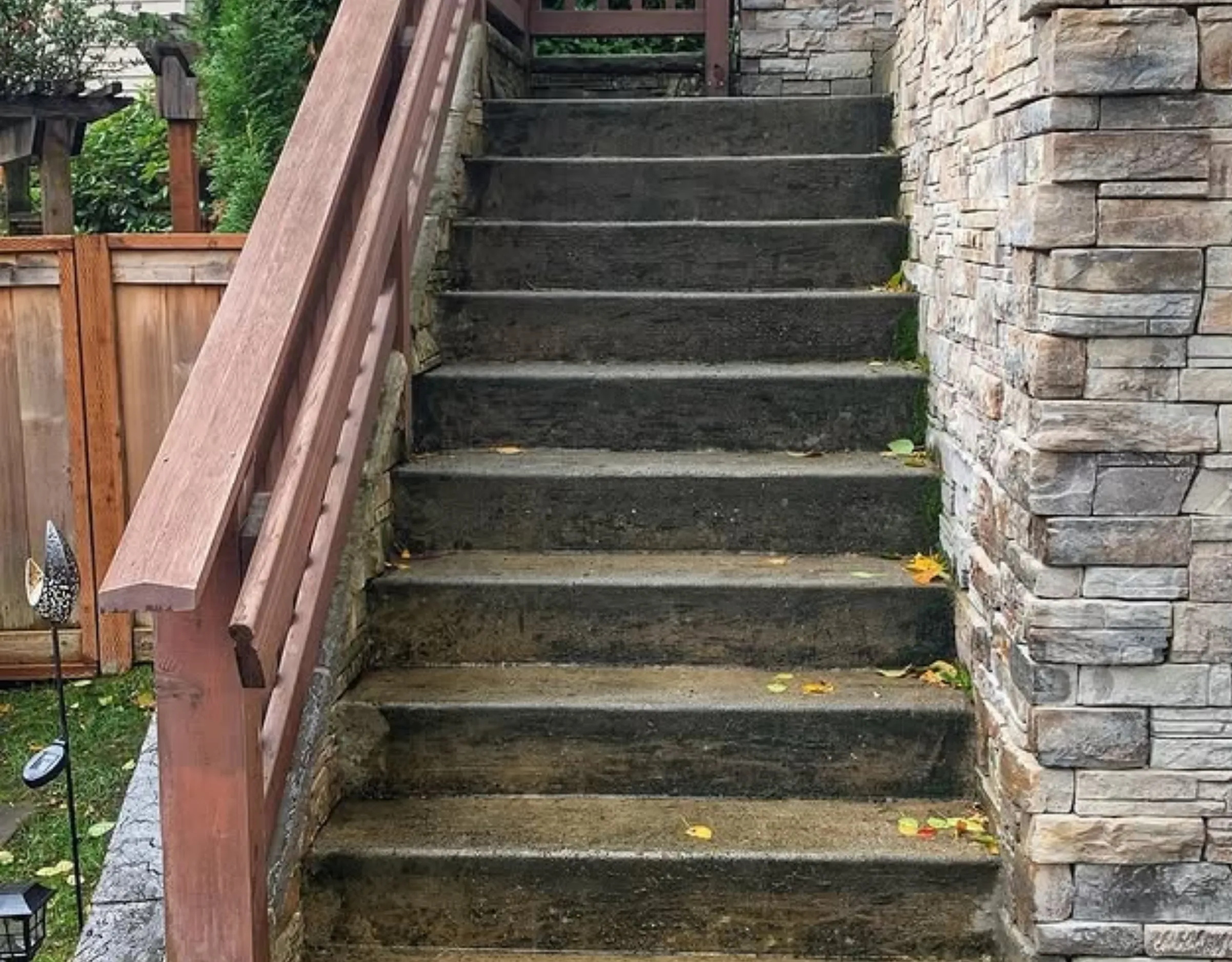
Outdoor concrete collects soil, dust, leaf residue, bird droppings, vehicle grime and atmospheric pollution. In damp or shaded areas, algae, moss, mould and other organic growth can also develop, sometimes contributing to slipping hazards.
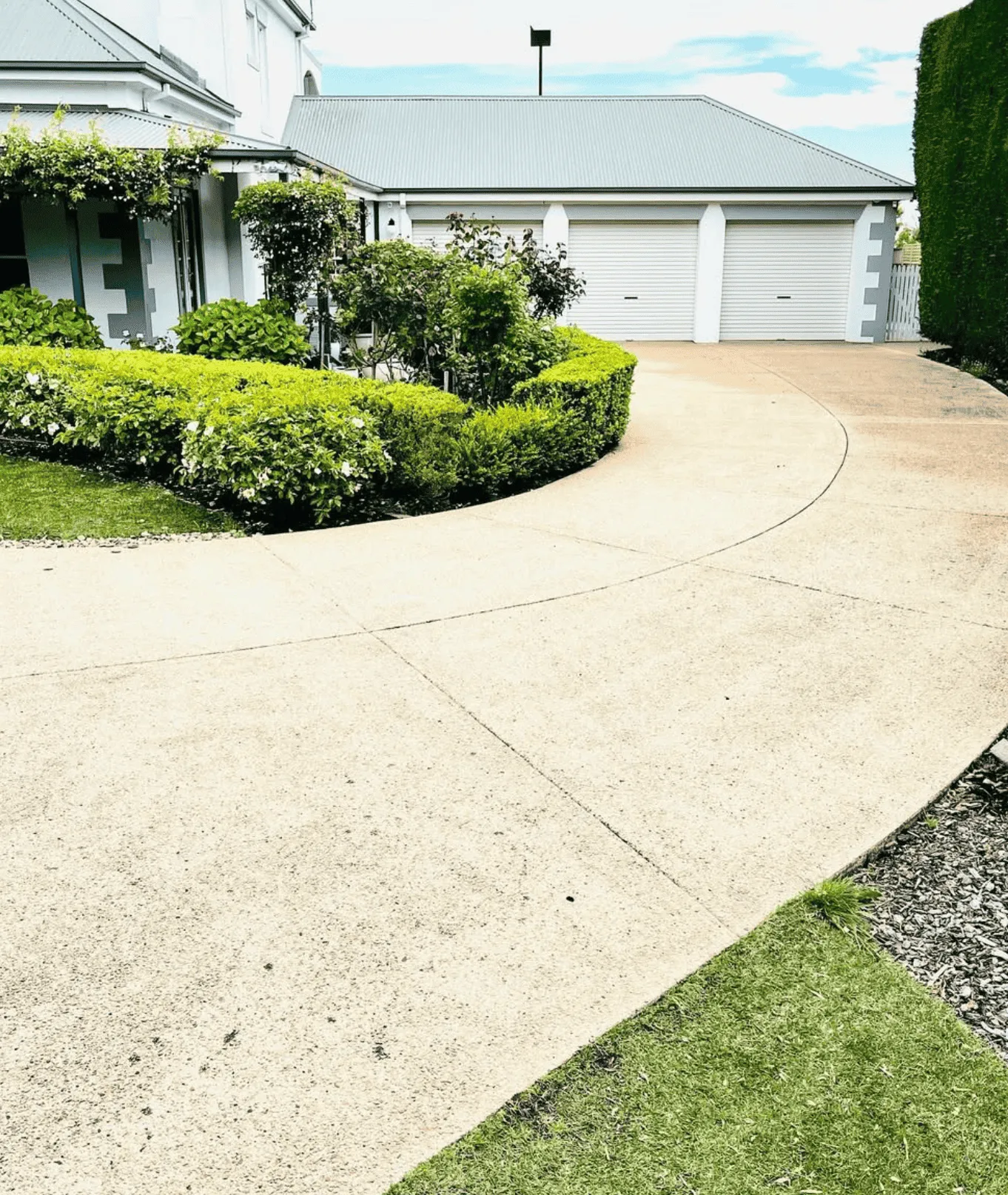
Driveway cleaning is often needed where concrete driveways, garages and concrete floors collect oil stains, grease, tyre marks and vehicle fluids, while garden edges often develop soil staining and leaf tannins. Commercial and industrial concrete may also carry paint residue and heavier contamination from workshops, equipment and frequent foot traffic.
Why the Surface Condition Matters
Concrete is hard-wearing but porous. Age, protective coatings, aggregate exposure and existing deterioration all influence how much mechanical force the surface can tolerate.
More pressure is not automatically better. Some manufacturer preparation guidance specifies pressure cleaning at a minimum of 2,000 psi (about 13.8 MPa), while other exterior-concrete guidance refers to equipment capable of up to 3,500 psi (about 24.1 MPa). These are product-specific preparation figures rather than universal settings; coloured, sealed, weathered or deteriorated concrete may require a less aggressive approach.
Fresh concrete requires separate assessment. Guidance for one concrete finishing system specifies at least 14 days of curing before that system is applied, while concrete strength is conventionally assessed at 28 days. Neither figure establishes a universal waiting period for pressure cleaning; the appropriate timing depends on the concrete, the finish, and the proposed treatment.
Suitable Surface Types
The most suitable cleaning method depends on the concrete type, surface condition, contamination, existing coatings, and the required result.
Plain Finishes
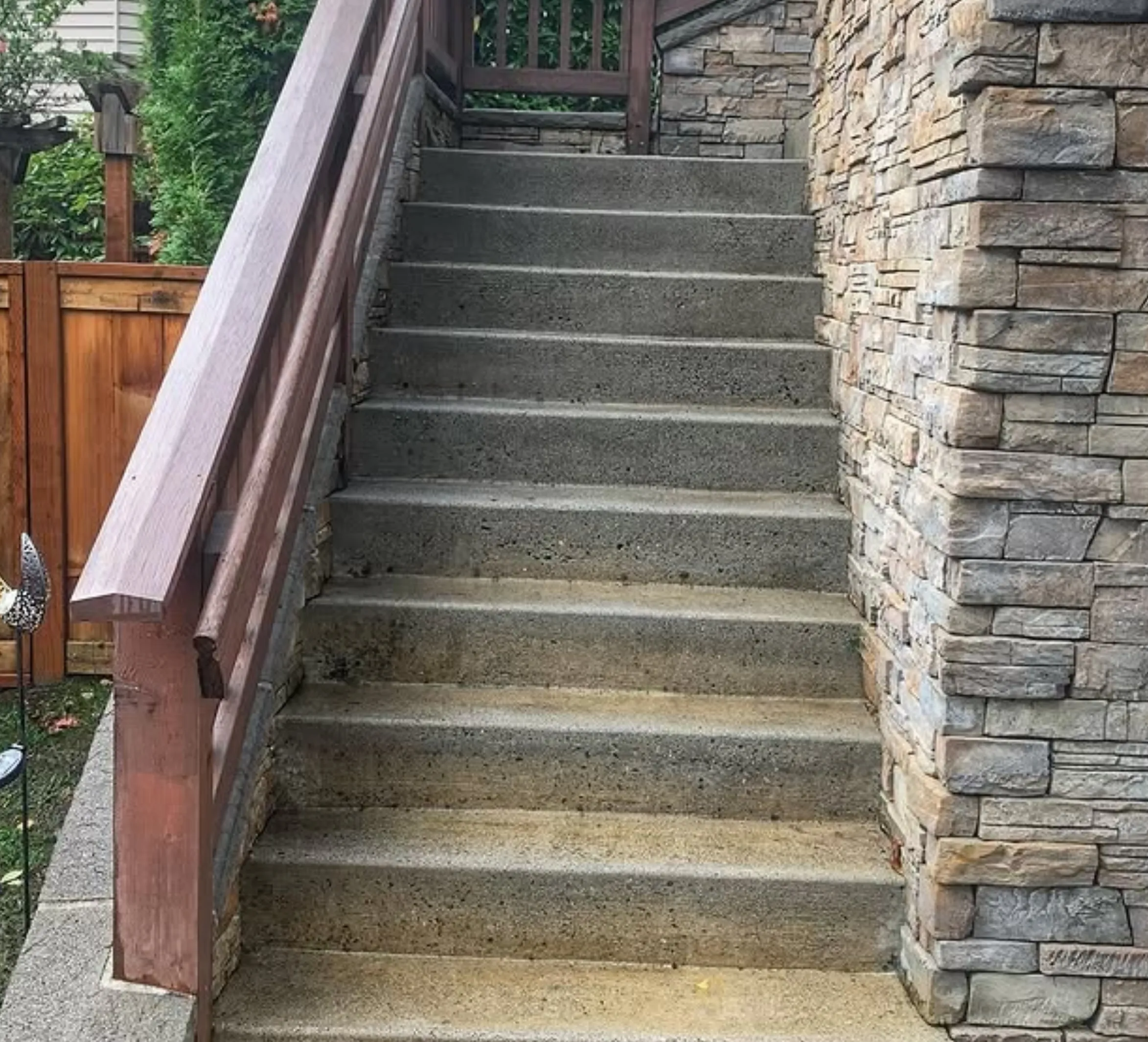
Sound plain concrete is generally well suited to controlled pressure washing, particularly where dirt and organic build-up sit on the surface.
Coloured Finishes
Colour may come from an integral pigment, a surface-applied system or a coating. We assess coloured concrete before cleaning because aggressive treatment can affect a weakened decorative finish.
Sealed Finishes
Sealer changes how concrete responds to water, specialty cleaning agents and mechanical cleaning. Existing wear, peeling or deterioration therefore needs to be identified first.
Exposed Aggregate Finishes
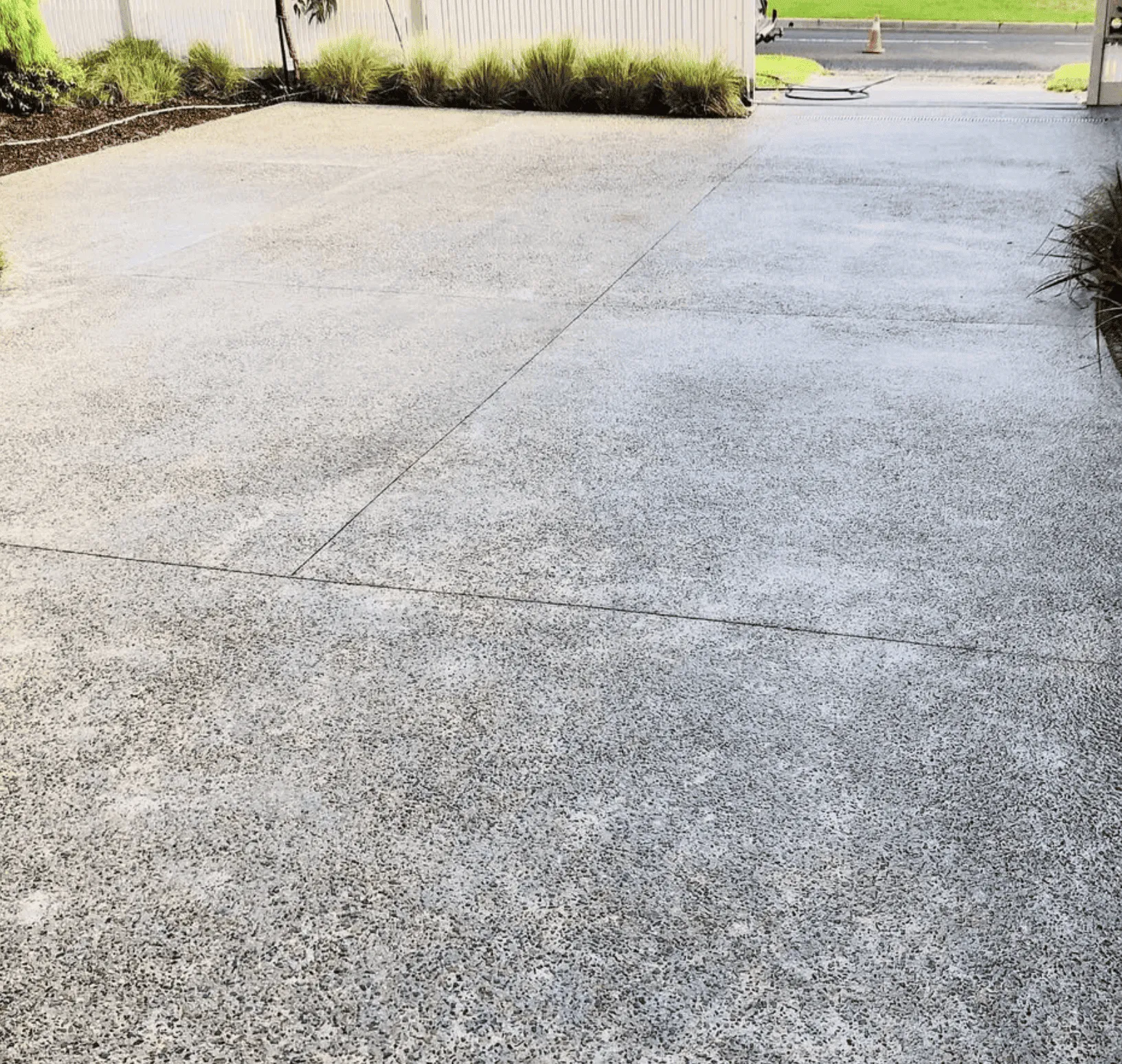
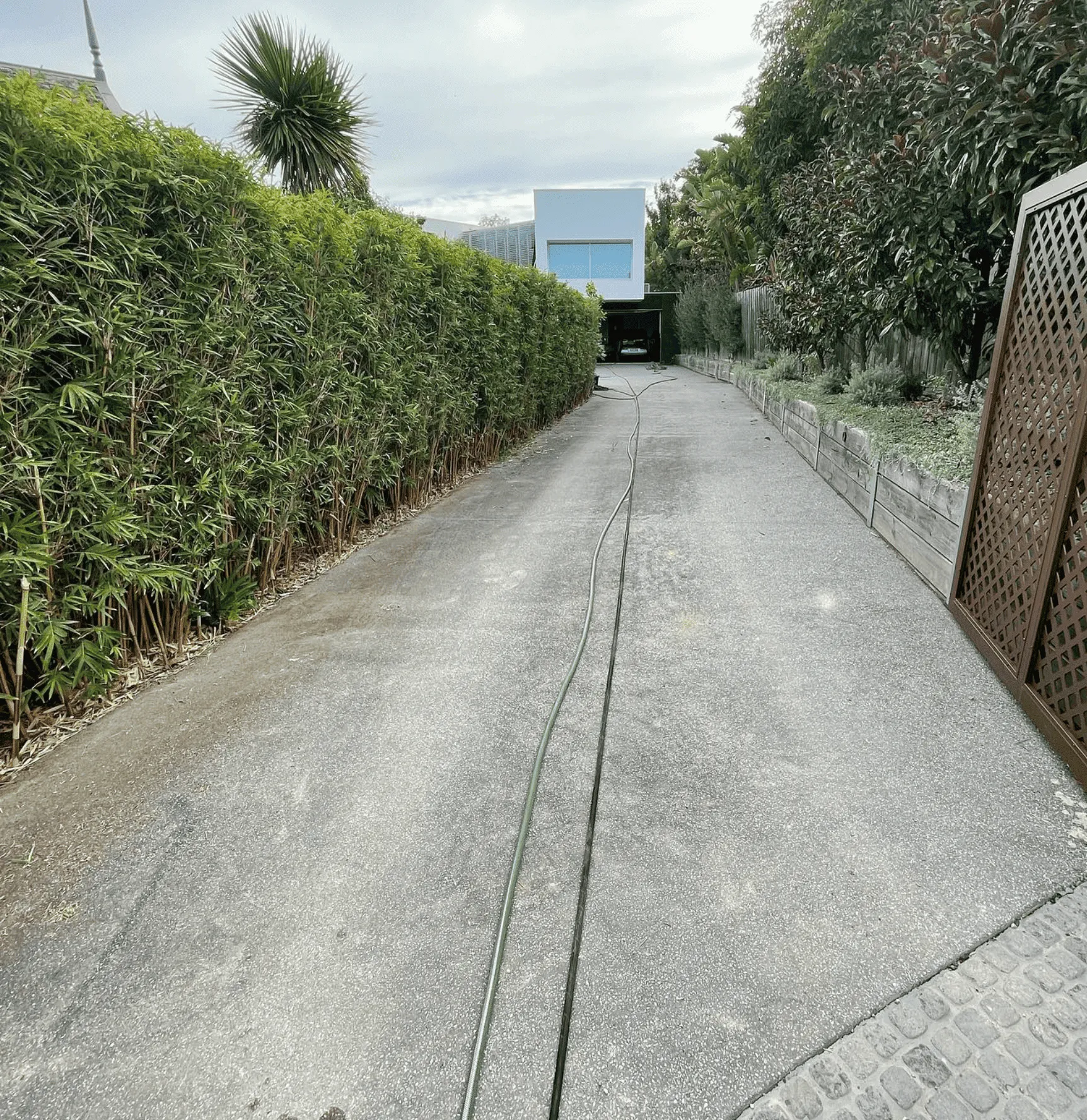
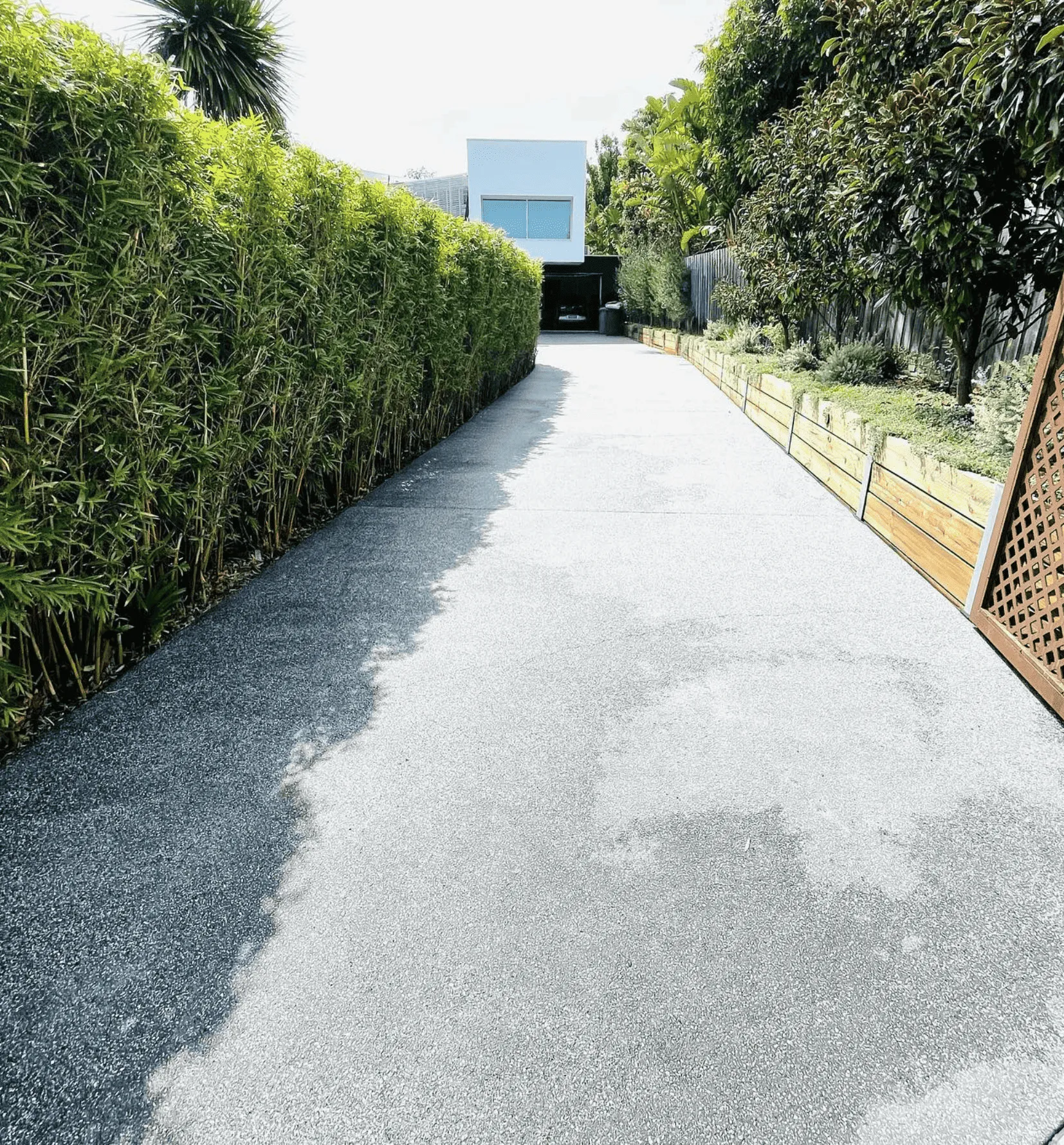
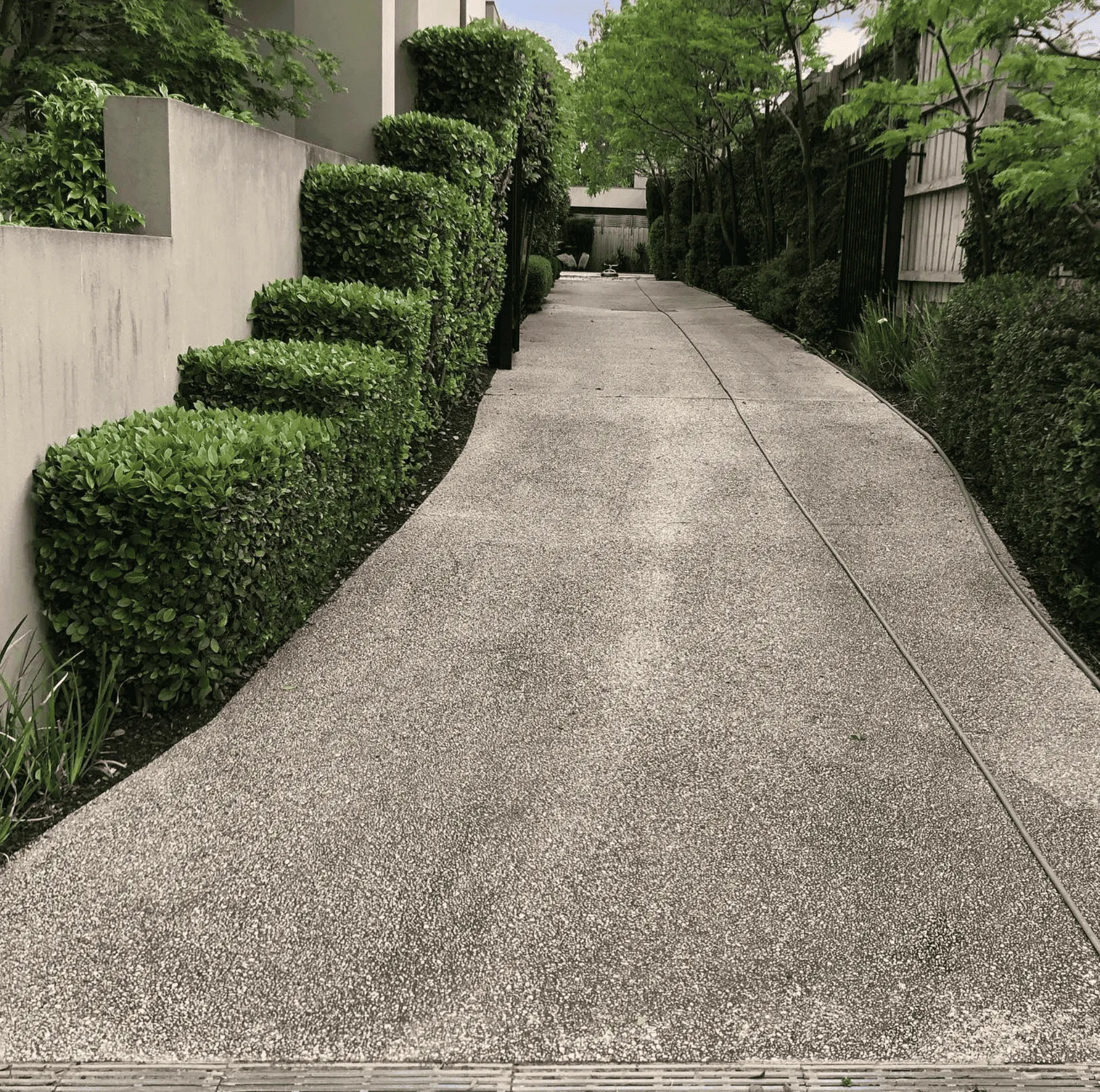
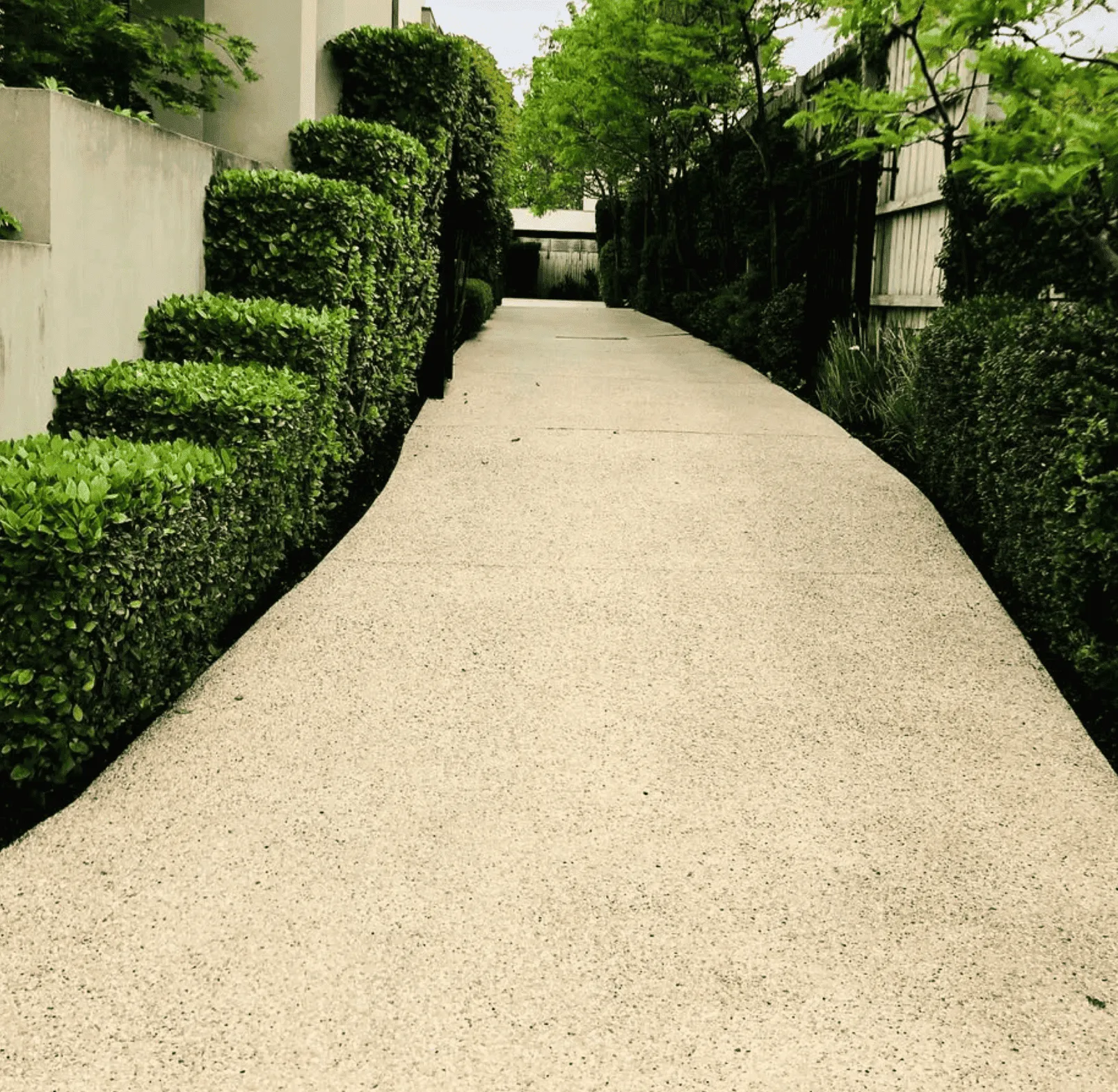
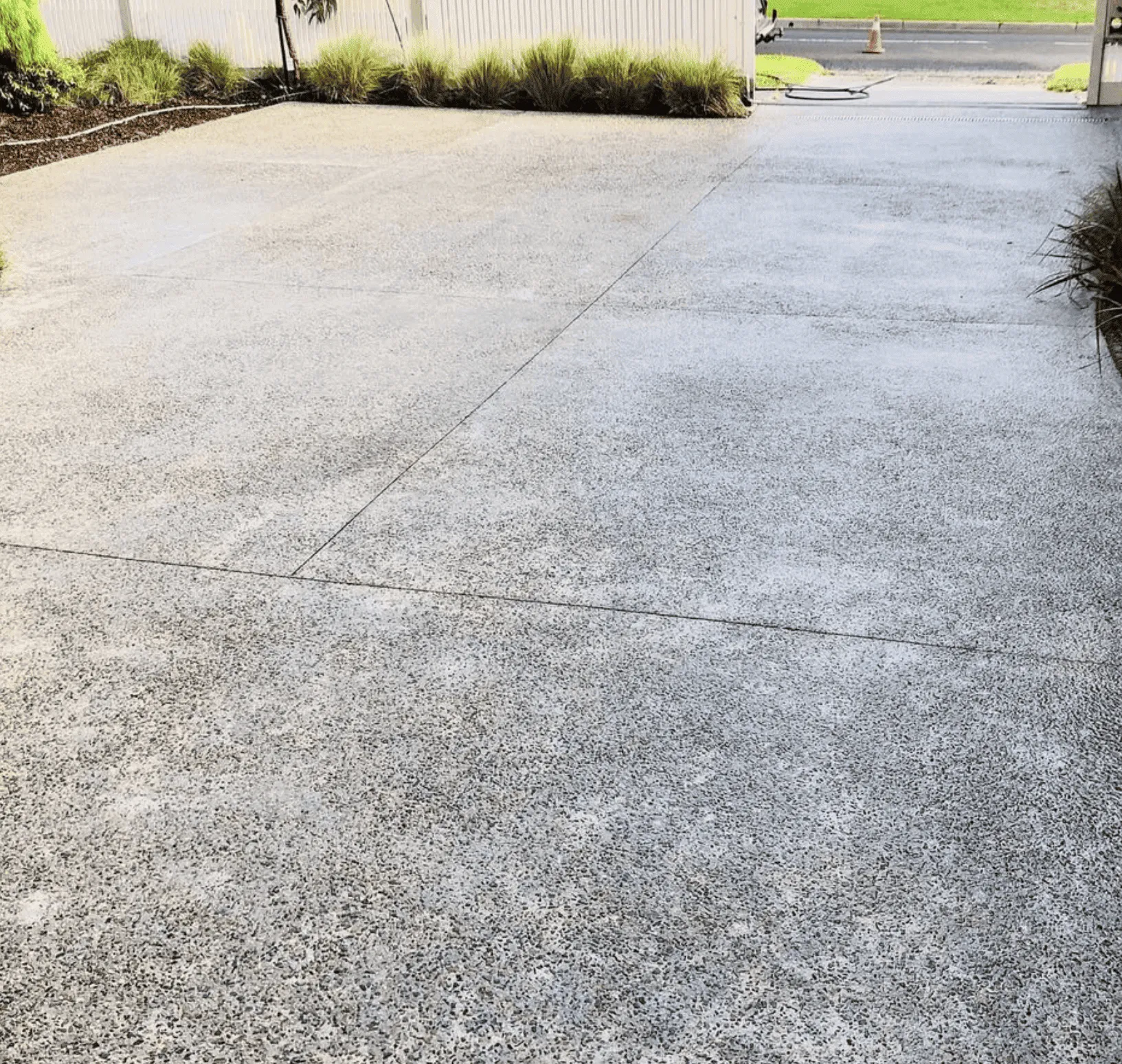
Exposed aggregate concrete combines cement paste with visible stone. Cleaning needs enough force to remove contamination without unnecessarily eroding the matrix around the aggregate.
Older and Weathered Surfaces
Older concrete may already contain pitting, cracks, exposed aggregate or friable areas. Cleaning can reveal these defects more clearly, but it cannot restore lost material or structural integrity.
Common Stains and Surface Contamination
Different marks require different treatment. Concrete stain removers, a suitable concrete degreaser and other cleaners need to match both the contamination and the surface.
| Contamination | Typical approach | Important limitation |
|---|---|---|
| Dirt and general grime | Controlled pressure cleaning | Existing discolouration may remain |
| Algae, mould and organic growth | Soft washing or suitable treatment | Regrowth depends on moisture and exposure |
| Oil, grease and vehicle fluids | Concrete degreaser or targeted cleaner | Deep contamination may leave a shadow |
| Leaf and tannin marks | Targeted treatment | Older staining can penetrate porous concrete |
| Paint or workshop residue | Contaminant-specific assessment | Treatment depends on the contaminant and concrete finish |
| Gum or rust | Stain-specific treatment | Gum and rust removal require different methods |
How We Choose the Approach
We clean a range of concrete surfaces, adjusting the method to suit the finish, condition, porosity and existing coatings.
Controlled Pressure
Pressure cleaning suits sound concrete with removable surface contamination. The pressure washer, nozzle, working distance, flow and movement all influence the force reaching the slab, so the maximum output of high-pressure equipment is not a default cleaning setting.
Low-Pressure and Chemical Treatment
Organic contamination, or surfaces requiring less mechanical force, may benefit from soft washing or chemical treatment. Depending on the surface and contaminant, products can include pH-neutral cleaners, alkaline cleaners or other specialty cleaning agents.
Product instructions and relevant safety data sheets matter. A cleaner suitable for plain concrete may not be appropriate for a coloured, sealed or otherwise decorative surface.
Targeted Stain Treatment
Oil, grease, tannins and other specific stains may need treatment before or after general cleaning. A concrete degreaser or stain-specific product can be more appropriate than simply increasing water pressure.
Strong acidic cleaners are not general-purpose solutions for concrete. They can react with cementitious surfaces and may affect decorative concrete, protective coatings, and surrounding materials, so stain chemistry and manufacturer instructions should be considered first.
What Happens During the Service
We identify the concrete type, contamination, existing coating or sealer, deterioration, drainage and nearby surfaces before selecting the cleaning method.
Depending on what we find, treatment may involve controlled pressure, an appropriate cleaning solution, agitation or targeted stain work using suitable surface cleaners or other specialised tools. We also consider where wash water will travel, because detergents, oil, dirt, and other wash-down residues may require appropriate management.
Once cleaning is complete, we rinse the surface and inspect it for any remaining spots or deterioration revealed after the contamination has been removed. This helps distinguish residual staining from damage that cleaning cannot correct. Final rinsing and inspection are also part of Window Cleaning Melbourne Crew’s published concrete-cleaning process.
Realistic Results and Limitations
Cleaning can remove or reduce many forms of surface dirt, organic growth and staining. It cannot repair cracks, spalling, erosion, damaged floor coatings, faded colour or structural deterioration.
A remaining mark does not necessarily mean the area was not properly pressure-cleaned. Oil can penetrate pores, rust can react with the substrate, and existing damage may become more noticeable once the surrounding grime is gone. Cleaning is also different from concrete resurfacing, concrete painting or repair.
Who We Service
We provide concrete cleaning for homeowners, property managers, property owners, businesses, corporate clients and industrial customers across Melbourne. Suitable areas include concrete driveways, paths, courtyards, entrances, garage floors, warehouse floors, concrete walls and other accessible concrete surfaces. The company’s existing service information specifically includes property managers, business and corporate clients, industrial customers and warehouse applications.
Commercial and industrial areas may need additional assessment where concrete is exposed to paint residue, vehicle fluids, workshop contamination, equipment or heavy foot traffic.
Superior Equipment
Effective concrete cleaning depends on matching equipment and settings to the surface rather than relying on maximum pressure. Nozzle pattern, working distance, water flow, treatment method and surface condition all influence the cleaning action.
Special Care for Decorative Finishes
Sealed, coloured and other decorative concrete needs additional assessment because cleaning may interact with the existing finish. Once dirt is removed, a worn coating can look uneven because previously hidden deterioration becomes visible.
Drying becomes particularly important when cleaning is preparation for concrete sealing. One Australian concrete sealer specification requires the substrate to have less than 10% moisture before application, as trapped moisture can cause whitening. Where electronic moisture testing is unavailable, guidance for the same system describes a 1-hour covered-area dry test. These are product-specific preparation criteria, not universal thresholds for every sealer.
When Maintenance Is Worth Considering
There is no defensible universal cleaning interval for every concrete surface. Frequency depends on shade, moisture, trees, traffic, vehicle use, drainage, porosity and whether the concrete is sealed.
Manufacturer guidance for some decorative and sealed concrete systems suggests resealing every 2–3 years. This is a sealer-maintenance interval, not a concrete-cleaning schedule. UV exposure, vehicles, abrasion, weather, and coating condition can push maintenance toward the shorter end of that range.
Melbourne Conditions That Affect Concrete
Melbourne’s changing weather, shade, vegetation, and traffic exposure can create noticeably different conditions even within a single property. Persistently damp sections may support more biological growth, while driveways closer to roads can collect vehicle and atmospheric residue.
Poor drainage can accelerate recurring contamination, so cleaning alone may not address why an area repeatedly becomes dirty.
Between Professional Visits
Remove leaves and debris before they remain wet against the surface, deal with fresh oil or grease promptly, and keep drainage paths clear. Avoid allowing unknown chemicals or strong cleaners to dry on decorative or sealed concrete.
What Backs Up Our Work
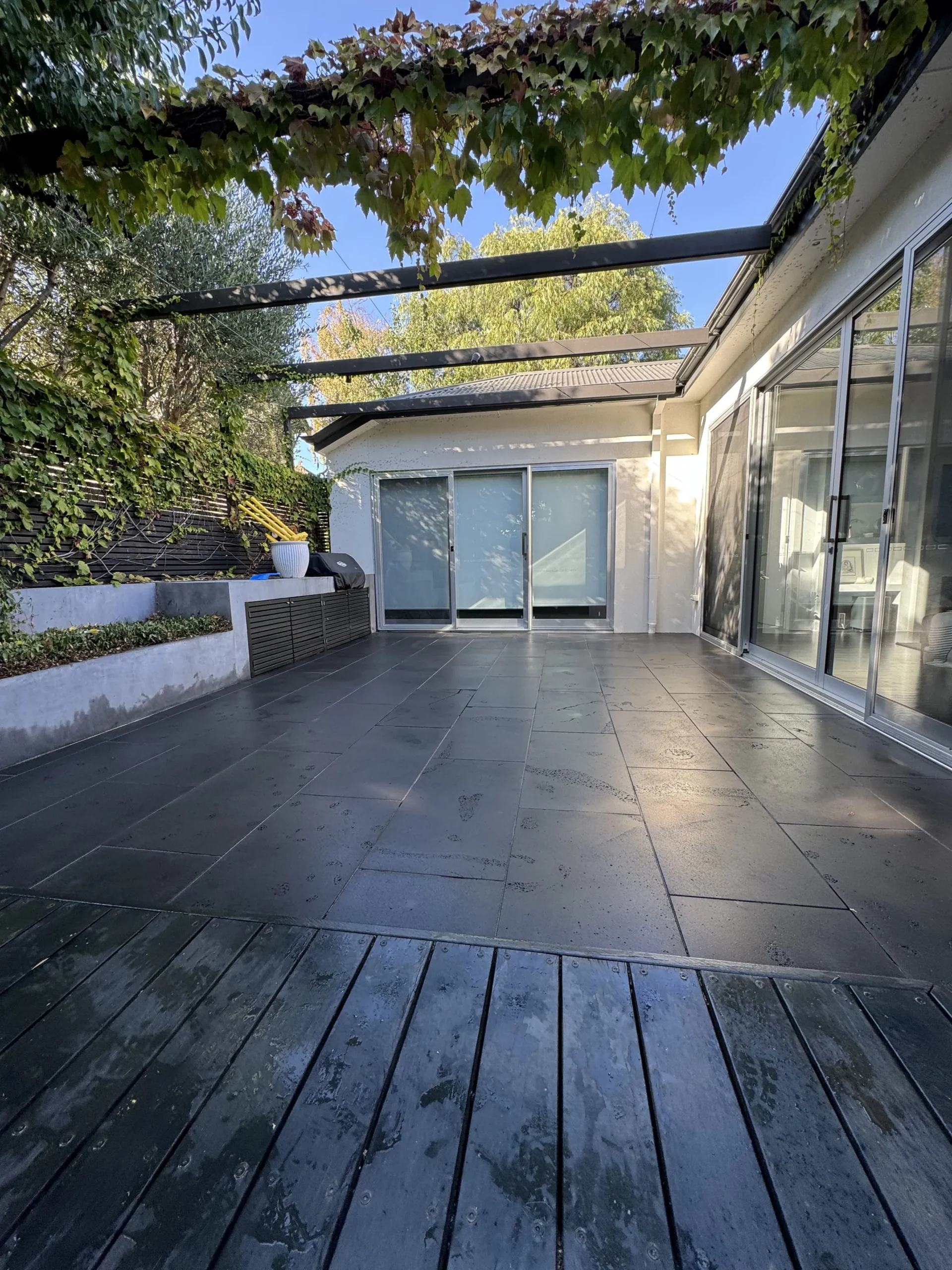
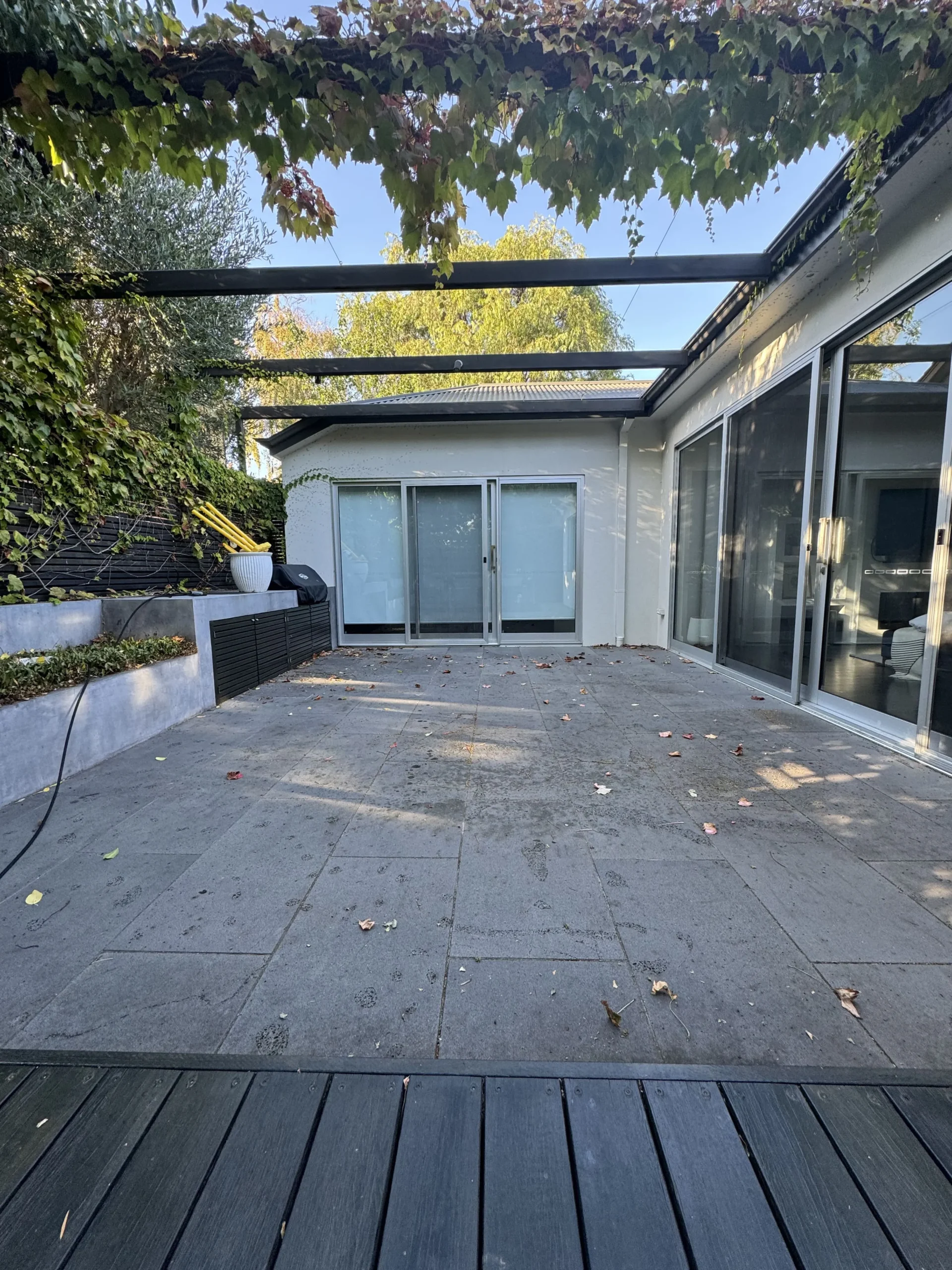
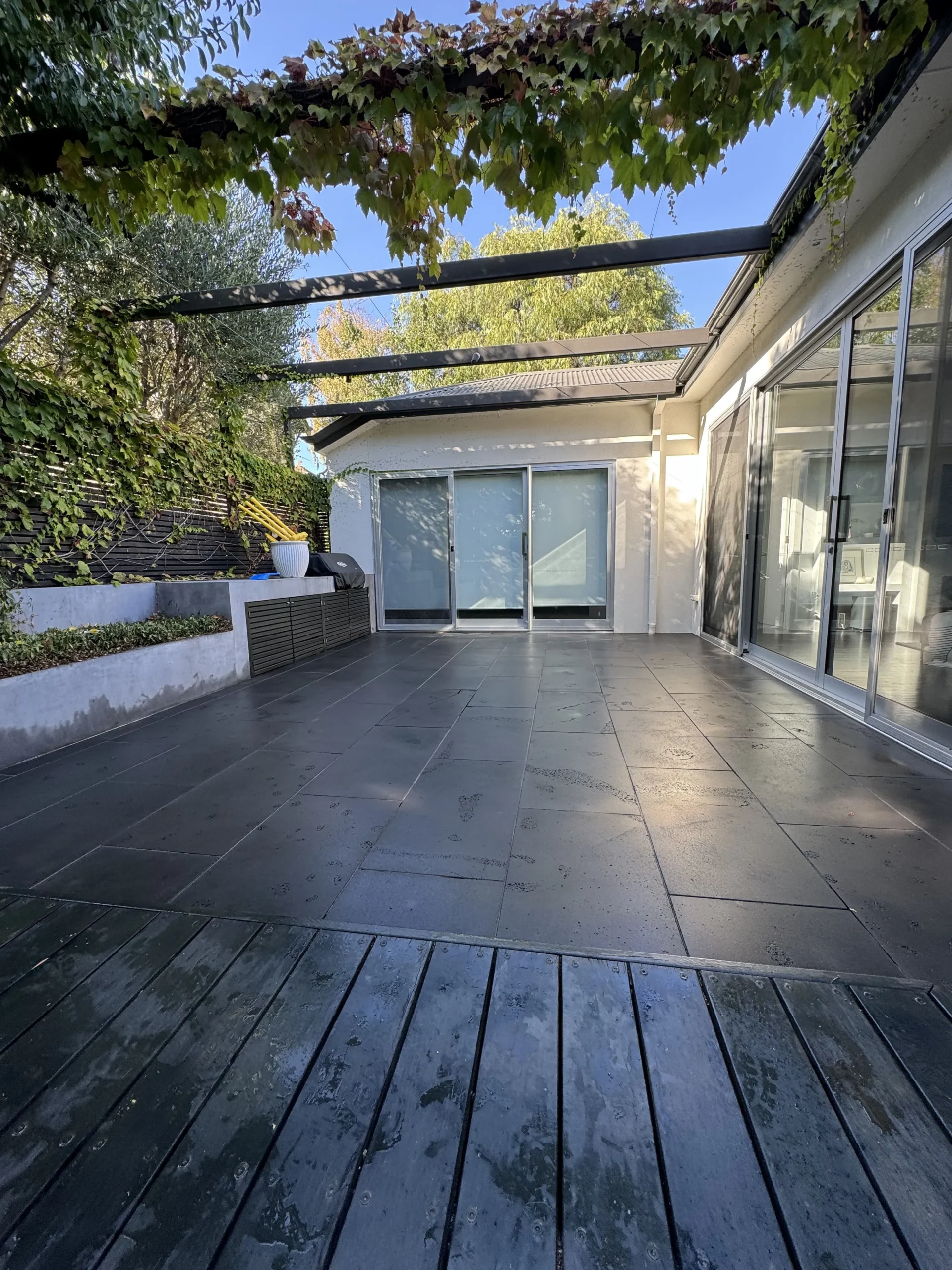
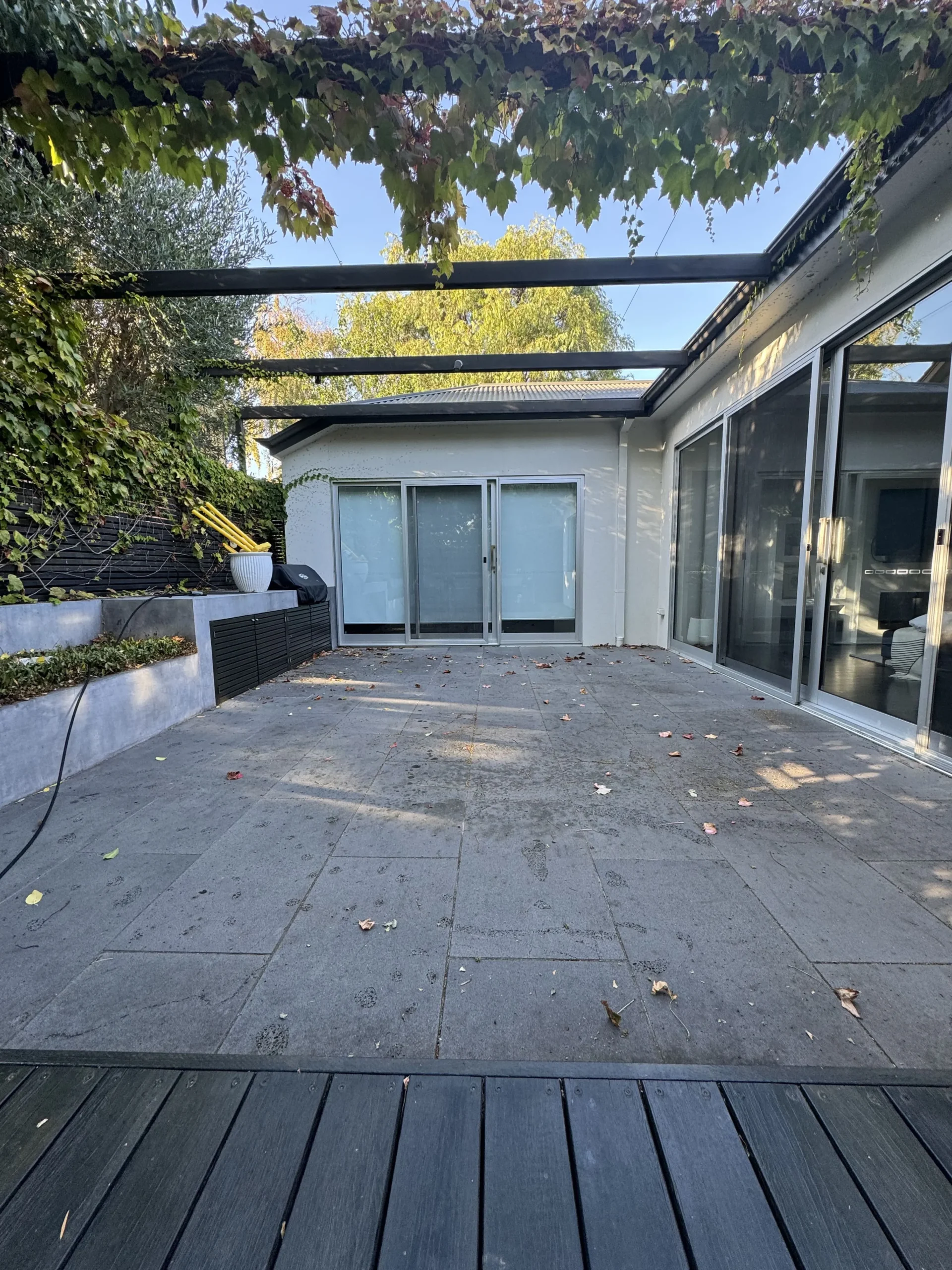
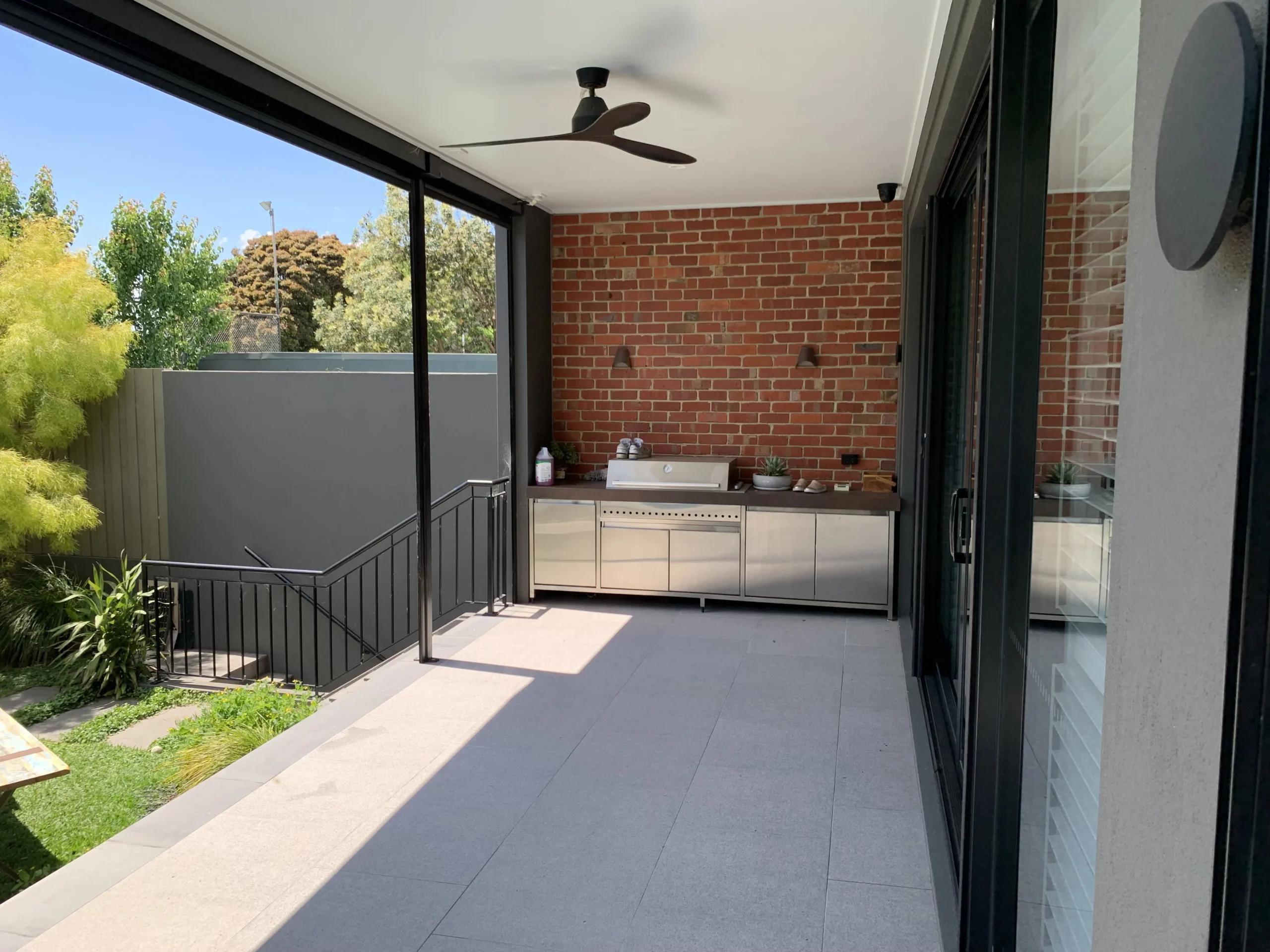
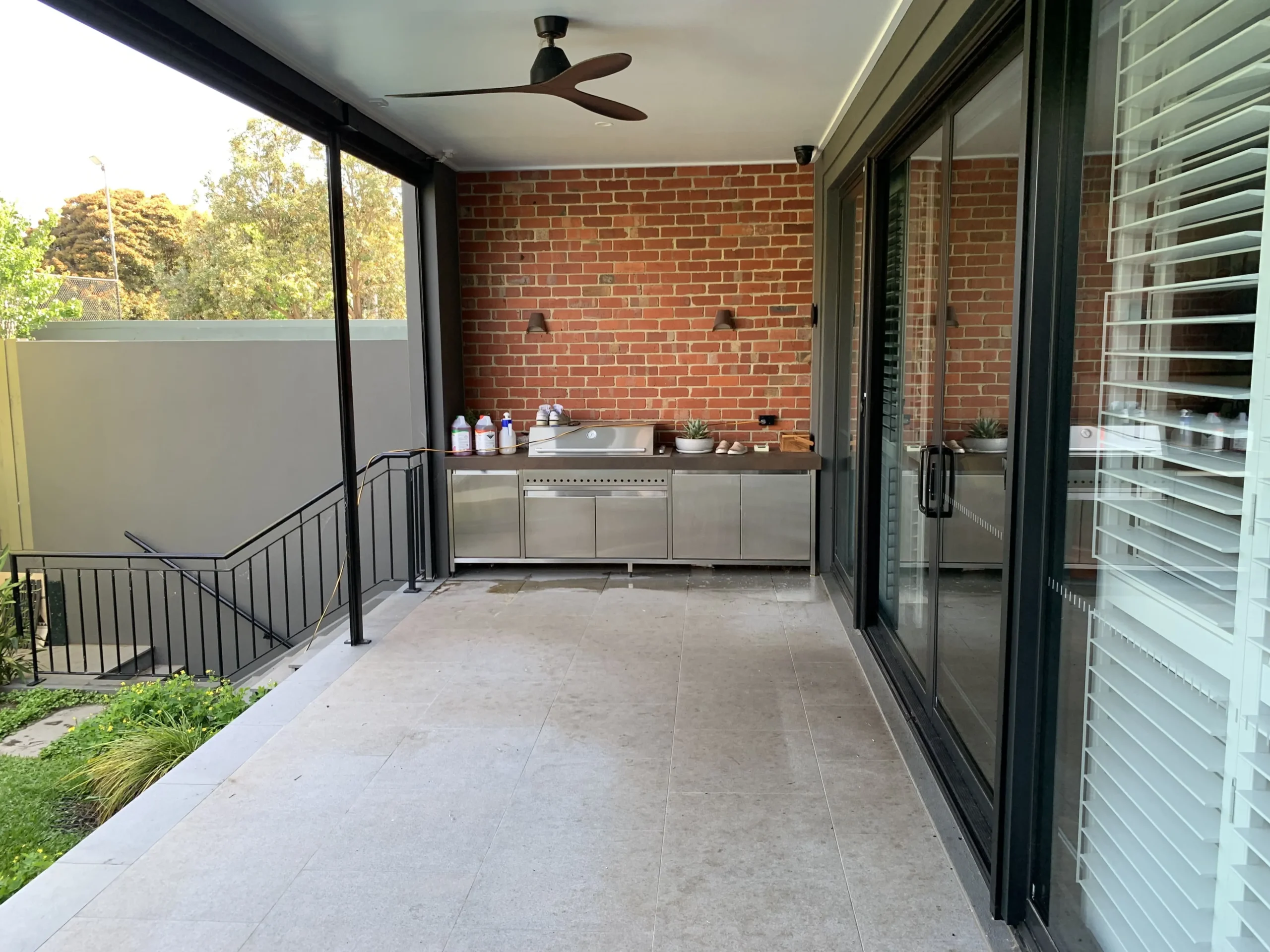
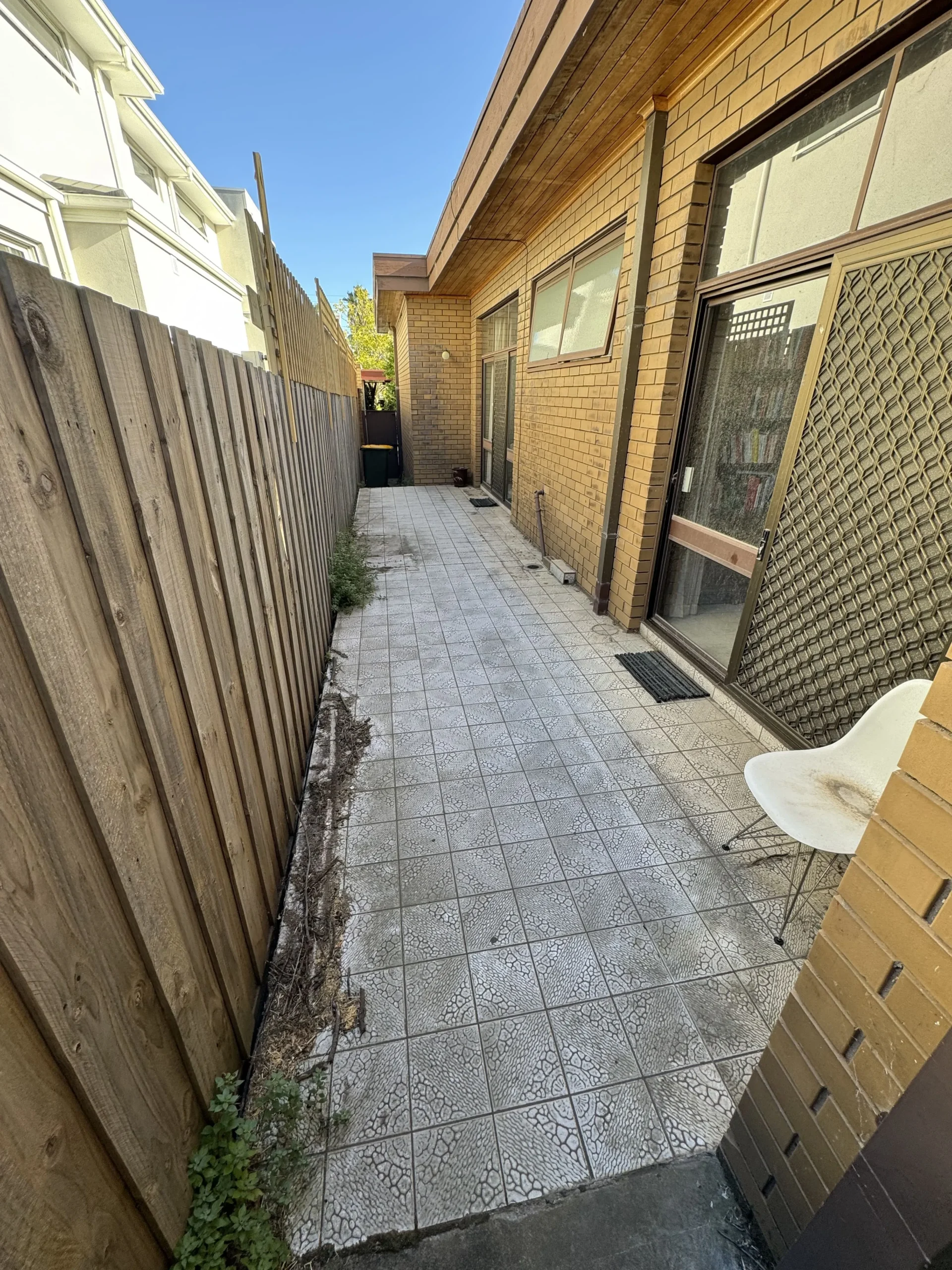
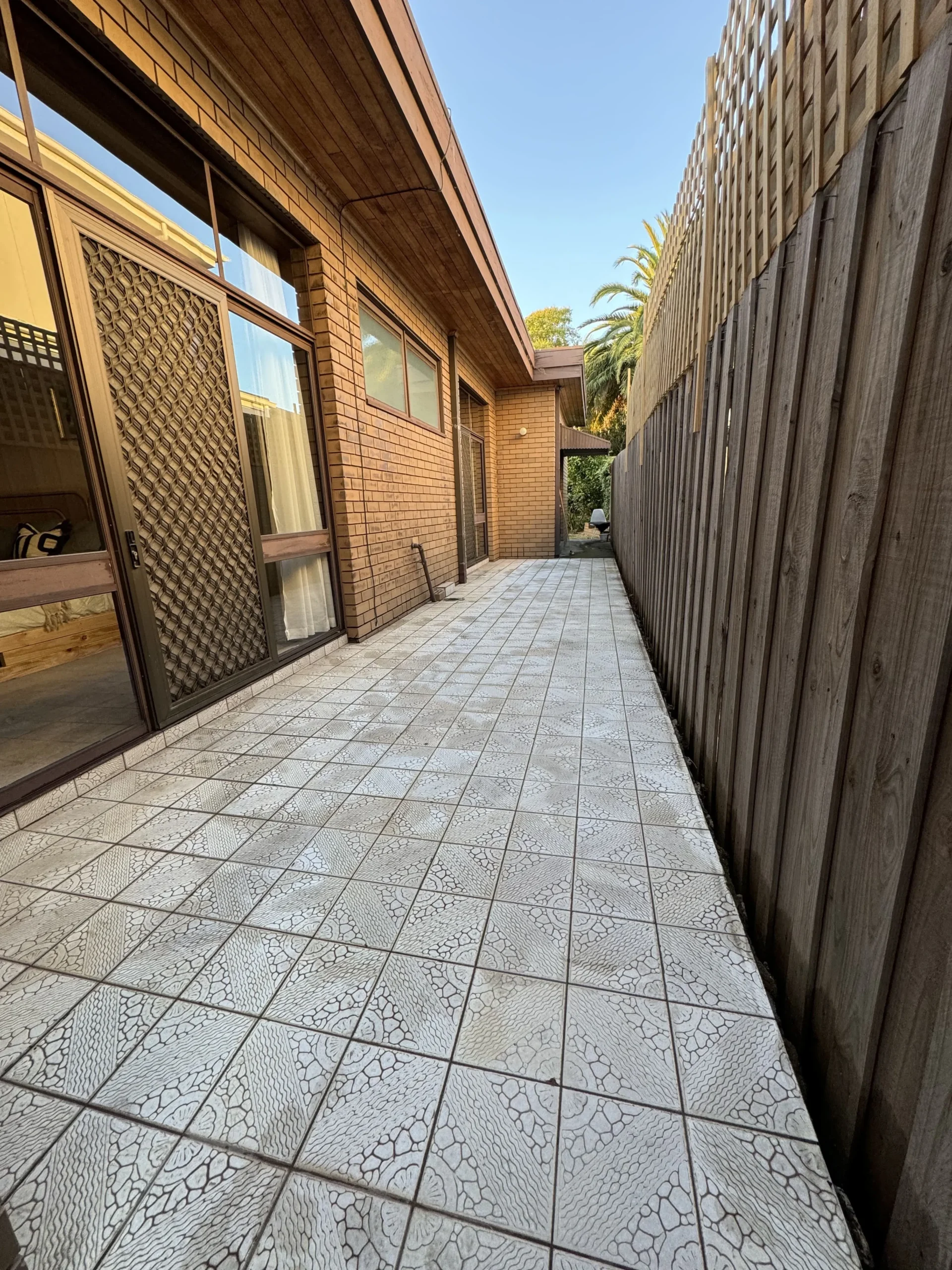
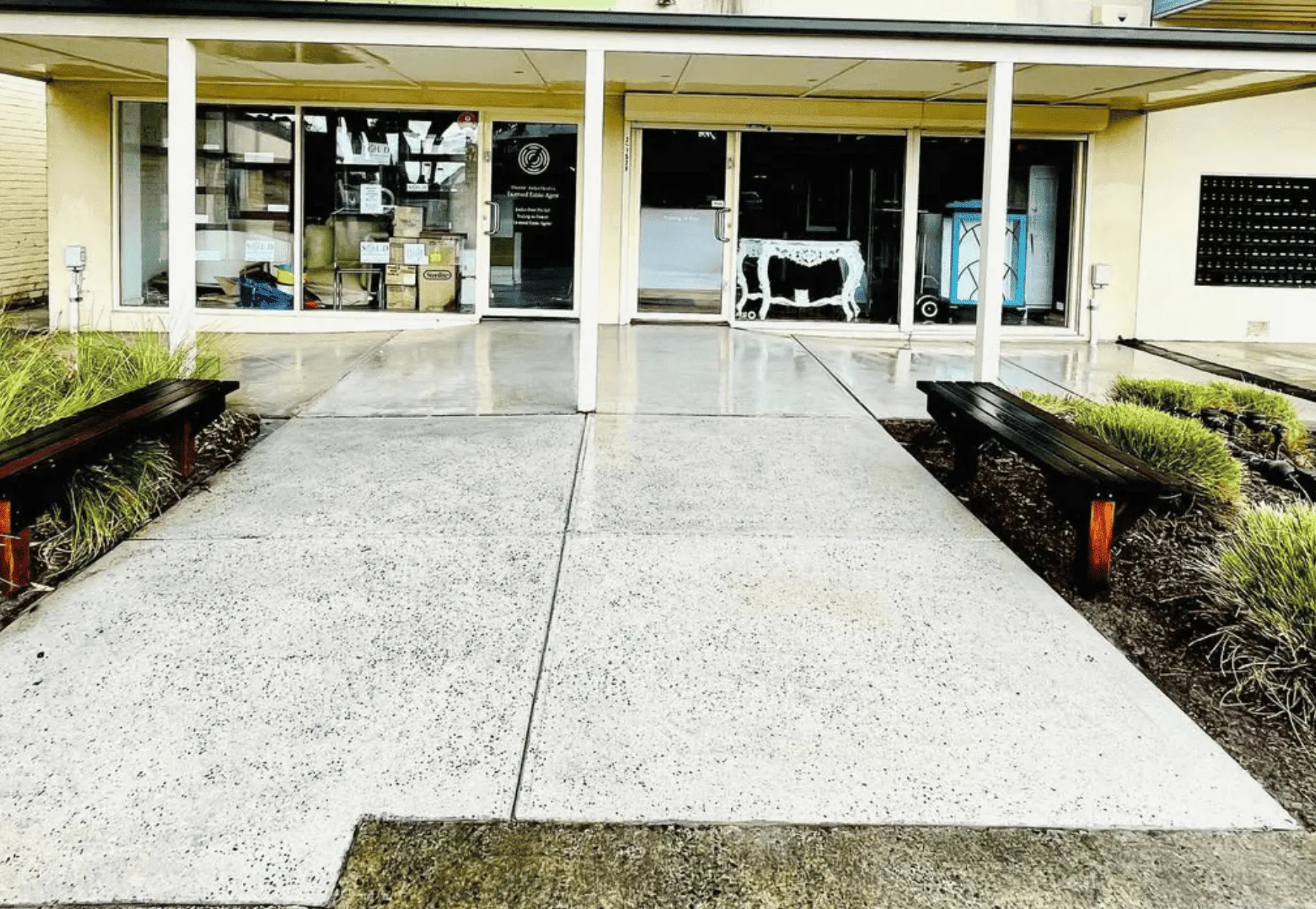
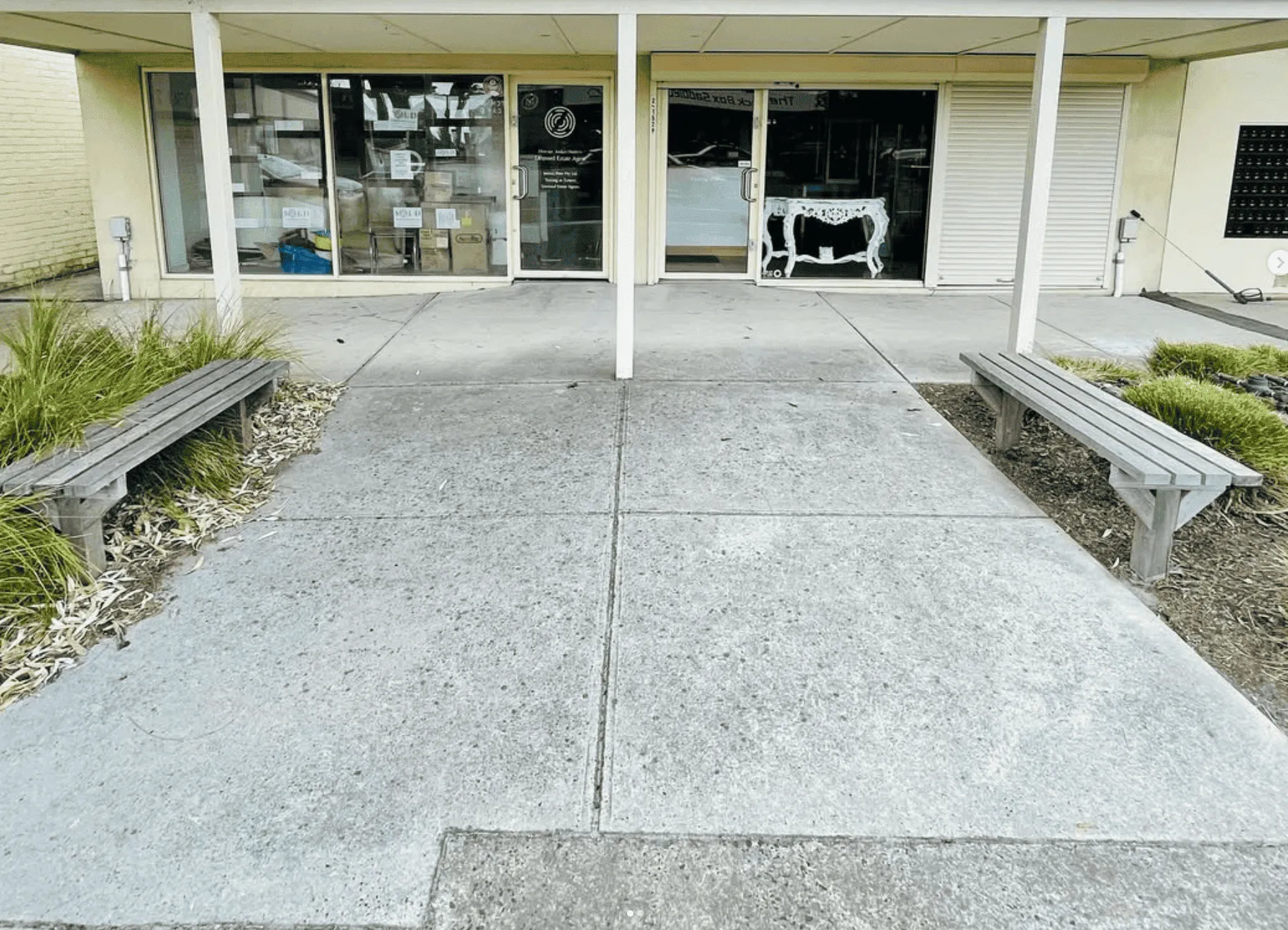
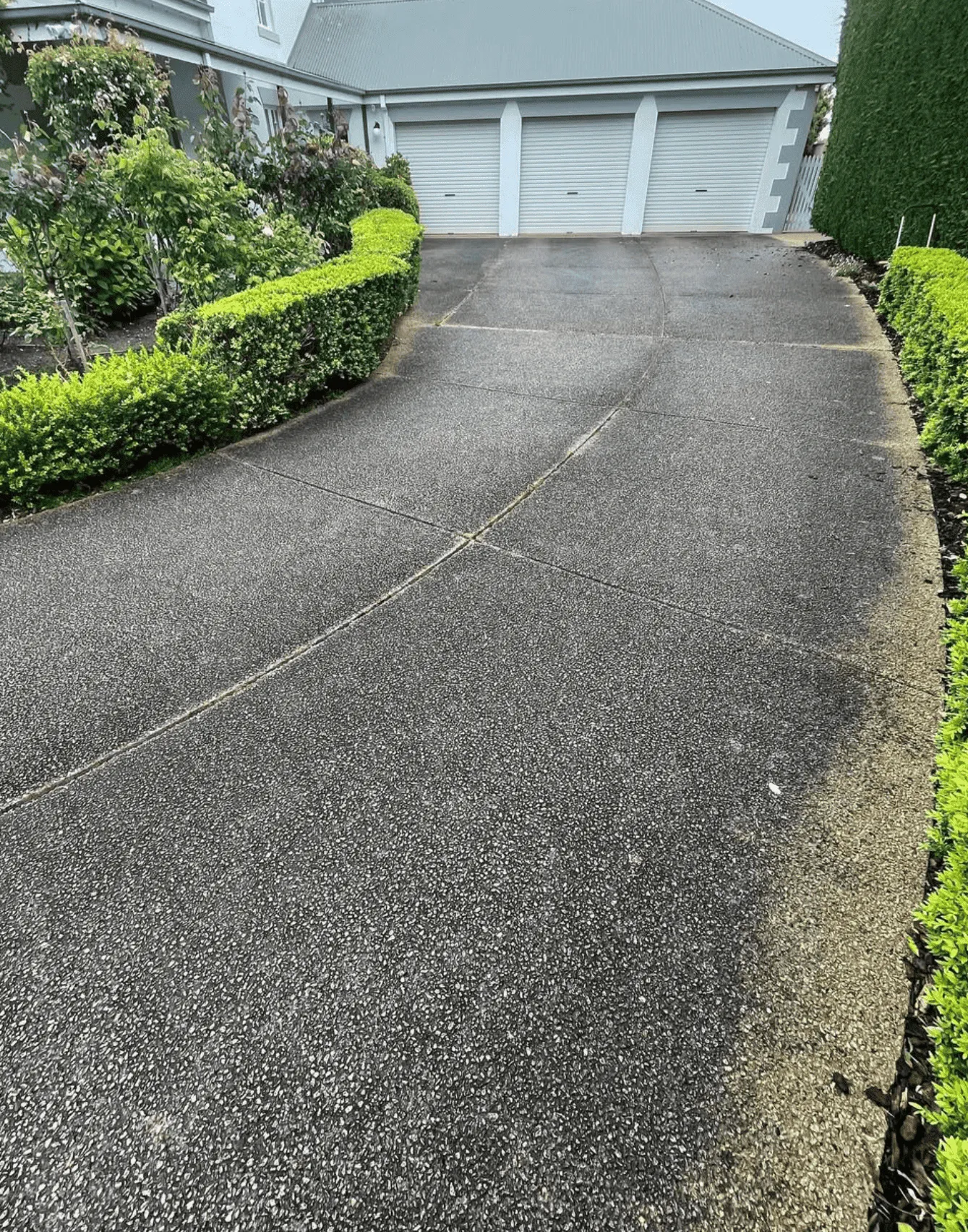
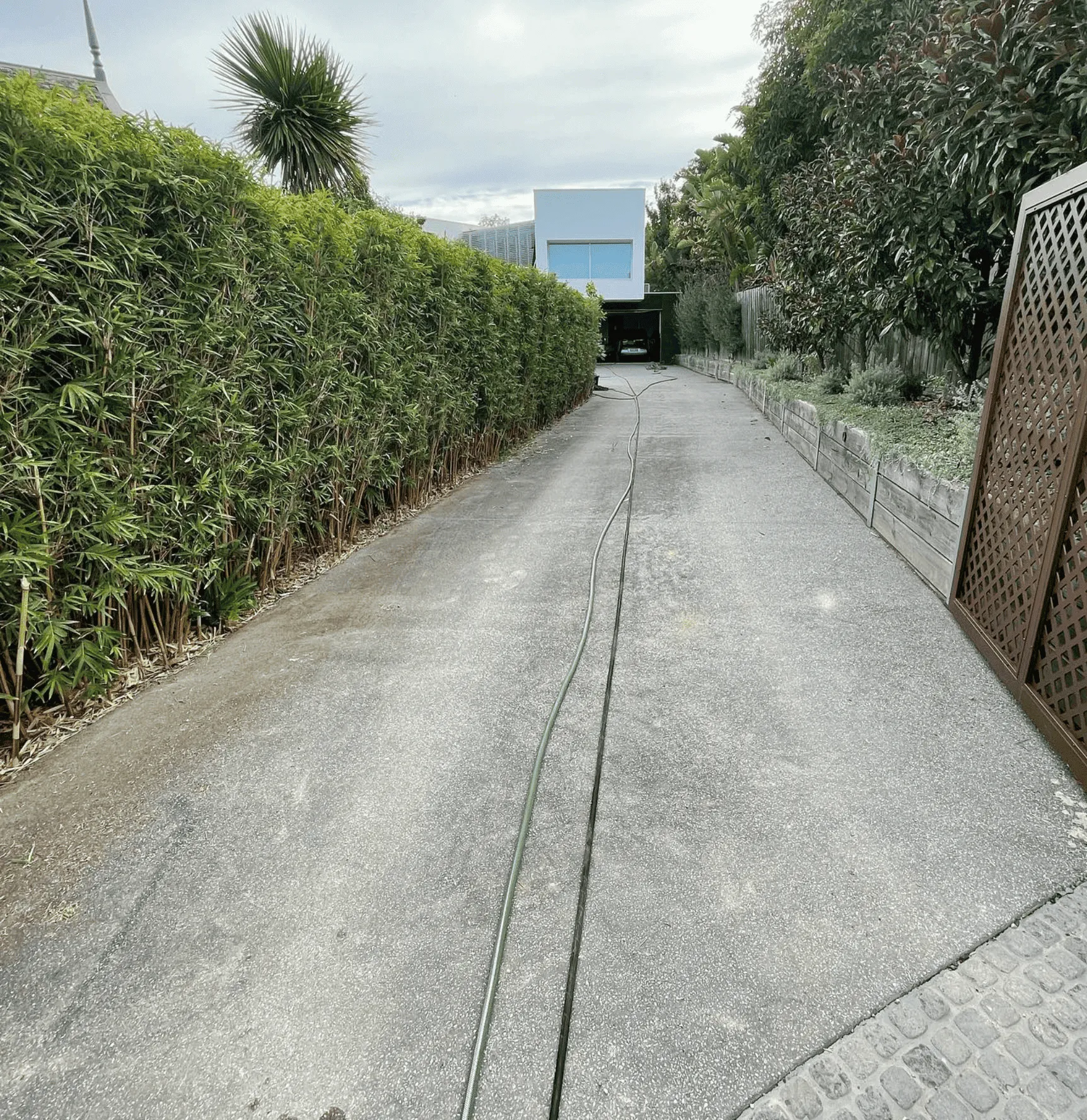
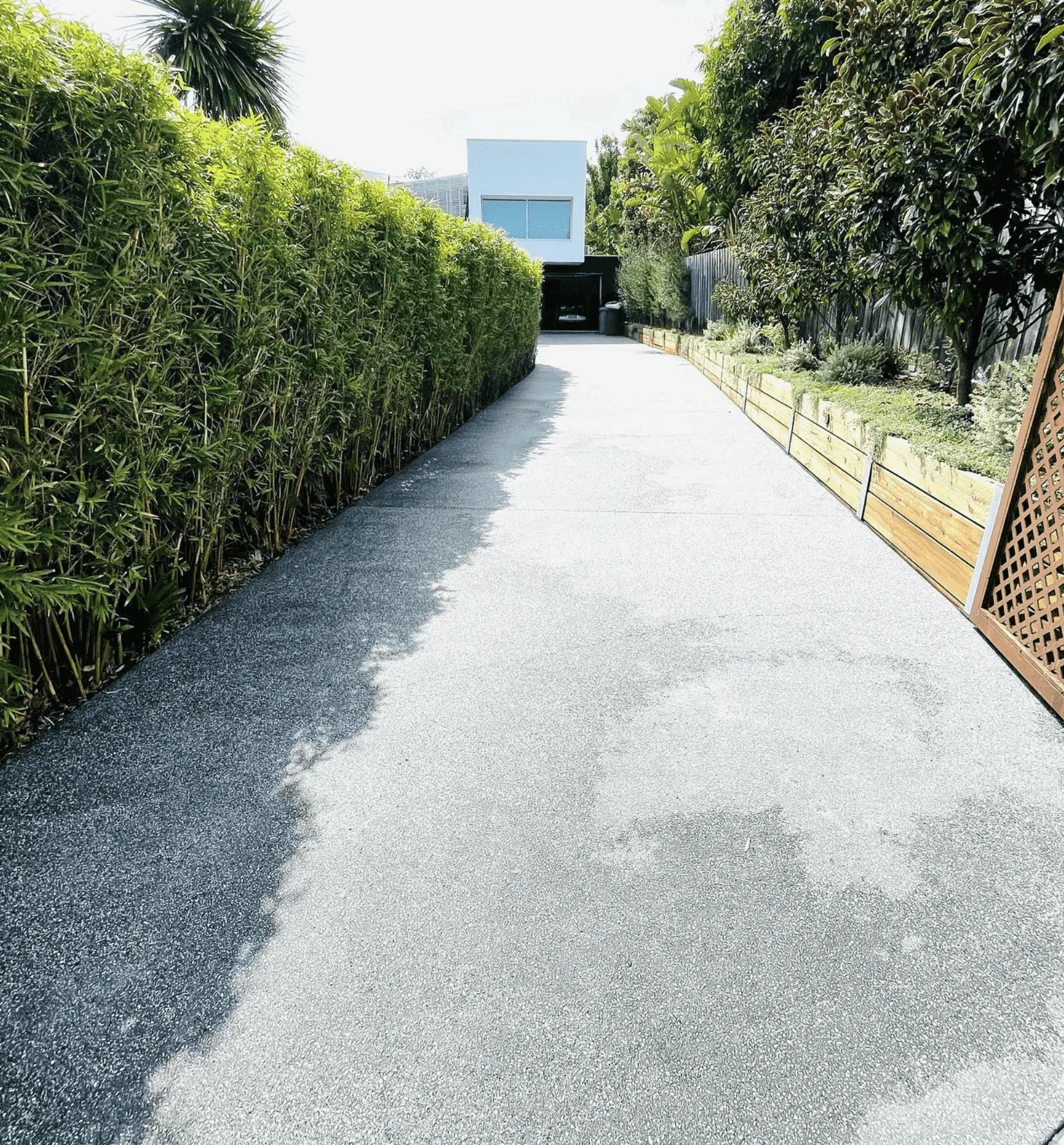
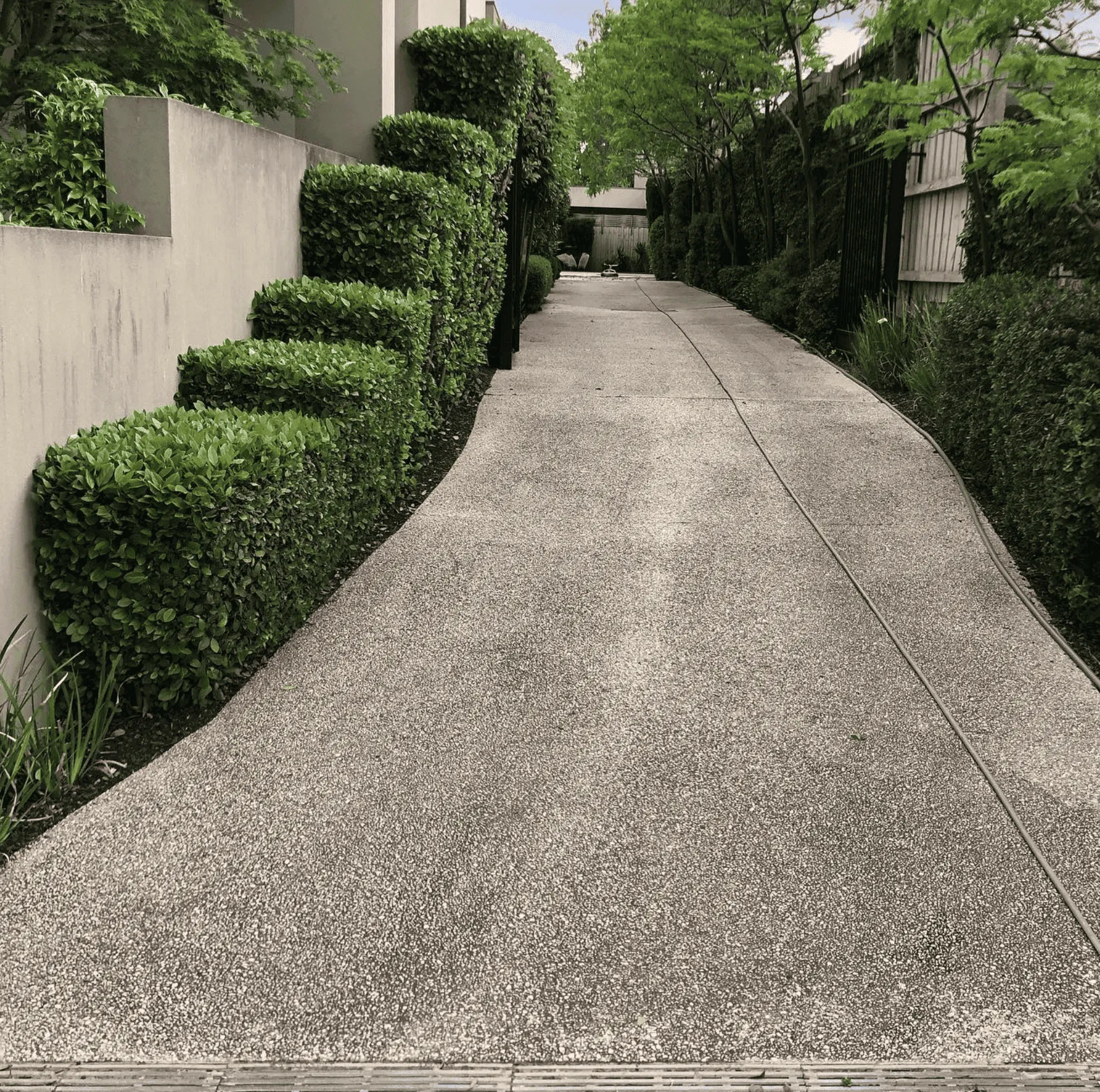
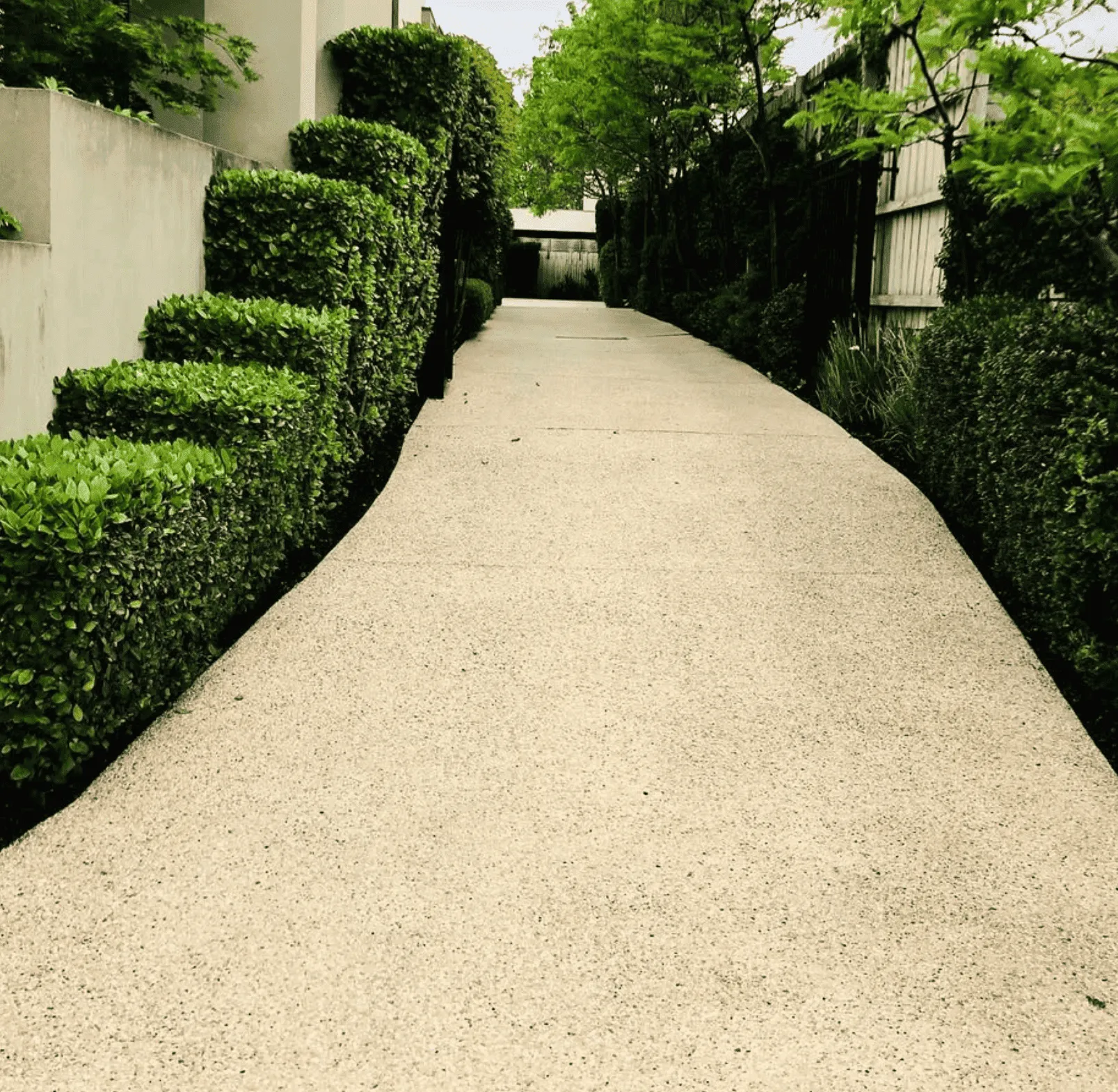
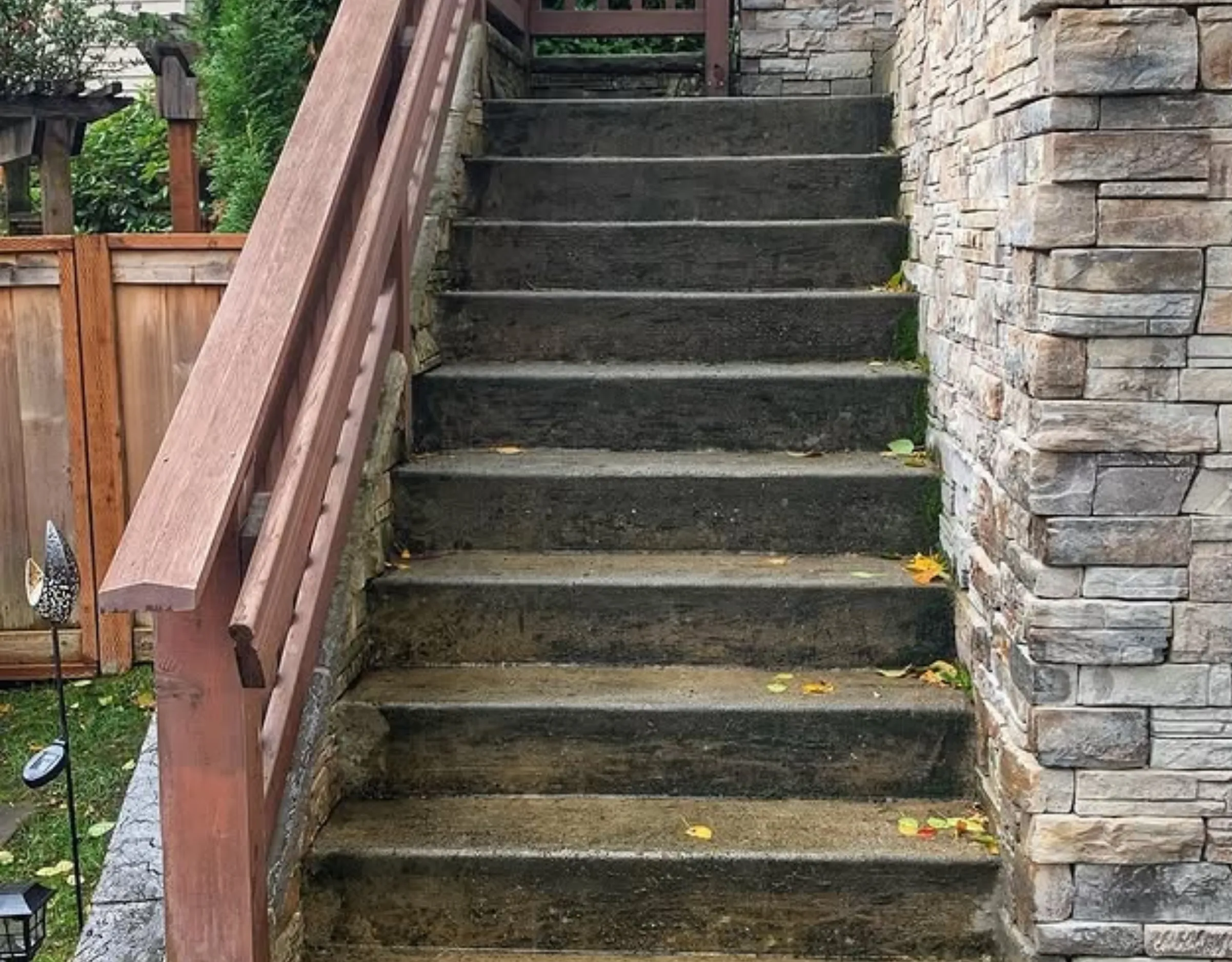
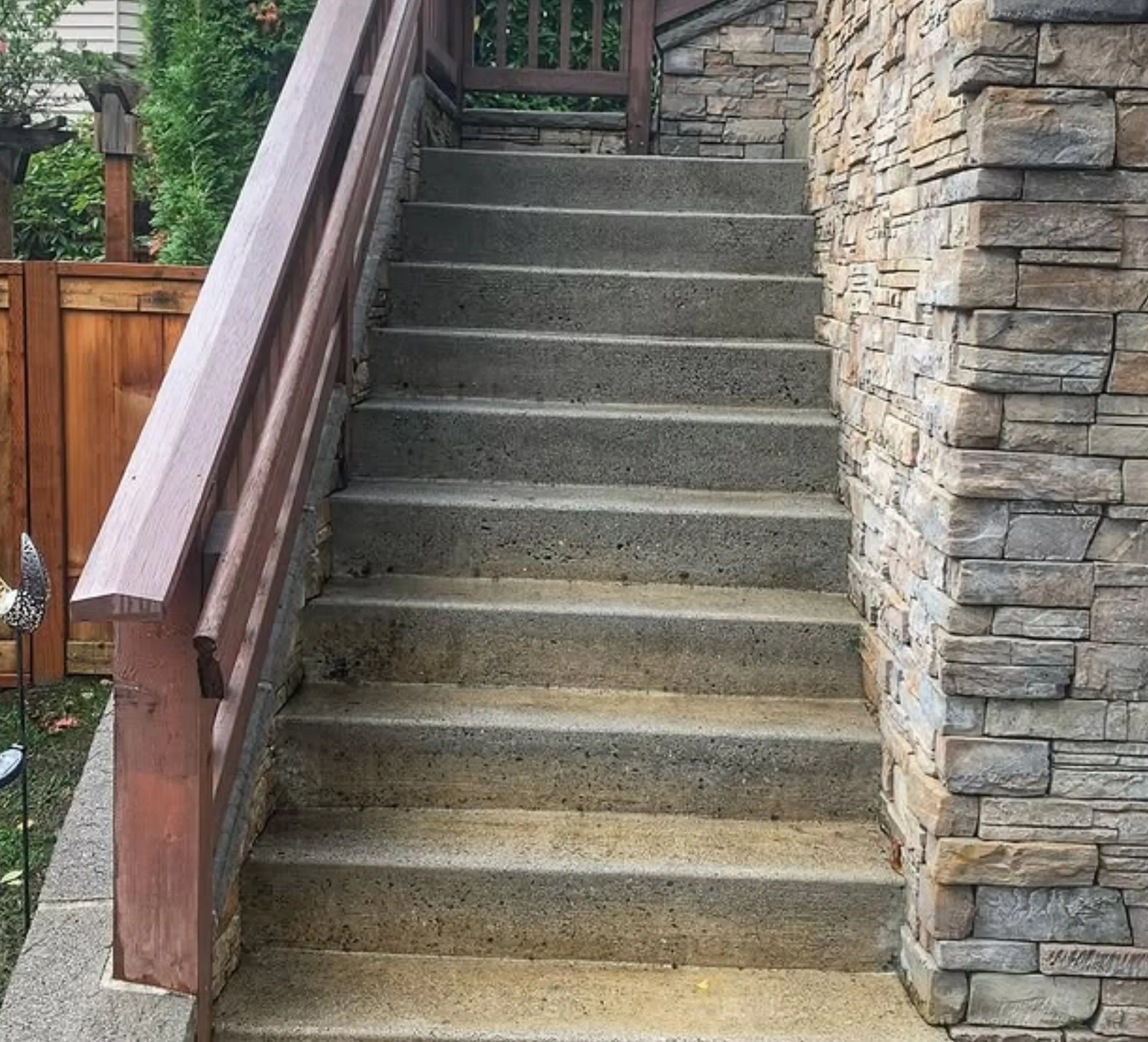
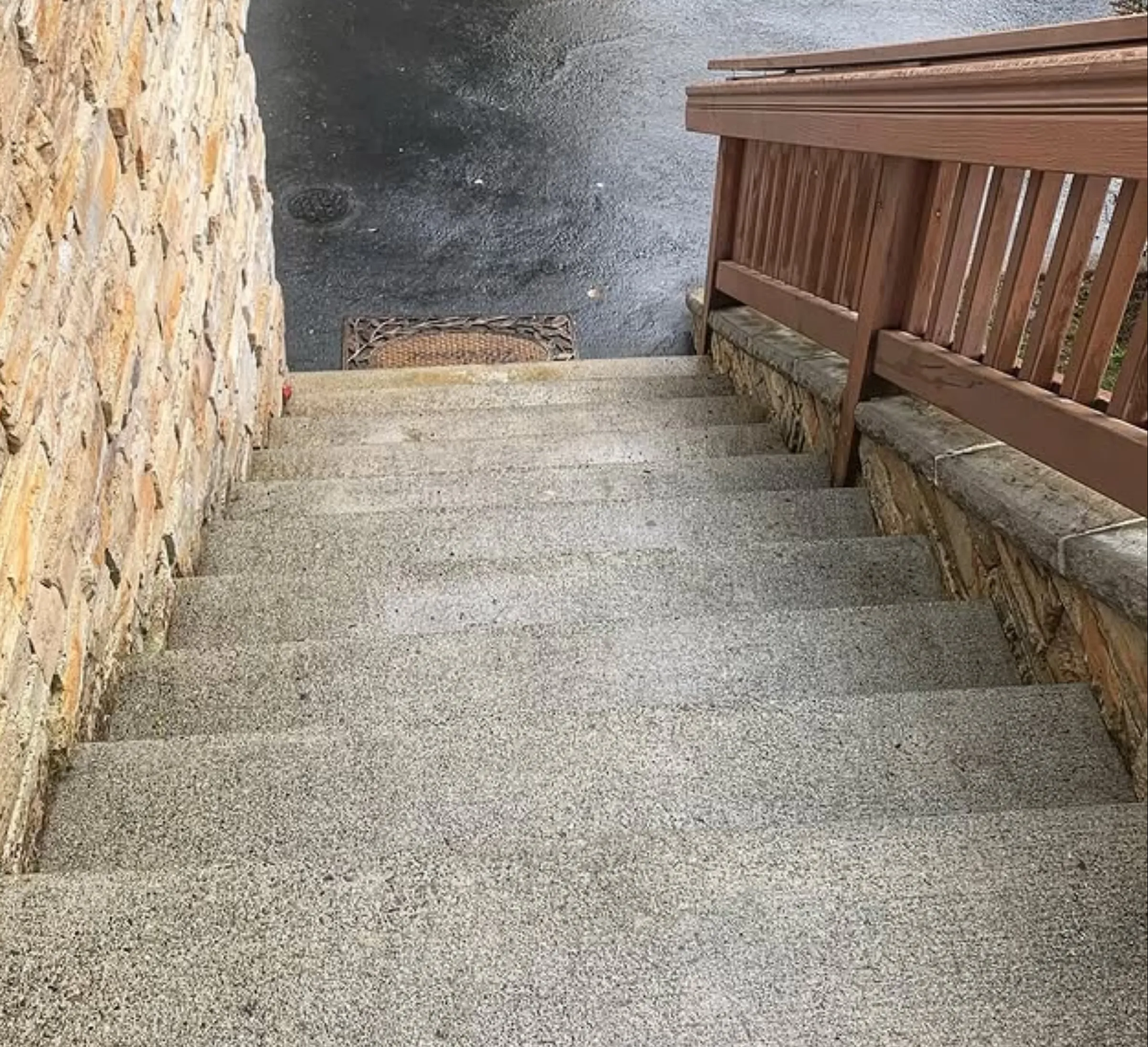
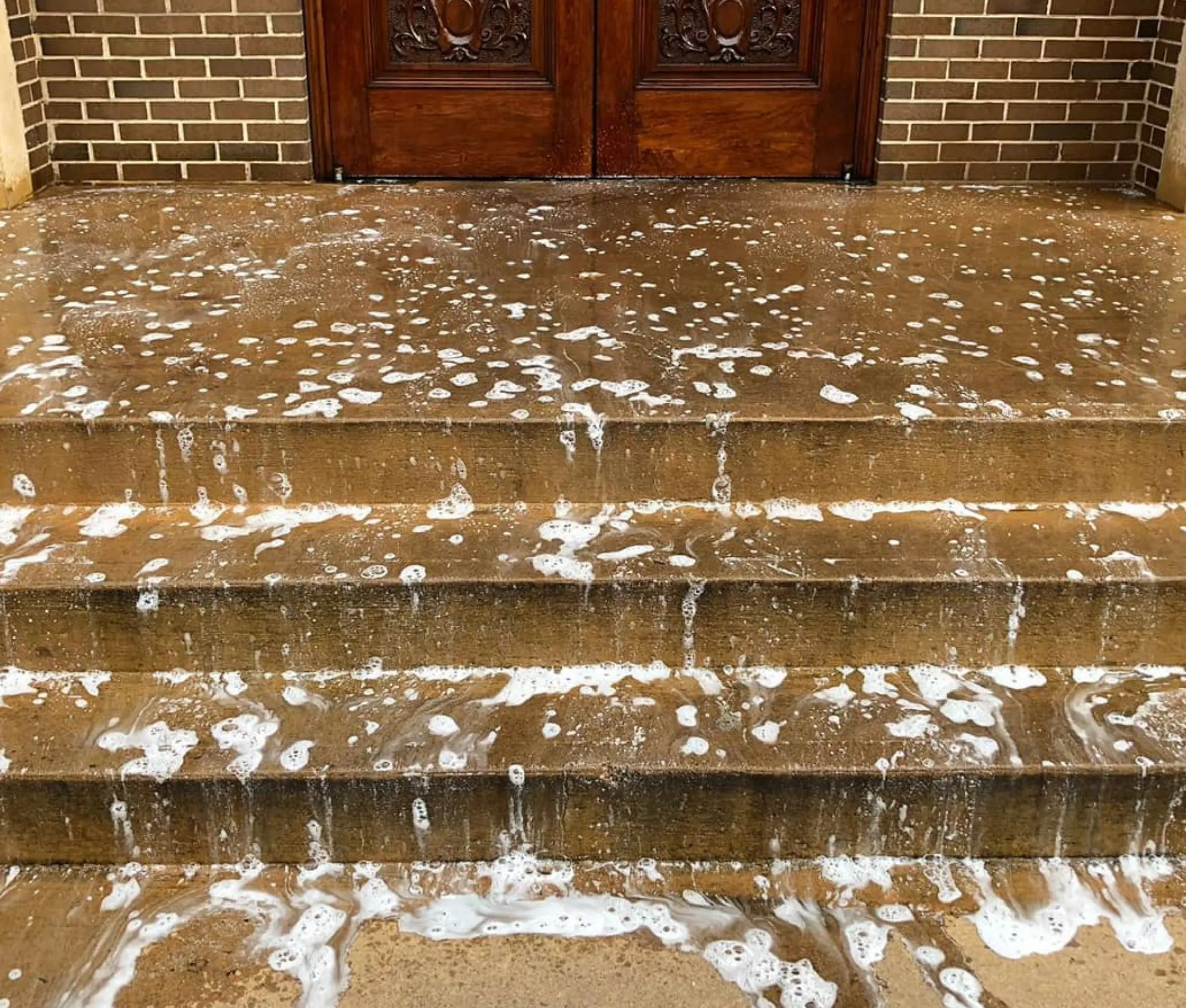
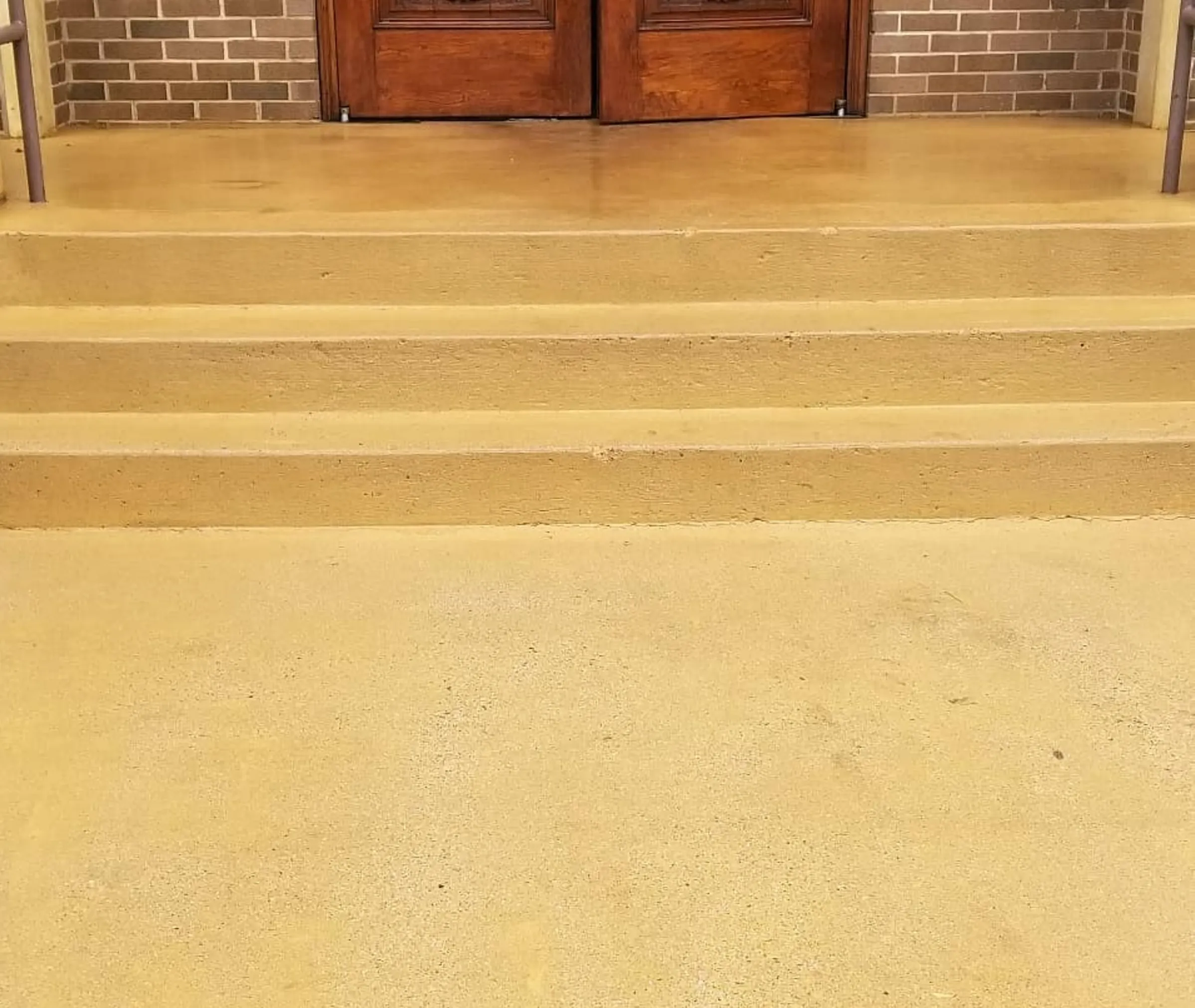
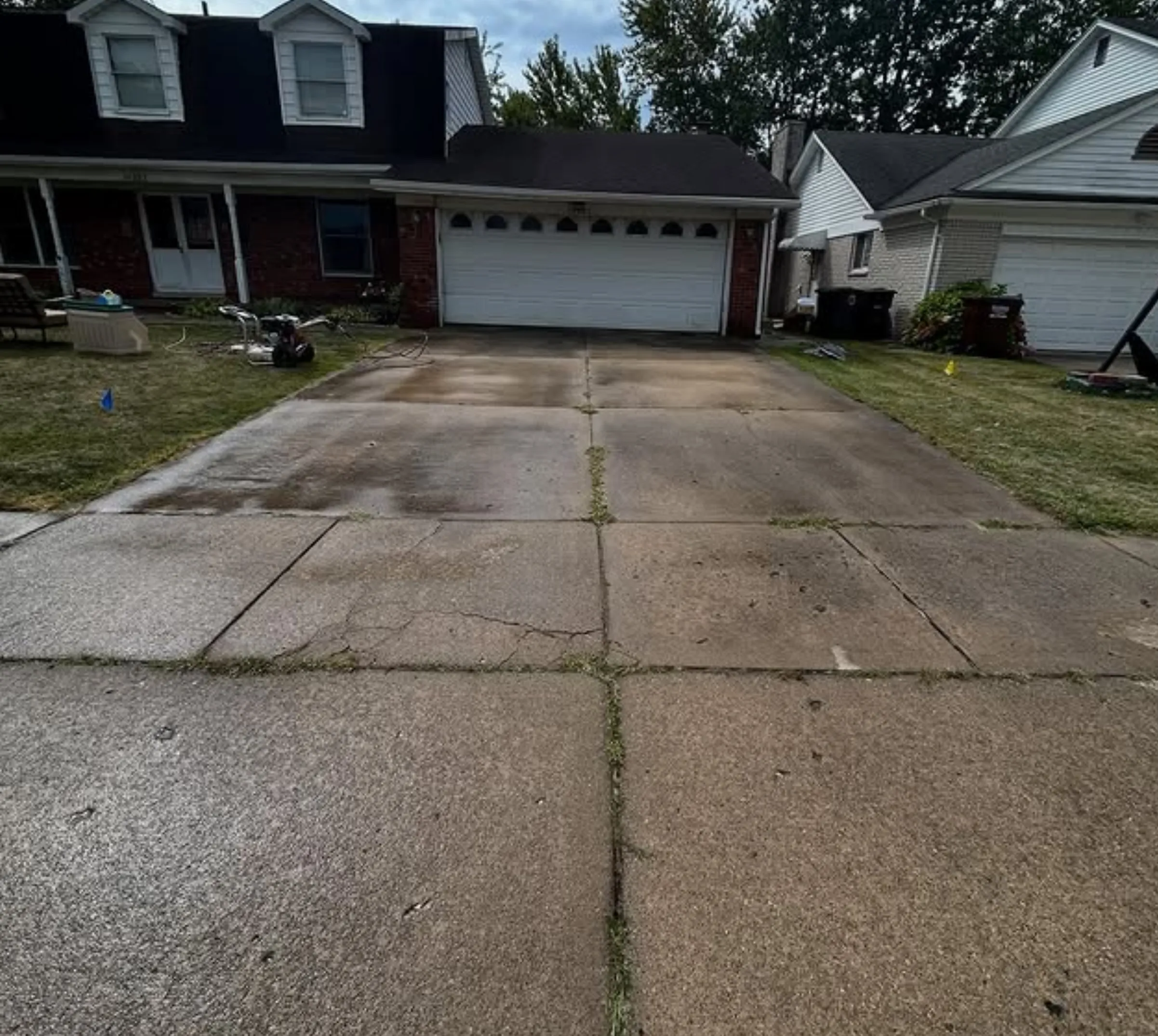
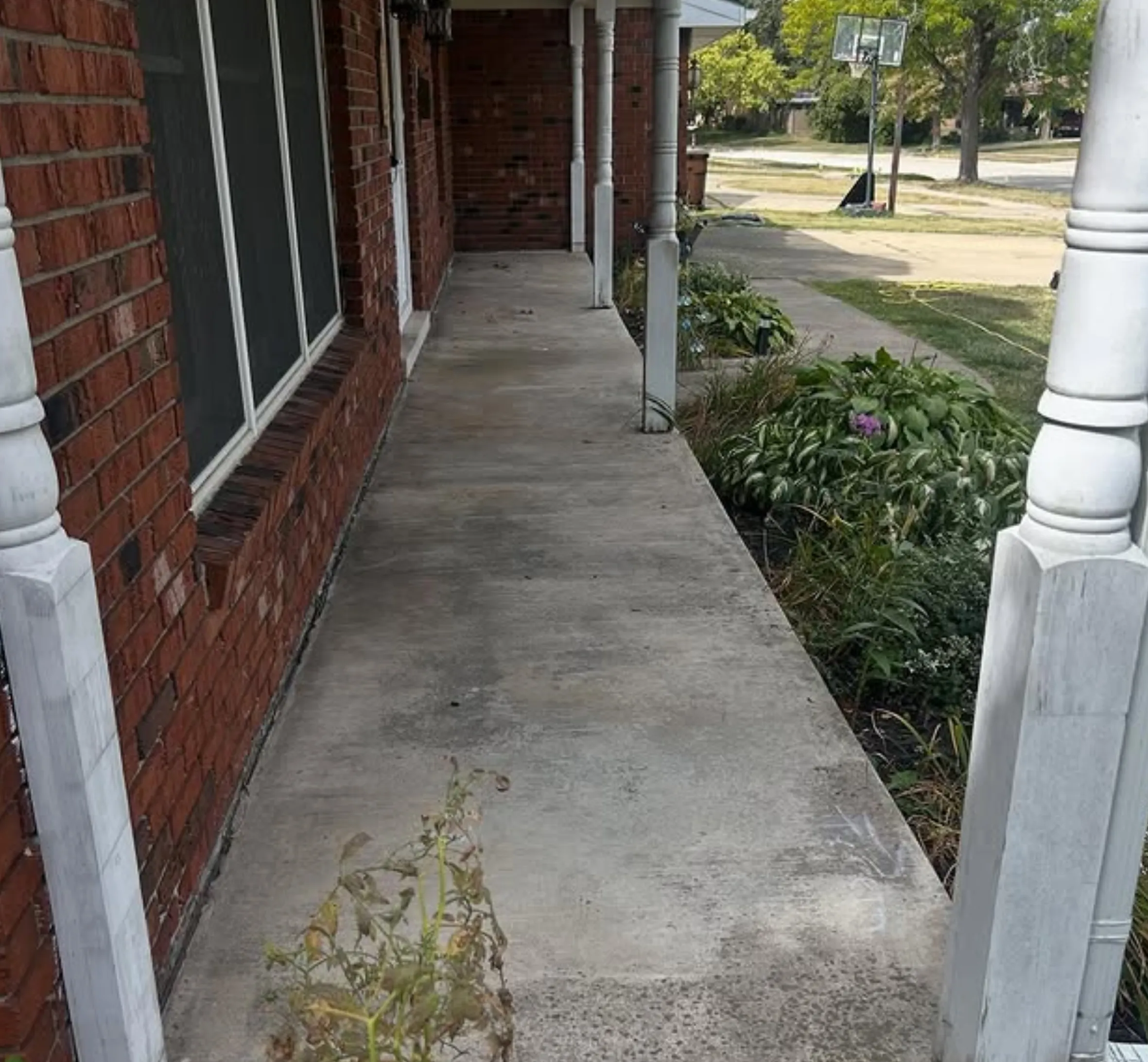
Our website includes customer reviews and photos showing our team at work. Published reviews describe aspects such as professionalism, reliability, communication and thoroughness, while the site also displays images from the work process.
For concrete cleaning, our approach starts with assessing the substrate, contamination and existing finish before selecting a method. We distinguish removable contamination from deterioration that cleaning cannot repair rather than treating every slab identically.
Request a Quote
For a concrete cleaning quote from Window Cleaning Melbourne Crew, tell us the approximate area, concrete type and main staining or build-up. Photos can help identify whether the surface is plain, coloured, sealed, exposed aggregate or visibly deteriorated.

Your satisfaction is our top priority. We tailor our services to meet your specific needs

We are committed to environmental responsibility. Our cleaning products are eco-friendly.

Pricing
We offer competitive pricing without compromising on the quality of our services.

Expertise
As a locally owned and operated company, we understand the unique needs of our community.
FAQ
Can pressure cleaning damage concrete?
Yes. Excessive or concentrated pressure can affect weak, weathered, decorative or coated concrete, so surface condition should determine the cleaning approach.
Can you remove oil stains from a concrete driveway?
Oil stains can often be reduced with an appropriate concrete degreaser or targeted treatment, but deeply absorbed oil may leave residual discolouration.
Is concrete cleaning safe for exposed aggregate?
It can be when the aggregate and surrounding cement matrix are sound. Weathered areas may require a more conservative approach.
Can sealed concrete be pressure cleaned?
Yes, when its condition permits, but worn or weakened sealers can respond differently from sound protective coatings and should be assessed first.
What affects the cost of concrete cleaning?
Area, concrete type, contamination, stain severity, coatings, surface condition, drainage and access all affect the quote. Heavy contamination or stain-specific treatment can make similar-sized areas very different jobs.
SEO Title: Concrete Cleaning Melbourne
Meta Description: Professional concrete cleaning in Melbourne for driveways, floors and outdoor surfaces. Pressure cleaning for dirt, stains and grime.