Ever seen gutters sagging after a Melbourne downpour? Happens all the time. What is the lifespan of gutters? It is a question most homeowners only think about once the stormwater starts pouring where it shouldn’t. And fair enough — gutters are one of those jobs you forget about until they’re rough as guts or sending water down your brickwork like a makeshift waterfall.
Different materials last different lengths of time, and weather plays a bigger role than most people realise. Coastal suburbs get salt air, inland homes get dust and debris, and the hills get leaf litter thick enough to fill a ute tray. So let’s go through what really affects your gutters, what lasts longest, and how to stretch the lifespan without constantly climbing a ladder like you’re auditioning for a circus act.
Manufacturers love big promises. But out in the real world — where UV rays punish paint, coastal winds bring salty moisture, and magpies drop half a tree into your downpipes — gutter lifespans can vary a lot.
Here’s what you can realistically expect from each gutter type in Australian environmental conditions:
Average Gutter Lifespans in Australia
| Gutter Type | Expected Lifespan | What Helps / Hurts |
| Colour-coated steel (Colorbond) | 20–30 years | Great corrosion resistance; hates leaf blockages, sitting too long |
| Aluminium / seamless aluminium | 20–25 years | Lightweight, good chemical resistance; dents easily |
| Aluminium-zinc alloy (Zincalume) | 25–35 years | Strong rust inhibitors; struggles with coastal exposure |
| Galvanised steel gutters | 15–25 years | Affordable; coating wears down faster under UV exposure |
| PVC / plastic gutters | 10–20 years | Cheap; cracks from the sun, becomes brittle with age |
| Copper gutters | 40–60+ years | Rare in Aussie suburbs; unbeatable durability, but expensive |
These numbers align with the real-world inspections we conduct during gutter repair and roof replacement jobs—not brochure promises.
What Shortens Gutter Life
Even the strongest colour-coated steel gutters can fail early if neglected. Most gutter damage comes down to the same few culprits we see again and again.
1. Clogged Gutters & Debris Accumulation
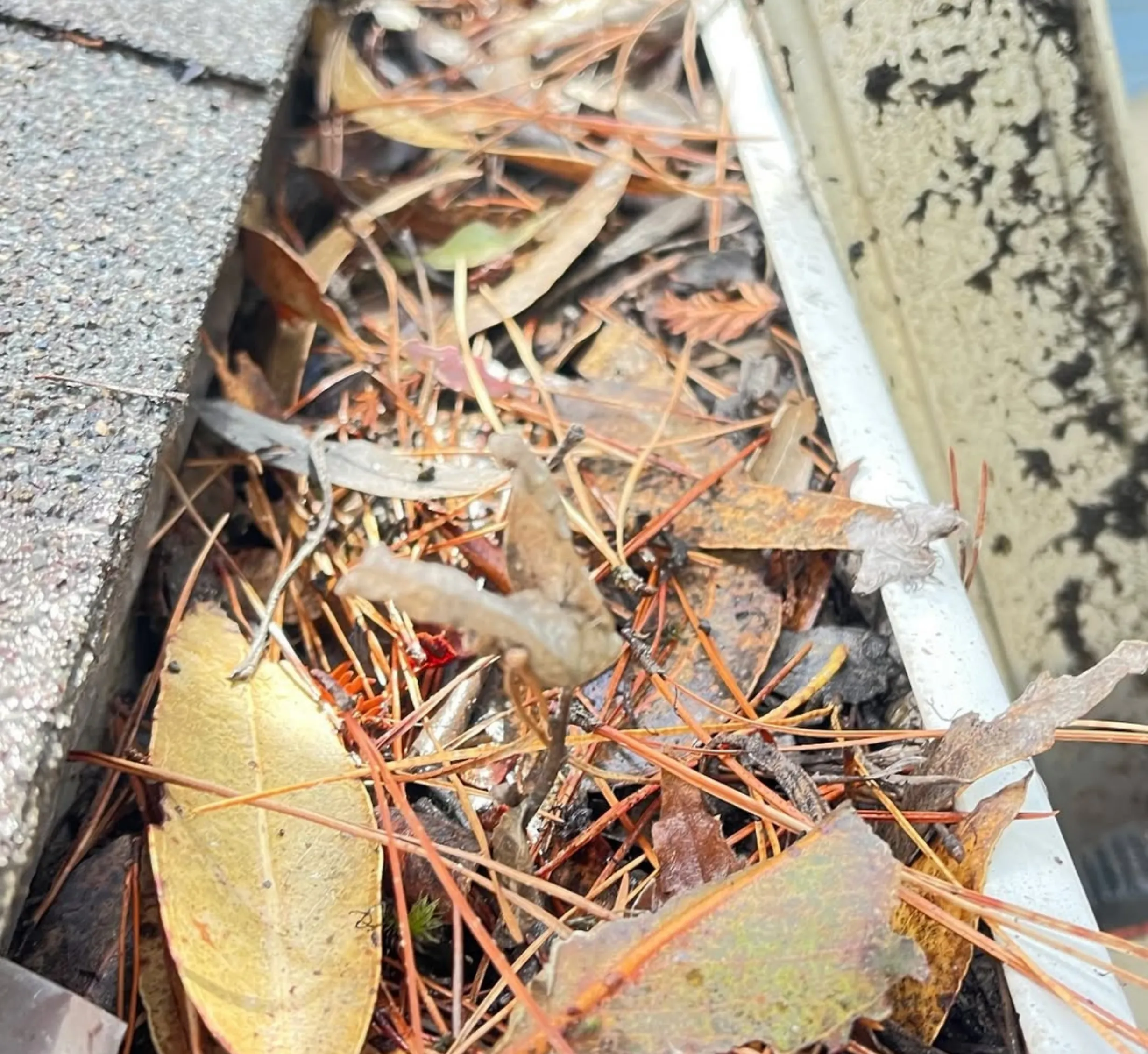
Clogged gutters trap moisture, peel paint, rust and eventually cause gutter failure. Once debris blocks drainage, standing water becomes a breeding ground for mould, mosquitoes, and even termite infestations if moisture damage reaches timbers.
2. Local Climate & Environmental Conditions
Different regions create different problems:
- Coastal exposure: Salt accelerates corrosion, especially on galvanised steel and aluminium gutter sections.
- Hot inland areas: UV rays cook PVC and fade painted surfaces fast.
- Cooler climates: Ice dams form in alpine areas, putting weight strain on older gutter systems.
- Tropical regions: Heavy rain overwhelms gutters with poor installation quality or low fall.
3. Installation Factors
Poor gutter installation kills longevity.
We see it all the time:
- Incorrect fall leading to water pooling
- Hidden hanger systems pulling away from the fascia
- Gutter spikes rusting through
- Silicone roof and gutter coating used as a band-aid fix
- Bad alignment with the roofing system
A poorly installed gutter will always out-age a well-installed one.
4. Roofing System Problems
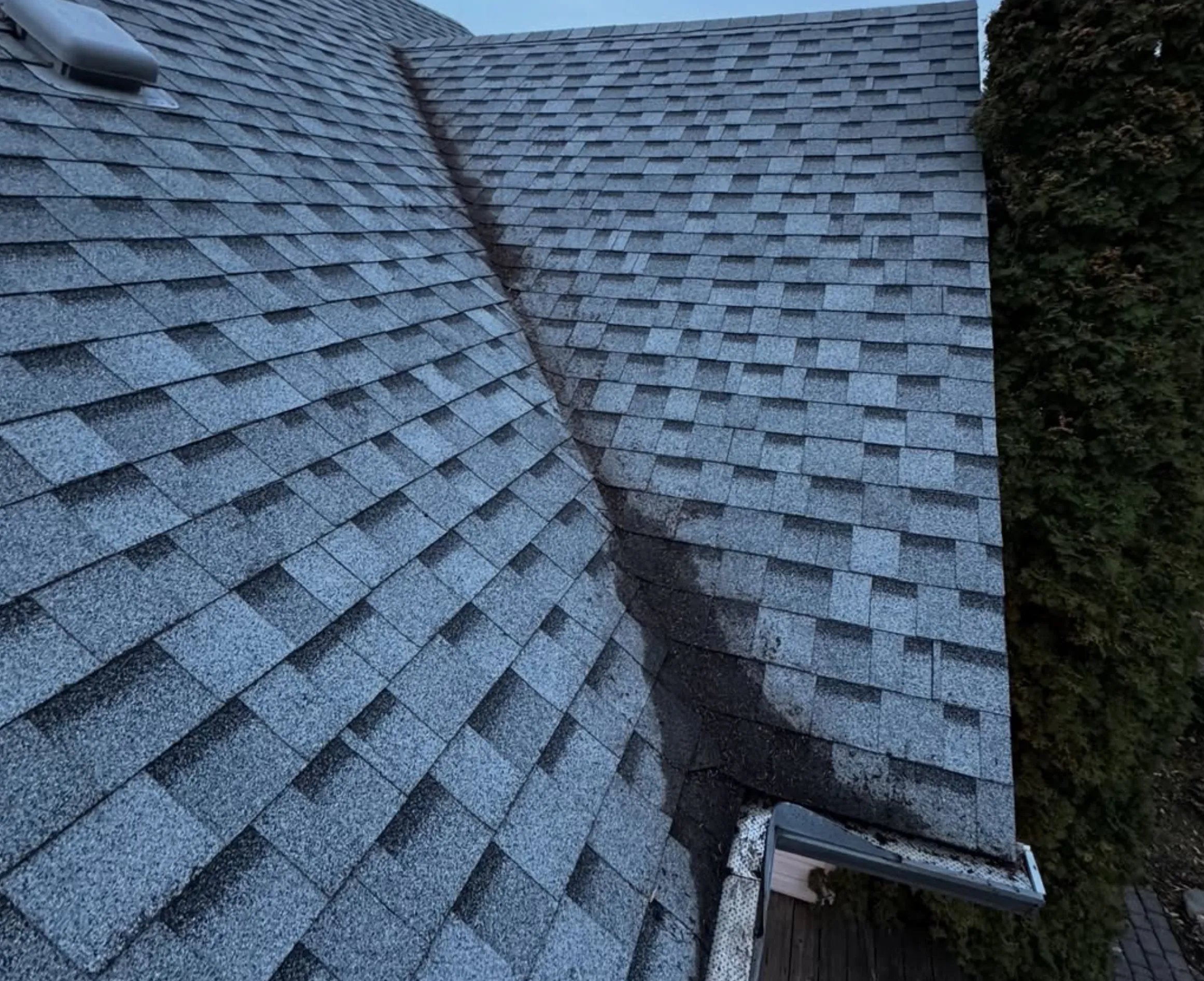
Loose roof sheets, missing flashing or dodgy gutter sealant can let rain run behind gutters, causing rot, cracked foundations or basement leaks. Sometimes the gutter isn’t the problem — it’s the roof pitch or structural issues behind it.
5. UV Exposure and Paint Breakdown
Paint flaking, colour fading and surface chalking are early signs of aging. Once the protective coating fails, metal gutters go downhill fast.
How Often to Maintain Roof Drains
You don’t need to clean gutters every week… but once a year isn’t enough for most homes, either.
Here’s the rough schedule we see works best:
| Location / Home Type | Recommended Cleaning Frequency |
| Suburban home with few trees | Every 6–12 months |
| Leafy Melbourne suburbs (Ivanhoe, Eltham, Ferntree Gully) | Every 3–4 months |
| Coastal homes | Every 3–6 months |
| Homes under gum trees | Every 2–3 months |
| Commercial buildings | Twice yearly plus roof inspections |
Regular roof and gutter checks not only prevent blockages — they catch cracks, rust spots, dodgy brackets, and leaking joins before they turn into costly repairs.
Signs Your Gutters Are Running on Fumes
Gutters don’t just up and stop working overnight; they give you a few warning signs – kind of like when a tradie is feeling tired and done in after a long week.
Start looking out for these:
- Paint peeling or that tell-tale orange rust on show
- Gutters that are sagging away from the fascia boards
- Water spilling over during a light shower (because who knows, might just get worse)
- Stains on the walls or under the eaves
- Big pools of water are gathering around the foundation of your place
- Drips coming from the seams or where the gutters join together
- Gutter sections that feel all flimsy and like they’re going to break easily
If you’re counting multiple ones on this list, you might be better off thinking about replacing rather than patching.
Repairing vs. Replacing: Which Makes the Most Sense?
It’s time to get real – repairing is great until you find yourself constantly patching up the same old gutter year after year, just slapping on more and more tape on a gutter that’s slowly sinking (like a sinking ship with a wonky barrel).
So here’s a rough guide:
Repair when:
- Just one or two small parts are damaged
- The brackets are a bit loose, but the gutter itself is still in good nick
- Rust is just on one side and hasn’t eaten through to the other
- The gutter is still under 10 years old
Replace when:
- You’ve been patching and repairing the same gutter for ages
- Even after cleaning, the water still keeps overflowing
- The gutter is all brittle and warped, like it’s been a bit too much in the sun
- You’re noticing rust-through spots
- The gutter is either 20+ years old or at the end of its life
If your gutters are older than 20, replacing them will probably work out cheaper in the long run than constantly patching up all the rust holes.
Upgrades – Do They Actually Boost System Durability?
Yes – think of it like giving your gutters a bit of a breather.
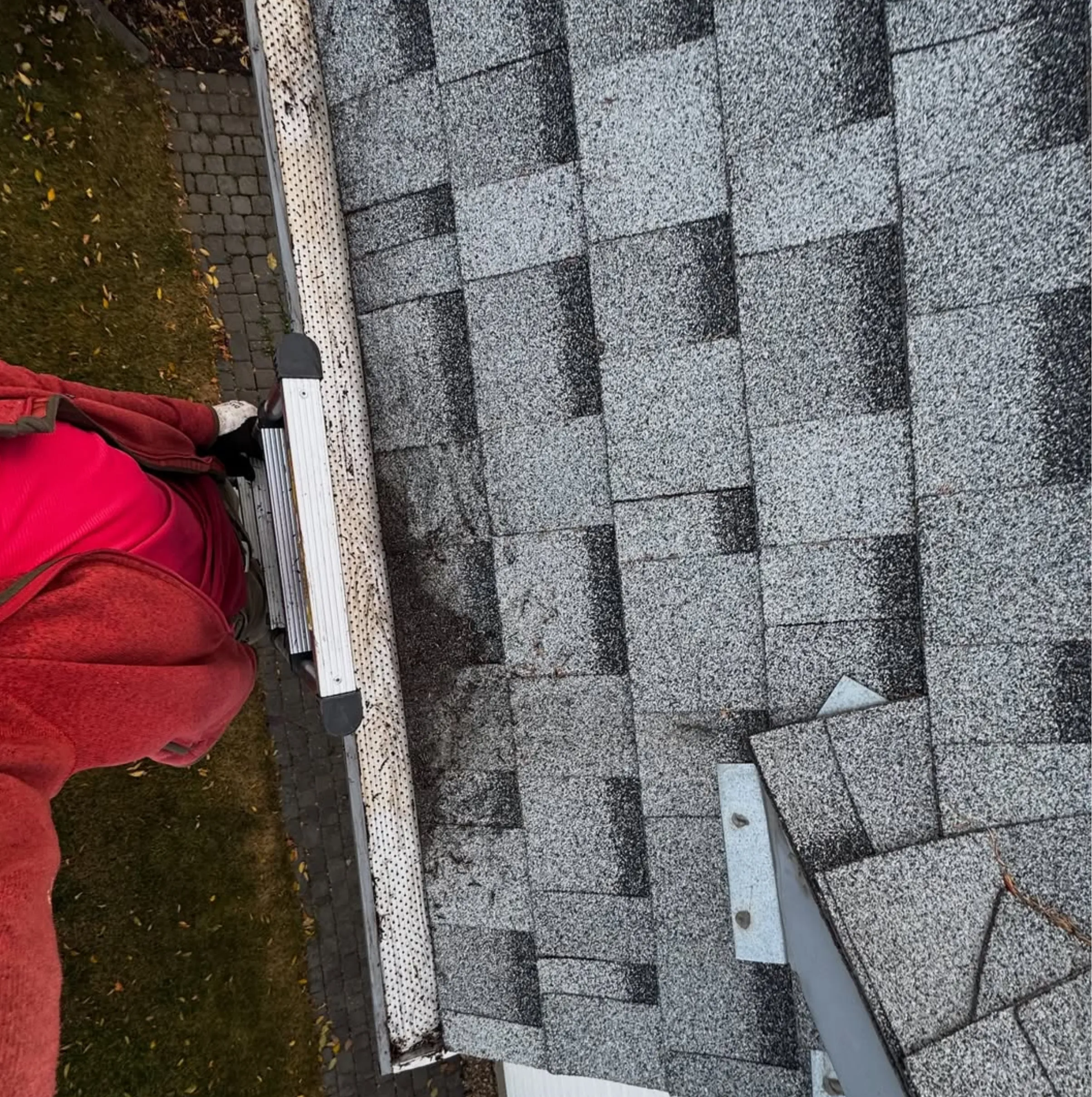
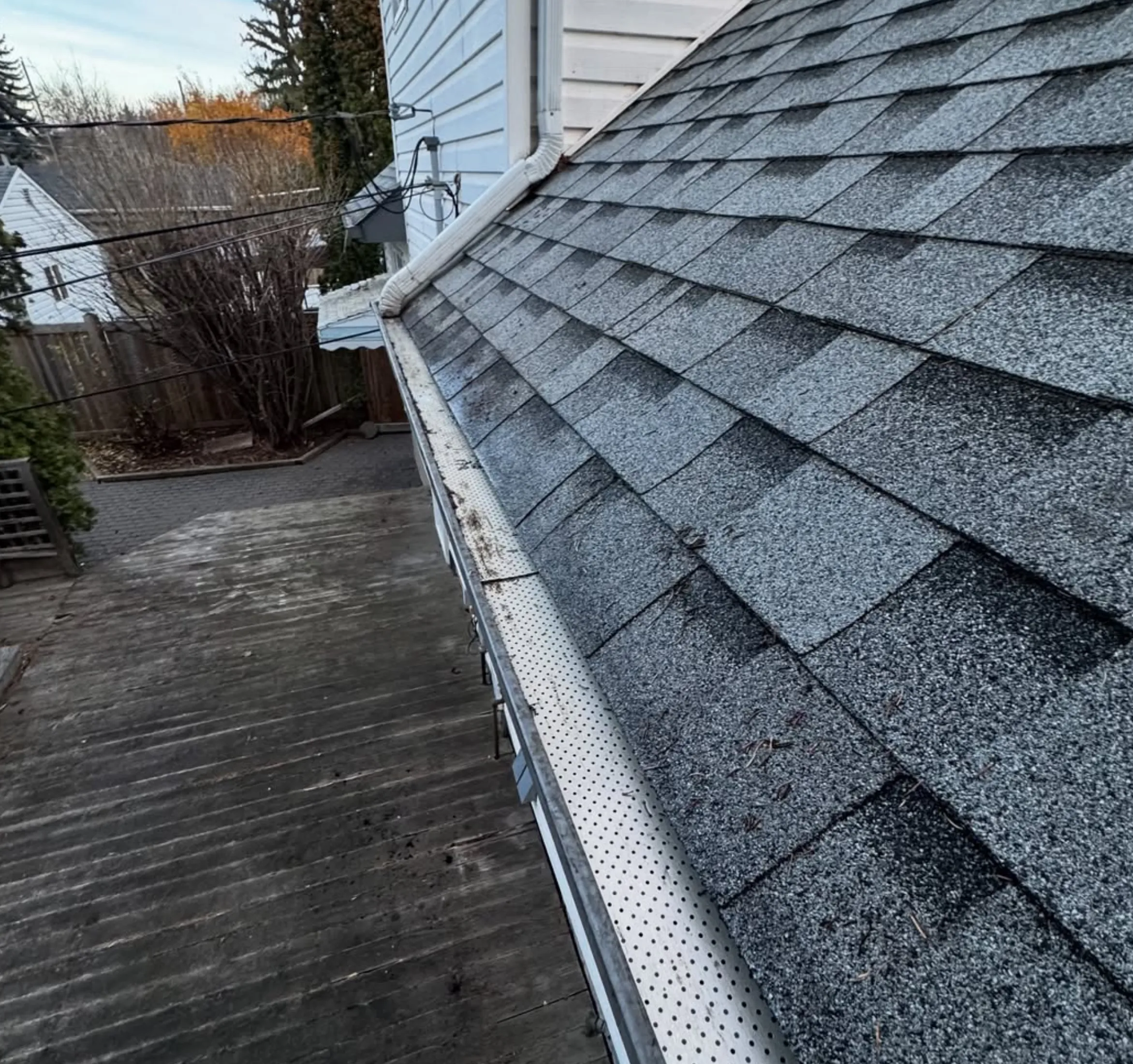
1. Installing Gutter Guards
These cut down on the leaf litter and debris build-up (especially in all the leafy suburbs).
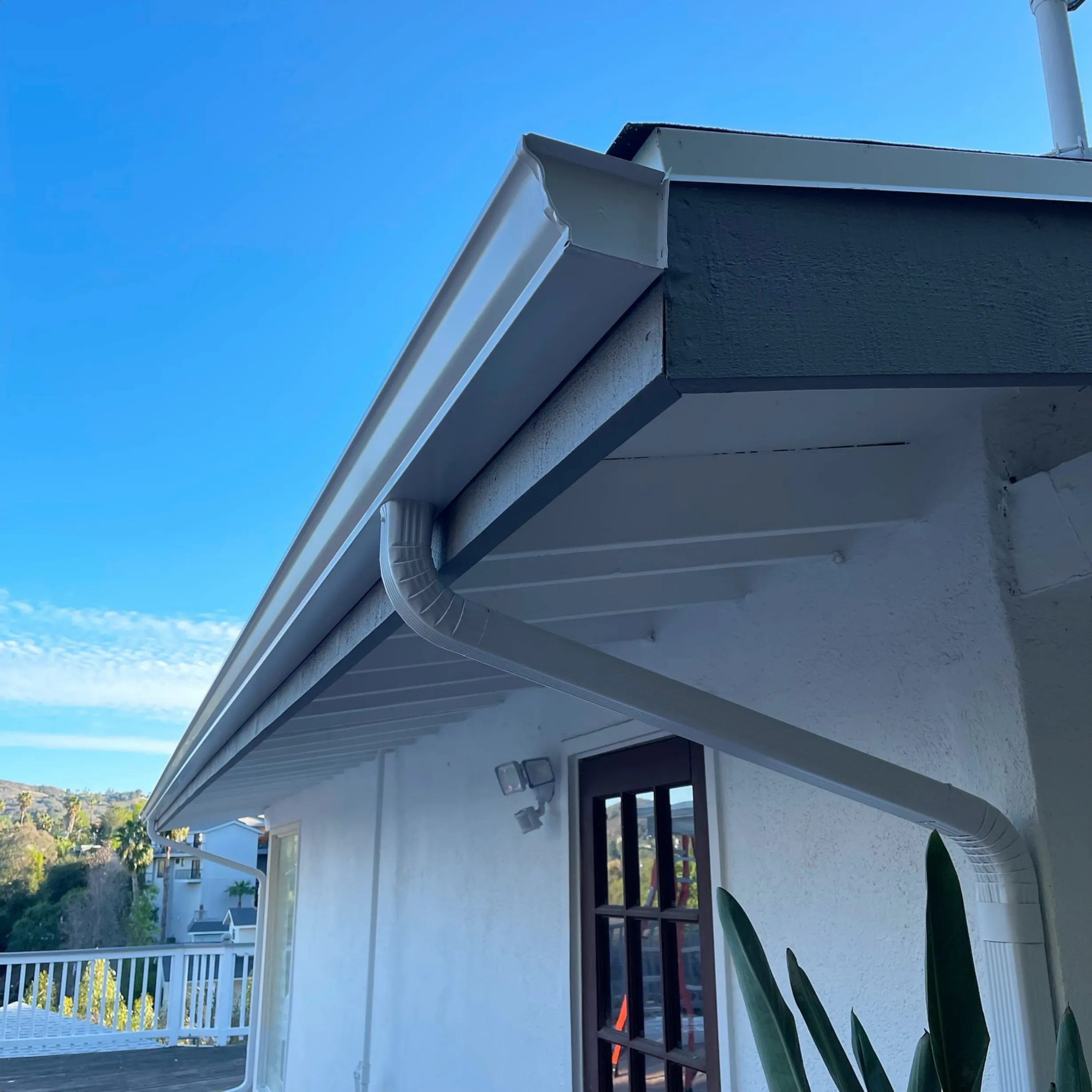
2. Better Drainage and Downpipes
More downpipes = faster water flow = less of a risk of overflowing.
If your home only has one downpipe on a long run, maybe consider adding another to give it a bit more help.
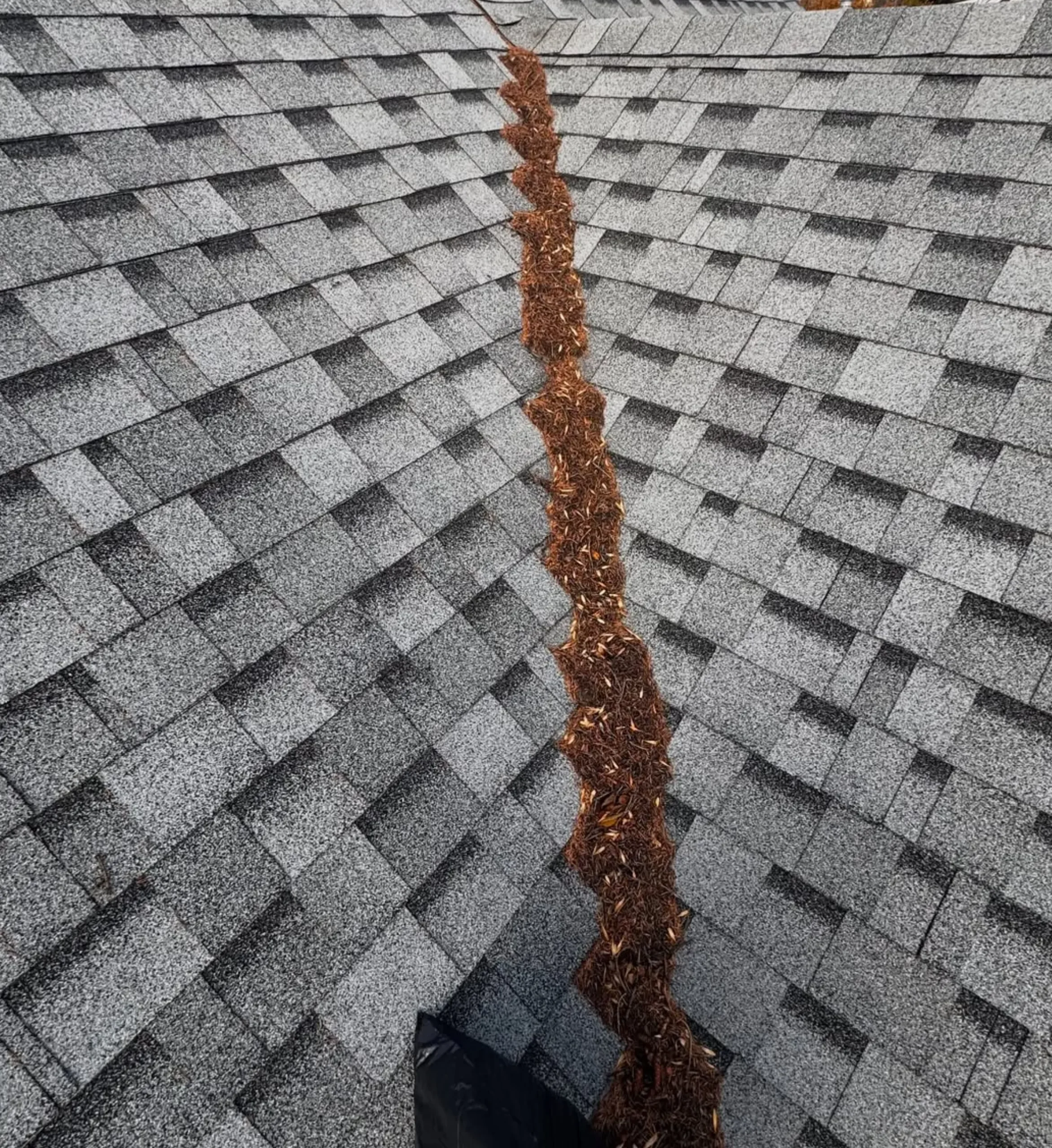
3. Regular Roof Debris Removal
If you keep your roof clear of leaves, then your gutters won’t be clogged in the first place.
And when the big storm comes through, and all the leaves start sliding down your roof, you’ll be glad you took the time to clean it.
4. Getting a Professional to Check Your Gutter
Twice a year is a good idea – you’ll spot any problems before they become major issues.
We’ve even been able to stop problems from becoming major issues by catching them early.
Climate Across Australia - How It Affects Your Gutters
Every region gives your gutters a different kind of hammering:
Melbourne VIC
There are four seasons in one day here – and plenty of leaf litter to go around. Plus, high rainfall in the winter months.
Steel does pretty well here, but PVC isn’t so good at resisting UV from the sun.
Coastal NSW and VIC
All that salt and sea air tends to make your metal gutters last less time.
Zincalume is the worst offender – colorbond holds up better, but will still start to rust eventually.
Queensland (The Wet)
Summer storms are a real thing here – fast drainage and regular cleaning are a must.
Tasmania
While the climate is cool, it’s great for growing moss – and that’s something you don’t need in your gutters. Plus, all the moisture can soften your timber fascias.
NT / Inland Australia
It’s all dust and debris out here, so your gutters will get hammered from that side of things.
But come storm season, things get really intense, and that’s when you need to make sure your gutters are working at the top of their game.
When To Call A Pro
If you’re comfortable on a ladder and your roof isn’t steep, DIY is fine.
But call a pro when:
- Your roof is too steep
- You see rust-through holes
- Gutters are pulling away from the fascia boards
- There’s constant overflowing during small storms
- You suspect internal house water damage
With a bit of gutter maintenance, you can get years — sometimes decades — out of basic materials. And honestly, we’ve seen this play out time and time again while inspecting roofs and gutters for clients at Window Cleaning Melbourne Crew, where a quick clean or minor repair has saved homeowners from full gutter replacement.
FAQ
What affects gutters the most?
Environmental conditions, installation quality, clogged gutters, UV exposure, and gutter type.
How long do steel or aluminium gutters last?
Steel gutters last 20–30 years, aluminium gutters last 20–25 years, depending on maintenance and climate.
Do gutter guards really extend lifespan?
Yes — gutter guard systems reduce debris accumulation, reduce corrosion, reduce blockages, and improve water flow.
When is replacement better than repair?
When rust has eaten through the metal, the gutter shows multiple signs of aging, or the material has reached its average lifespan.
What are the early warning signs of gutter failure?
Peeling paint, colour fading, sagging runs, water overflowing, mould growth and rain seeping behind the gutter line.