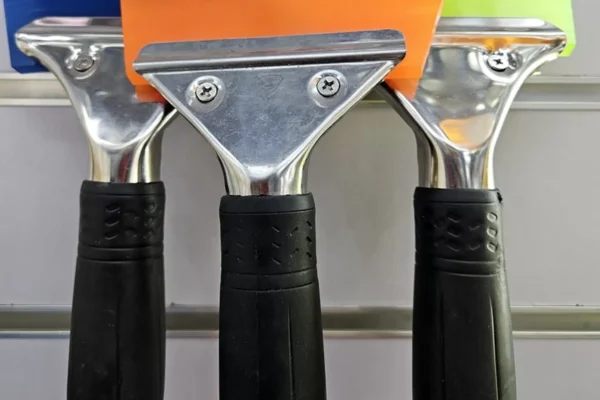
How to use Unger window cleaning liquid – a question that gets asked on almost every job we do in Melbourne.
Unger is one of those chemicals I trust completely – not because it’s particularly fancy, but because it just works the same whether we’re dealing with the salt from the bayside in Sandringham or the pollen from a wild spring in the Dandenongs. Used properly, it gives a smooth squeegee glide, heaps fewer streaks, and lets you worry less about your water tank drying out.
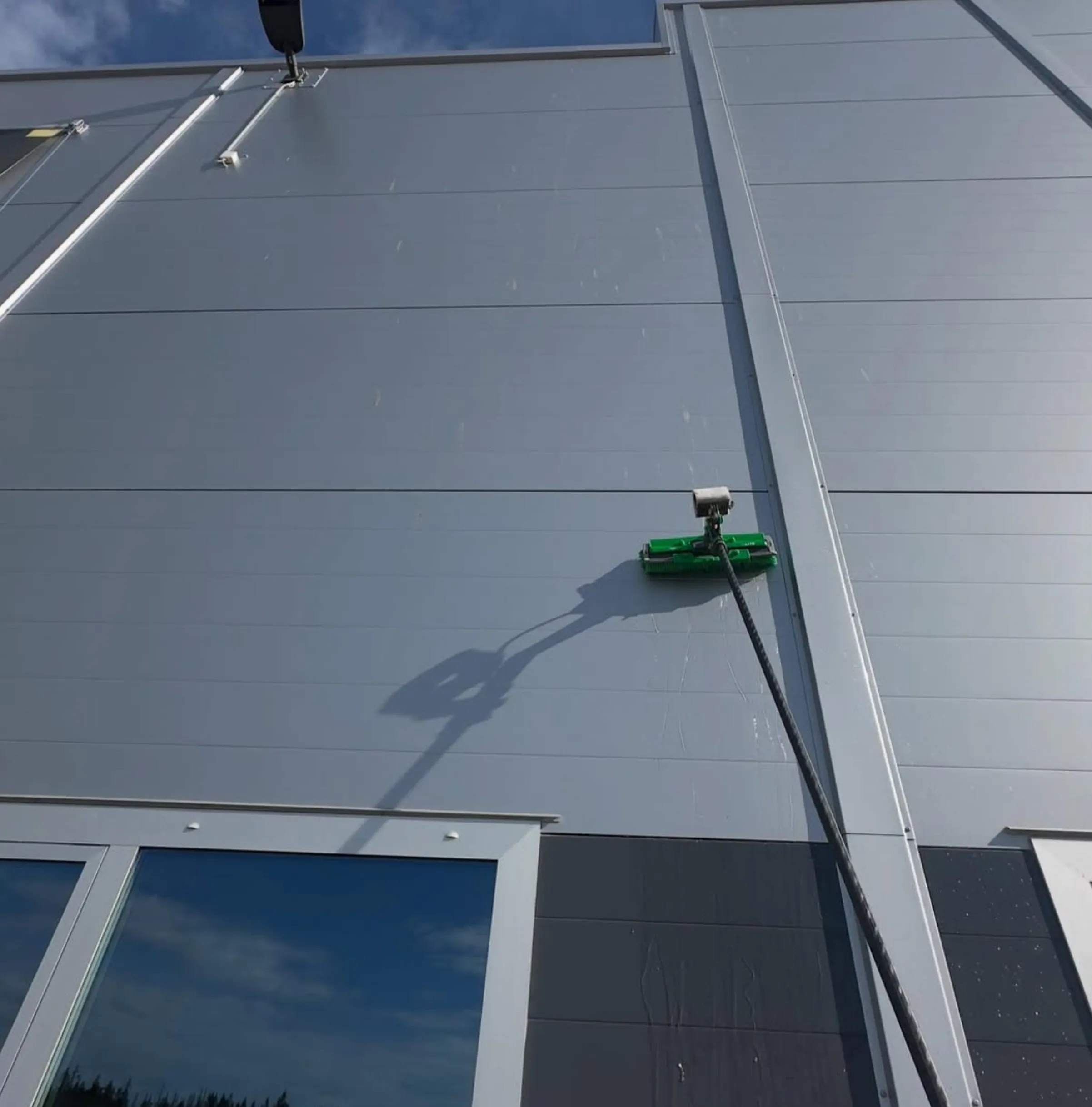
Melbourne’s climate is pretty brutal on your cleaning solution – it has to put up with humidity, pollen, tram dust, salt from the coast, and the occasional northerly that dries your glass before you can even blink. But Unger liquid handles all this pretty easily – it doesn’t turn your squeegee into a sticky mess, and it does a great job of lifting grime without shredding your rubber blades. It also helps the water to sheet off cleanly so the squeegee can do its job correctly.
We’ve tried heaps of different window cleaning products over the years – the usual glass gleam, generic window cleaner and even some of those anti-foam liquids – but Unger is still the one we trust to get the job done every day. It even works really well with our Microfibre Cloths for any tricky windows in awkward lighting conditions.
How Much Unger Liquid Should You Use?
We’ve seen heaps of DIY mixes that are just way off – way too much soap, way too much foam. When you oversud the water in the bucket, your squeegee just drips everywhere and sets into streaks the moment the sun hits them. That’s why a good professional knows the right ratio to use.
Recommended Unger Mixing Ratios
| Cleaning Need | Unger Liquid | Water | Tools Recommended |
| Standard Home Glass Cleaning | 10–15 ml | 8–10 L | T-Bar handle + Power Washer Sleeve |
| Coastal Outdoor Windows | 15–20 ml | 8–10 L | Window washer applicator + MicroWipe |
| Pollution-heavy inner-city windows | 20 ml | 8 L | Squeegee + Safety Glass Scraper |
| Hot sunny days | Slightly more | Slightly more | Water-fed pole |
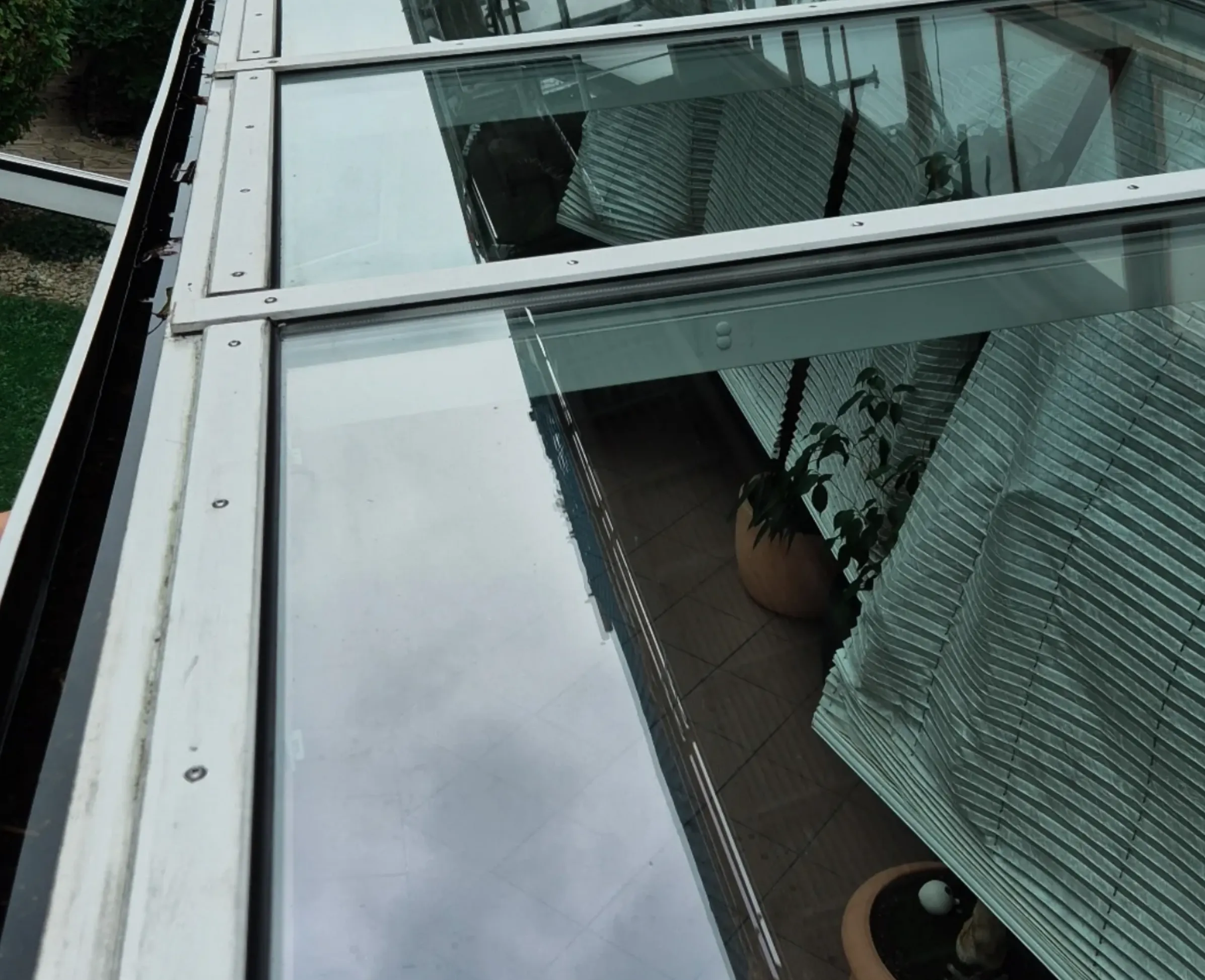
A well-mixed bucket usually lasts us a whole job unless we’re doing a big conservatory roof or using water-fed poles for high-level washing.
The Step-by-Step Process (Crew Tested)
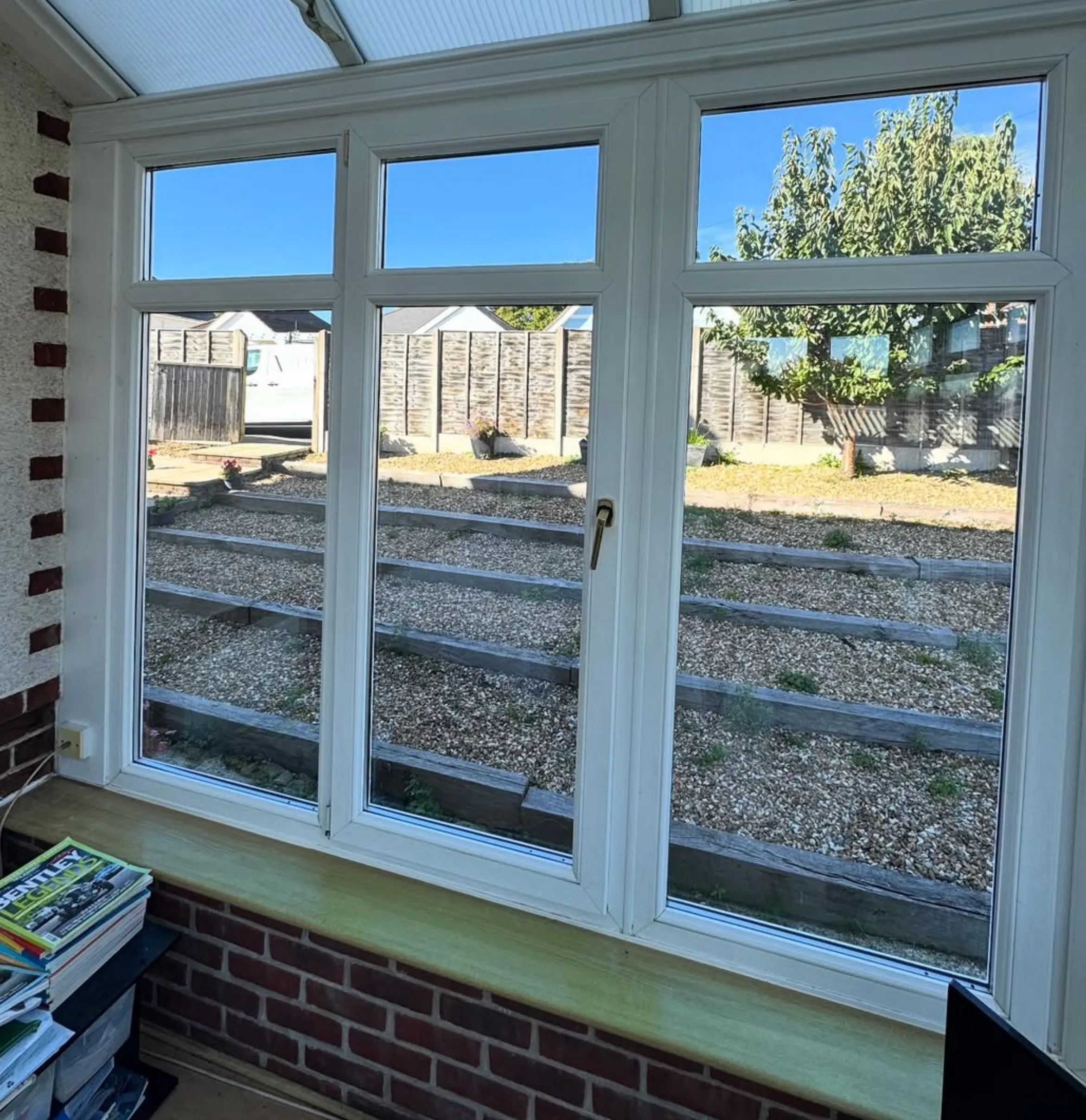
Using Unger window cleaning soap isn’t hard, but the method makes or breaks a clean. Here’s the method we use on homes, shopfronts and even large conservatory roofs:
- Start with clean water
Cold or warm water is best. If you’re inland and the water’s hard, expect mineral marks if you’re not careful. - Add the Unger liquid
Always after the water — chuck it in first, and you’ll create a foam party you didn’t ask for. - Load the applicator
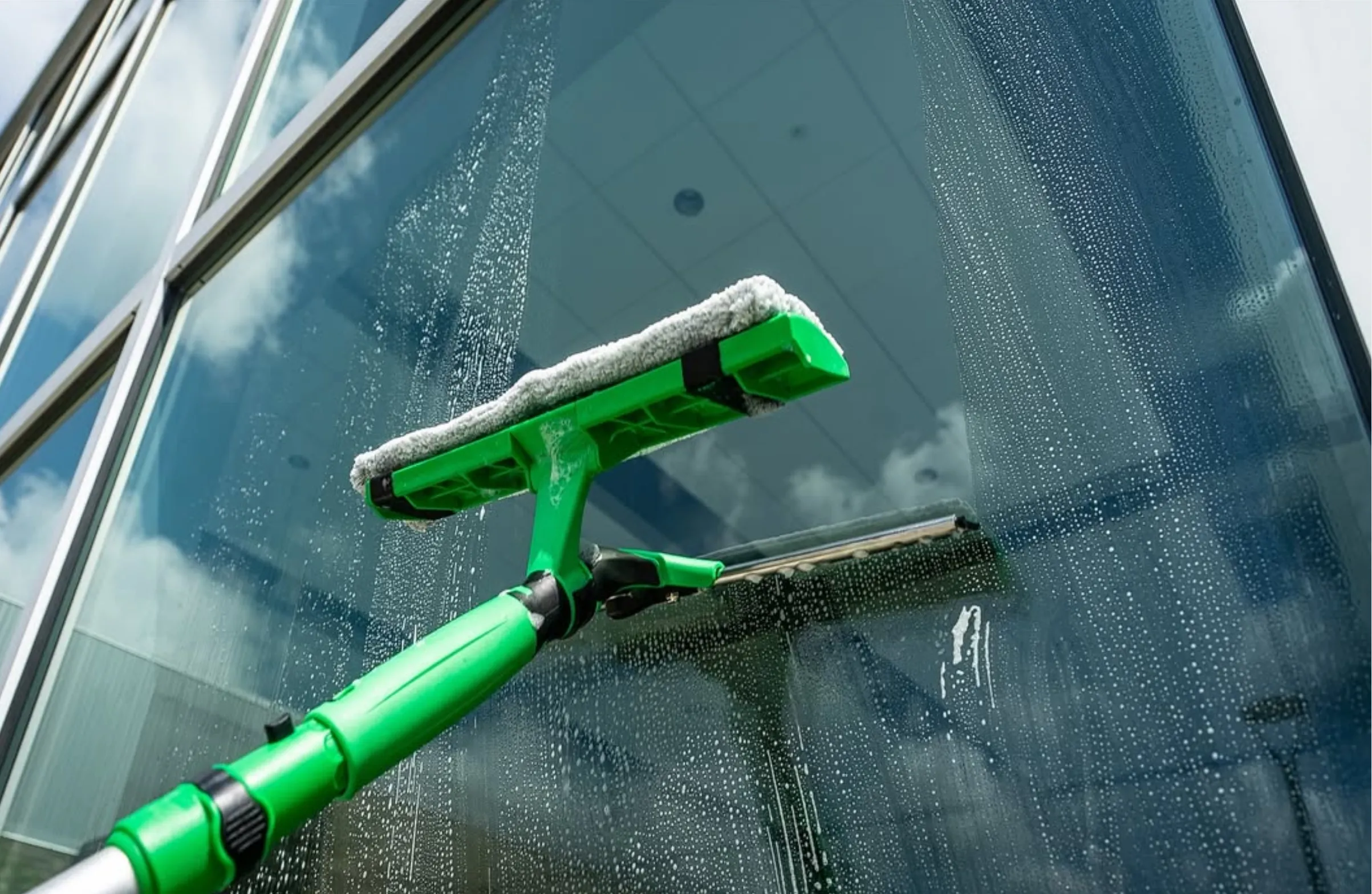
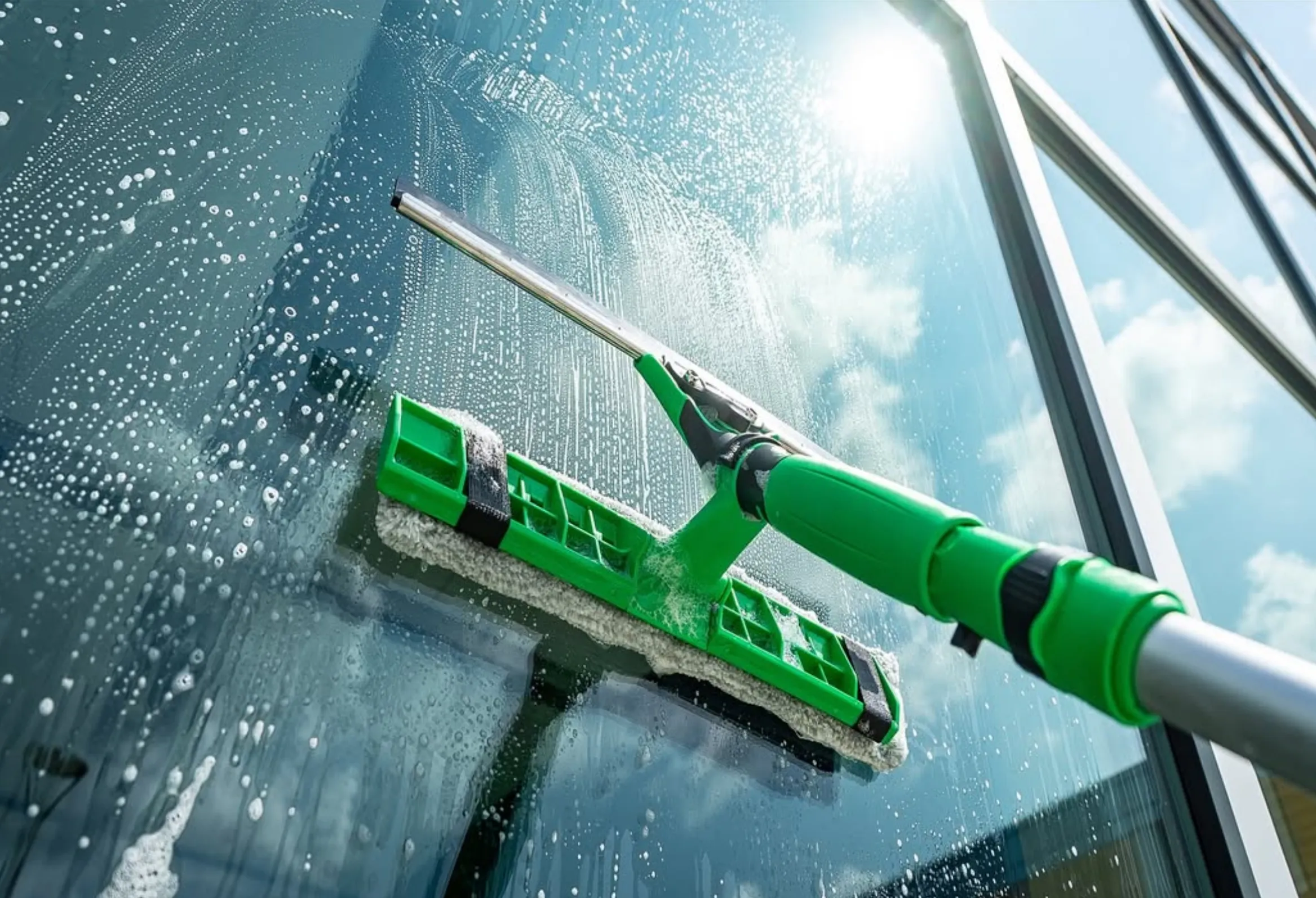
Dip your Power Washer Sleeve or window washer applicator until it’s saturated. A dry sleeve drags like sandpaper. - Wash with overlapping passes
Consistent flow prevents missed spots and helps the solution loosen grime evenly. - Squeegee clean
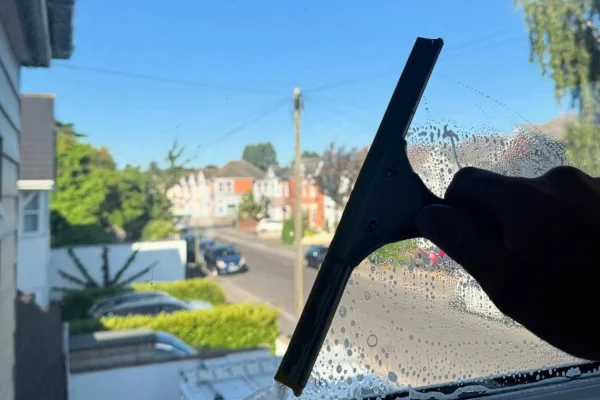
A good squeegee with fresh rubber does half the work. Smooth strokes, steady angle — that’s how you get the streak-free finish everyone talks about. - Detail edges
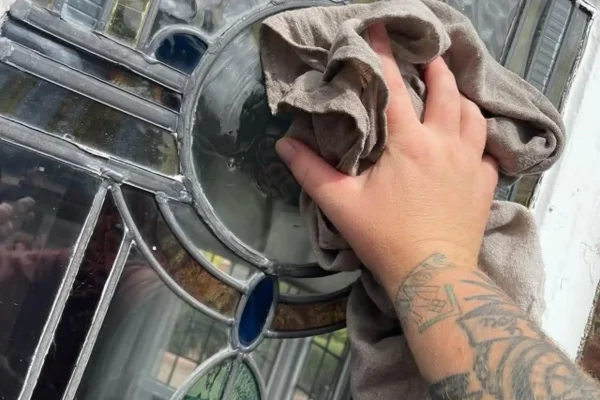
Use a dry MicroWipe microfibre cloth. Not the crusty rag that’s been living in the back of your ute since last winter.
Common Mistakes We See (And How To Fix Them)
We’ve turned up to houses where the glass was hazier after the clean than before. Usually, the culprit isn’t the product — it’s the method.
- Too much detergent — biggest culprit for streaks.
- Old or damaged rubber — replace it regularly.
- Cleaning in direct sun — glass heats up and dries streaky.
- Not rinsing your tools — a mucky sleeve spreads dirt.
Using Unger For Different Window Types
A big part of our job at Window Cleaning Melbourne Crew is knowing how different surfaces react:
- Tinted glass — light mix, soft sleeve, gentle technique.
- Skylights — stronger cleaning solution, they collect everything.
- Coastal Outdoor Windows — salt haze needs boosted ratio.
- Heritage glass — old panes scratch easily.

When To Add Extras (Vinegar, Alcohol, etc.)
Here’s the truth: Unger is balanced, so most additives unbalance it. But sometimes you’re dealing with stubborn glass.
- White vinegar — helps with fresh mineral staining.
- Isopropyl alcohol — great for cold-weather drying.
Just never mix random products “because Facebook said so.” We’ve seen someone mix bleach and detergent — created fumes so nasty they evacuated the building.
Crew Tips You Won’t Find On A Label
We’ve cleaned windows on rooftops during the dry, in backyards full of mozzies, and in shopfronts where tram dust settles in layers you can measure. Here’s what we learned:
- Test your mix on the first pane — weather changes fast.
- Change your water often — dirty water spreads grime.
- Use filtered water — prevents mineral streaks.
- Don’t overwork the glass — one pass beats five rubs.
- Check the wind — applicators fly in Melbourne winds.
Safety Note (Because We Like All Readers Alive)
- Use proper ladders or a water-fed pole.
- Wear gloves if detergents dry your hands.
- Don’t overreach when washing upstairs.
- Keep a Safety Glass Scraper sheathed.
- Call pros for anything higher than a second storey.
If you want your windows to come up a treat without juggling ratios, drying times or dodgy tools, Window Cleaning Melbourne Crew is here to help.
FAQ
Can I mix Unger liquid with other window cleaning products?
No. It’s already balanced. Additives can mess with slip and drying time.
Is Unger safe for tinted windows?
Yes — use a softer mix and gentle tools.
Why am I still seeing streaks?
You may be using too much detergent, using old rubber, using dirty water, or working in full sun.
Can I use Unger with a water-fed pole?
You can, but most water-fed pole systems use pure water only. Detergent is better suited to applicator + squeegee work.
Will Unger fix hard-water stains?
Fresh ones, maybe. Long-term etching needs special treatment, not detergent.