What Are the Hidden Risks of Using Magic Erasers on Certain Materials? I’m reminded how many times we’ve turned up to a Melbourne home where someone’s scrubbed a surface “just a little too hard.”
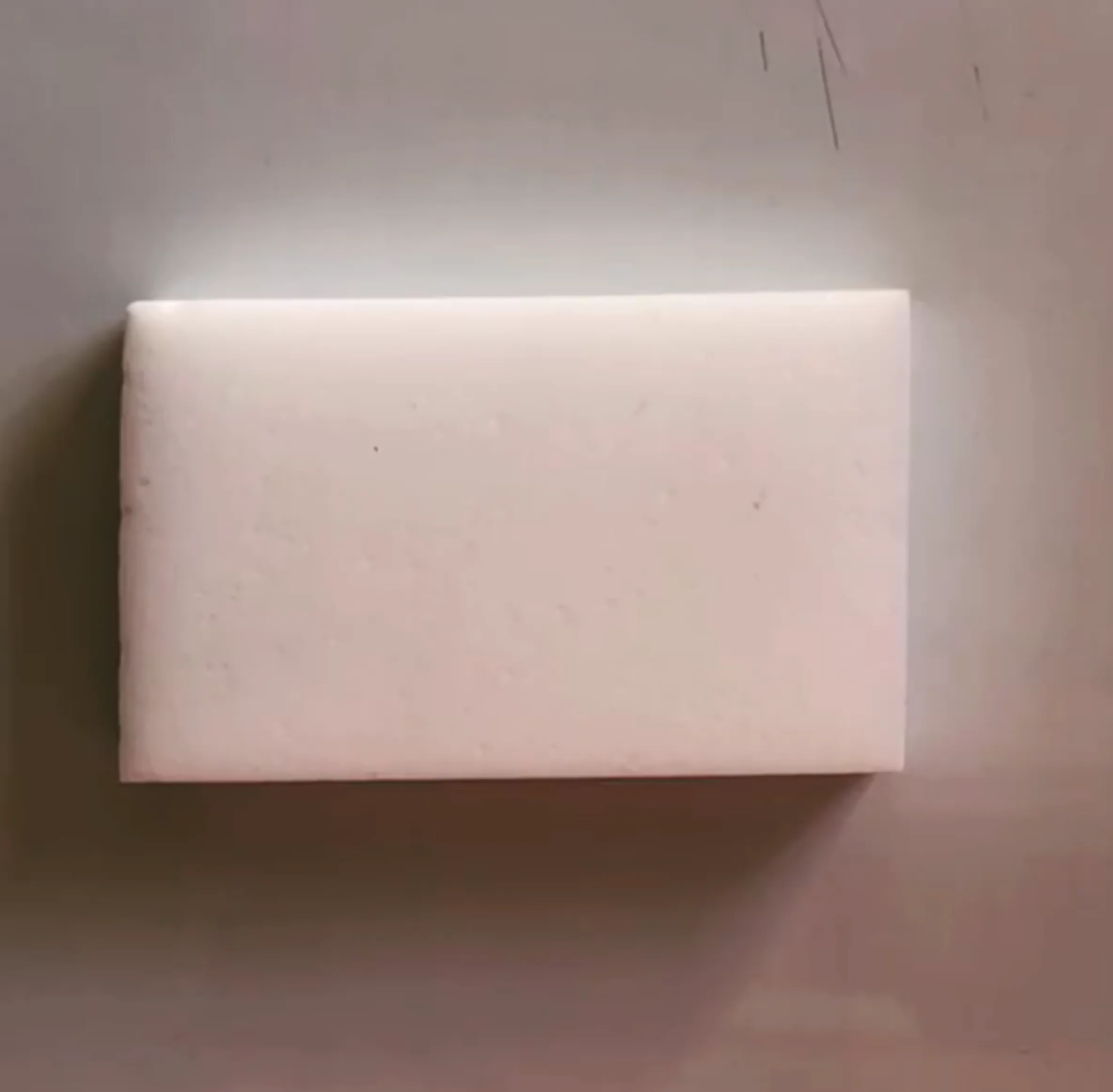
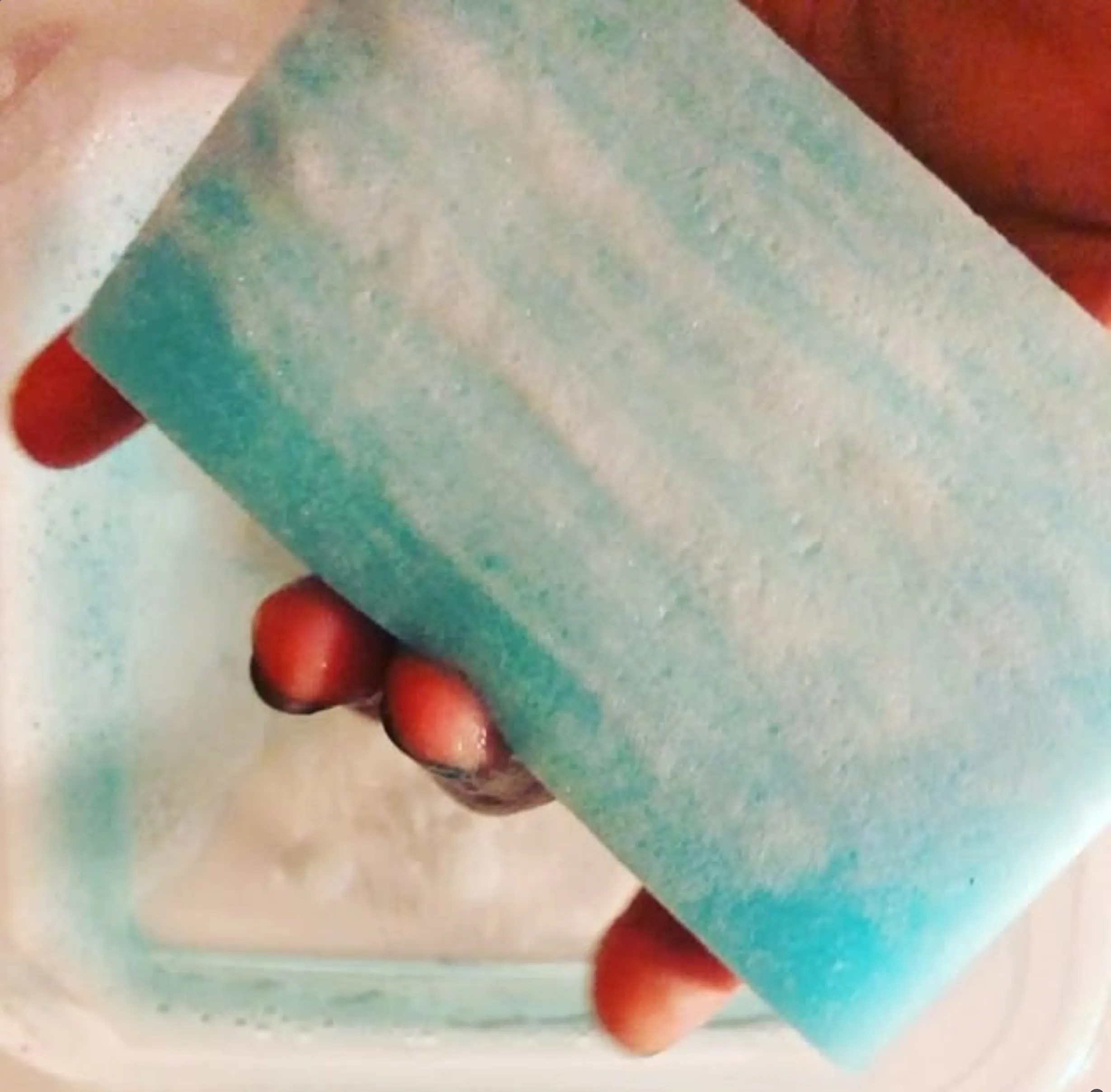
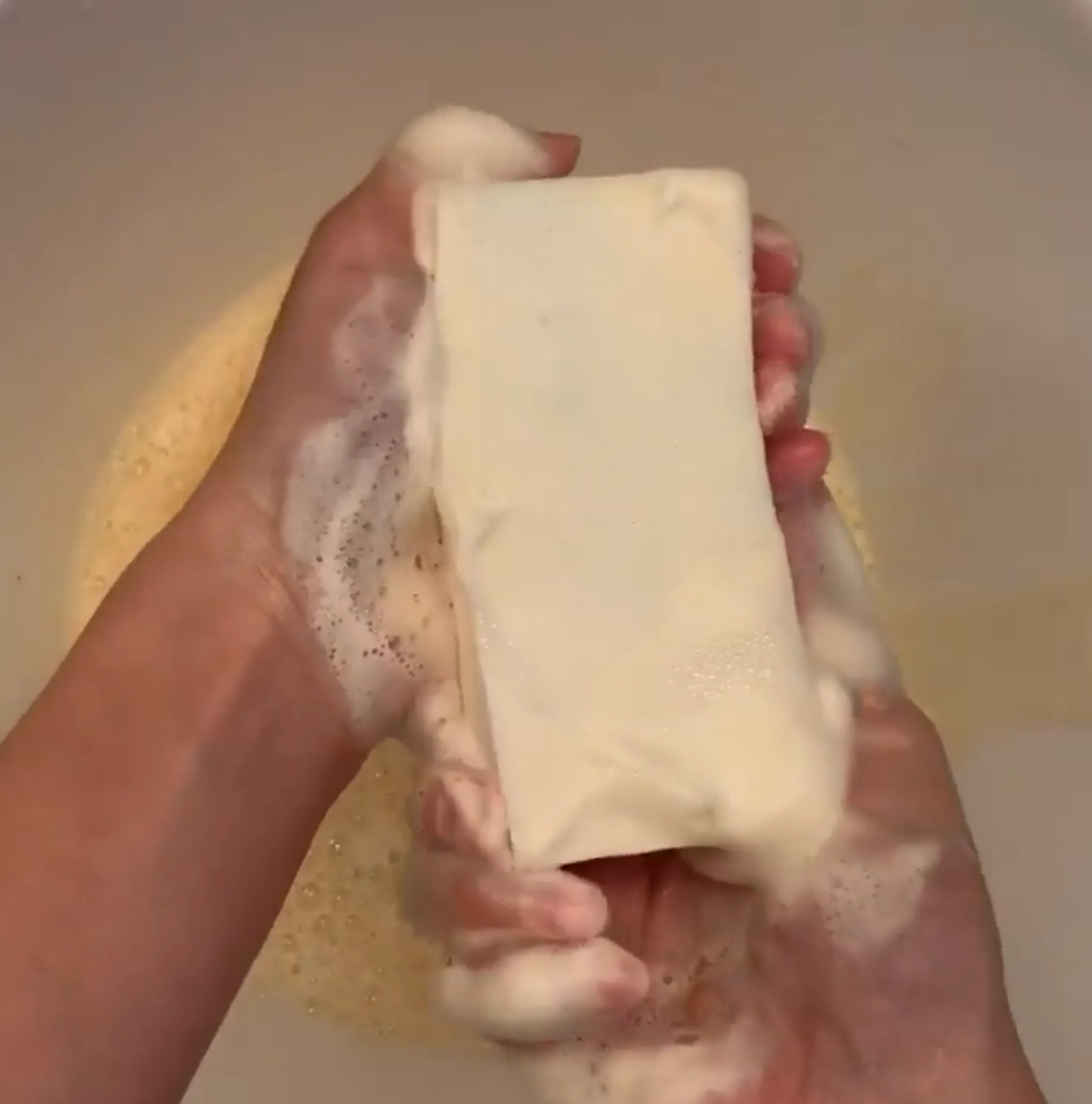
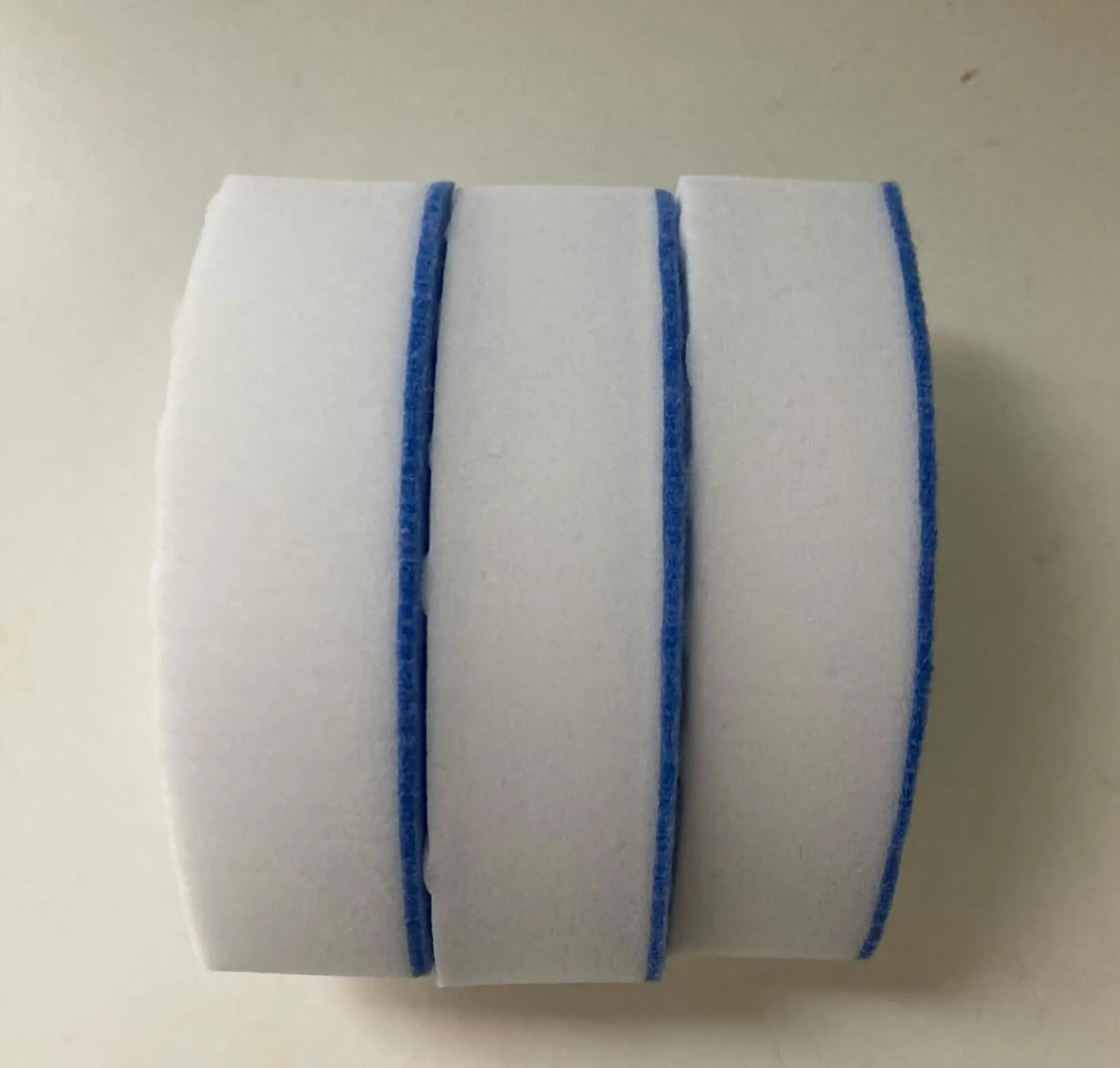
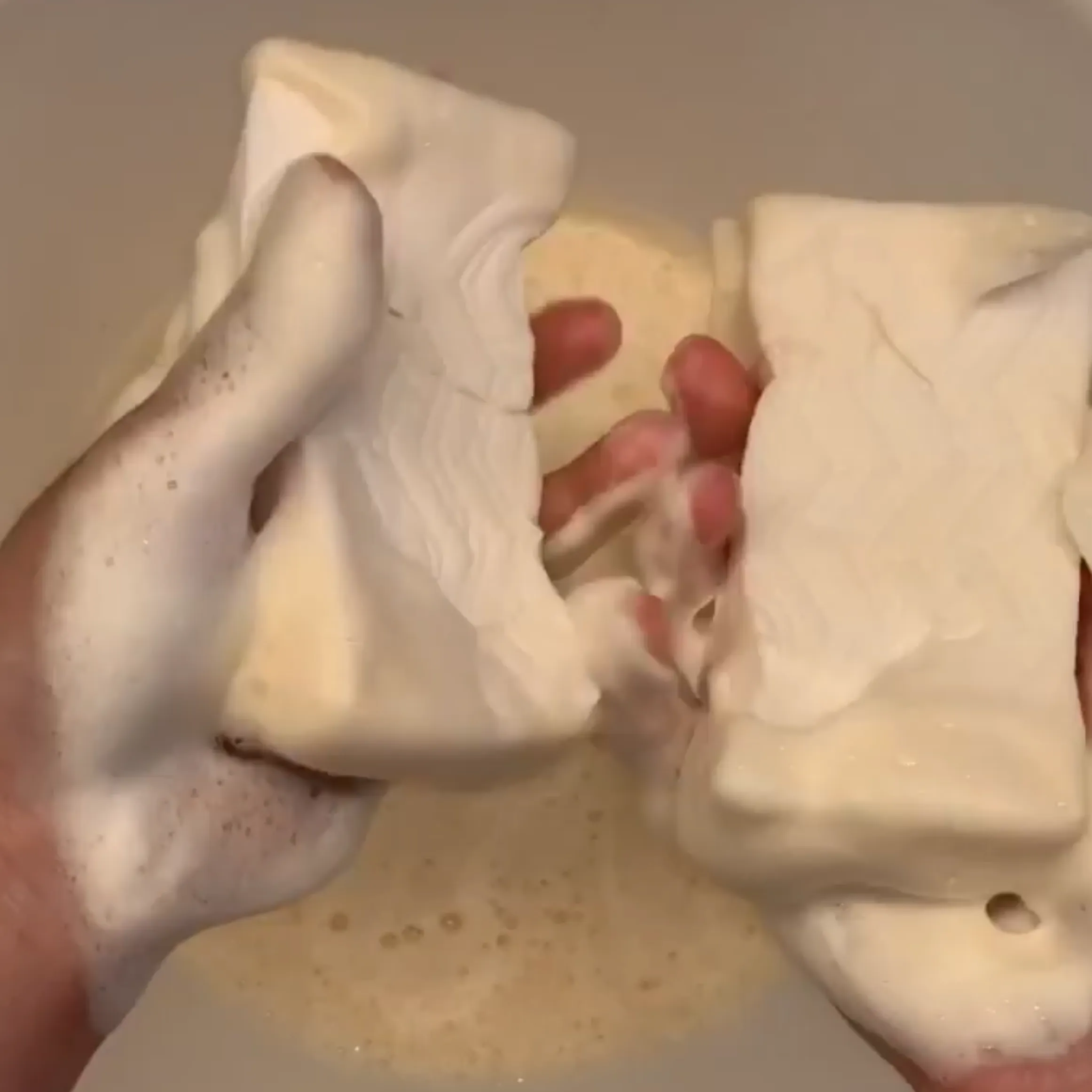
Magic erasers work because they’re made from melamine foam — basically a micro-abrasive that behaves like persistent sandpaper. According to Wikipedia’s material science breakdowns, melamine foam’s structure is designed to mechanically remove stains rather than dissolve them chemically. In plain English? It scrubs hard. And if you scrub the wrong thing, you’ll find out quickly why we warn people about them.
Let’s go through the surfaces you should never use a melamine magic eraser on — plus safer alternatives, repair tips and a few stories from jobs where things went sideways.
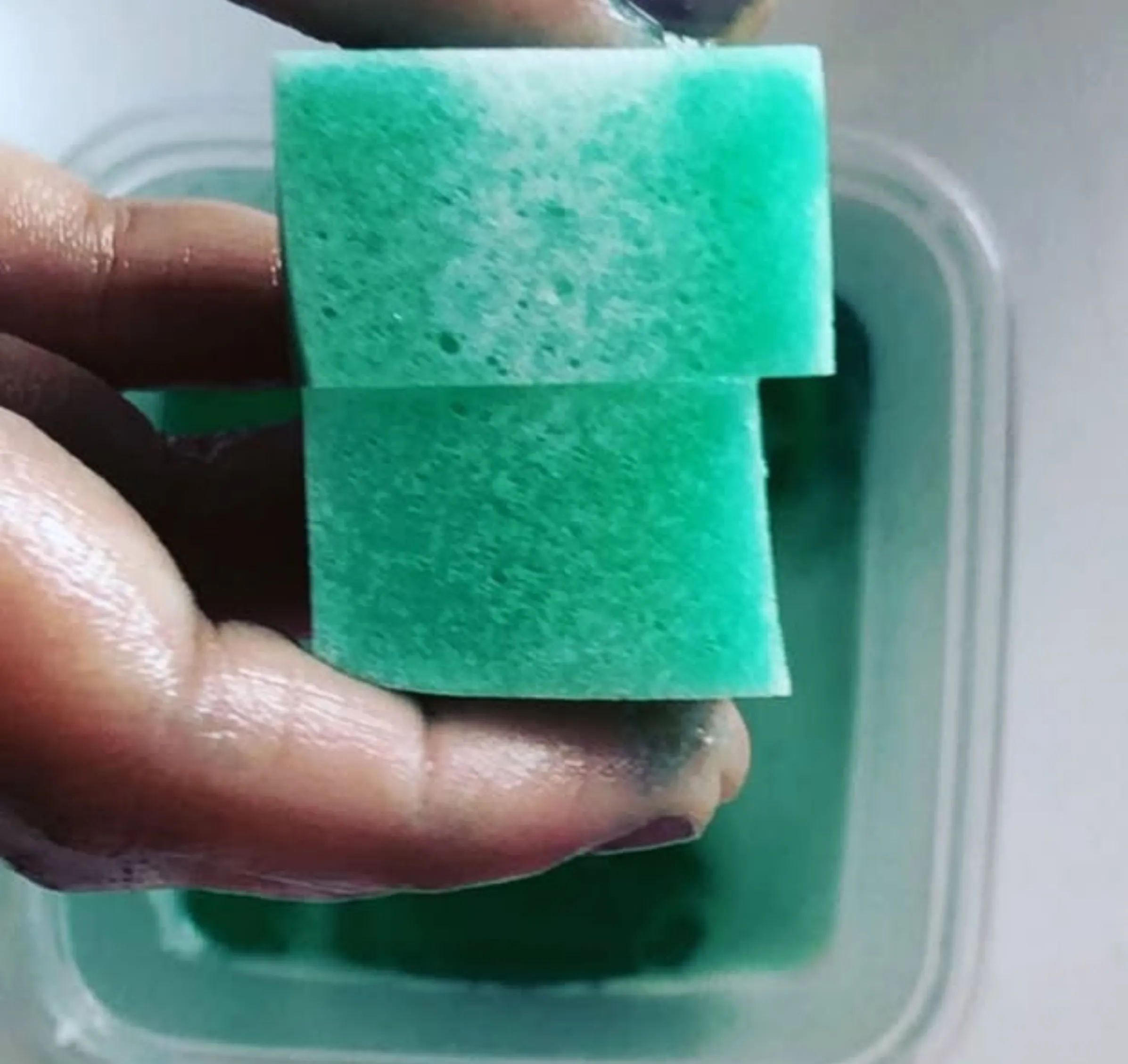
Magic erasers eat through certain surfaces faster than Melbourne’s winter mould eats through bathroom silicone. Think of them like a brickie’s sandpaper block: powerful but unforgiving.
They remove protective coatings, scratch soft surfaces and dull glossy finishes. And because many surfaces appear tougher than they are, people assume they can take a beating — until the damage shows when the sun hits at the wrong angle.
If you live near the coast (Brighton, Altona, Frankston), surfaces can already be weakened by salt ingress. Add abrasive scrubbing? You’re asking for trouble.
Painted Walls and Doors: Why They Fade and Scuff
If you’ve wiped a wall and thought “That came up a treat,” only to see a pale patch later, you’ve met the magic eraser’s biggest crime: thinning paint.
This is especially risky on:
- Matte paint
- Low-sheen interior walls
- Doors with tinted or soft finish paints
- Weather-exposed surfaces weakened by UV
Melbourne’s winter condensation softens painted surfaces slightly, making the eraser chew through them fast.
Use instead:
A microfibre cloth with a mild pH-neutral cleaner.
Glossy and Shiny Plastics: Phones, Screens and Appliances
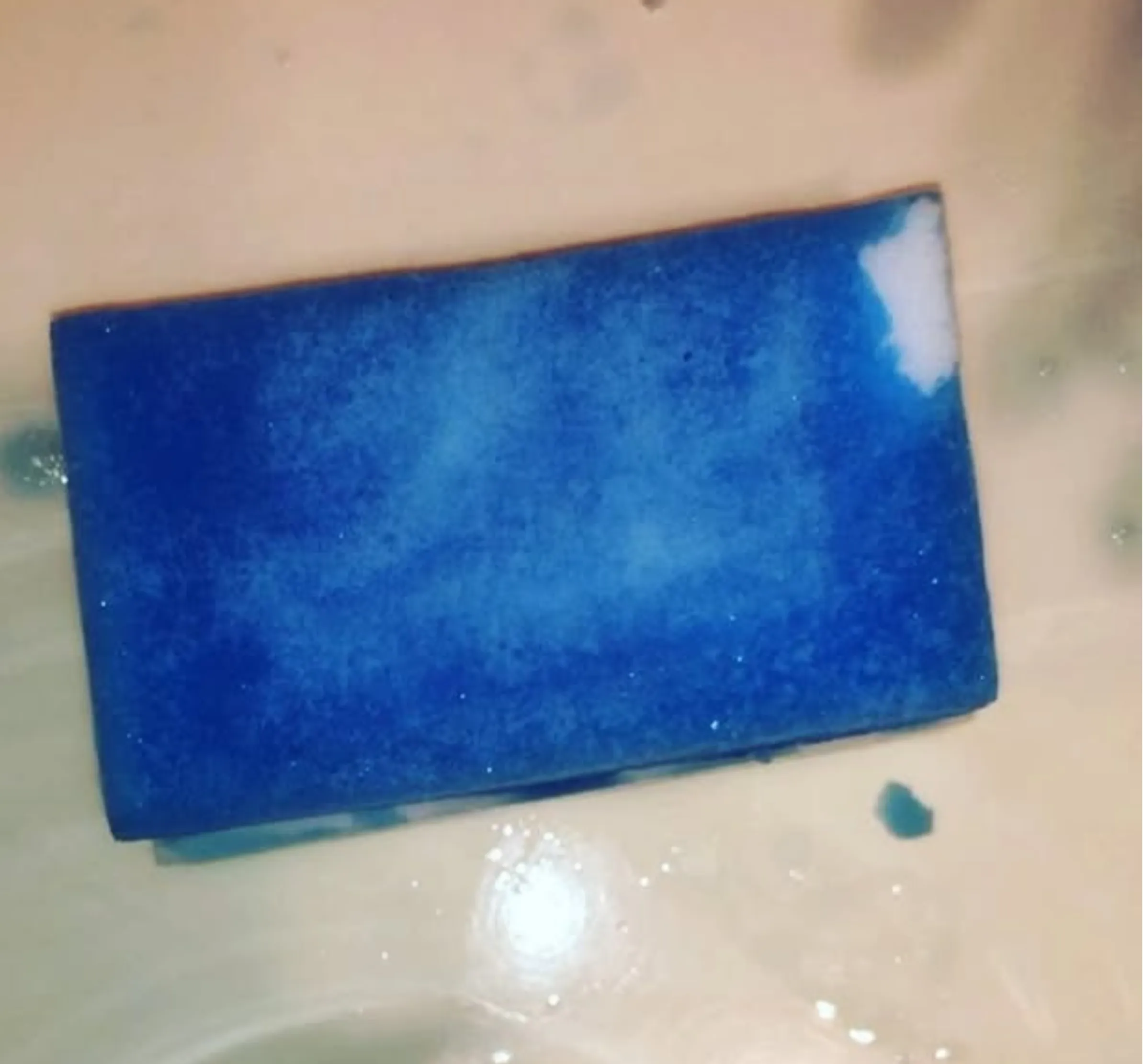
Magic erasers scratch glossy plastics like a possum scratching bins on a Thursday night. Whether it’s your laptop lid, fridge panel or car interior trim, melamine foam bites deep.
We’ve seen:
- Cloudy iPad patches
- Scratched appliance touch panels
- Dulled car trims
- Worn fridge handles
If you’re cleaning near touch-sensitive coatings (anti-glare film, matte protectors), the eraser strips them off instantly.
Use instead: Microfibre cloth + mild spray cleaner.
Stainless Steel: It’ll Scratch Faster Than You Notice
Stainless steel marks easily, especially when you go against the grain.
Using a magic eraser on:
- Rangehoods
- Fridge doors
- Dishwashers
- BBQ panels
…leaves dull patches that look fogged under sunlight.
Better option: Microfibre cloth + stainless-safe cleaner.
Car Paintwork and Clear Coats
This one hurts. A bloke in St Kilda tried removing bird poo with a magic eraser and ended up taking off the clear coat.
Never use a magic eraser on:
- Car bonnets
- Door panels
- Plastic trims
- Headlights with UV film
Your car’s clear coat is thin — often 30–50 microns. One scrub? Gone.
Better option: Warm water, pH-neutral car soap, and a soft sponge.
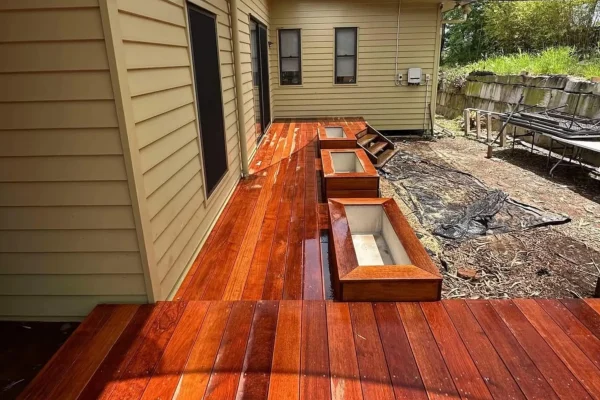
Wood Surfaces: Polished, Stained, or Sealed
Wood feels tough, but coatings like polyurethane and varnish are soft.
Magic erasers will:
- Strip varnish
- Lift stain colour
- Dull polished timber
- Leave pale rub patches
Common on door frames, stair rails and tables where fingerprints tempt people to scrub too hard.
Better option: Mild cleaner + soft cloth.
TV Screens, Monitors and Glass With Coatings
Magic erasers remove anti-glare, anti-smudge and reflective coatings instantly. Damage appears when the screen lights up.
- TVs
- Laptops
- Smartphones
- Mirrors with anti-fog film
- Shower screens with hydrophobic coating
Once gone, coatings cannot be repaired.
Better option: Screen-safe microfibre + distilled water.
Tinted Windows: Films Don’t Stand a Chance
This applies to cars and homes. Window tint film is thin — usually 1–2 mil (0.025–0.050 mm). A magic eraser will shred it like wet cardboard.
We’ve replaced more residential tint than we care to admit because someone thought they were “just cleaning smudges.”
Better option: Glass cleaner + soft cloth.
Stone Benchtops: Granite, Marble, Quartz
Magic erasers can etch stone. Even engineered quartz can lose its sheen. This gets worse near cooktops in winter when moisture repeatedly settles on the stone, making sealed surfaces more vulnerable.
Common damage:
- Dull patches
- Etched rings
- Discoloured sections
Marble is particularly soft — so soft that even acidic cleaners leave marks.
Better option: Stone-safe pH-neutral cleaner.
Fibreglass and Acrylic Surfaces
Magic erasers can etch stone. Even engineered quartz can lose sheen.
Common damage:
- Dull patches
- Etched rings
- Discoloured sections
Better option: Stone-safe pH-neutral cleaner.
Fibreglass and Acrylic Surfaces
Think bathtubs, shower bases, spa shells and caravans.
Magic erasers remove:
- Protective gel coating
- Colour layers
- UV-protective surfaces
Better option: Non-abrasive cleaner.
Table: Where Magic Erasers Cause the Most Damage
| Surface Type | Safe? | Damage Risk | What Gets Ruined | Better Cleaning Option |
| Painted surfaces | No | High | Paint thinning | Microfibre cloth + mild detergent |
| Stainless steel | No | High | Scratches | Stainless-safe cleaner |
| Natural stone | No | High | Etching | Stone-safe cleaner |
| Glass shower doors | No | High | Coating removal | Glass cleaner + microfibre |
| Leather / faux leather | No | High | Colour loss | Leather-safe cleaner |
| Car paintwork | Never | Extreme | Clear coat | Automotive shampoo |
| Interior car trim | No | Medium | Scratches | Detailing microfibres |
| Non-stick pans | No | High | Coating damage | Non-scratch sponge |
| Aquarium glass/acrylic | No | High | Scratches | Aquarium-safe scraper |
| Unfinished wood | No | High | Raised fibres | Wood-safe cleaner |
Moments a Light Abrasive Works
There are a few situations where a melamine eraser might help — though they’re not common.
Somewhat safe surfaces include:
- Ceramic tile
- Grout lines
- Rubber scuff marks
- Hard plastics without coatings
- Some bathroom fixtures
But always test on a hidden patch first.
At Window Cleaning Melbourne Crew, we’ve seen magic erasers save a job and ruin a job — on the same day. If you’re ever unsure whether a surface can handle it, assume it can’t.
If you want that mark gone without destroying the finish, choose safer methods — or call someone who can fix it properly.
FAQ
Will a magic eraser work on painted walls?
Only if you’re okay with patchy, dull paint. Matte surfaces scratch fast.
Can I use a magic eraser on stainless steel?
No — it makes the finish foggy and removes protective coatings.
Is it safe on natural stone?
Not a chance. It can etch marble and dull engineered stone.
Will it damage the car’s interior trim?
Yes — it scratches plastics, vinyl and faux leather.
Will a magic eraser scratch glass?
Yes — especially coated or tempered glass like shower doors or aquariums.