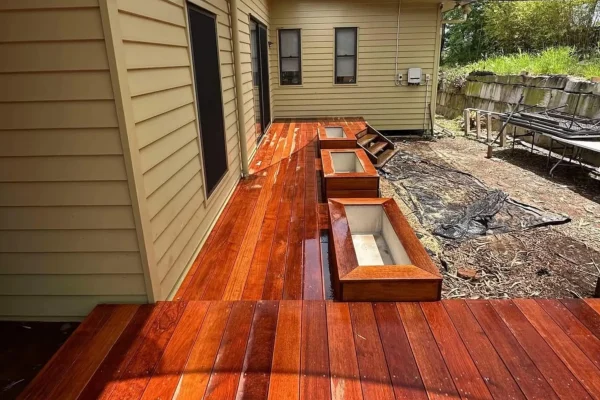
Pressure cleaning removes built-up dirt, grime, organic growth and surface contamination from suitable outdoor surfaces around Melbourne homes and commercial properties. At Window Cleaning Melbourne Crew, our pressure cleaning services begin with an assessment of the material, condition, coating, staining, drainage and access before we decide how much pressure is appropriate. Concrete may tolerate mechanical cleaning that would damage painted, rendered, sealed or weathered exterior surfaces, so maximum pressure is never the default.
The aim is to remove contamination and refresh the property without unnecessarily affecting the surface underneath.

- Very nice and professional cleaning team. We order fully cleaning including gutter , townhouse exterior , all windows outside &inside.WaterCrew provides great service and affordable price .read moreread lessping lee10/11/2026Thankyou. Fantastic work, professional and very happy with how clean our windows and surrounds were.read moreread lessStephanie Johnston10/02/2026Excellent & professional in all ways.read moreread lessWendy Haines9/24/2026
- Eren did a sensational job & his communication was fantastic - would definitely use again & recommend 👍read moreread lessTony Murdoch8/26/2026Eren was professional, efficient and completed the roof cleaning to a very high standard. The service was prompt, the workmanship was excellent, and the overall result was fantastic. Highly recommend Eren for anyone looking for reliable and quality roof cleaning services.read moreread lessJanan8/24/2026Excellent. Efficient, thorough, and swift!read moreread lessLu Lu7/15/2026
- Very happy with the service. They were clean, professional and left everything tidyPlus the job was done beautifullyMany thanks!read moreread lessAdelle7/04/2026Highly recommend Eren and his WaterCrew. Have used for gutter cleaning and will in future use for terracotta roof tile cleaning & window cleaning. They do a very thorough and professional job at competitive rates. Also, they are polite, friendly and well spoken.read moreread less
 Alan Thomas6/30/2026Very professional job done in BrightonVery thorough and was on time !!!!read moreread lessRENATO CENEDESE6/12/2026


Restoring a Cleaner Exterior
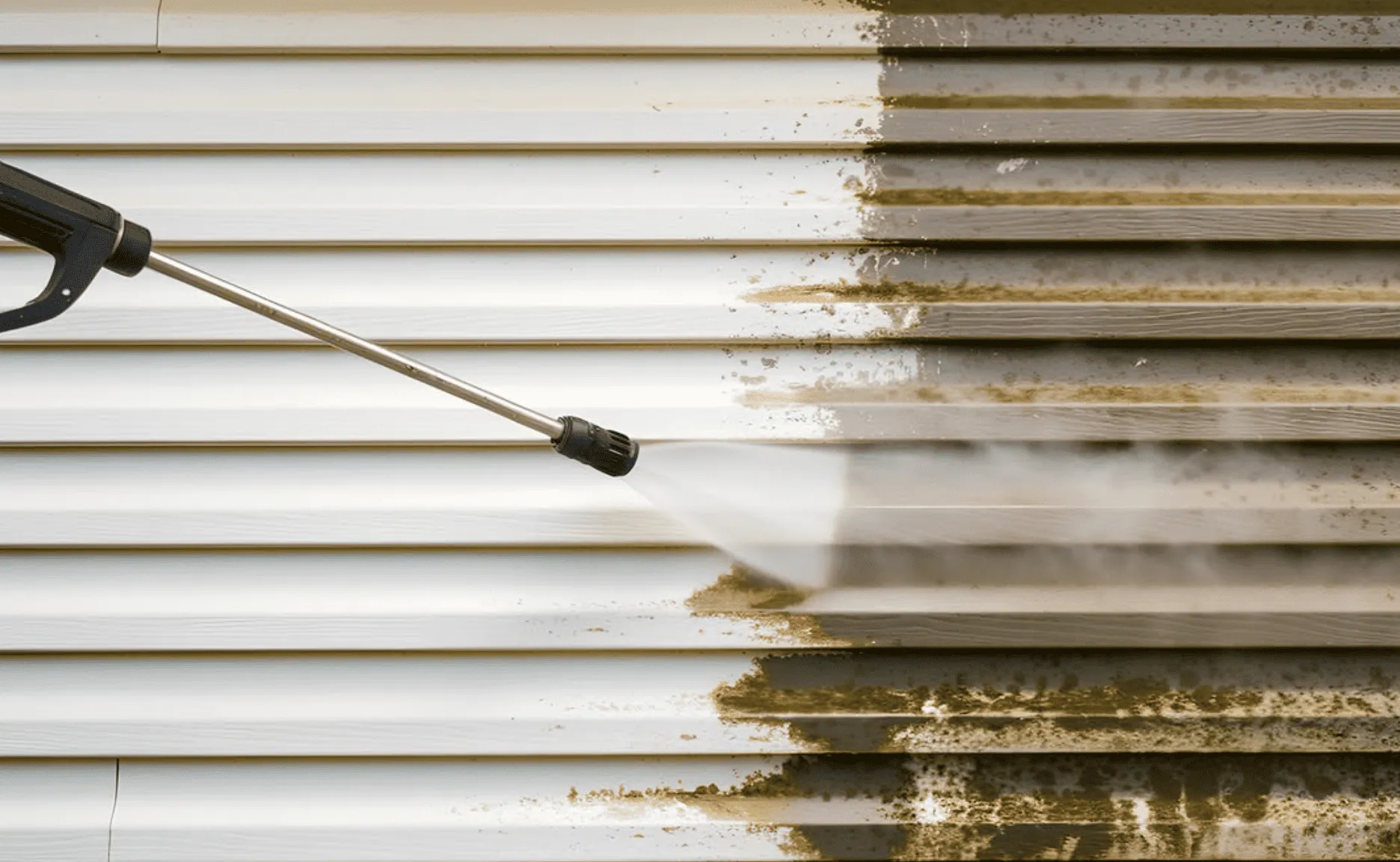
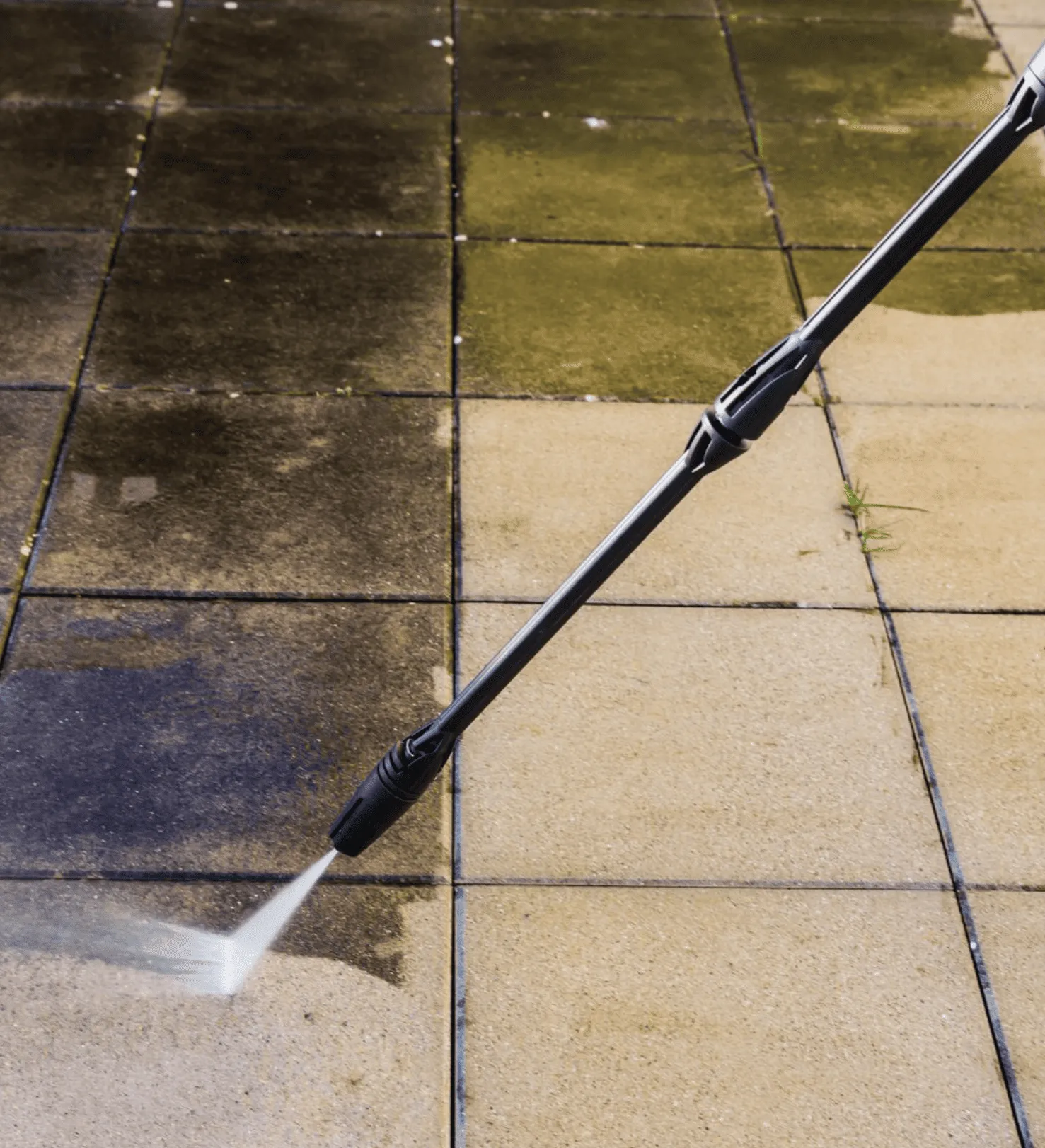
Exterior surfaces gradually collect soil, traffic film, leaf residue, bird droppings, moss and lichen, algae, mould and other organic growth. On sound, compatible materials, pressure cleaning can lift this build-up and restore a cleaner, more even appearance.
The distinction between contamination and deterioration matters. Dirt can be removed; faded paint, failed coatings, cracks, corrosion, damaged mortar and permanent staining cannot simply be washed away. Once the grime is gone, existing defects may actually become easier to see.
Choosing the Appropriate Method
Pressure washing is most useful where the substrate is durable enough for mechanical water action to remove contamination safely. More sensitive materials may be better suited to controlled low-pressure cleaning, soft washing, targeted treatment or another method.
| Surface or condition | Typical approach | Main consideration |
|---|---|---|
| Sound concrete | Controlled pressure cleaning | Surface condition and existing coating |
| Pavers | Pressure adjusted to material | Joints, sand, sealer and porosity |
| Sound masonry | Surface-specific assessment | Mortar condition and age |
| Painted or rendered walls | Lower-pressure approach may be required | Paint, coating and render condition |
| Oil or biological staining | Targeted treatment plus cleaning | Pressure alone may not remove the cause |
| Loose, cracked or deteriorated surfaces | Pressure may be unsuitable | Cleaning can expose or worsen defects |
| Suspected asbestos-containing material | Not treated as ordinary pressure cleaning | Specific Victorian asbestos controls apply |
A test area can help establish how a surface responds before broader cleaning begins. Suspected asbestos-containing materials require separate assessment and are not treated as ordinary pressure-cleaning surfaces.
Suitable Surface Types
We adjust the cleaning method to suit the surface material, condition, coating and level of contamination.
Concrete and Hard Areas
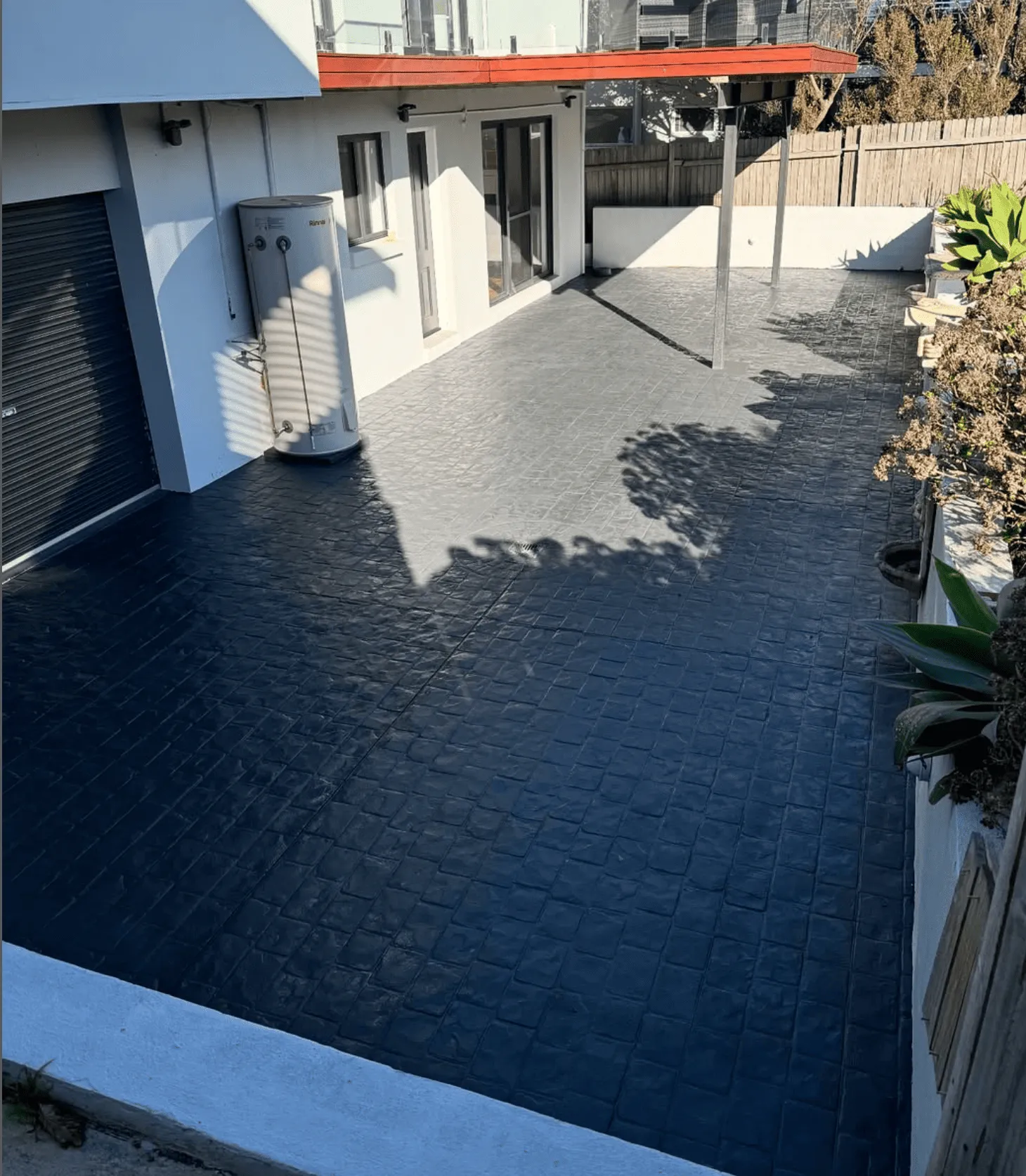
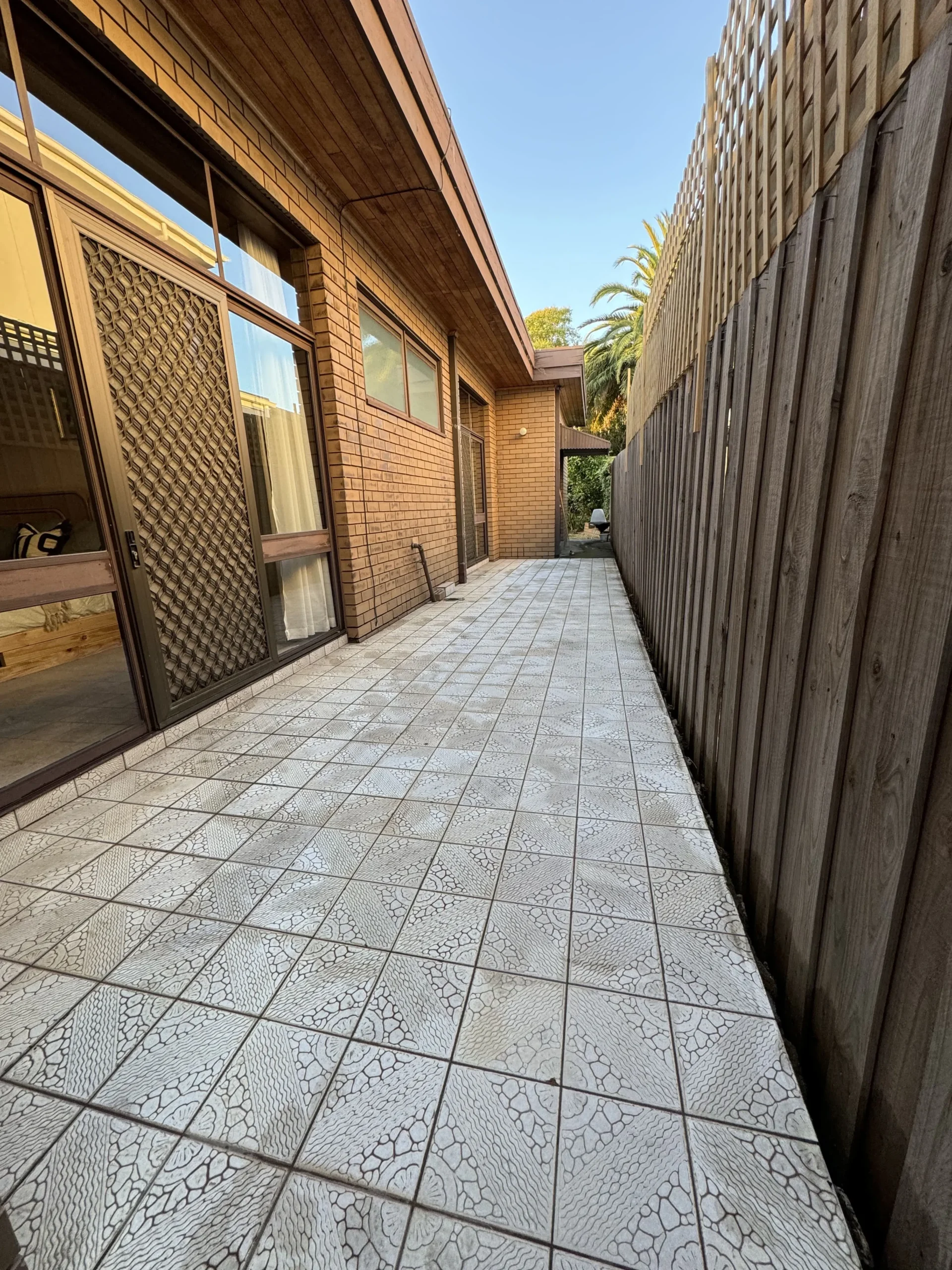
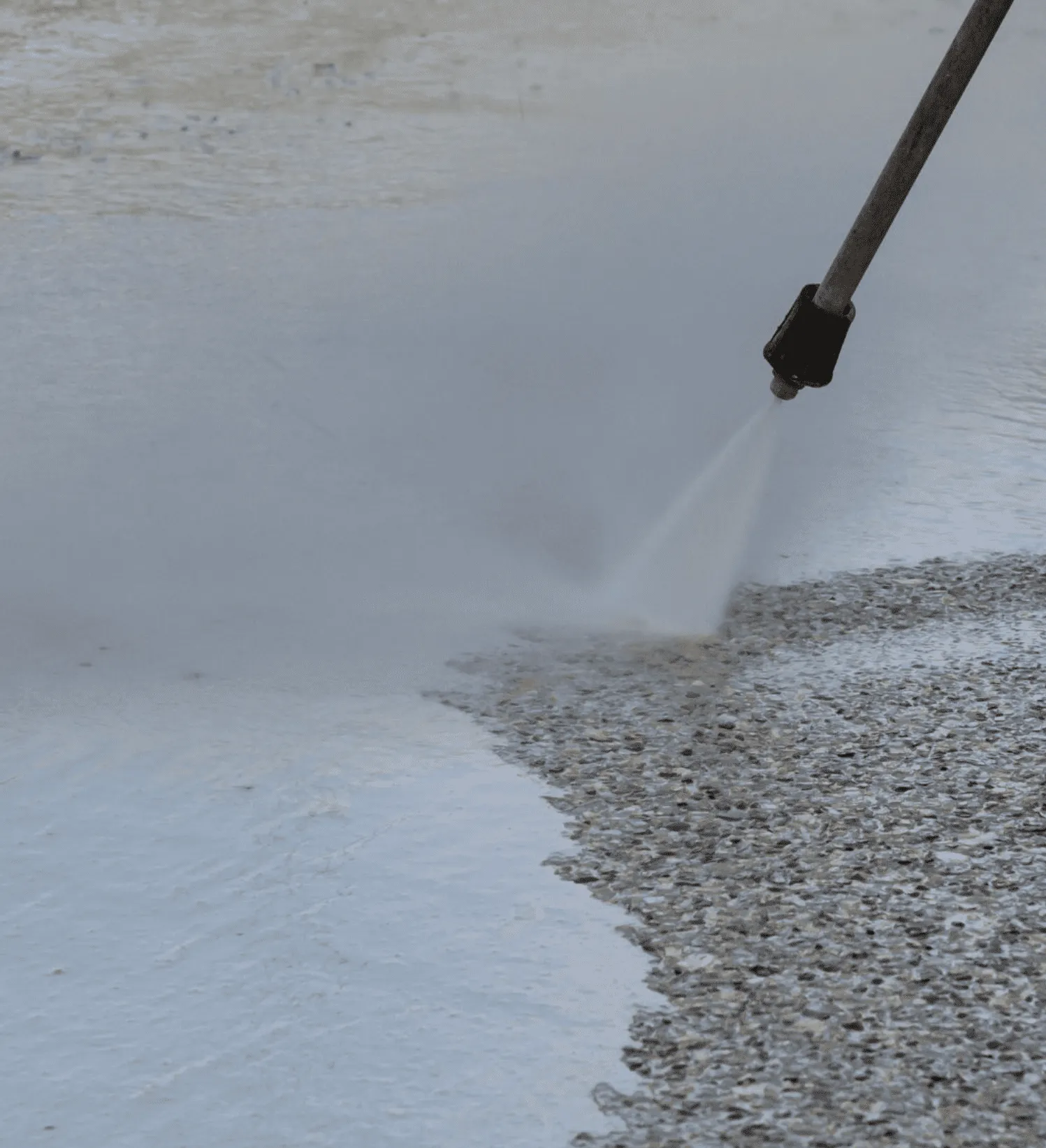
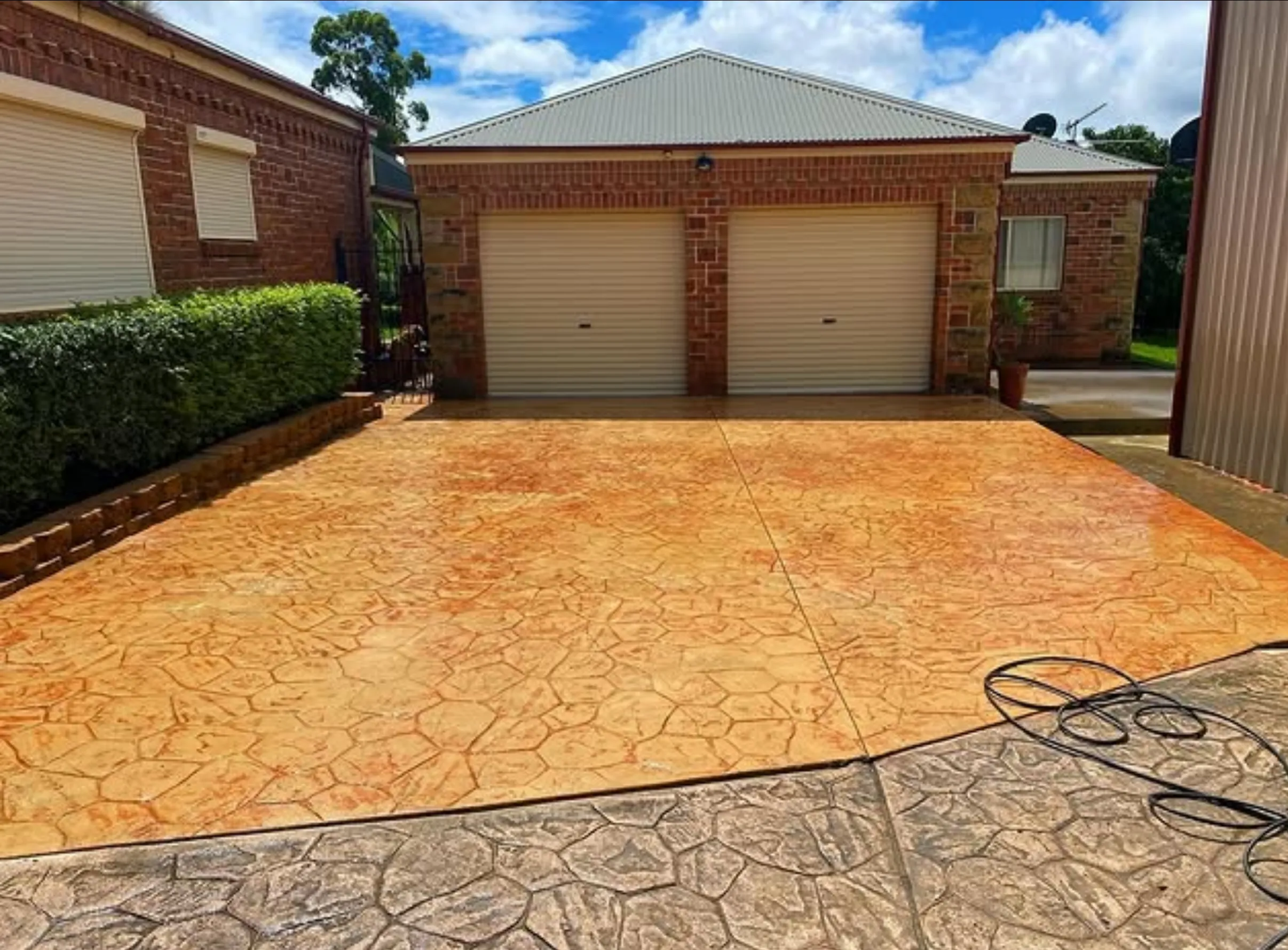
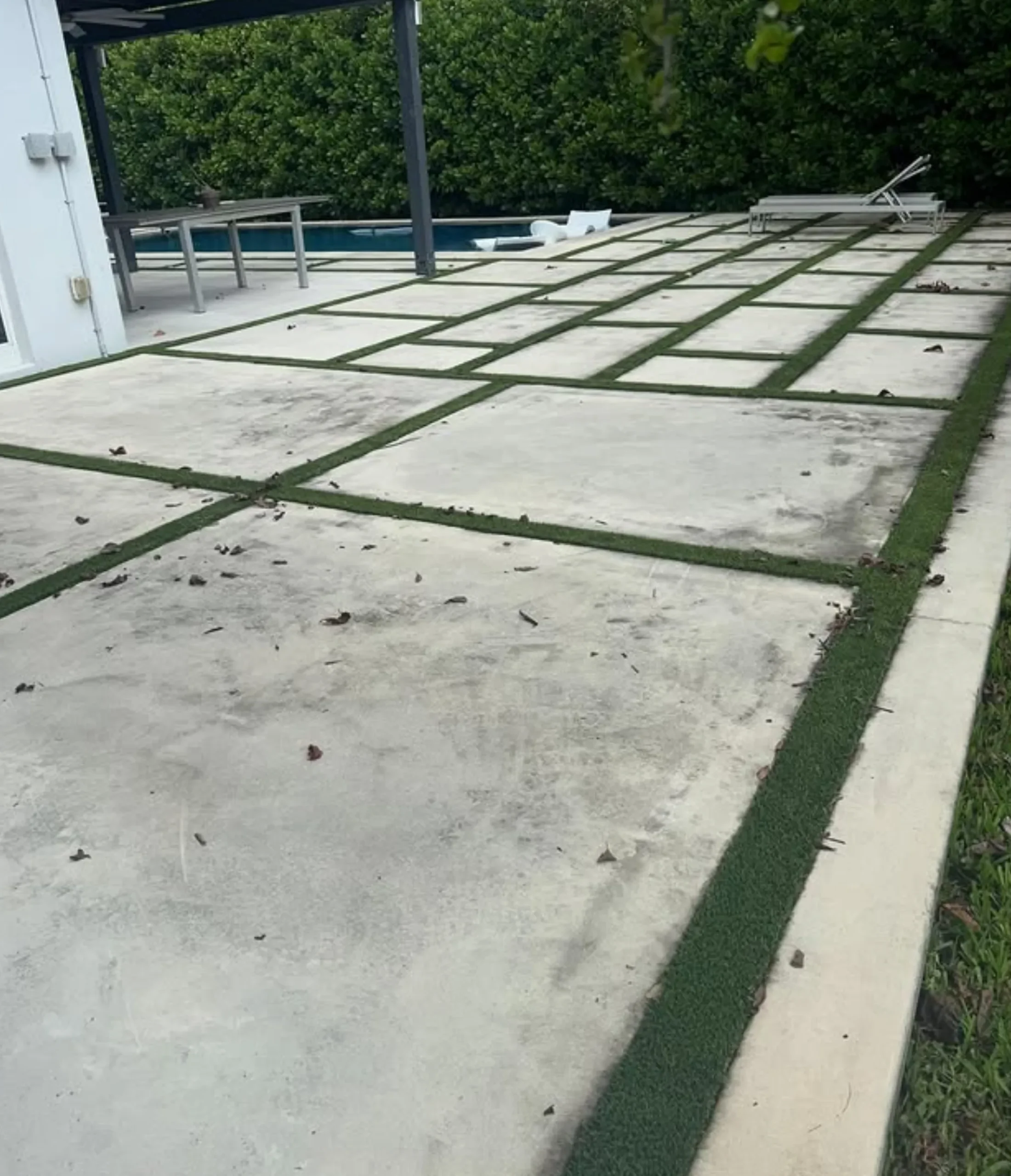
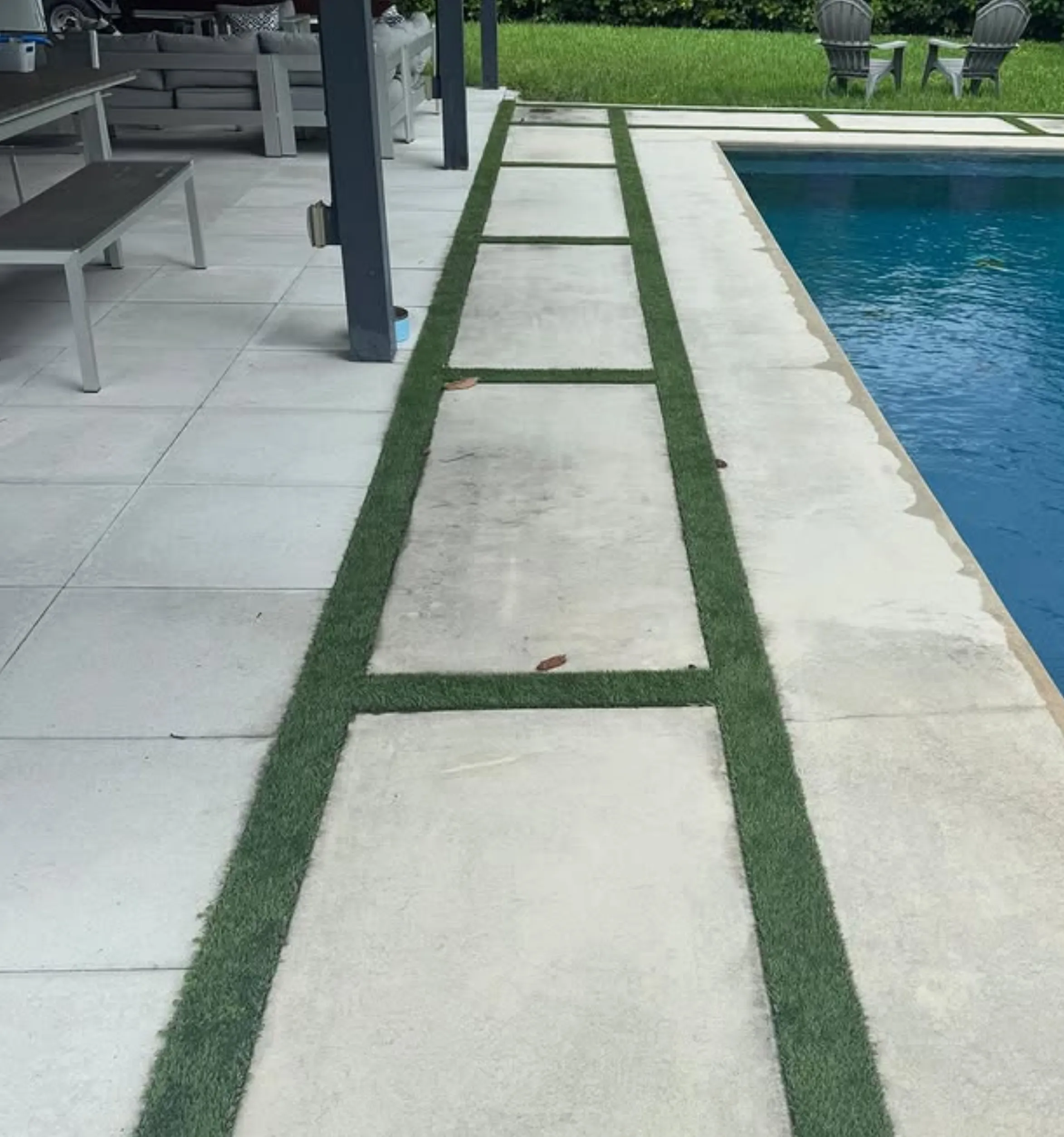
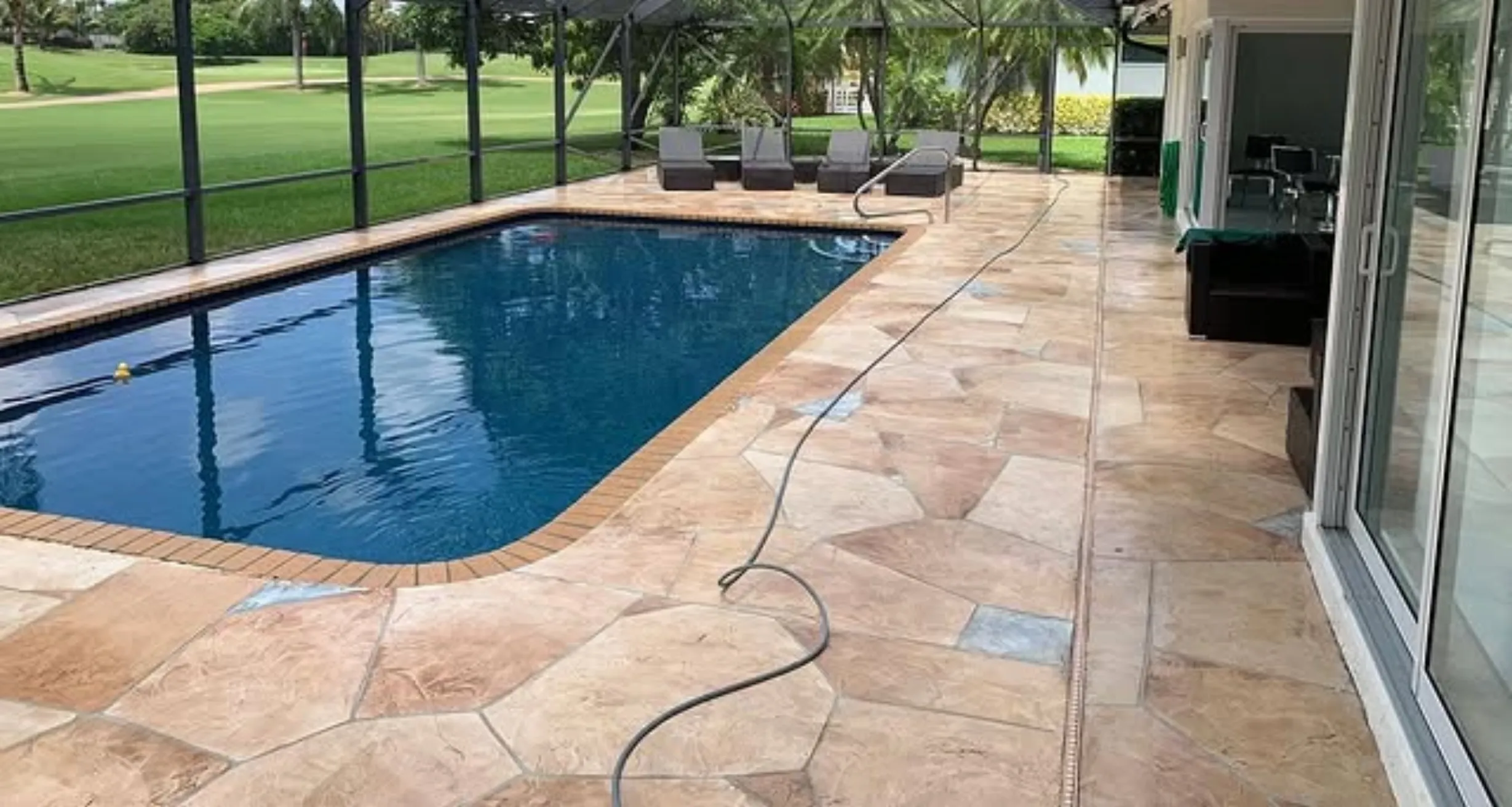
Concrete cleaning may be needed where paths, courtyards and other hard exterior areas accumulate embedded grime, tyre residue and organic growth. Whether the concrete is plain, decorative, exposed aggregate, coloured or sealed affects how it should be treated.
Preparation is also important when concrete is being readied for concrete sealing or another coating. Australian concrete-product guidance includes pressure washing as a preparation step for suitable existing concrete, while oil and grease may require separate degreasing rather than additional water pressure.
Pavers and Outdoor Areas
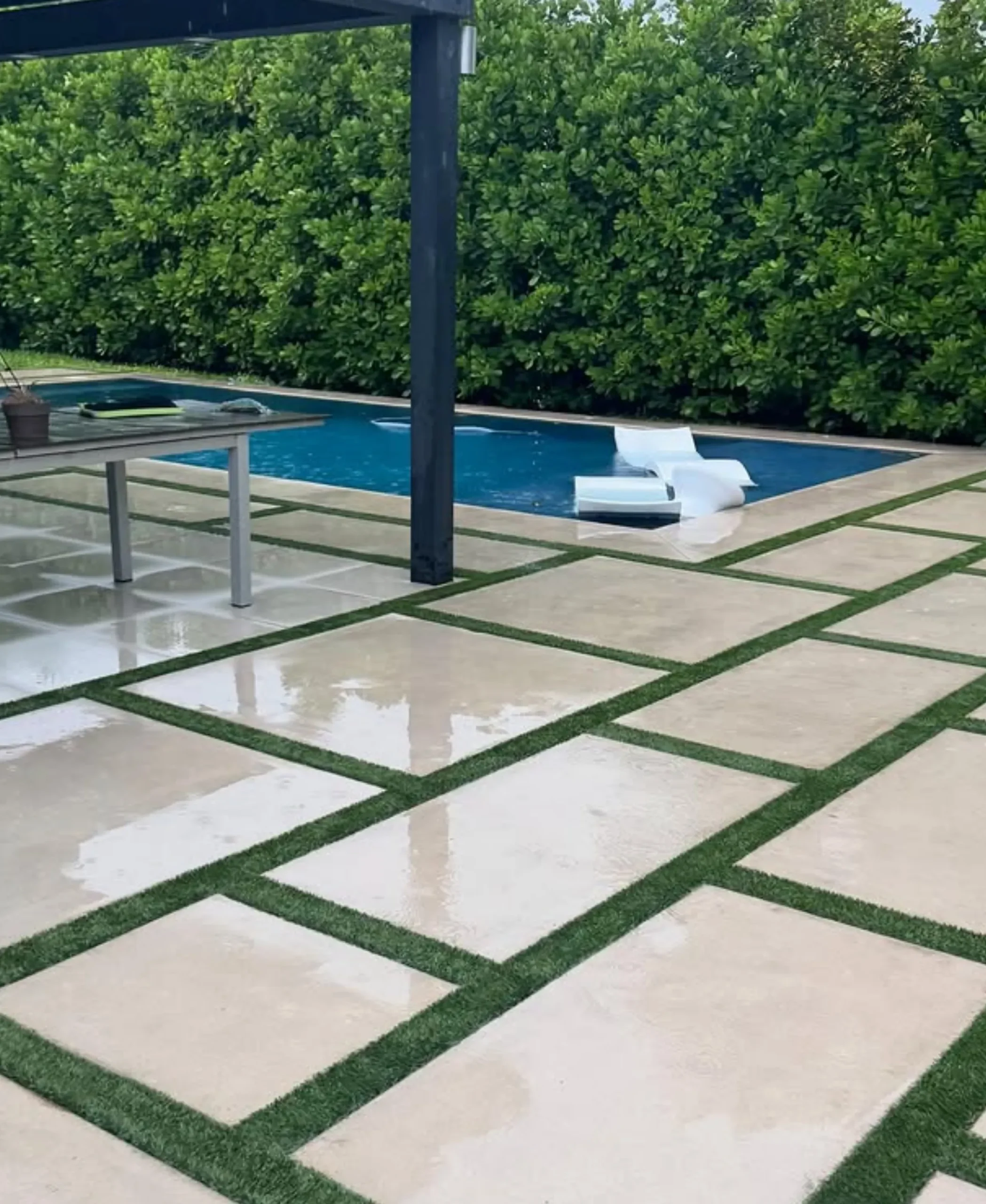
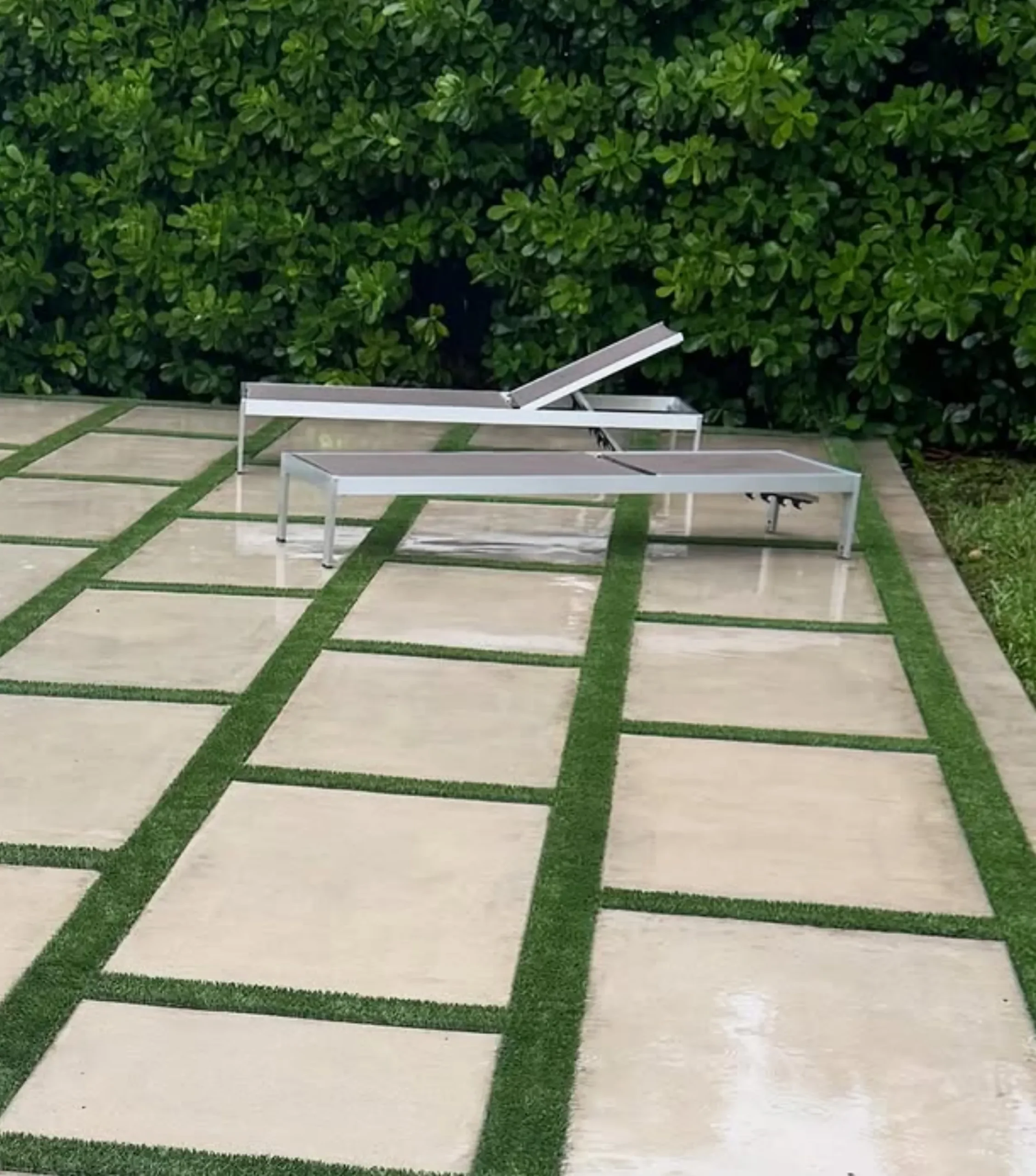
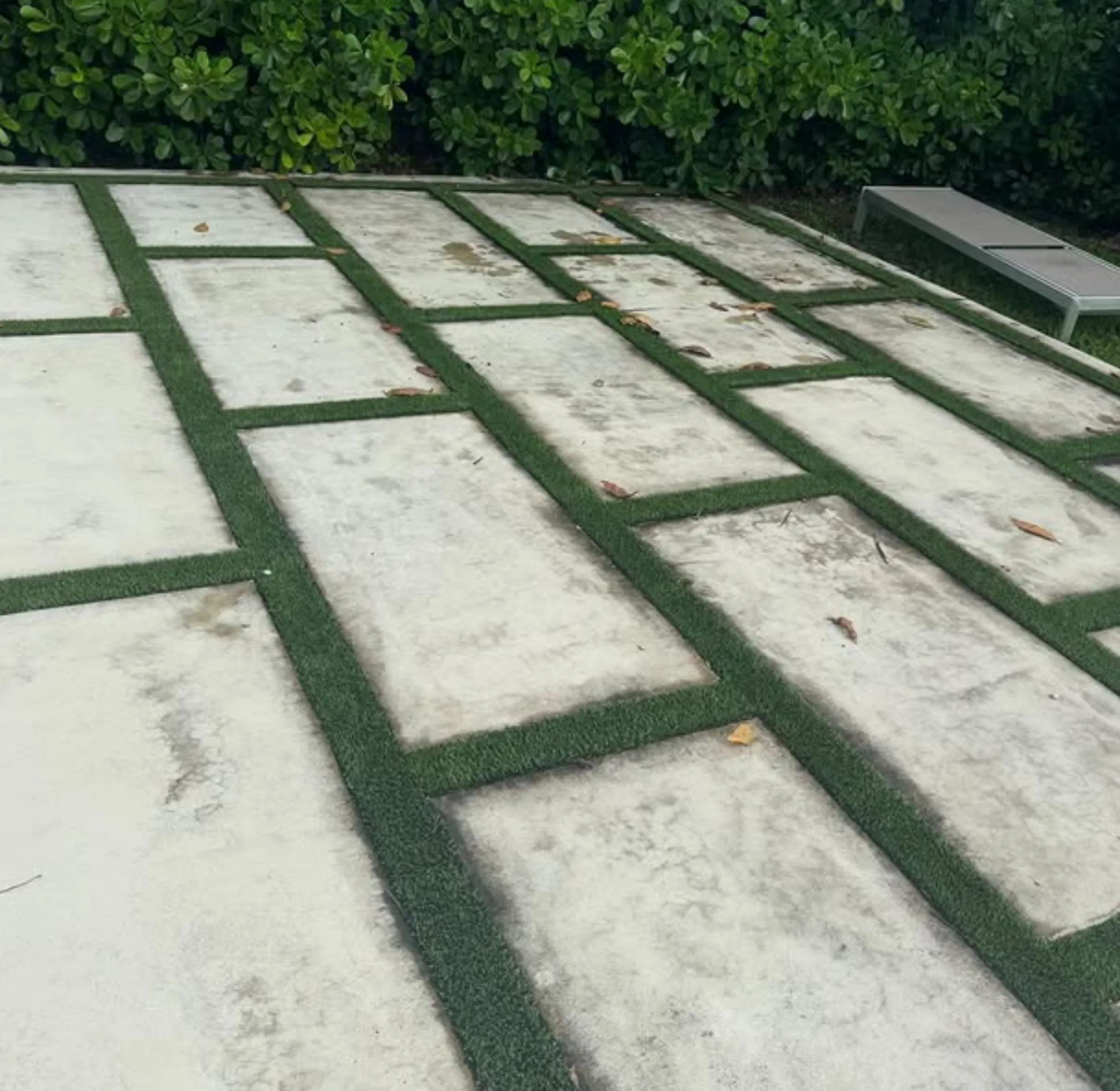
Paving varies considerably in density, porosity and joint construction. Paving cleaning must account for the fact that concrete pavers, clay products and natural stone should not automatically receive the same treatment.
When cleaning paving, we assess loose jointing material, existing sealer, efflorescence, fragile edges and previous surface wear. Excessive pressure can remove jointing material or alter the face of some pavers, so cleaning force and nozzle choice need to suit the material.
Walls, Masonry and Other Finishes
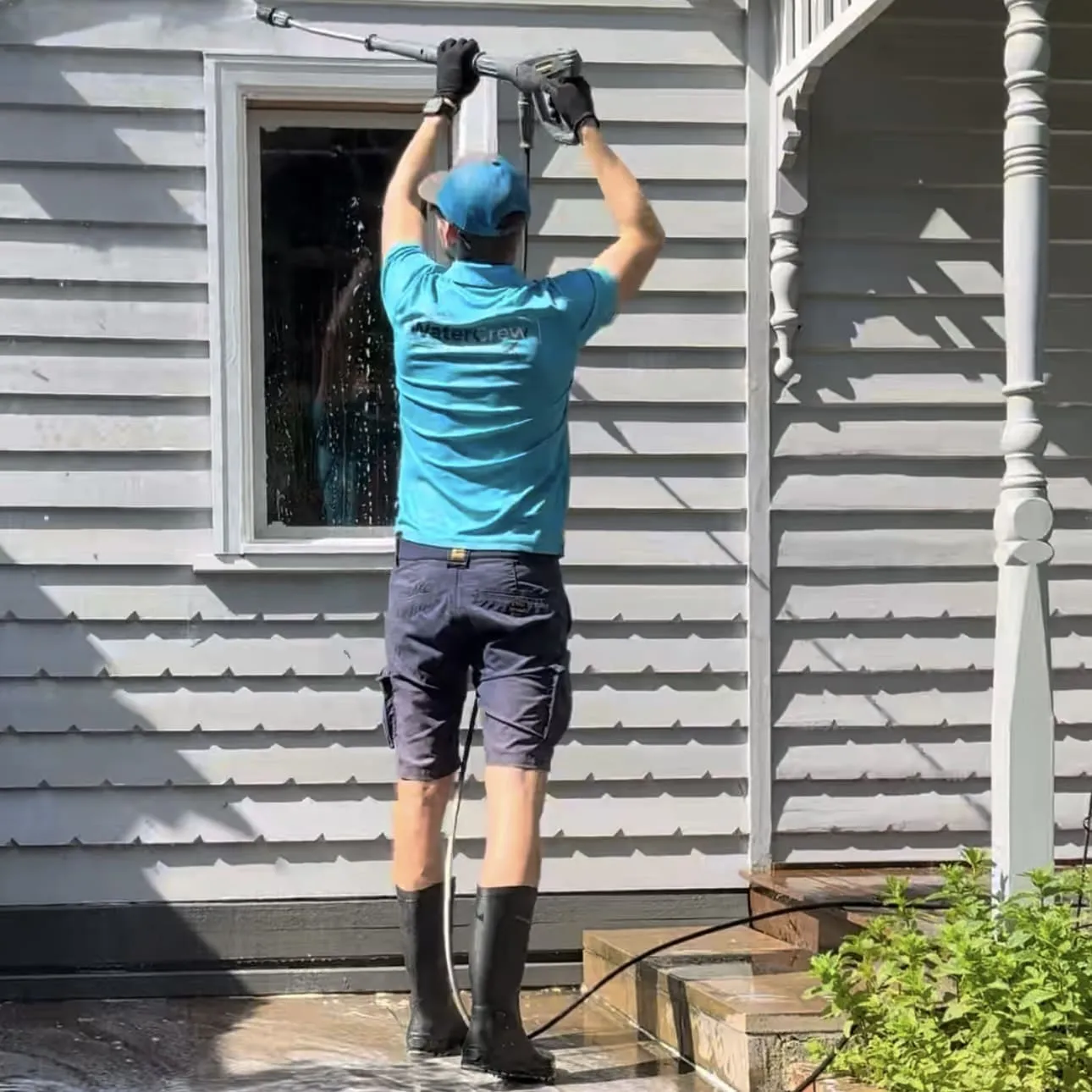
Some sound masonry, retaining walls and robust exterior surfaces can be pressure cleaned, while painted walls, render and aged finishes require greater caution. Brick cleaning also depends on the condition of the brick face and mortar rather than the material name alone.
Painted surfaces need to be checked for loose or failing paint before cleaning. Where a coating is already deteriorating, washing may expose more of the defect rather than restore the finish.
If water pressure presents an unnecessary risk to the surface, we choose a gentler approach rather than treating a pressure wash as the only option.
Commercial Hardstand and Access Areas
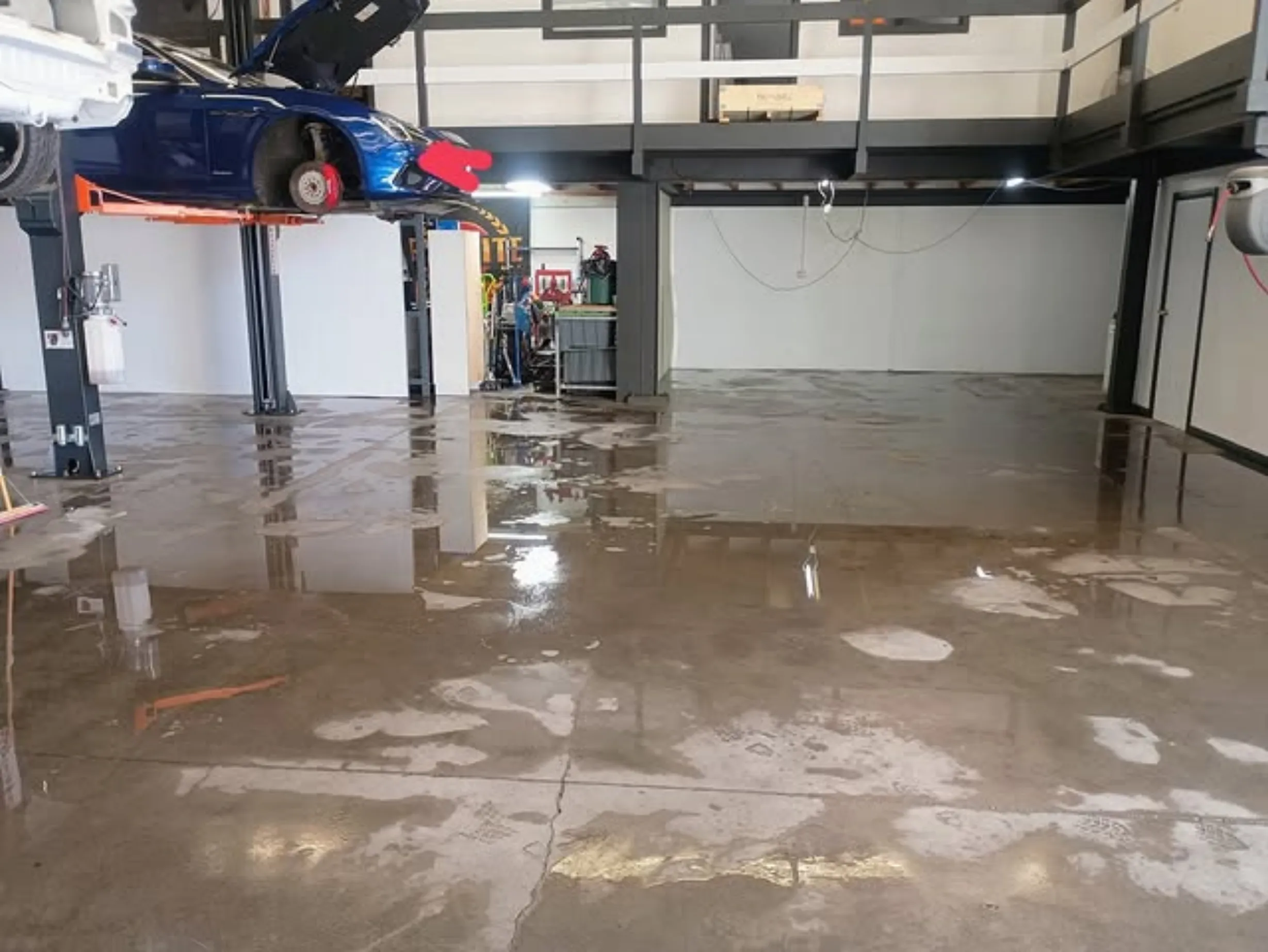
Pressure cleaning can also suit compatible external areas at commercial properties, including hardstand areas, paths, entrances and other durable surfaces. Job size, pedestrian management, drainage, contamination and access all influence how the work is planned.
How We Approach Each Job
We begin by identifying the substrate and visible contamination, then check its condition, coatings, drainage and nearby areas. Loose or vulnerable items are considered before cleaning starts. Access and water supply also form part of the assessment; restricted access or limited water supply can change how the work is carried out.
The method is then matched to the surface. Concrete staining may be pre-treated where appropriate before mechanical cleaning begins, rather than relying on additional pressure to do all the work. Pressure, spray pattern and working distance are controlled throughout cleaning.
Product instructions also influence the process where a cleaning treatment is used. Some Australian exterior-cleaning products specify application to a cool surface out of direct sunlight so the cleaner does not dry before it can be rinsed. We follow the requirements of the treatment rather than applying one dwell-time or weather rule to every surface.
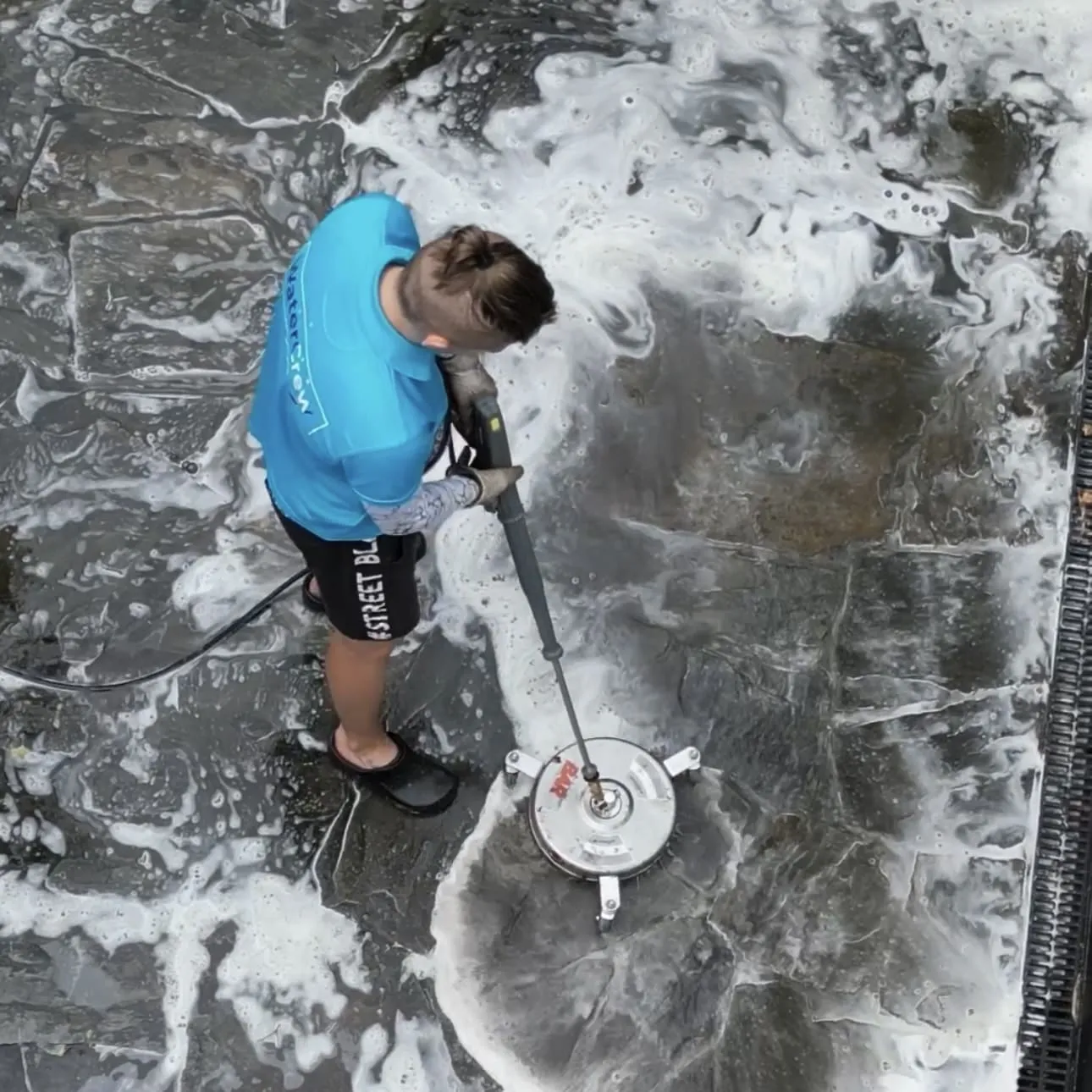
For broad concrete areas, we may use a surface cleaner or rotary cleaning attachment to provide more consistent coverage and reduce the striping that can result from uneven wand movement.
Afterwards, the cleaned area is checked so remaining marks can be distinguished from contamination that can reasonably be removed.
Equipment Selected for the Surface
Our verified equipment includes commercial-grade pressure cleaners with adjustable settings, surface cleaners, soft-wash setups, extension poles and cleaning wands. A surface cleaner can improve consistency across broad concrete areas, while a lower-pressure setup provides another option where strong mechanical cleaning is inappropriate.
Together, these options allow us to control the cleaning action without relying on one machine, nozzle or pressure setting across every surface. Equipment selection follows the surface, not the other way around.
Why Cleaning Force Varies
Pressure rating alone does not determine whether cleaning is safe. Nozzle pattern, water flow, working distance, exposure time, substrate strength and operator movement all affect the force reaching the surface.
That is why quoting a universal PSI figure for every driveway, wall or paver would be misleading. Australian safety guidance treats high-pressure water as a genuine hazard: WorkSafe Victoria notes that high-pressure water jetting can pierce skin and create risks from flying debris, uncontrolled hoses and electrical hazards.
We use enough cleaning action for the contamination and surface condition rather than assuming more pressure means a better result.
Treating Different Types of Staining
Oil, grease, iron stains, leaf tannins, biological growth, calcium buildup and some other mineral deposits are different forms of contamination. Simply moving the nozzle closer can damage the substrate before a resistant stain disappears.
Australian concrete guidance, for example, recommends degreasing as part of preparation where oil or grease is present. The practical principle is simple: identify the stain first, then choose the treatment. Established mineral or bore stains should not automatically be treated as ordinary dirt.
Realistic Results and Surface Limitations
Pressure cleaning can remove suitable contamination and prepare some surfaces for subsequent work. It cannot repair cracks, missing mortar, fading, failed sealers or erosion.
Manufacturer guidance indicates that concrete sealer life can range from 1–10 years depending on the sealer and level of use, with some acrylic systems requiring earlier recoating. Where cleaning precedes sealing or coating, the surface must dry according to the product manufacturer’s requirements.
Maintenance Timing
There is no universal interval. Shade, traffic, trees, drainage, porosity, coatings and exposure all affect how quickly contamination returns.
Coated-steel manufacturer guidance illustrates the difference. Rain-washed areas may need little additional cleaning, while sheltered sections can require washing at least every 6 months. Coastal salt exposure or heavier airborne contamination can shorten that benchmark to around 3 months. These are coated-steel maintenance intervals, not a universal pressure-cleaning schedule.
How Melbourne Exposure Changes Build-Up
Melbourne properties can experience very different contamination even within the same suburb. Shaded areas stay damp longer, encouraging moss, lichen and other organic growth. Trees introduce leaf debris and tannins; vehicle areas collect oil and tyre residue, while exposed surfaces accumulate airborne dirt.
A north-facing wall, shaded courtyard and busy concrete entrance may therefore require three different cleaning decisions on the same property.
Managing Safety, Water and Runoff
Pressurised water can injure people and damage nearby surfaces, so work areas, electrical hazards, loose materials and pedestrian movement all need to be considered.
Wastewater matters as well. EPA Victoria guidance states that wash effluent should not be discharged into stormwater drains. Where detergents, oils, sediment or other contaminants are involved, runoff and surrounding drainage need to be managed rather than simply washing everything towards the nearest grate.
What Supports Our Approach
Window Cleaning Melbourne Crew provides pressure cleaning for residential and commercial properties across Melbourne. We assess the substrate, contamination, existing coatings, access and drainage before selecting the cleaning method.
Two areas of similar size can require different preparation, treatment and cleaning force. That assessment remains central to the professional service, rather than assuming one pressure setting or method will suit every job.
Request an Assessment and Quote
For a useful quote, tell us what needs cleaning, the approximate area, surface type and the main staining or build-up you want removed. Photos can also help show the condition, access and contamination.
From there, we can assess whether pressure cleaning is appropriate or whether the surface needs a gentler or more targeted method.

Your satisfaction is our top priority. We tailor our services to meet your specific needs

We are committed to environmental responsibility. Our cleaning products are eco-friendly.

Pricing
We offer competitive pricing without compromising on the quality of our services.

Expertise
As a locally owned and operated company, we understand the unique needs of our community.
FAQ
Is pressure cleaning safe for every exterior surface?
No. Painted, rendered, sealed, weathered or otherwise sensitive surfaces may require reduced pressure, soft washing or another cleaning method to avoid damage.
Will pressure cleaning remove oil stains from concrete?
Not necessarily. Oil and grease can penetrate concrete and may require an appropriate degreaser or targeted treatment before cleaning; established staining can remain.
Can pressure cleaning damage pavers?
Yes, if the method is too aggressive. Excessive pressure can disturb joints, affect some sealers or damage vulnerable surfaces, so the paving material and condition should be assessed first.
How much does pressure cleaning cost in Melbourne?
The quote depends on factors such as area, material, contamination, access, treatment requirements and site conditions. Two areas of the same size can require different preparation and cleaning methods.
Should I pressure clean before resealing concrete?
Pressure cleaning can form part of preparation for suitable concrete, but cleaning alone does not guarantee that a surface is ready for sealing. Existing coatings, oil, efflorescence, moisture and the requirements of the intended sealer also need to be considered.
SEO Title: Pressure Cleaning Melbourne
Meta Description: Professional pressure cleaning Melbourne for concrete, pavers, walls and outdoor surfaces. Safe methods for homes and commercial properties.