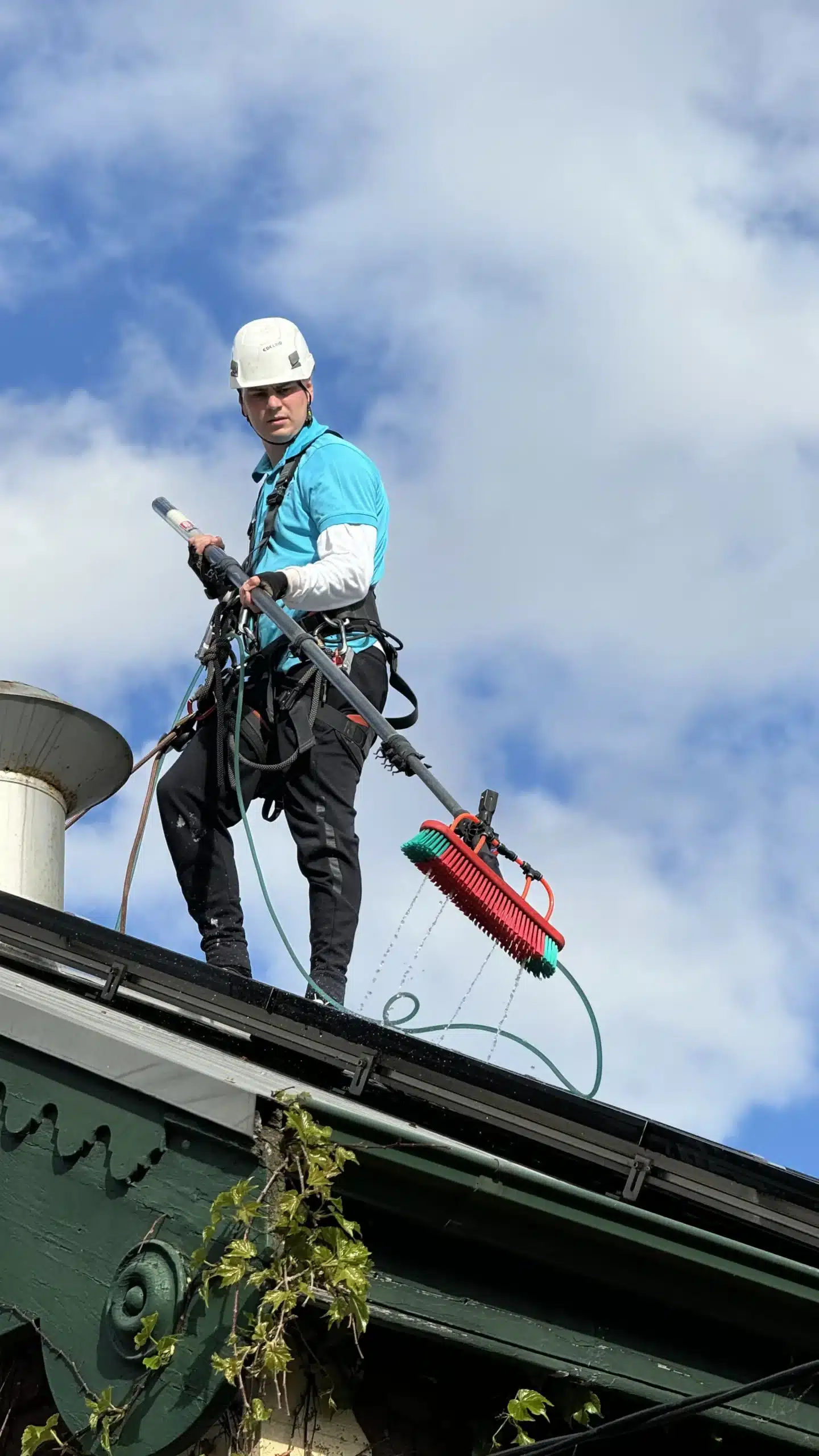
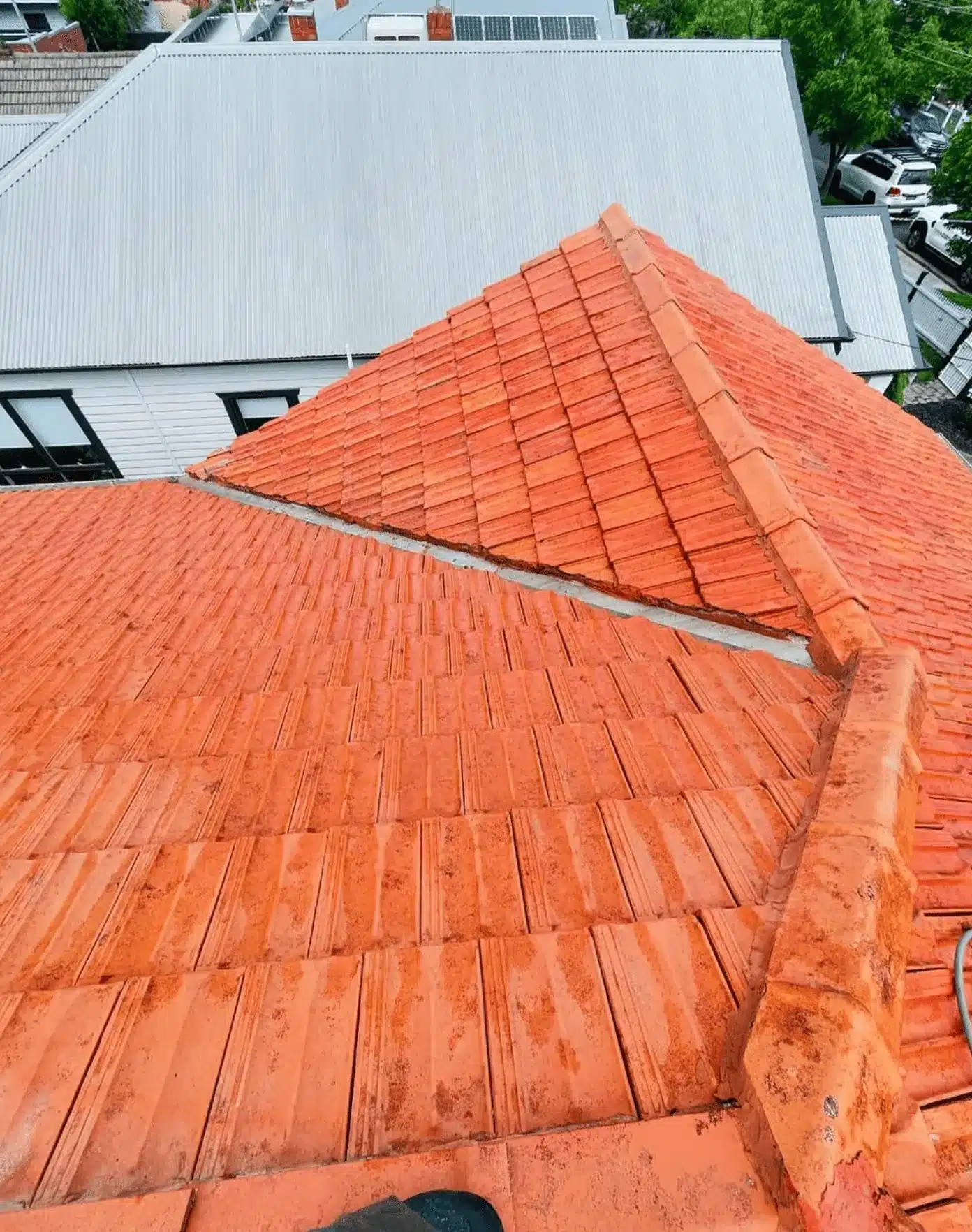
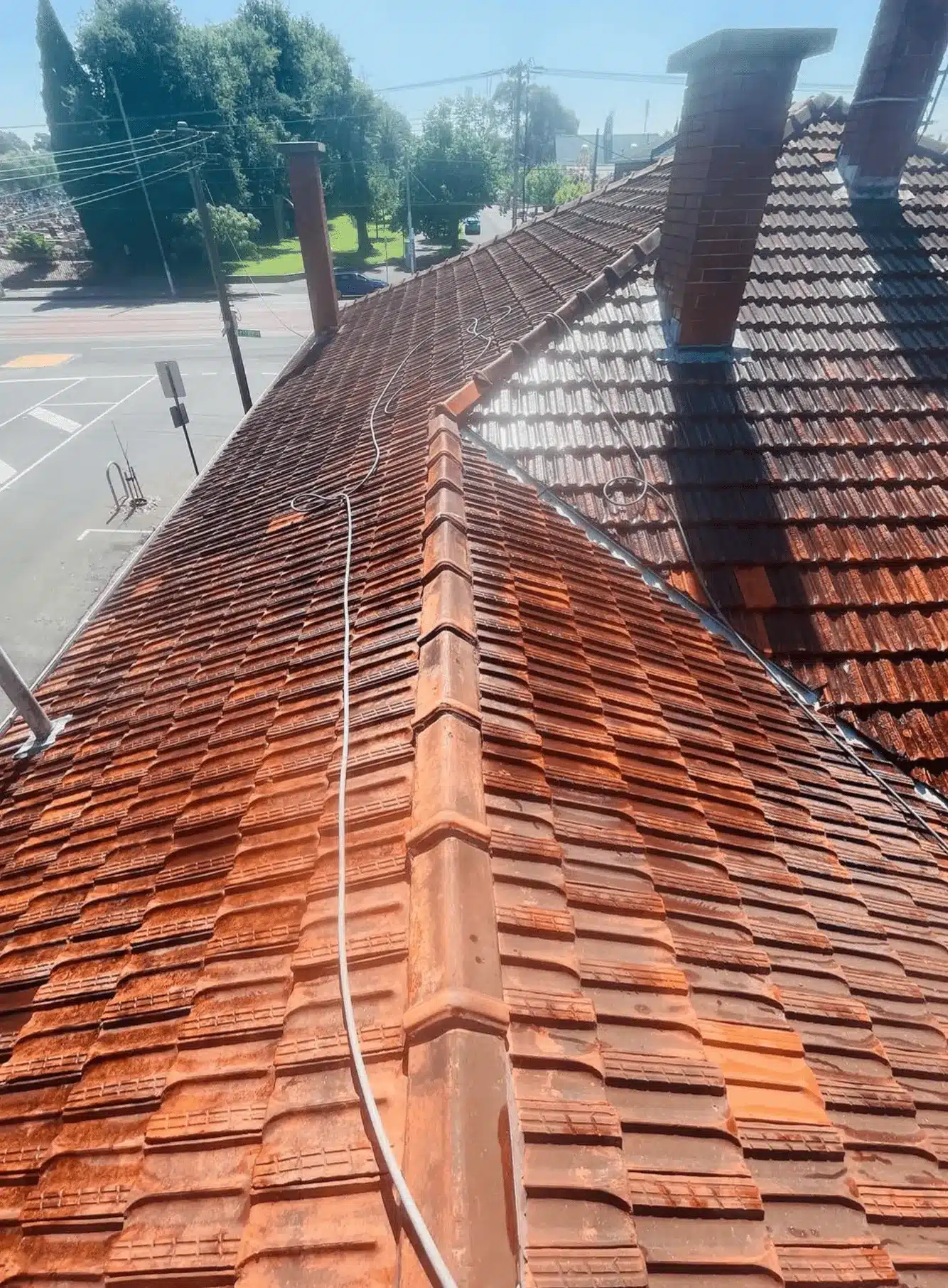
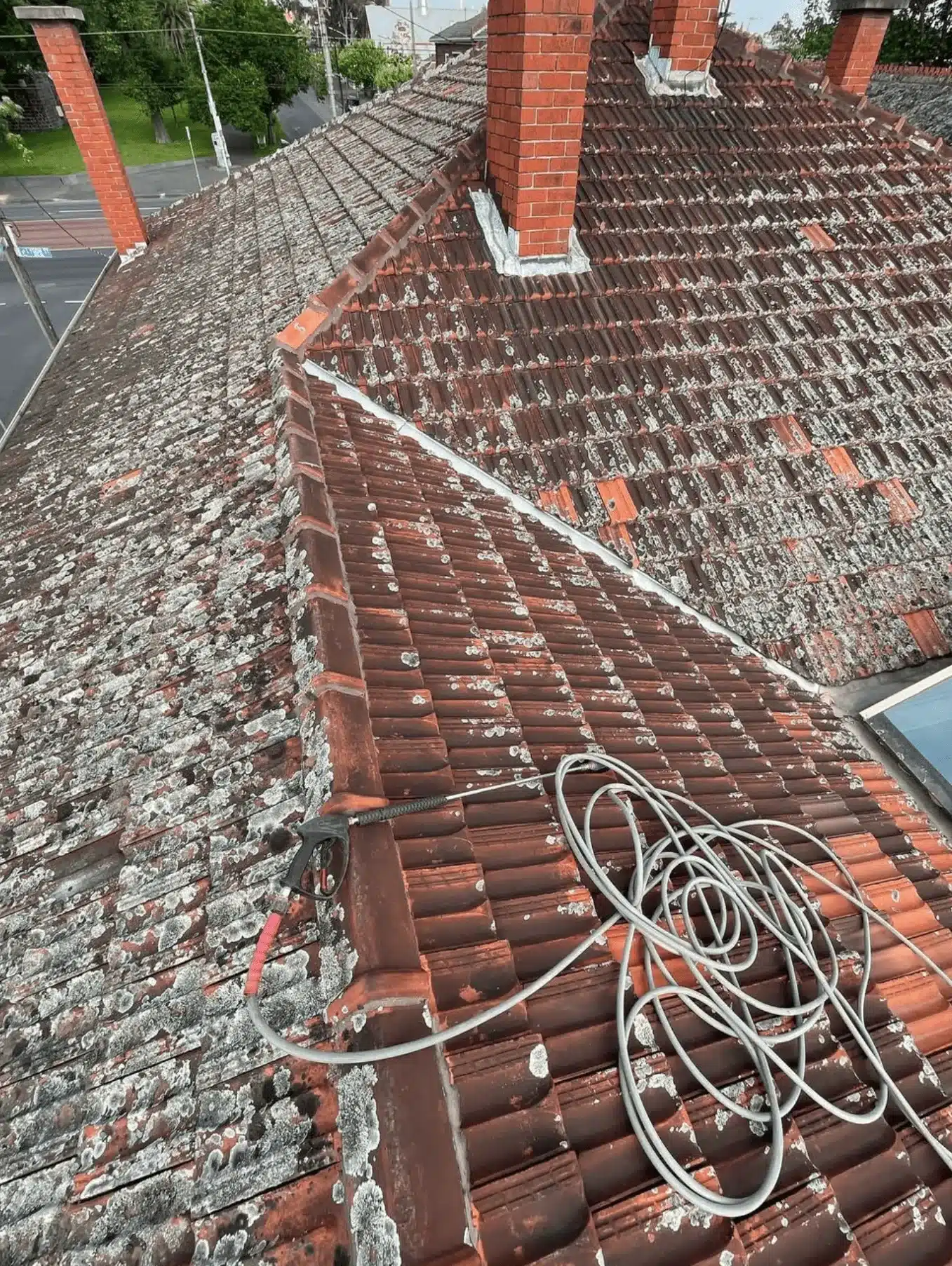
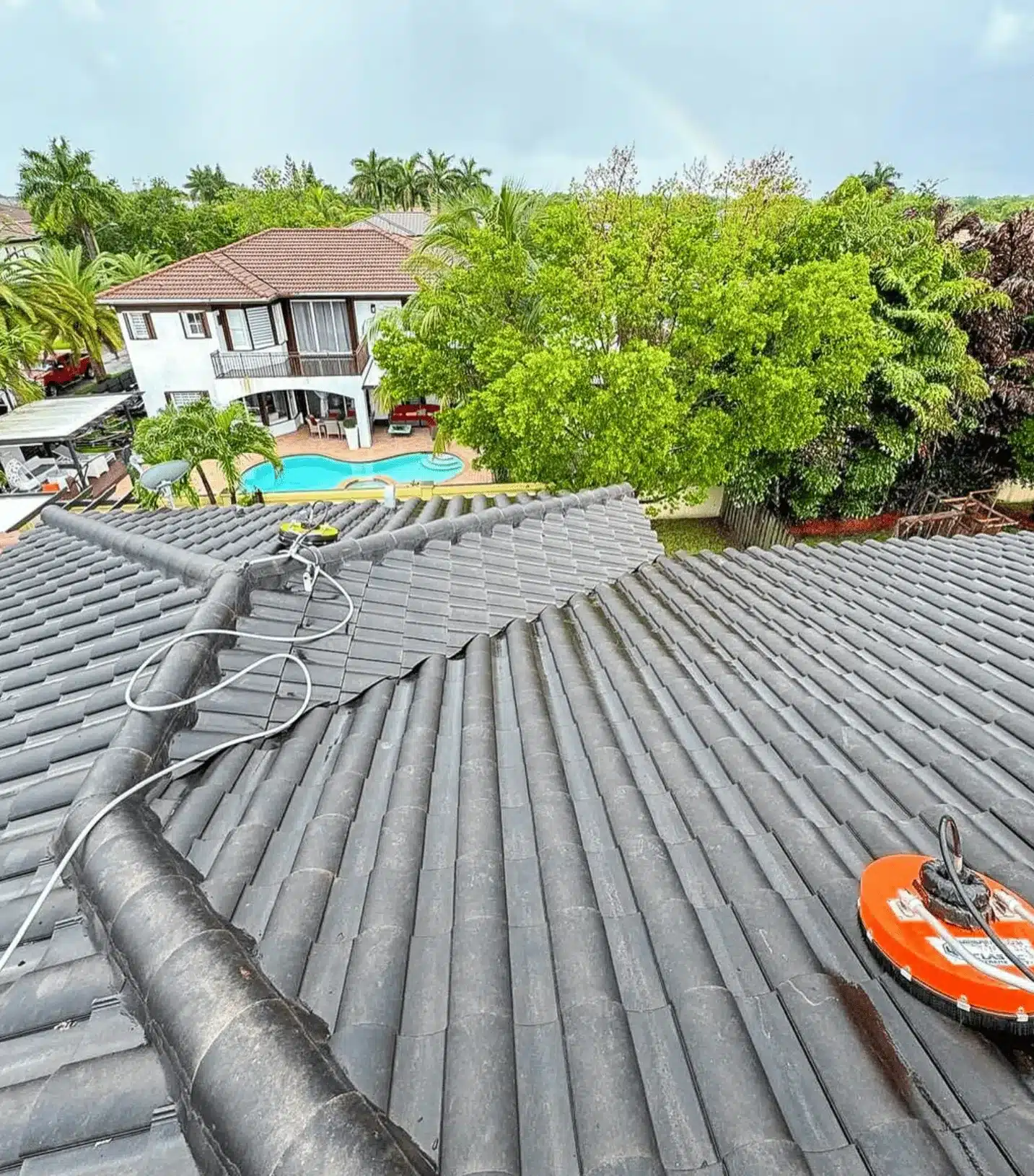
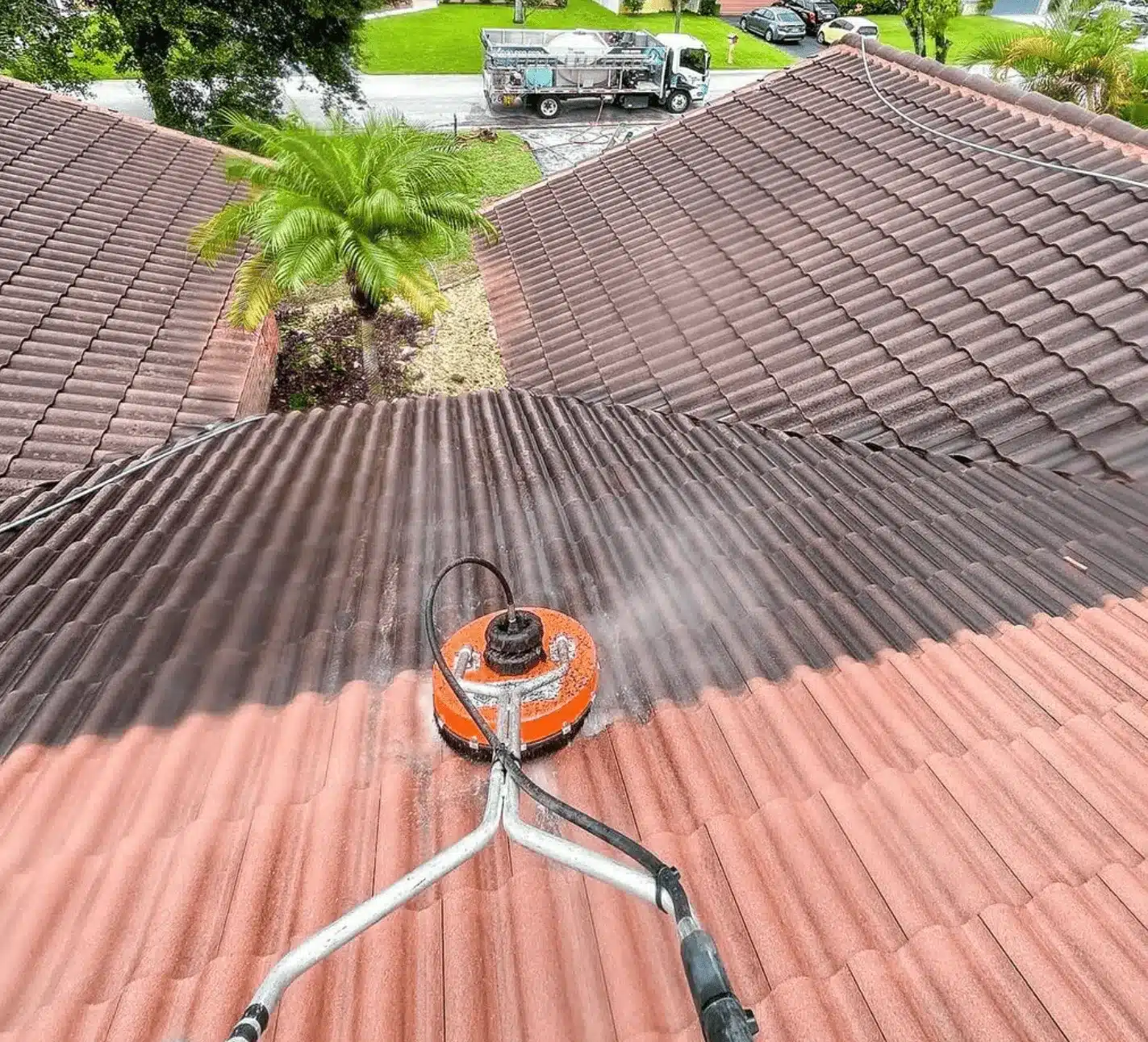
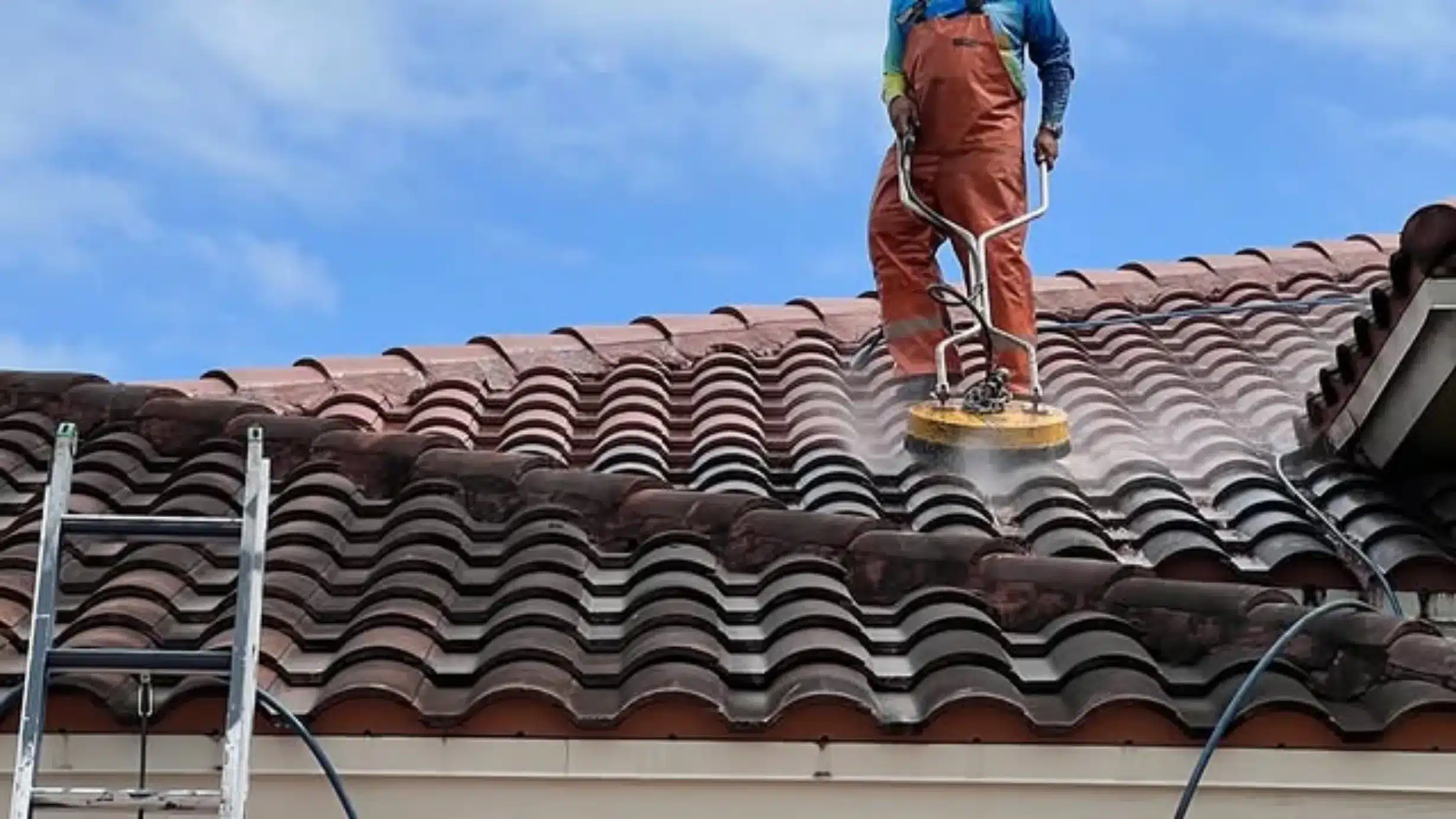
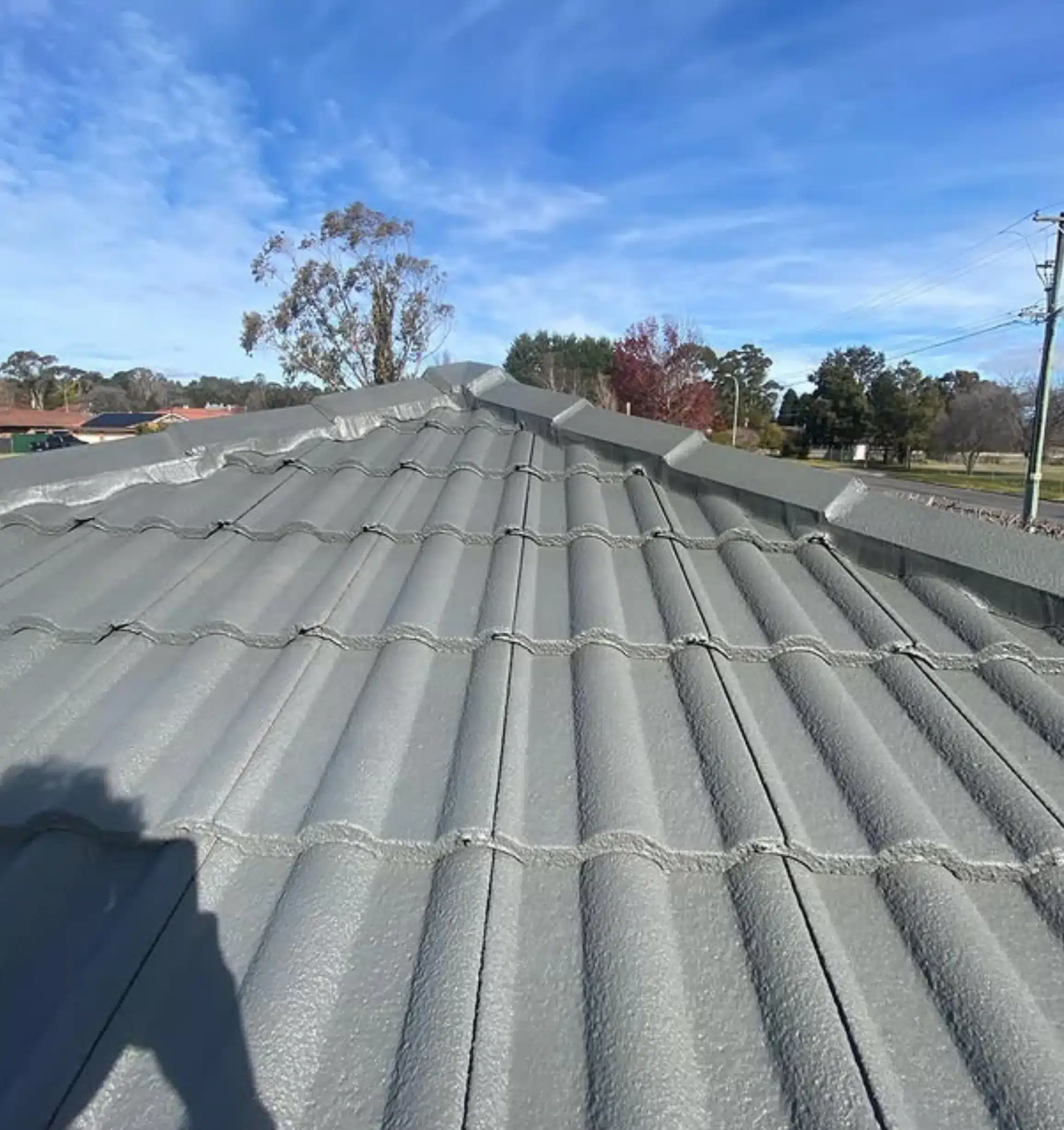
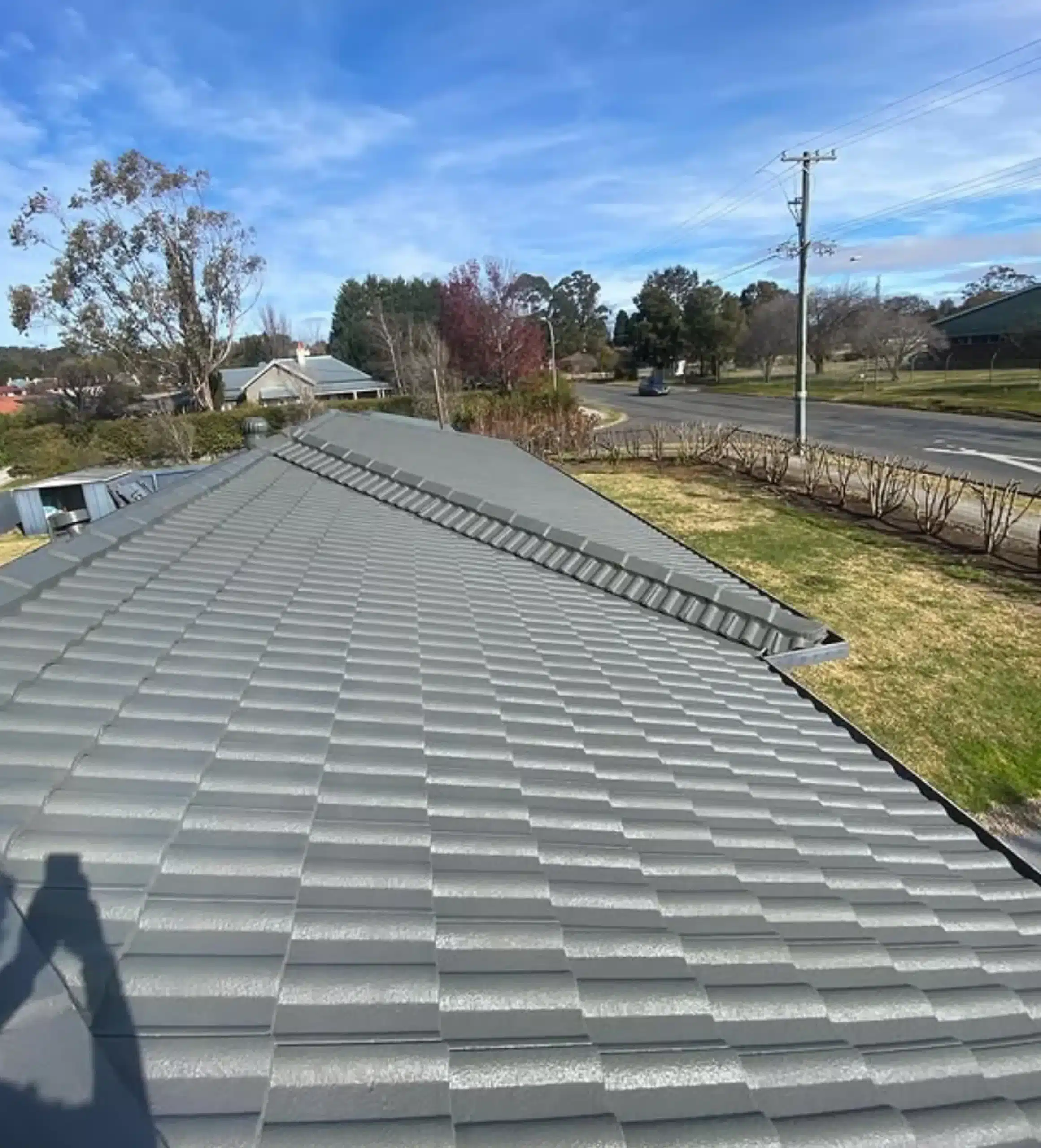
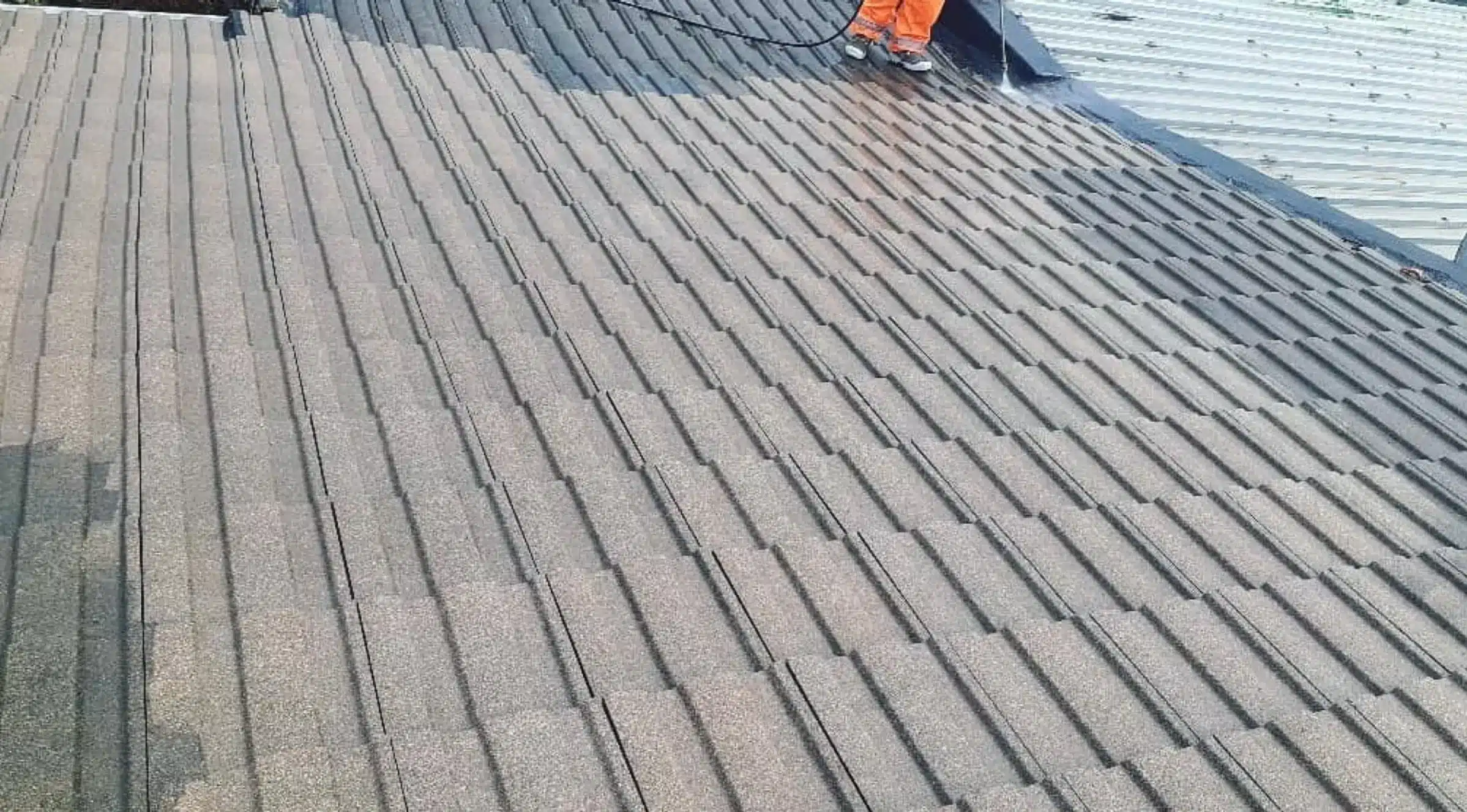
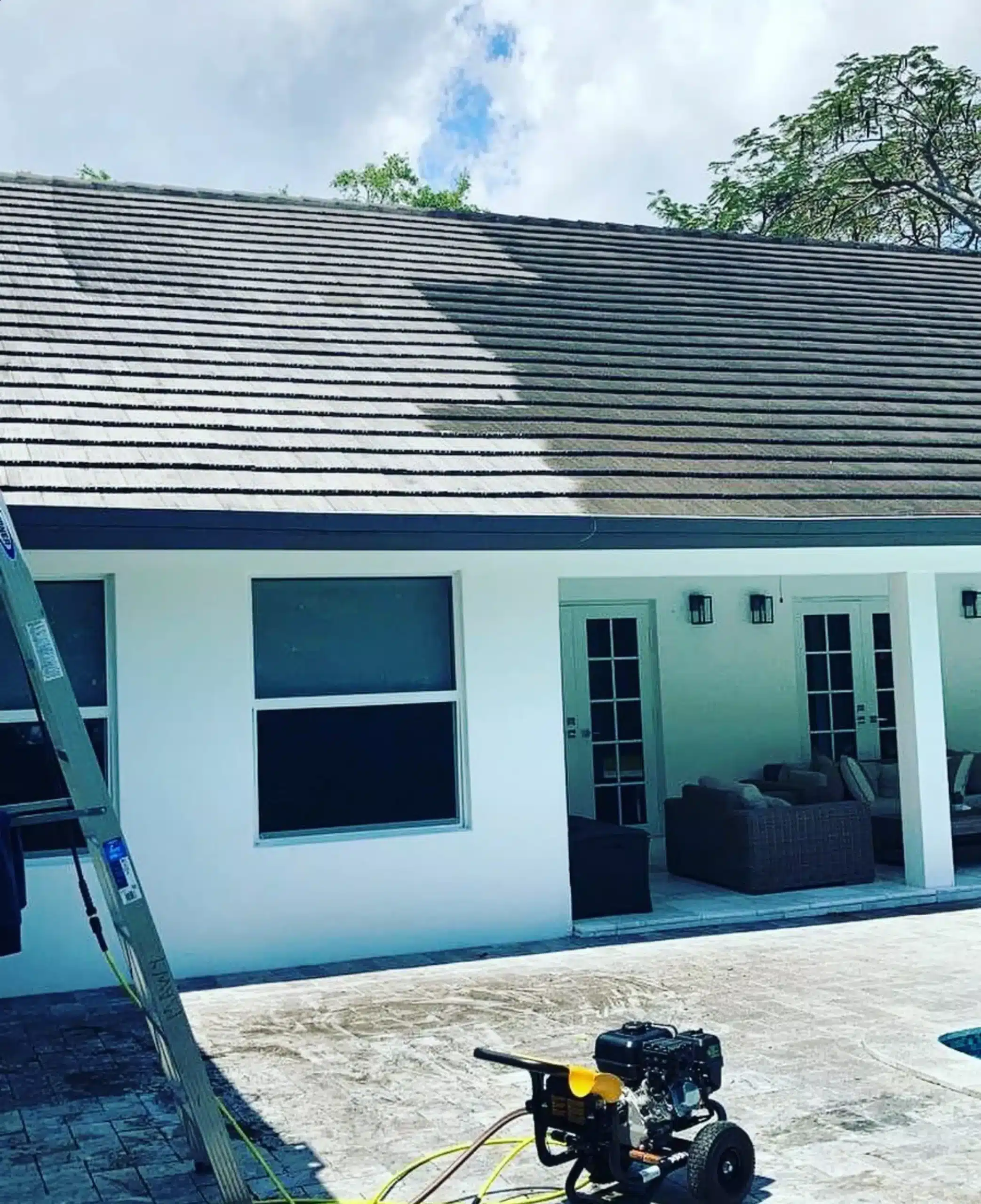
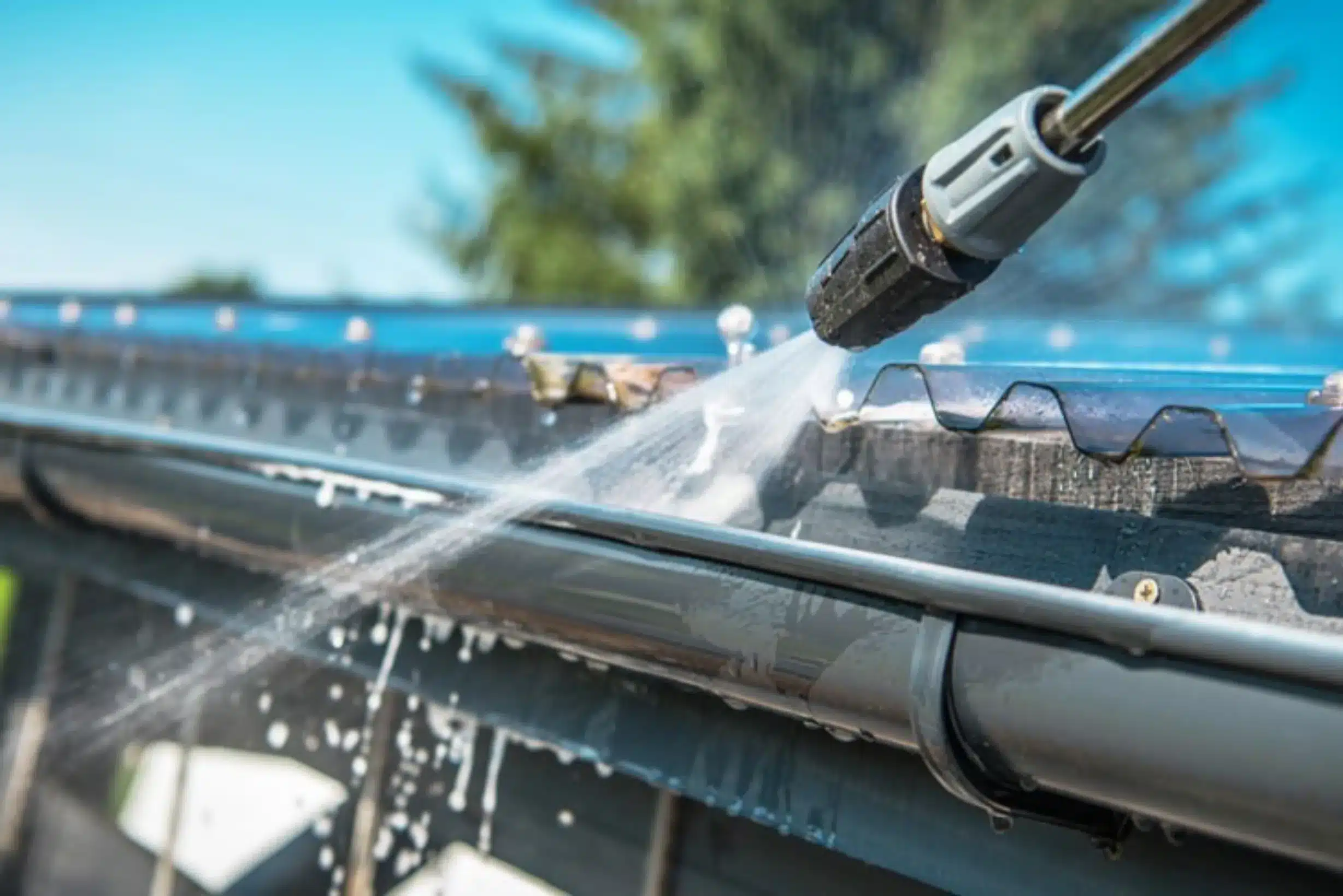
Roof pressure cleaning removes built-up dirt, grime and suitable surface contamination using controlled water pressure matched to the roofing material and its condition. At Window Cleaning Melbourne Crew, we assess the roof surface before deciding whether pressure cleaning, pressure washing, soft washing or another roof cleaning approach is appropriate. More pressure does not automatically mean a better clean.
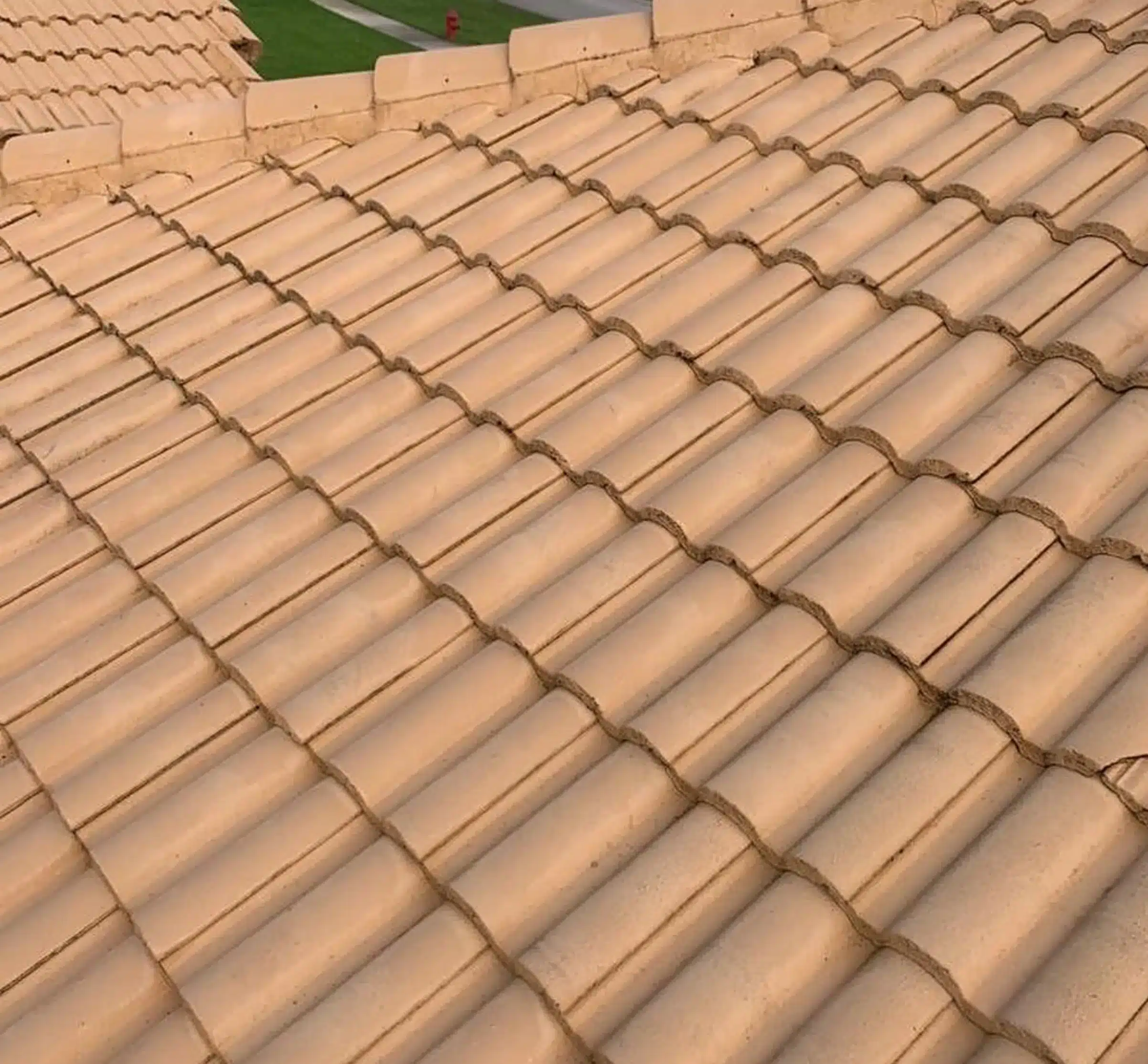
Concrete and some terracotta roof tiles may respond well to controlled pressure cleaning. Weathered coatings, fragile tiles, and other sensitive surfaces may require a soft wash or a lower-pressure approach instead. The objective is to remove contamination without accelerating tile deterioration, disturbing tiles or forcing water into vulnerable roof details.
- Eren did a sensational job & his communication was fantastic - would definitely use again & recommend 👍read moreread lessTony Murdoch8/26/2026Eren was professional, efficient and completed the roof cleaning to a very high standard. The service was prompt, the workmanship was excellent, and the overall result was fantastic. Highly recommend Eren for anyone looking for reliable and quality roof cleaning services.read moreread lessJanan8/24/2026Excellent. Efficient, thorough, and swift!read moreread lessLu Lu7/15/2026
- Very happy with the service. They were clean, professional and left everything tidyPlus the job was done beautifullyMany thanks!read moreread lessAdelle7/04/2026Highly recommend Eren and his WaterCrew. Have used for gutter cleaning and will in future use for terracotta roof tile cleaning & window cleaning. They do a very thorough and professional job at competitive rates. Also, they are polite, friendly and well spoken.read moreread less
 Alan Thomas6/30/2026Very professional job done in BrightonVery thorough and was on time !!!!read moreread lessRENATO CENEDESE6/12/2026
 - The team is very professional and very friendly with good price! Highly recommended!read moreread lessMaggie Deng6/10/2026WaterCrew Cleaning recently cleaned the windows at my home in Chadstone and did an excellent job.The team was professional, friendly, and easy to deal with. The windows look crystal clear, and the service was completed on time and to a very high standard.I would highly recommend WaterCrew Cleaning to anyone looking for reliable window cleaning services in Chadstone.read moreread lessoulyana776/09/2026The team go above and beyond. They are always on time, polite and do a fabulous job of my windows. Thank you Eren and crew!💦☺️read moreread lessSarah Sime6/03/2026


Choosing the Right Cleaning Method
Roof cleaning is the broader service; pressure washing is one method within it, while soft washing is another. The distinction matters because roofs vary in material, age, coating, pitch, contamination and overall condition.
Pressure cleaning uses controlled water pressure to physically lift accumulated grime and suitable surface growth. Soft wash roof cleaning relies more heavily on an appropriate cleaning treatment and lower water pressure, making it an alternative where biological contamination or a sensitive surface changes the recommendation.
Neither method is universally better. What is on the roof matters, but so does the condition of the material underneath.
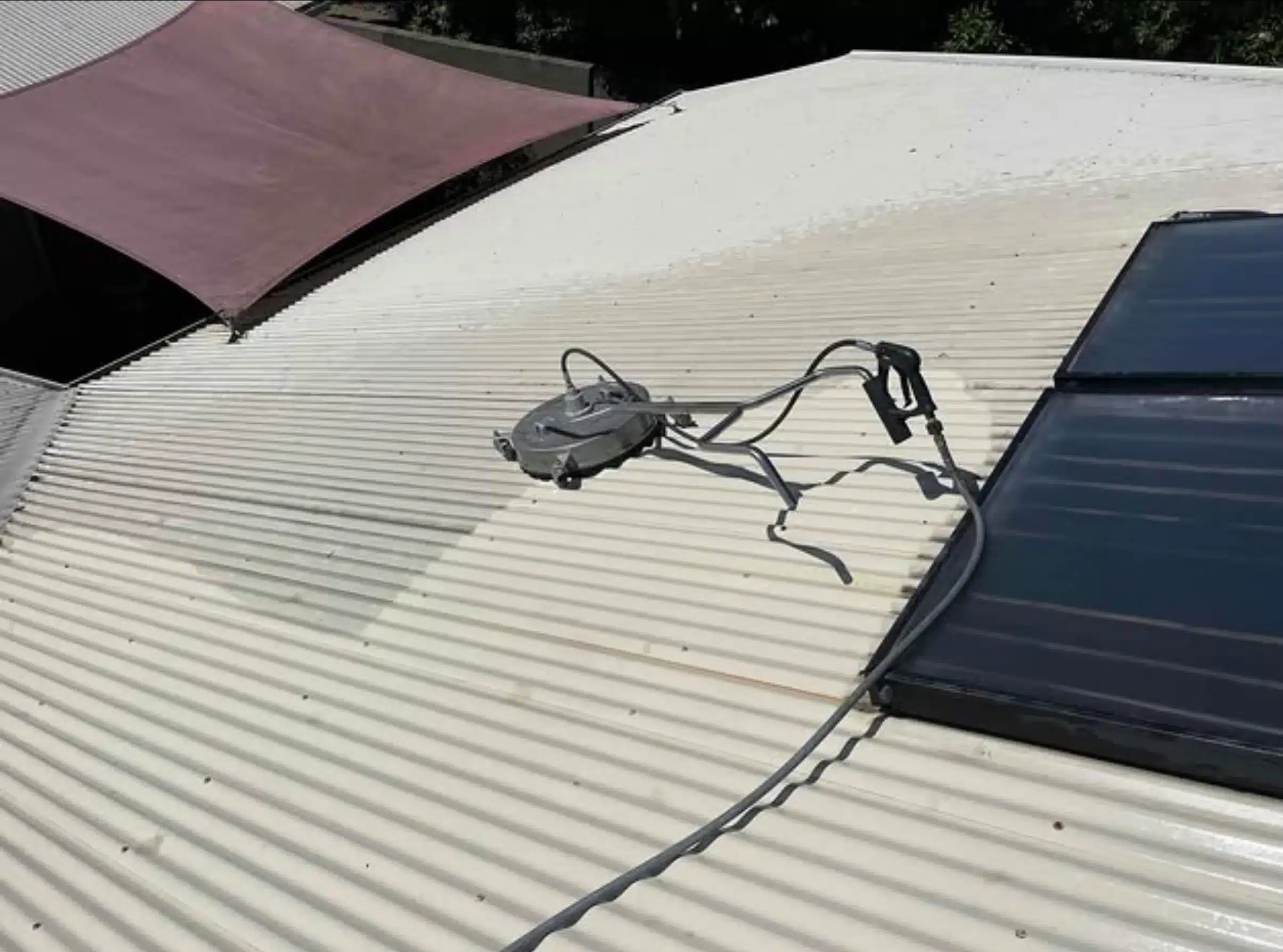
This is particularly important with iron and coated metal roofs. The coating needs to be assessed before cleaning rather than assuming aggressive pressure is appropriate.
| Roof condition | Likely approach | Why |
|---|---|---|
| Sound cement tiled roofs with heavy build-up | Controlled pressure cleaning may suit | Mechanical cleaning can remove firmly attached grime |
| Sound terracotta roof tiles | Assess before pressure cleaning | Tile condition and surface finish affect suitability |
| Older, brittle or damaged tiles | Lower-pressure cleaning may suit | Reduces the risk of further damage |
| Coated or painted roof | Assess coating first | Excessive pressure may disturb a deteriorated finish |
| Iron and coated metal roofs | Surface-compatible gentle cleaning | Protecting the coating matters as much as removing dirt |
| Asbestos roofs | No pressure cleaning | High-pressure water must not be used on asbestos-containing material |
Benefits of Professional Pressure Cleaning
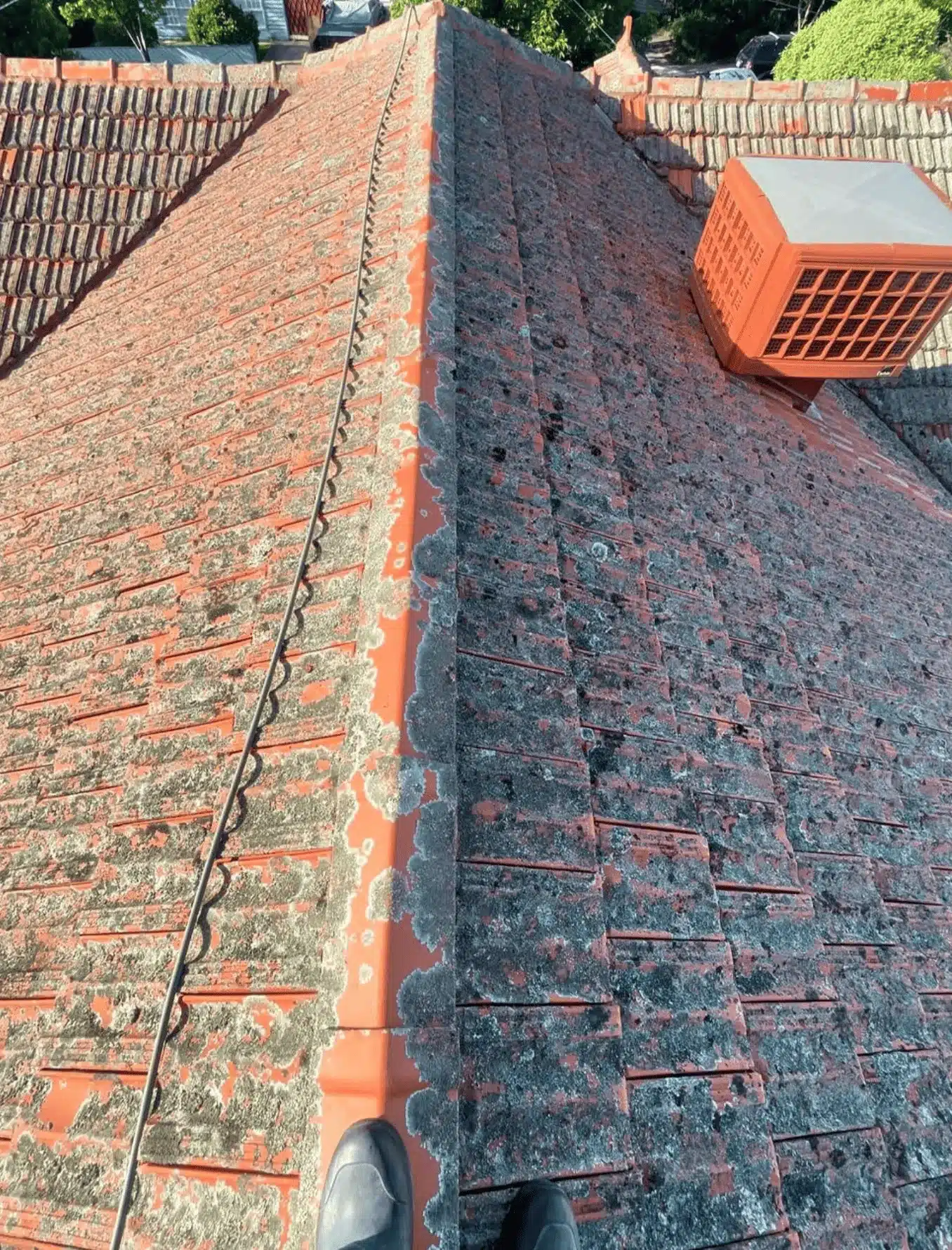
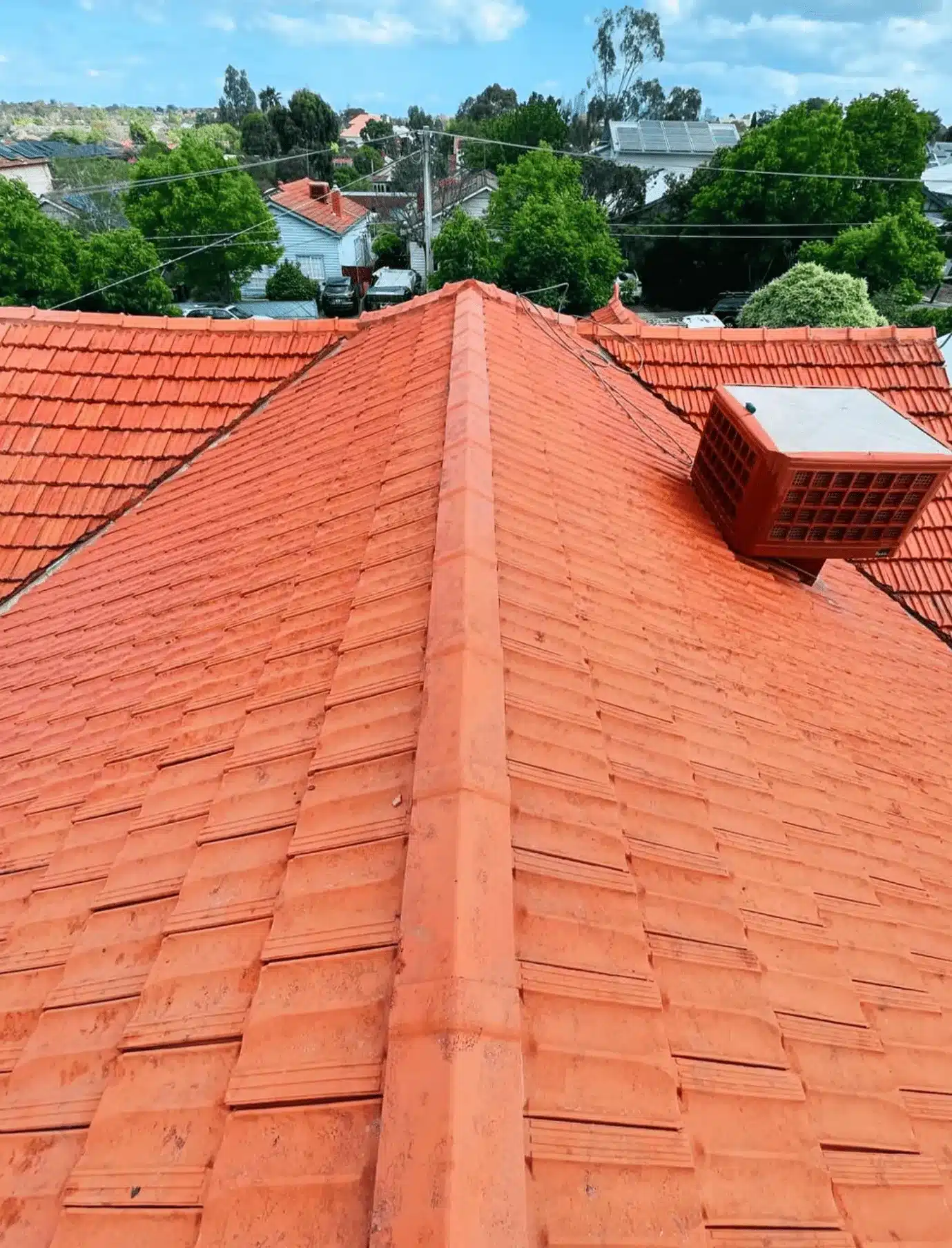
Professional pressure-cleaning services can substantially improve a roof’s appearance by removing accumulated dirt, weather build-up, and biological contamination. A black stain, moss, or other visible growth may be surface contamination, but its cause and attachment need to be considered before selecting a cleaning method.
Heavy build-up can also obscure areas of the roof that become easier to see once the surface is clean. Cleaning, however, is not a repair service. Cracked tiles, loose pointing, corrosion, failed coatings and other deterioration remain repair issues after the contamination has been removed.
The distinction is important when judging the outcome: removing contamination and repairing roof damage are two different jobs.
Why Roof Surfaces Develop Build-Up
Melbourne roofs are continually exposed to airborne dirt, leaves, moisture and organic growth. Shaded sections can behave differently from areas receiving more sunlight, so contamination is rarely distributed evenly across the entire roof.
Moss, lichen and algae are biological growth rather than ordinary dirt. Addressing them may therefore require a cleaning approach suited to the growth rather than simply increasing water pressure.
Nor is every visible mark removable contamination. Weathered concrete tile colour, faded coatings, corrosion, efflorescence and permanent staining can remain after cleaning. Increasing pressure in these areas will not necessarily improve the result and may increase the risk of pressure-washing damage to an already vulnerable surface.
Suitable Roofing Materials
Window Cleaning Melbourne Crew assesses roof cleaning for common residential and commercial roofing surfaces, including concrete and cement tiles, terracotta tiles and suitable metal roofing.
Two roofs made from the same material do not necessarily call for identical treatment. Tile age, existing coatings, cracks, previous repairs, roof pitch, solar panels, skylights and access can all change the recommendation.
Pressure cleaning is not appropriate for asbestos-containing roofing. Pressure cleaning asbestos roofs can disturb the material and create asbestos contamination, including the risk of inhalation of asbestos fibres. High-pressure water must not be used on asbestos-containing material.
Our Pressure Cleaning Process
Our process begins with assessing the roof, not assuming pressure cleaning is suitable.
- Assess the roof. We consider roofing materials, visible deterioration, contamination, pitch, access, and working-at-heights requirements.
- Choose the cleaning approach. Controlled pressure washing, soft washing, or another appropriate method is selected based on the surface.
- Plan runoff and surrounding protection. Roof & gutters, downpipes, solar panels and nearby building surfaces need consideration before cleaning begins.
- Clean methodically. Suitable contamination is removed without deliberately forcing water beneath roofing overlaps or into vulnerable areas.
- Review the result. Remaining marks are assessed to distinguish residual contamination from staining, coating deterioration or roof defects.
Some roofs remain patchy even after appropriate cleaning. If the remaining colour difference sits within the tile or coating rather than on its surface, applying further pressure may cause damage without improving the appearance.
Put simply, a remaining stain is not automatically evidence of cleaning failure.
When Does a Roof Need Cleaning?
There is no reliable pressure-cleaning interval that applies to every Melbourne roof. Material, vegetation, shade, moisture, pollution, drainage and previous surface treatments all affect how quickly contamination develops.
Manufacturer guidance for coated steel demonstrates why a universal interval is misleading. Rain-washed roofing may require little additional routine washing. Sheltered, coated-steel areas not naturally washed by rain are generally recommended to be washed at least every 6 months, while exposure to salt spray or significant industrial fallout may shorten that interval to around every 3 months.
These figures apply to maintenance washing of coated steel, not full-roof pressure cleaning. For pressure cleaning, condition is a better guide than an arbitrary calendar interval.
Is DIY Roof Pressure Washing Safe?
DIY roof pressure cleaning combines fall risk with the possibility of roof damage. Wet roofing, fragile materials, skylights, edges and steep pitches increase the hazard; incorrect pressure can disturb coatings or tiles and force water into vulnerable details.
In Victoria, construction work involving a risk of falling more than 2 metres is classified as high-risk construction work and requires a Safe Work Method Statement. WorkSafe Victoria also considers a roof with a slope exceeding 35° an inappropriate surface to stand on, even with guardrailing or a catch platform. A system preventing sliding and perimeter falls is then required, such as a work positioning system, a roof ladder, or a scaffold platform at the roof edge.
Asbestos-containing roofing poses a separate hazard and must not be pressure-cleaned.
Assessment & Quote
Roof area alone does not determine the work required. Material, pitch, storeys, access, contamination, condition, solar panels and complex roof sections can all affect the method and access arrangements.
Two similarly sized Melbourne roofs may therefore require different approaches. A sound tiled roof with straightforward access may suit controlled pressure cleaning; another may require a gentler method due to coating deterioration or difficult access. Photos can assist with an initial assessment, although some suitability questions require closer inspection.
Realistic Cleaning Results
A responsible roof cleaner should not promise that every stain, faded area or damaged coating will disappear.
Window Cleaning Melbourne Crew focuses on results that are realistic for the roof’s material and condition. Removable contamination can be targeted; permanent discolouration, coating failure, corrosion, damaged tiles and structural defects cannot honestly be removed by applying additional pressure.
The goal is not maximum pressure or an artificially uniform finish. It is an appropriate cleaning that removes suitable contamination without treating existing deterioration as something that can simply be washed away.
Residential, Strata & Commercial Clients
Roof pressure cleaning can suit homeowners maintaining or preparing a property, landlords and property managers responsible for roof presentation, strata properties with shared exterior maintenance requirements, and commercial properties where the roof material and access allow appropriate cleaning.
Reasons for cleaning may differ between residential and commercial properties, but the method should still be determined by the roof itself. A larger commercial roof does not automatically justify higher pressure, just as an older residential roof does not automatically require a lower-pressure method.
Material, condition, contamination and access remain the deciding factors.
Preventative Roof Maintenance
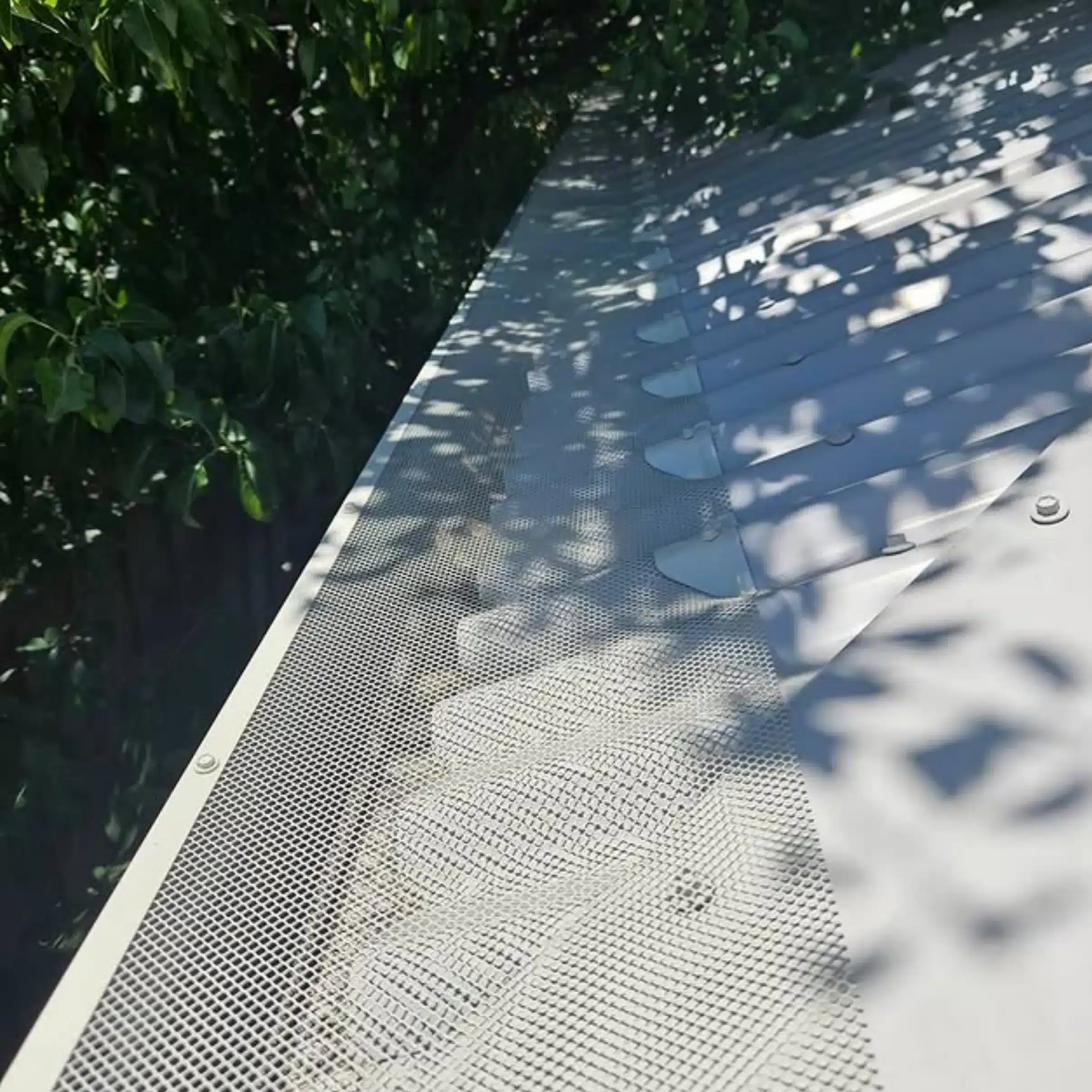
Reducing build-up starts with monitoring leaf and debris accumulation, keeping drainage paths clear and paying particular attention to shaded areas.
Cleaning and inspection intervals should not be confused. Manufacturer guidance for tiled roofing recommends professional roof inspection approximately every 5–7 years, while gutters, downpipes and valleys should be checked at least annually and more frequently where trees increase debris. These are maintenance benchmarks, not pressure-cleaning intervals.
Solar panels can complicate access and should be considered when planning cleaning. If the process reveals cracked tiles, failed pointing, corrosion, or damaged coatings, those defects should be referred for repair rather than repeatedly pressure-cleaned.
If your Melbourne roof has visible grime, moss, lichen, or staining, contact Window Cleaning Melbourne Crew for an assessment and quote to determine whether controlled pressure cleaning or a gentler method is suitable for the surface.

Your satisfaction is our top priority. We tailor our services to meet your specific needs

We are committed to environmental responsibility. Our cleaning products are eco-friendly.

Pricing
We offer competitive pricing without compromising on the quality of our services.

Expertise
As a locally owned and operated company, we understand the unique needs of our community.
FAQ
Is pressure cleaning safe for roof tiles?
It can be appropriate for some sound roof tiles, but suitability depends on their material, coating and condition. Fragile, deteriorated or already damaged tiles may require a lower-pressure approach.
Will pressure washing remove every roof stain?
No. Pressure washing can remove surface contamination, but faded coatings, corrosion, efflorescence, and permanent discolouration may remain even after the roof has been properly cleaned.
Can you pressure clean a metal roof?
It depends on the roof surface and the condition of the coating. Aggressive pressure cleaning should not be the default for coated metal roofing because excessive pressure can damage deteriorated finishes or force water into vulnerable roof details.
What affects the cost of roof pressure cleaning?
Roof area is only one factor. Pitch, height, access, roofing material, contamination, roof condition, solar panels and other obstacles can all affect the cleaning method and work required.
Can you pressure clean asbestos roofs?
No. High-pressure water must not be used on asbestos-containing roofing because disturbing the material can release hazardous asbestos fibres and cause contamination.
SEO Title: Roof Pressure Cleaning Melbourne
Meta Description: Professional roof pressure cleaning in Melbourne for tiled and metal roofs. Remove dirt, moss and stains with the right cleaning method.