Commercial window cleaning helps Melbourne offices, retail premises, strata properties and multi-storey buildings maintain clean interior and exterior glass. At Window Cleaning Melbourne Crew, we assess the glazing, contamination, height, surrounding materials and site access before choosing a method.
Depending on the property, our work may involve traditional window washing, pure water cleaning, water-fed poles, elevated work platforms (EWPs) or specialist rope access. We match the method to the building and the working position, rather than relying on a single system for every job.
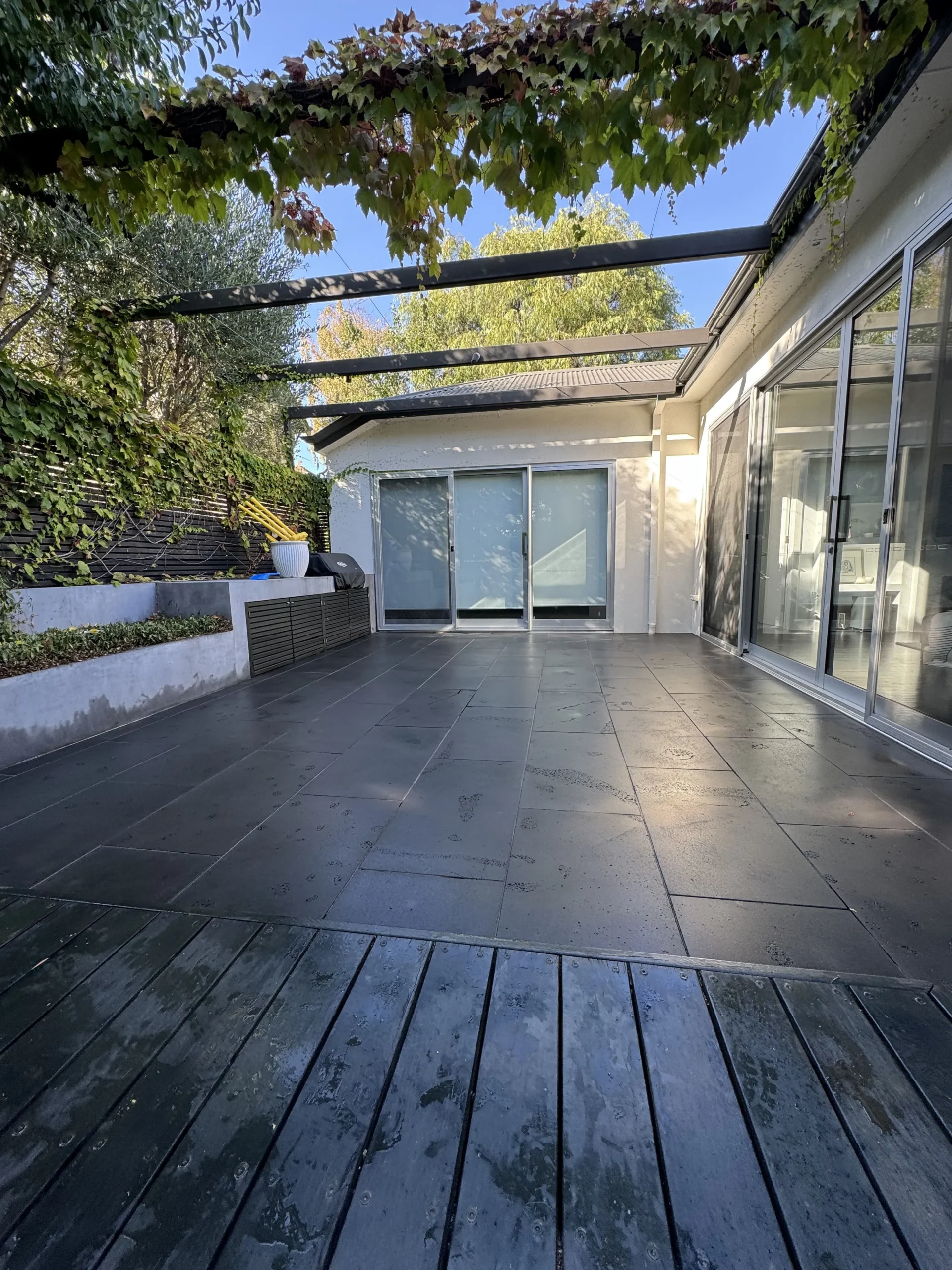
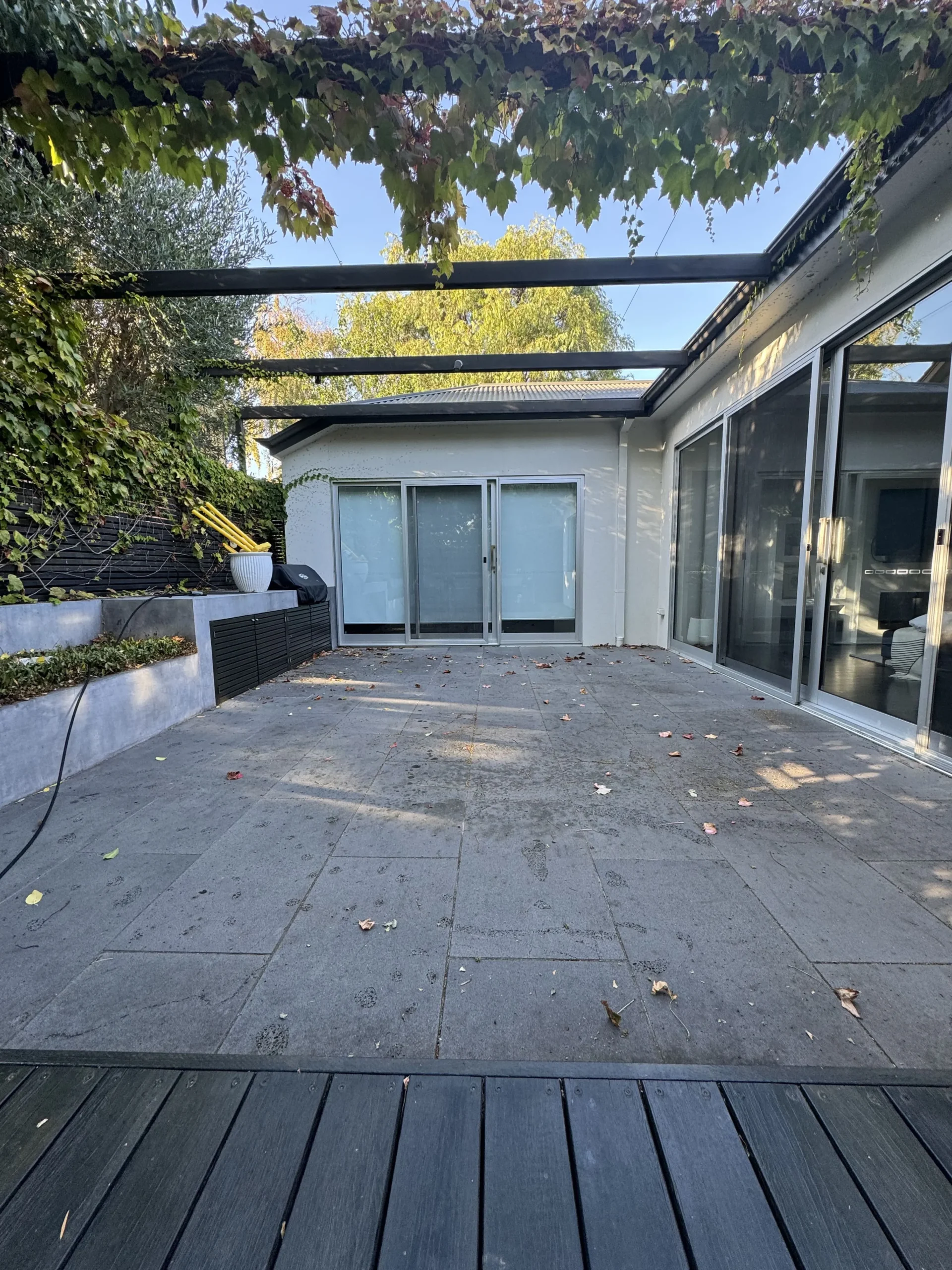
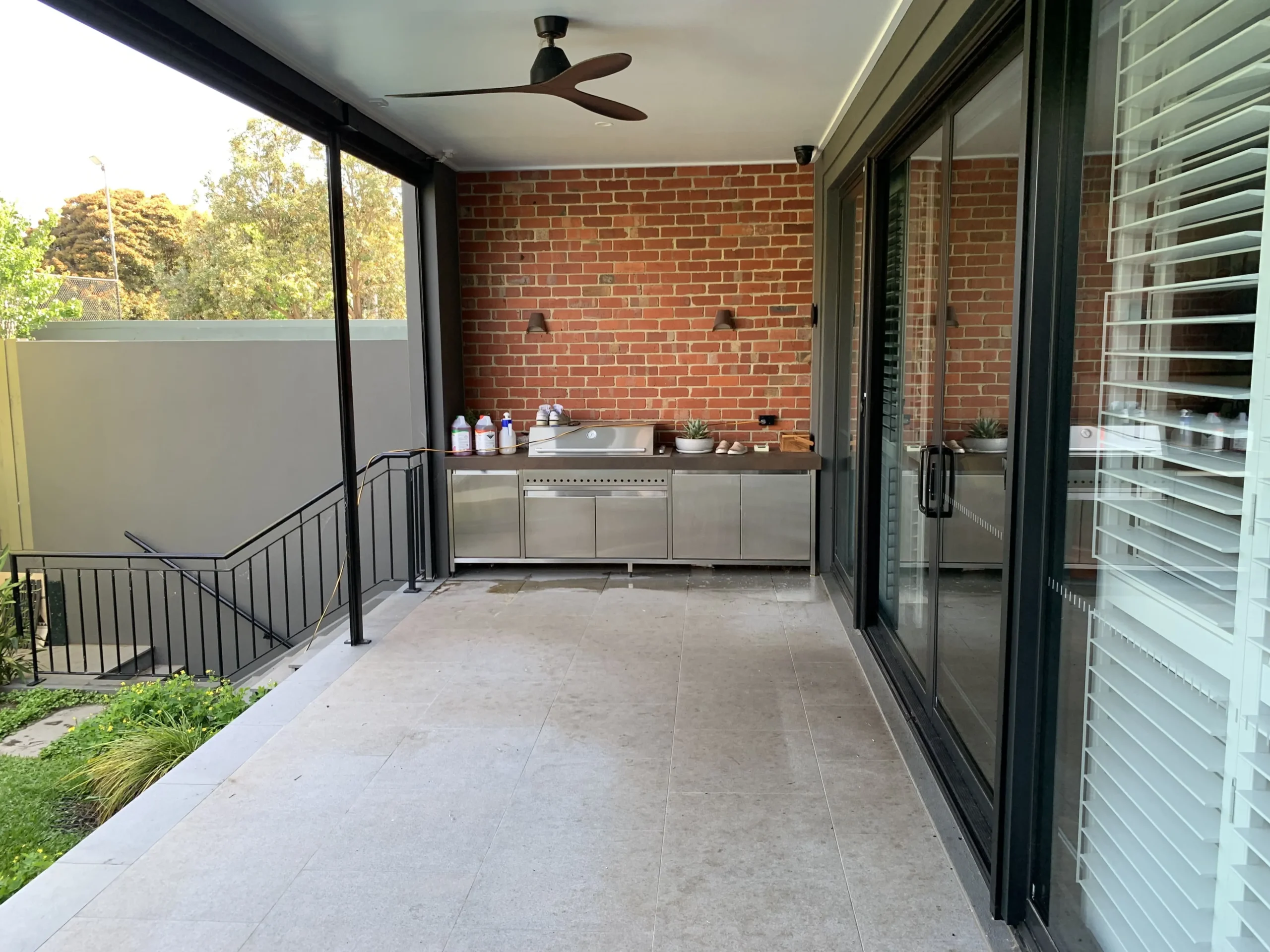
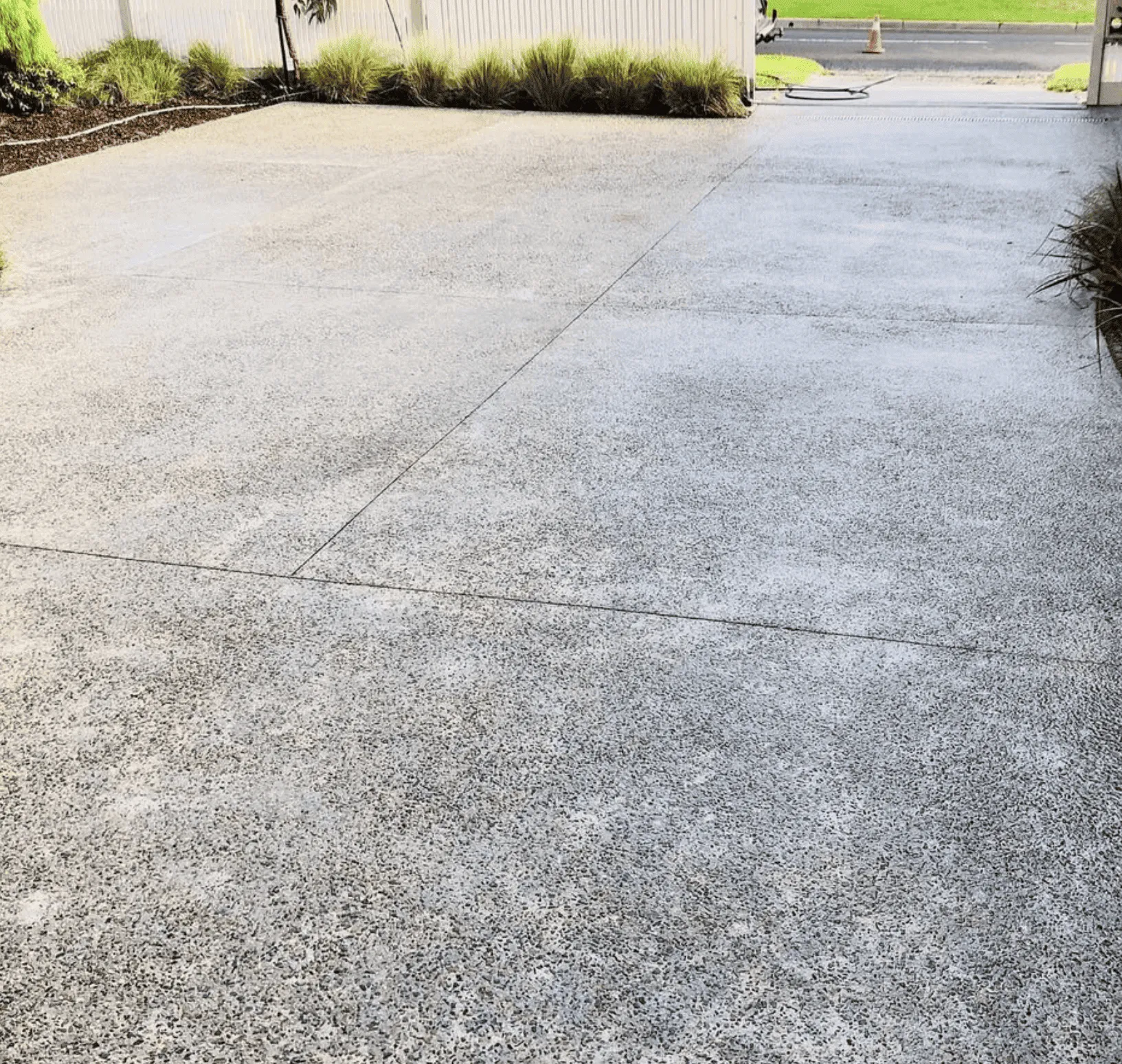
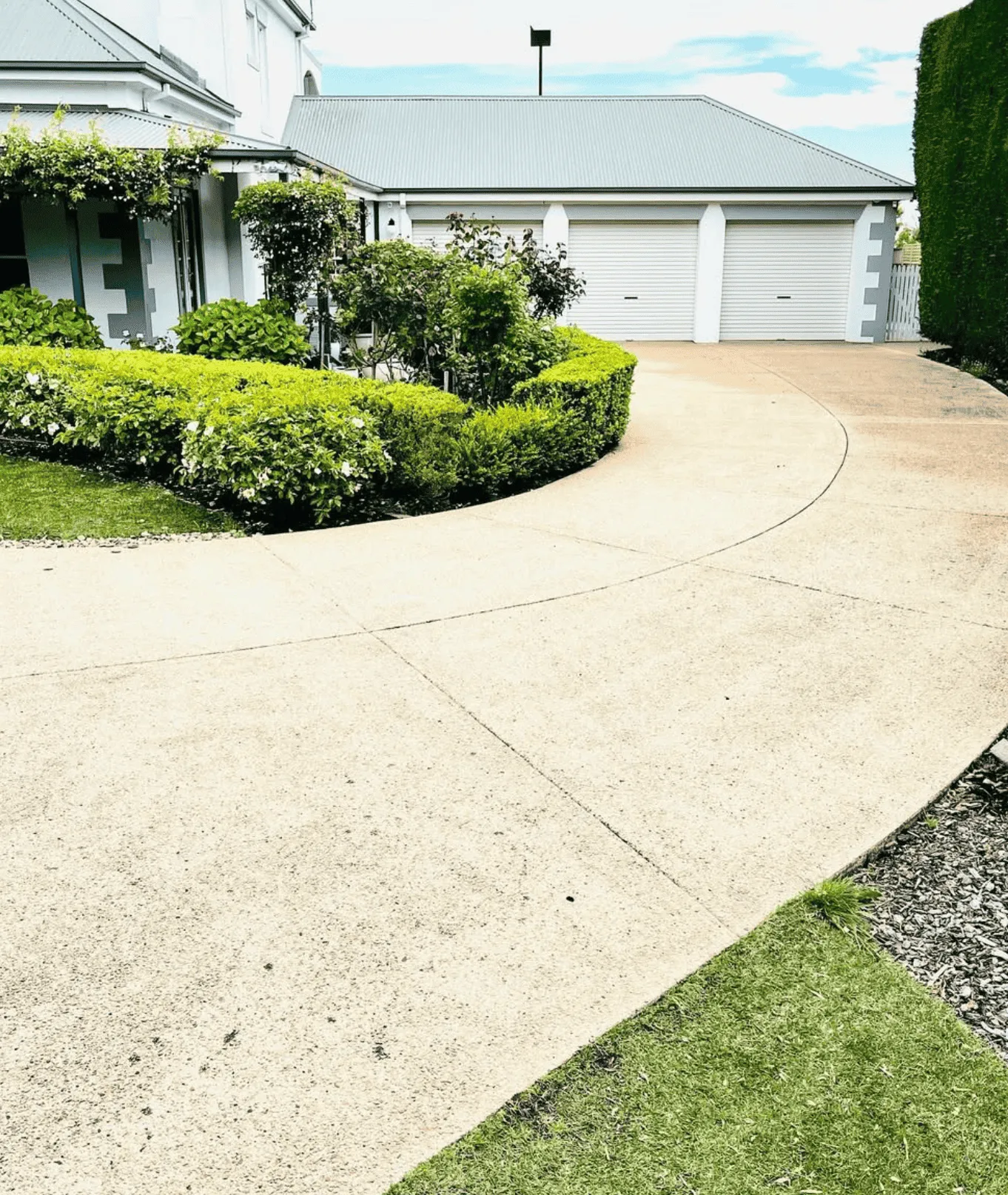
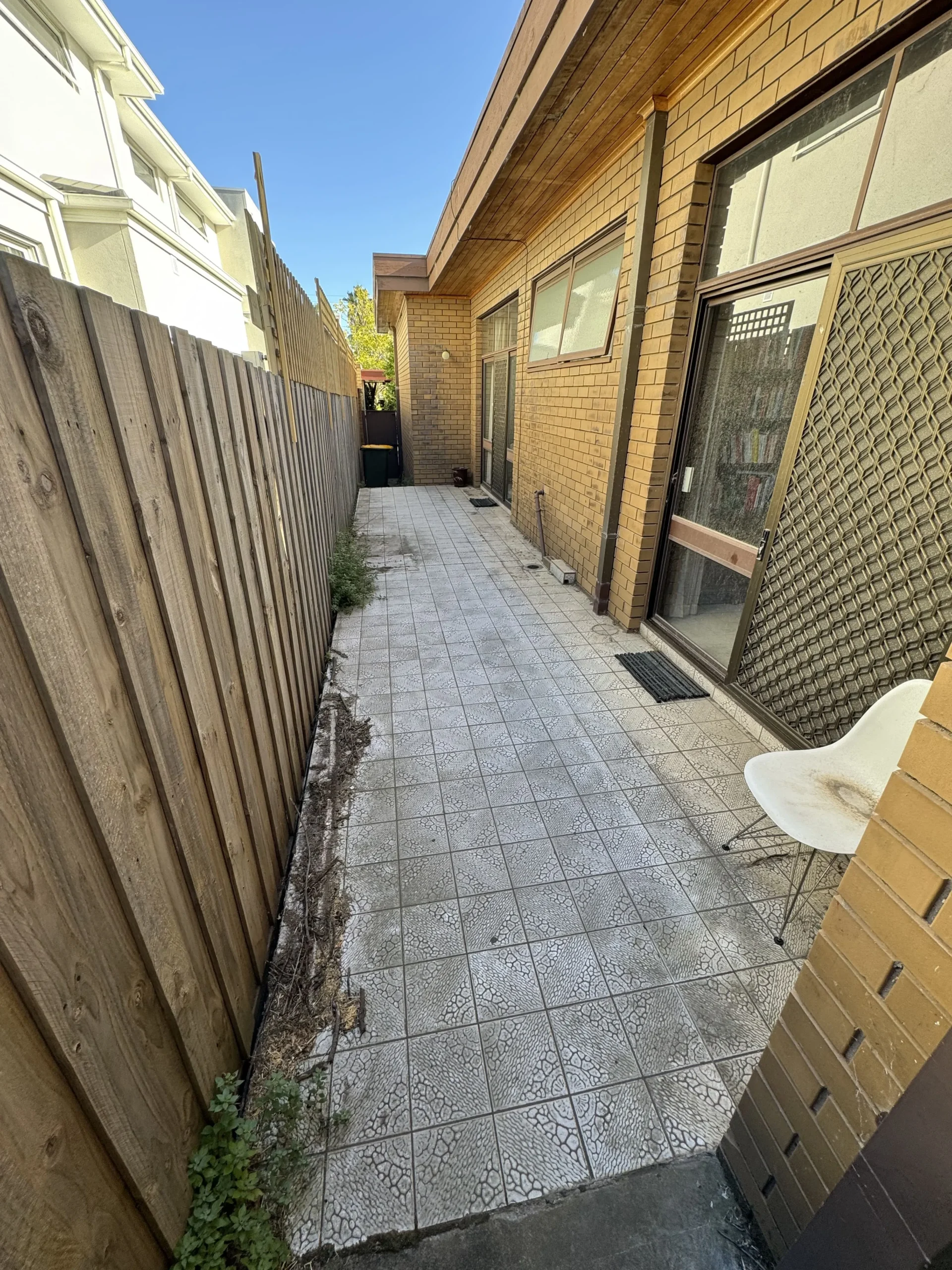
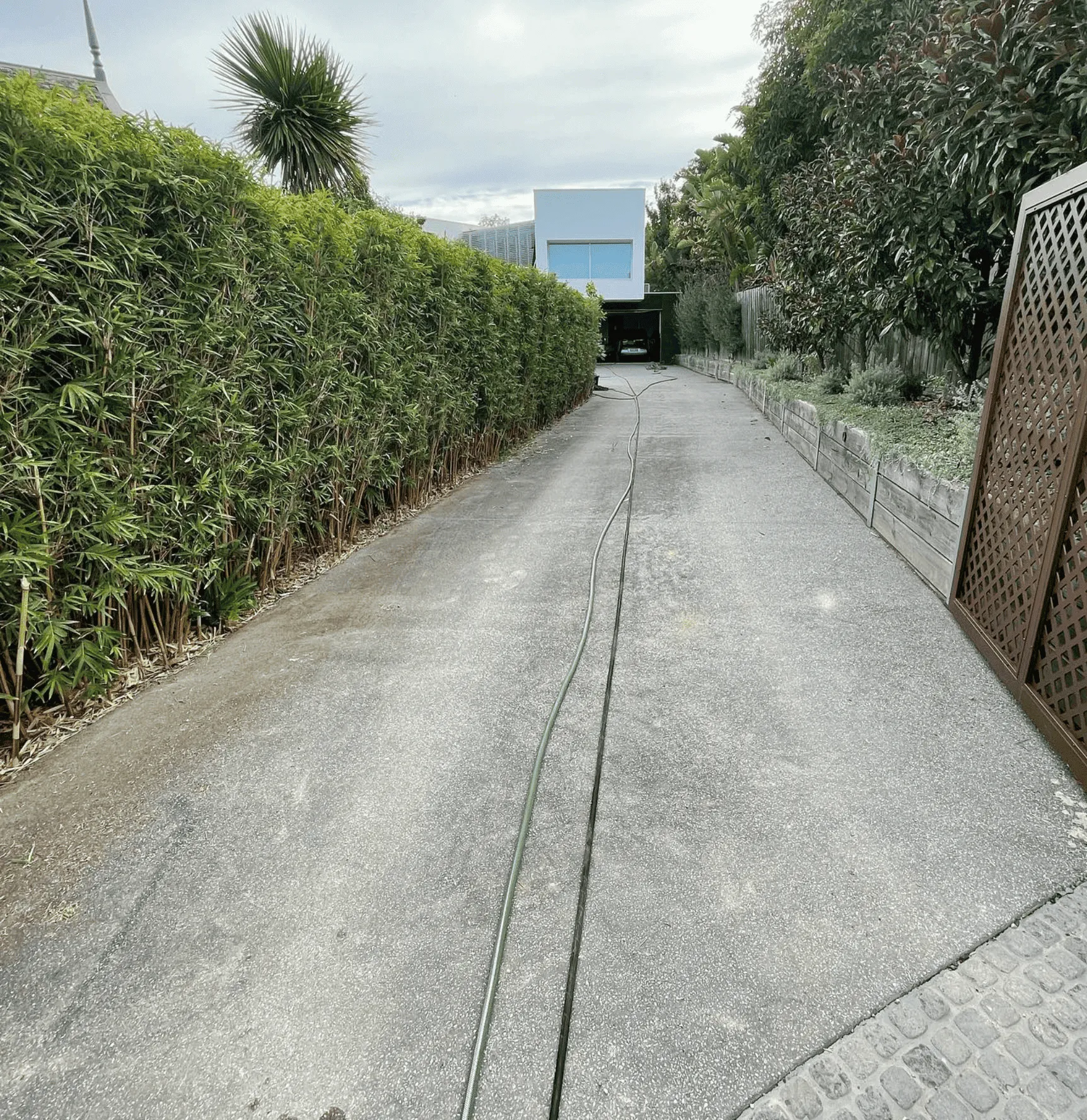
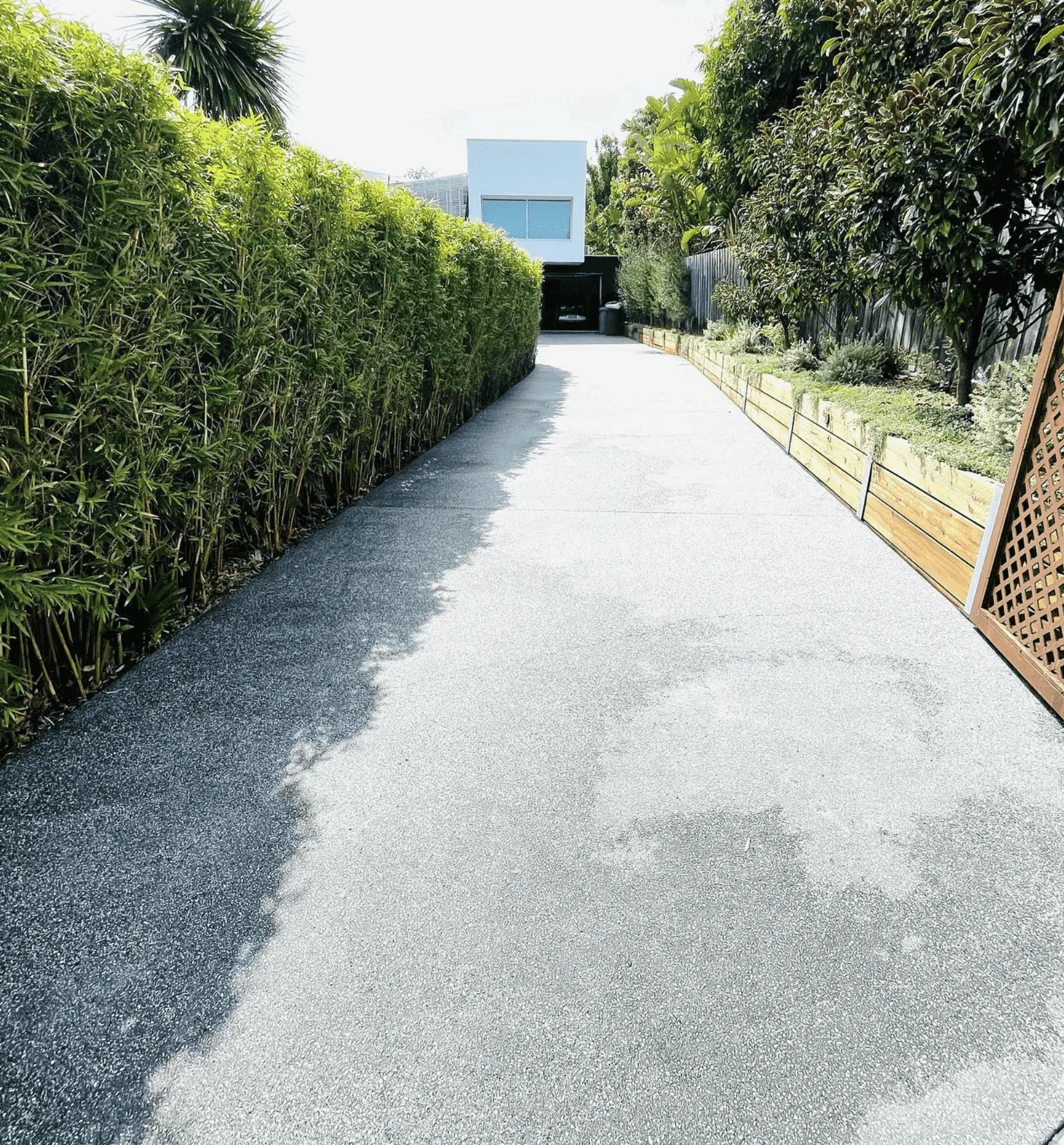
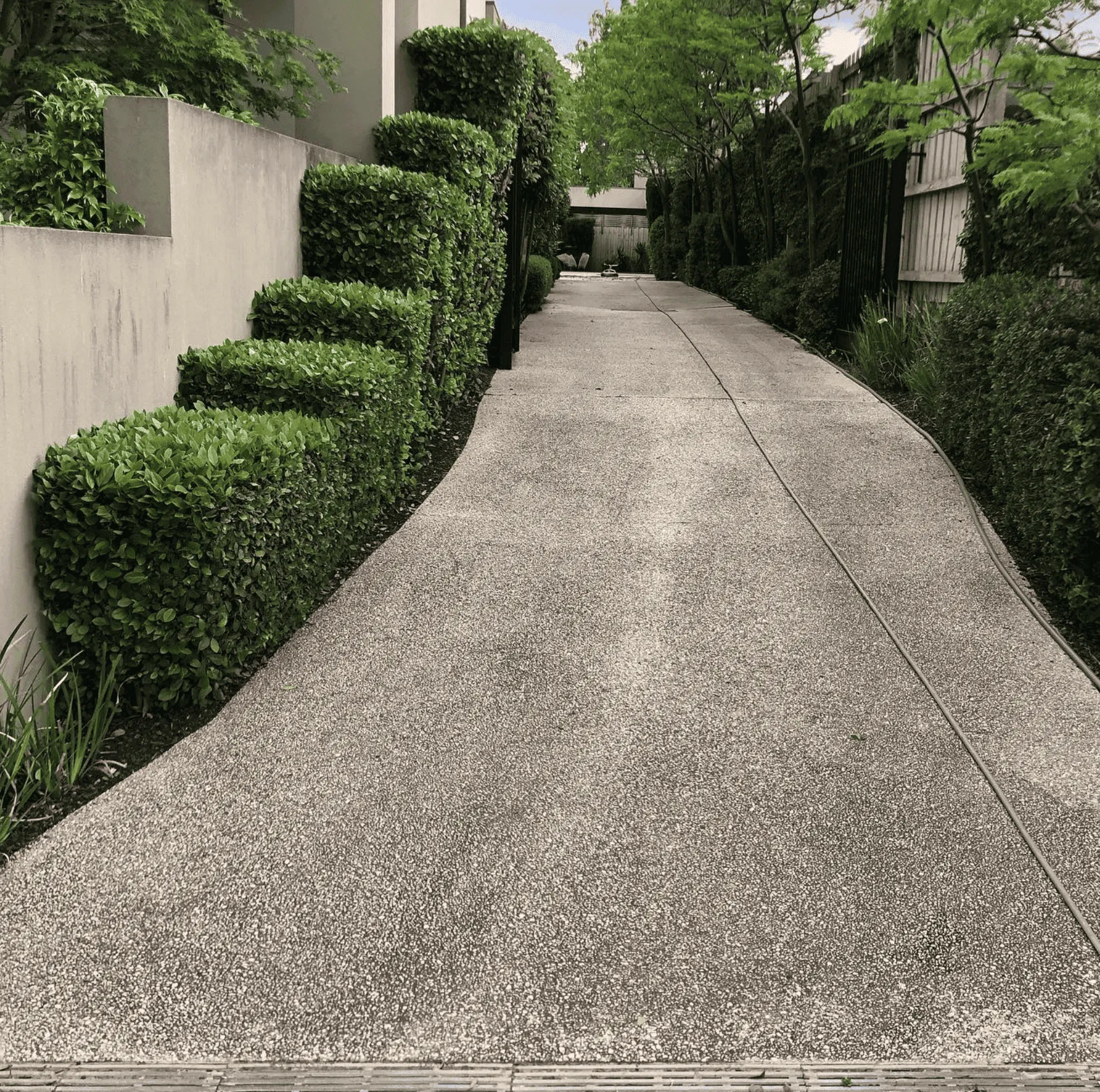
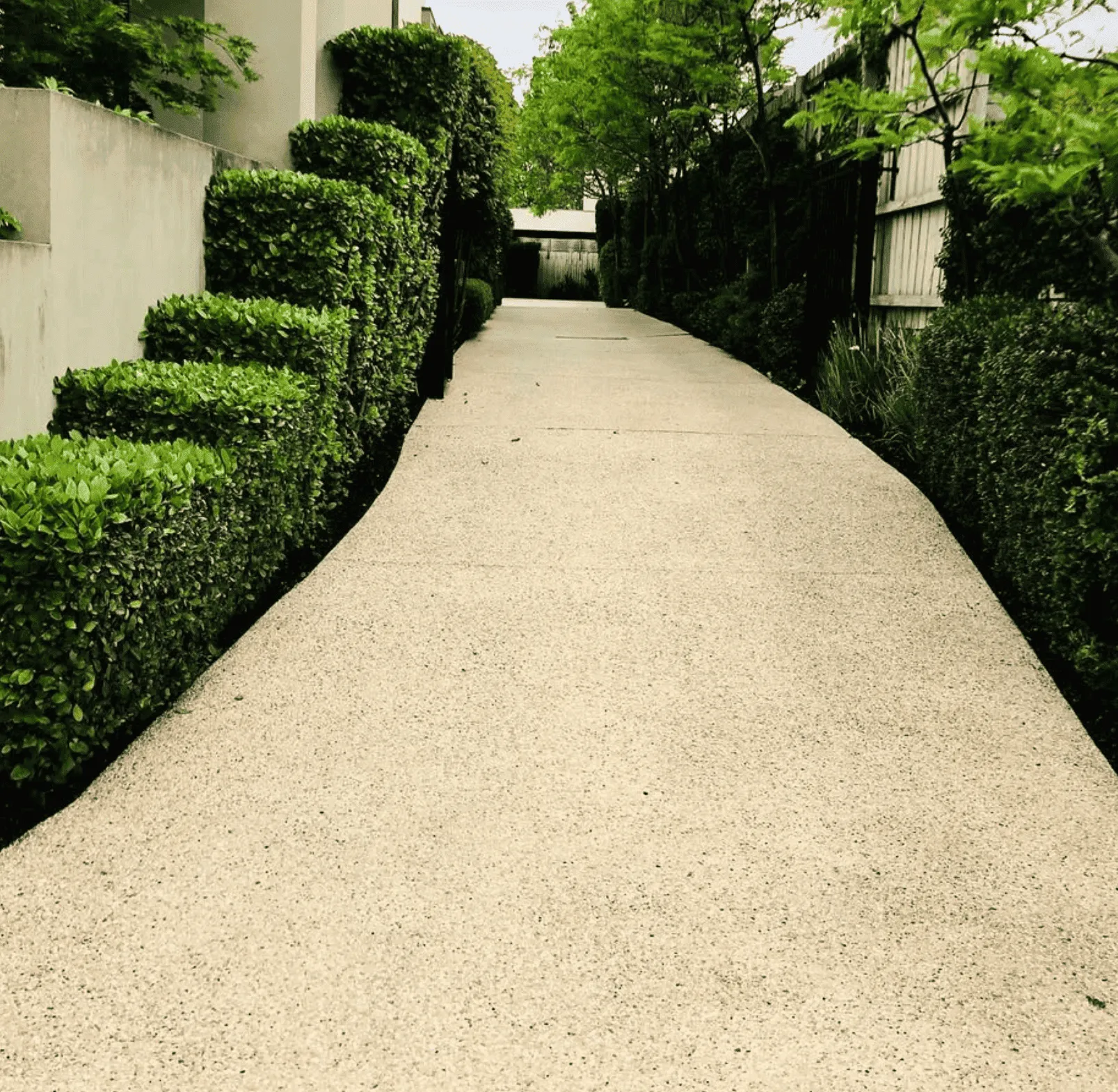
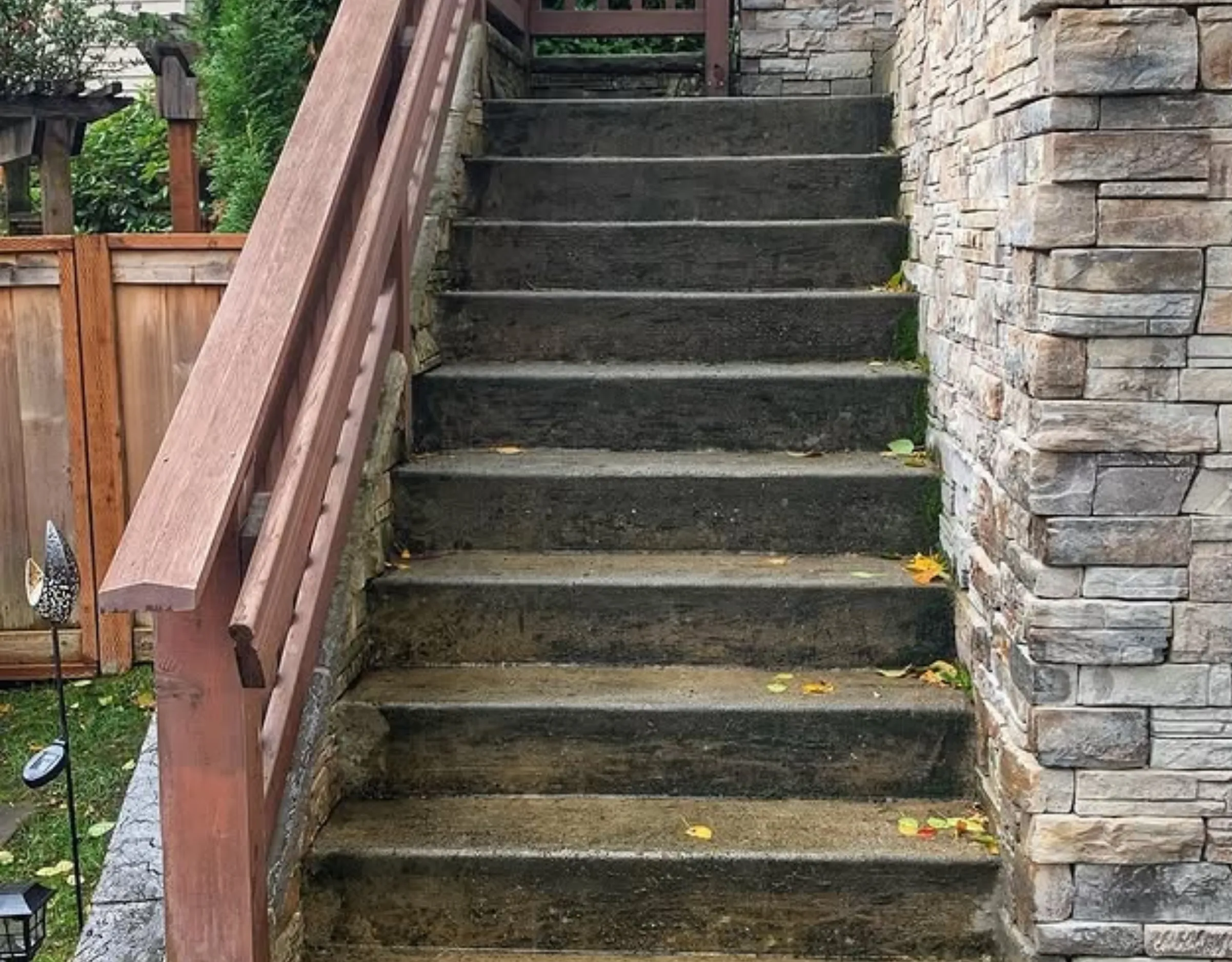
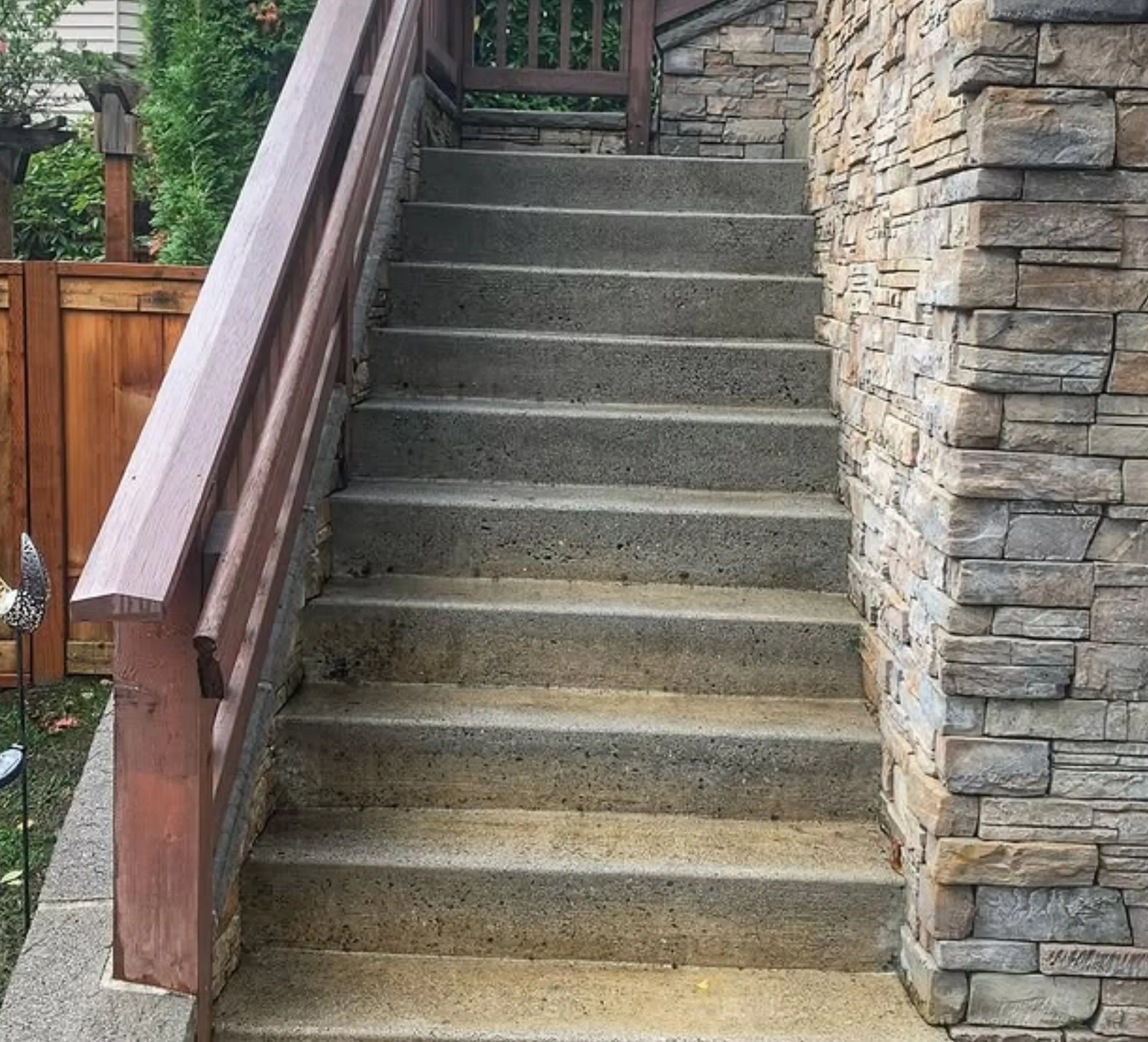
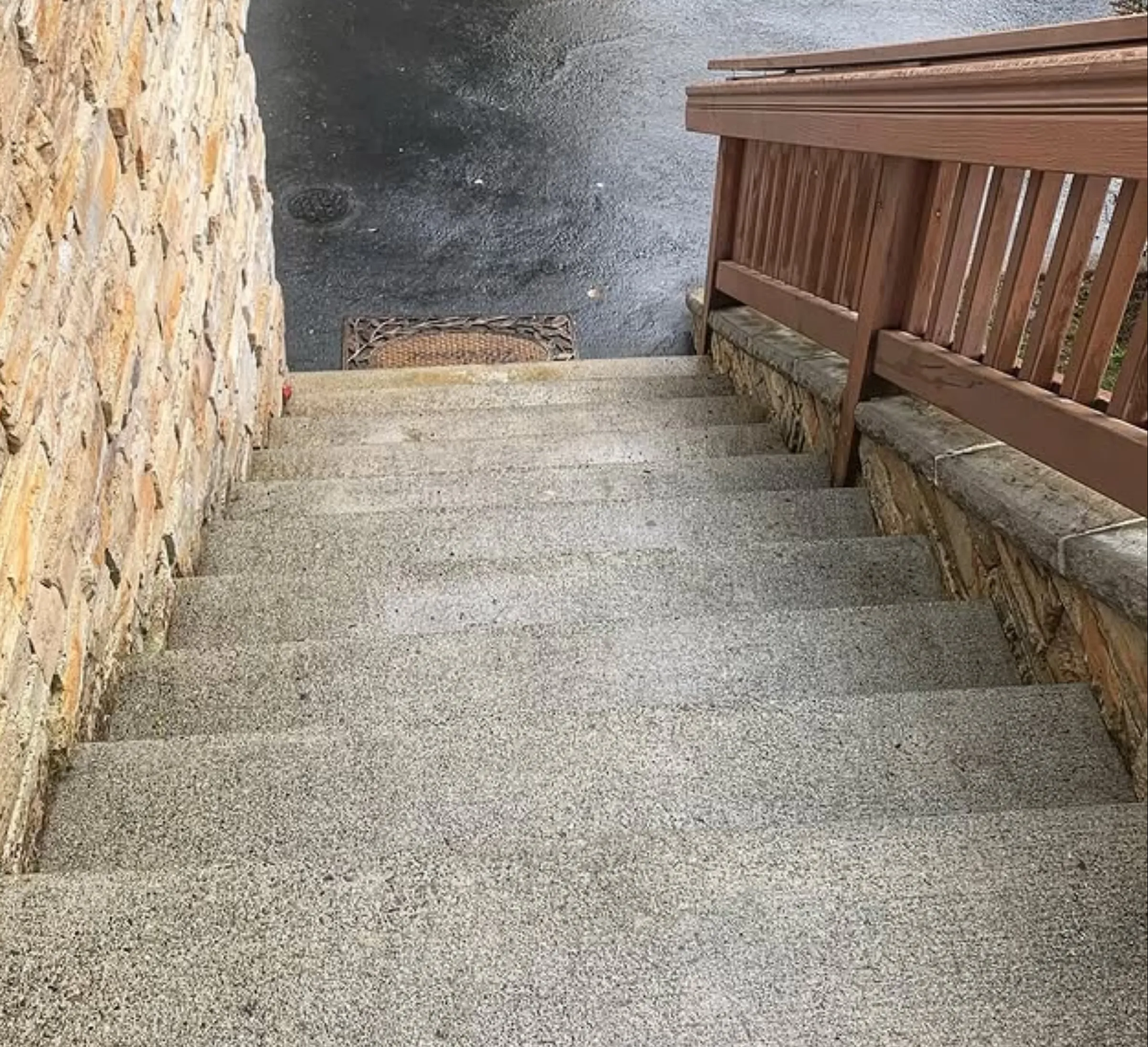
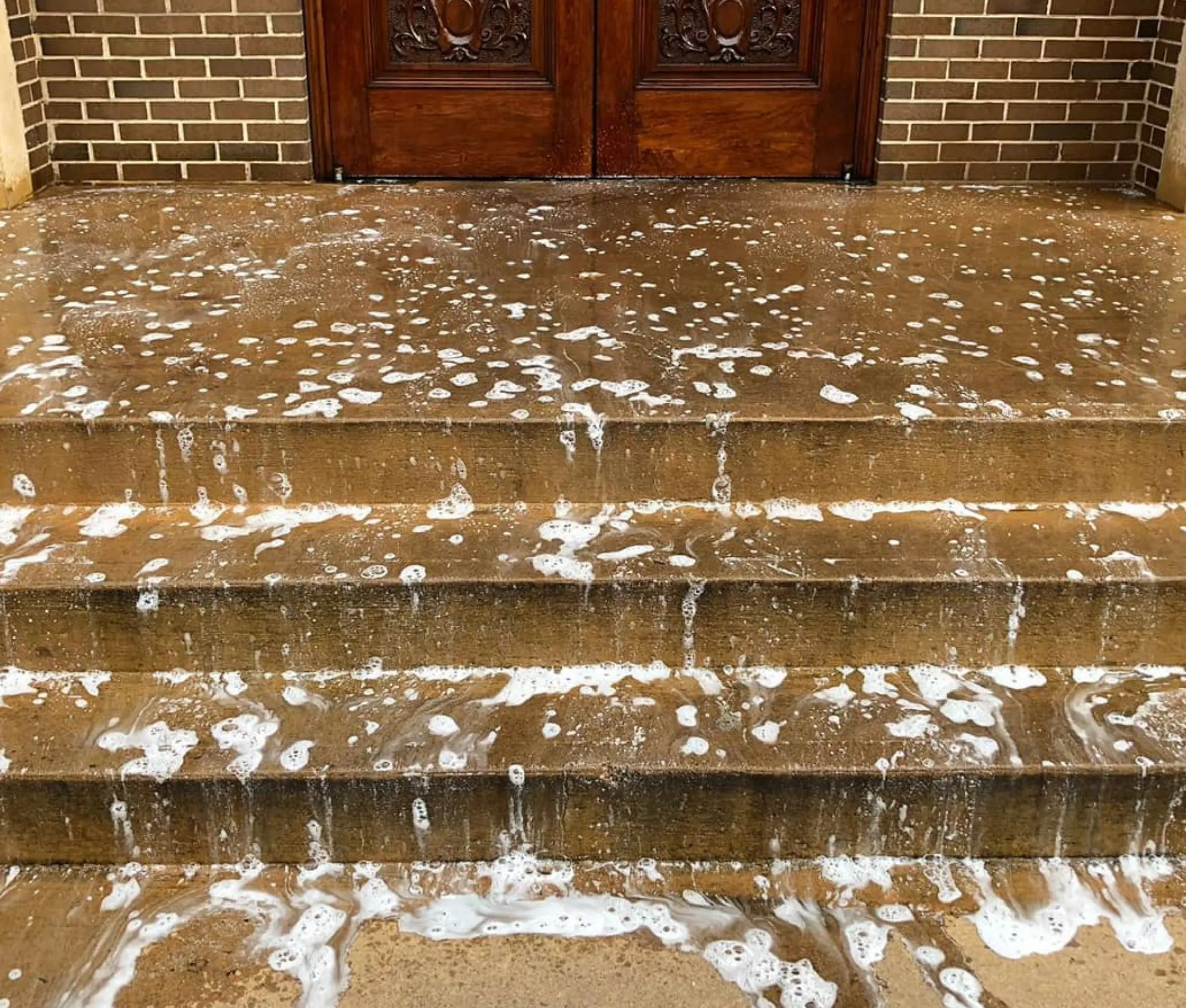
- Very nice and professional cleaning team. We order fully cleaning including gutter , townhouse exterior , all windows outside &inside.WaterCrew provides great service and affordable price .read moreread lessping lee10/11/2026Thankyou. Fantastic work, professional and very happy with how clean our windows and surrounds were.read moreread lessStephanie Johnston10/02/2026Excellent & professional in all ways.read moreread lessWendy Haines9/24/2026
- Eren did a sensational job & his communication was fantastic - would definitely use again & recommend 👍read moreread lessTony Murdoch8/26/2026Eren was professional, efficient and completed the roof cleaning to a very high standard. The service was prompt, the workmanship was excellent, and the overall result was fantastic. Highly recommend Eren for anyone looking for reliable and quality roof cleaning services.read moreread lessJanan8/24/2026Excellent. Efficient, thorough, and swift!read moreread lessLu Lu7/15/2026
- Very happy with the service. They were clean, professional and left everything tidyPlus the job was done beautifullyMany thanks!read moreread lessAdelle7/04/2026Highly recommend Eren and his WaterCrew. Have used for gutter cleaning and will in future use for terracotta roof tile cleaning & window cleaning. They do a very thorough and professional job at competitive rates. Also, they are polite, friendly and well spoken.read moreread less
 Alan Thomas6/30/2026Very professional job done in BrightonVery thorough and was on time !!!!read moreread lessRENATO CENEDESE6/12/2026


Properties and Glazing We Service
Our commercial window cleaning services suit:
- Offices and commercial buildings;
- Retail stores and shopfronts;
- Shopping centres and commercial complexes;
- Apartment and strata properties;
- Aged care and managed facilities;
- High-rise window cleaning and work on multi-storey buildings.
Our strata work can involve shared exterior glass, balconies and multiple levels, while retail cleaning often focuses on frequently handled display glass and entrances. For facility managers, pedestrian movement and building operations can matter as much as the amount of glass.
Overhead glazing, skylights, glass awnings and recessed windows may require a different access approach from vertical façade glass, even at similar heights.
What the Service Covers
The scope may cover interior glass, exterior glass or both, with the method determined by access and surface condition.
For shopfronts and office window cleaning projects, we may clean entrances, display windows and accessible internal glazing. Multi-storey properties may need separate access arrangements for upper-level exterior glass. Frames, edges and surrounding areas also require consideration, as their condition can influence our cleaning approach.
Bonded construction residue, mineral deposits, adhesives, or paint/silicone overspray may require separate assessment rather than routine window washing. Defining the scope first helps us distinguish standard cleaning from specialist treatment, post-construction work or jobs requiring additional access equipment.
Choosing the Right Cleaning Method
| Method | Typically suited to | Main consideration |
|---|---|---|
| Traditional window washing | Interior, shopfront and accessible glass | Close control over washing and detailing |
| Water-fed poles | Reachable exterior glass | Requires suitable ground access and operating space |
| Elevated work platforms | High or awkward glazing | Ground conditions, access and exclusion areas |
| Industrial rope access | Difficult high-level façades | Specialist planning and safety controls |
Direct-Access Glass Cleaning
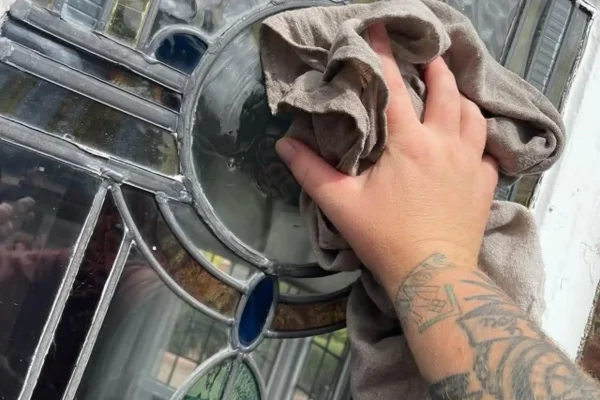
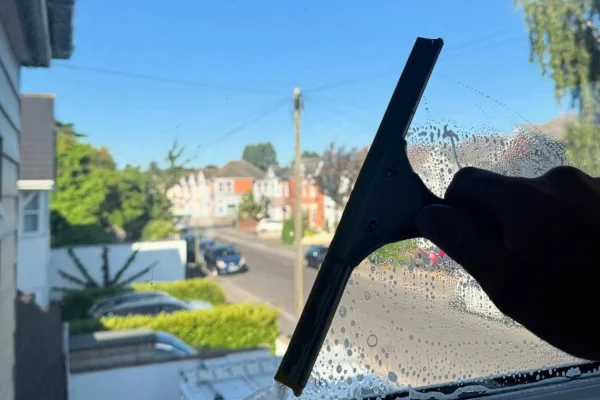
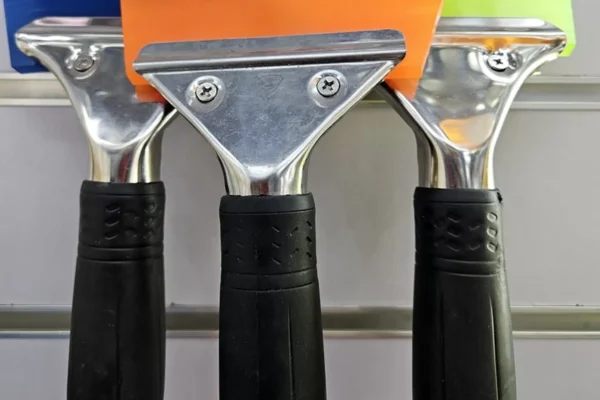
For direct-access glazing, traditional window cleaning commonly uses a microfibre washer and squeegee. This approach remains useful for interiors, entrances, display glass, shopfronts and accessible exterior glazing.
For specific contamination, a glass scraper may be appropriate, but not on every surface. We consider the glazing, coatings and contaminants first because inappropriate scraping can cause damage.
Ground-Based Pure Water Systems
Water-fed poles deliver purified water through a brush to agitate contamination and rinse the exterior glass. Filtration and deionising remove dissolved minerals, allowing the water to dry without the mineral residue that ordinary tap water can leave behind.
Where conditions allow, we can use ground-based access for some high windows. Deep setbacks, overhangs, restricted space and difficult façade geometry may make another method more practical.
Reaching Complex and Elevated Glazing
Where glass cannot reasonably be reached from the ground, our access approach may involve an EWP or industrial rope access.
Height alone does not determine the system we recommend. Podiums, awnings, setbacks, atriums and restricted ground access can make lower glazing more difficult to reach than higher glass on an unobstructed elevation.
For boom-type EWPs with a boom length of 11 metres or more, the operator must hold the relevant high-risk work licence. This threshold refers to boom length, not window or platform height. Below 11 metres, appropriate information, instruction and training are still required.
Rope access requires more than a way to reach the glass. Anchors, access arrangements, exclusion areas and emergency or rescue planning can all influence how we organise the work.
What We Assess Before Work Begins
Before recommending an approach, we consider:
- Window height, dimensions and position;
- Interior and exterior access;
- Type and level of contamination;
- Frames, seals, coatings and surrounding materials;
- Awnings, balconies and other obstacles;
- Pedestrian, vehicle and tenant movement;
- Whether specialist height access is required.
Environmental exposure matters as well. Traffic, nearby construction, bird activity and coastal salt can influence both the cleaning required and how quickly glass becomes visibly dirty again.
Preparing Your Property
Good preparation helps us reduce disruption. Furniture or displays blocking internal glazing may need to be moved, while secure floors, balconies or other controlled areas need to be accessible where they form part of the scope.
Exterior work may require coordination around parked vehicles, loading areas, entrances and pedestrian routes. Where our access plan involves an EWP or rope access, controlled work areas or exclusion zones may also be required.
On occupied properties, notifying relevant staff, tenants or site contacts can make it easier for us to work around entrances, shared areas and internal spaces.
Managing Access Around an Active Property
Our commercial window cleaning often takes place around entrances, footpaths, car parks, tenants and the public. Wet areas, equipment placement and work above occupied spaces may therefore require specific controls.
Access planning becomes increasingly important above 2 metres. WorkSafe Victoria notes that the risk of serious injury or death increases above this height, although falls from lower heights can also cause serious injury. When selecting an access method, we also consider the working position, façade geometry and site conditions.
Where window cleaning forms part of construction work with a risk of falling from more than 2 metres, it may fall within high-risk construction work requirements, including a Safe Work Method Statement (SWMS). This can be relevant to post-construction cleaning and some façade projects, but it does not automatically apply to every routine commercial clean.
Our high-level work must reflect applicable Victorian occupational health and safety requirements. Planning may include controlled work areas, equipment inspection and rescue arrangements, while property managers may request project-specific compliance documentation.
Working Around Weather Conditions
Light rain does not automatically prevent all window cleaning, particularly in protected or internal areas. We assess whether conditions suit the work and the access method, rather than making the decision based on rain alone.
For elevated work, wind becomes particularly important because it can affect equipment, water-fed poles and safe access. Thunderstorms, strong winds or other unsafe conditions may require us to delay or stop exterior work. Direct sun and temperature can also influence how quickly water or cleaning solution dries on exposed glass.
Whether work can proceed safely and effectively depends on the building, the access method, the exposure, and the conditions at the time.
Matching the Process to the Glass Surface
Commercial properties can contain annealed, toughened, tinted, coated and other specialised glazing. Films and coatings may have specific limitations, so we do not assume that aggressive chemicals, abrasive techniques or scraping are suitable for every surface.
Surrounding finishes matter too. For powder-coated aluminium, Dulux Powder Coatings recommends cleaning powder-coated surfaces at least every 12 months, and more frequently in coastal and industrial environments. This is maintenance guidance for the coating, not a 12-month window-cleaning interval.
We assess post-construction cleaning separately. Cementitious residue, paint, adhesives and silicone overspray can demand techniques that carry greater risk for susceptible glass surfaces.
Contamination vs Permanent Damage
Our cleaning removes contamination; it does not repair damaged glass or glazing components.
Mineral deposits may require separate treatment, with results depending on whether prolonged exposure has affected the surface. Scratches, chips, etching, damaged coatings and deteriorated films are physical defects rather than ordinary cleaning problems.
Failed insulated glazing can also develop condensation or haze between panes that surface cleaning cannot reach. If we remove the contamination but a mark remains because the glass itself is damaged, further washing will not necessarily improve it.
What Determines the Quote?
We base commercial window cleaning prices on the work required, including:
- Quantity and dimensions of glass;
- Interior versus exterior scope;
- Contamination;
- Building height and geometry;
- Access restrictions;
- Specialist height access.
A small section behind an awning, above a podium or within a setback may require more planning than a much larger unobstructed elevation.
Setting the Right Cleaning Frequency
There is no single Australian standard that sets how often commercial windows must be cleaned. We recommend setting the interval based on exposure, building use, and the presentation standard the property needs to maintain.
Frequently handled retail display glass may need attention far more often than protected upper-level windows. Traffic, construction activity, salt and other environmental exposure can also accelerate contamination.
Rather than applying an arbitrary three-, six- or twelve-month schedule, we look at how quickly each area becomes visibly dirty. If presentation consistently deteriorates before the next service, the interval may need adjustment.
Planning Ongoing Glass Maintenance
For ongoing maintenance, we can plan different schedules for different areas. Entrances, interior glass and prominent shopfronts may need cleaning more frequently than protected upper elevations.
Matching frequency to use and exposure avoids over-servicing protected glass while making access planning and site coordination more predictable.
Request a Quote for Your Property
For an accurate quote, we need to understand the glazing and access conditions rather than simply receive a window count.
Property type, number of levels, interior or exterior scope, contamination and known access restrictions help us determine the method. Photos can also help us identify overhead glass, setbacks, awnings and other areas requiring closer assessment.

Your satisfaction is our top priority. We tailor our services to meet your specific needs

We are committed to environmental responsibility. Our cleaning products are eco-friendly.

Pricing
We offer competitive pricing without compromising on the quality of our services.

Expertise
As a locally owned and operated company, we understand the unique needs of our community.
FAQ
Can commercial windows be cleaned without working at height?
Often, yes. Where conditions allow, we can use water-fed poles to reach some high windows from ground level. Other elevations may require an EWP or industrial rope access. The method depends on the working position and access conditions, not simply the number of storeys.
Does pure water cleaning leave a streak-free finish?
Properly filtered deionised water can dry without the dissolved mineral residue associated with ordinary tap water. The result still depends on effective contamination removal and the condition of the glass.
Can you clean tinted or coated commercial glass?
Potentially, but we assess the surface first. Coatings and films may have specific cleaning limitations, so we do not automatically use aggressive chemicals or scraping.
Why does difficult access increase commercial window cleaning costs?
Difficult access may require additional planning, specialist equipment, and safety controls, even when relatively little glass is involved. Awnings, setbacks, podiums and restricted ground access can affect the quote as much as height.
Can mineral deposits always be removed from commercial glass?
No. Surface deposits may respond to appropriate treatment, but long-term exposure can leave staining or etching that ordinary window washing cannot reverse.
SEO Title: Commercial Window Cleaning Melbourne
Meta Description: Professional commercial window cleaning in Melbourne for offices, shops, strata and multi-storey buildings. Get a quote today.