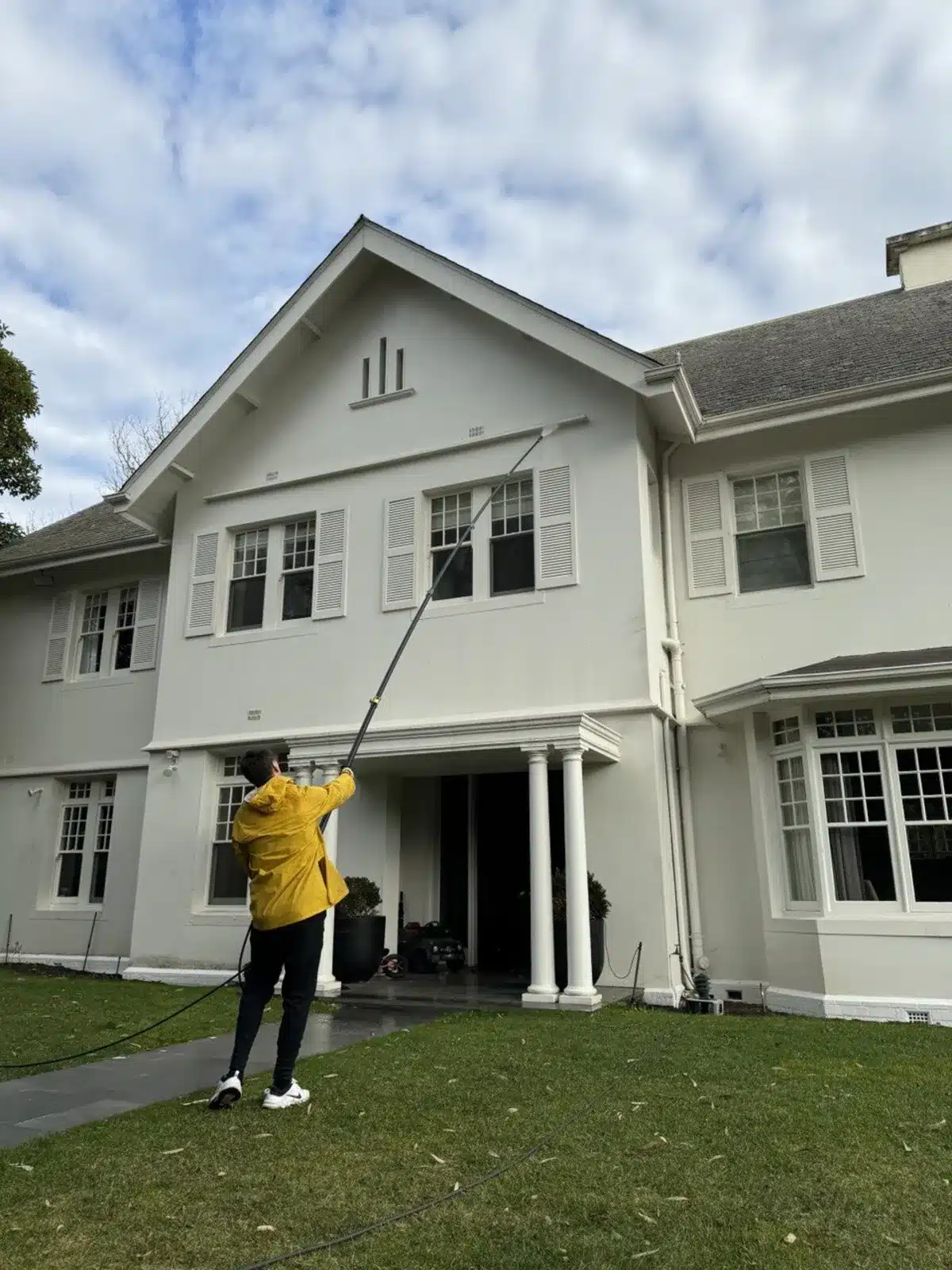
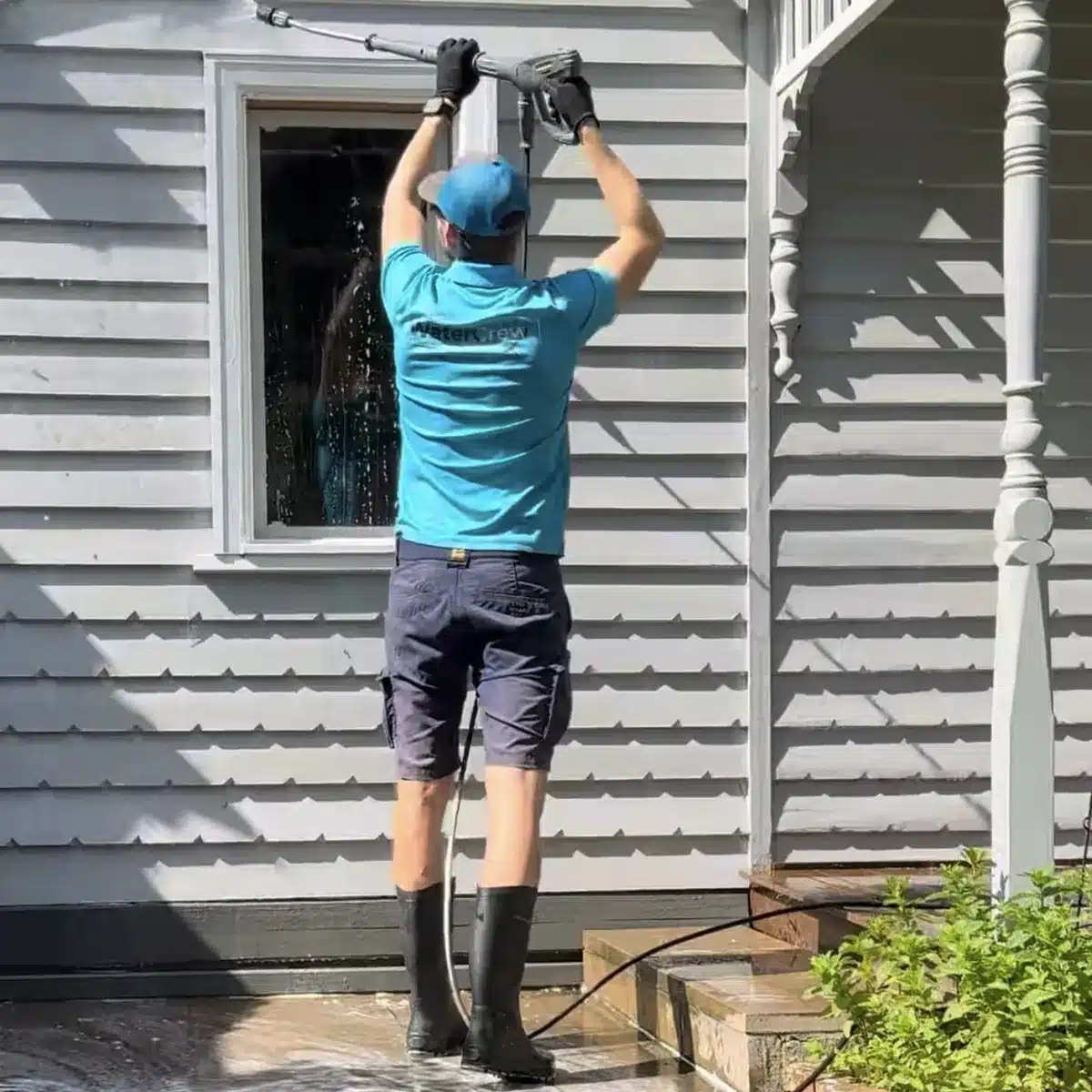
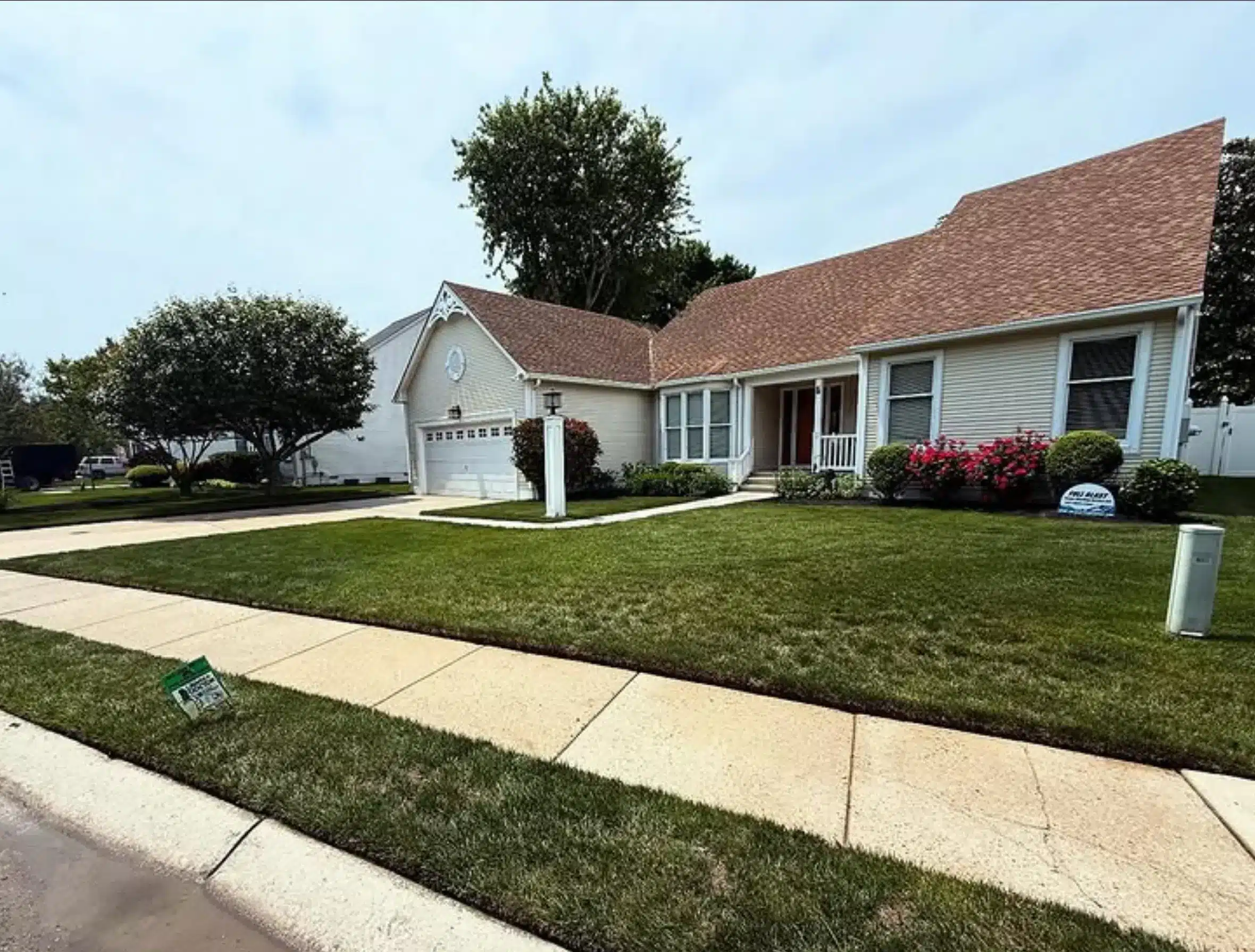
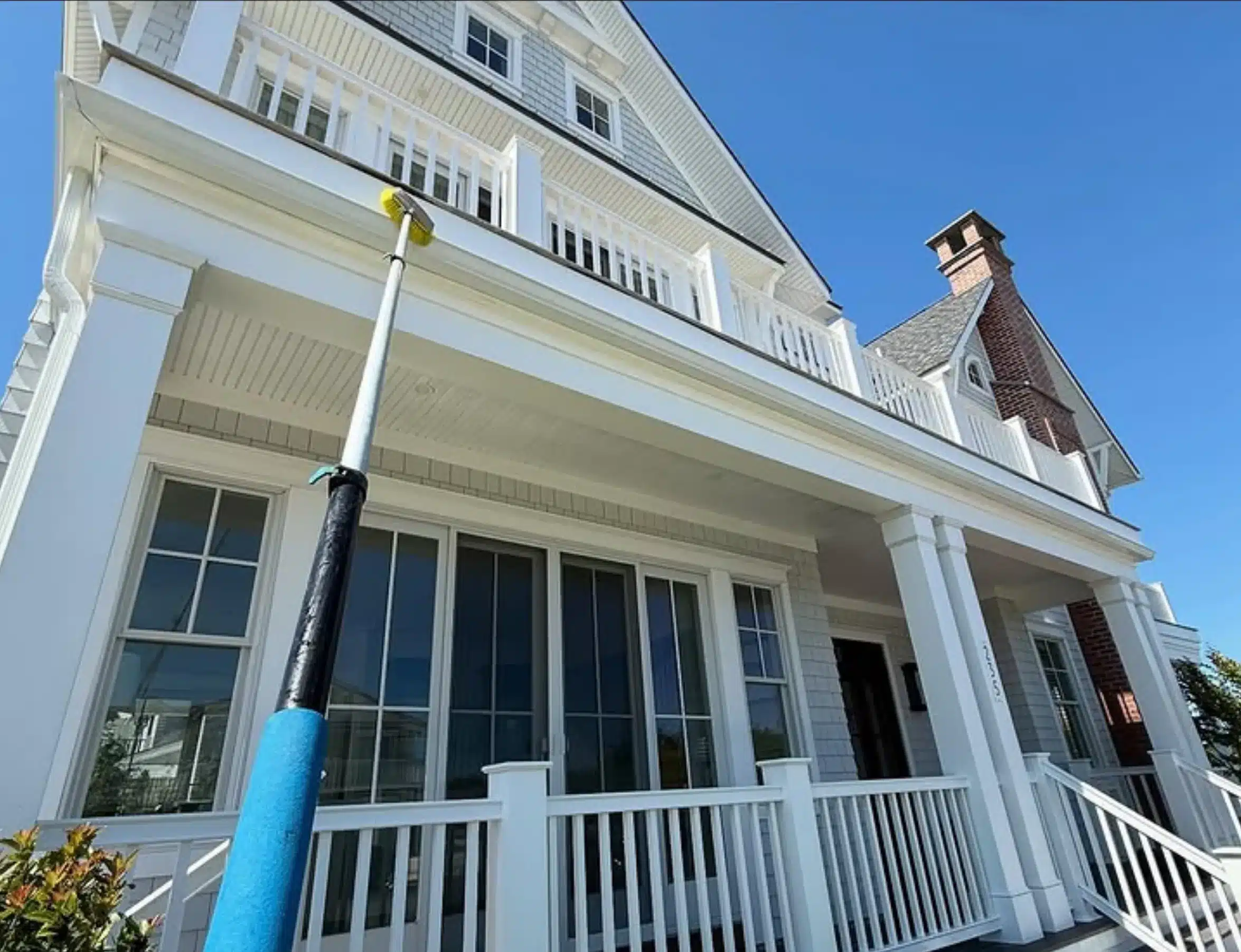
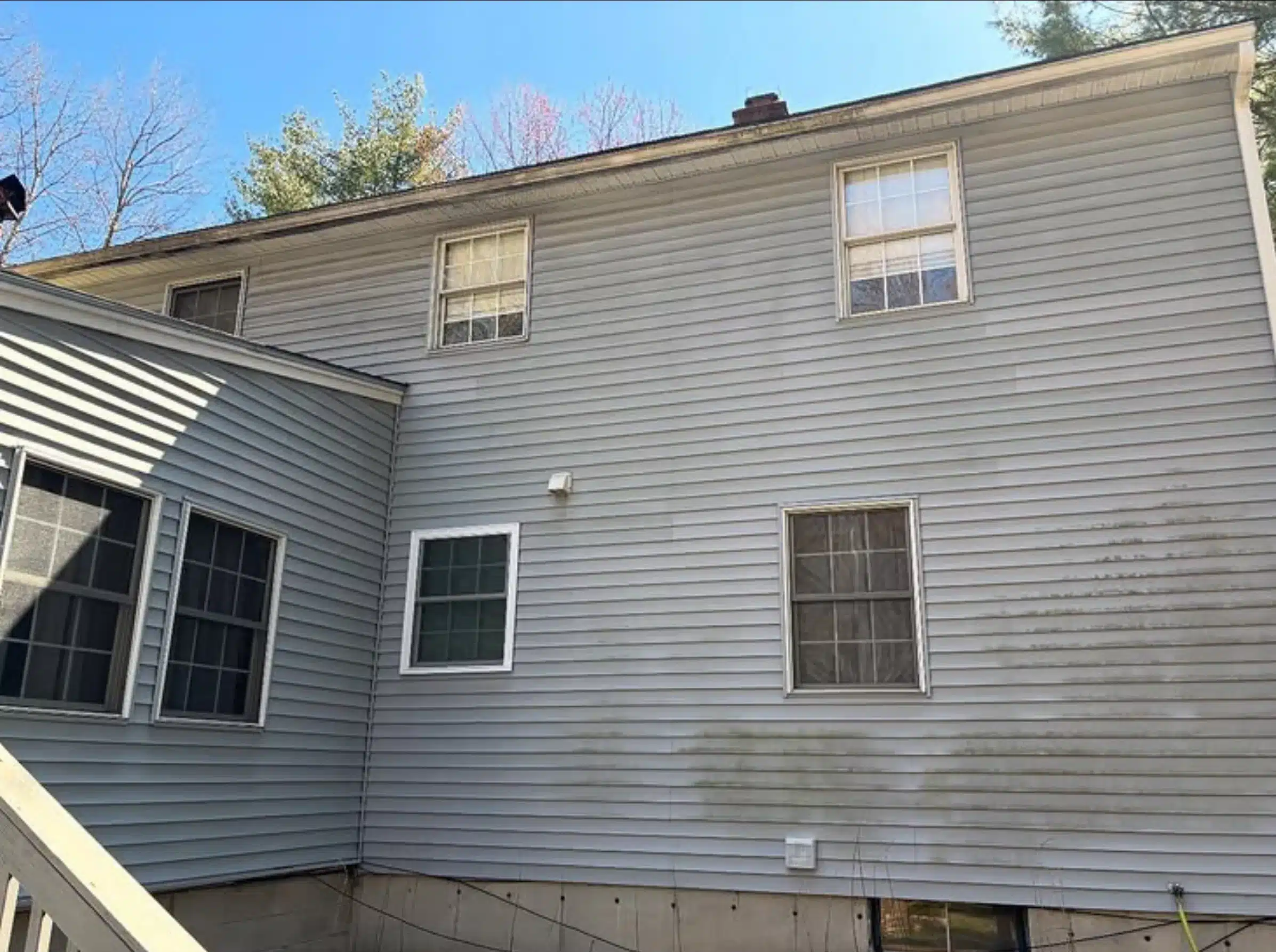
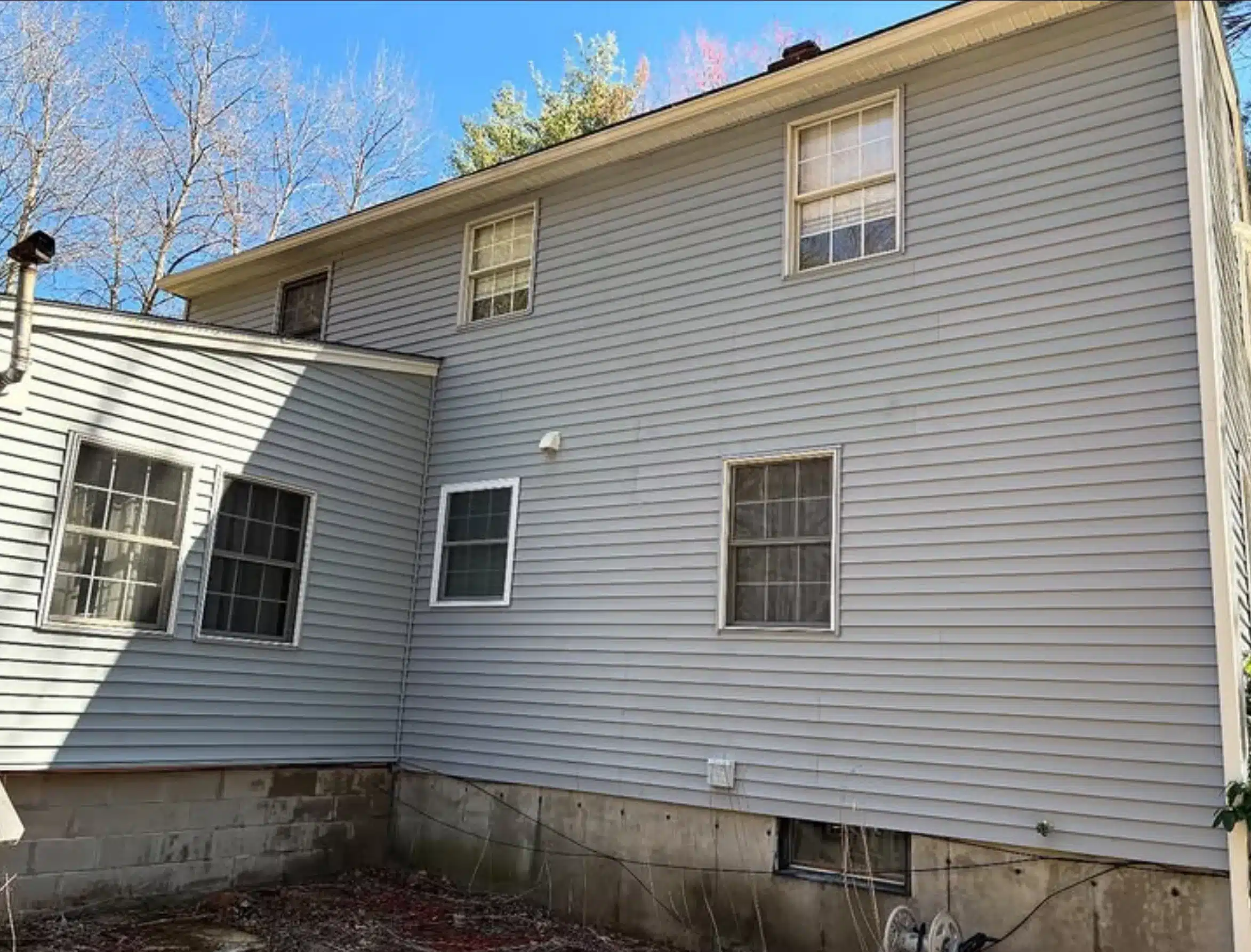
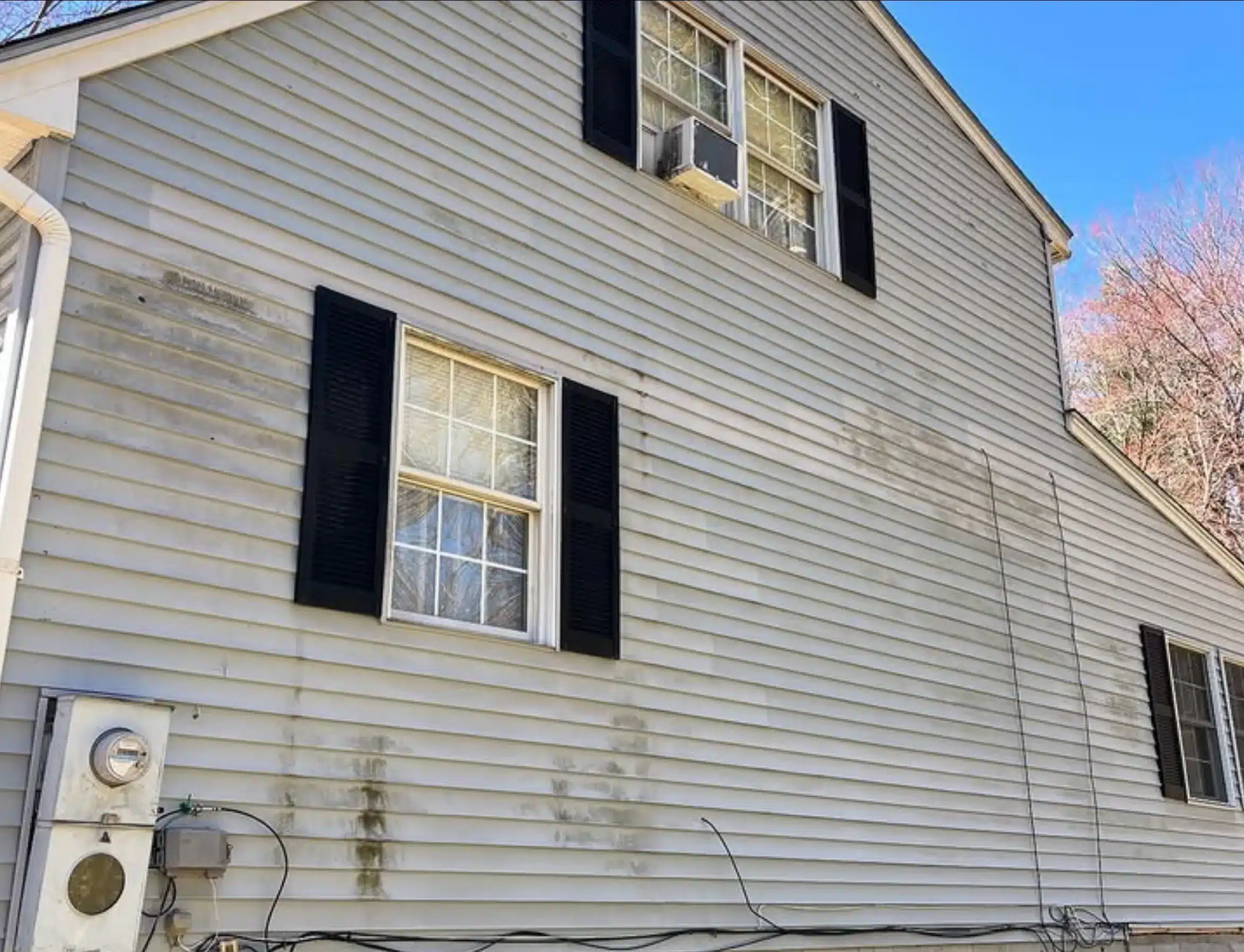
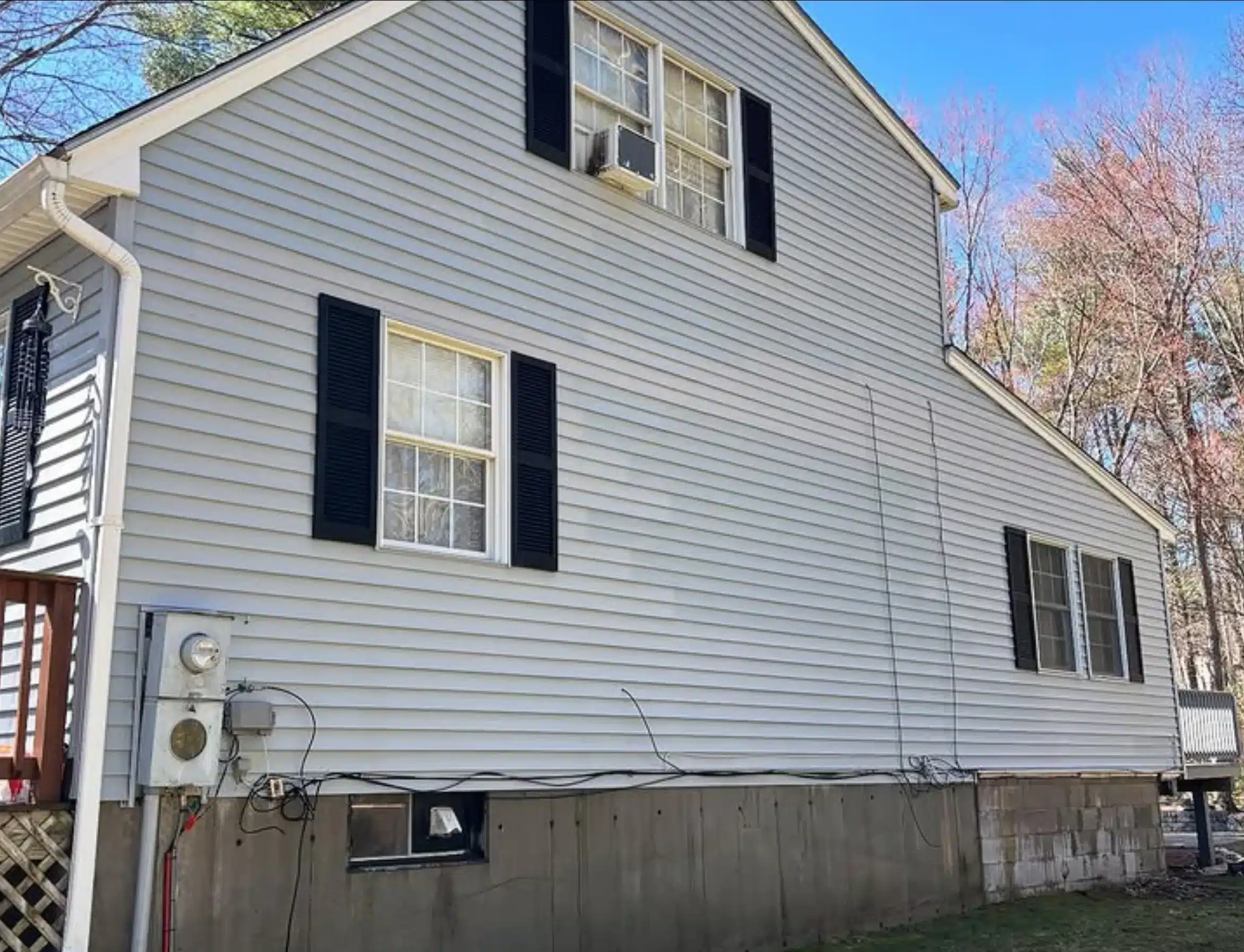
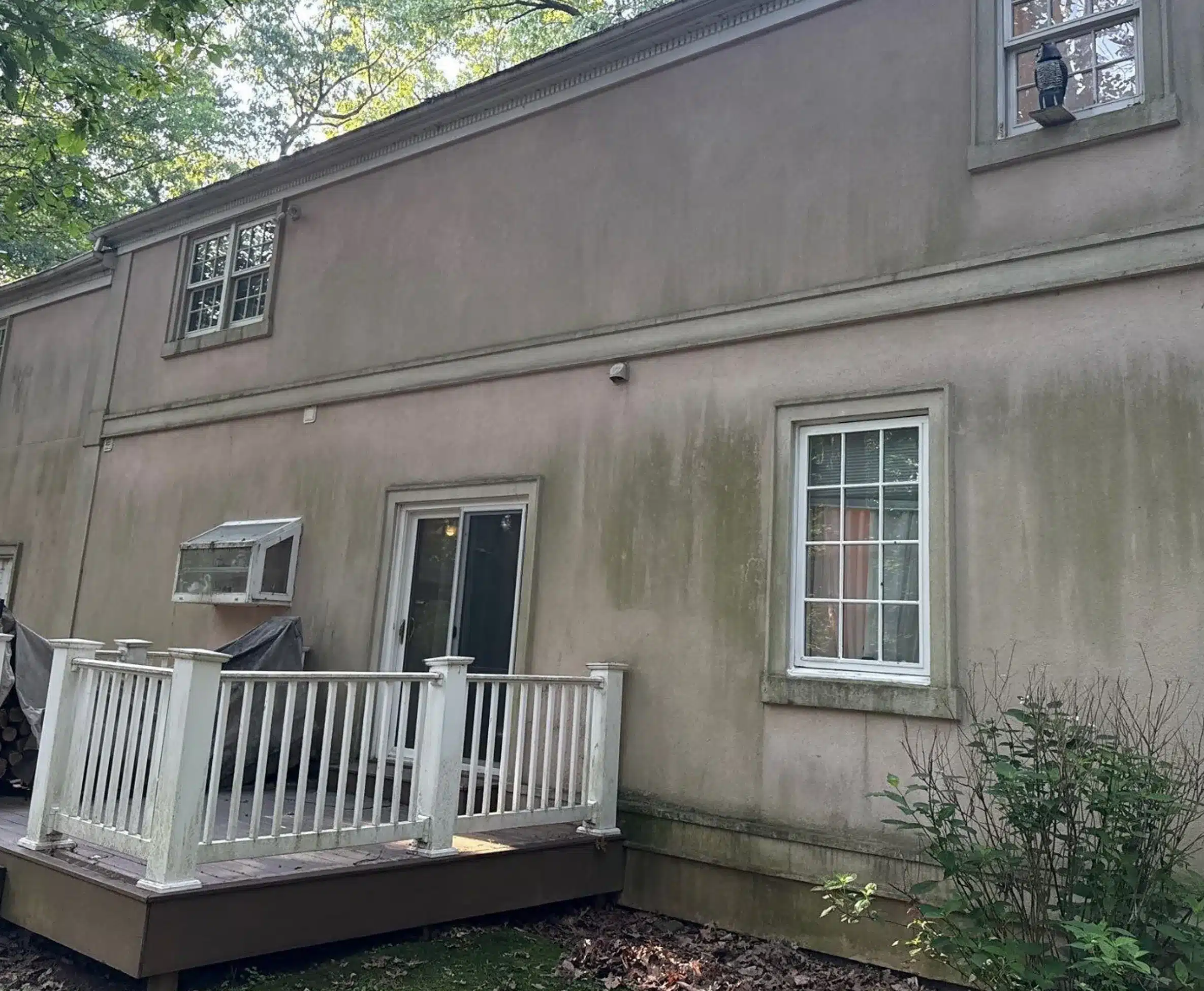
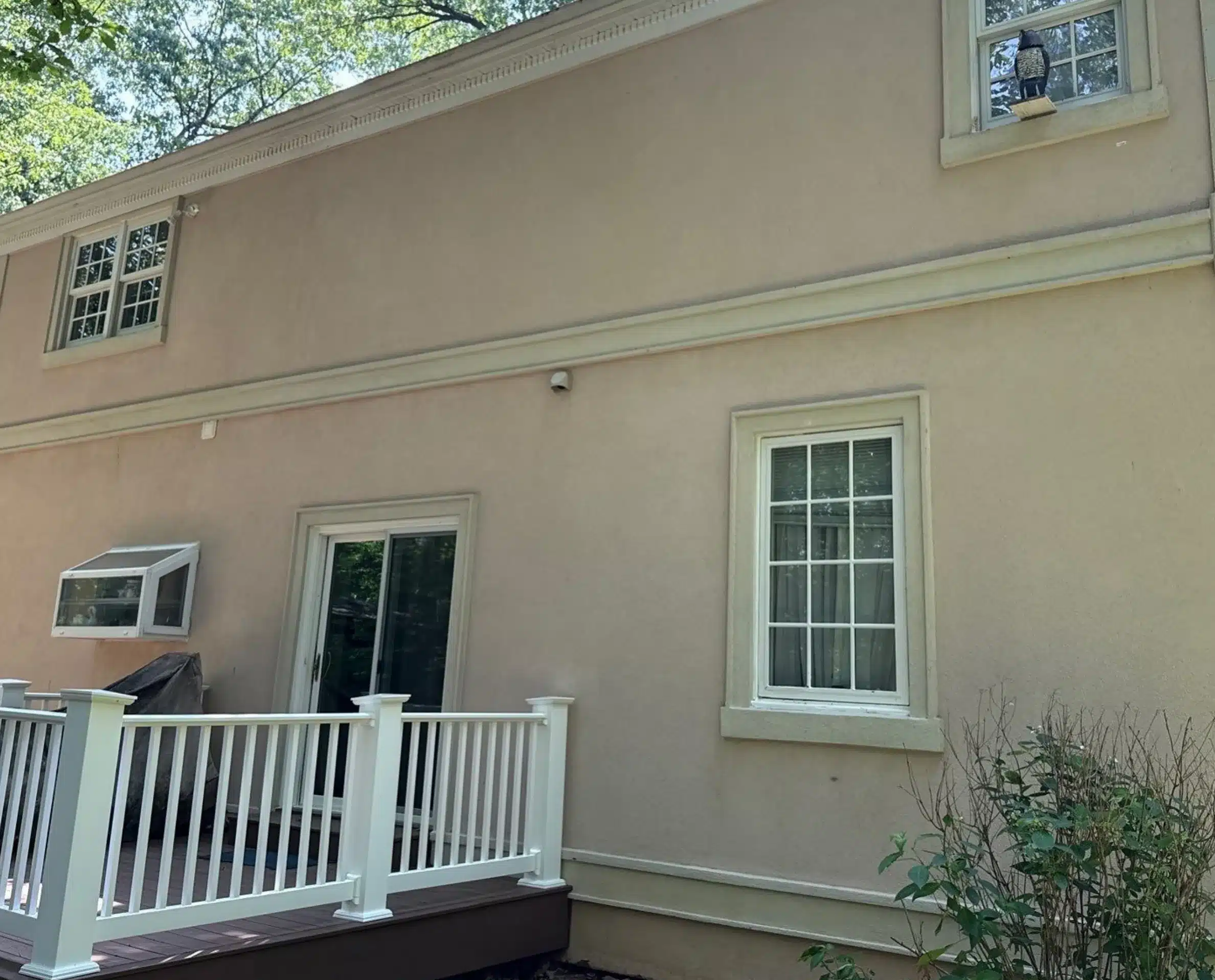
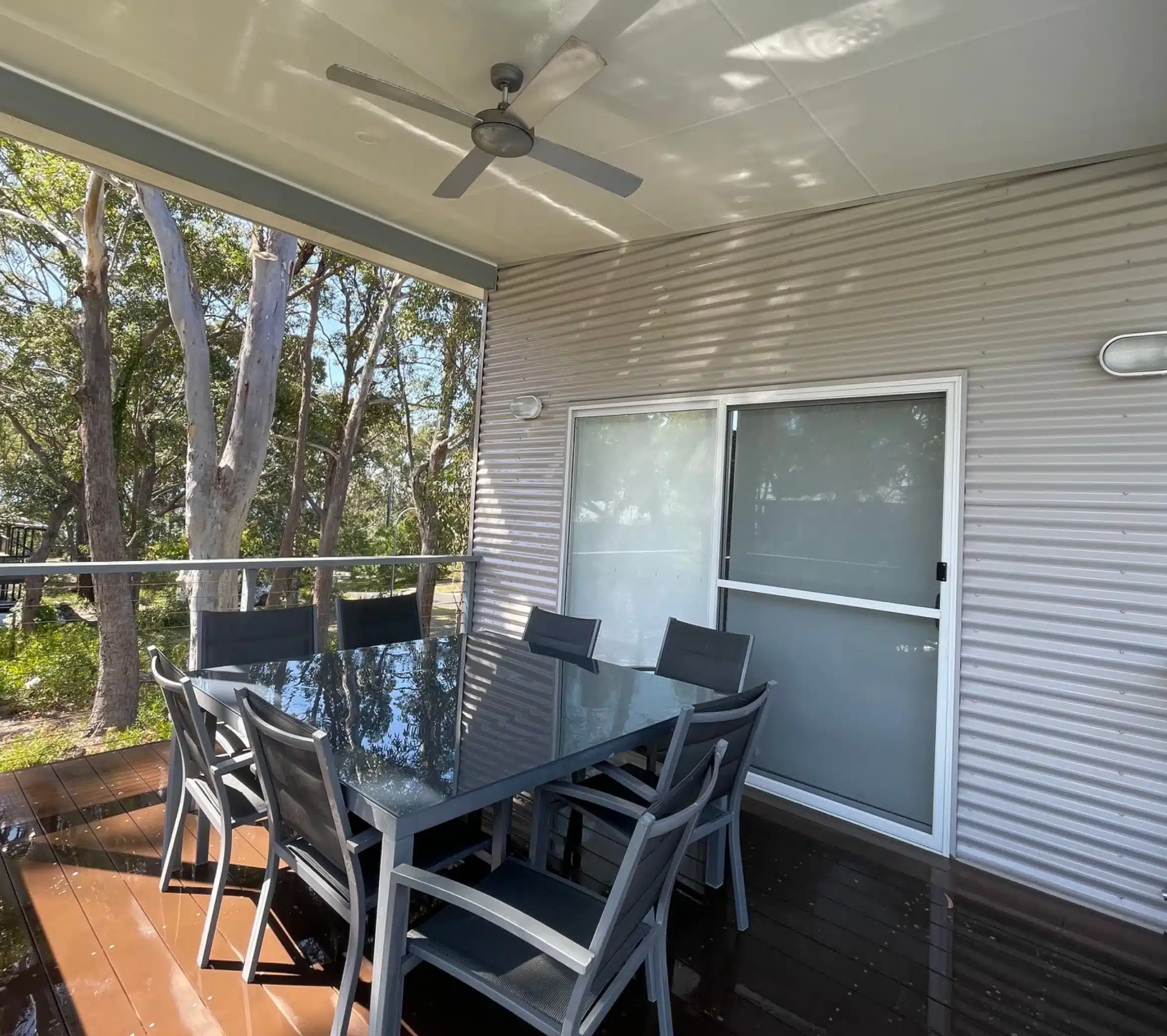
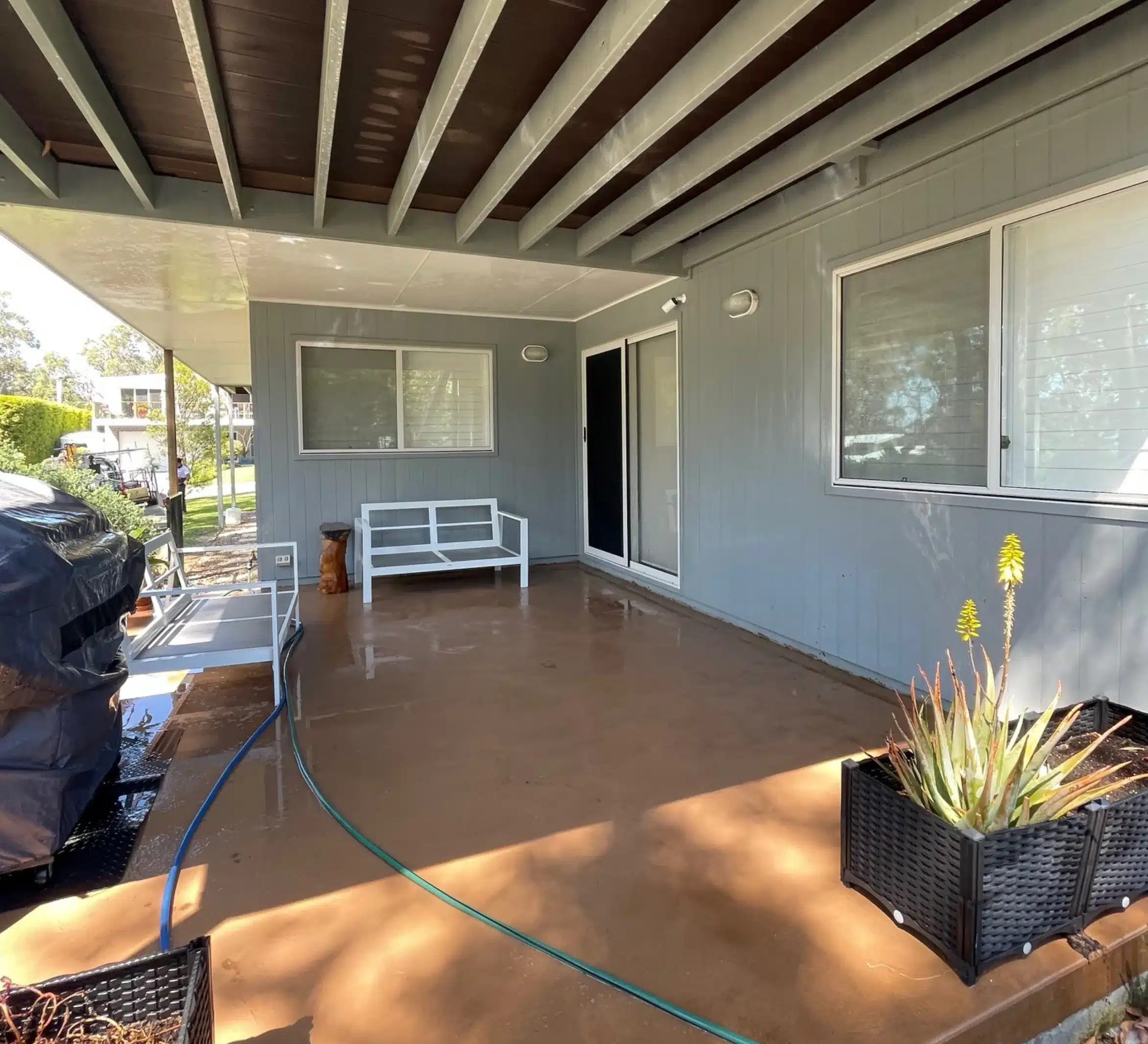
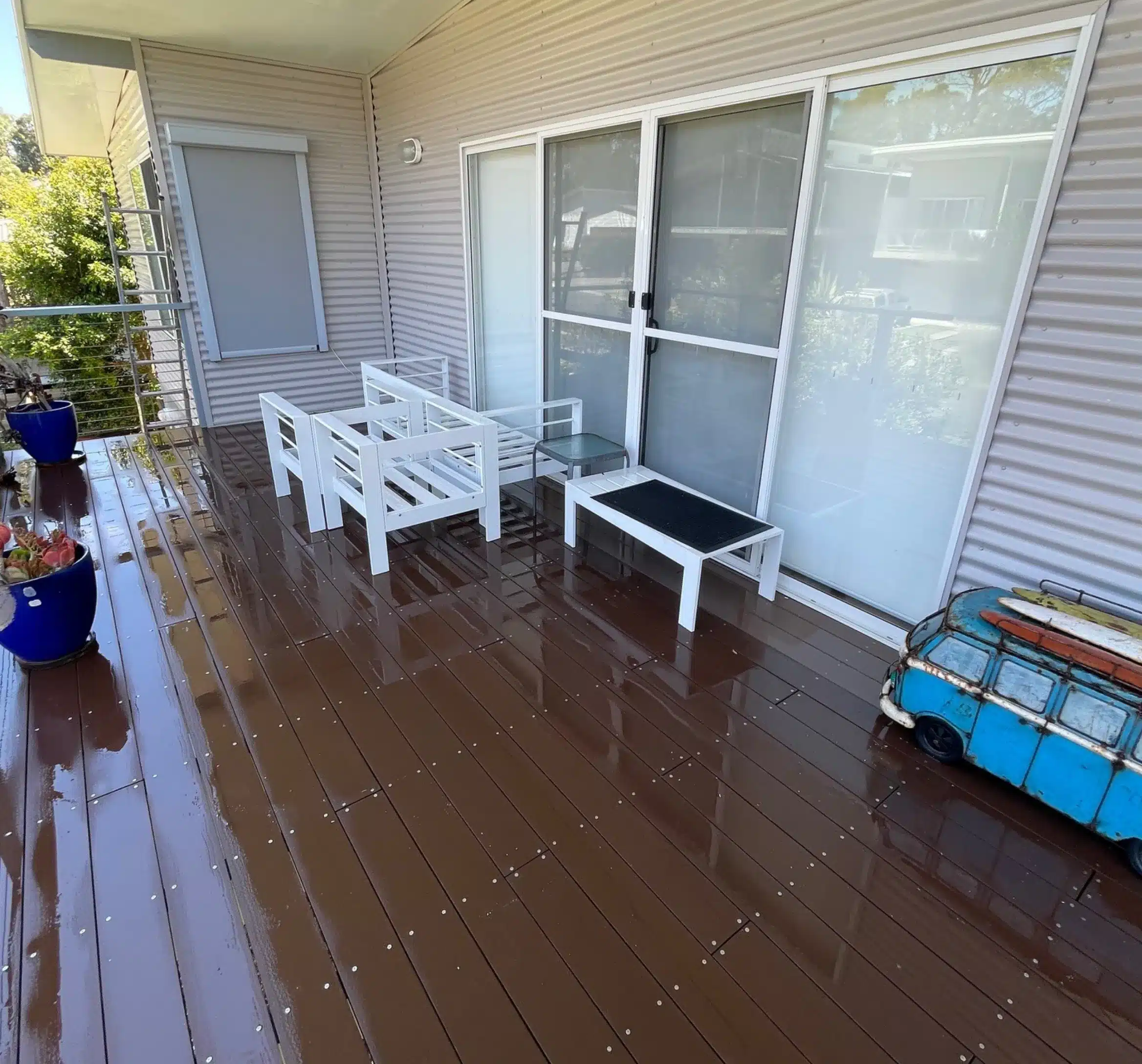
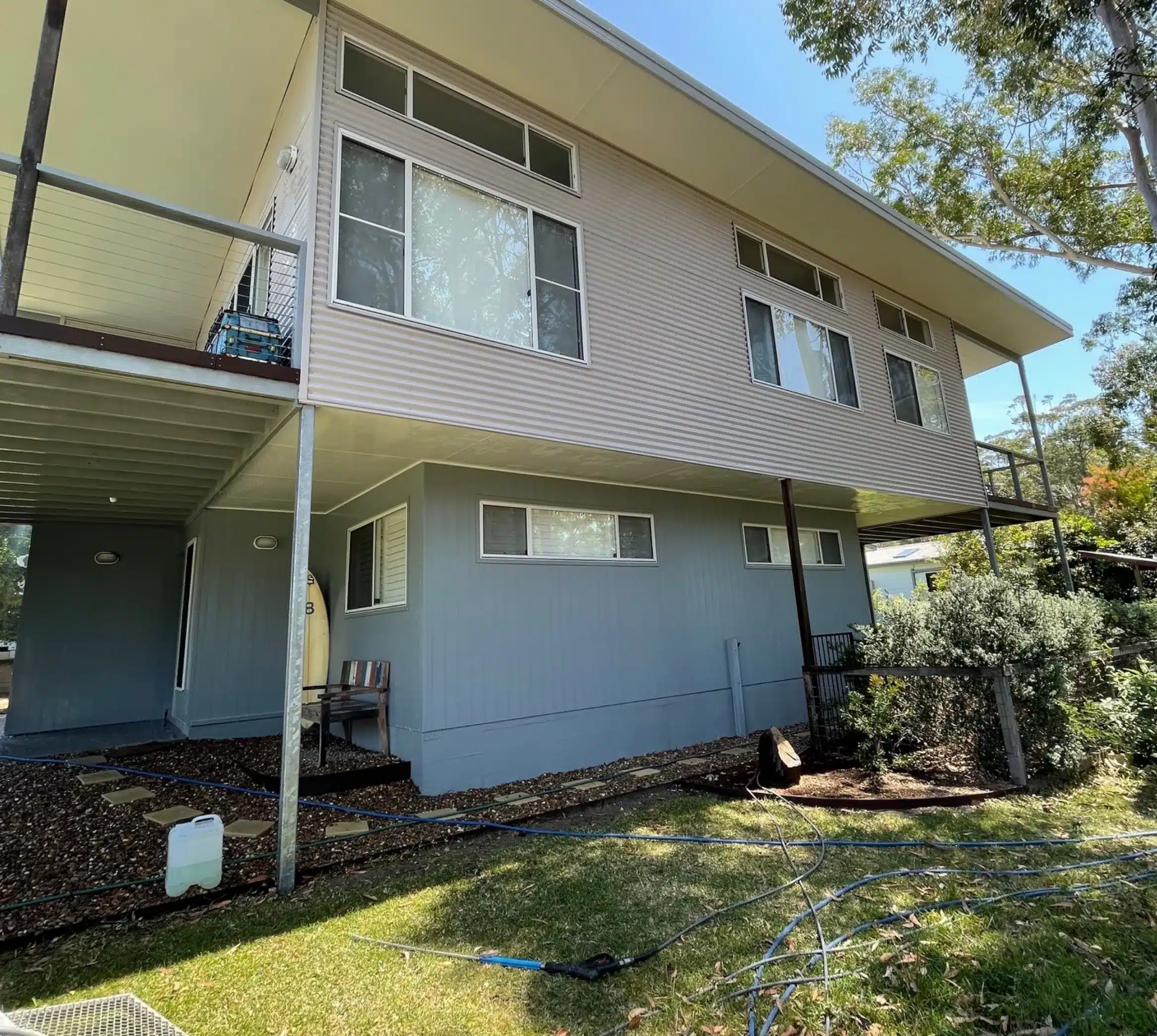
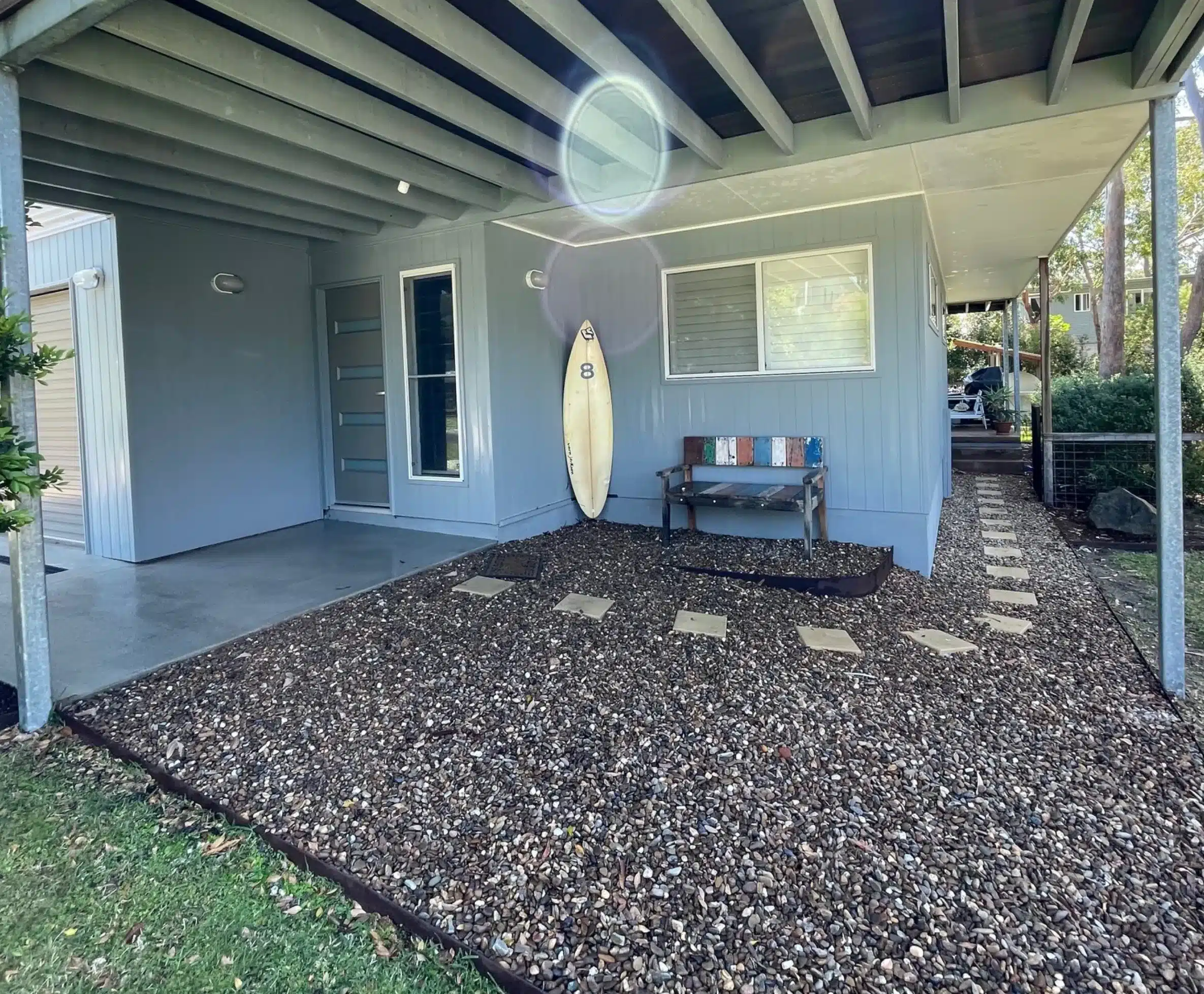
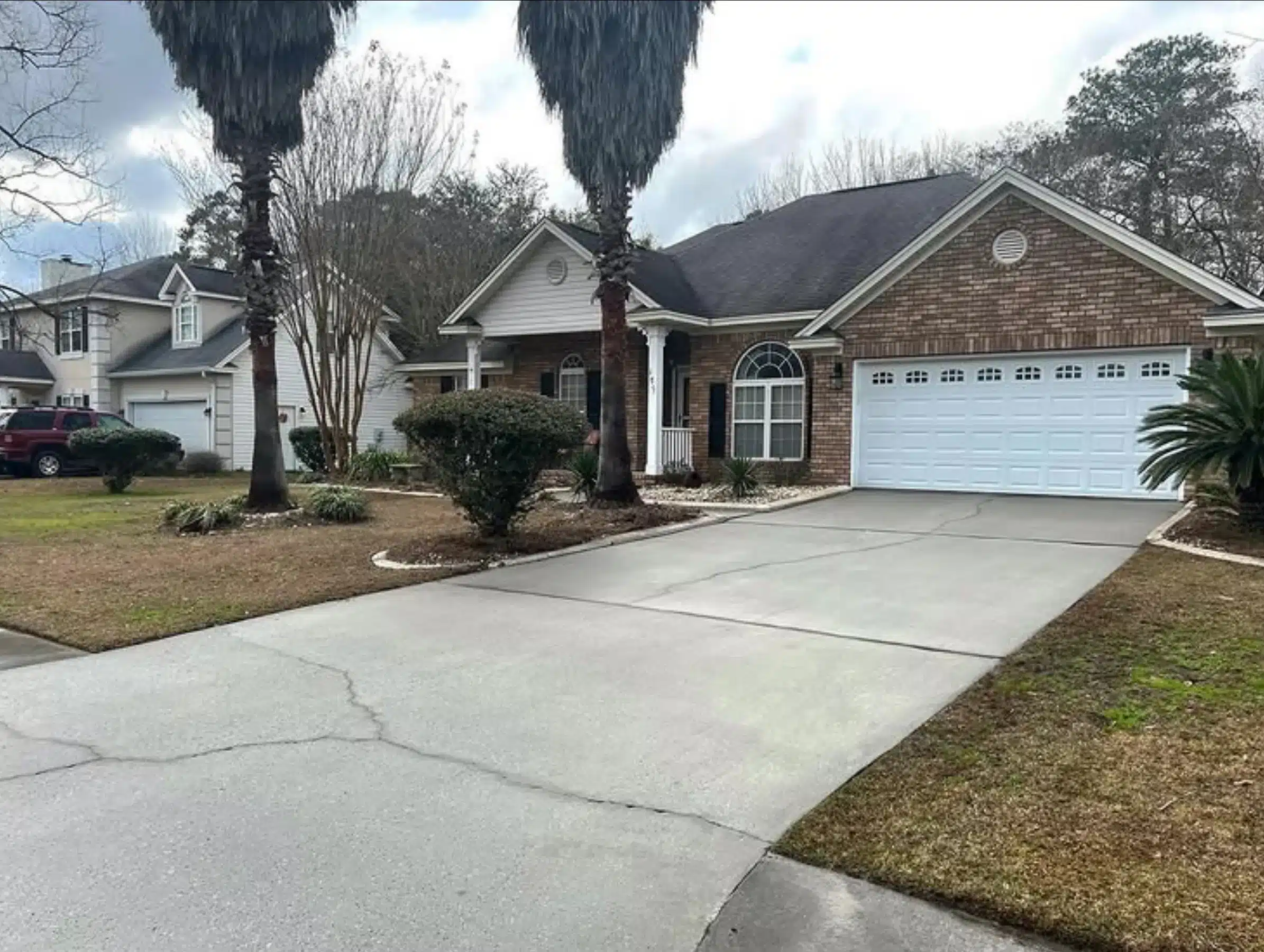
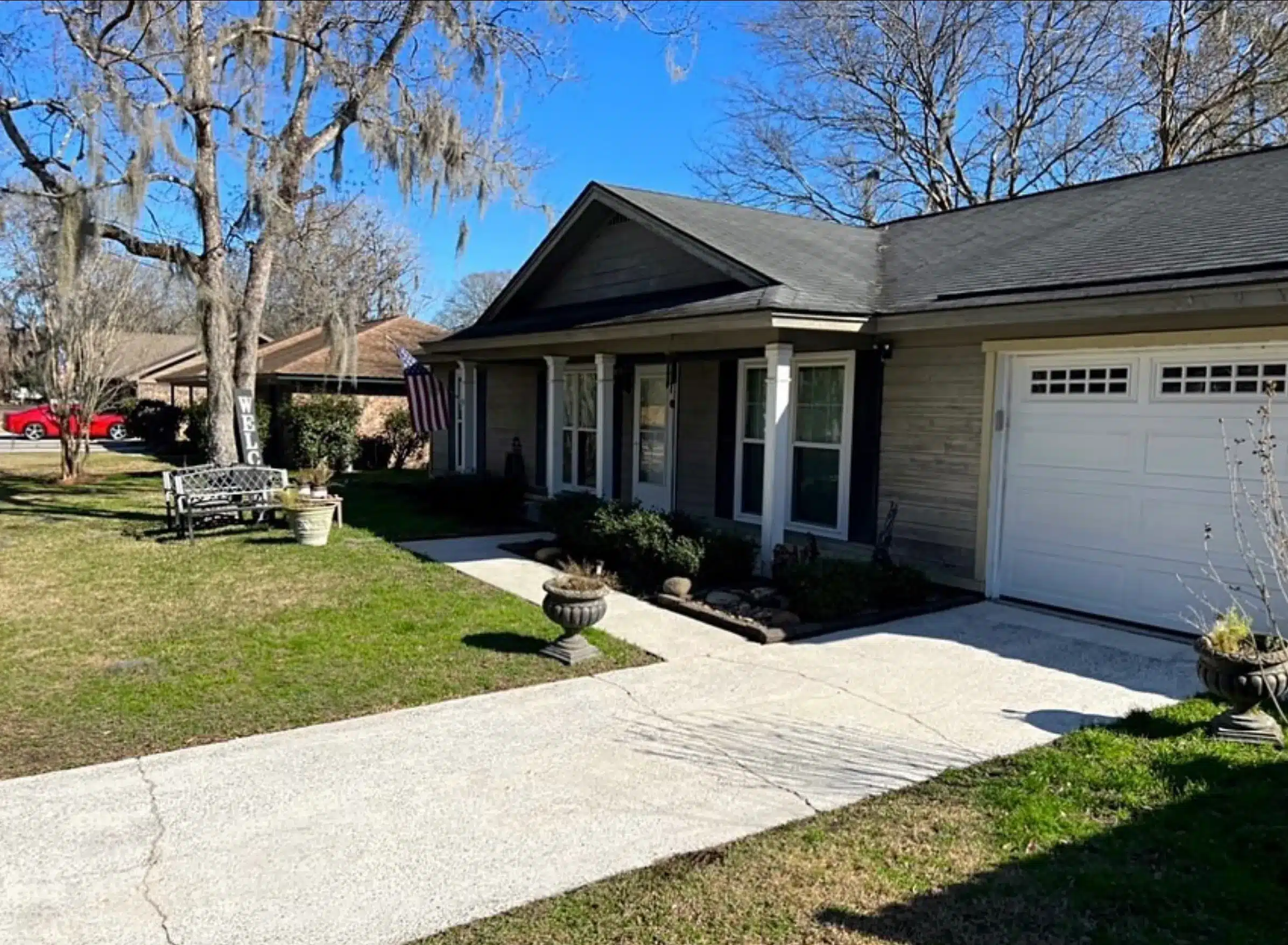
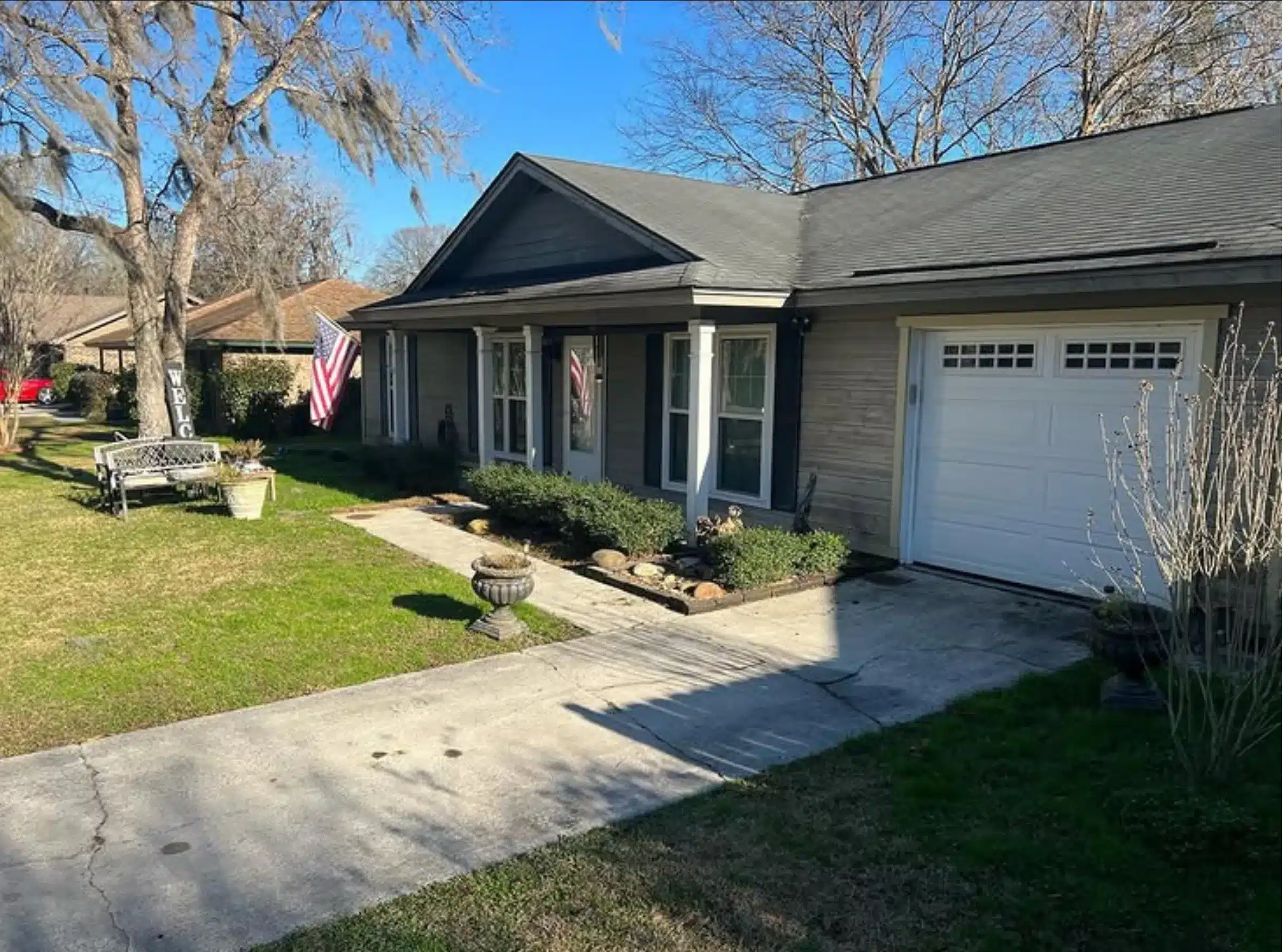
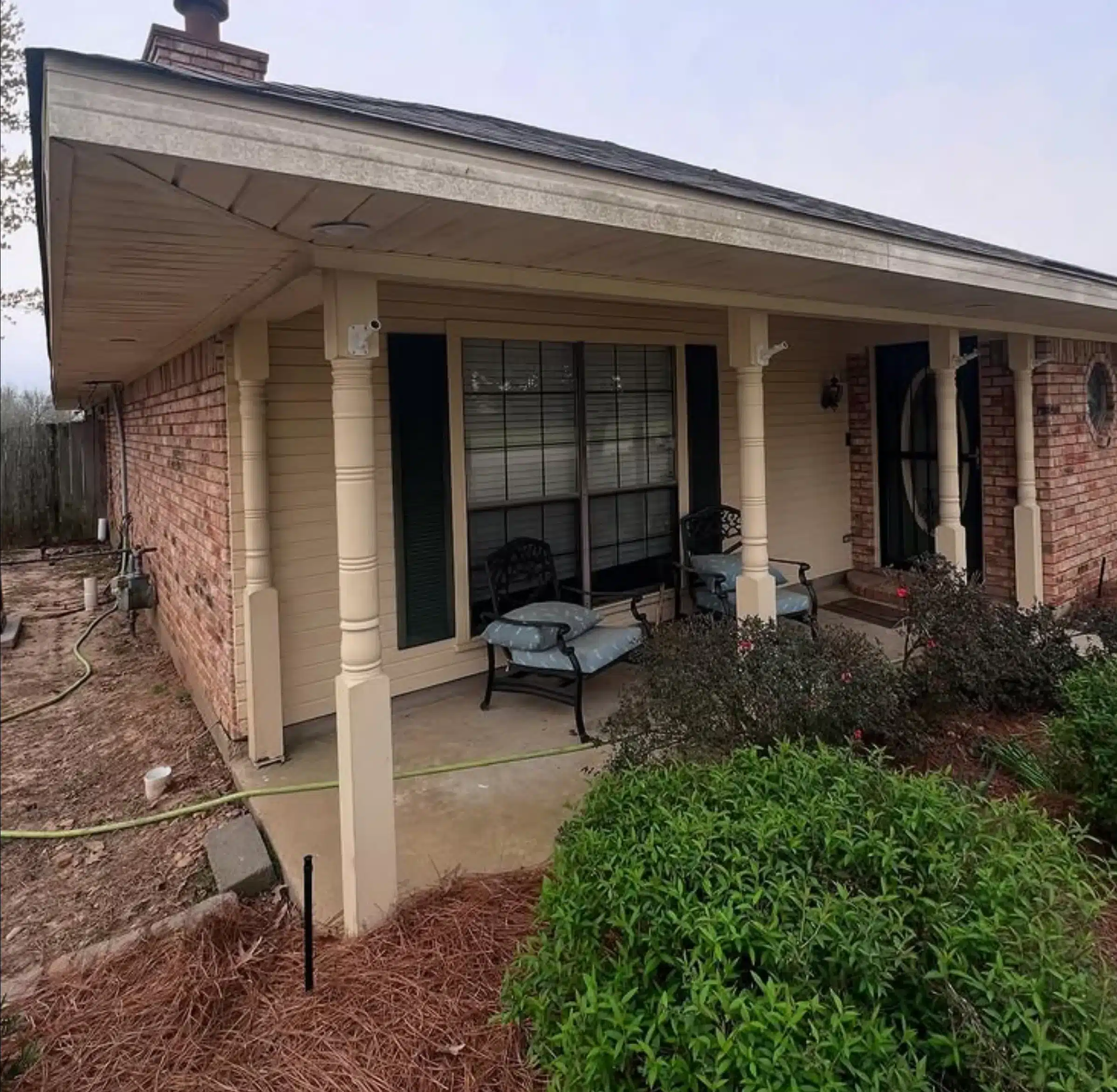
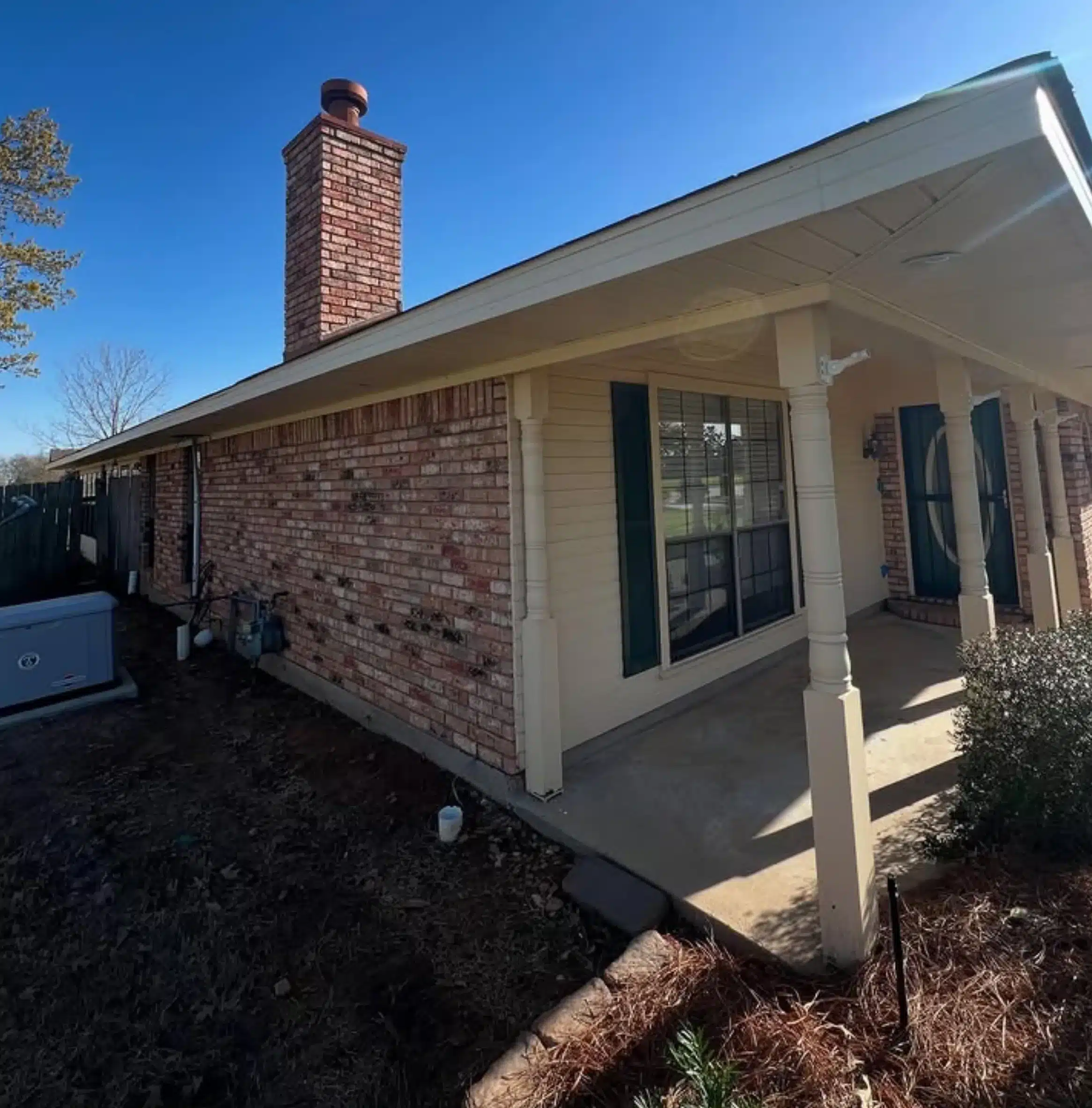
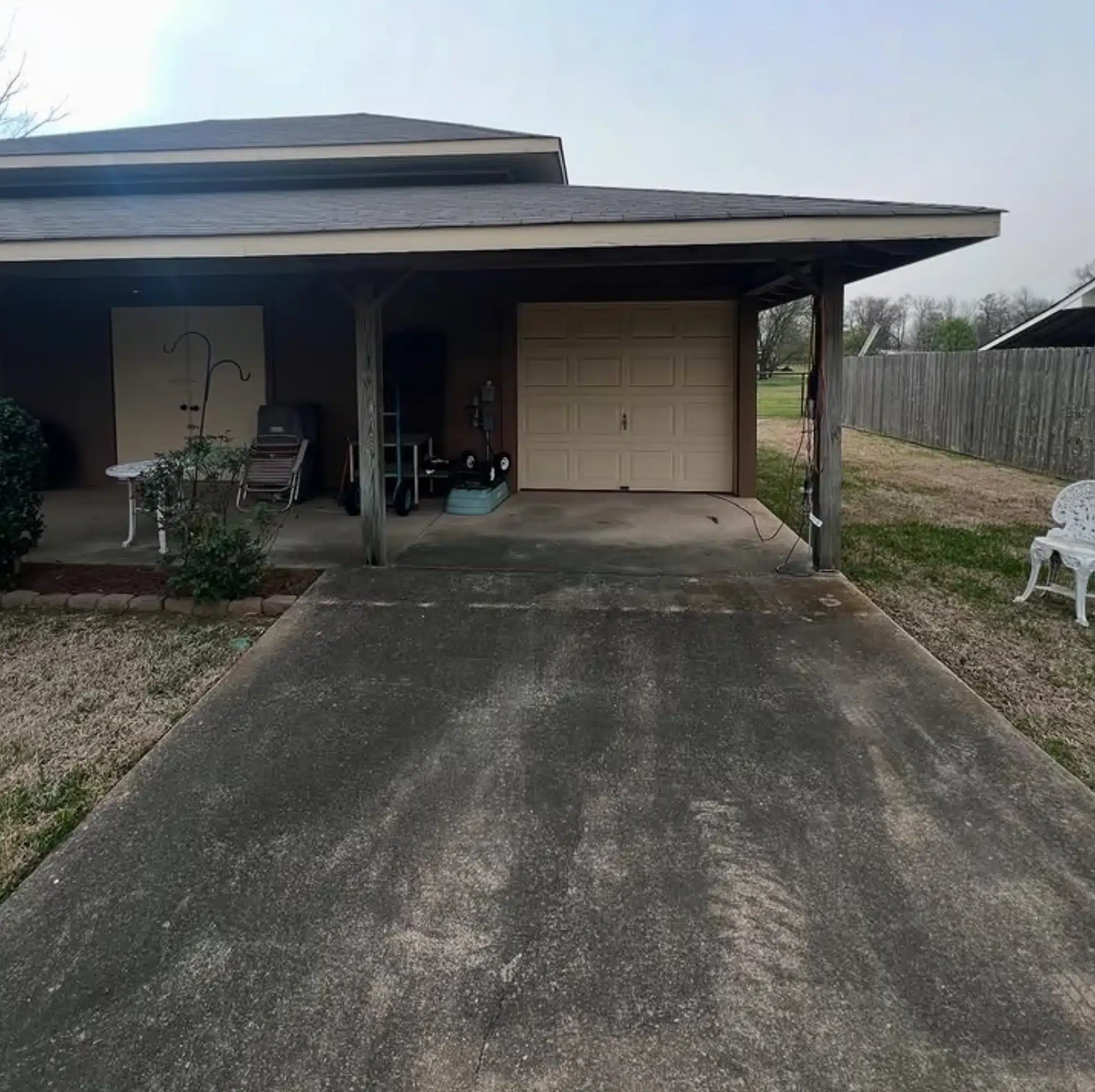
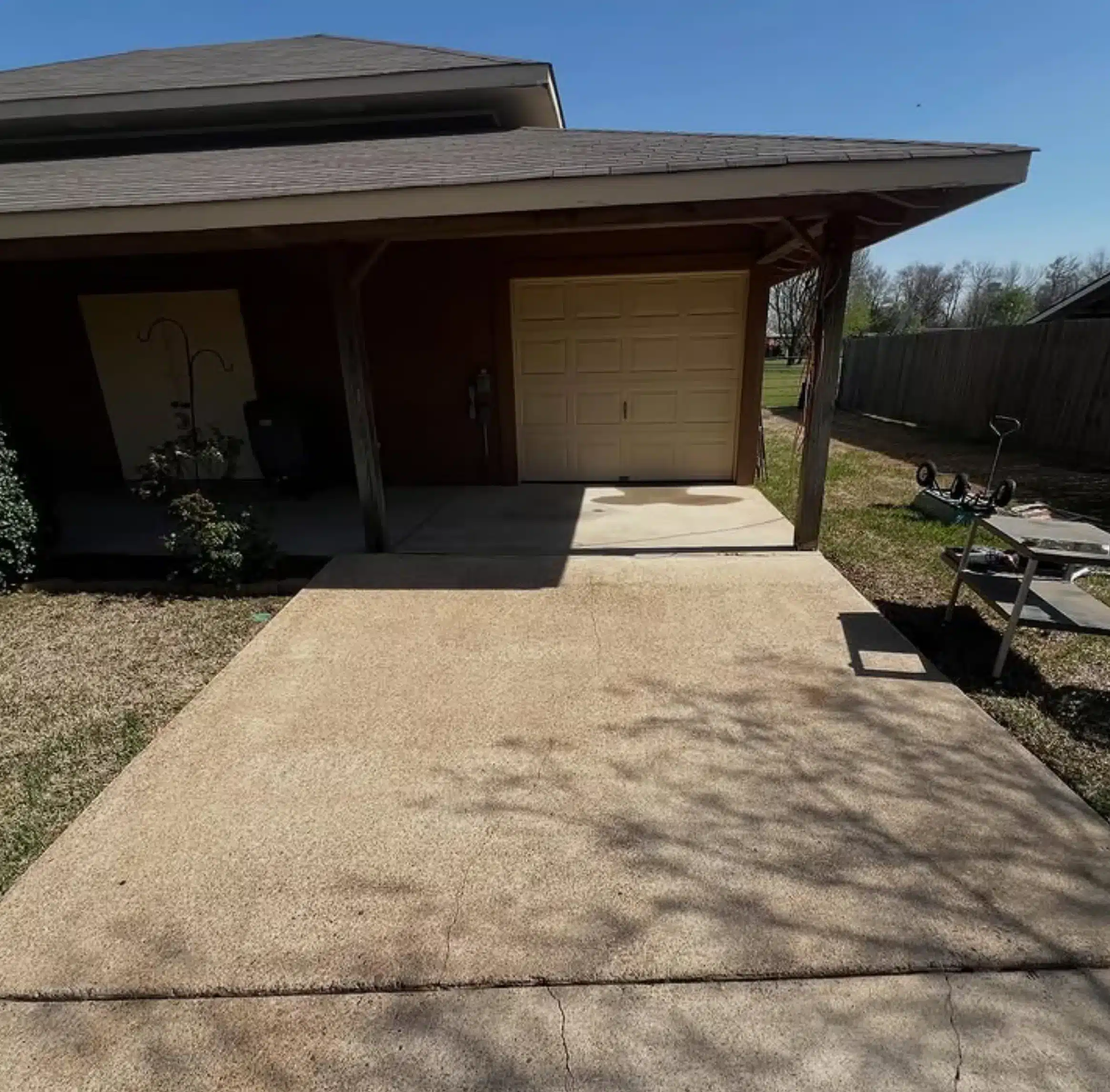
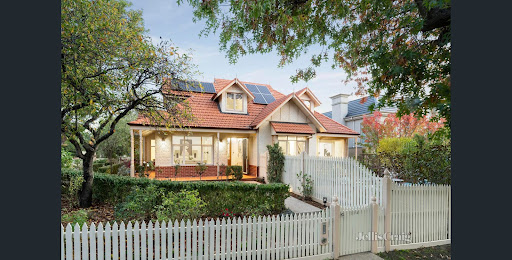
House washing removes dirt, mould, algae, cobwebs, bird droppings and environmental pollutants from exterior surfaces. At Window Cleaning Melbourne Crew, we assess the material, paint or coating condition, contamination and access before selecting soft washing, controlled pressure cleaning or manual cleaning.
Depending on the property and scope, we can wash external walls, eaves, fascia and verandah areas. Each surface is treated according to its condition, rather than applying the same pressure or cleaning treatment throughout the house.
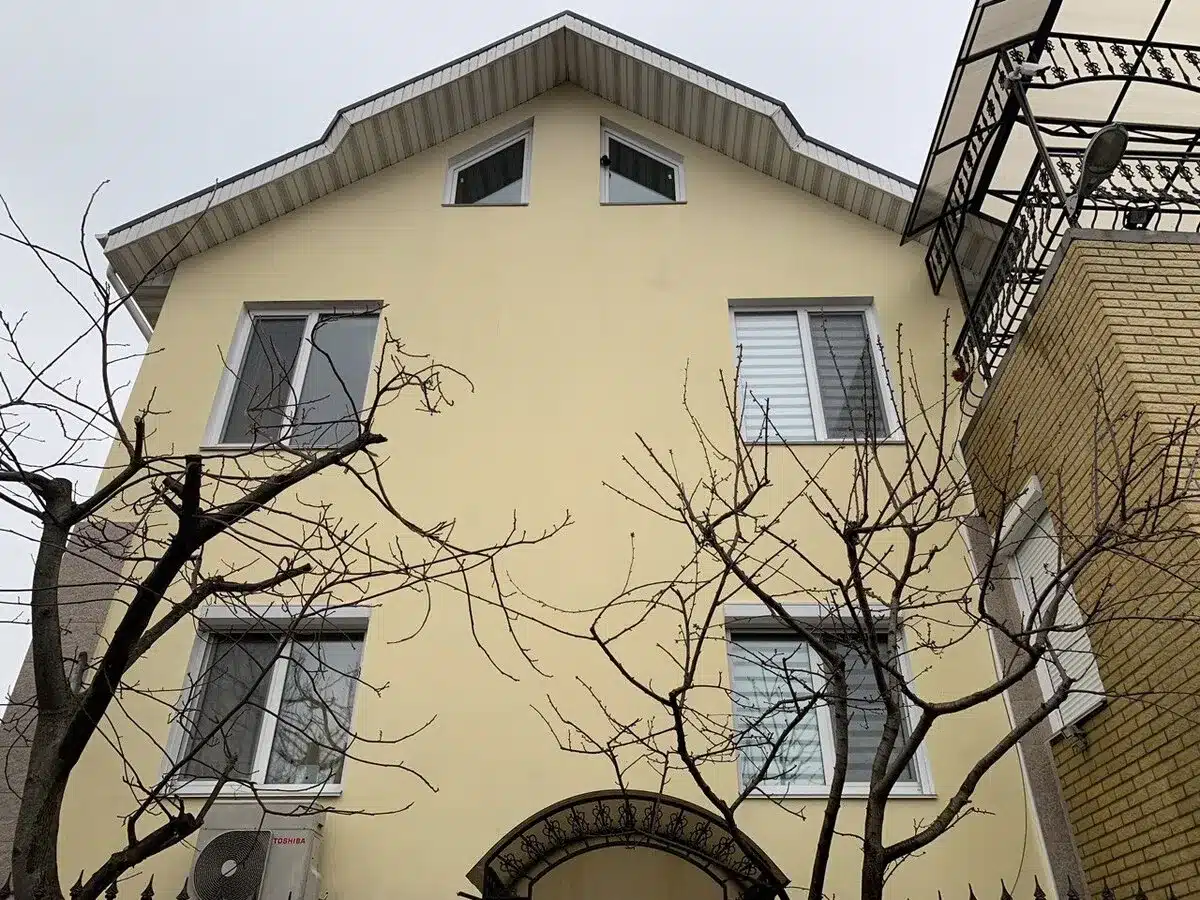
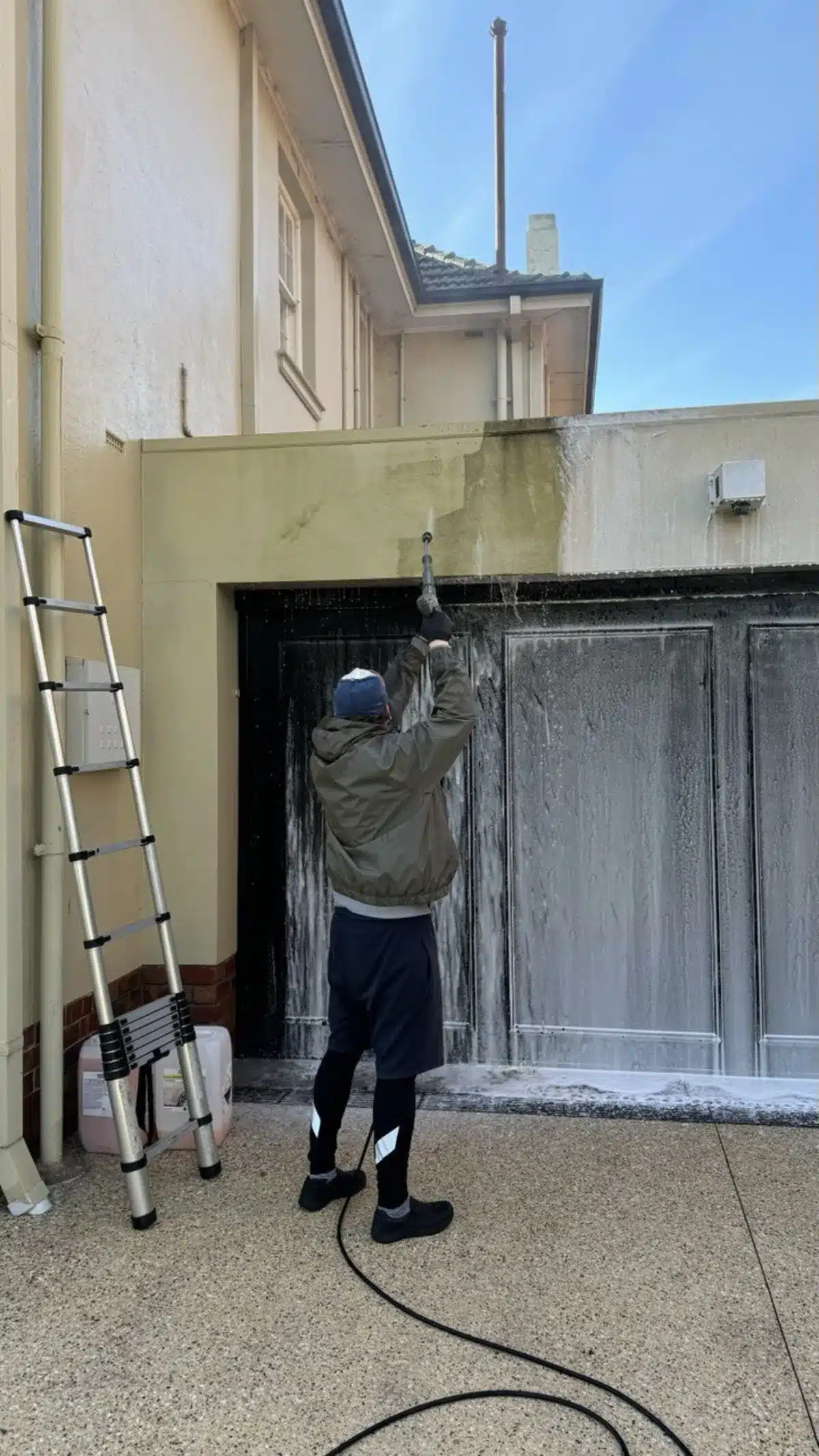
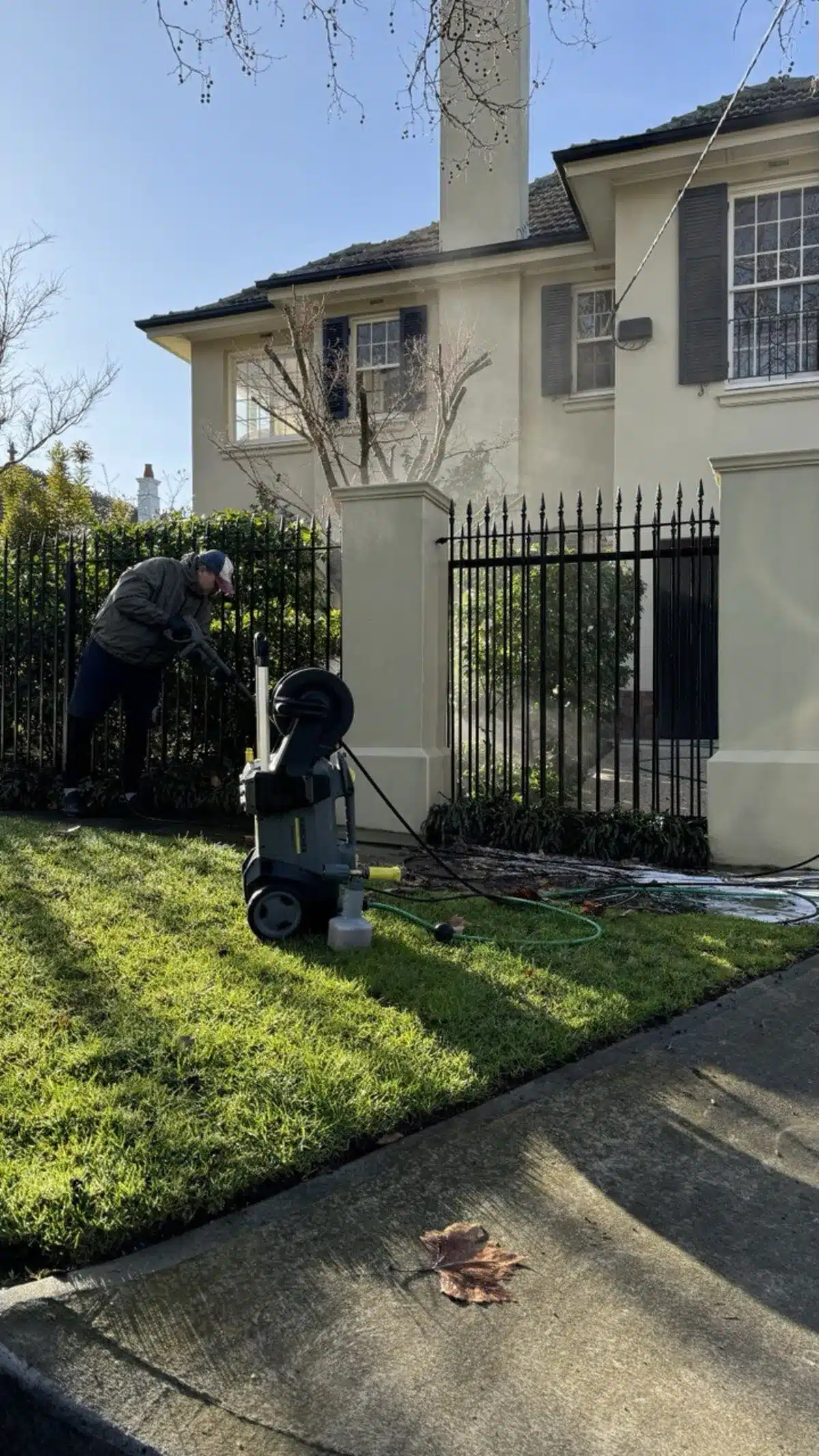
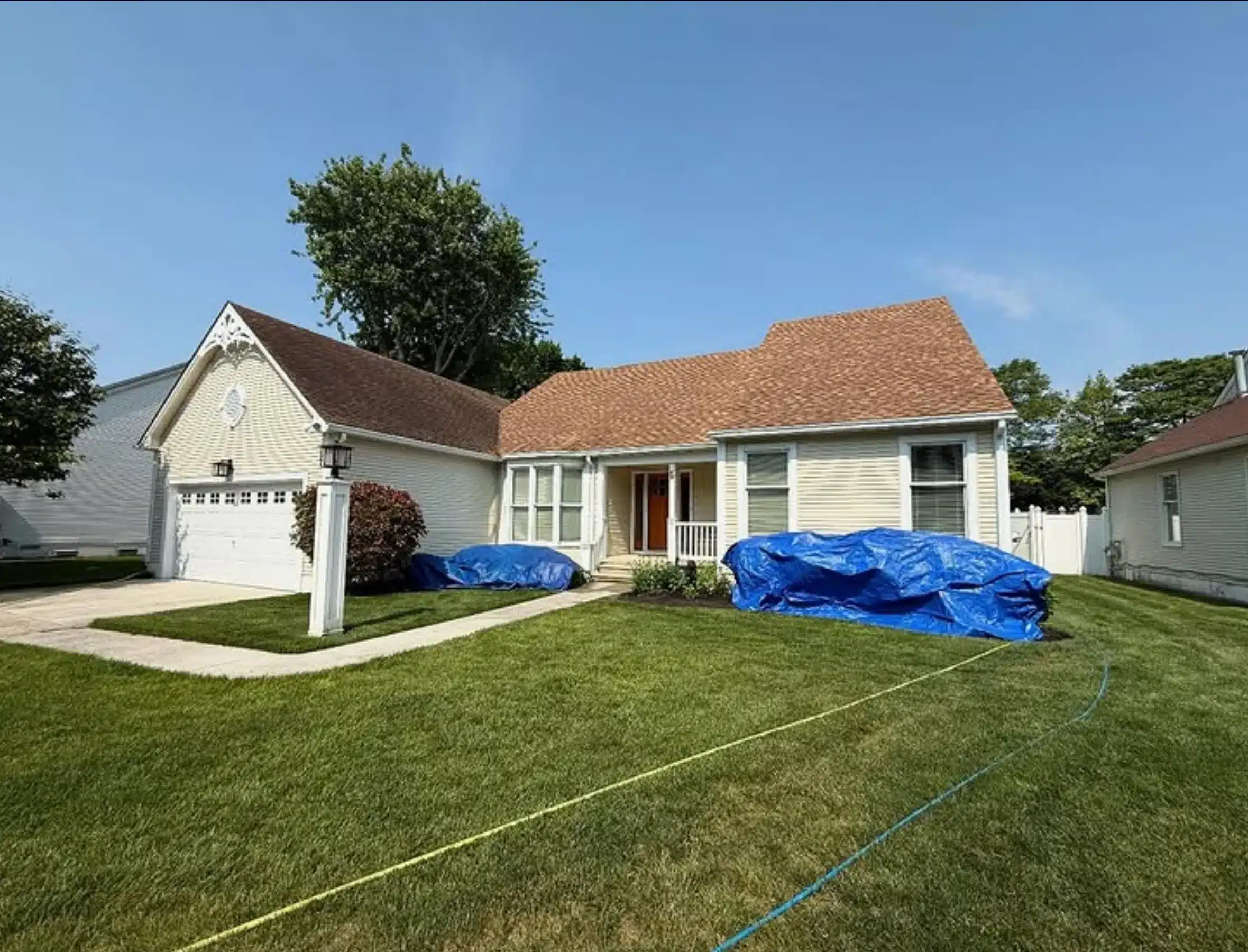
- Very nice and professional cleaning team. We order fully cleaning including gutter , townhouse exterior , all windows outside &inside.WaterCrew provides great service and affordable price .read moreread lessping lee10/11/2026Thankyou. Fantastic work, professional and very happy with how clean our windows and surrounds were.read moreread lessStephanie Johnston10/02/2026Excellent & professional in all ways.read moreread lessWendy Haines9/24/2026
- Eren did a sensational job & his communication was fantastic - would definitely use again & recommend 👍read moreread lessTony Murdoch8/26/2026Eren was professional, efficient and completed the roof cleaning to a very high standard. The service was prompt, the workmanship was excellent, and the overall result was fantastic. Highly recommend Eren for anyone looking for reliable and quality roof cleaning services.read moreread lessJanan8/24/2026Excellent. Efficient, thorough, and swift!read moreread lessLu Lu7/15/2026
- Very happy with the service. They were clean, professional and left everything tidyPlus the job was done beautifullyMany thanks!read moreread lessAdelle7/04/2026Highly recommend Eren and his WaterCrew. Have used for gutter cleaning and will in future use for terracotta roof tile cleaning & window cleaning. They do a very thorough and professional job at competitive rates. Also, they are polite, friendly and well spoken.read moreread less
 Alan Thomas6/30/2026Very professional job done in BrightonVery thorough and was on time !!!!read moreread lessRENATO CENEDESE6/12/2026


What We Remove
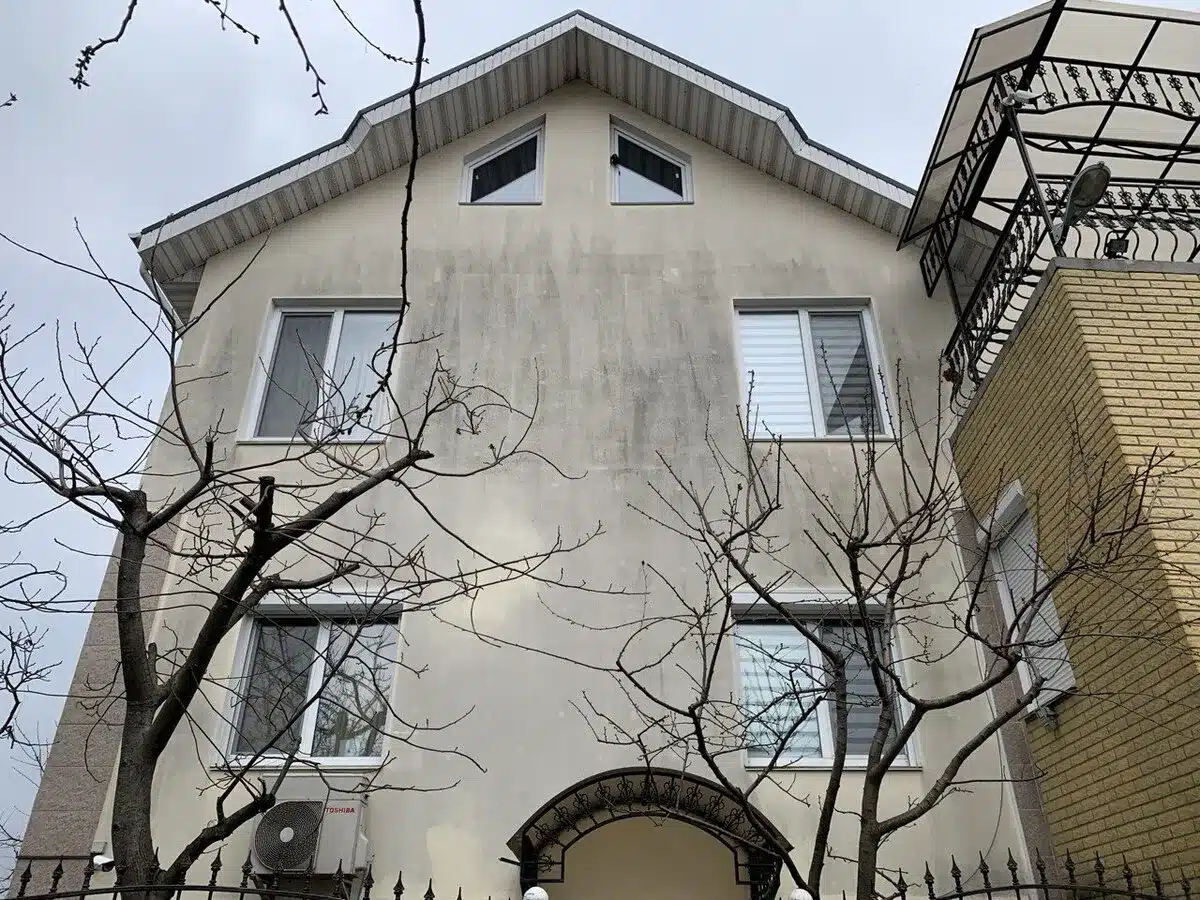
Dust, traffic film, pollen, organic growth, insect residue and rain-carried dirt gradually settle on exterior surfaces. Shaded or damp areas may require dirt and mould removal; eaves, fascia and corners commonly collect cobwebs.
Our external house cleaning services can remove or substantially reduce:
- Dirt, dust and atmospheric grime;
- Mould, algae and other organic growth;
- Cobwebs and insect residue;
- Bird droppings and organic debris;
- Loose surface deposits and some environmental staining.
Just as important is distinguishing removable contamination from deterioration. Faded paint, corrosion, damaged coatings, cracks, efflorescence and staining that have penetrated or chemically altered a surface may require a different response. Stronger cleaning can increase the risk of damage without improving the result.
When Exterior Maintenance Is Needed
Melbourne homes face different combinations of rain, wind, dust, shade, vegetation and airborne contamination. Even separate elevations of the same house can weather differently.
Rather than applying a universal cleaning schedule, we consider the material and its exposure. James Hardie recommends washing fibre-cement exterior surfaces every 6–12 months, depending on location and exposure. Dulux recommends washing Weathershield-coated surfaces annually in sheltered or inland locations and every six months in coastal or industrial environments.
Sheltered pre-painted coated-steel surfaces can require more attention than areas regularly washed by rain. Manufacturer maintenance guidance recommends washing naturally unwashed areas at least every six months, increasing to approximately every three months where salt spray, airborne dirt or industrial fallout is significant.
These are material-specific maintenance benchmarks rather than a timetable for every house.
Why Surface Assessment Matters
The main challenge is not generating enough pressure, but knowing what a surface can tolerate.
Excessive pressure can remove paint, mark vulnerable substrates or force water into gaps. Equipment suitable for sound masonry may therefore be inappropriate for painted timber, ageing coatings or vulnerable render requiring professional render cleaning.
Homes with mixed exterior finishes, deteriorating paint, restricted access, or upper-storey walls require particular care. In Victoria, fall risks above 2 metres are subject to specific fall-prevention requirements, while risks at lower heights must also be controlled.
Exterior Surfaces We Can Clean
We work with different exterior materials rather than treating the façade as a single, uniform surface.
| Exterior condition | Likely approach | Main consideration |
|---|---|---|
| Painted walls and weatherboards | Low-pressure washing | Paint type, condition and vulnerable joints |
| Render | Soft washing or another low-pressure approach | Texture, coating condition and staining |
| Brick and sound masonry | Controlled pressure cleaning where suitable | Mortar, coatings and surface condition |
| Timber cladding | Gentle washing or manual treatment | Finish, age and water absorption |
| Fibre cement | Low-pressure cleaning appropriate to the installed product and coating | Product age, coating condition and exposure |
| Pre-painted coated steel | Controlled low-pressure cleaning | Coating condition and suitable cleaner |
| Fragile or detailed areas | Hand cleaning where appropriate | Avoiding unnecessary mechanical force |
Material alone does not determine our method. Sound brickwork and deteriorated painted brick, for example, may require very different treatments.
Older fibre-cement materials call for additional caution. Where cladding may contain asbestos, we do not treat it as modern fibre cement. WorkSafe Victoria states that high-pressure water cleaning must not be used on asbestos-containing material.
Our Cleaning Process
Before cleaning, we assess the surfaces, coatings, existing deterioration, contamination, height, access, openings and potential water-entry points. Where compatibility is uncertain, a small test area can show how the surface or finish responds before broader cleaning begins.
Our process can involve:
- Assessing the walls and vulnerable areas;
- Selecting an appropriate cleaning method;
- Testing where the surface or coating requires additional assessment;
- Working carefully around sensitive surrounding areas;
- Applying suitable cleaning solutions where required;
- Working from higher areas down to control runoff and reduce streaking;
- Rinsing at suitable pressure and checking for remaining contamination and pre-existing defects.
Loose or flaking paint needs particular care because cleaning cannot restore failed adhesion.
Runoff is also considered when planning the job to ensure that cleaning agents and loosened contaminants do not enter stormwater drains as polluted wash water.
Choosing the Right Technique
Soft washing is our preferred approach for many exterior finishes. It combines low pressure with an appropriate cleaning treatment to loosen contamination before rinsing.
Sound, harder surfaces may suit controlled pressure cleaning where additional mechanical action is useful. Nozzle selection, working distance, pressure and substrate condition all influence the risk of damage. Delicate details may instead require manual cleaning.
That is why we do not apply a universal PSI figure to house washing. Painted weatherboards, render, brick, fibre cement, timber and coated steel have different tolerances, while surface condition can be just as important as the material itself.
Maintenance Frequency by Surface
There is no single cleaning timetable we recommend for every Melbourne house. Material, exposure and contamination provide better guidance.
For fibre cement, manufacturer guidance recommends washing every 6–12 months, depending on location and exposure. For some exterior paint systems, maintenance guidance recommends washing every 12 months in sheltered or inland environments and every six months in coastal or industrial environments.
Naturally, unwashed pre-painted coated-steel areas may need more frequent attention. Manufacturer maintenance guidance recommends washing at least every six months, moving towards approximately every three months where salt spray, airborne dirt or industrial fallout is significant.
Site conditions matter as well. Shaded walls, nearby vegetation and areas where organic growth returns quickly may need attention sooner. The maintenance requirements of the installed material or coating should take priority over a generic schedule.
What Cleaning Can and Cannot Fix
Our house washing service removes responsive surface contamination; it cannot reverse UV fading, repair cracked render, replace failed sealant, restore peeling paint or guarantee removal of permanent staining.
Mould and other organic growth can be removed or treated, but persistent moisture, shade, leaks or drainage problems may allow them to return. In those cases, washing addresses the contamination rather than its underlying source of moisture.
Satisfaction Guaranteed
Customer satisfaction is a priority for us, alongside matching the service to the property’s requirements.
Setting realistic expectations is part of that approach. If we identify coating failure, permanent staining or physical damage rather than removable contamination, we do not treat stronger cleaning as an automatic solution.
What Backs Up the Work We Do
Our approach is surface-specific rather than based on one fixed cleaning method. Depending on the material, exterior paint type and condition, surface age, and contamination, we can select from soft washing, pressure cleaning, and hand cleaning.
That distinction matters when a single home incorporates several building surfaces that require different treatments. We choose the technique based on what we are cleaning, rather than treating high water pressure as the default solution.
Get a Quote
A useful house-washing quote depends on more than just floor area. We consider the property’s size and number of levels, exterior materials, contamination, access and surface condition when assessing the work required.
Contact Window Cleaning Melbourne Crew with details of your property and the areas you want cleaned. Identifying surfaces and problem areas beforehand helps us recommend an appropriate cleaning approach and clearly define the scope.

Your satisfaction is our top priority. We tailor our services to meet your specific needs

We are committed to environmental responsibility. Our cleaning products are eco-friendly.

Pricing
We offer competitive pricing without compromising on the quality of our services.

Expertise
As a locally owned and operated company, we understand the unique needs of our community.
FAQ
Is soft washing better than pressure washing for a house?
Soft washing generally suits surfaces requiring gentler treatment, while controlled pressure cleaning can suit harder, sound surfaces. We choose based on the substrate, coating and contamination rather than treating either method as universally better.
Can house washing damage exterior paint?
Yes. Inappropriate pressure or cleaning solutions can damage vulnerable paint. We take particular care with loose, chalking, deteriorated, or poorly adhered coatings because washing cannot correct existing coating failures.
Will house washing remove mould permanently?
No. We can remove or treat surface mould and organic growth, but persistent moisture, shade, leaks or drainage problems can allow them to return.
Do I need to prepare anything before house washing?
We ask customers to provide access to water, secure pets, move delicate outdoor items, and keep exterior access clear so our team can complete the work safely.
What affects the cost of house washing?
We consider property size, exterior materials, contamination, height and access. Fragile finishes and areas that require different cleaning methods can also affect the scope.
SEO Title: House Washing Melbourne
Meta Description: Professional house washing Melbourne for exterior walls, render, brick and weatherboards using soft washing and controlled pressure cleaning.