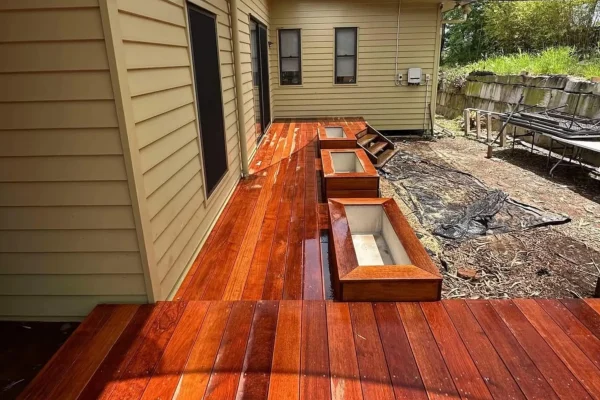
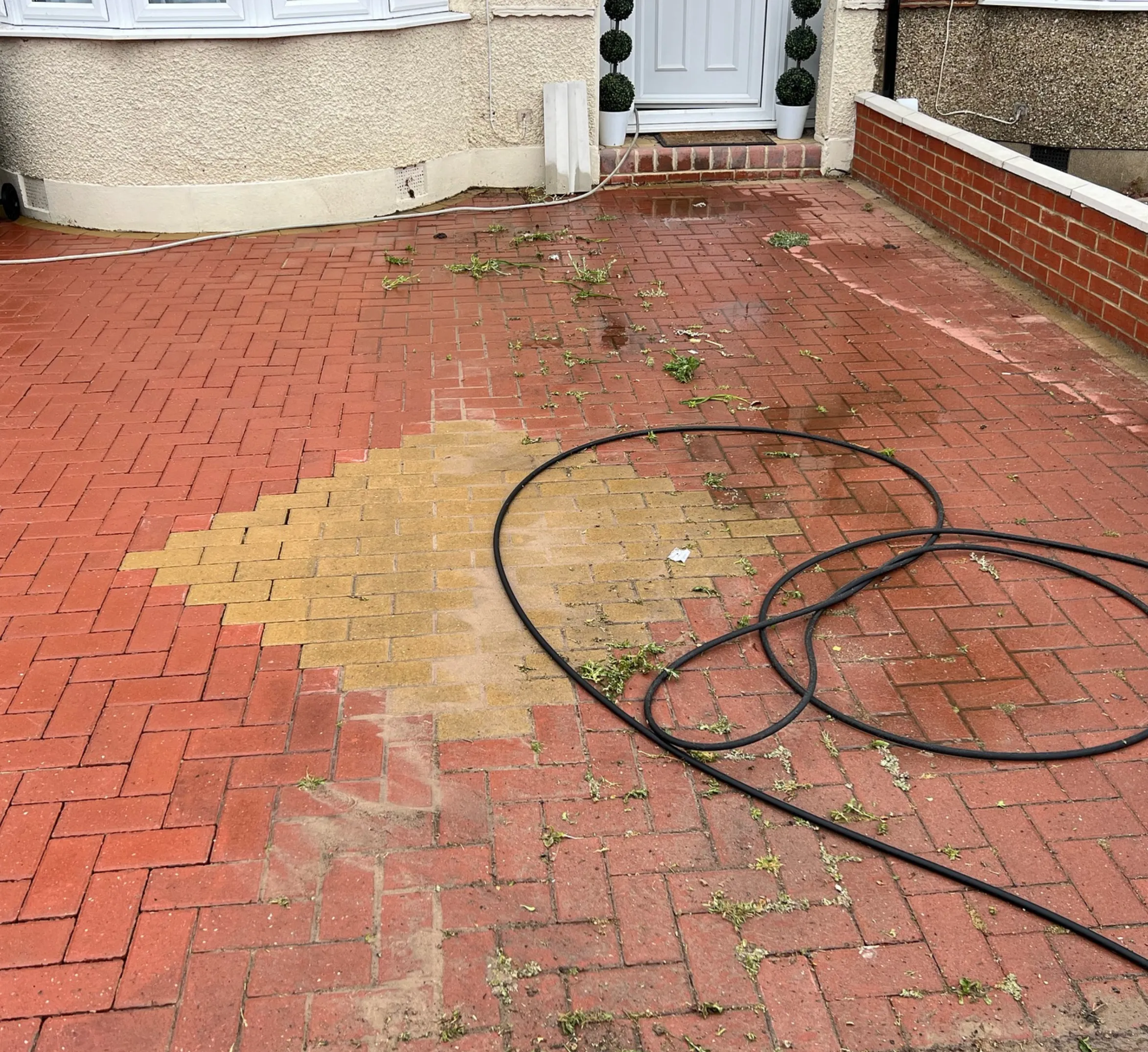
Patio cleaning removes dirt, grime, organic growth, food and drink residue, leaf staining, pollution residues, weather-related marks and other contamination from suitable outdoor surfaces around Melbourne homes and commercial properties. At Window Cleaning Melbourne Crew, we assess the patio material, condition, joints, existing sealer, staining, drainage and surrounding outdoor space before choosing between controlled pressure cleaning, soft washing or targeted treatment.
Concrete, brick, tiles, paving and natural stone respond differently to water pressure and cleaning products. The aim is to remove contamination without unnecessarily affecting the surface, joints or existing finish.


- Very nice and professional cleaning team. We order fully cleaning including gutter , townhouse exterior , all windows outside &inside.WaterCrew provides great service and affordable price .read moreread lessping lee10/11/2026Thankyou. Fantastic work, professional and very happy with how clean our windows and surrounds were.read moreread lessStephanie Johnston10/02/2026Excellent & professional in all ways.read moreread lessWendy Haines9/24/2026
- Eren did a sensational job & his communication was fantastic - would definitely use again & recommend 👍read moreread lessTony Murdoch8/26/2026Eren was professional, efficient and completed the roof cleaning to a very high standard. The service was prompt, the workmanship was excellent, and the overall result was fantastic. Highly recommend Eren for anyone looking for reliable and quality roof cleaning services.read moreread lessJanan8/24/2026Excellent. Efficient, thorough, and swift!read moreread lessLu Lu7/15/2026
- Very happy with the service. They were clean, professional and left everything tidyPlus the job was done beautifullyMany thanks!read moreread lessAdelle7/04/2026Highly recommend Eren and his WaterCrew. Have used for gutter cleaning and will in future use for terracotta roof tile cleaning & window cleaning. They do a very thorough and professional job at competitive rates. Also, they are polite, friendly and well spoken.read moreread less
 Alan Thomas6/30/2026Very professional job done in BrightonVery thorough and was on time !!!!read moreread lessRENATO CENEDESE6/12/2026


What Builds Up on Outdoor Patios
Patios collect contamination from multiple sources simultaneously. Wind carries dust, soil, and pollution residues; nearby trees contribute leaves, pollen, and tannins; shaded or damp areas can support algae, moss, mould, mildew, and other biological growth. Entertaining areas may also develop BBQ grease, food spills and drink stains.
Contamination type matters. A green organic film calls for a different approach from oil, rust, efflorescence or a mark that has penetrated a porous surface.
Why Patio Surfaces Need Different Care
More pressure does not automatically mean better cleaning. A sound concrete slab may tolerate mechanical cleaning that could damage weathered brick, disturb paving joints, affect grout or compromise a coating.
Porosity also influences the result. Concrete, clay, and some natural stones can absorb contaminants below the surface, whereas sealed materials may retain contamination primarily on the surface. We assess both the stain and the substrate before cleaning.
Suitable Surface Types
We adapt the cleaning approach to the patio material, surface condition, joints, existing coatings and type of contamination.
Concrete
Concrete can collect ground-in dirt, organic growth, grease and leaf staining. Its condition, finish, and any existing coating determine how aggressively it can be cleaned. Exposed aggregate needs particular care: Australian manufacturer guidance warns against high-pressure washing that can damage the surface.
Pavers
Paving cleaning must account for joints, bedding materials and different surface textures, including both the paver surface and the material between units.
Brick
Brick varies in hardness, porosity and age. Weathered units and mortar joints need particular care because excessive mechanical force can affect the surface or joint material.
Natural Stone
Natural stone requires a surface-specific assessment because porosity, mineral composition, existing sealers, and sensitivity to cleaners vary considerably. We do not apply a universal pressure or chemical dwell time across all stone patios.
Outdoor Tiles
Tiled patios require attention to the tile surface, grout and existing sealant. Cracked grout, loose tiles or deteriorated sealing are defects rather than contamination and should be identified before cleaning begins.
Sealed and Coated Surfaces
We consider the condition and compatibility of an existing sealer or coating before cleaning. Peeling, whitening, wear or previous coating failure cannot be corrected simply by applying more pressure.
Choosing the Right Treatment
We choose between controlled pressure cleaning, soft washing, and targeted treatments depending on the surface and the contamination being removed.
Controlled Pressure
Pressure cleaning suits compatible, sound hard surfaces where mechanical action can lift embedded grime and surface build-up. Pressure-washing methods need to be adapted to the material; pressure, nozzle choice and working distance should not be treated as fixed settings.
Maximum pressure is not a useful universal specification for patio cleaning. The appropriate method depends on the substrate, joint condition, coating, contamination and existing deterioration.
Soft Washing and Targeted Treatment
Lower-pressure methods can be more appropriate where biological growth needs treatment but the underlying material, coating or joints call for less mechanical force. Any cleaning solution must also be compatible with the surface rather than chosen simply because it is marketed as a general patio cleaner.
Stain and Organic Growth Treatment
Oil, BBQ grease, leaf tannins, rust, efflorescence, algae, moss, mould and mildew are different problems. Targeted treatment addresses the contaminant rather than relying on additional pressure.
How We Assess the Surface
Our initial assessment considers the patio’s material, age and condition, along with stain type, porosity, joints, previous sealing, drainage and nearby exterior surfaces.
Drainage is part of the decision. We consider where loosened contamination, rinse water and cleaning residue can travel rather than simply directing everything towards the nearest edge or building.
| Patio condition | Cleaning consideration |
|---|---|
| Sound concrete with general grime | Controlled pressure may be suitable |
| Algae, mould or other organic growth | Treatment may be needed before or with rinsing |
| Jointed paving | Pressure must account for joint material |
| Tiled surface | Tile, grout and sealant need assessment |
| Natural stone | Stone and chemical compatibility matter |
| Sealed or coated surface | Existing finish should be checked first |
| Oil, rust or tannin staining | Targeted treatment may be more appropriate than additional pressure |
Superior Equipment
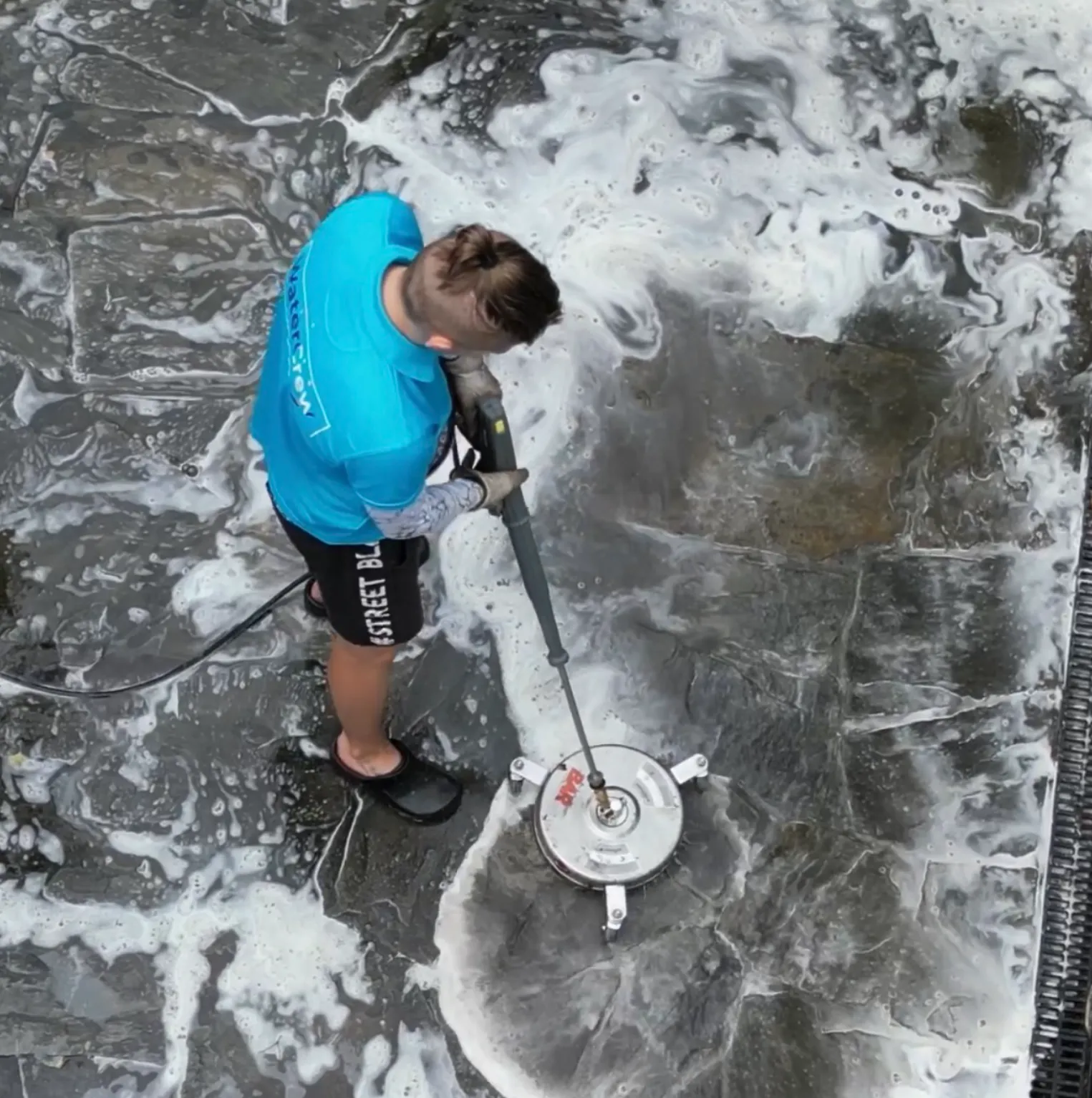
Professional patio cleaning depends less on maximum machine output than on how the equipment is controlled for the surface. Appropriate pressure-cleaning equipment, application methods, and tools allow the cleaning force and treatment to be adjusted for different materials and problem areas.
What to Expect on the Day
We begin by identifying the surface and contamination, then check for obvious damage, joint condition, coatings, drainage and access. Garden furniture, plant pots, BBQs and movable garden ornaments may need to be cleared where required.
Loose debris comes off first. Depending on the material and level of contamination, the patio may be pre-rinsed, treated with a compatible cleaner, or mechanically agitated before controlled pressure cleaning. Edges, joints, walls, doors and garden beds require more controlled work than an open, uniform section of patio.
A final rinse removes loosened contamination and cleaning residue. At this stage, remaining marks are easier to distinguish from permanent staining, coating deterioration or substrate damage.
Common Patio Stains and Problem Areas
Shaded sections can stay damp longer, encouraging algae, mould, mildew and other biological growth. Fallen leaves may create tannin marks, while BBQ areas are more susceptible to grease. Open patios can also accumulate pollution residues and weather-related marks.
White deposits may be efflorescence rather than ordinary dirt. Because moisture movement can cause it to recur, repeated aggressive cleaning does not necessarily solve the underlying problem.
Realistic Results and Limitations
Patio cleaning can remove substantial contamination and improve compatible outdoor surfaces, but it cannot reverse every visible defect.
Deep oil penetration, permanent discolouration, etching, worn coatings, exposed aggregate damage, cracked paving, deteriorated mortar, damaged grout and loose tiles may remain visible. A mark that remains after cleaning does not necessarily mean stronger pressure is required.
When Maintenance Is Worth Considering
There is no single defensible cleaning interval for every patio. Shading, tree cover, moisture retention, foot traffic, BBQ use, drainage, surface porosity and whether the patio is sealed all influence how quickly contamination returns.
Victoria’s permanent water-saving rules add an important distinction. Drinking water generally must not be used for routine cleaning of hard surfaces such as concrete, tiles and paved areas. Where surface staining has developed, the relevant exemption permits cleaning once a season. This is a water-use rule, not a recommendation that every patio should be professionally cleaned every season.
Melbourne Conditions That Affect Patios
Melbourne patios can experience wet periods, summer heat, leaf fall and prolonged shade depending on their position and landscaping. Areas beneath trees, beside garden beds or with poor drainage may accumulate contamination faster than open, well-drained outdoor spaces.
Victoria’s permanent water-saving rules also regulate equipment where drinking water is used for permitted hard-surface cleaning. A high-pressure water cleaning device must deliver 9 litres per minute or less. The rules apply to reticulated drinking water rather than rainwater, greywater, bore water or recycled water.
Keeping Your Patio Cleaner Between Services
Remove leaves, soil and other loose debris rather than allowing damp organic material to sit on the surface. Clean spills promptly where practical, particularly in entertaining areas, and keep an eye on places where water repeatedly pools.
DIY advice involving white vinegar or acetic acid should not be treated as universally suitable. Natural stone, grout, coatings and other materials can be sensitive to acidic cleaners.
Where cleaning forms part of preparation for resealing, cleanliness is only one requirement. The substrate must also meet the selected coating manufacturer’s moisture and weather requirements. As one Australian manufacturer’s example, a concrete and paving coating specifies application at 10–35°C, no more than 85% relative humidity, and no rain expected for 24 hours. These are product-specific conditions, not universal patio-sealing rules.
What Backs Up Our Work
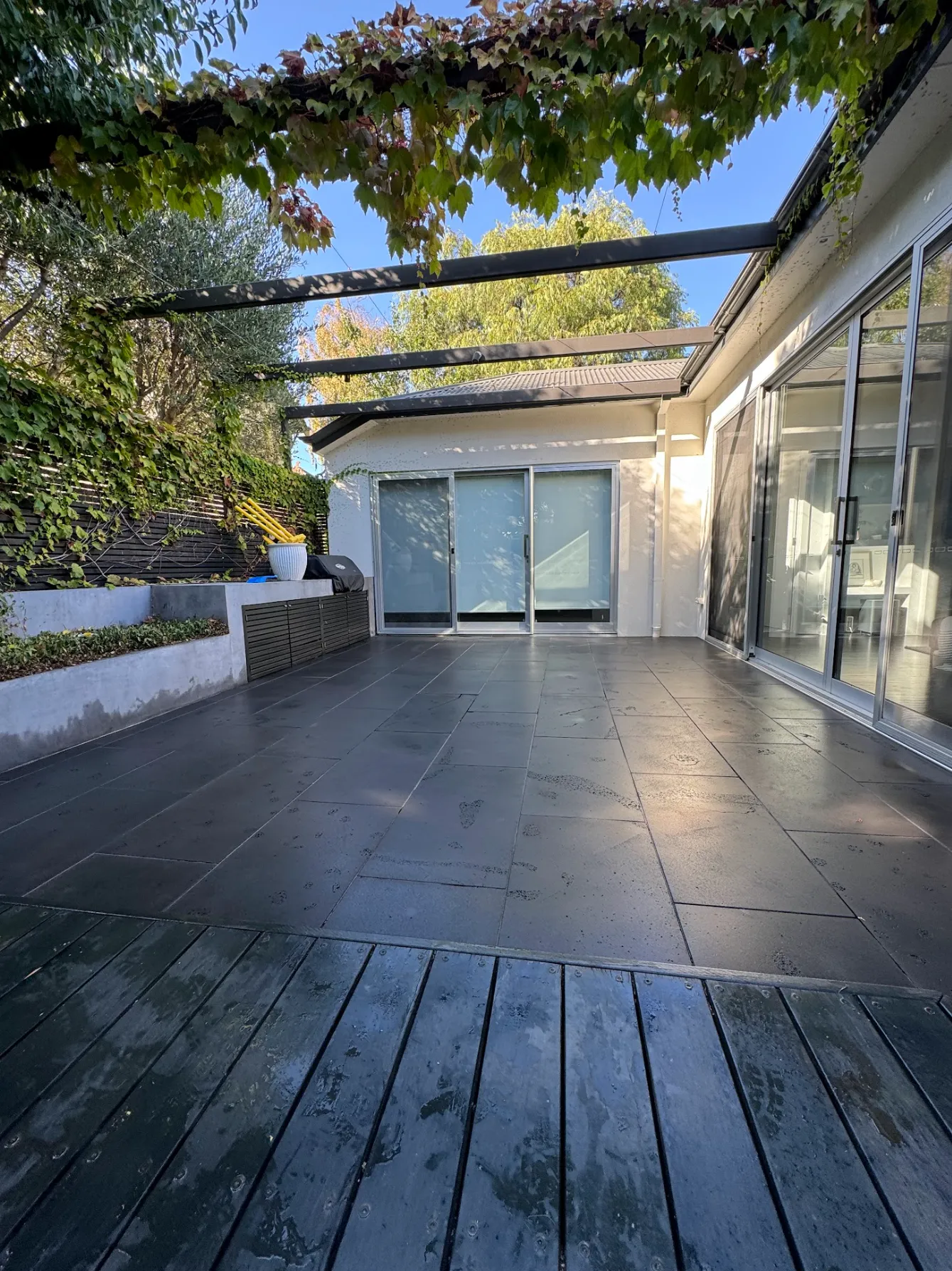
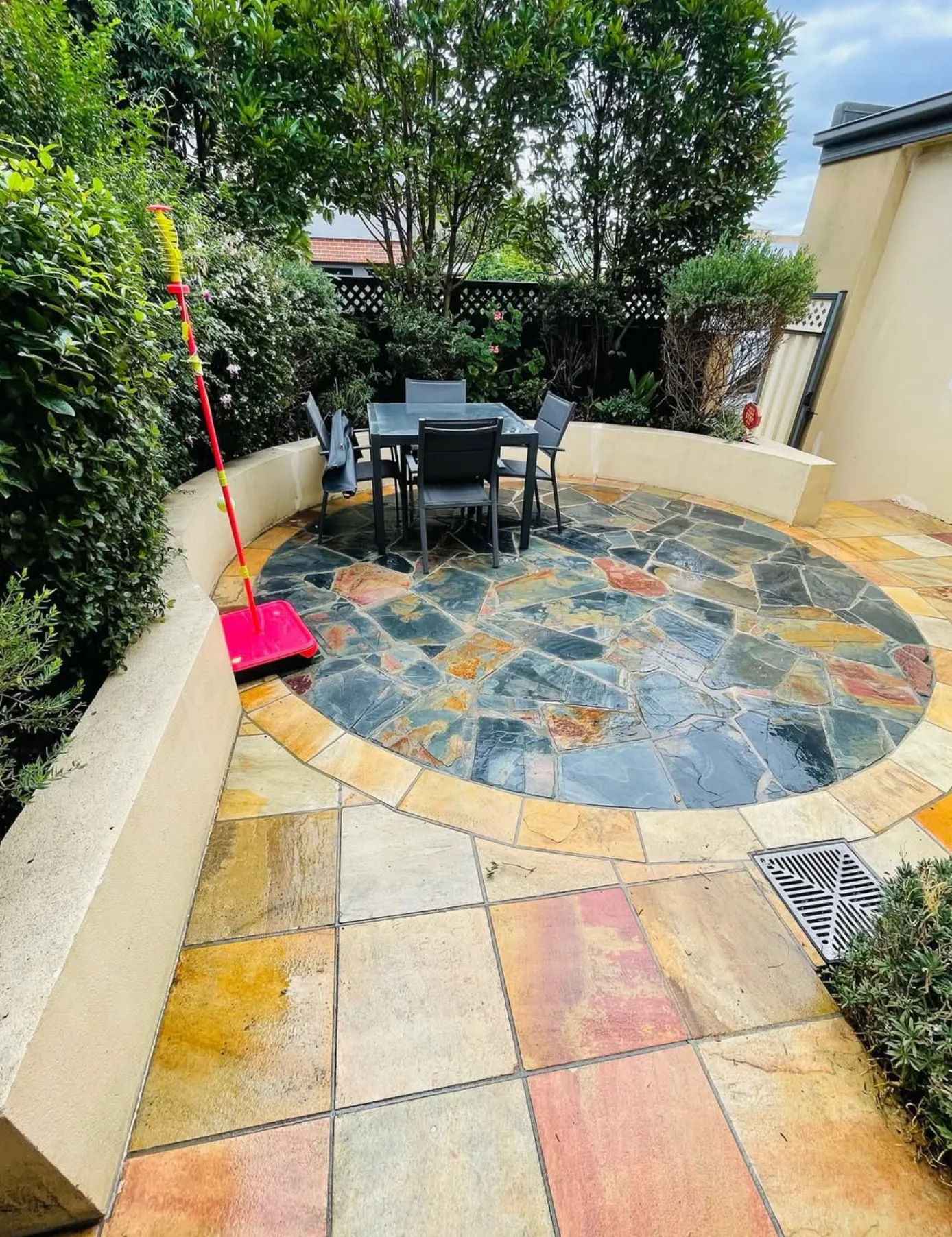
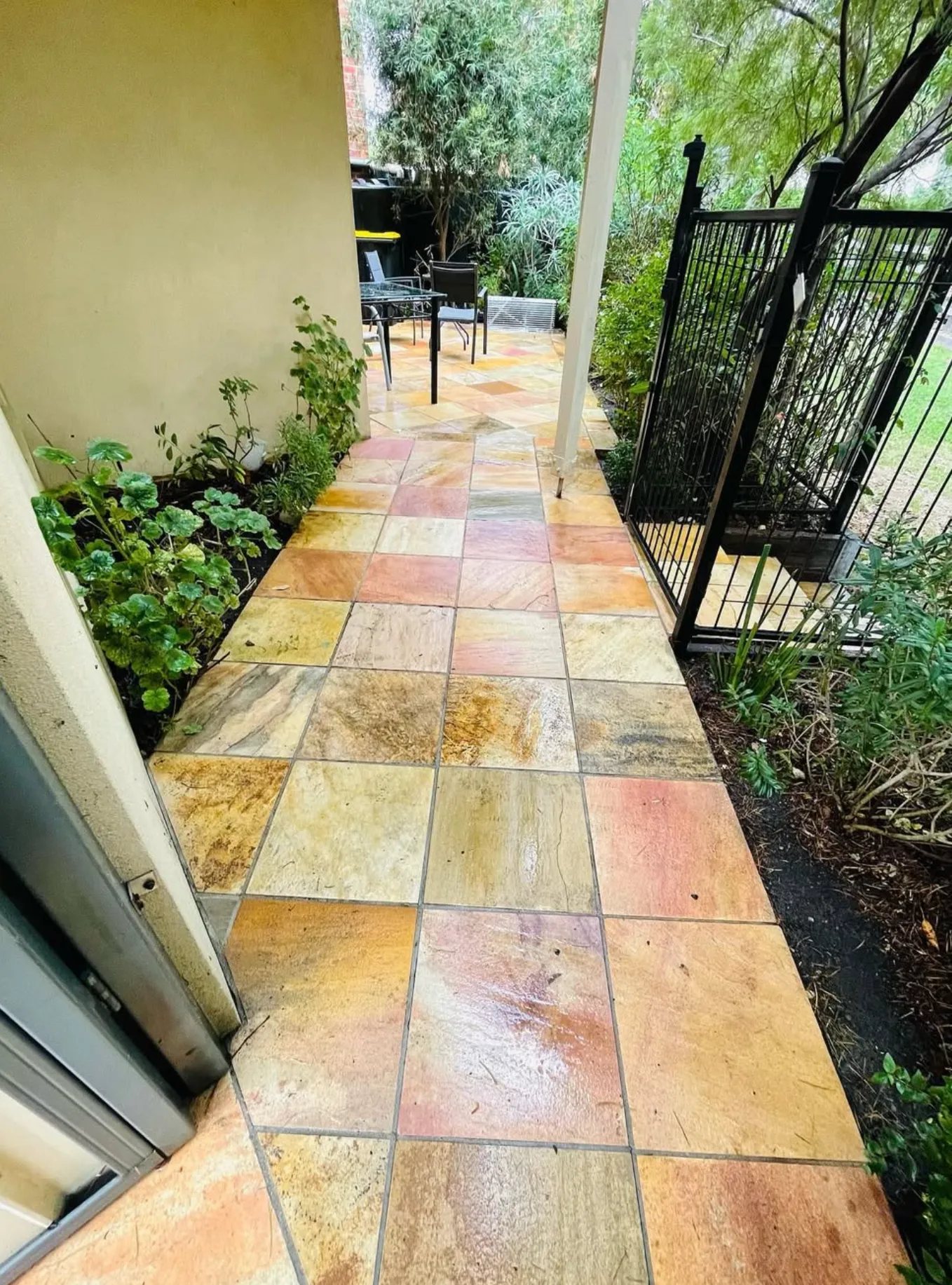
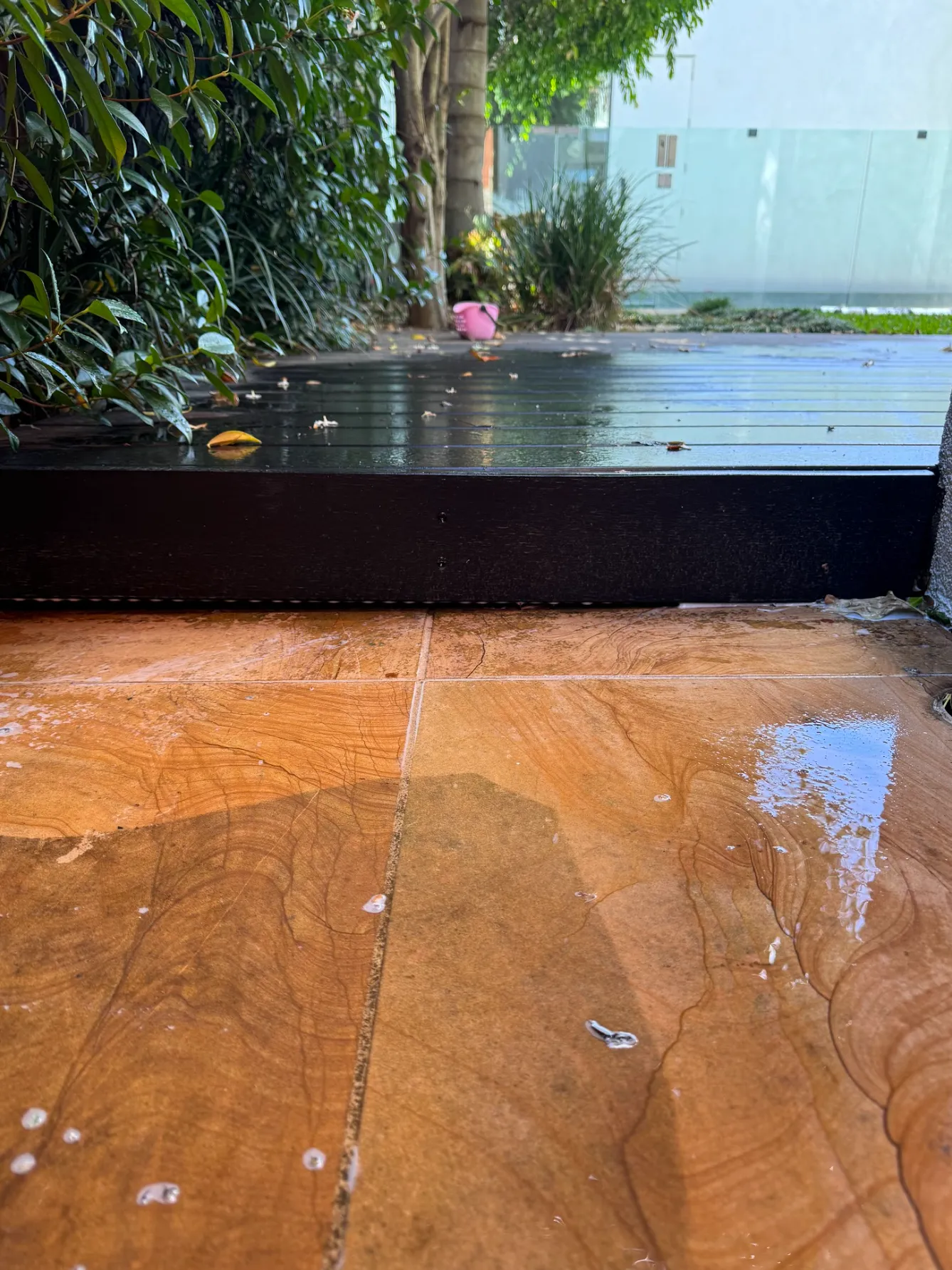
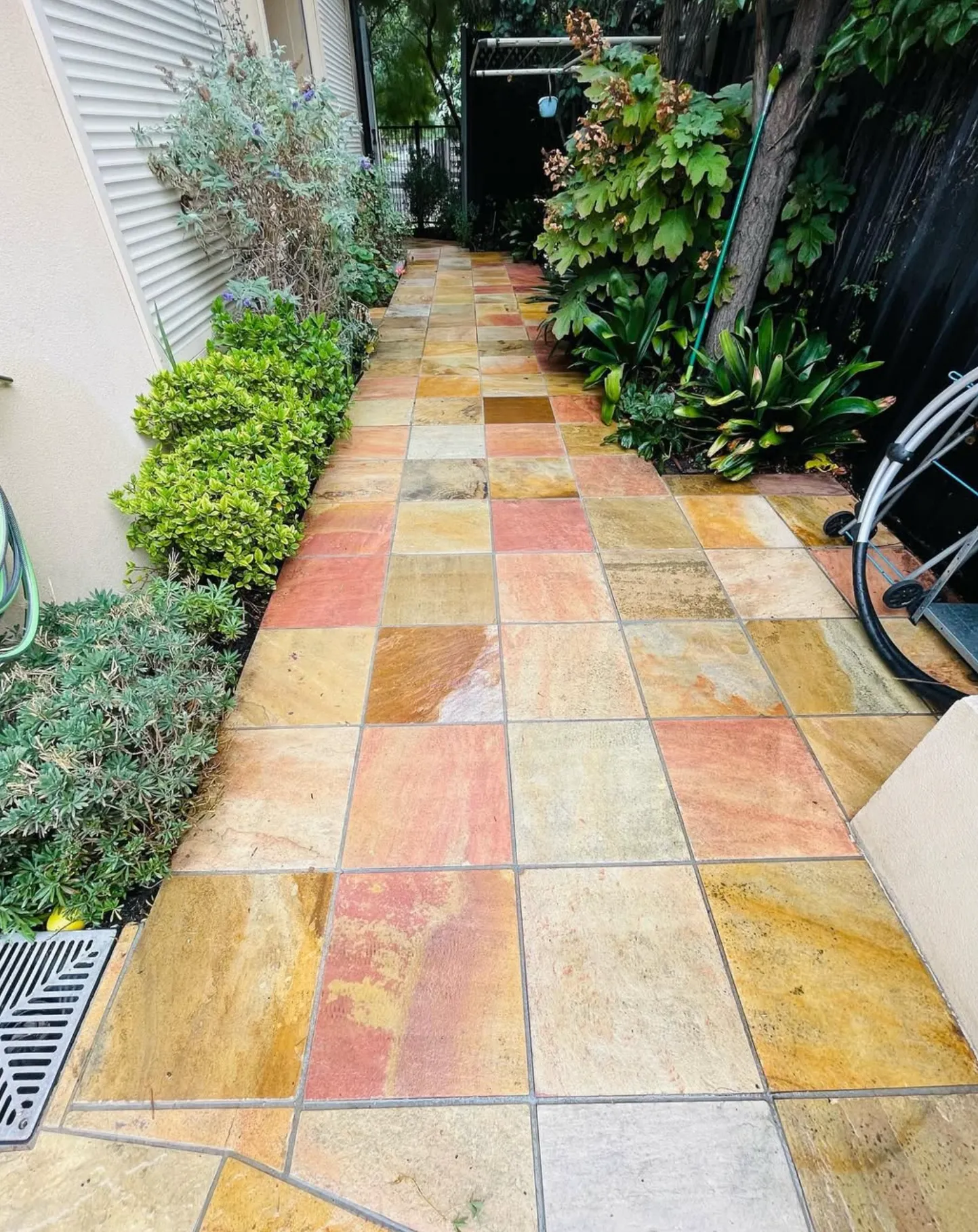
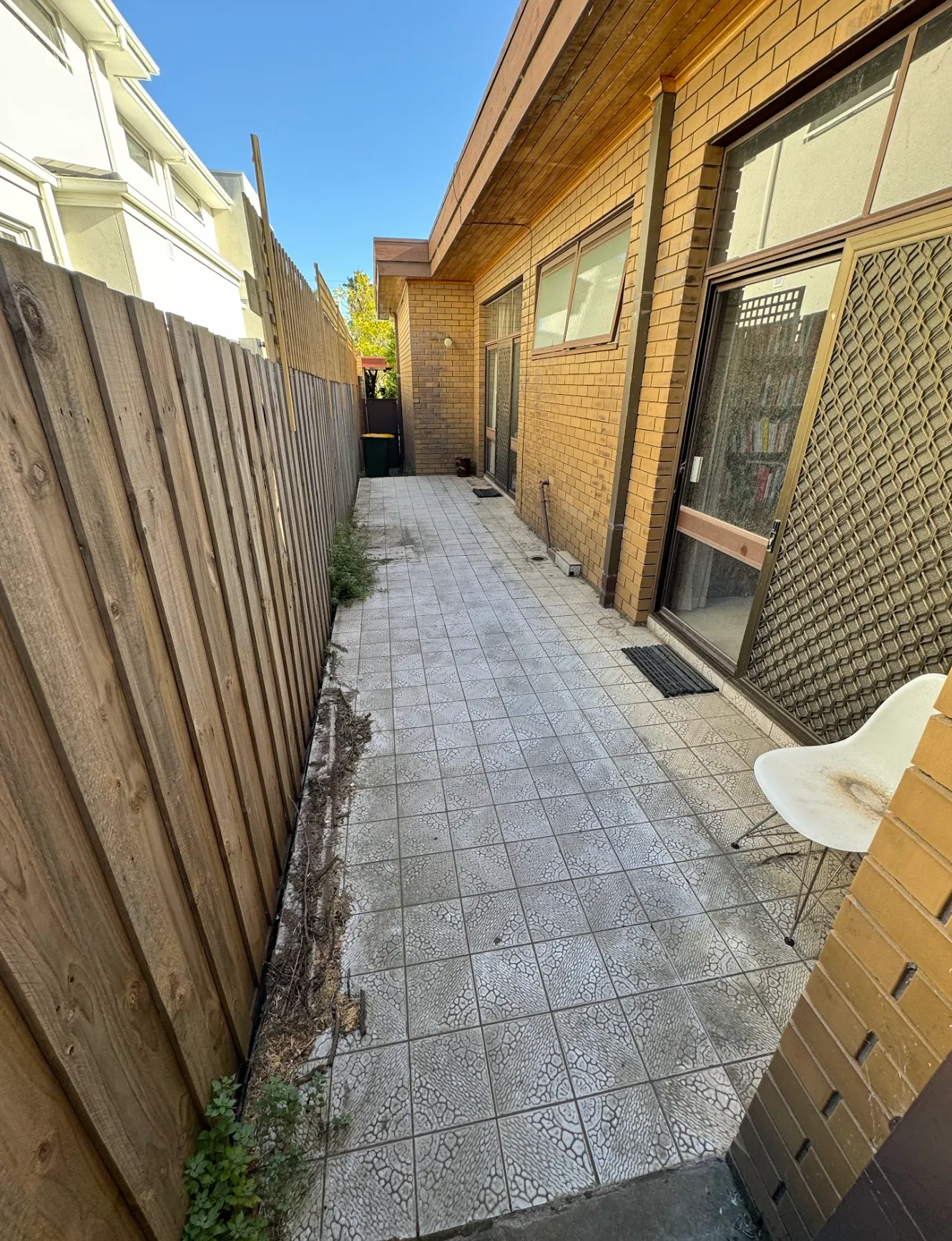
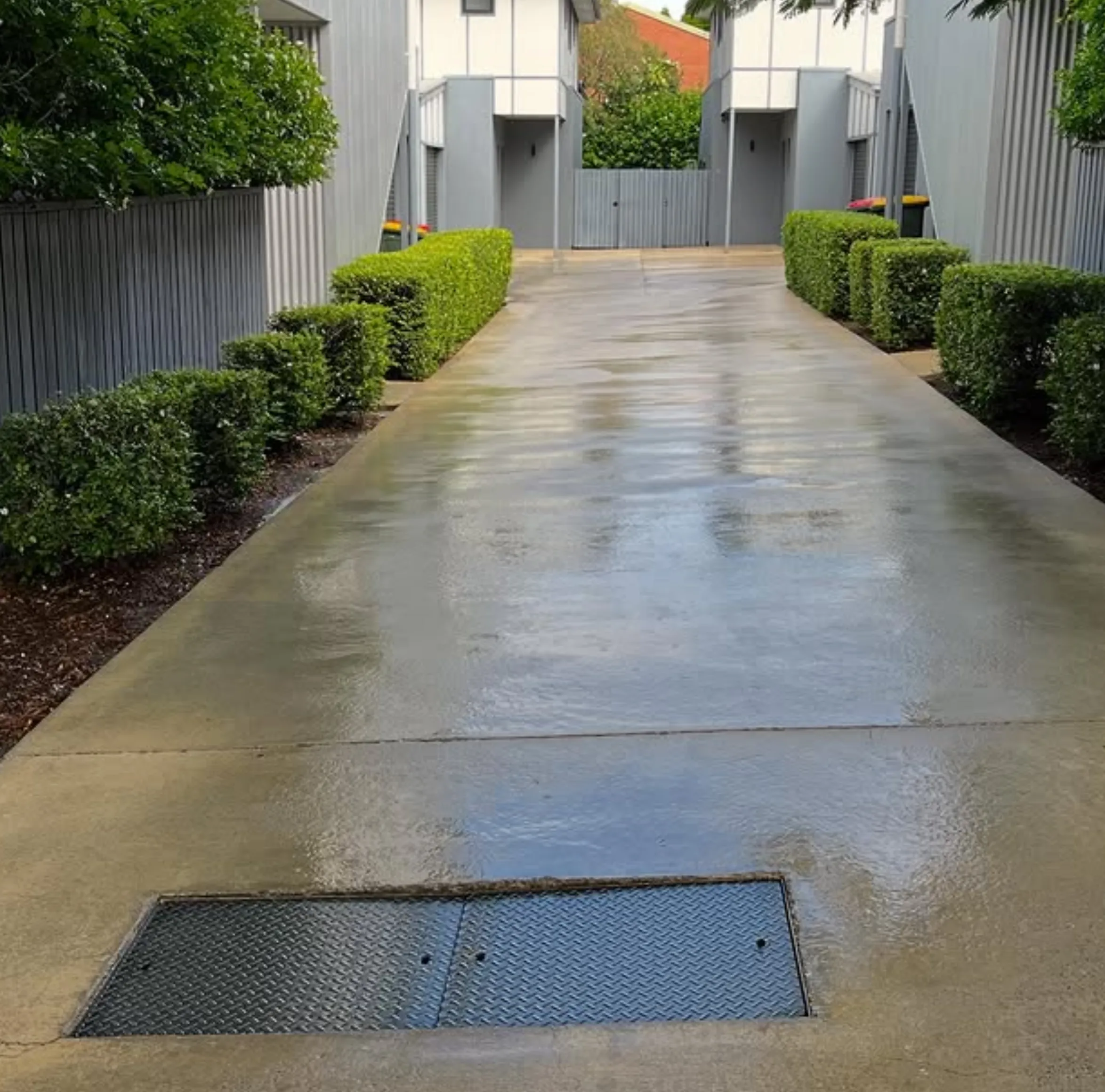
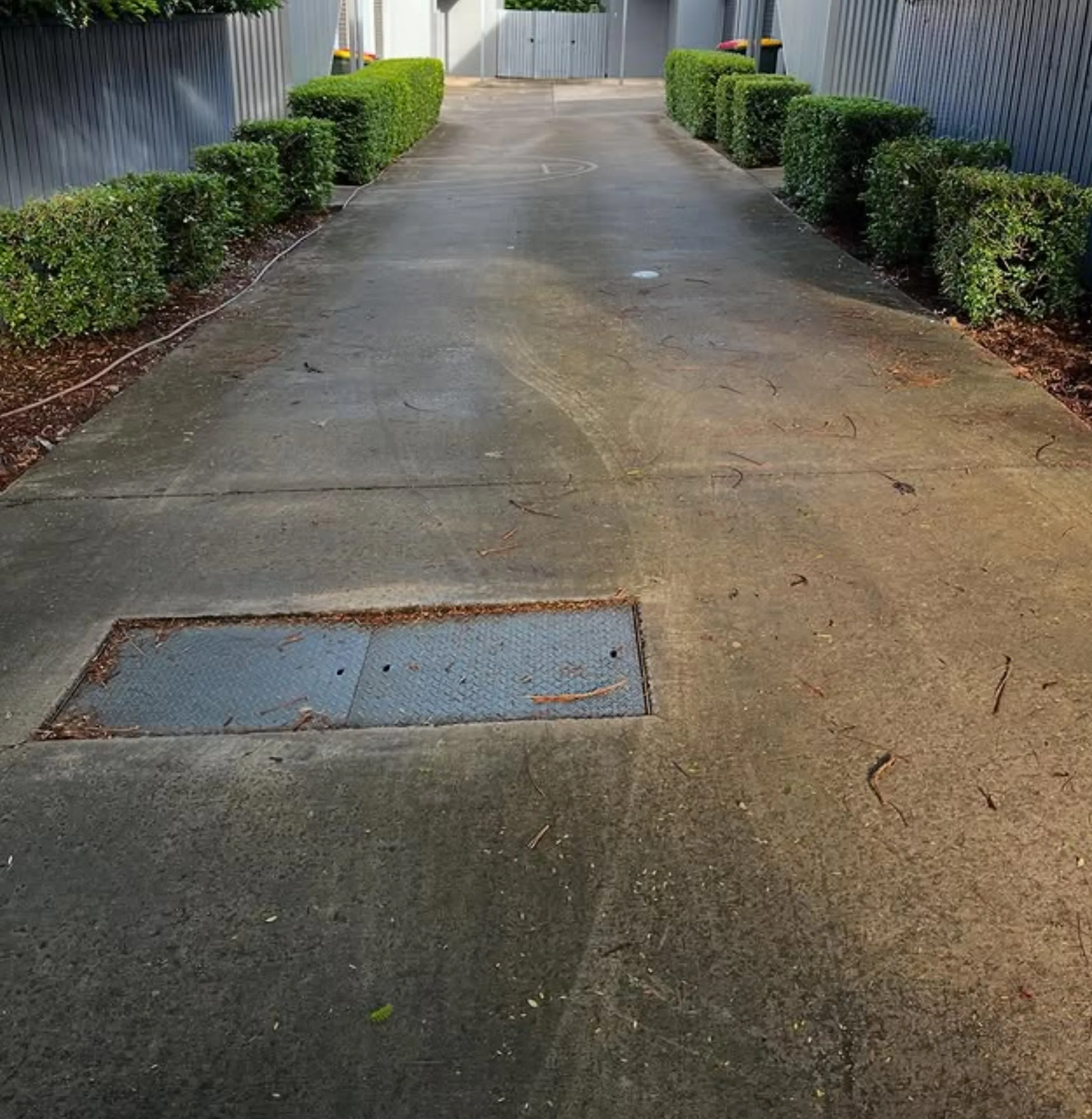
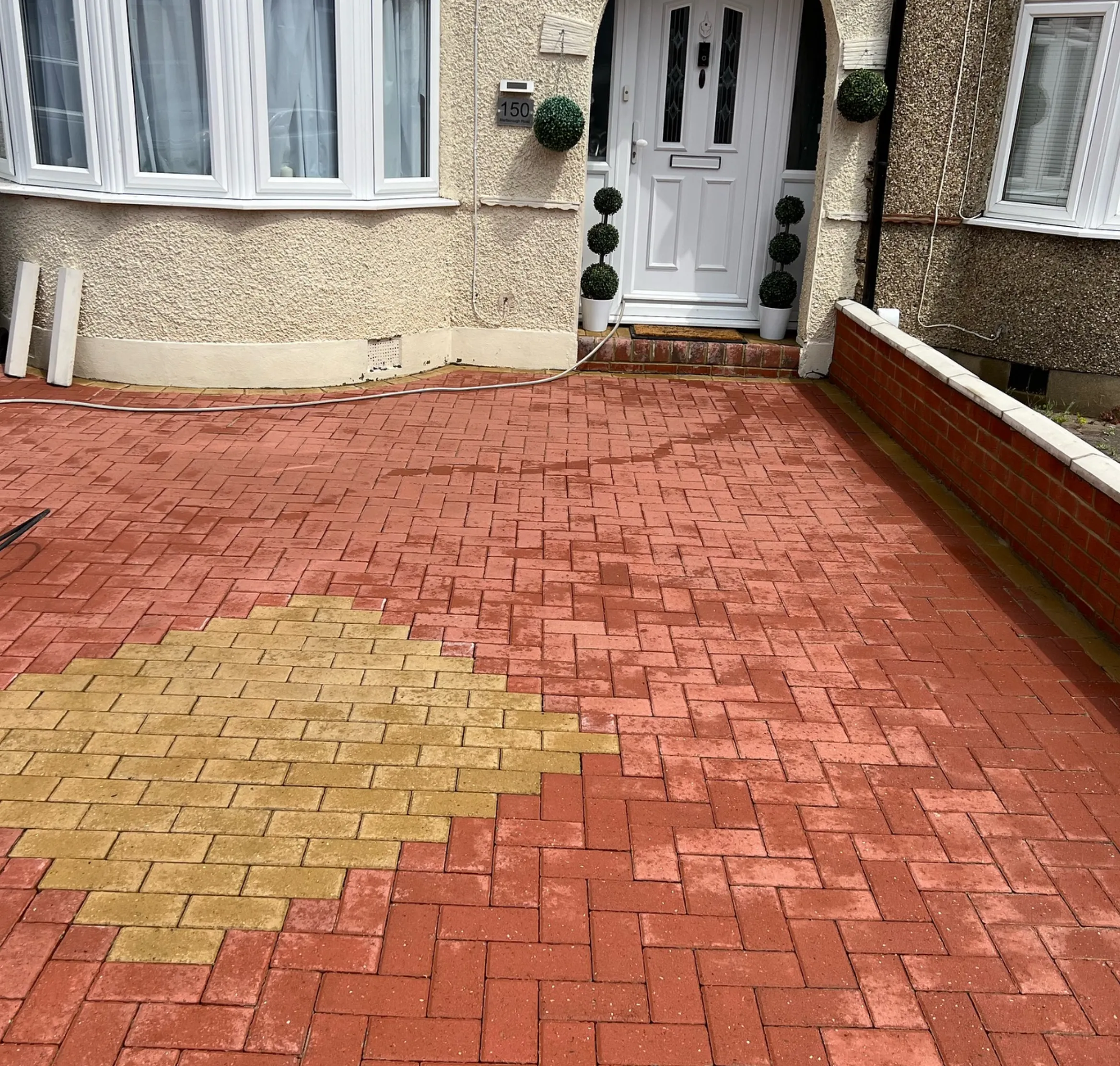
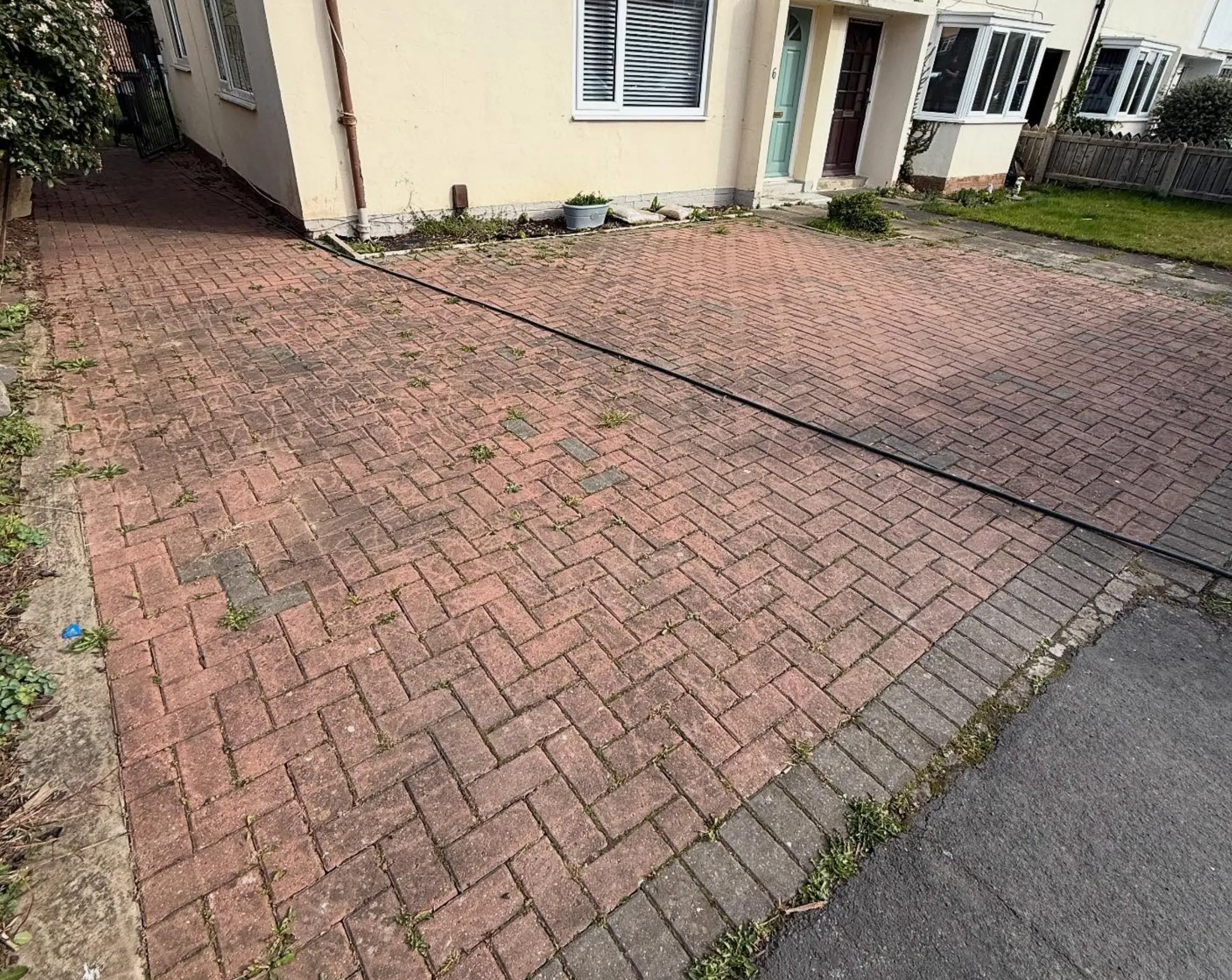
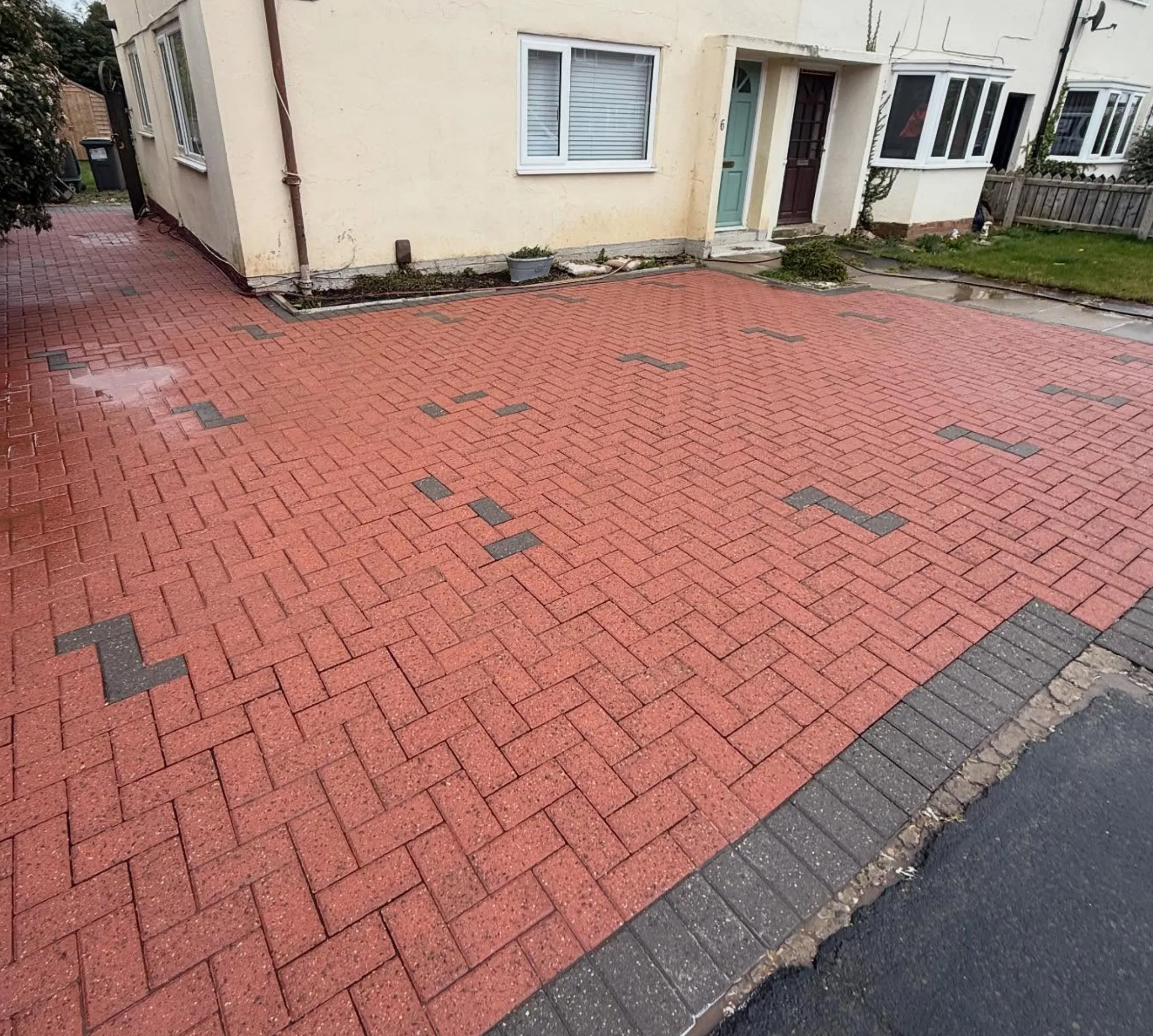
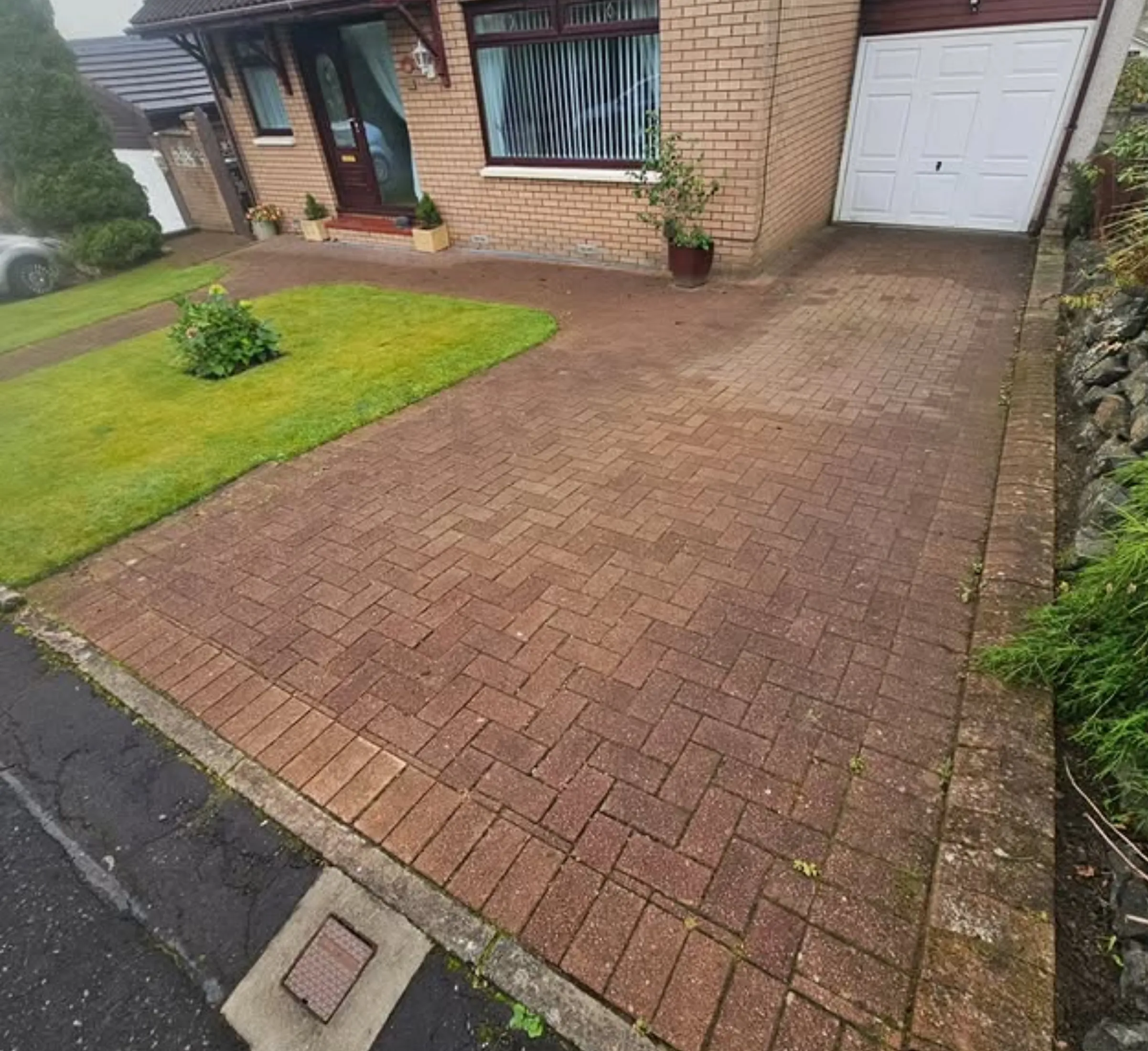
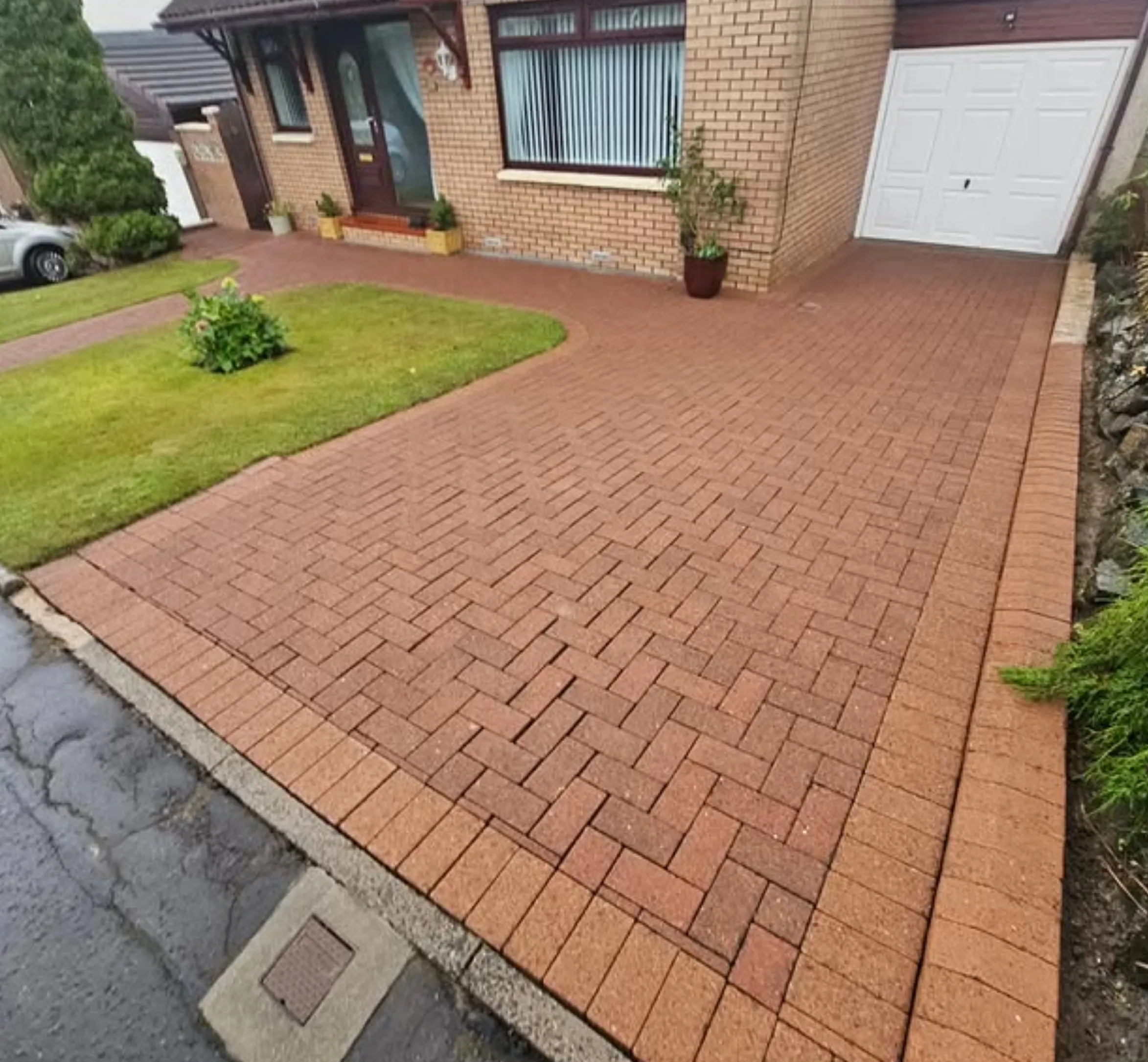
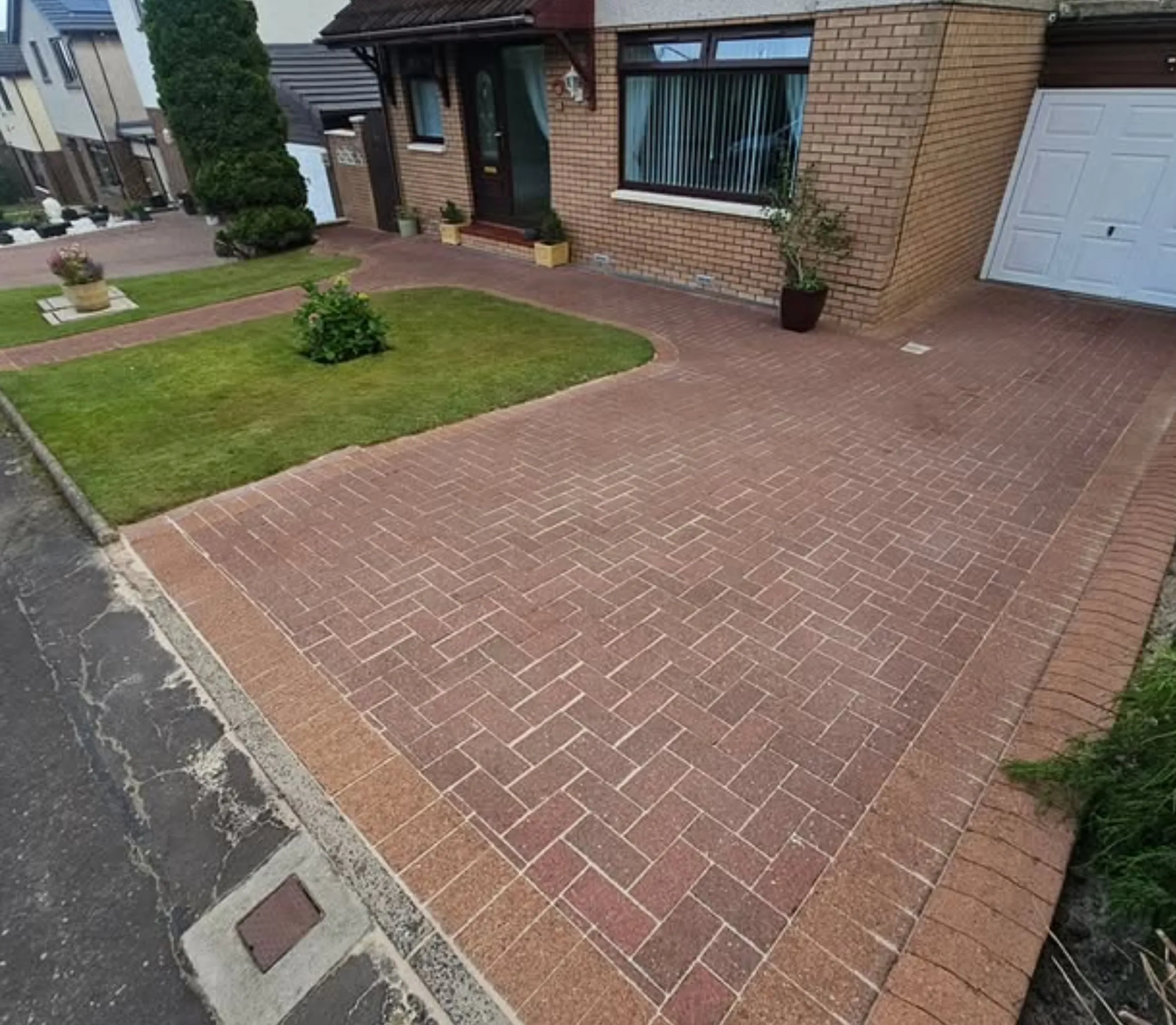
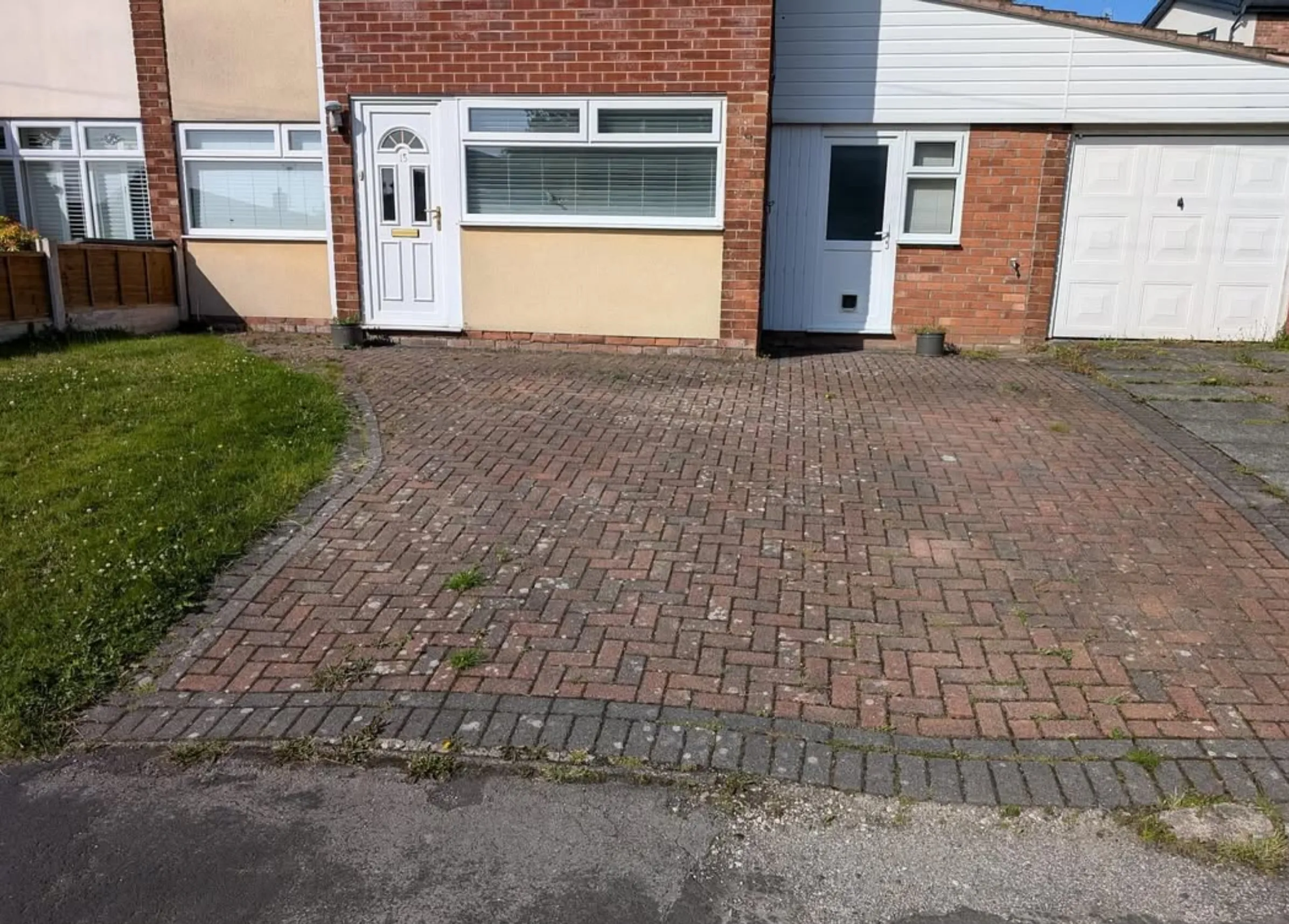
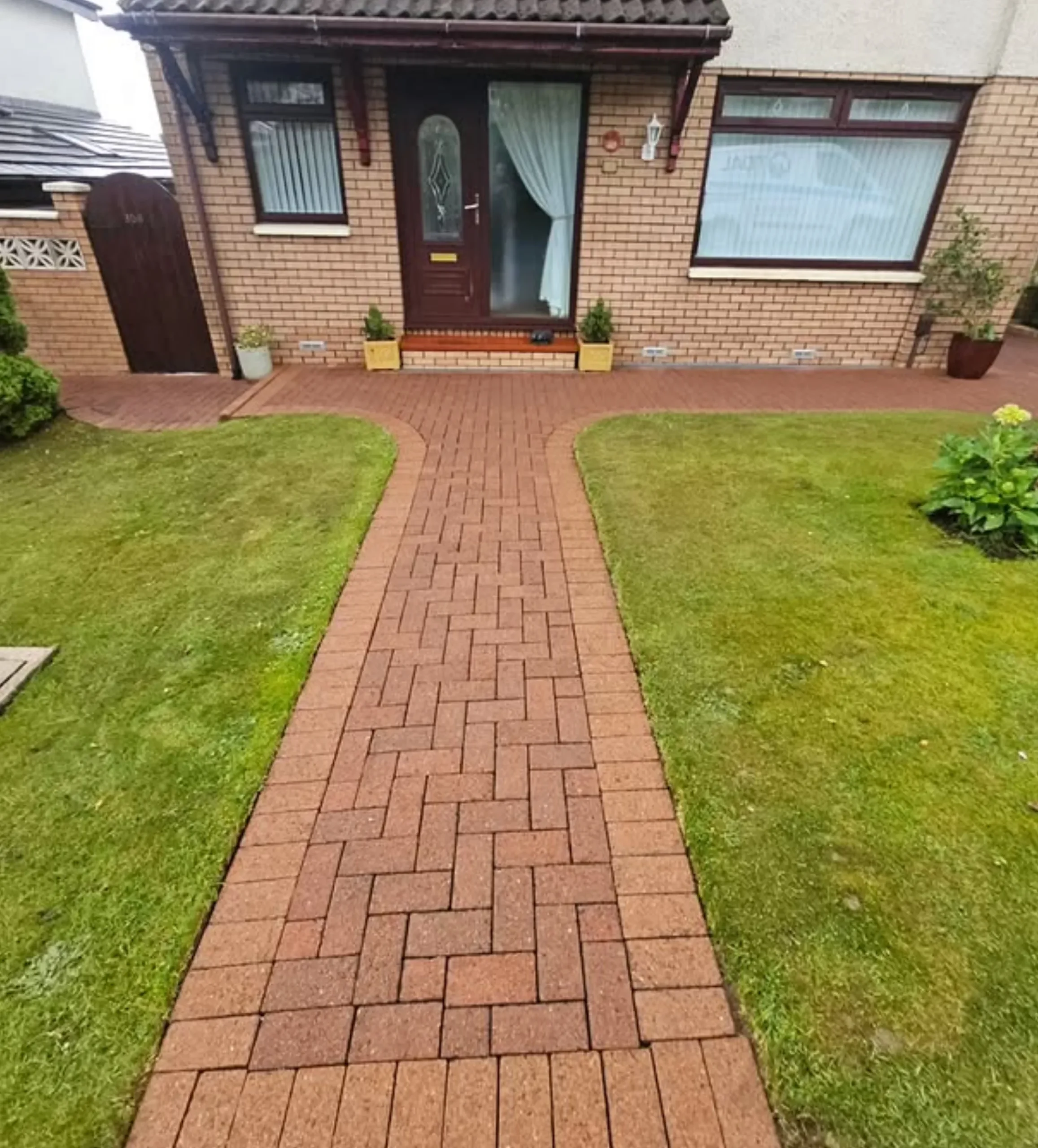
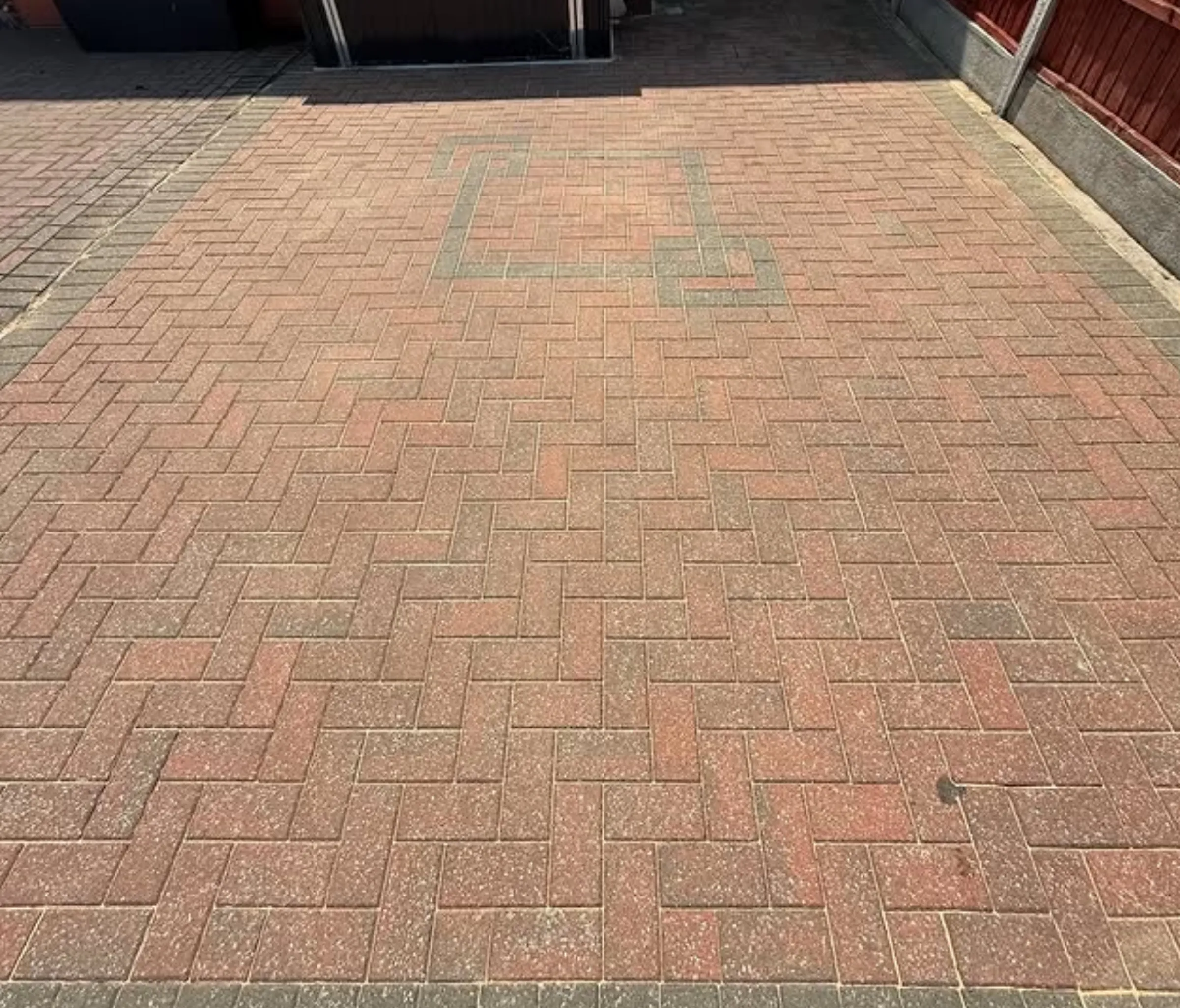
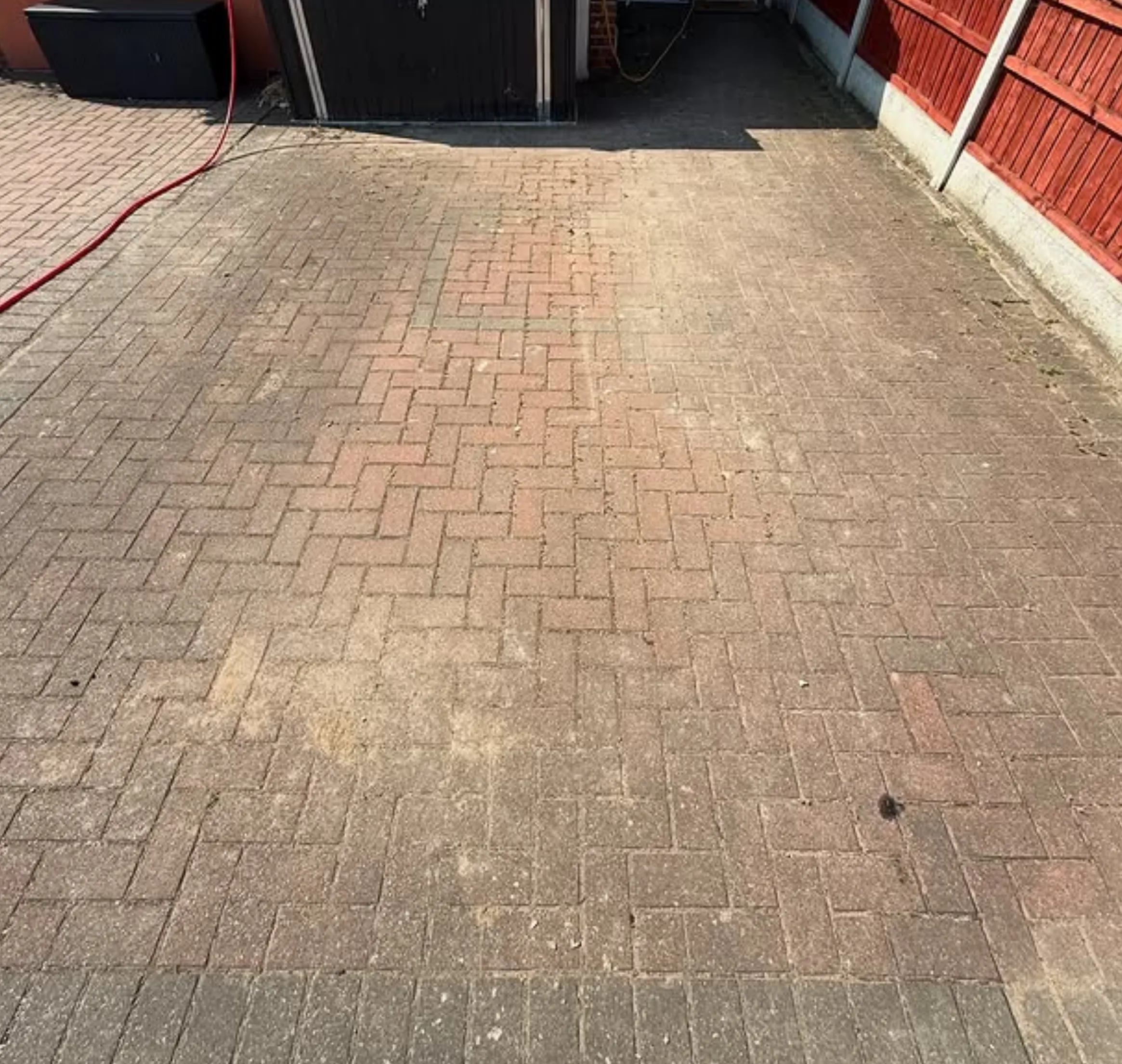
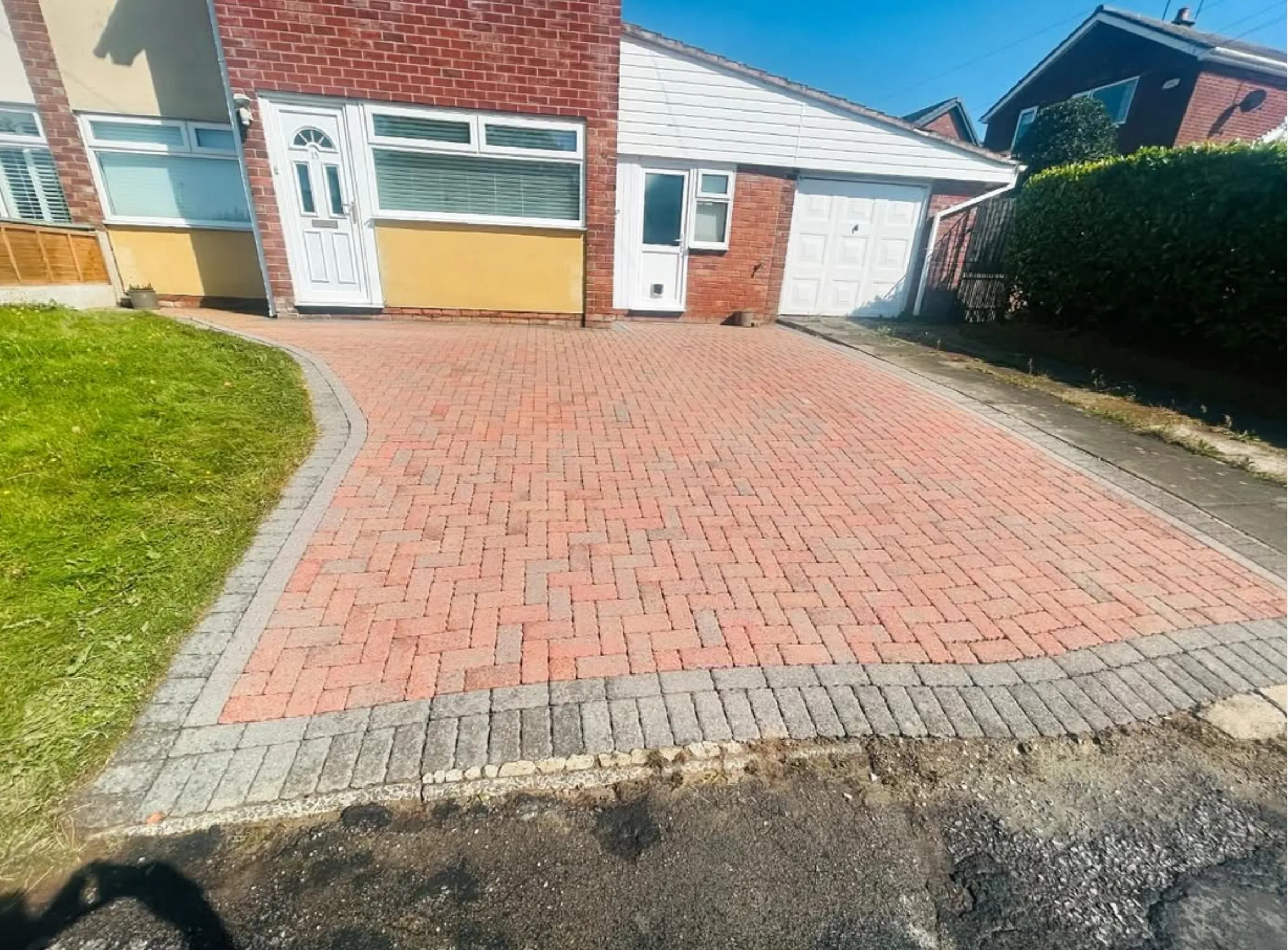
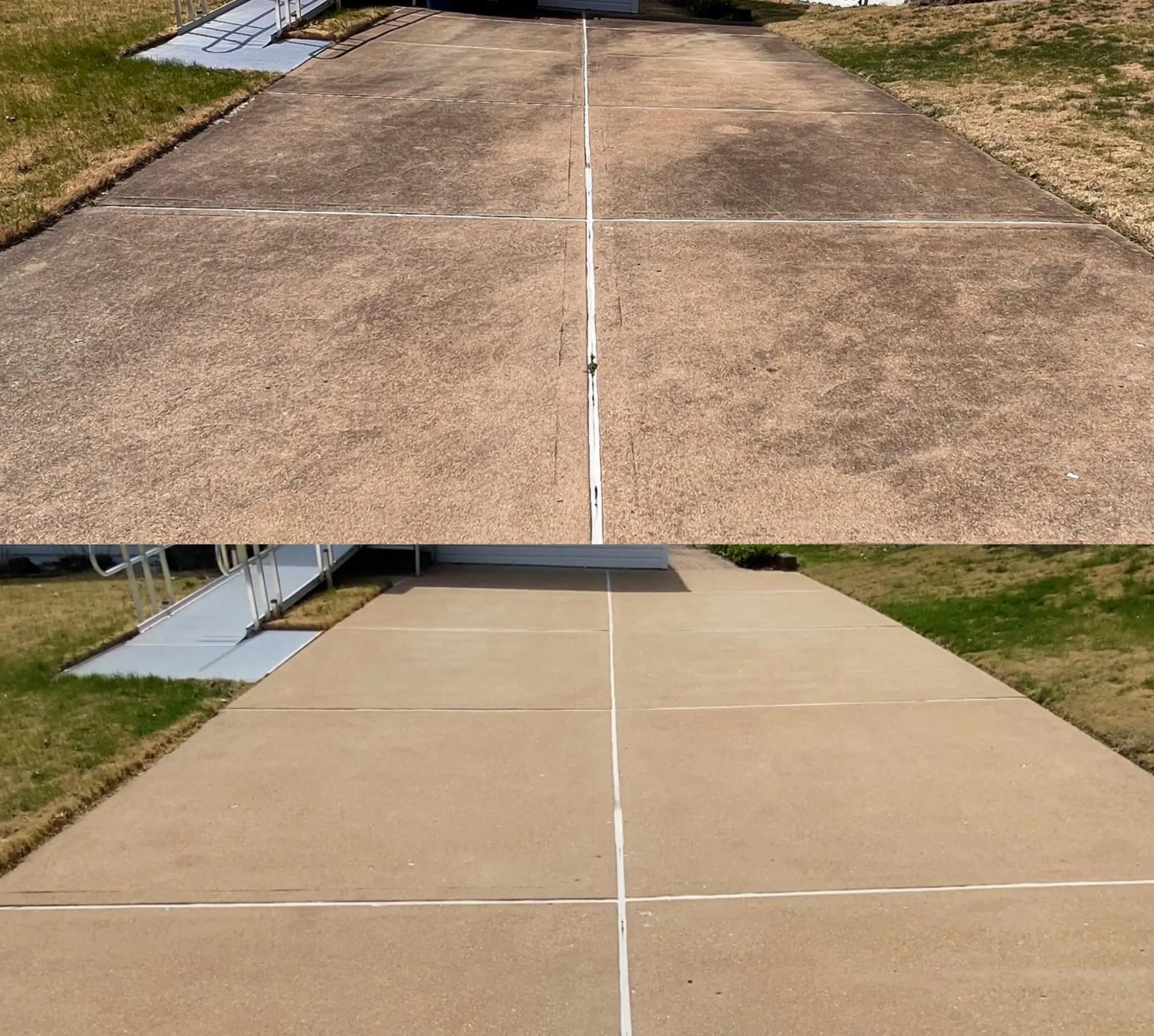
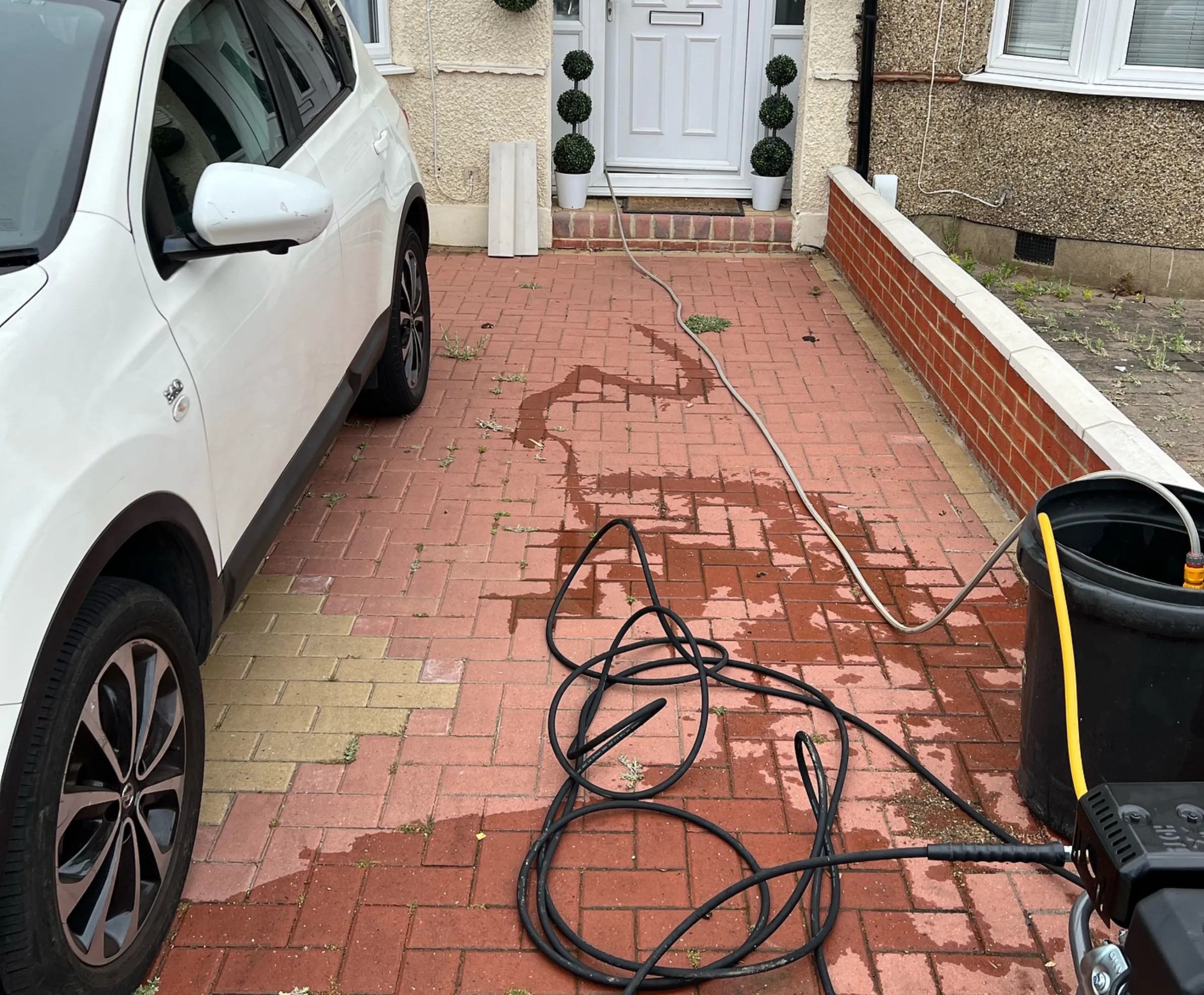
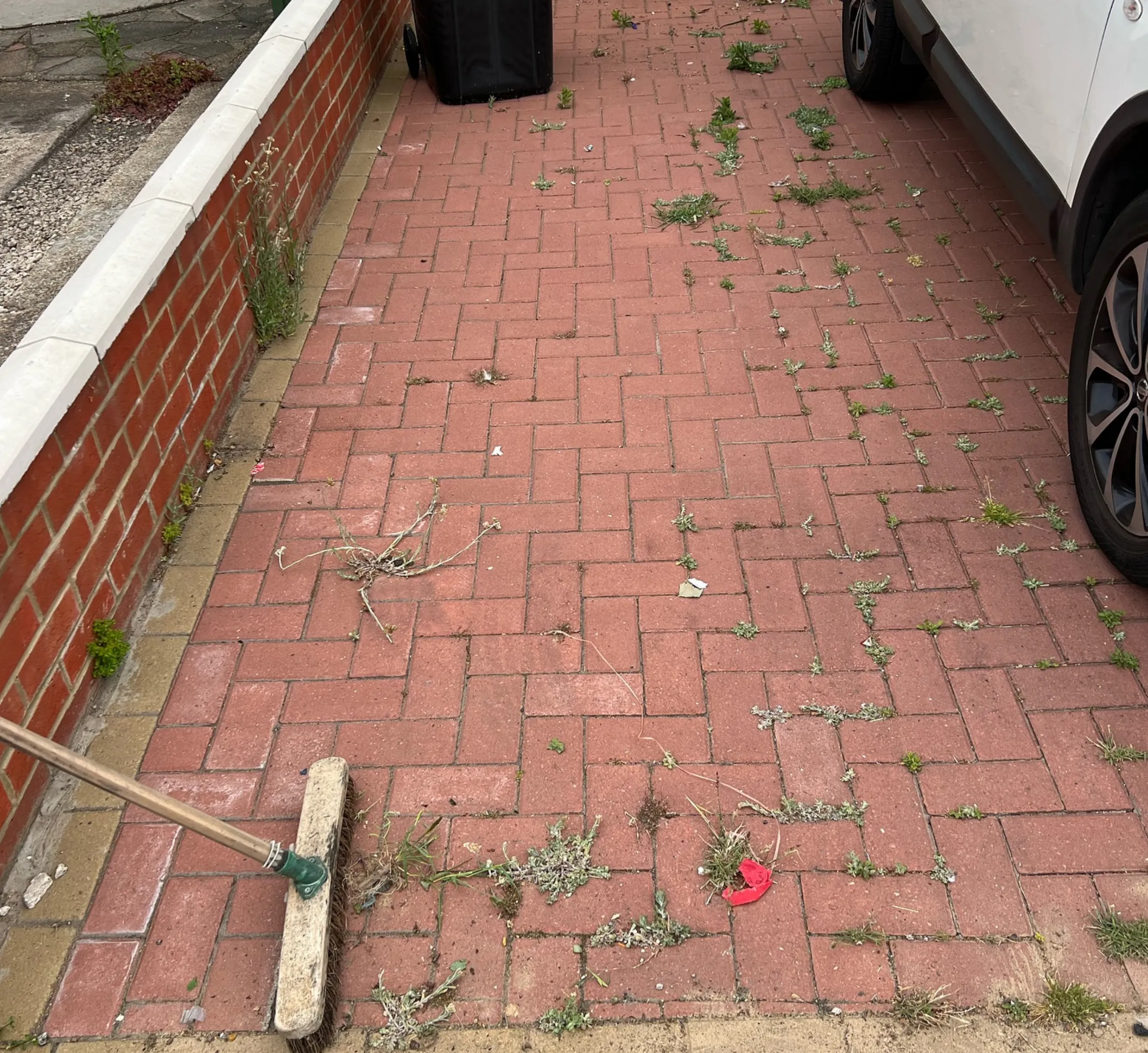
Our patio cleaning work is supported by project photography and customer feedback displayed on this website. The cleaning approach begins by assessing the surface, contamination, and existing condition, rather than applying the same pressure or treatment to every patio.
A successful clean is not defined by maximum pressure or by making every existing mark disappear. The goal is to remove contamination that can reasonably be cleaned without unnecessarily damaging the material underneath.
Request a Quote
For a patio cleaning quote from Window Cleaning Melbourne Crew, please provide the approximate area, surface type, and the main problem you want addressed. Patio size, material, staining, access, slope, joints, existing coatings and surrounding surfaces can all affect the work required. Photos can also help show the condition and access before the job is assessed.

Your satisfaction is our top priority. We tailor our services to meet your specific needs

We are committed to environmental responsibility. Our cleaning products are eco-friendly.

Pricing
We offer competitive pricing without compromising on the quality of our services.

Expertise
As a locally owned and operated company, we understand the unique needs of our community.
FAQ
Can you pressure clean every patio?
No. Pressure cleaning suits many hard surfaces, but sensitive stone, exposed aggregate, loose joints, damaged grout and some sealed or coated finishes may require another approach.
Will patio cleaning remove black or green growth?
Organic growth, including algae, mould and mildew, can often be treated and removed, although the appropriate method depends on the surface and extent of contamination.
Can old oil and BBQ grease be completely removed?
Not always. Oil or grease that has penetrated porous concrete, brick or stone may leave residual staining even after removable contamination has been cleaned.
Do I need to move the furniture before cleaning the patio?
Movable garden furniture, plant pots, BBQs, and garden ornaments may need to be moved if they restrict access to the cleaning area. What needs to be moved depends on the patio layout and scope of work.
What affects a patio cleaning quote?
Area, material, contamination, staining, access, slope, joints, coatings and surrounding exterior surfaces all affect the work required. Two patios of the same size may therefore need different preparation and cleaning methods.
SEO Title: Patio Cleaning Melbourne
Meta Description: Professional patio cleaning in Melbourne for concrete, pavers, brick, tiles and natural stone. Pressure cleaning and soft washing.