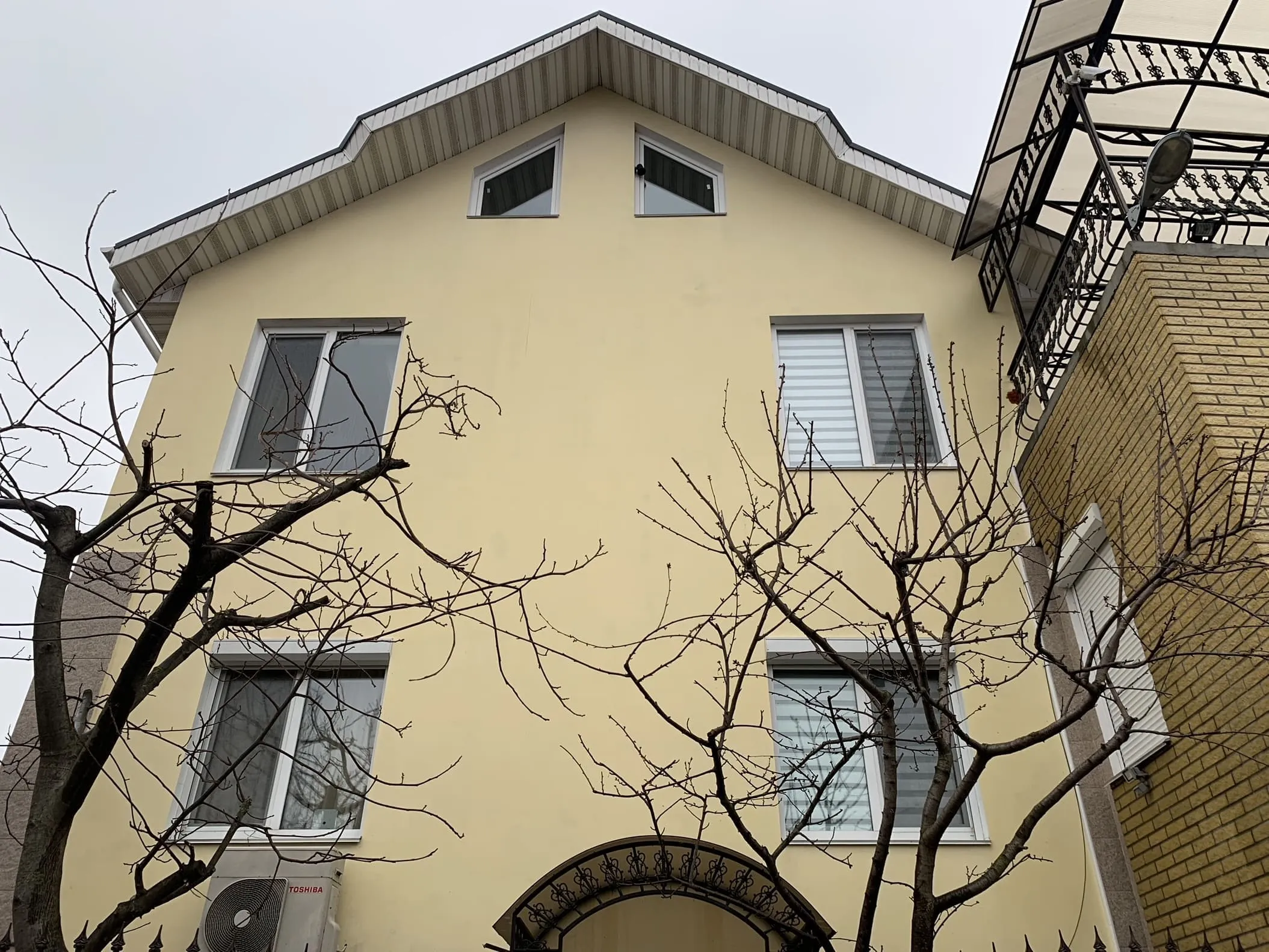
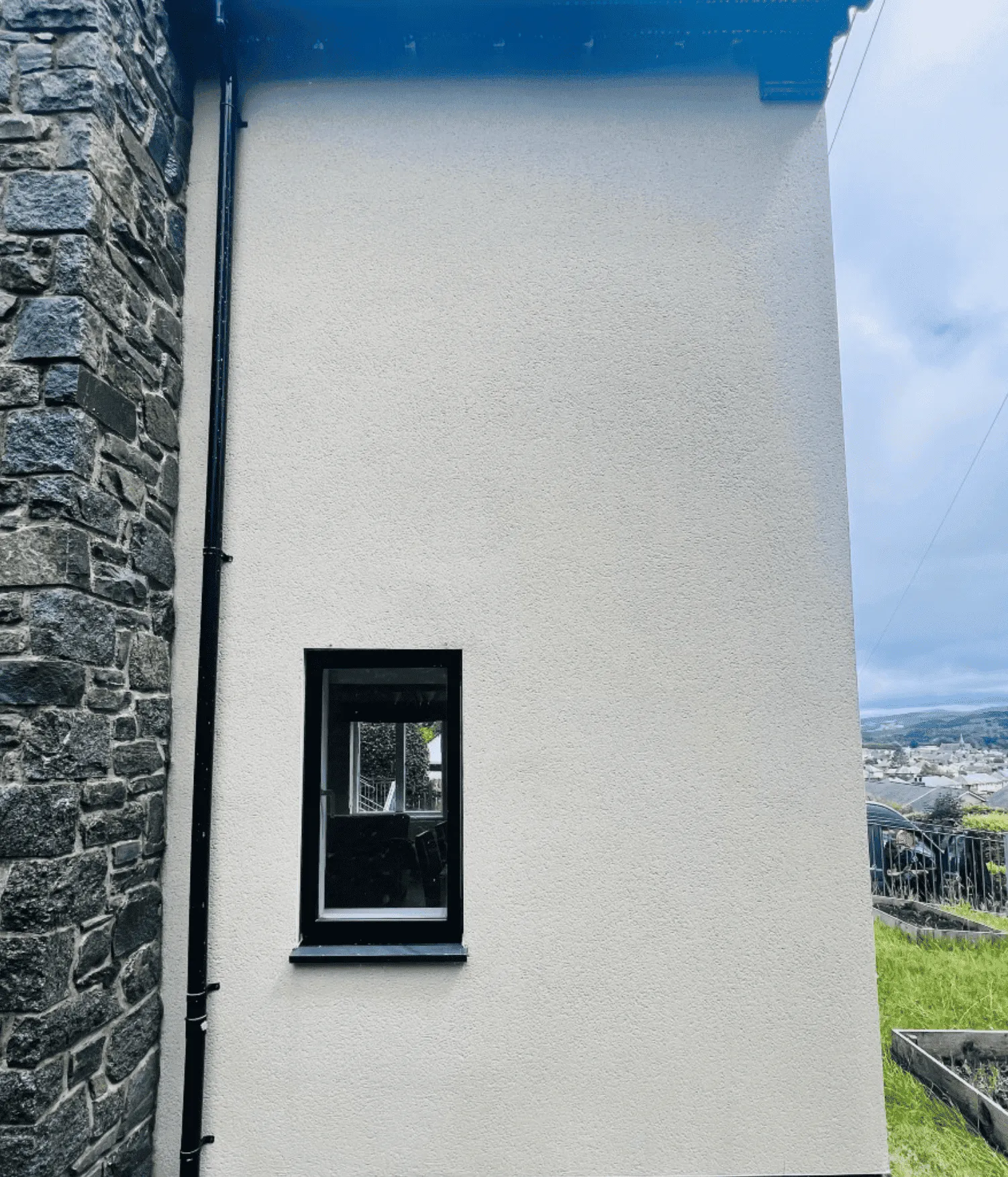
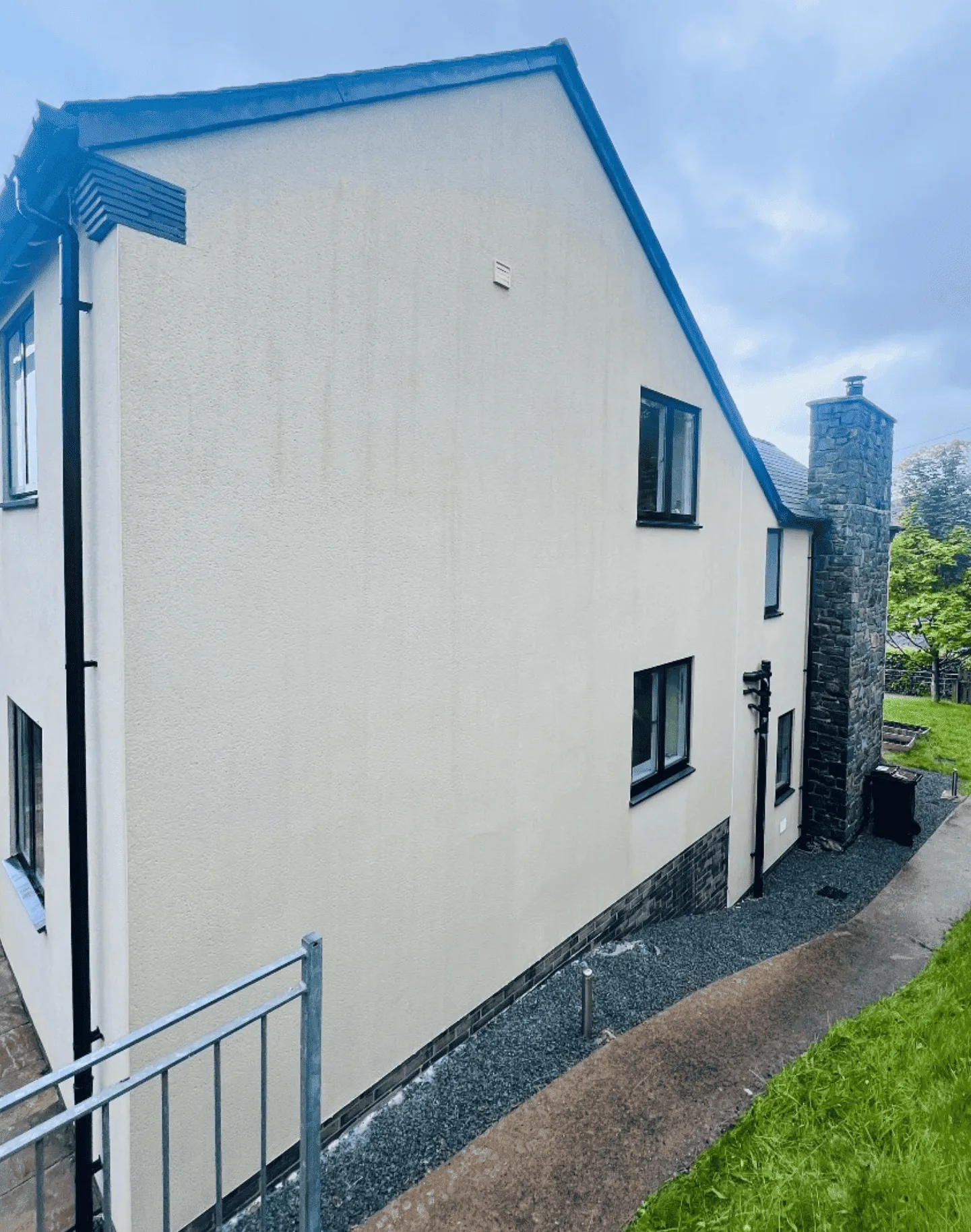
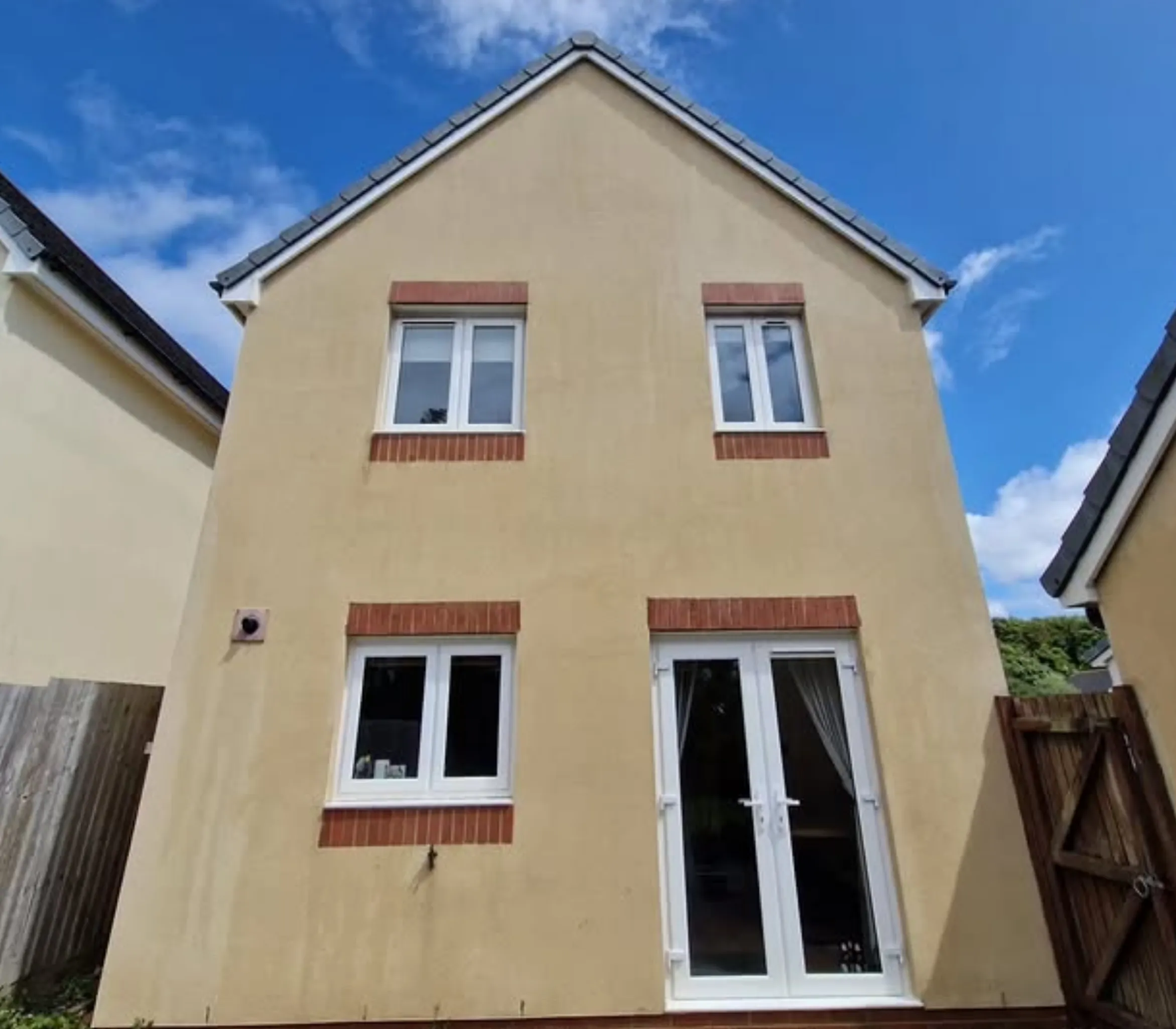
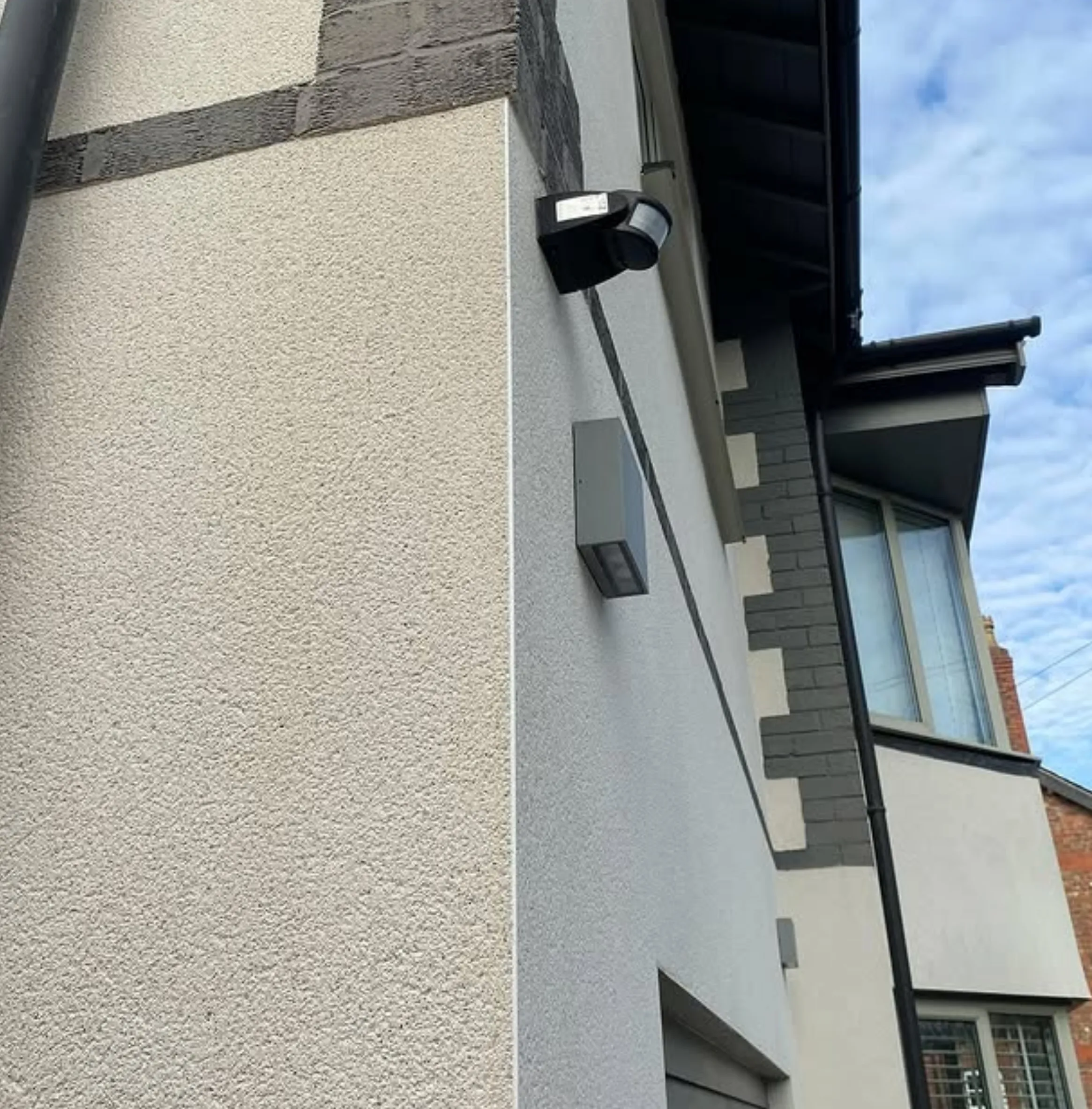
Render cleaning removes dirt, mould, algae, traffic film, cobwebs, and other exterior build-up from rendered walls without treating every façade as a hard surface suitable for high-pressure cleaning. At Window Cleaning Melbourne Crew, we assess the render, coating condition, contamination and access before choosing between soft washing, controlled pressure cleaning and targeted hand cleaning.
Rendered walls vary considerably. Sound cement render, a painted acrylic finish and an ageing or cracked façade can respond very differently to water pressure, cleaning solutions and agitation.


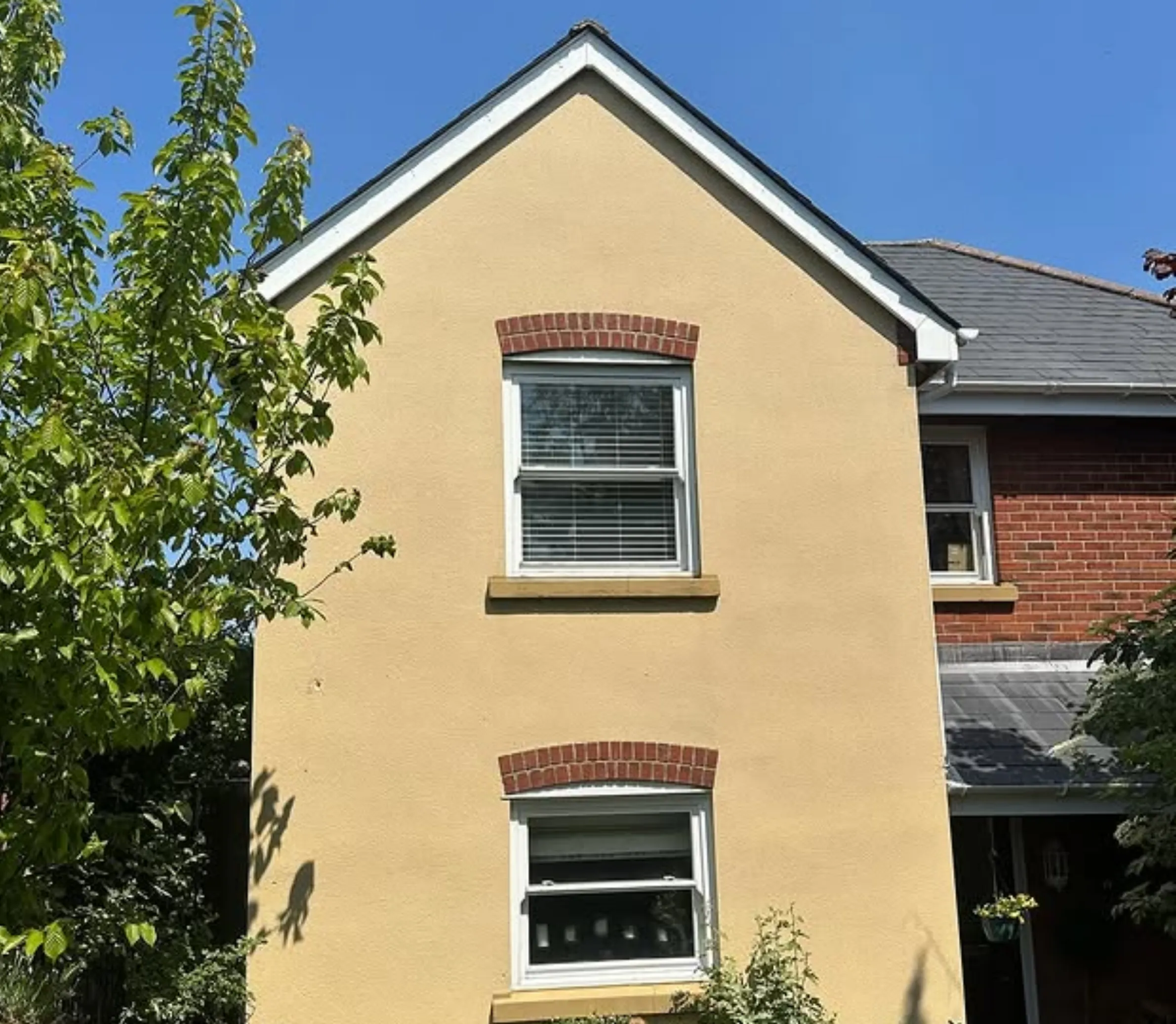
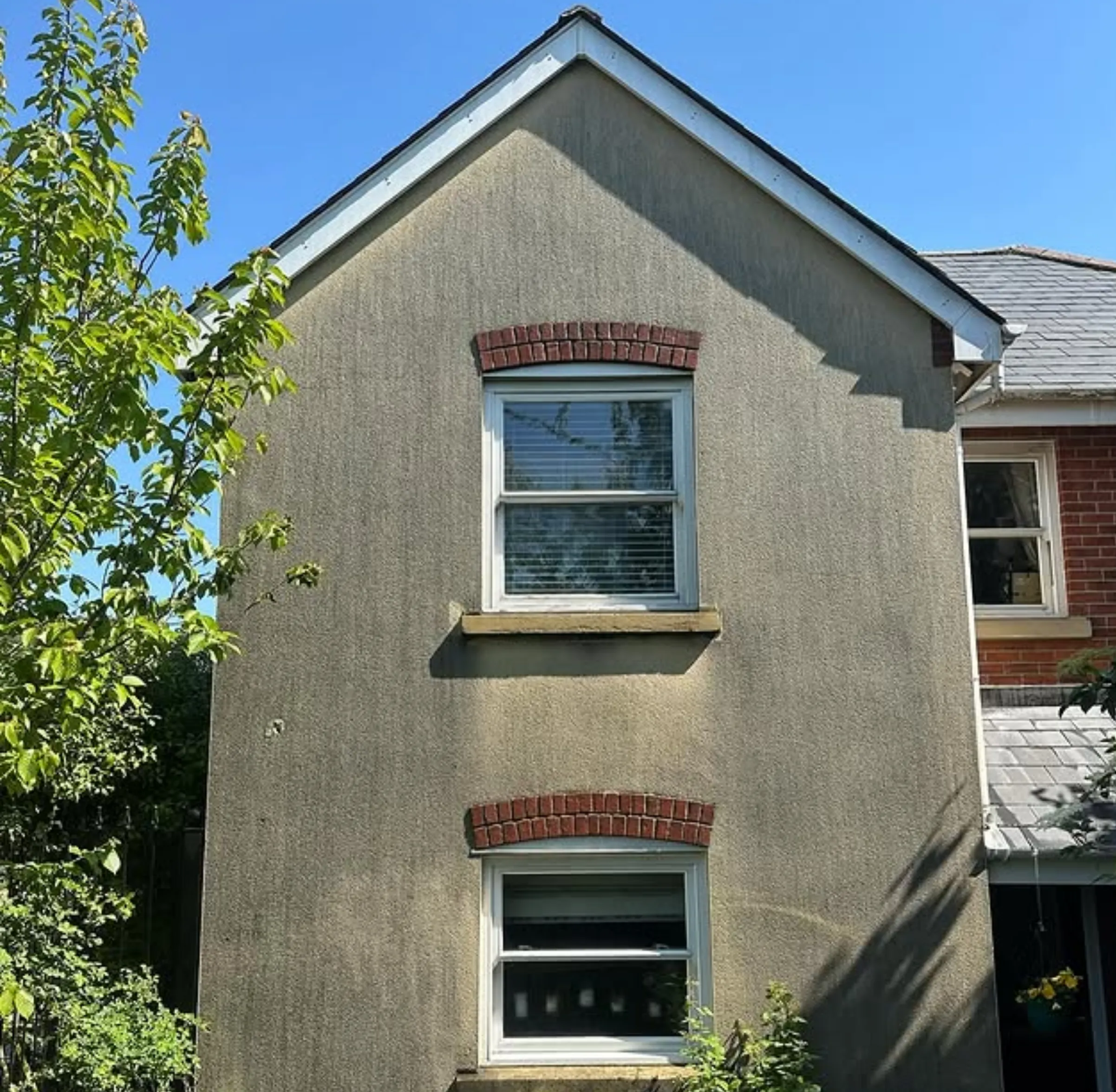
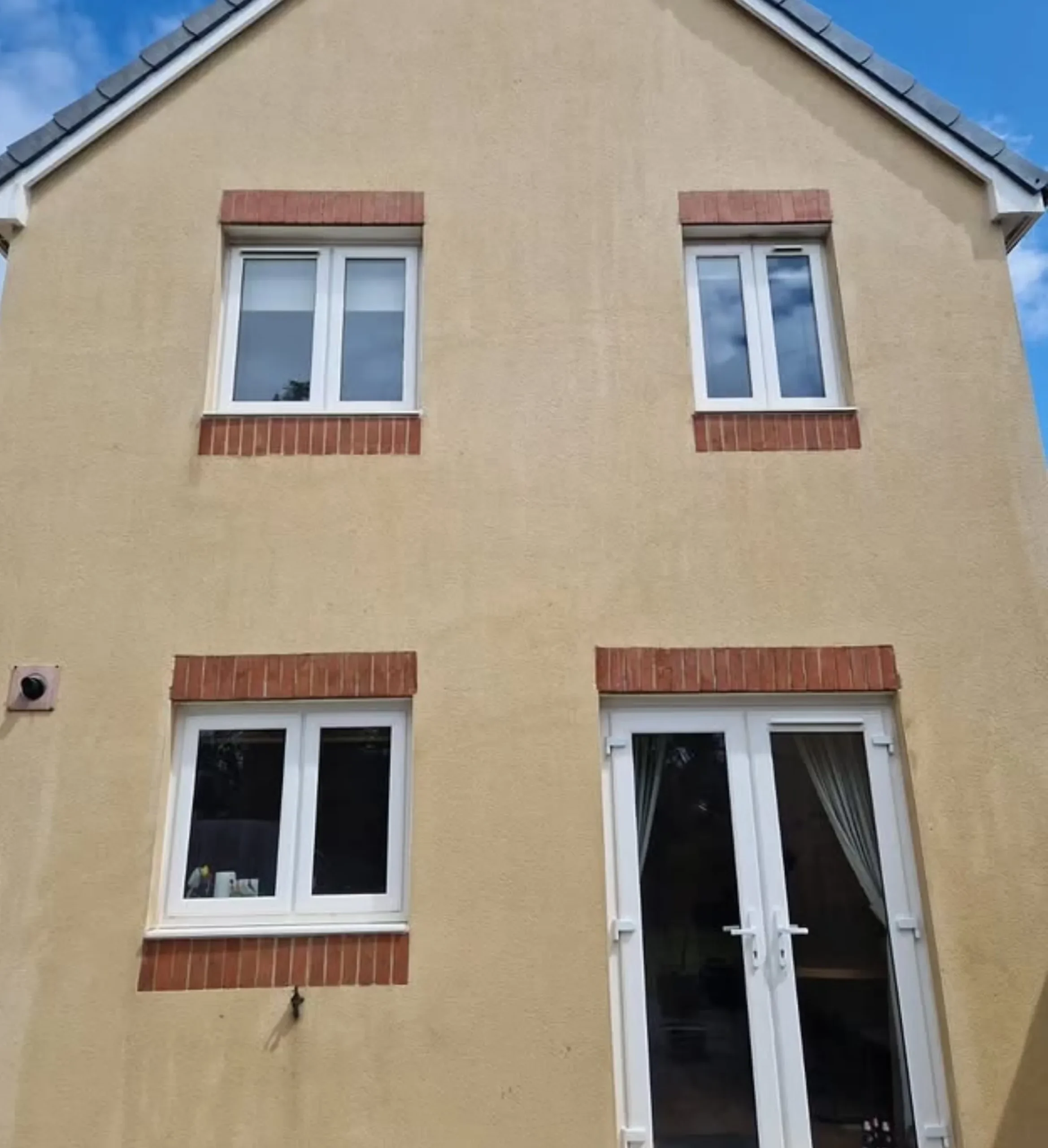
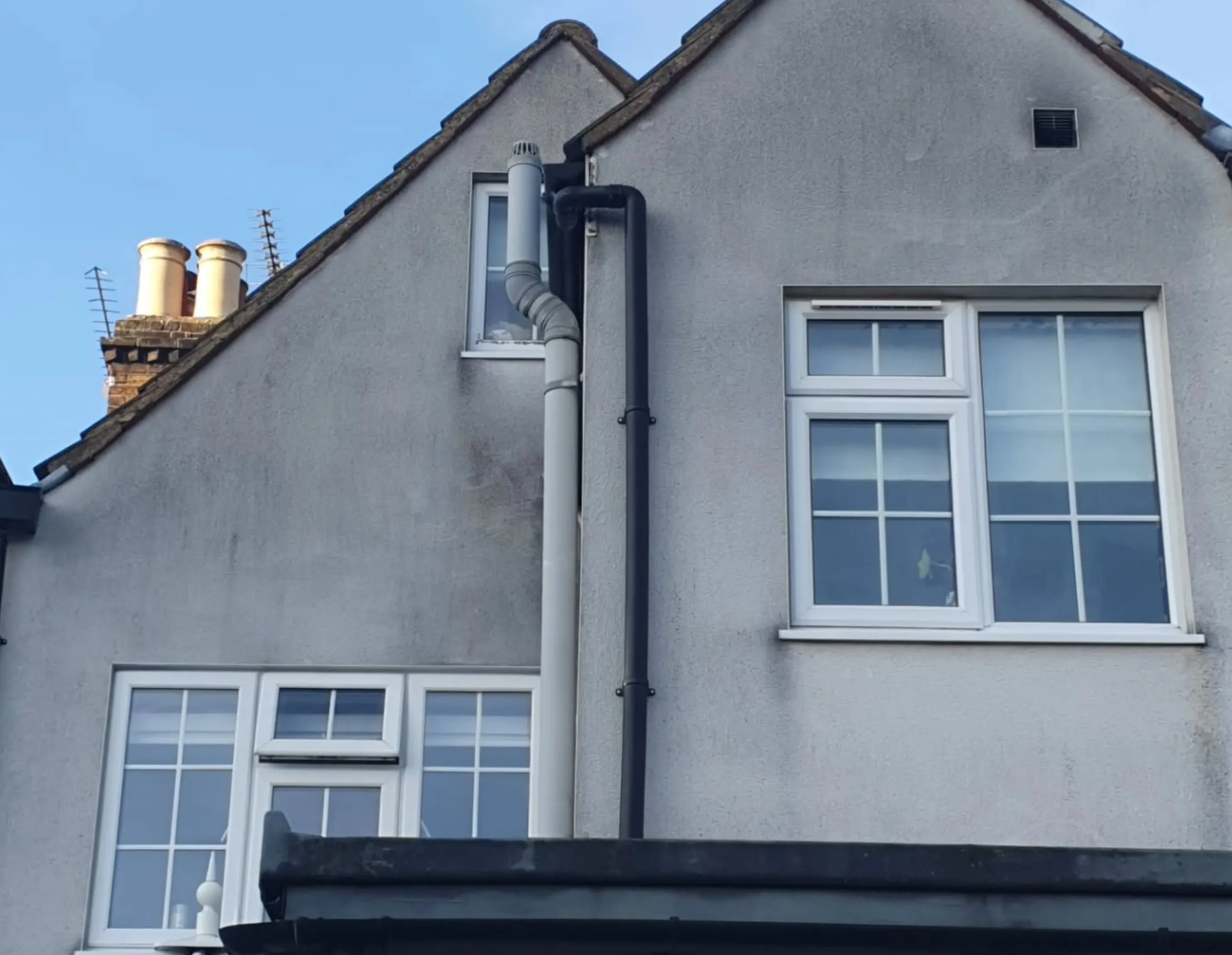
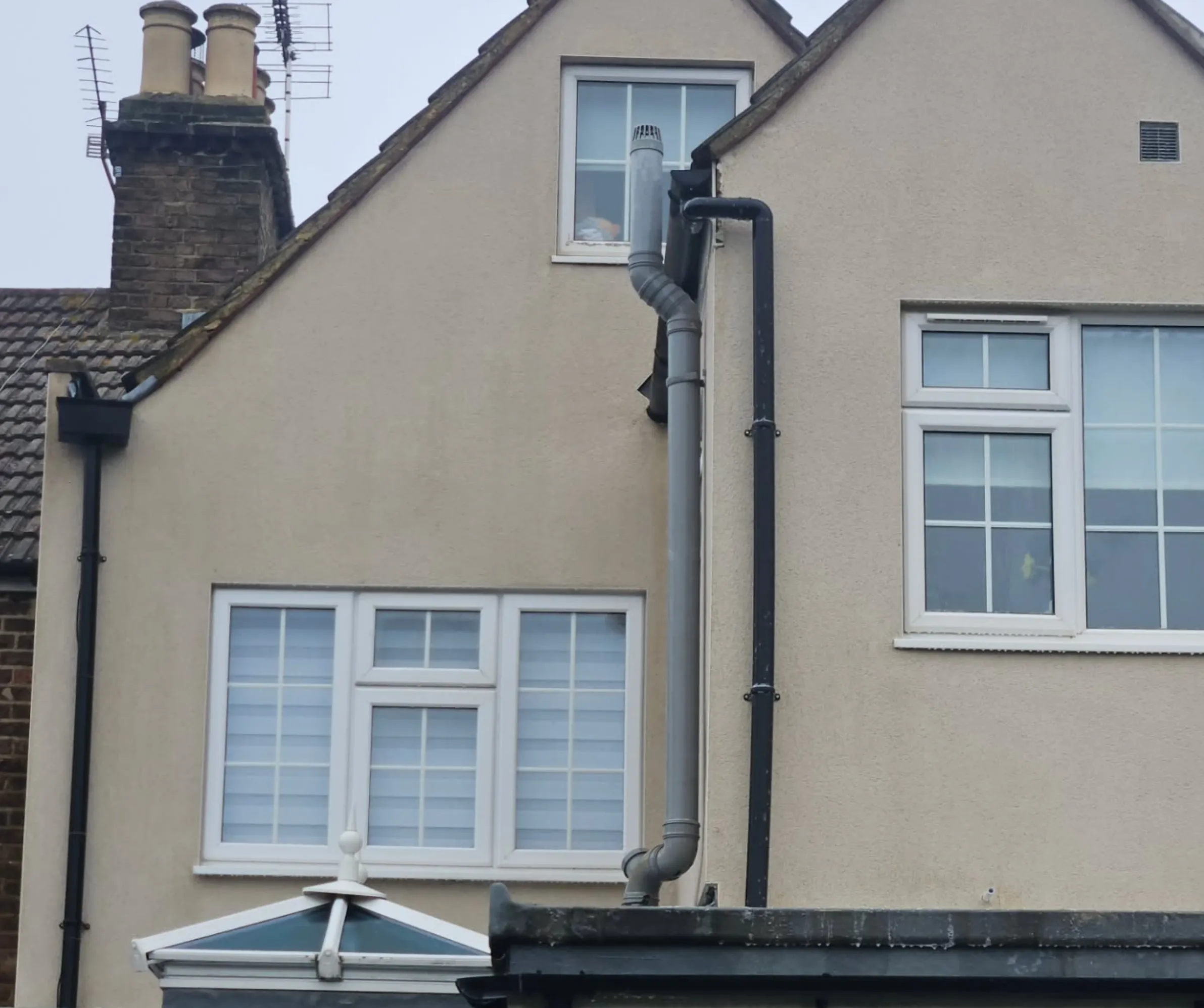
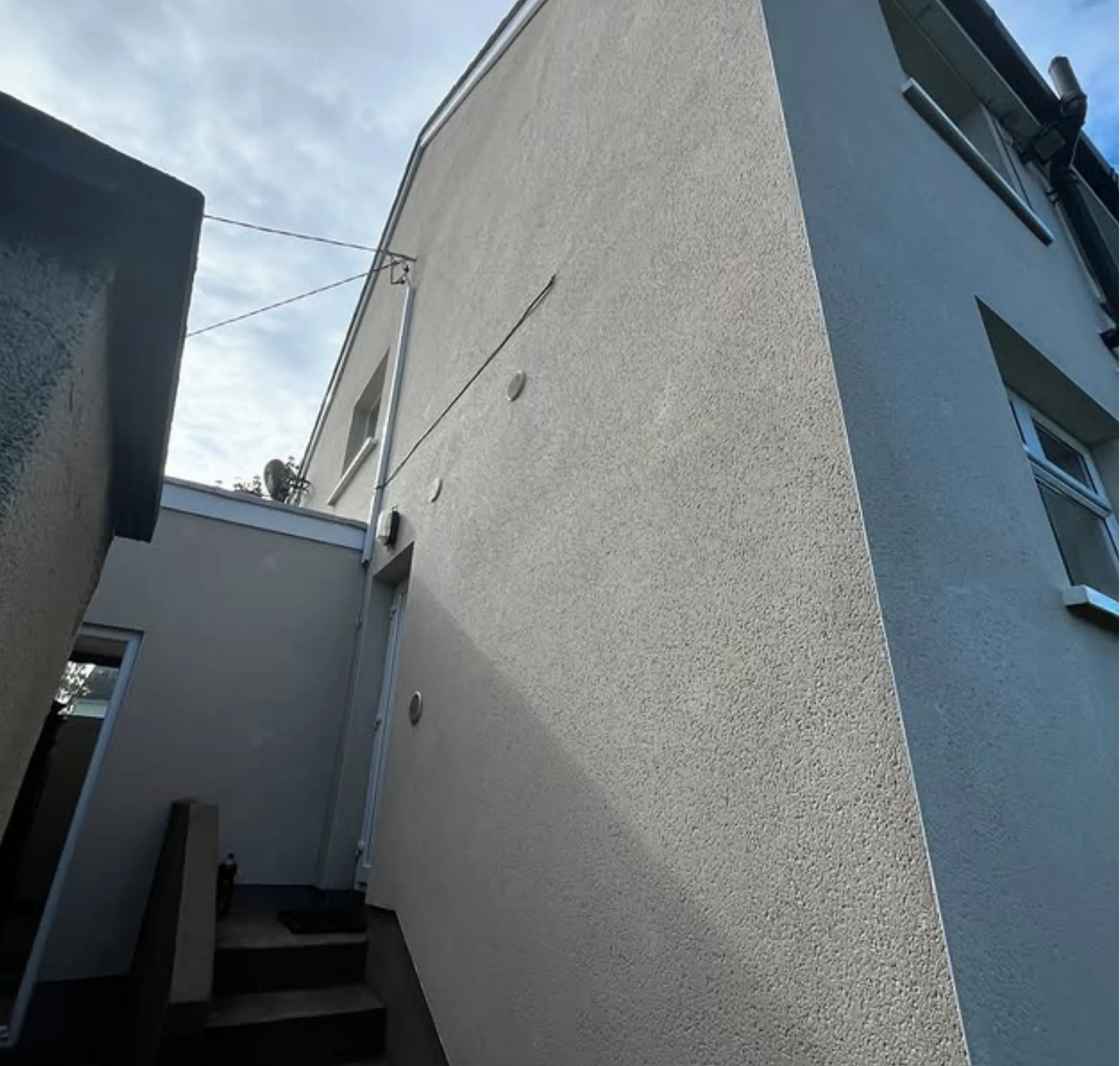
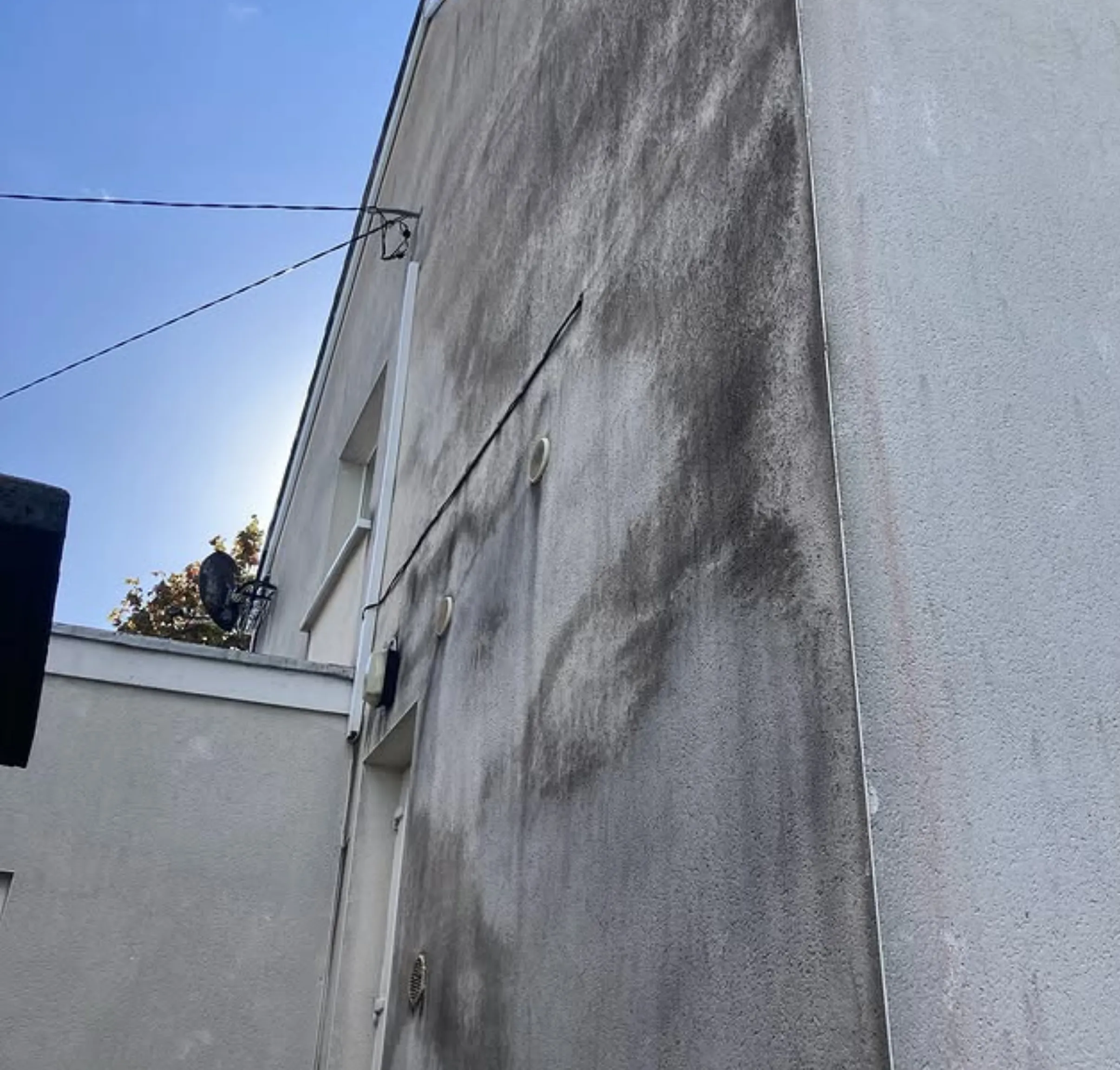
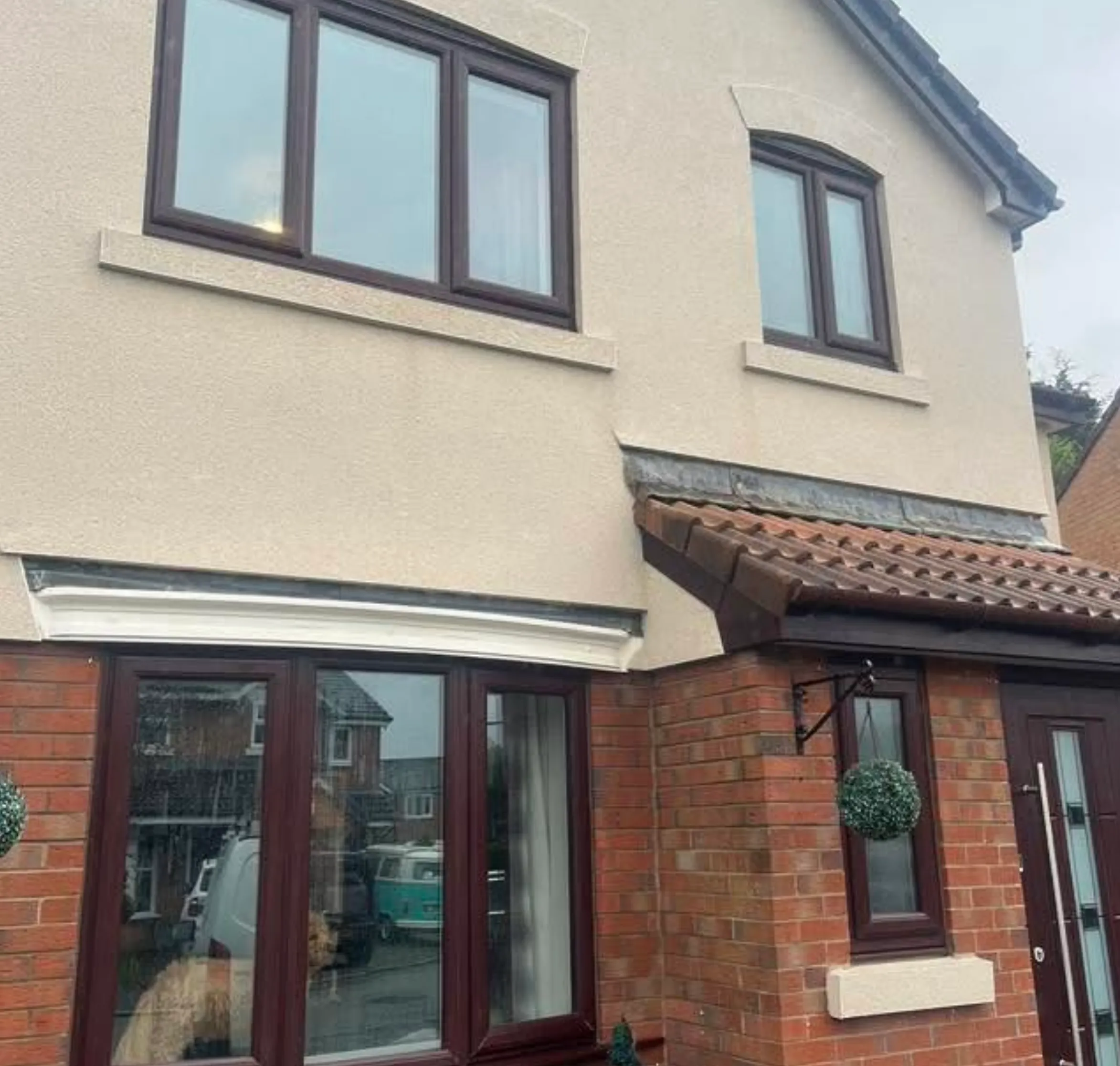
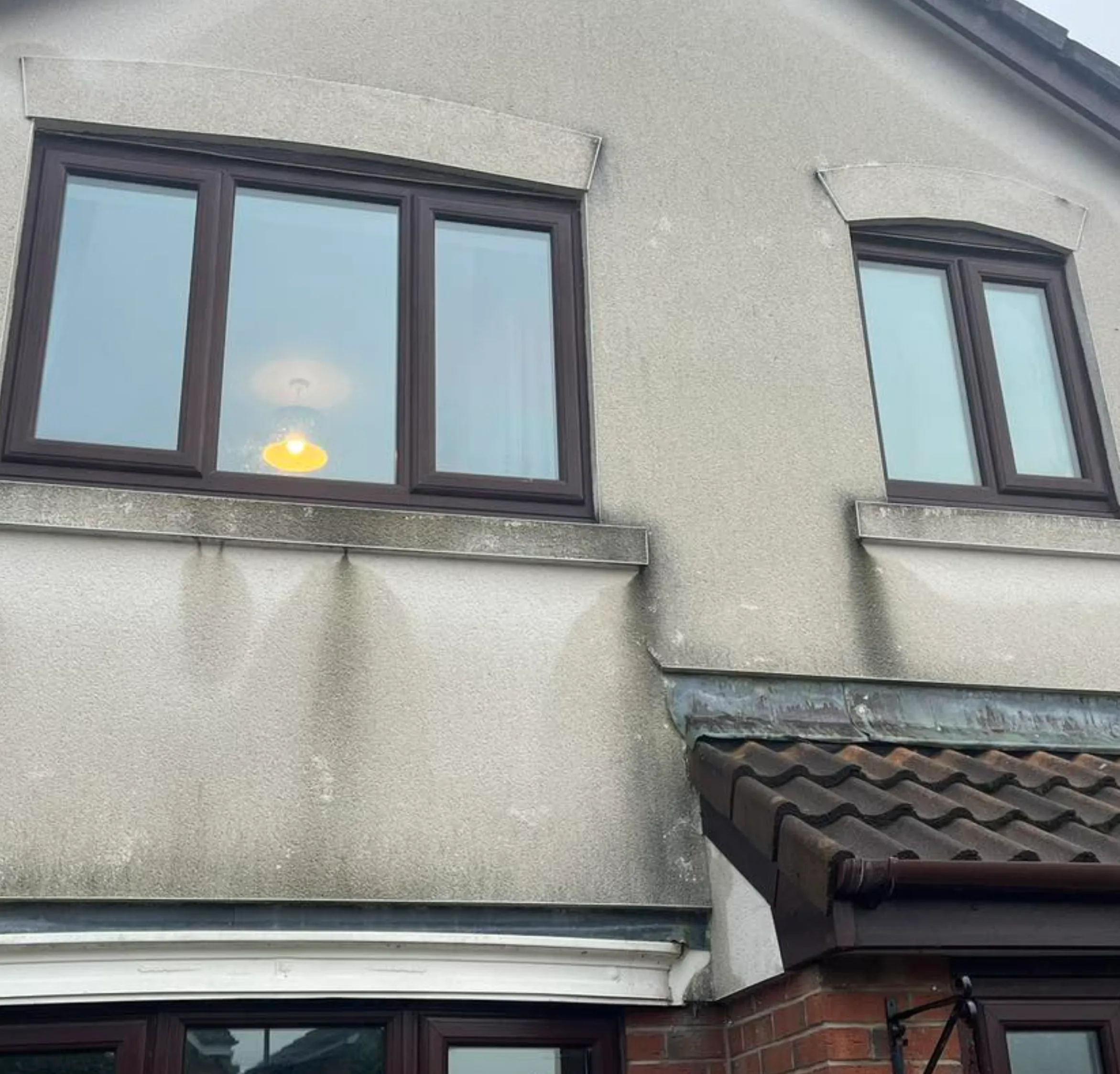
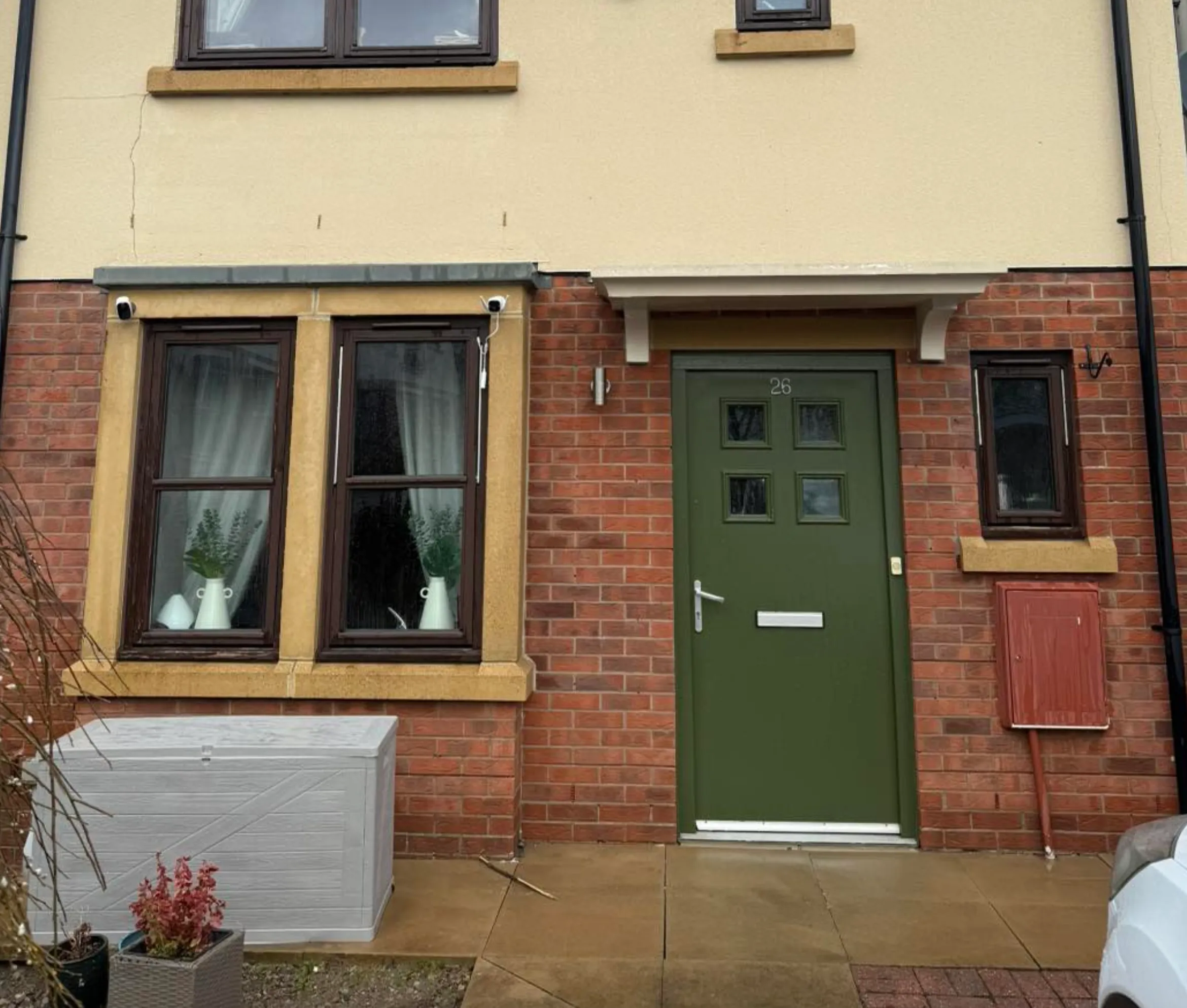
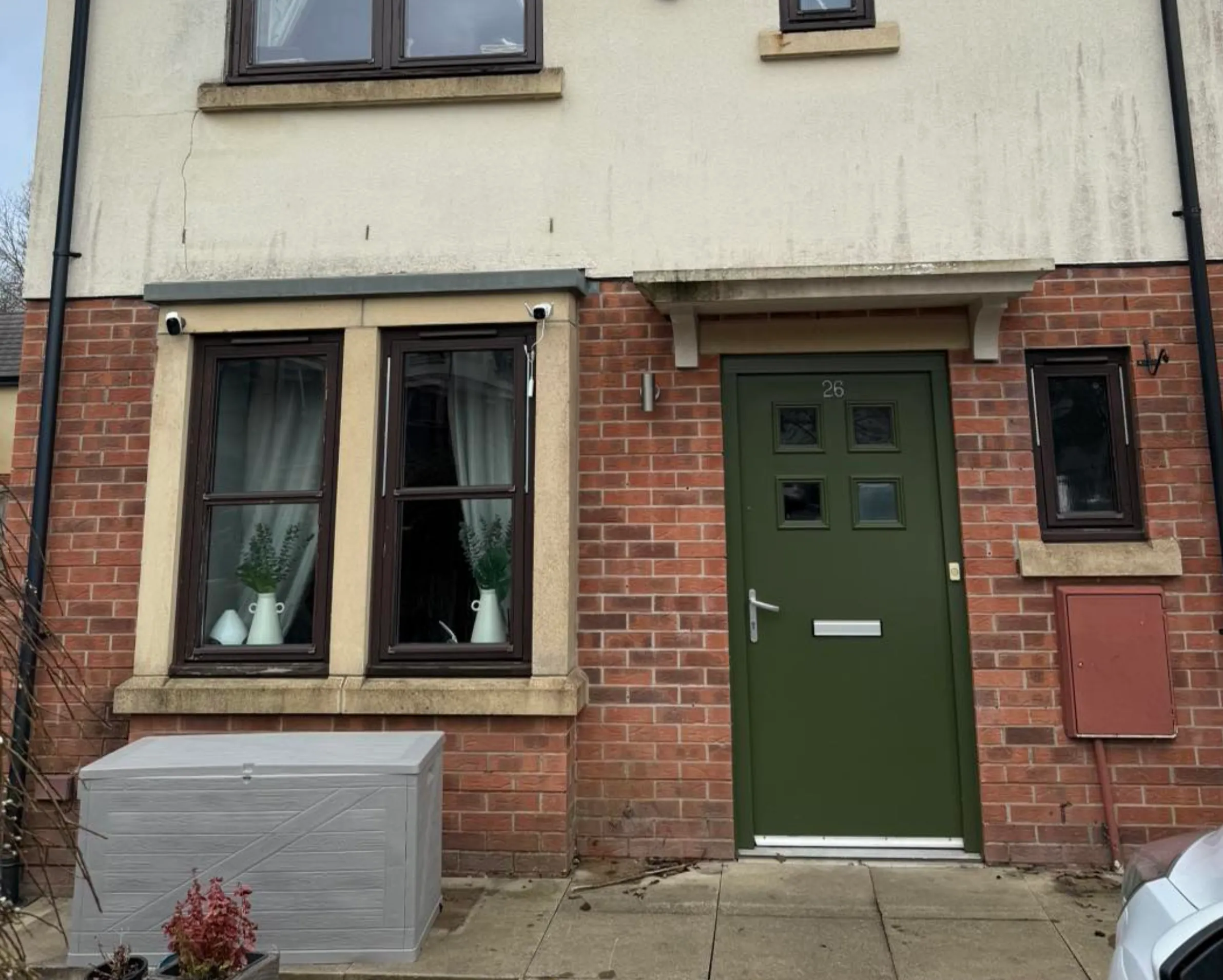
- Very nice and professional cleaning team. We order fully cleaning including gutter , townhouse exterior , all windows outside &inside.WaterCrew provides great service and affordable price .read moreread lessping lee10/11/2026Thankyou. Fantastic work, professional and very happy with how clean our windows and surrounds were.read moreread lessStephanie Johnston10/02/2026Excellent & professional in all ways.read moreread lessWendy Haines9/24/2026
- Eren did a sensational job & his communication was fantastic - would definitely use again & recommend 👍read moreread lessTony Murdoch8/26/2026Eren was professional, efficient and completed the roof cleaning to a very high standard. The service was prompt, the workmanship was excellent, and the overall result was fantastic. Highly recommend Eren for anyone looking for reliable and quality roof cleaning services.read moreread lessJanan8/24/2026Excellent. Efficient, thorough, and swift!read moreread lessLu Lu7/15/2026
- Very happy with the service. They were clean, professional and left everything tidyPlus the job was done beautifullyMany thanks!read moreread lessAdelle7/04/2026Highly recommend Eren and his WaterCrew. Have used for gutter cleaning and will in future use for terracotta roof tile cleaning & window cleaning. They do a very thorough and professional job at competitive rates. Also, they are polite, friendly and well spoken.read moreread less
 Alan Thomas6/30/2026Very professional job done in BrightonVery thorough and was on time !!!!read moreread lessRENATO CENEDESE6/12/2026


What Builds Up on Rendered Walls?
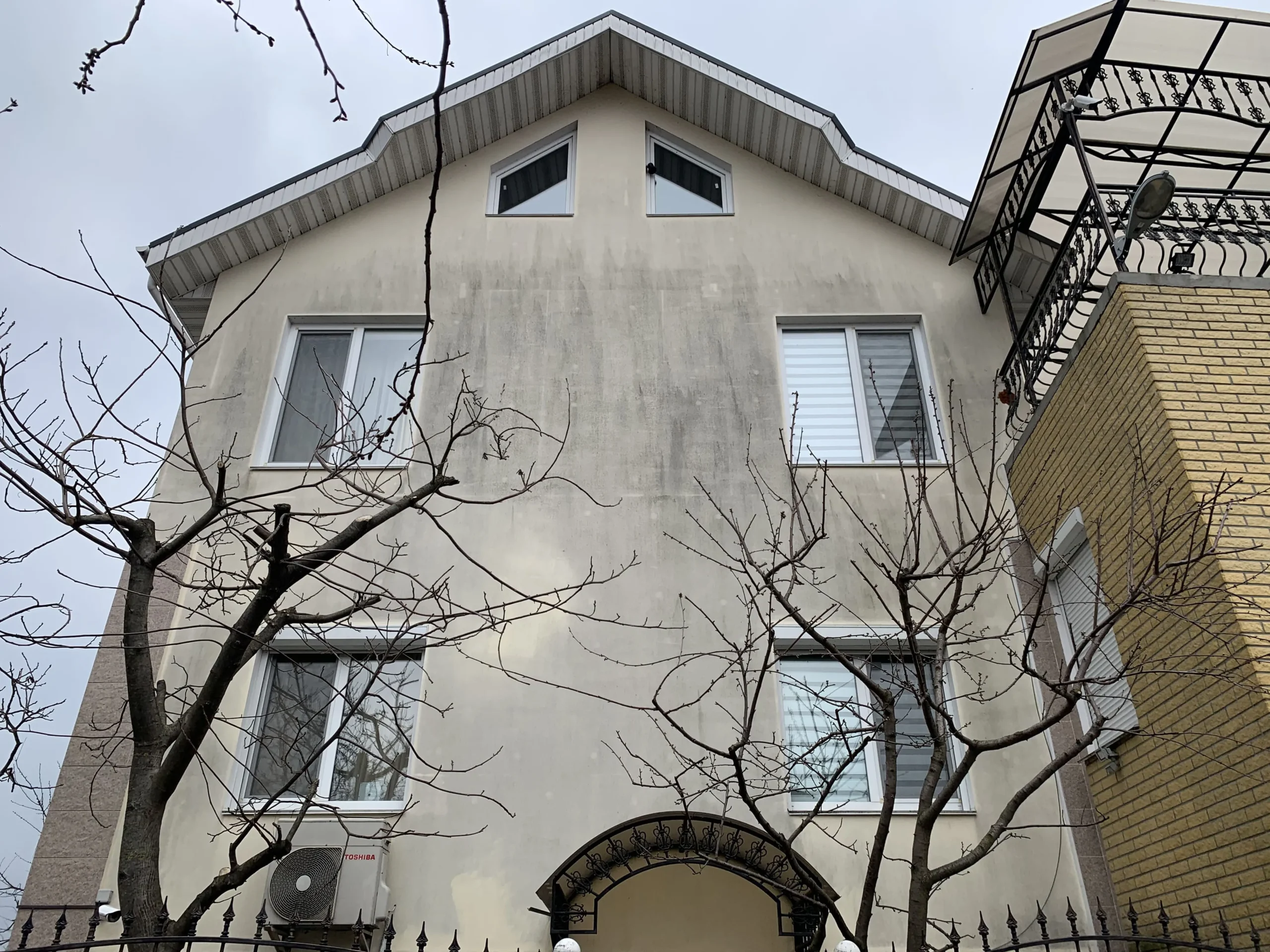
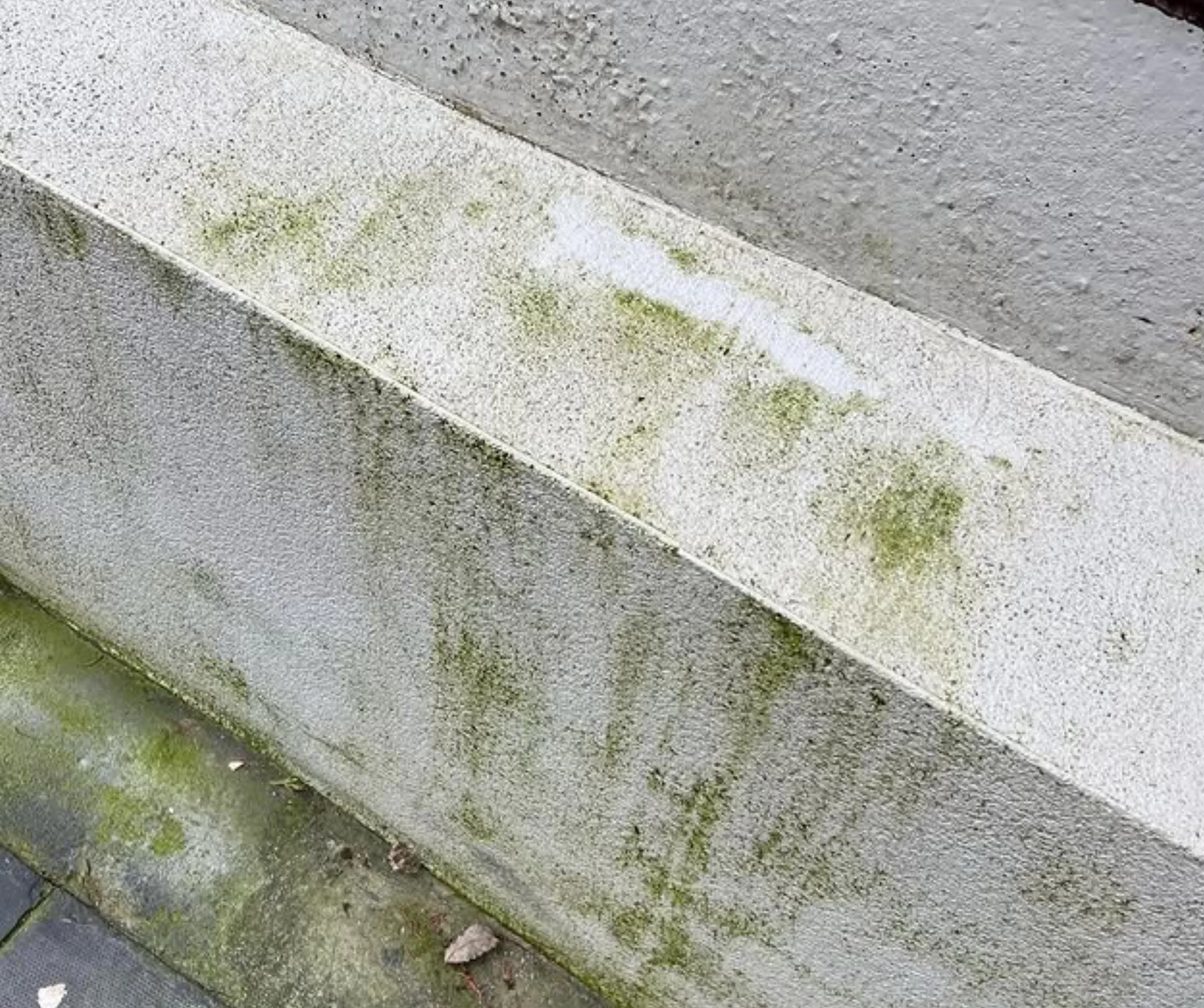
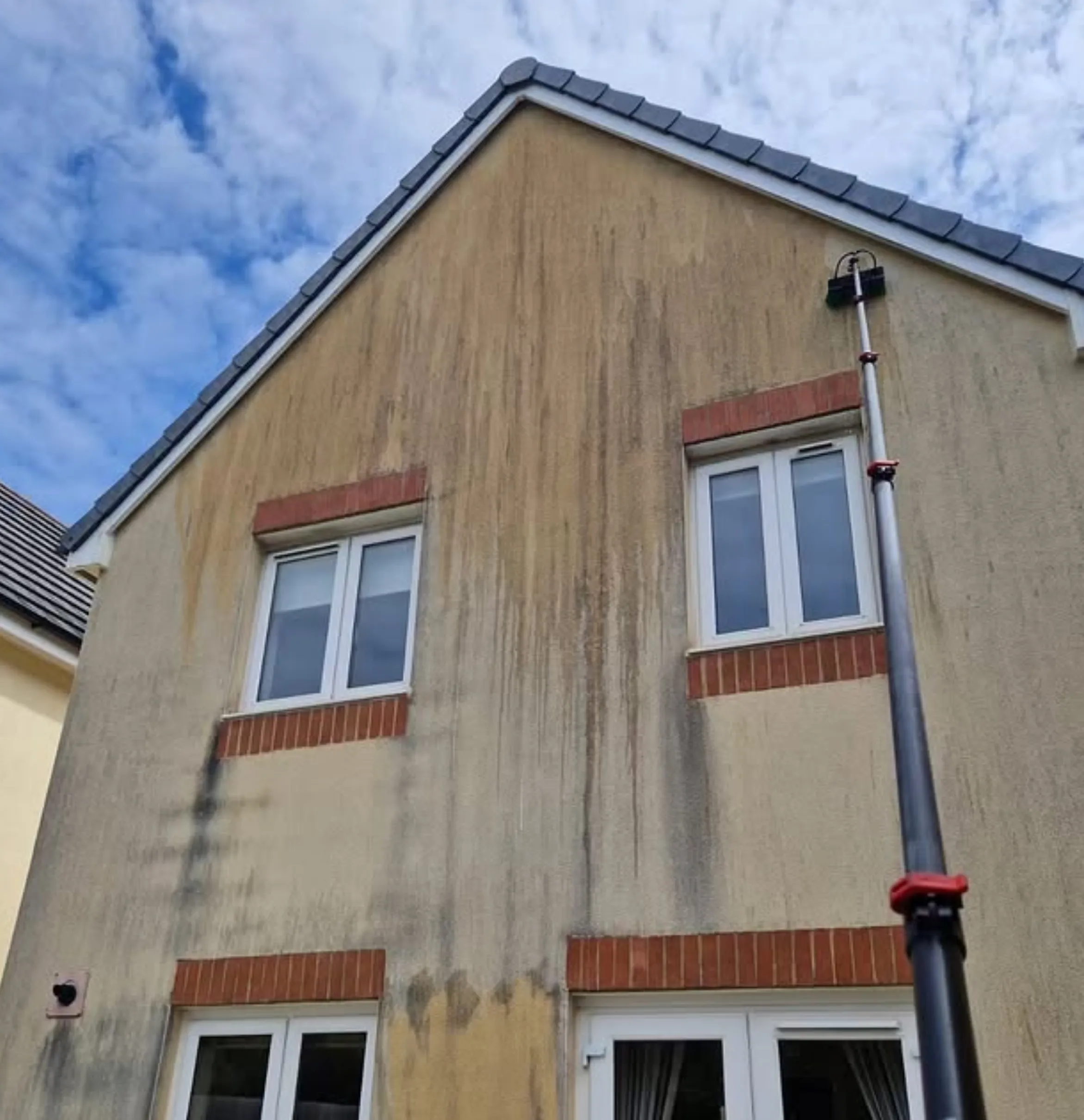
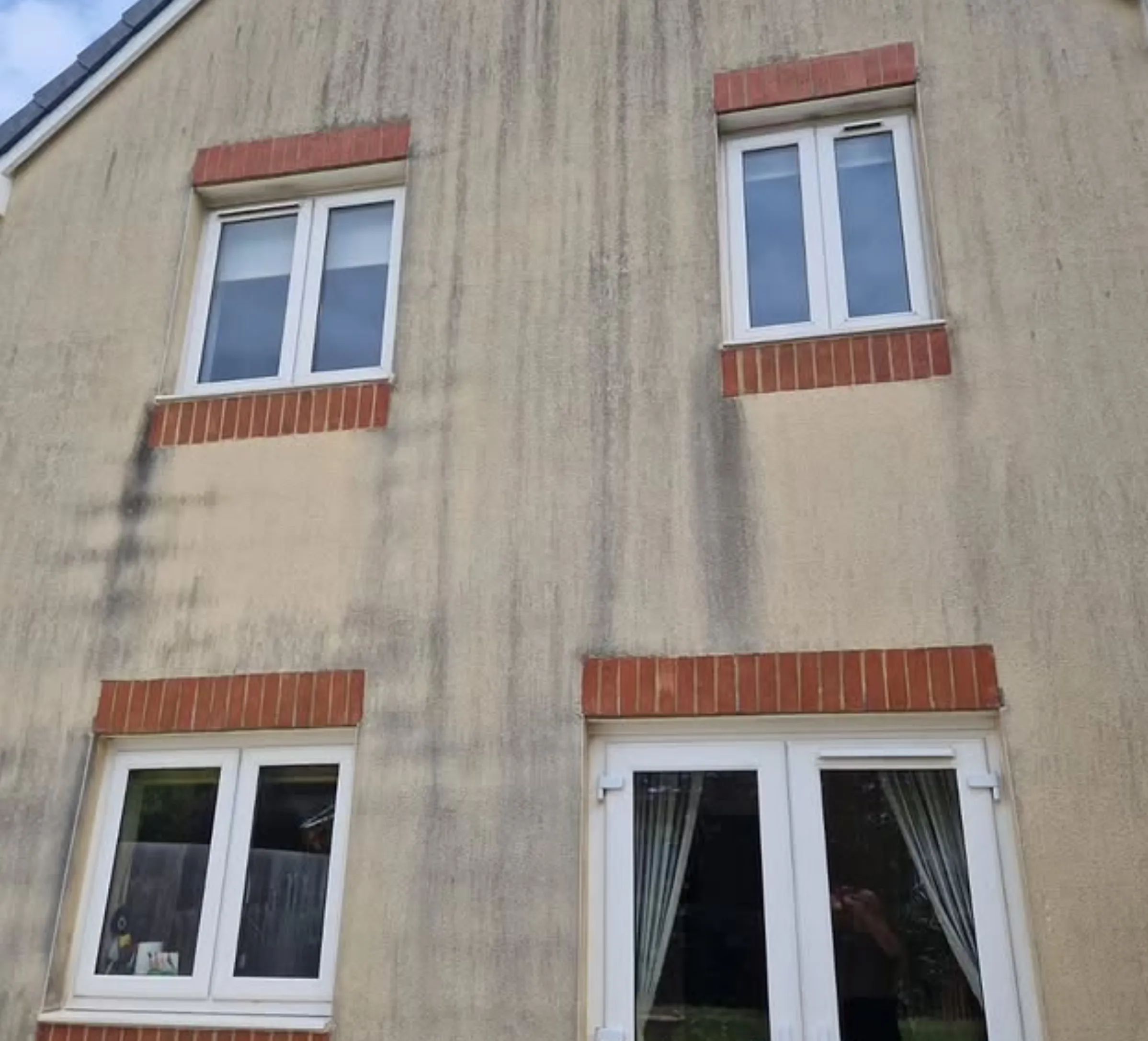
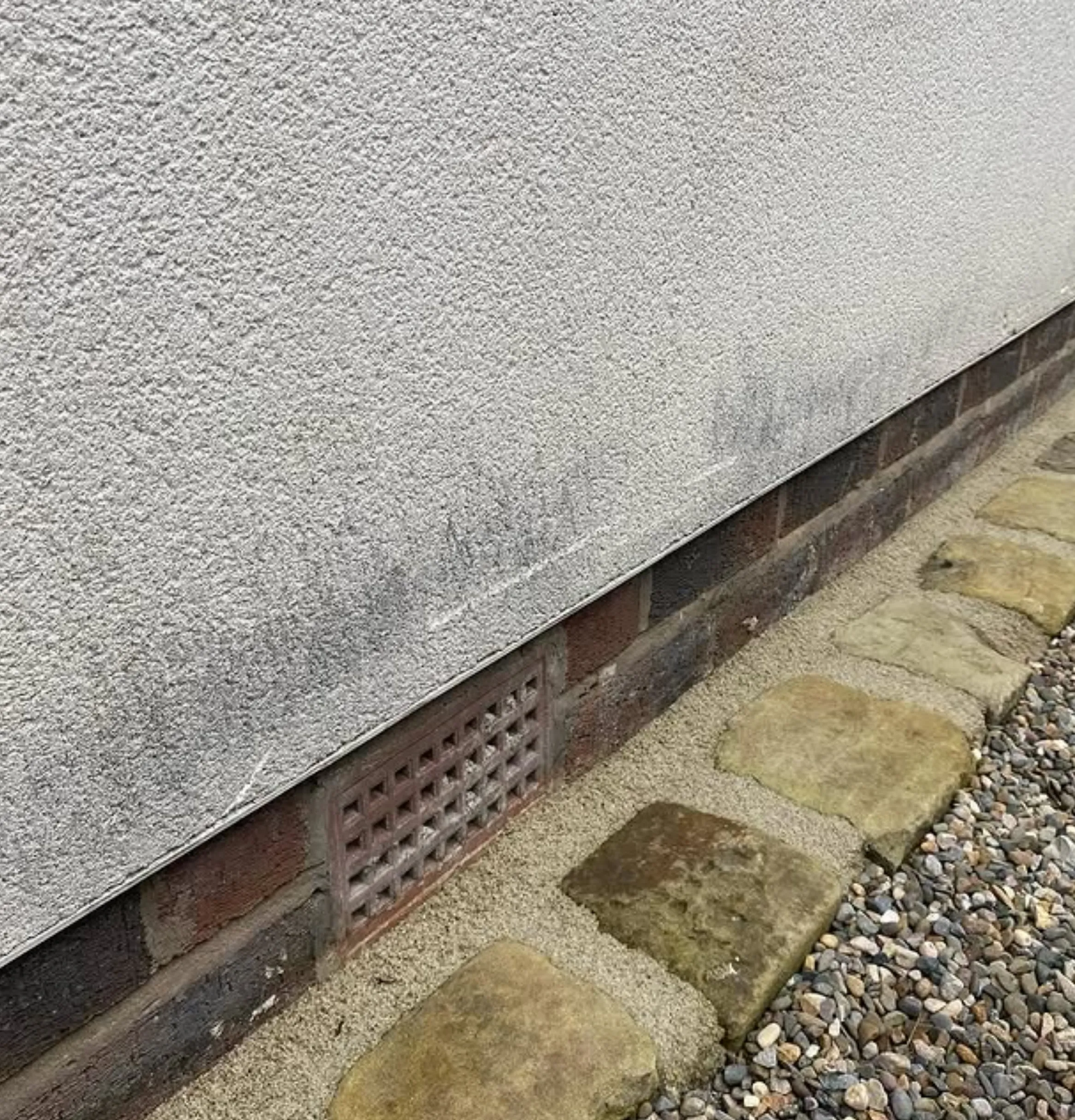
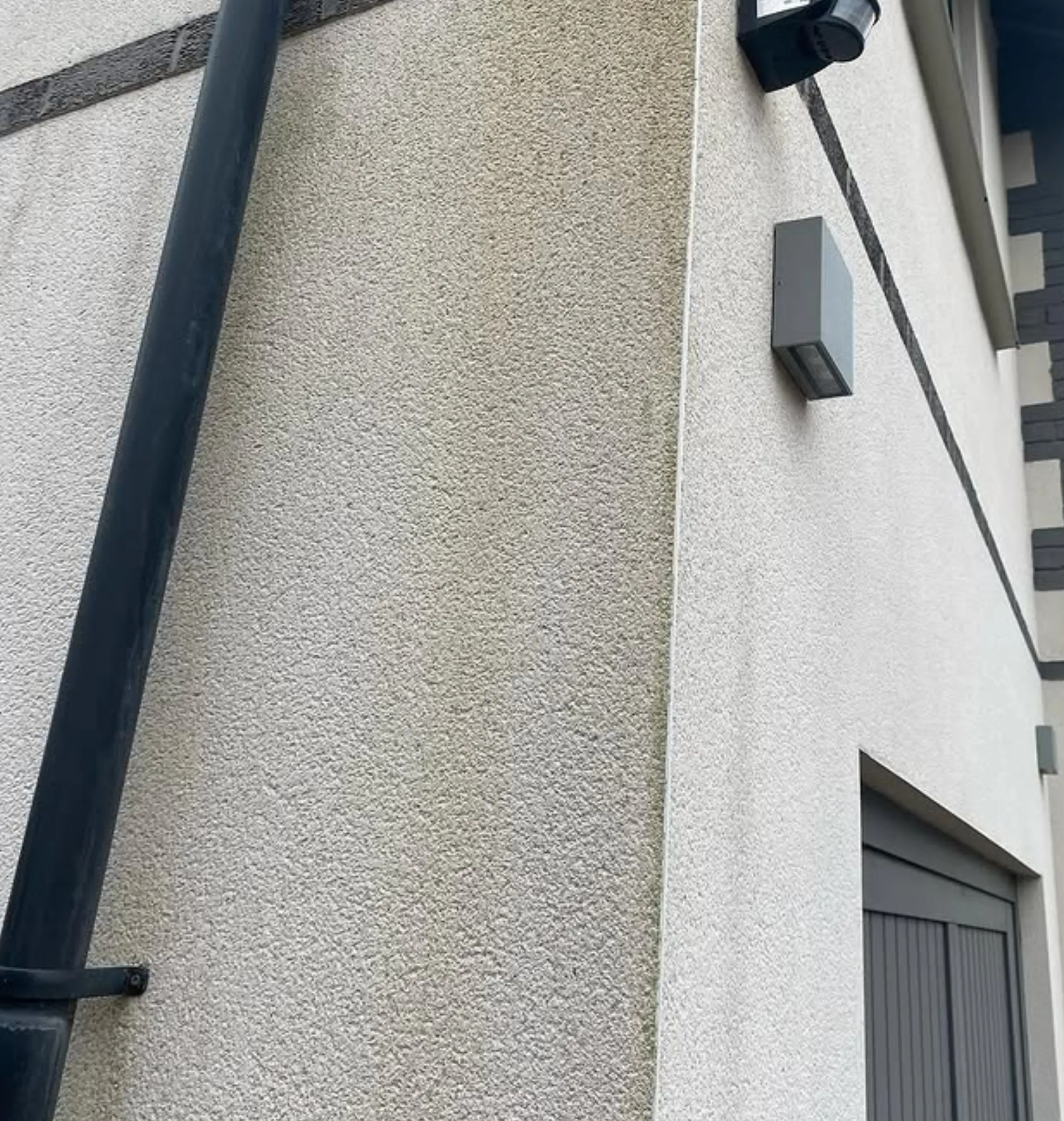
Rendered walls are continually exposed to airborne dirt, rain splash, organic growth and pollutants. Textured finishes can trap dust within their surface profile, while shaded or slow-drying sections may develop mould, mildew, algae and mould spores.
Common build-up includes:
- Dust and general grime;
- Mould, mildew and algae;
- Cobwebs and insect residue;
- Bird droppings;
- Traffic and airborne pollution;
- Splash marks from soil and landscaping;
- Mineral or salt deposits;
- Localised oil stains or paint stains.
Garden irrigation, bore water, and fertiliser residue can also contribute to concentrated staining around lower sections of rendered walls.
Identifying the contamination matters. Organic growth requires a different treatment from loose dust, while efflorescence, rust marks, oil contamination and established mineral deposits should not automatically be attacked with greater pressure.
Why Render Needs a Different Cleaning Approach
Render may look solid, but its visible surface can include paint, texture coatings or other finishes that are less tolerant of aggressive cleaning than many hard masonry surfaces.
Excessive pressure can lift an unsound coating, mark the surface or expose existing deterioration. The condition of the render and any existing coating therefore needs to be assessed before a cleaning method is selected.
We choose the method after examining the wall rather than relying on appearance alone. Effective facade cleaning comes down to matching the technique to the material, coating and contamination, not simply increasing machine pressure.
Choosing a Method for the Surface
No single method is suitable for every rendered façade.
| Method | Best suited to | Main consideration |
|---|---|---|
| Soft washing | Organic growth, general grime, many painted or coated rendered surfaces | Cleaning solution and dwell time must suit the surface |
| Controlled pressure cleaning | Sound surfaces where controlled water pressure is appropriate | Pressure, nozzle, distance and coating condition matter |
| Hand cleaning | Sensitive finishes, small areas and localised marks | Slower but provides greater control |
Low-Pressure Treatment
Soft washing relies more on appropriate cleaning treatment and dwell time than mechanical force. The solution loosens or treats contamination before the wall is rinsed at low pressure.
This approach is particularly useful where mould or algae extends over a large area and increasing water pressure would pose an unnecessary risk to the finish. Where a cleaning solution is required, product selection should account for the render, surrounding materials and the contaminant being treated.
When Controlled Pressure Is Appropriate
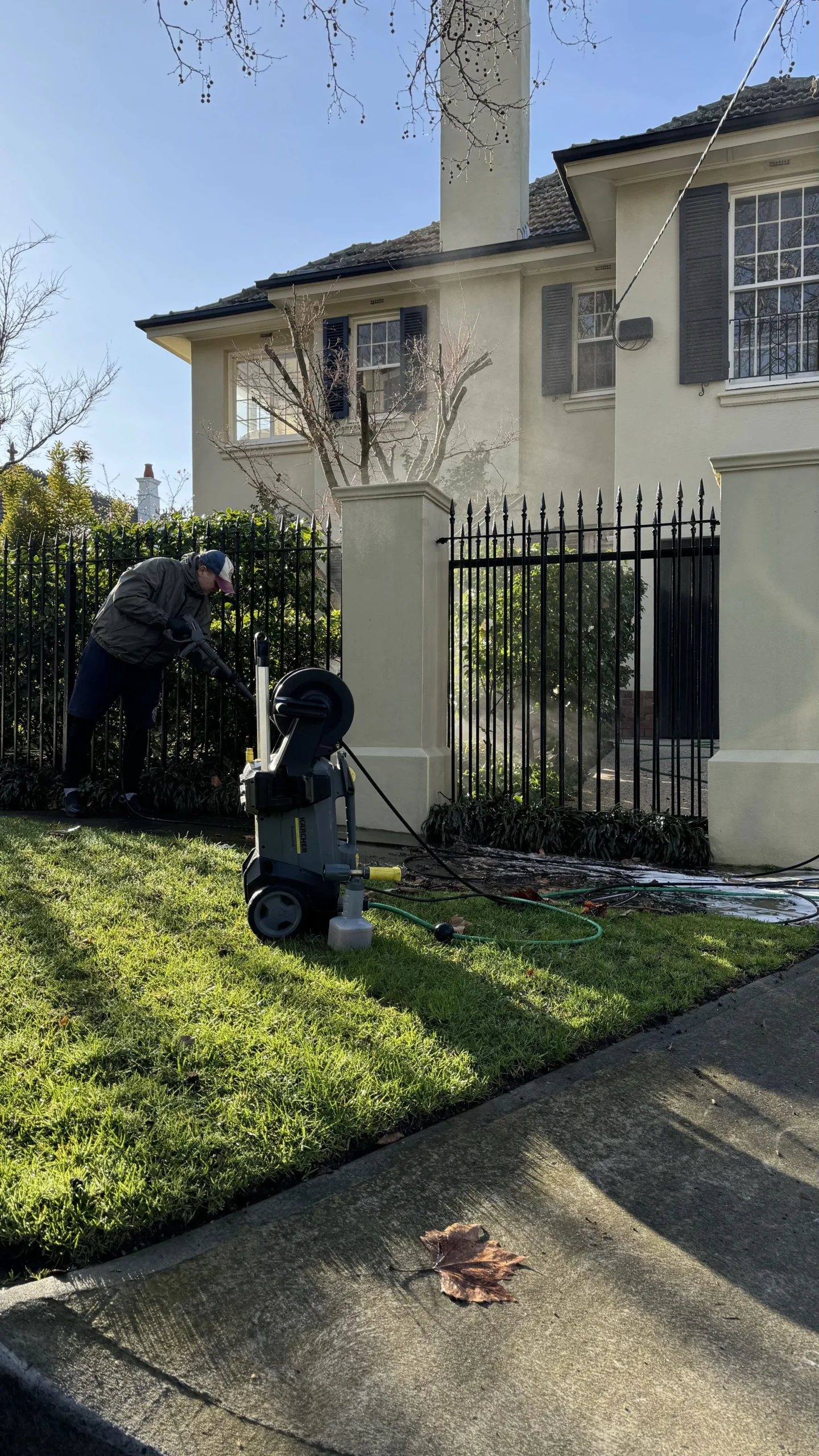
Pressure cleaning can be appropriate for some sound, rendered surfaces, but “controlled” is the important word. A suitable spray pattern, pressure setting and working distance reduce unnecessary stress compared with concentrating the force of water on a small area.
Manufacturer requirements can be considerably more specific. For example, Australian guidance for some rendered wall systems specifies cleaning at only 80–120 PSI, using a fan tip rather than a direct needlepoint spray, with the pressure cleaner kept approximately 200 mm from the wall. These are system-specific figures, not universal settings for every rendered surface. They illustrate why coating requirements and surface condition take precedence over a generic pressure setting.
A pressure cleaner’s ability to remove a mark quickly does not make it the right tool for every wall. Surface strength, paint adhesion, existing cracks and surrounding joints all influence the decision.
Localised and Sensitive Areas
A soft brush, sponge, or targeted treatment provides greater control around sensitive coatings, corners, detailed areas, and isolated stains. Hand cleaning may also be preferable where deterioration makes broader mechanical cleaning inappropriate.
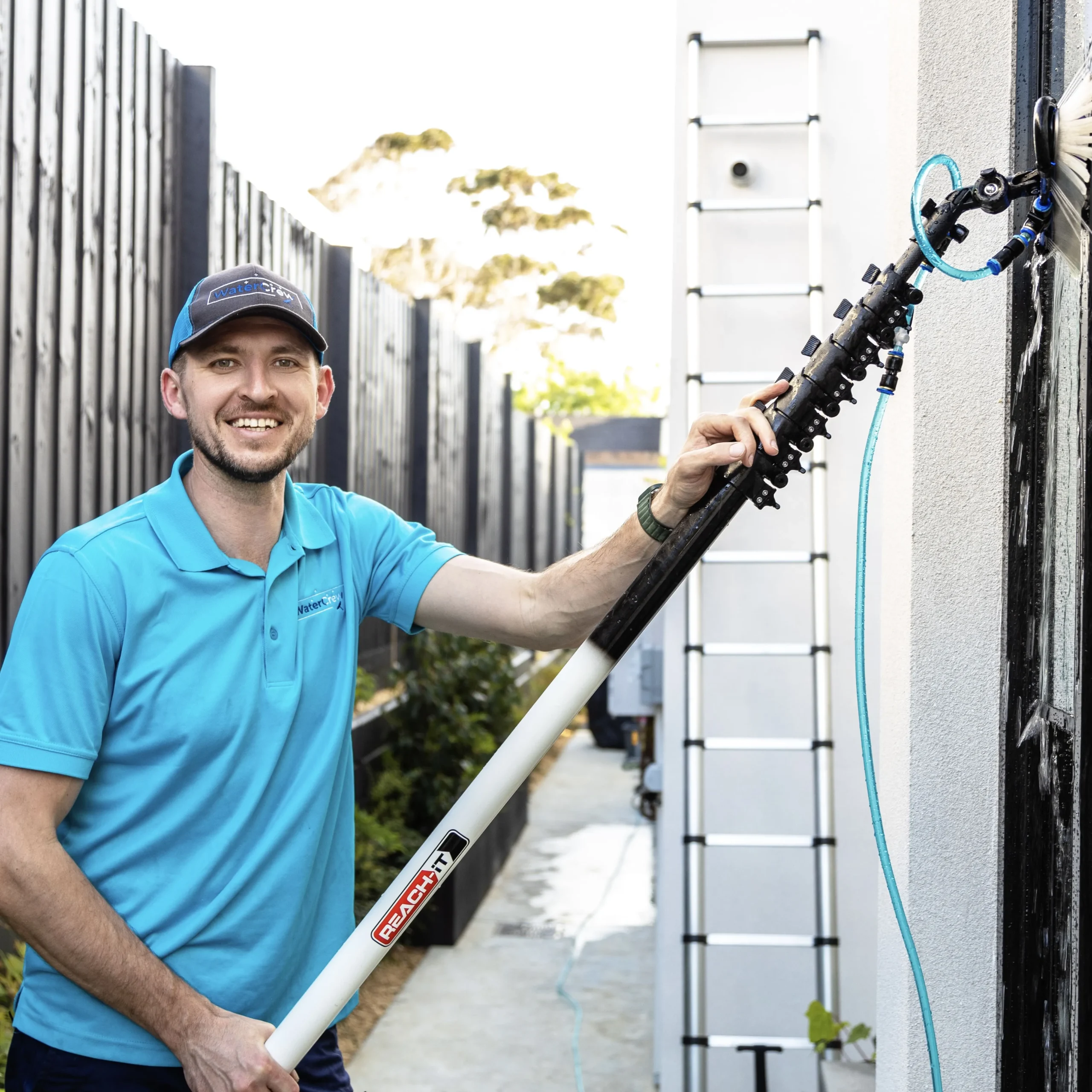
Soft-bristled brushes can provide controlled agitation when dwell time alone is insufficient, but additional water pressure would be unsuitable.
Other forms of contamination may call for targeted treatment rather than increased pressure. Whatever the approach, it must suit both the stain and the underlying finish.
What We Check Before Starting
Before selecting the cleaning process, we consider:
- The apparent render and coating type;
- Whether the surface is painted, textured or otherwise coated;
- Cracks, flaking, chalking or loose areas;
- The type and severity of contamination;
- Nearby windows, doors, fixtures and landscaping;
- Wall height and safe access;
- Sections where moisture or staining may indicate an underlying issue.
Surface temperature and direct sunlight matter too. A cleaning solution that dries too quickly may not receive sufficient dwell time.
Where surface response or coating stability is uncertain, a small test area may also be appropriate.
Suitable Render and Coating Types
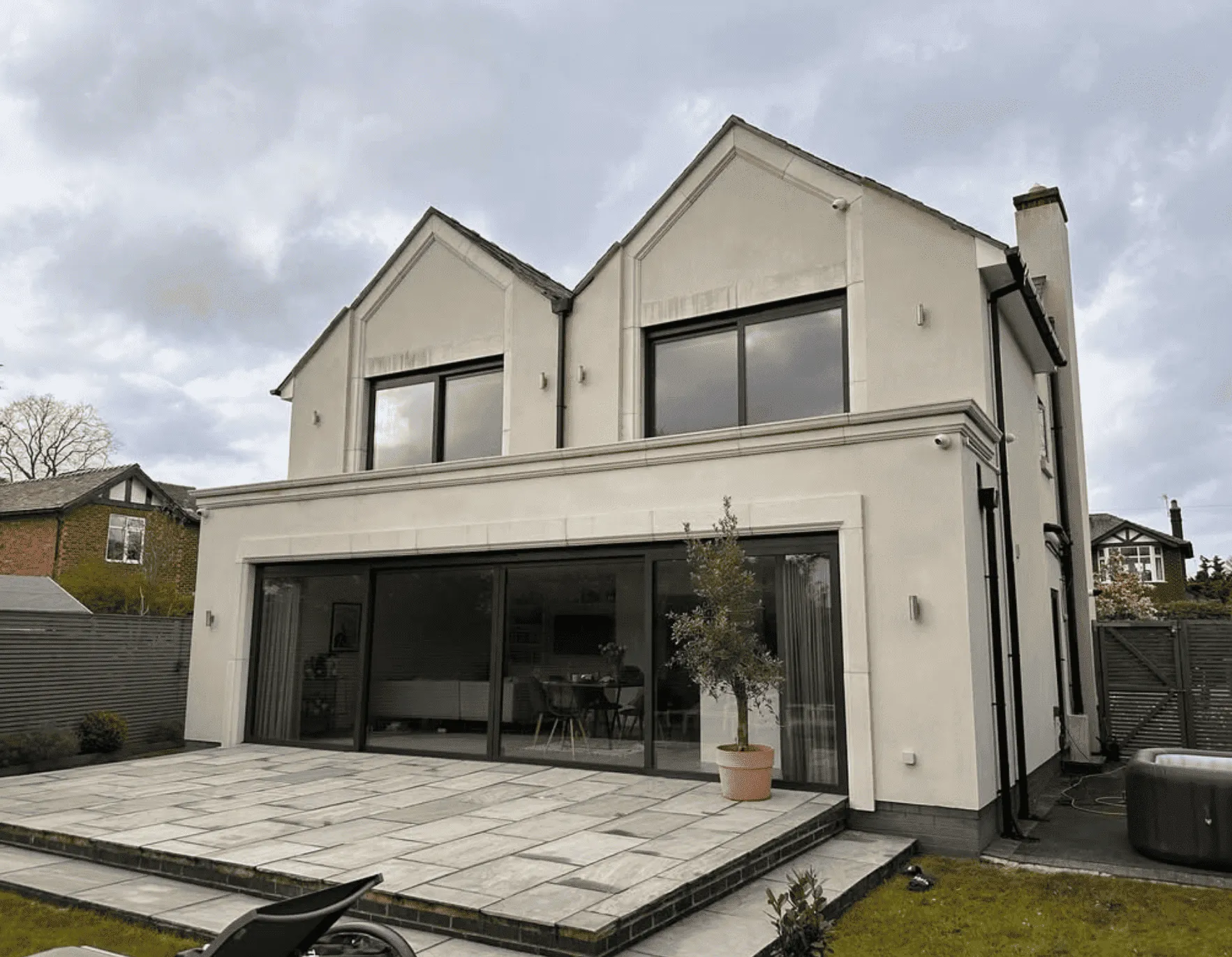
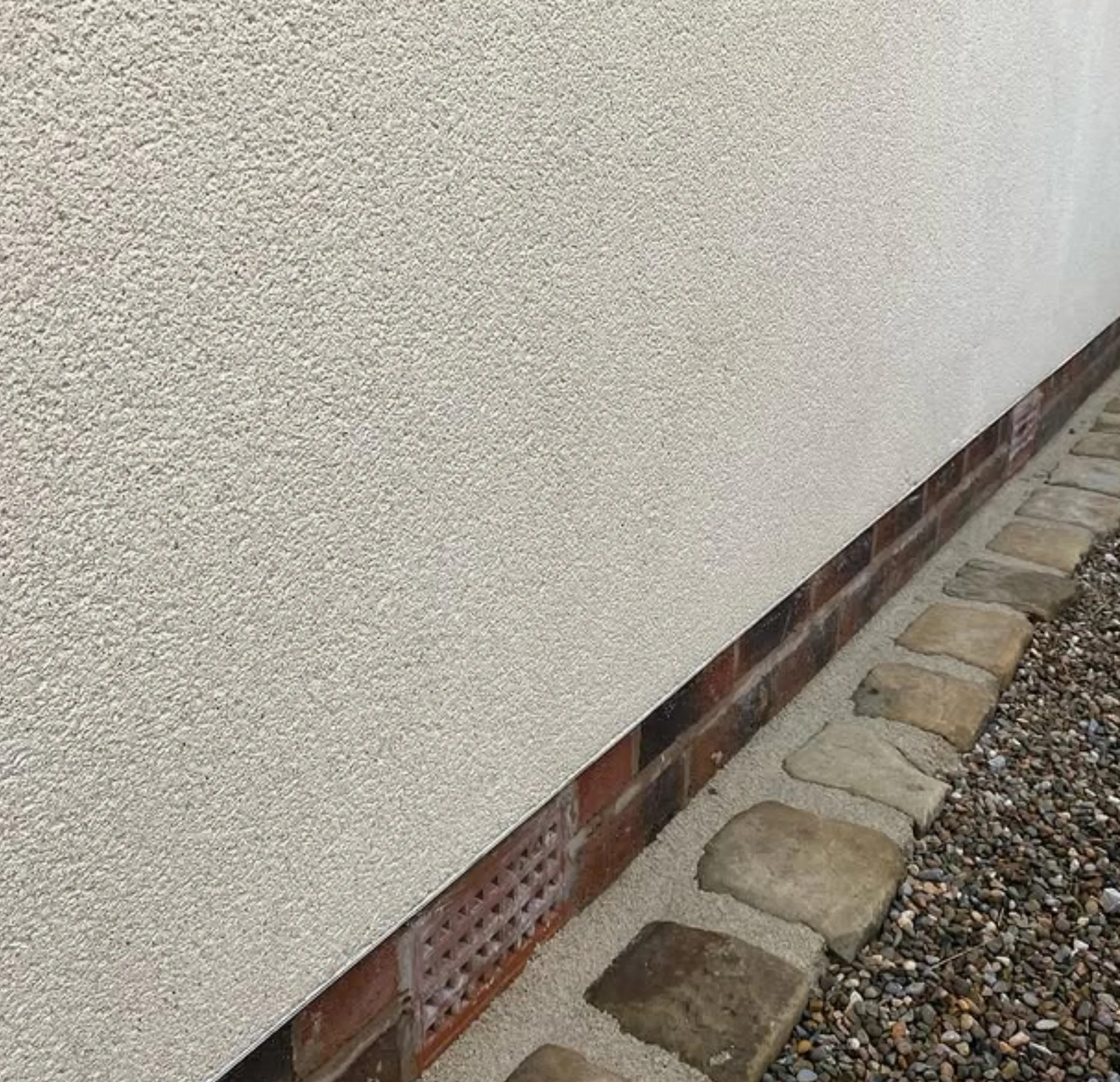
Render cleaning may be suitable for cement-based render, acrylic render and many painted or textured rendered finishes, provided their condition allows cleaning.
Surface condition can be just as important as render type. Two walls made from similar materials may require different methods if one has a sound coating while the other has peeling paint, cracks or previous repairs.
Where the exact system is uncertain, a conservative assessment is preferable to assuming the wall will tolerate aggressive cleaning.
Stains, Defects and Realistic Results
Cleaning can remove surface contamination, but it cannot repair the substrate underneath.
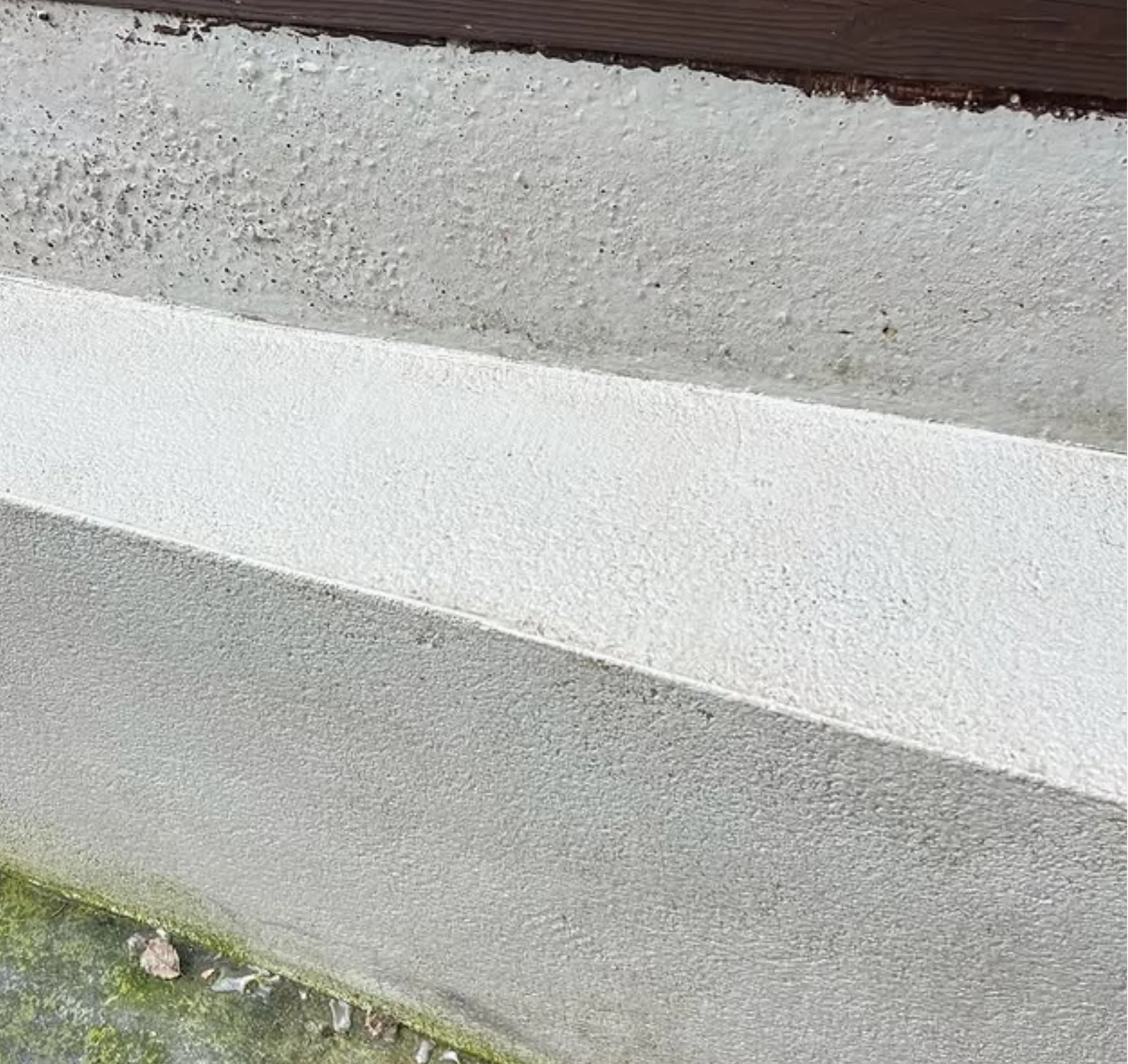
Mould, algae, dust, cobwebs and many forms of surface grime may respond well to cleaning. Deep cleaning or targeted treatment may help with more established contamination. Cracked render, delamination, loose coatings, damaged paint and structural movement, however, require repair rather than stronger washing.
Some mineral deposits, rust staining, oil stains, paint stains or discolouration may also remain after normal cleaning. White or crystalline deposits can be efflorescence rather than ordinary dirt. Because efflorescence involves soluble salts reaching the surface with moisture, removing the visible deposit does not necessarily address the moisture conditions that may cause it to recur.
Recognising the difference prevents a permanent defect or underlying moisture issue from being mistaken for dirt that simply needs more pressure.
Our Process from Assessment to Final Check
We begin by assessing the surface and identifying the contamination. Surrounding areas that could be affected by water or cleaning treatment are considered before work starts.
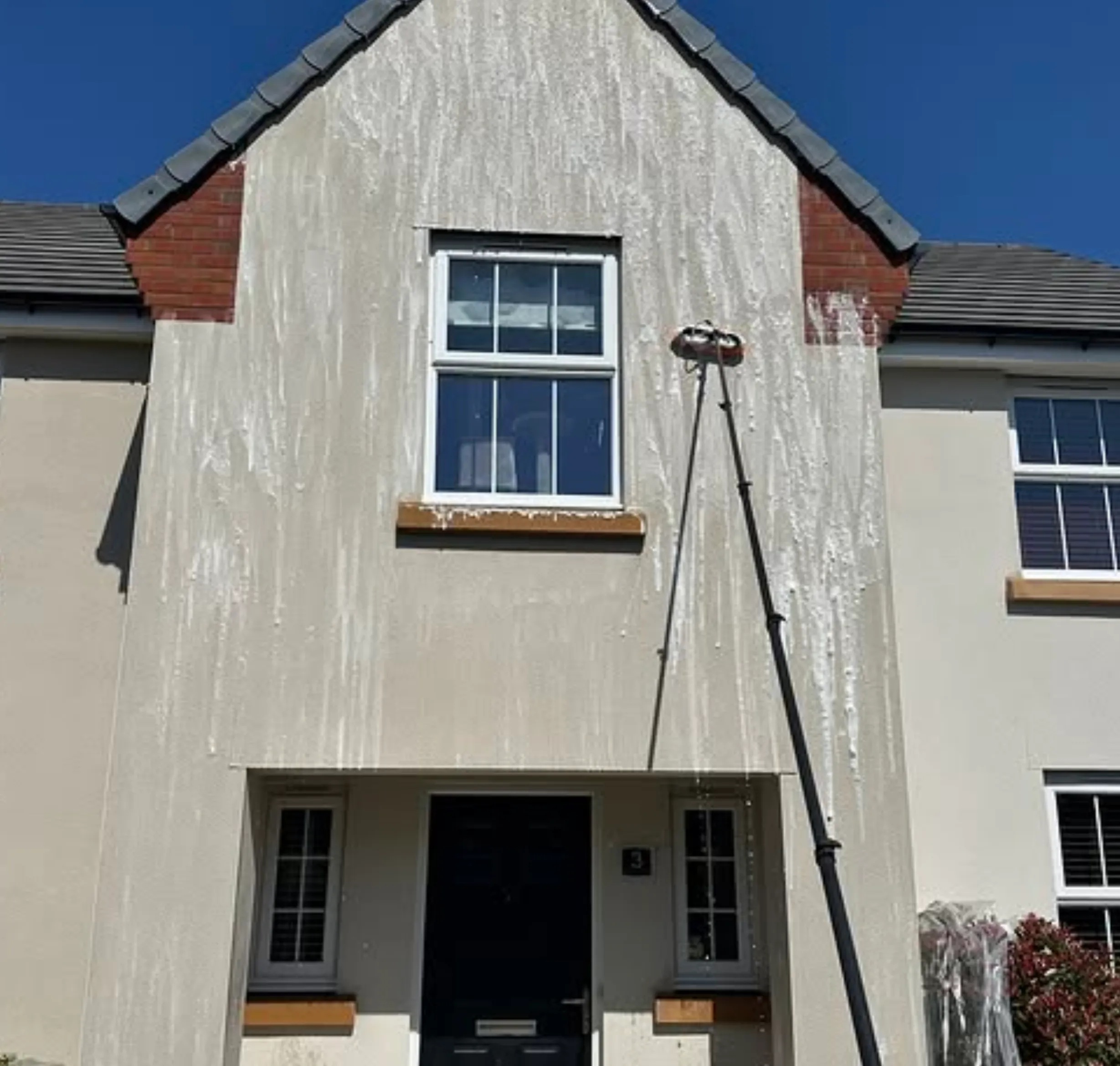
We then select an appropriate method, treat the contamination where required and allow a suitable dwell time rather than immediately increasing pressure. Even application matters: patchy treatment can produce uneven cleaning, while established organic staining may require targeted or repeated treatment rather than additional pressure.
The wall is cleaned or rinsed using the selected technique, with localised areas addressed separately where necessary. After rinsing, we check for remaining contamination and distinguish it from staining or defects that cleaning cannot reasonably remove.
Equipment Selected for the Surface
Professional render cleaning can involve soft-wash delivery equipment, pressure-cleaning equipment with suitable pressure control and spray patterns, extension equipment and hand-cleaning tools.
Maximum machine pressure is not an advantage. What matters is the ability to control how water and cleaning treatment reach the surface. Nozzle pattern, working distance, flow, cleaning-solution application and agitation can all affect the wall.
Equipment is selected around the render rather than forcing one machine onto every façade.
Access for Upper Levels and Complex Facades
Height changes both access and cleaning technique. Upper-storey render can be difficult to treat evenly from ground level, particularly around balconies, setbacks, architectural projections and restricted side access.
Window Cleaning Melbourne Crew provides exterior and window cleaning services, including work on high-rise buildings, so access can be considered as part of the job assessment. The appropriate approach depends on the building itself; not every elevated wall can be reached in the same way.
Façade height, obstacles and access complexity can also affect the scope and quote, particularly on multi-storey commercial properties where working around occupied areas may add complexity.
When Maintenance Is Worth Considering
There is no single cleaning interval that applies to every rendered property. As a useful manufacturer benchmark, Australian guidance for some rendered and textured wall systems recommends periodic cleaning every 6–12 months, while another Australian system specifies cleaning and maintenance at least once a year, or more regularly where required. These are system-specific maintenance recommendations, not a rule that every Melbourne façade requires professional cleaning on that schedule.
Exposure still matters. Shaded walls, areas near vegetation and sections that stay damp may develop organic growth sooner than open, fast-drying elevations. Visible mould, algae or widespread grime can therefore justify an earlier assessment rather than waiting for an arbitrary date.
What Backs Up the Work We Do
Our approach is based on matching the cleaning technique to the actual surface, contamination and access rather than treating render like concrete.
Window Cleaning Melbourne Crew provides render cleaning as part of its exterior cleaning services across Melbourne. Where several exterior surfaces are involved, each can be assessed according to its own material and condition rather than receiving the same pressure or treatment.
Request a Quote for Your Rendered Areas
For an accurate render cleaning quote, useful details include the size and height of the rendered area, its condition, the type of staining and how easily the walls can be accessed.
Contact Window Cleaning Melbourne Crew with details of the property and the areas you want cleaned. Photos can help with an initial assessment of the apparent render finish, coating condition, staining and access, particularly where walls are elevated or show signs of deterioration.

Your satisfaction is our top priority. We tailor our services to meet your specific needs

We are committed to environmental responsibility. Our cleaning products are eco-friendly.

Pricing
We offer competitive pricing without compromising on the quality of our services.

Expertise
As a locally owned and operated company, we understand the unique needs of our community.
FAQ
Can you pressure wash rendered walls?
Sometimes, pressure cleaning is not suitable for every rendered surface. The render type, coating condition, nozzle, pressure and working distance must all be considered before it is used. Some Australian render-system guidance specifies pressures as low as 80–120 PSI, illustrating why render should not automatically be treated like a hard concrete surface.
Will rendering and cleaning remove black mould marks?
Cleaning can remove or substantially reduce many forms of organic growth, including mould, algae and surface mould spores. Results depend on whether the visible mark is active surface contamination or staining that has affected the coating itself.
Can damaged render still be cleaned?
It depends on the condition and location of the damage. Loose render, peeling coatings or significant cracking may require repair first because cleaning cannot restore failed material, and aggressive treatment could worsen it.
What affects the cost of render cleaning?
The main factors are the area being cleaned, building height, access, surface condition, contamination and the required cleaning method. Multi-storey walls, restricted access and extensive targeted treatment can increase the work involved.
Should I clean and render as soon as mould appears?
Early treatment can prevent organic growth and grime from spreading. As a manufacturer benchmark rather than a universal rule, some Australian rendered-wall systems recommend periodic cleaning every 6–12 months. Actual maintenance needs still depend on the coating, exposure, moisture, shade and surrounding vegetation.
SEO Title: Render Cleaning Melbourne
Meta Description: Professional render cleaning Melbourne for homes and commercial properties. Soft washing and controlled pressure cleaning for rendered walls.