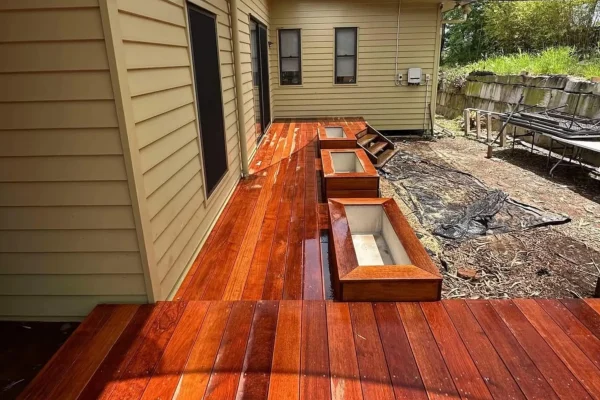
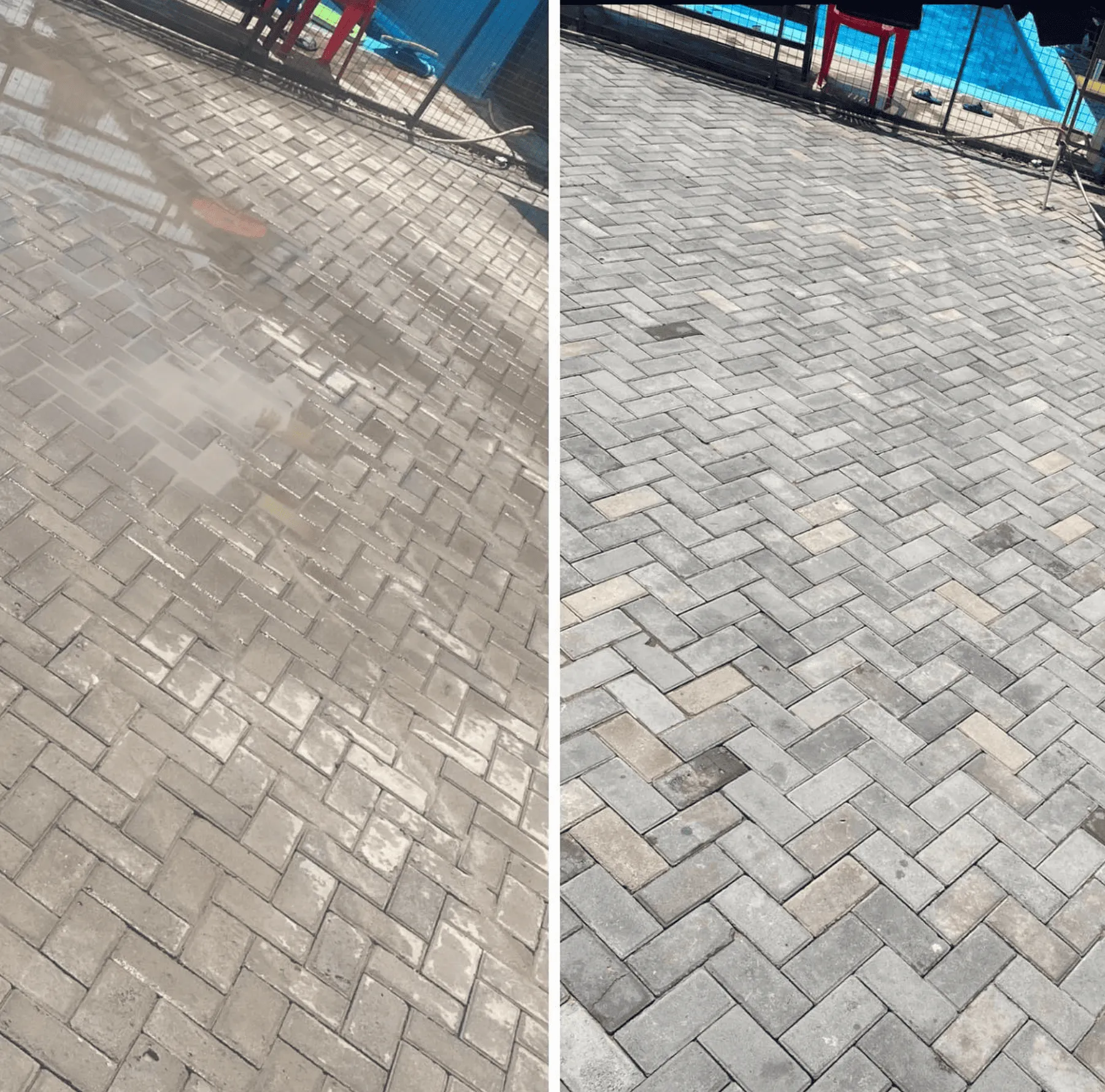
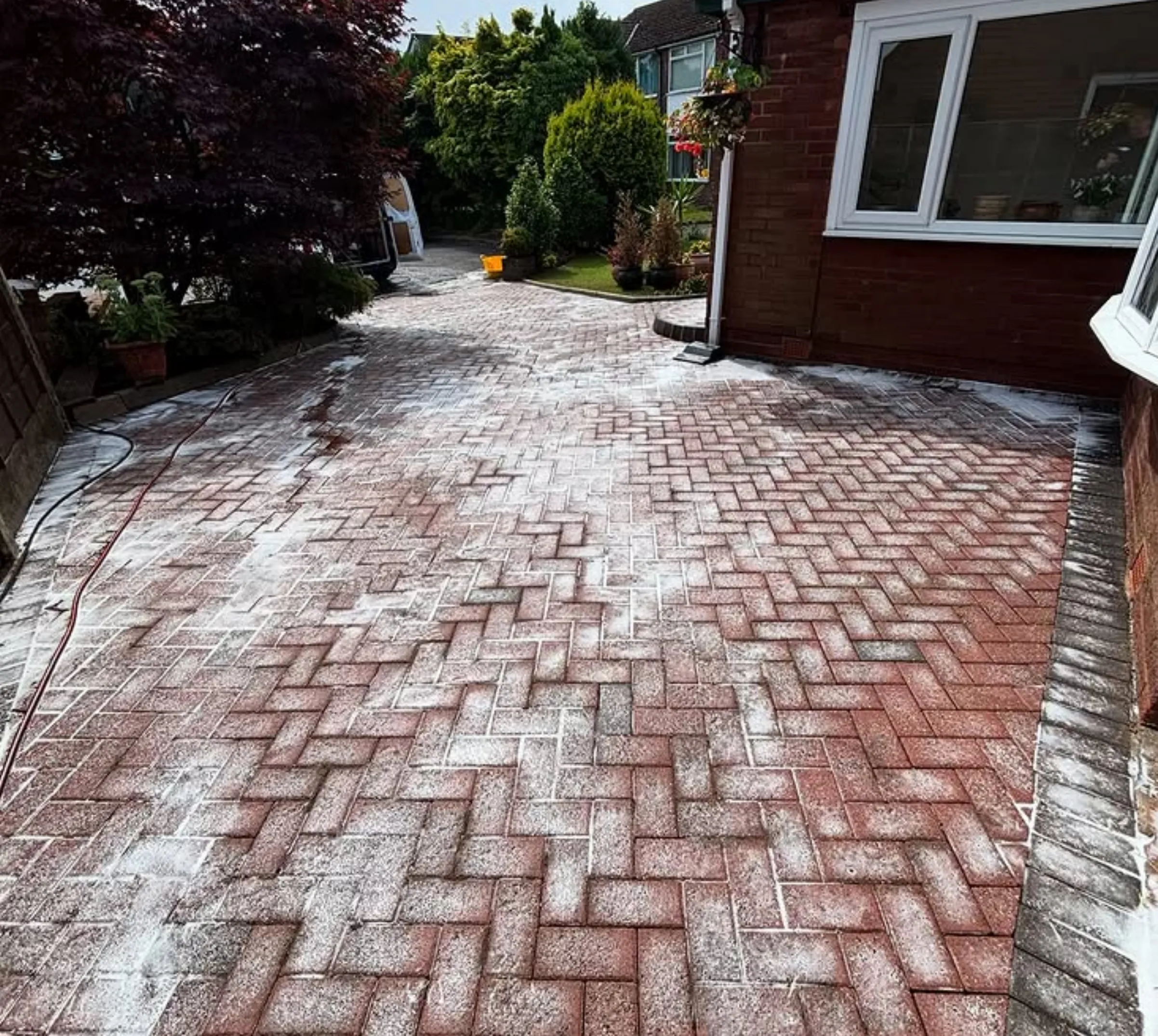
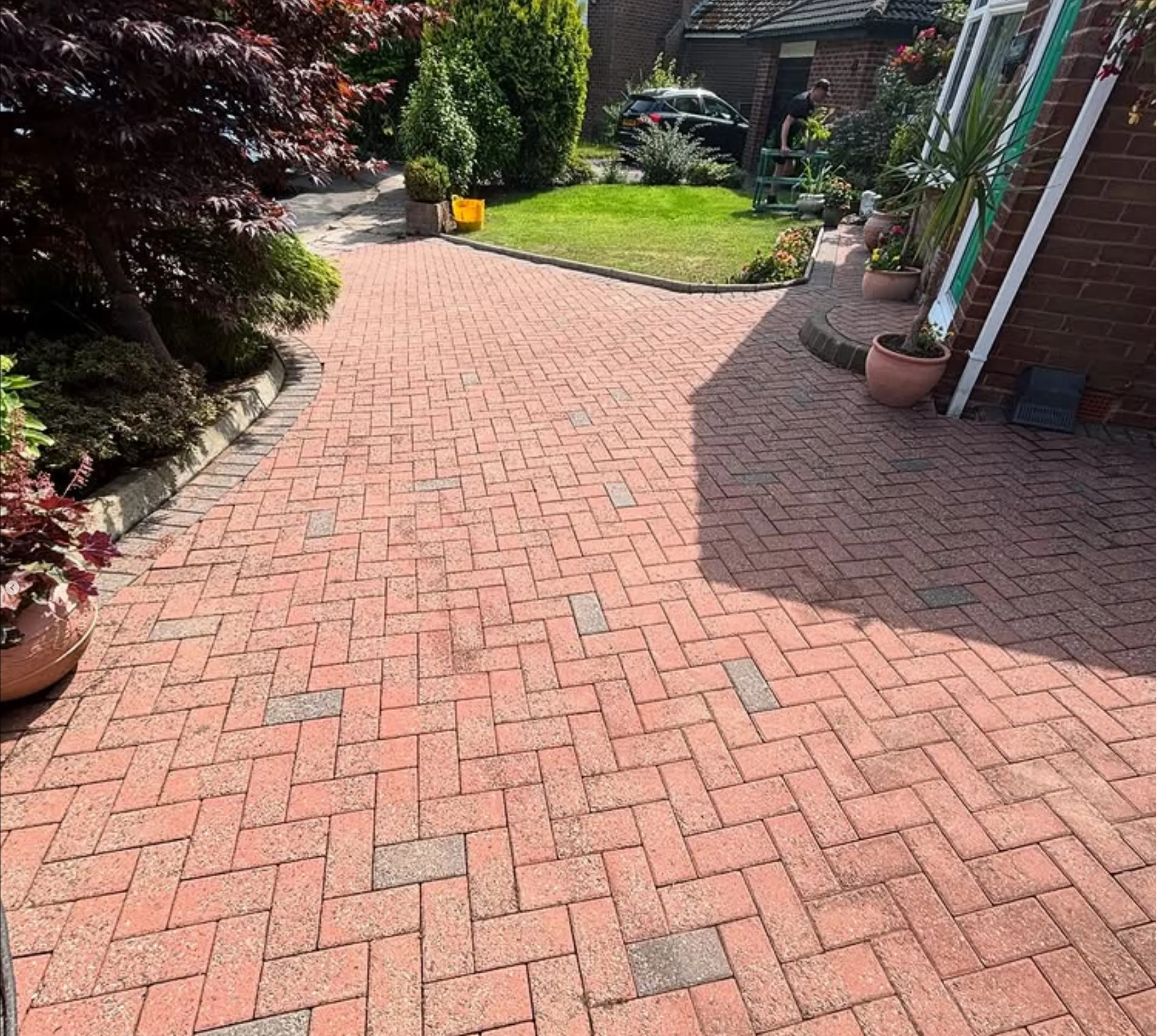
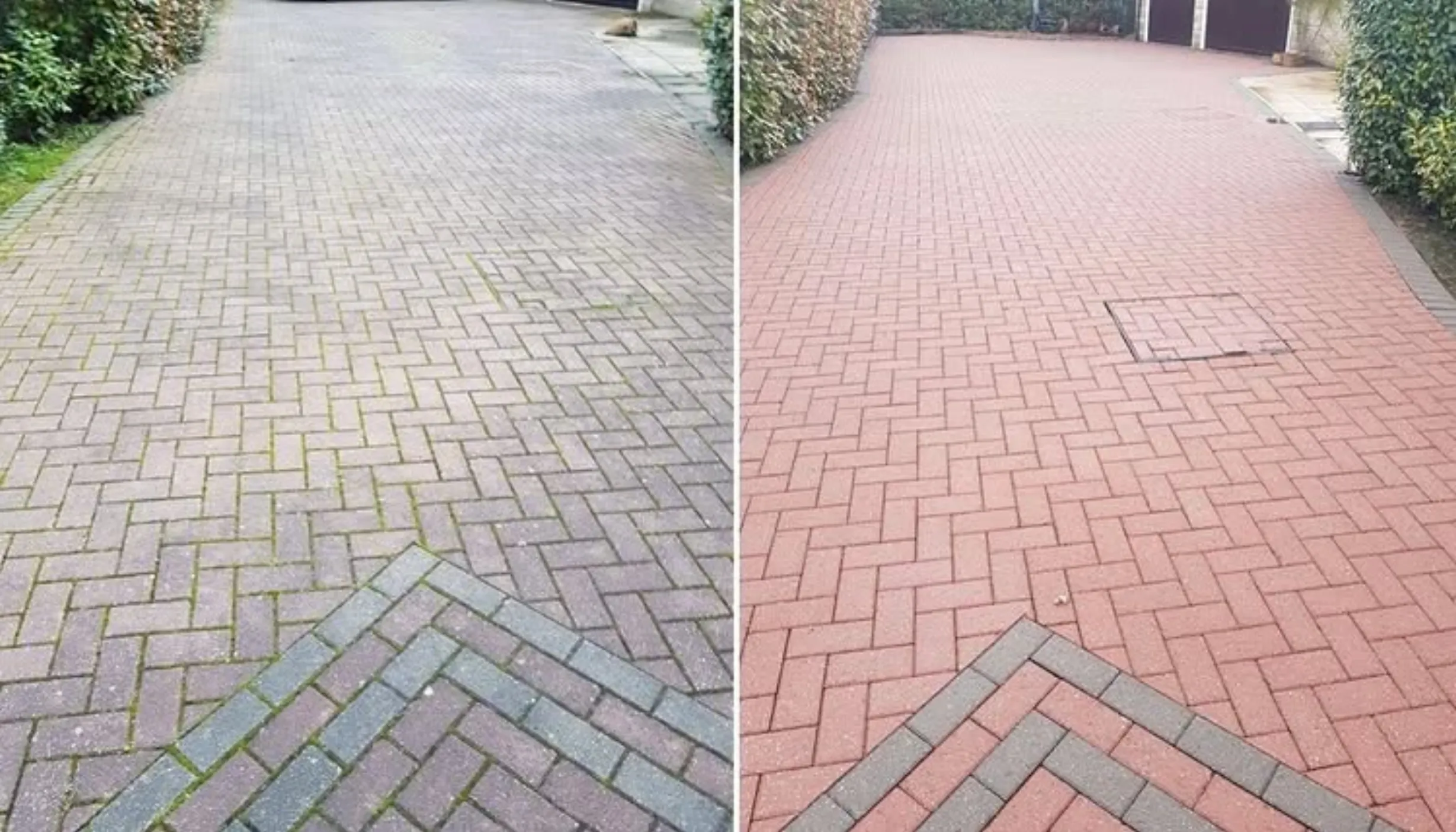
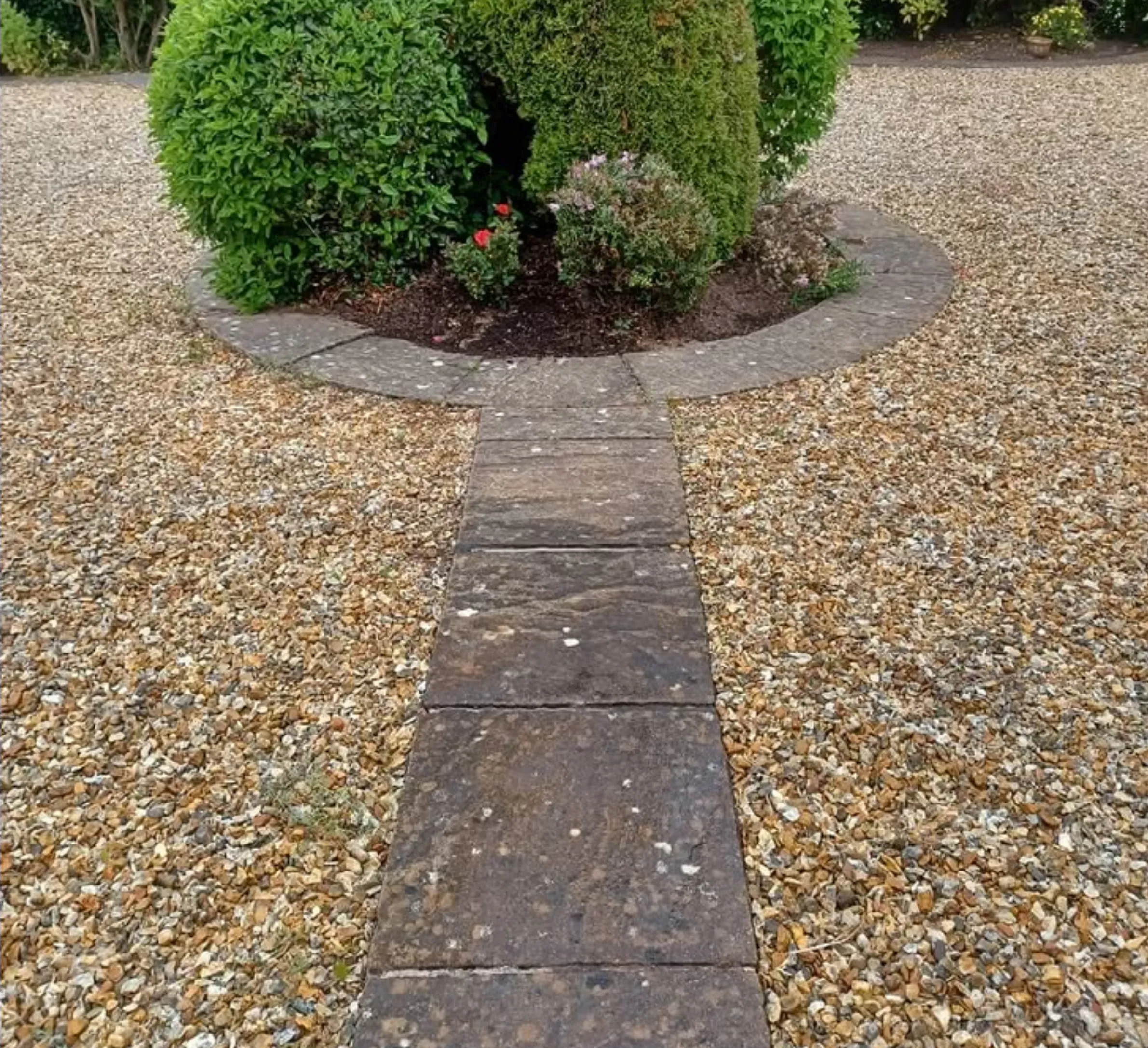
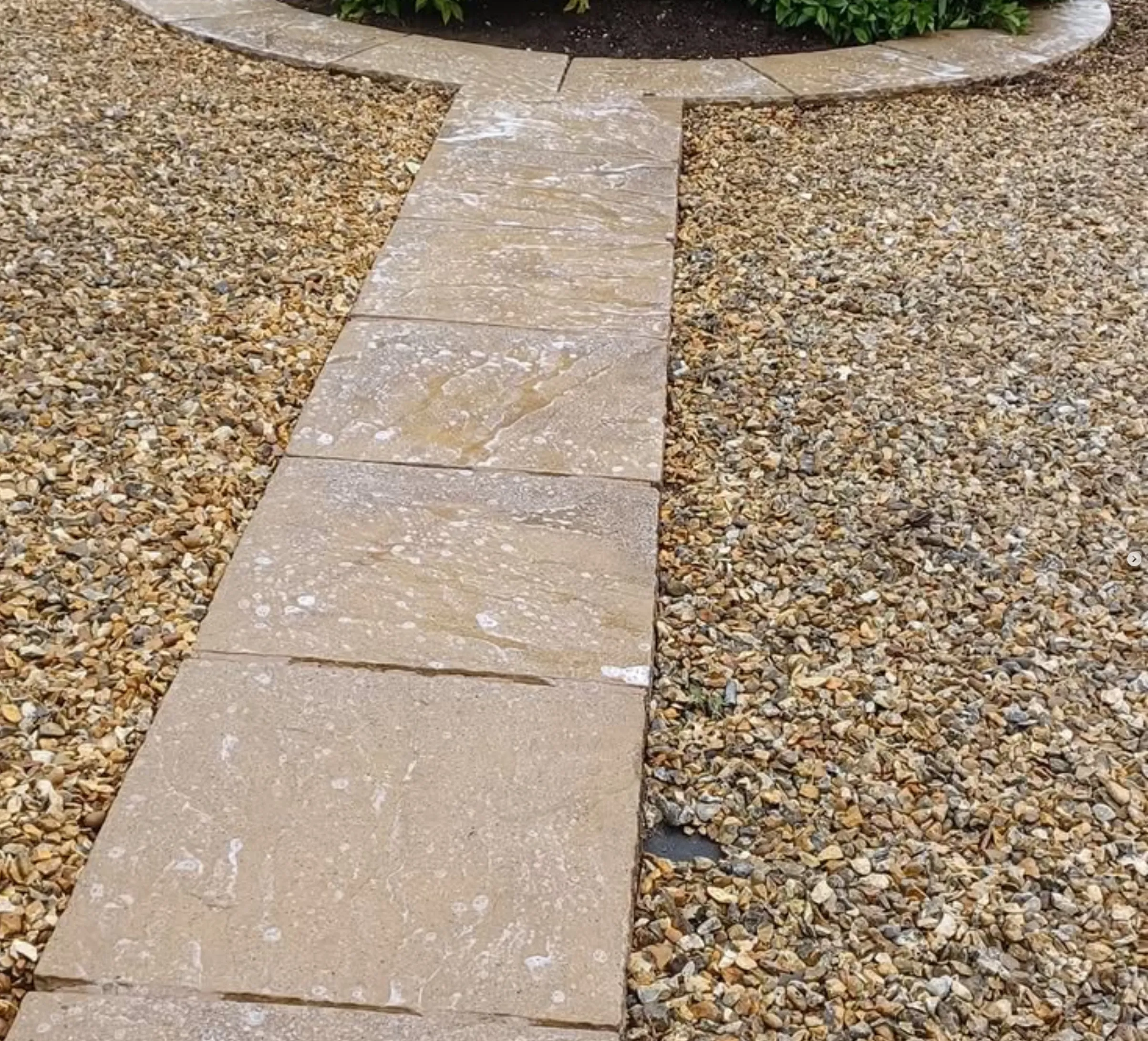
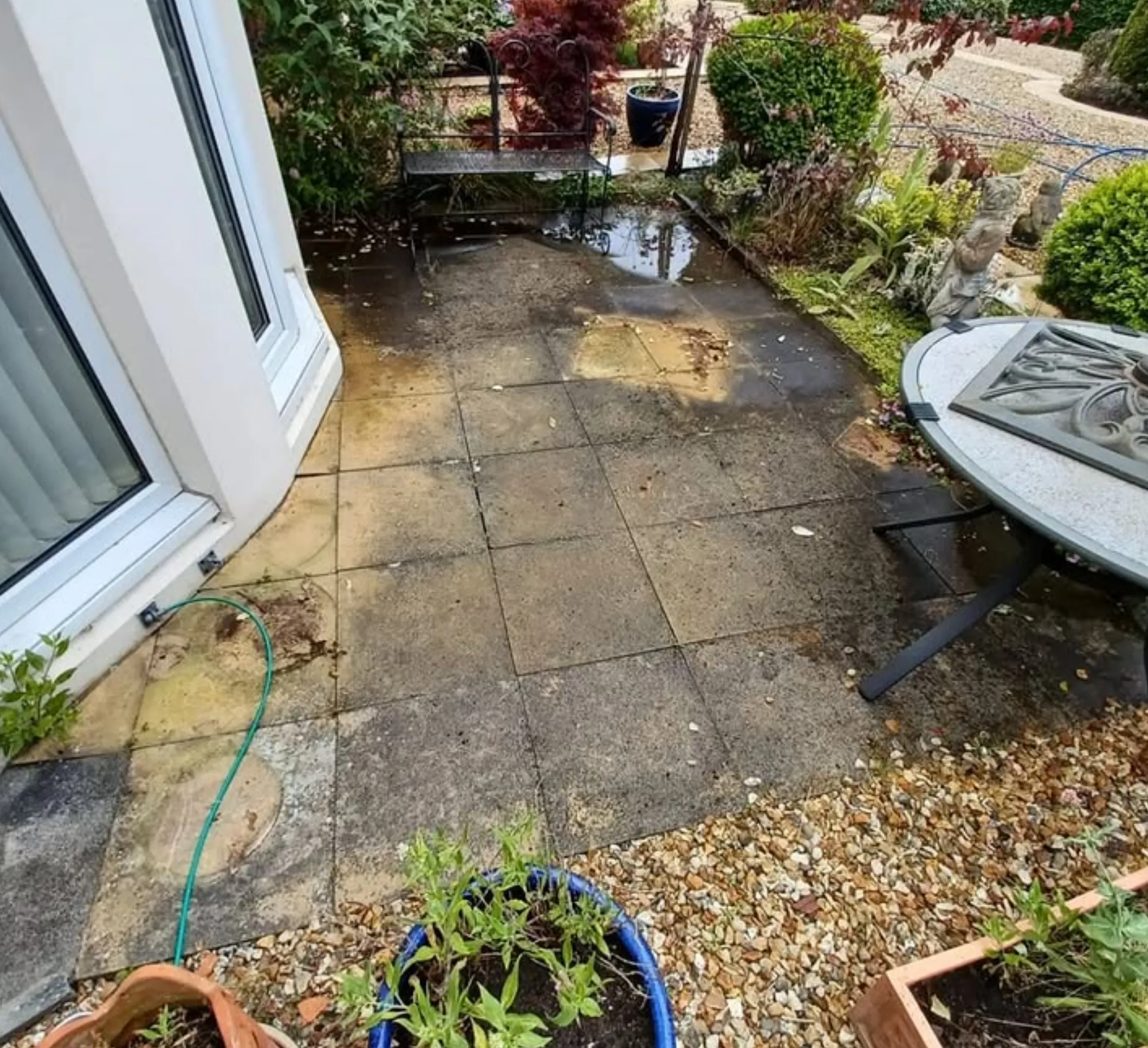
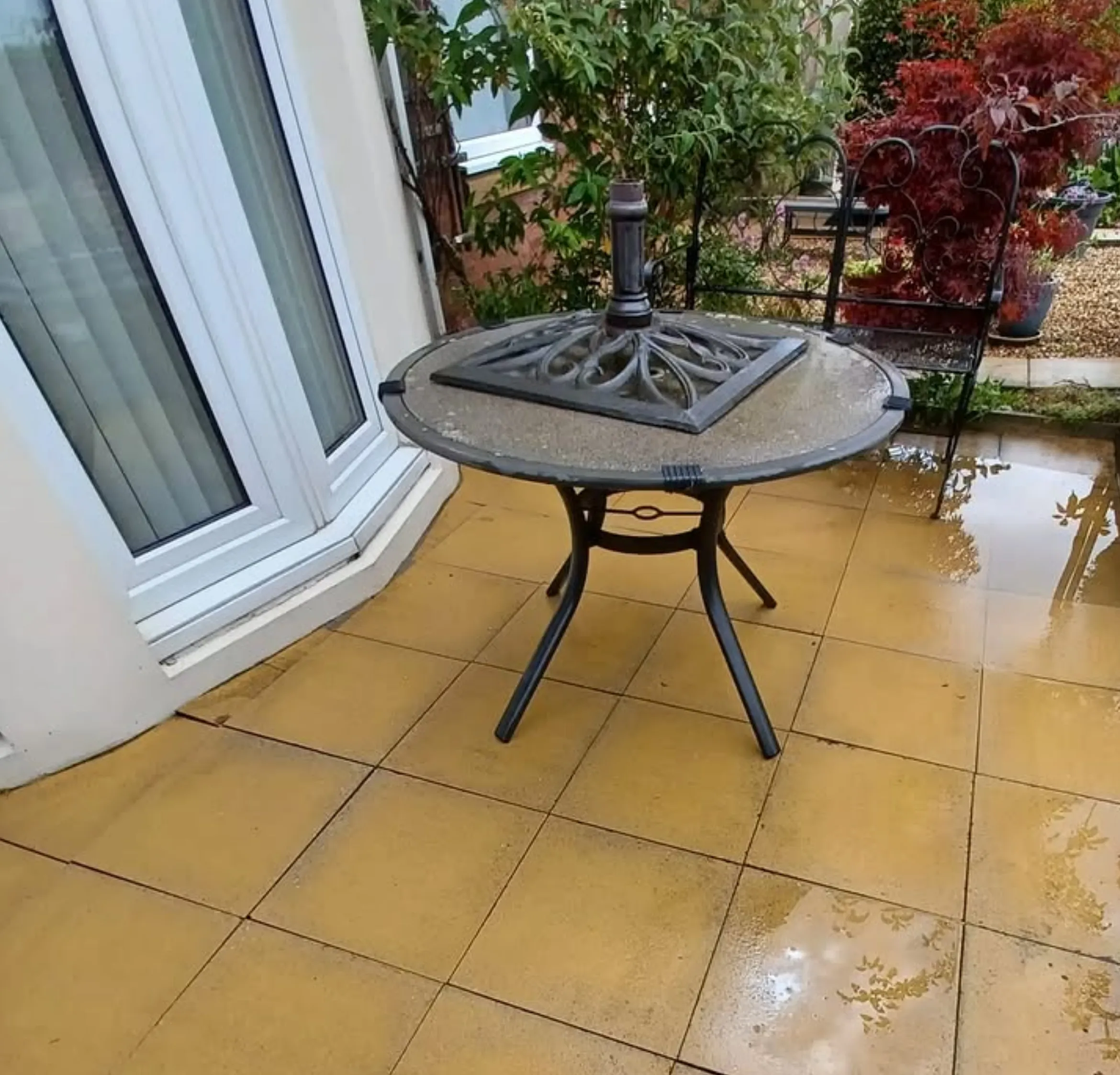
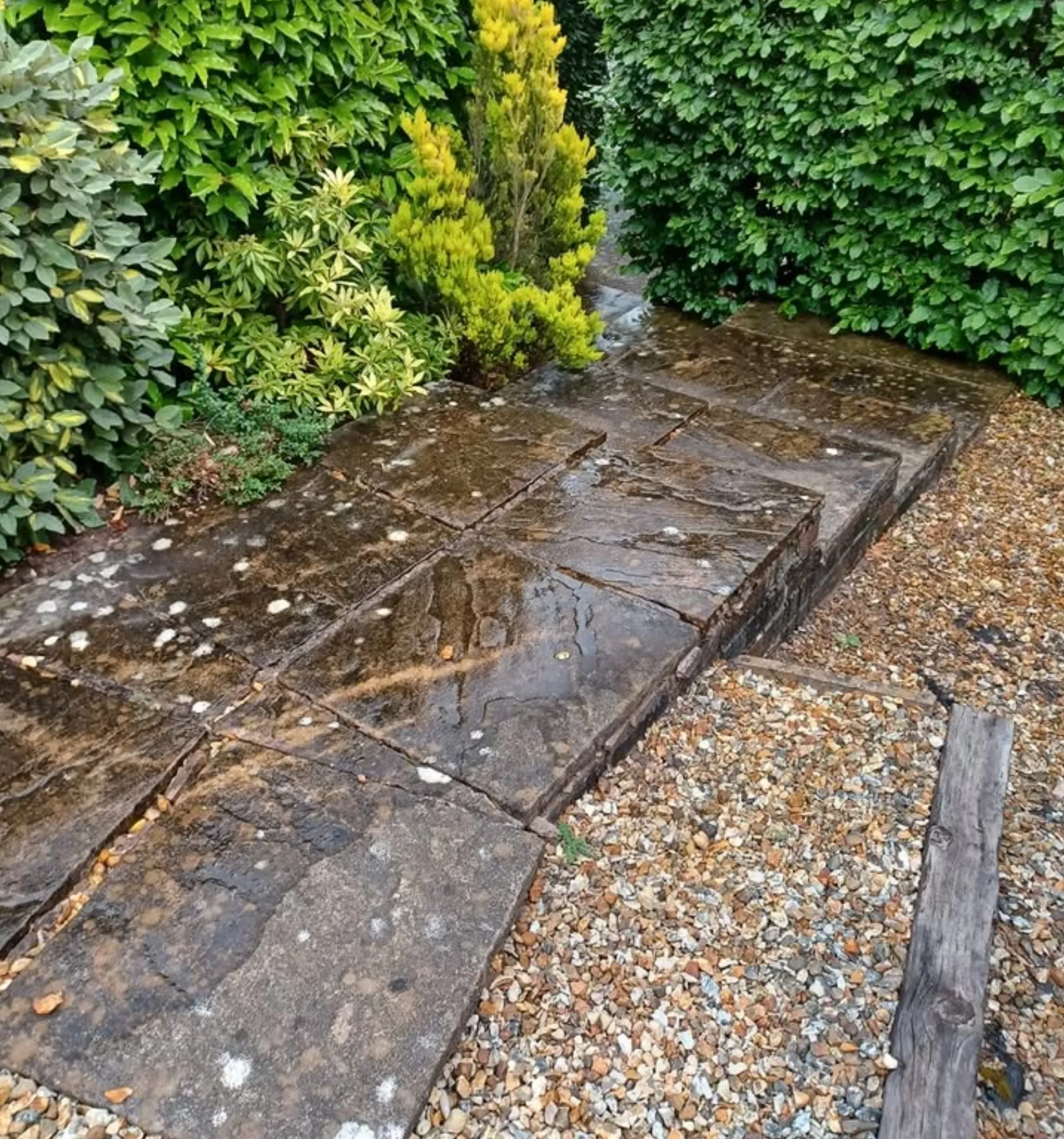
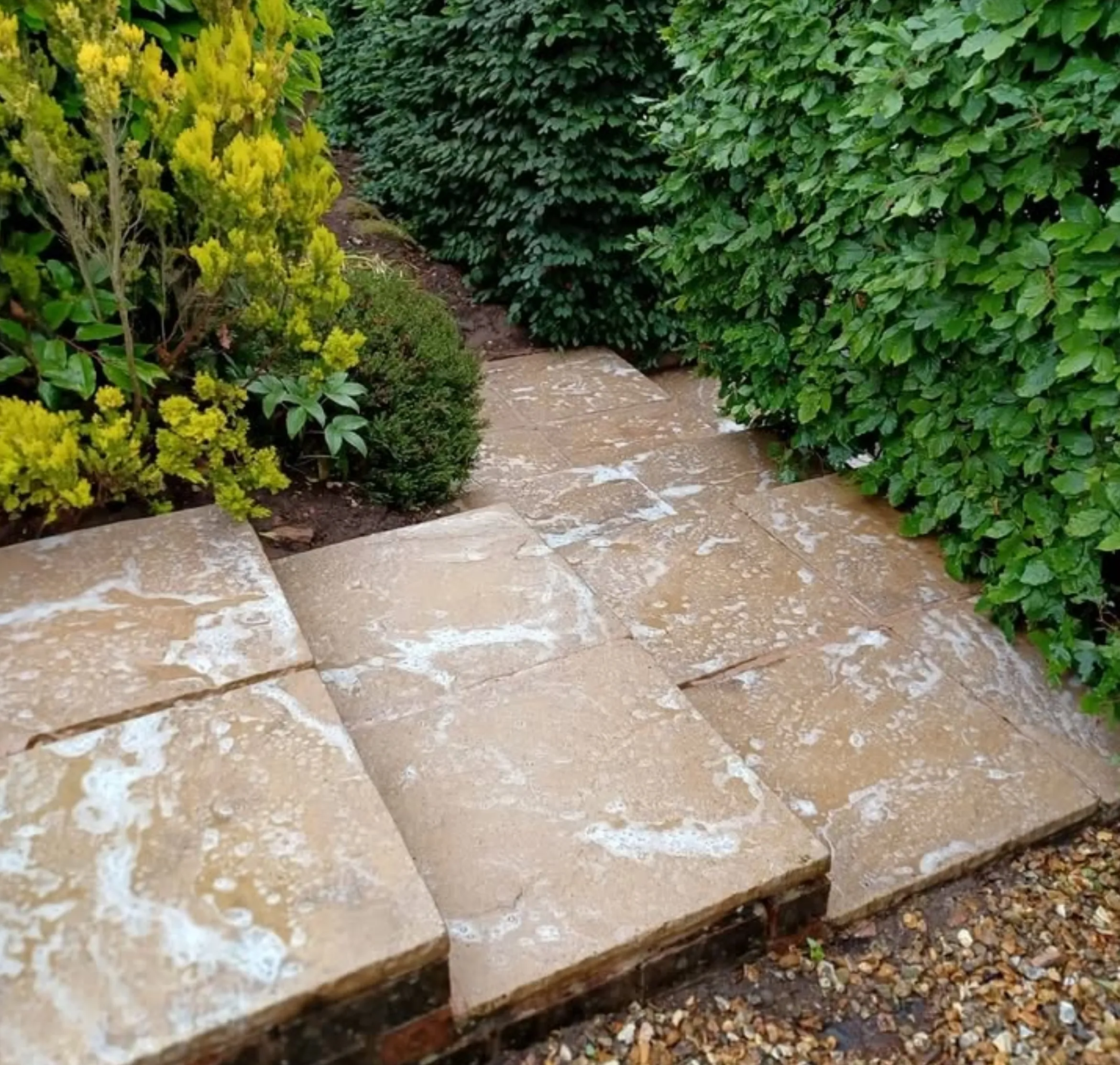
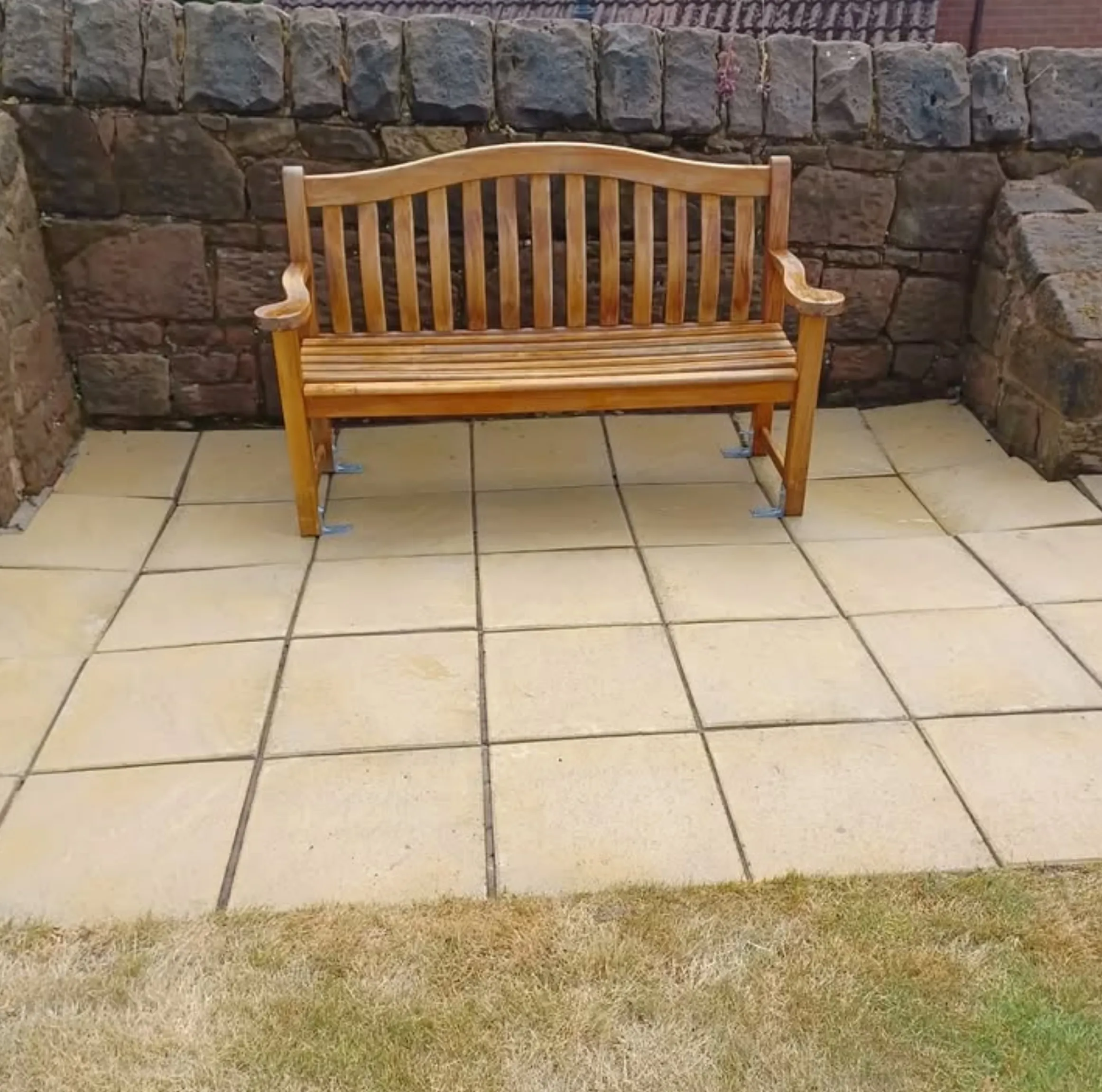
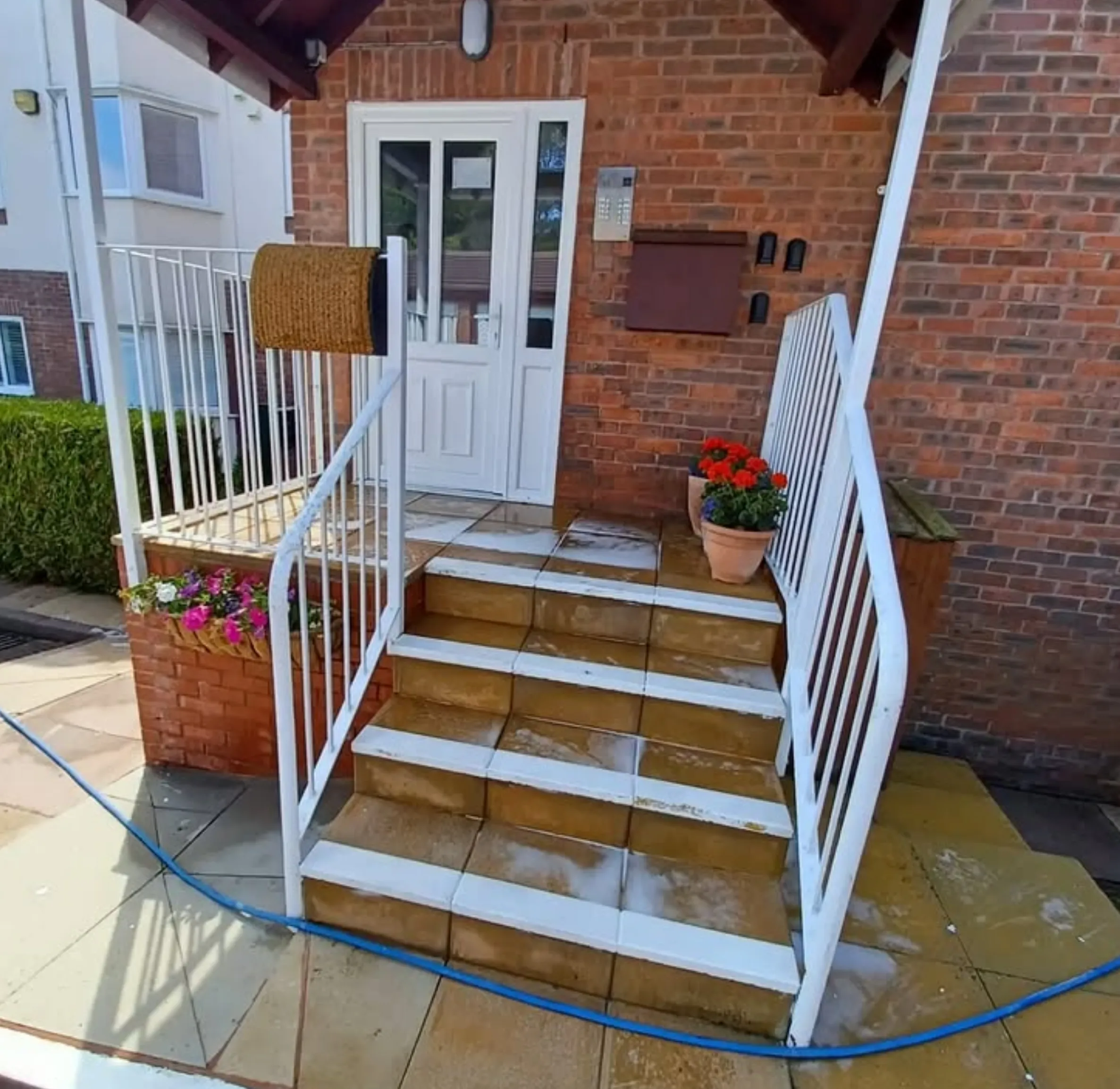
Paving cleaning removes dirt, organic growth, leaf staining, oil and grease stains and other surface contamination from outdoor spaces across Melbourne. At Window Cleaning Melbourne Crew, we assess the paving material, condition, joints, existing sealer, staining and drainage before choosing between controlled pressure cleaning, soft washing or targeted treatment.
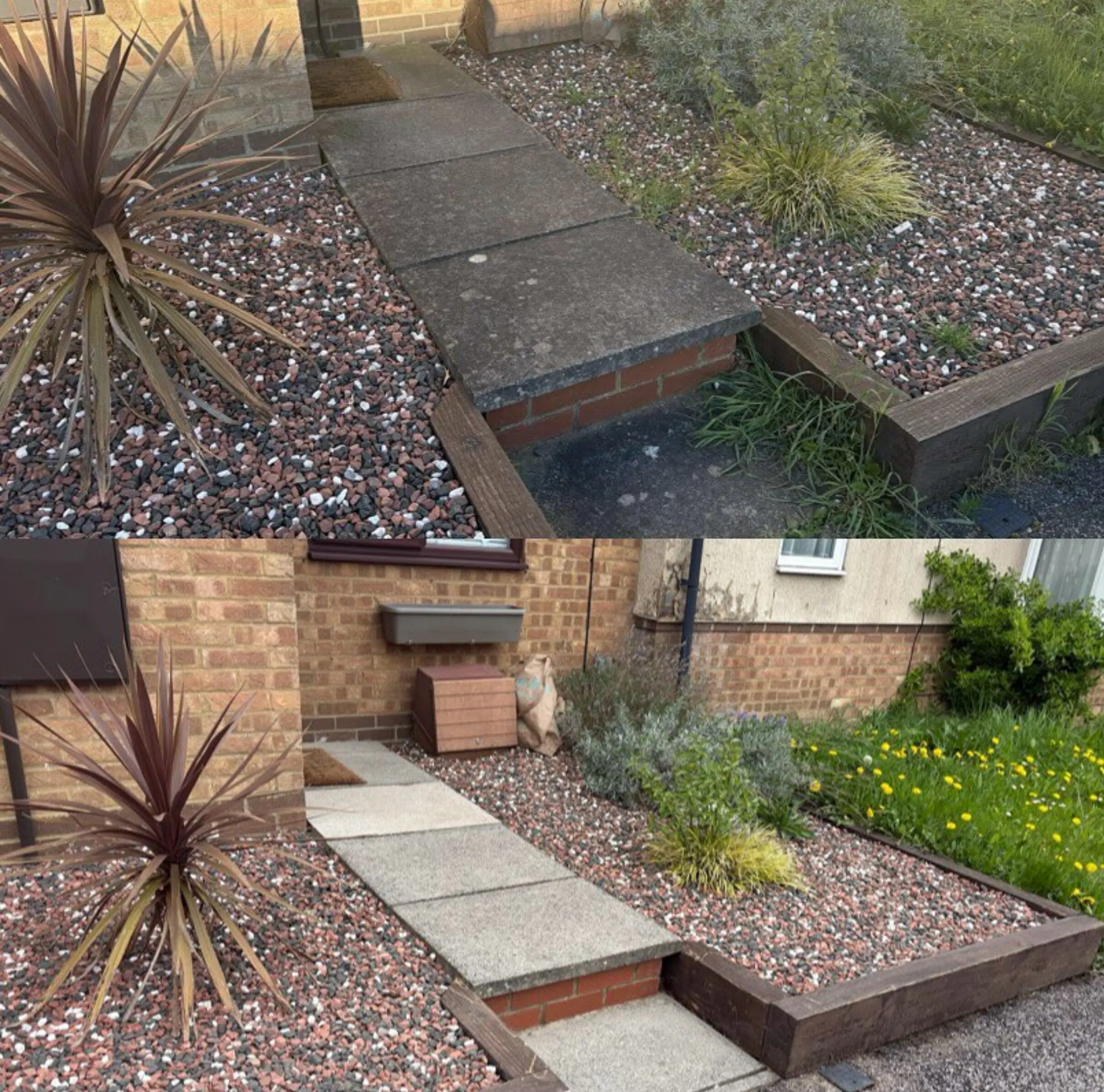
Patios, paths, courtyards, pool surrounds, block paving and driveways requiring professional driveway cleaning may contain concrete, clay or natural stone, each of which responds differently to pressure and cleaning agents. The method therefore needs to suit both the surface and the contamination.
- Very nice and professional cleaning team. We order fully cleaning including gutter , townhouse exterior , all windows outside &inside.WaterCrew provides great service and affordable price .read moreread lessping lee10/11/2026Thankyou. Fantastic work, professional and very happy with how clean our windows and surrounds were.read moreread lessStephanie Johnston10/02/2026Excellent & professional in all ways.read moreread lessWendy Haines9/24/2026
- Eren did a sensational job & his communication was fantastic - would definitely use again & recommend 👍read moreread lessTony Murdoch8/26/2026Eren was professional, efficient and completed the roof cleaning to a very high standard. The service was prompt, the workmanship was excellent, and the overall result was fantastic. Highly recommend Eren for anyone looking for reliable and quality roof cleaning services.read moreread lessJanan8/24/2026Excellent. Efficient, thorough, and swift!read moreread lessLu Lu7/15/2026
- Very happy with the service. They were clean, professional and left everything tidyPlus the job was done beautifullyMany thanks!read moreread lessAdelle7/04/2026Highly recommend Eren and his WaterCrew. Have used for gutter cleaning and will in future use for terracotta roof tile cleaning & window cleaning. They do a very thorough and professional job at competitive rates. Also, they are polite, friendly and well spoken.read moreread less
 Alan Thomas6/30/2026Very professional job done in BrightonVery thorough and was on time !!!!read moreread lessRENATO CENEDESE6/12/2026


Why Paved Surfaces Hold Contamination
Paving stones vary in porosity and texture, with joints and low points where dirt can settle and moss, mildew or algae can develop. Foot traffic, vehicles, moisture and other environmental factors introduce different types of contamination.
Organic growth, leaf tannins, BBQ grease, oil stains, rust and efflorescence are separate problems and do not necessarily respond to the same treatment. More pressure does not automatically produce a better result; it can expose aggregate, disturb joints or affect an existing coating. We identify the paving and contamination before deciding how it should be cleaned.
Surface Types We Work With
We adapt the cleaning approach because porosity, texture, coatings and condition affect how paving responds to pressure and cleaning agents.
Concrete
Concrete pavers can retain dirt, organic growth, oil and tannin staining. Sound, uncoated concrete may tolerate controlled pressure cleaning, while coloured, aged or sealed surfaces require greater caution.
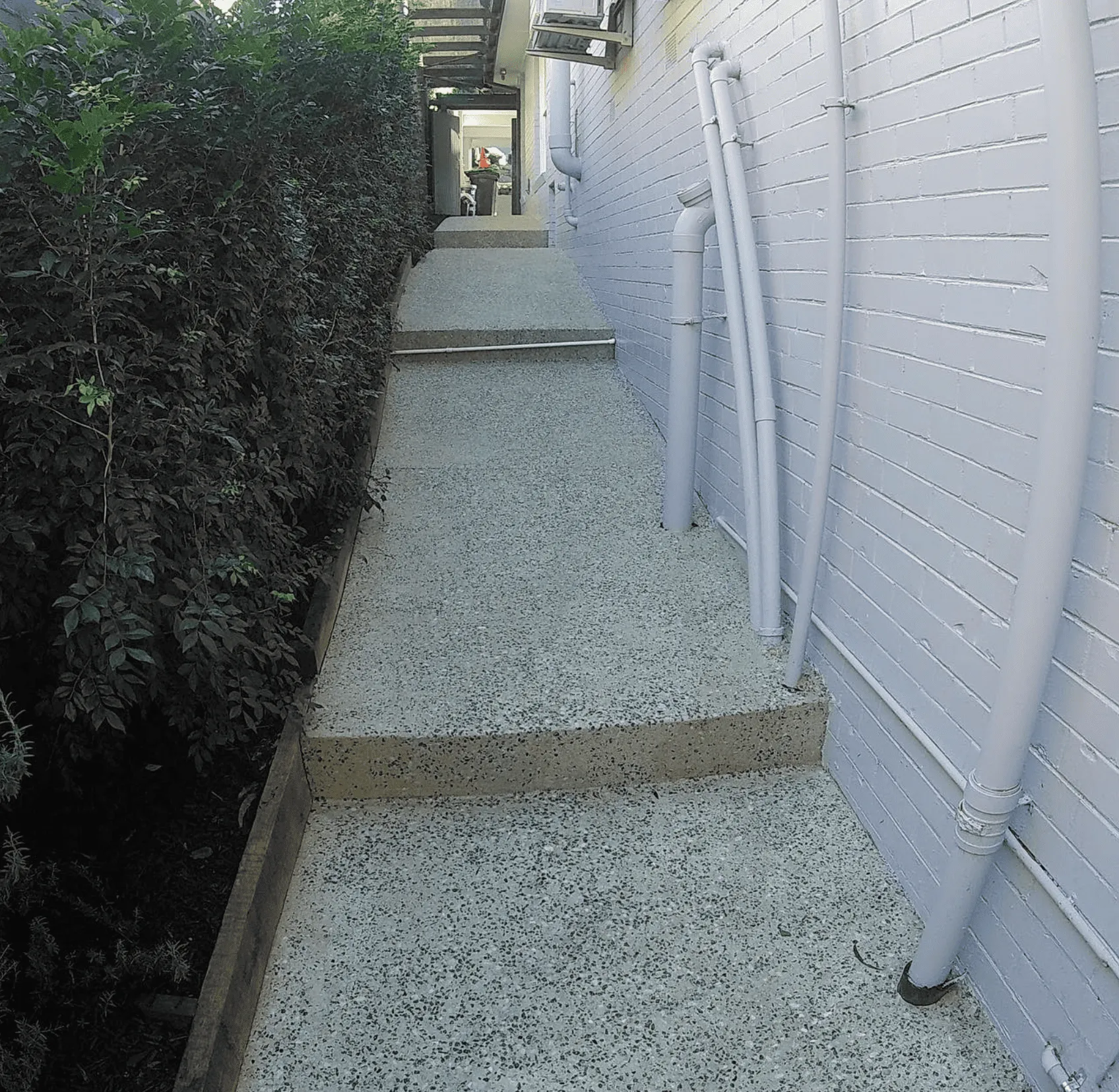
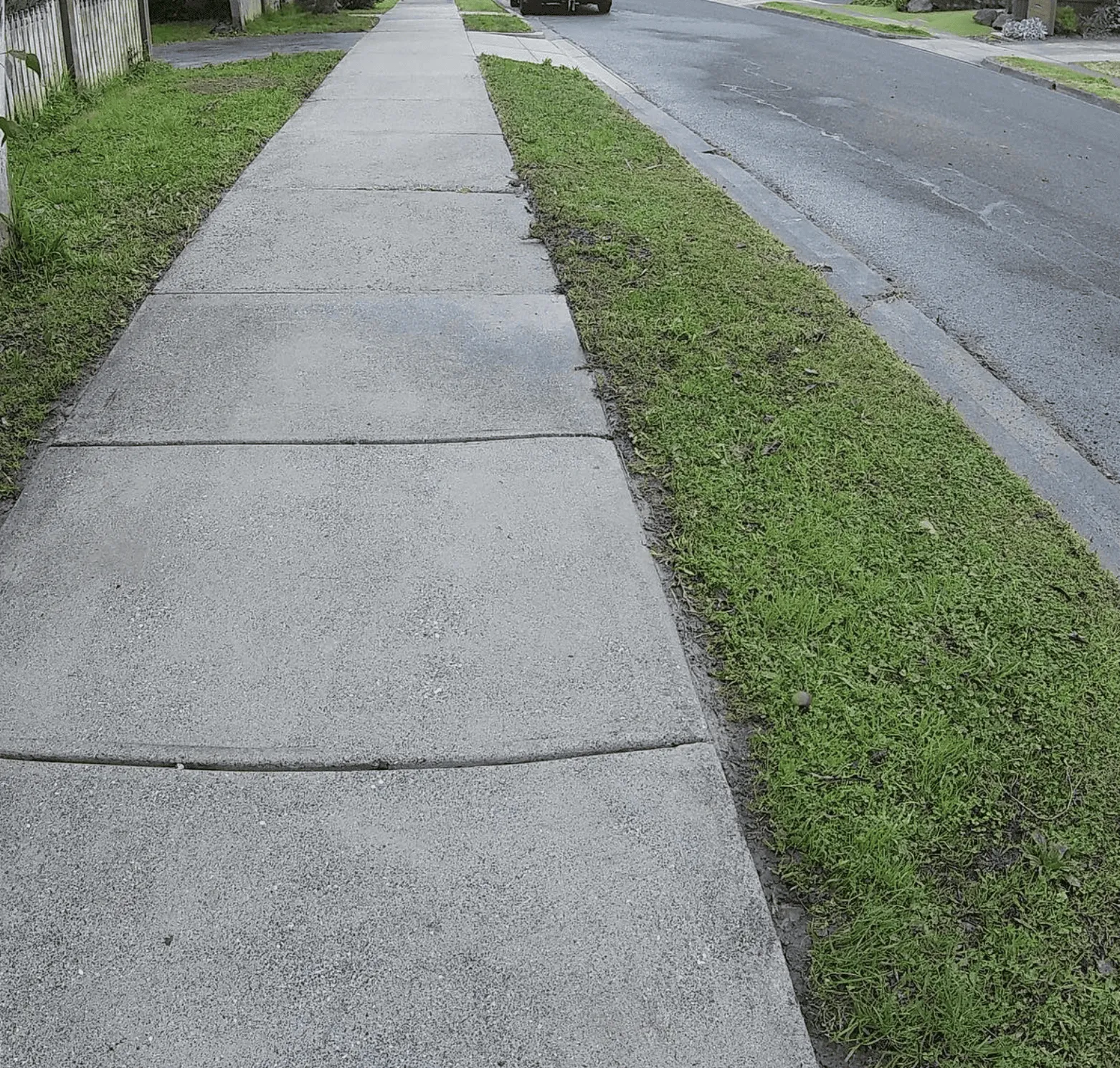
Exposed aggregate presents a different challenge. Its recesses can trap contamination, while overly aggressive cleaning may affect the surrounding cement matrix.
Clay and Brick
Clay and brick paving can develop grime, moss and efflorescence. Suitable surface contamination can be cleaned away, but recurring efflorescence may indicate continuing movement of moisture and soluble salts rather than a cleaning problem alone.
Natural Stone
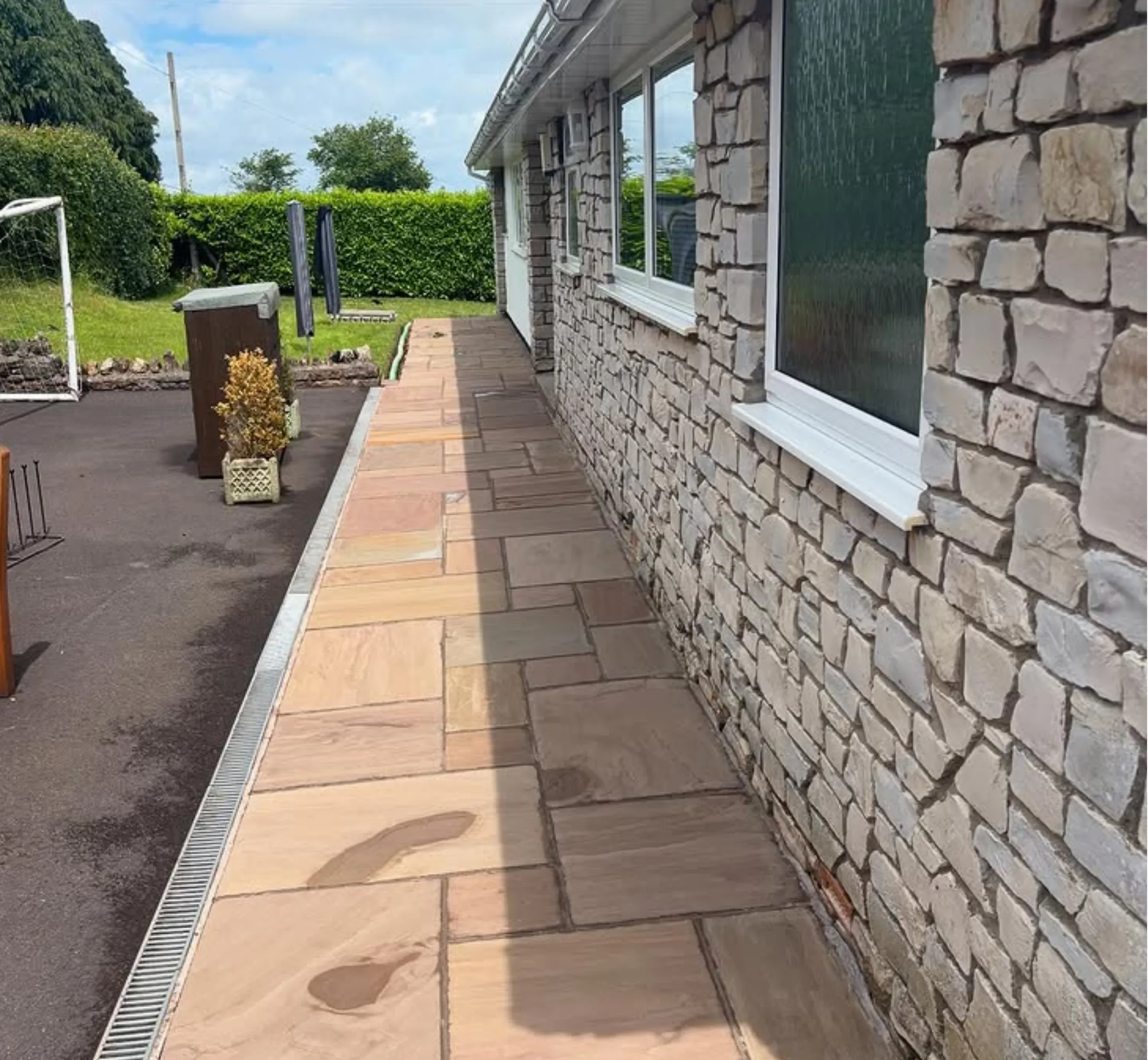
Sandstone, limestone, travertine and bluestone differ in porosity and chemical sensitivity. Acid-sensitive limestone requires particular care because an unsuitable cleaner can attack the stone itself. Cleaning materials should therefore be selected for the substrate.
Porous and Sealed Surfaces
Sealed paving needs different treatment from bare paving. Excessive pressure or incompatible chemistry may affect the coating, while porous, unsealed surfaces can absorb contaminants more deeply. Cleaning cannot restore a sealer that has already deteriorated.
Our Cleaning Methods
We select the service according to the paving condition and contamination rather than applying the same process to every surface.
Controlled Pressure
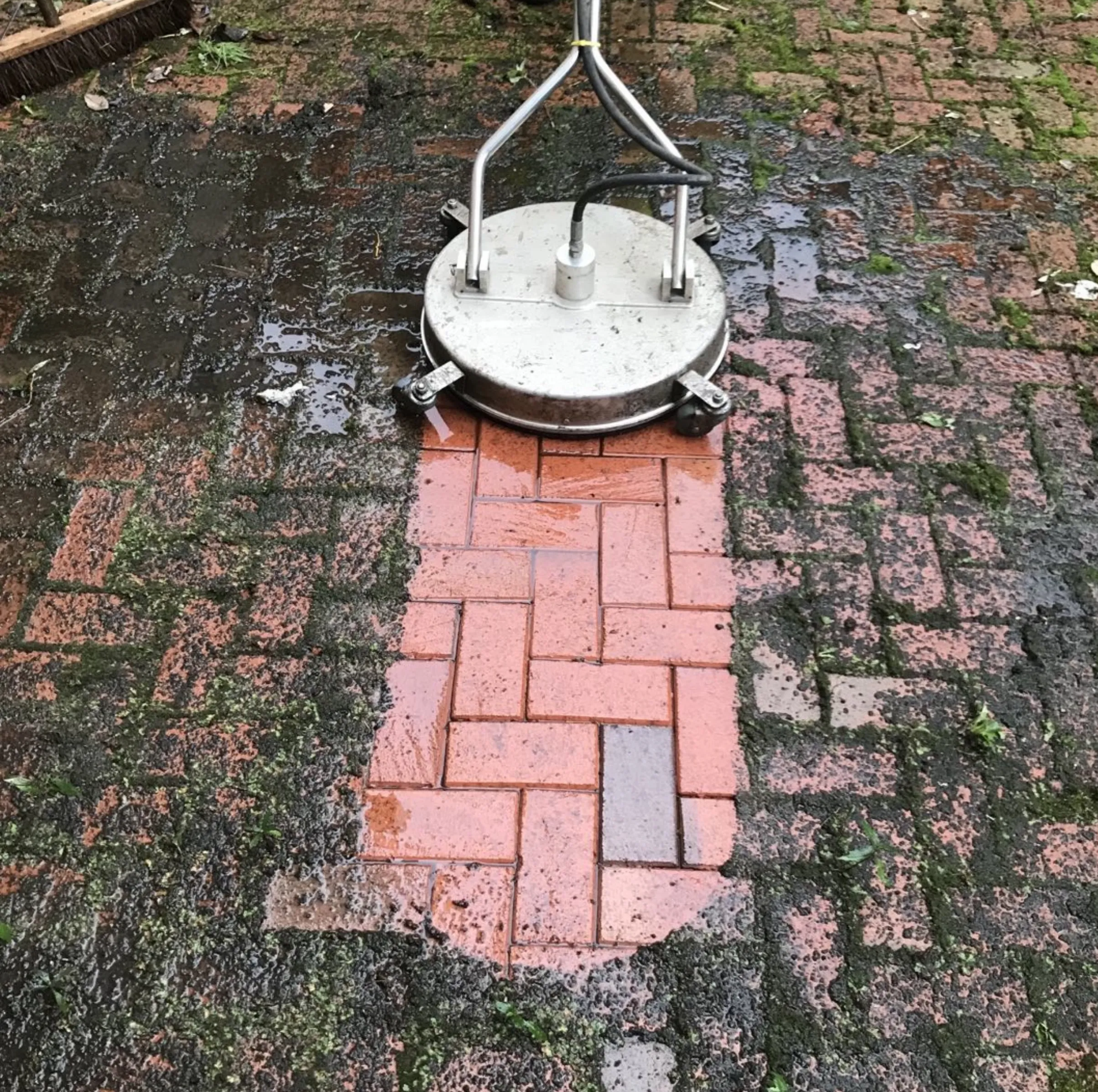
Pressure cleaning suits sound paving where a pressure washer can safely dislodge grime and surface growth. Pressure, nozzle selection, working distance and spray pattern all influence the result.
For some pressure-washer applications on moss-covered paving, manufacturer guidance recommends a working distance of approximately 20–30 cm, although this is not a universal setting. The appropriate distance and pressure depend on the machine, nozzle, paving material and surface condition.
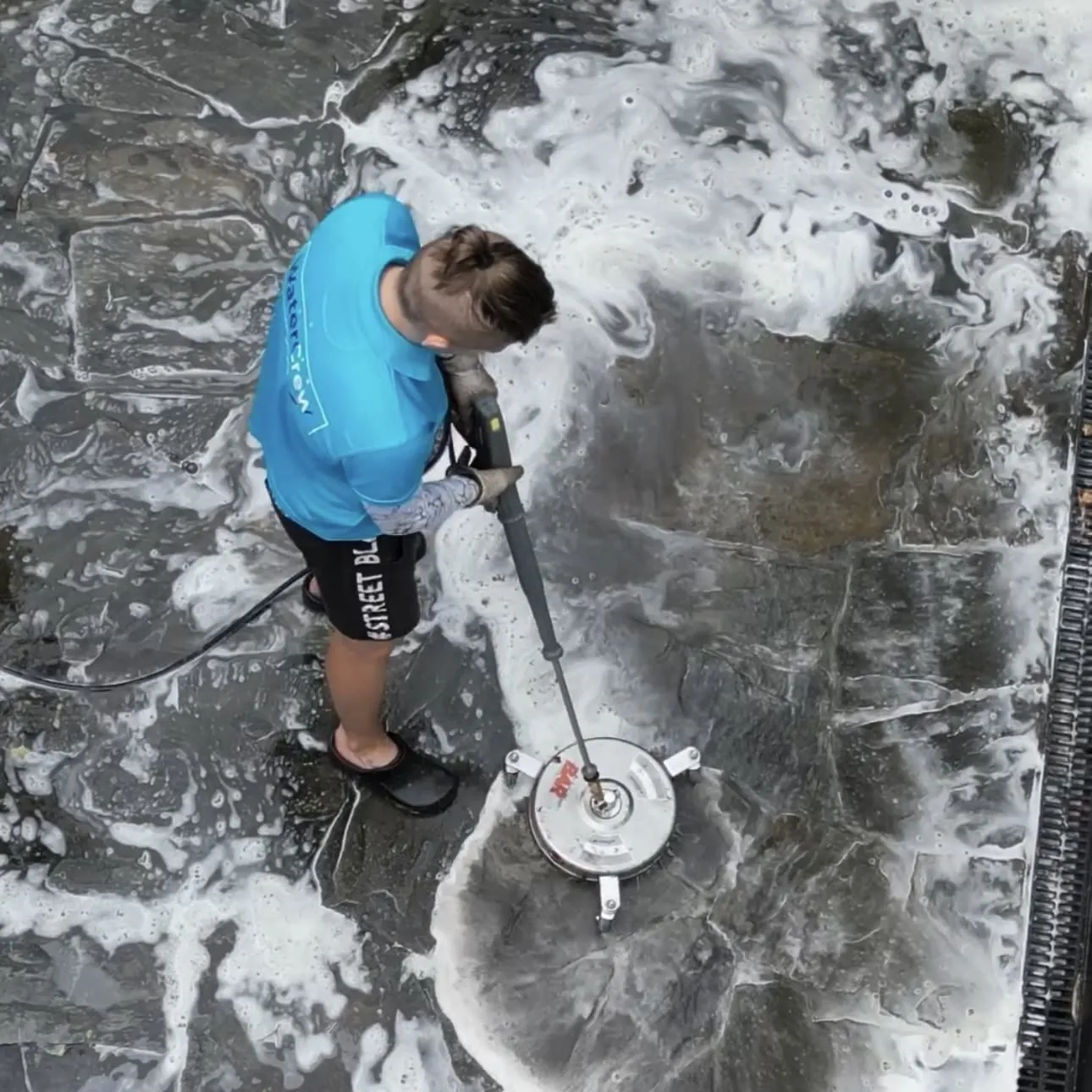
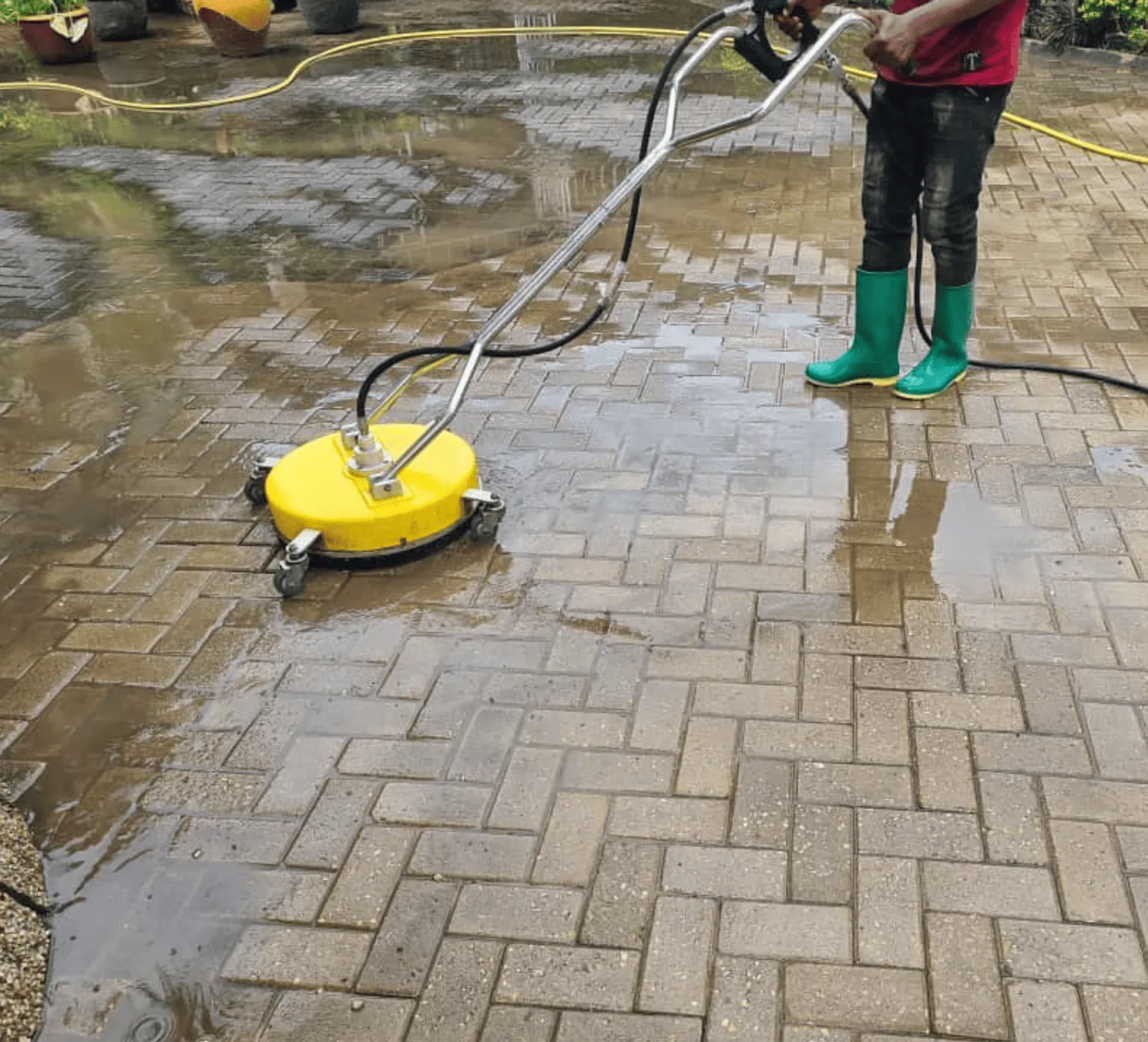
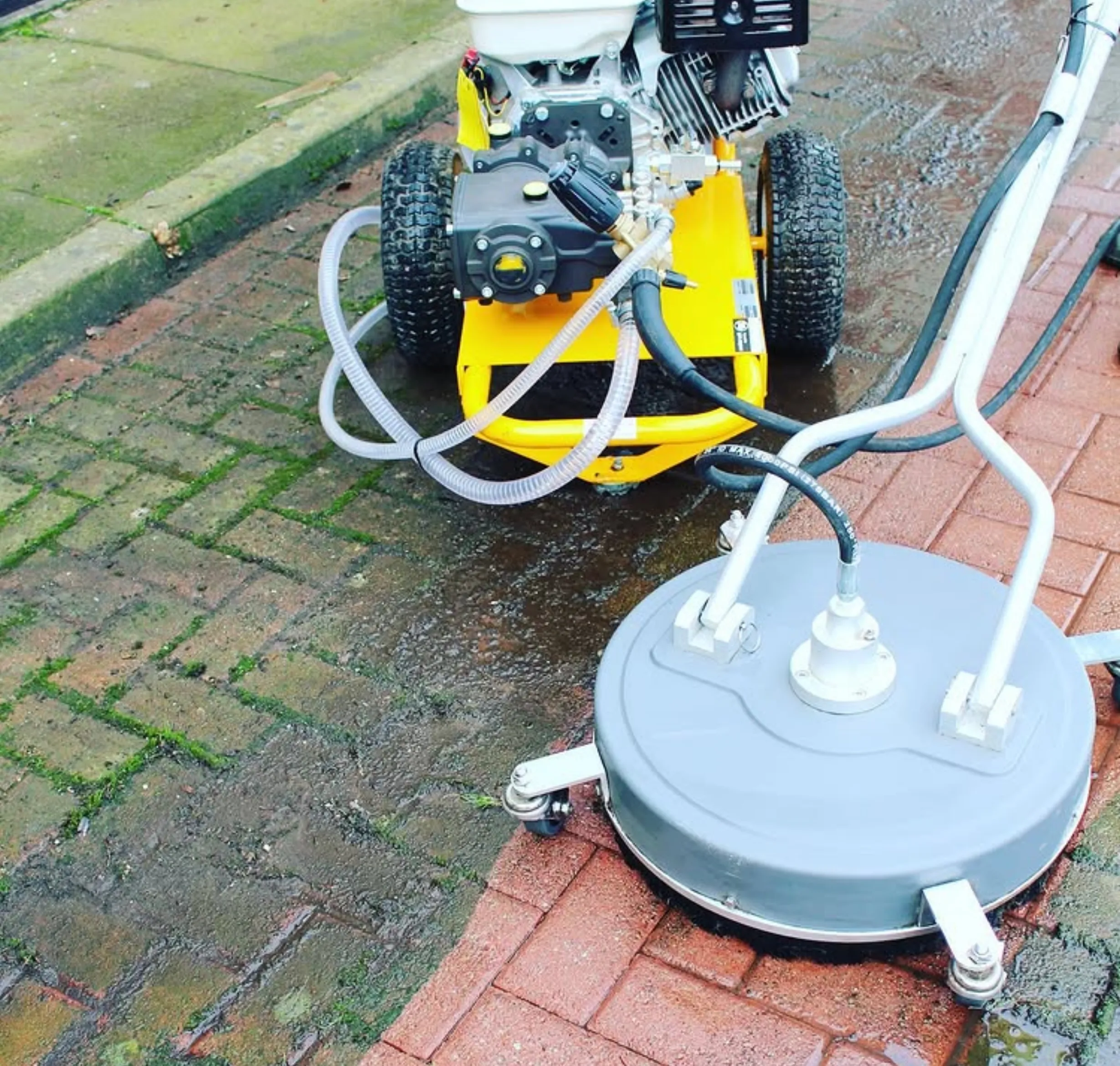
Equipment choice also matters. On larger open paved areas, wider surface-cleaning attachments can cover more ground than a narrow jet and produce a more consistent cleaning pattern. Edges, corners and restricted areas may call for a different approach.
Soft Washing and Targeted Treatment
Lower-pressure washing with suitable cleaning agents may be preferable where the substrate cannot tolerate aggressive pressure or organic contamination needs treatment. Mildew, black mould and algae are examples where pressure alone may not address the growth effectively.
Cleaning chemistry should suit both the contaminant and substrate. If a concentrated product requires dilution, the manufacturer’s instructions take priority; increasing the concentration can raise the risk of surface damage.
Joints and Edges
Joints and edges hold soil, moss, weeds and debris but can be vulnerable to aggressive water jets. A joint scraper may suit localised build-up, while a wire brush can scratch some paving surfaces. Loose jointing material, deteriorated mortar and adjoining garden beds all need to be considered before cleaning.
Preparation for Sealing
Cleaning can prepare paving for sealing by removing compatible surface contamination, but substrate condition and moisture requirements still apply.
Drying and curing requirements are product-specific. Manufacturer instructions for different penetrating sealers suitable for pavers and stone specify avoiding moisture for 6–24 hours after application. This is not a universal waiting period before sealing: the paving must first be sufficiently clean and dry, and the instructions for the chosen product take priority.
Some sealers can also alter or deepen the apparent colour of paving. Product compatibility and the intended finish should therefore be considered beforehand.
How We Select the Right Method
The method depends on what we find during assessment.
| Condition | Cleaning consideration |
|---|---|
| Sound concrete or block paving | Controlled pressure wash may be appropriate |
| Mildew, mould or algae | Treatment may be required rather than pressure alone |
| Natural stone | Mineral type and chemical sensitivity matter |
| Existing sealer or painted paving | Check coating condition before cleaning |
| Loose sand or mortar | Reduce the risk of disturbing joints |
| Oil, BBQ grease or tannin staining | Targeted treatment may be needed |
| Deep or unidentified staining | Test before escalating treatment |
Drainage, nearby walls, glazing, landscaping, pool areas and access can also change how the work is planned.
What to Expect on the Day
We inspect the paving for vulnerable areas, coatings and staining, remove loose debris, then select the appropriate cleaning method.
Where treatment is required, cleaning agents are used according to manufacturer instructions and substrate compatibility. Products requiring rinsing should not be allowed to dry unless their instructions permit it, as residues can leave marks or require additional cleaning.
Pressure and rinsing are controlled around joints, edges and areas where dirty water can collect. After rinsing, any remaining marks can be assessed as persistent staining, discolouration or material deterioration.
What Cleaning Can and Cannot Fix
Cleaning can improve paving affected by removable dirt, grime, organic contamination and some oil and grease stains. It cannot repair cracked pavers, failed mortar, subsidence, permanent etching, damaged coatings or drainage problems.
Deeply absorbed oil and established stains may not disappear completely from porous paving. Efflorescence can also return while underlying moisture and salt movement continue.
When Is It Time for Another Clean?
There is no universal cleaning interval for every paved surface. Condition is a better trigger than an arbitrary schedule.
Shade, heavy tree coverage and poor drainage can accelerate the return of moss, algae, leaf residue and staining because paving receives more organic material or remains damp for longer. High foot traffic and porous, unsealed surfaces may also need attention sooner than exposed paving with effective drainage.
How Melbourne Conditions Affect Outdoor Surfaces
Melbourne’s changing weather exposes outdoor paving surfaces to rainfall, dry periods, leaf litter and varying moisture levels throughout the year.
For paving, individual site conditions matter more than a city-wide weather figure. Shade, surrounding vegetation, environmental factors, poor drainage and areas that dry slowly can retain moisture even when another part of the same property remains relatively clean. During periods of heavier leaf fall, tannins and decomposing organic matter can also leave visible staining on porous surfaces.
Keeping the Surface Cleaner Between Services
Simple maintenance can slow the return of contamination:
- Sweep away leaves, dirt, dust and organic debris before they break down;
- Use a garden hose for suitable light rinsing rather than allowing loose contamination to accumulate;
- Address drainage or persistent pooling rather than repeatedly cleaning the symptom;
- Absorb fresh oil or BBQ grease promptly before it penetrates porous paving, then use a surface-compatible degreaser where appropriate;
- Avoid acids, strong alkaline cleaners or other products unless the manufacturer confirms they are suitable for the paving material;
- Monitor sealed paving for wear instead of assuming the coating remains intact;
- Remove emerging weeds and organic growth before they become established across joints.
What Backs Up the Work We Do
We provide paving cleaning across Melbourne as part of our exterior cleaning services. Before cleaning, we consider the paving material, contamination, coatings, joints, drainage and nearby surfaces.
Professional paving cleaning is not simply a matter of using more pressure. Pressure, nozzle selection, cleaning chemistry and working distance all affect contaminant removal and the stress placed on the surface.
Get a Quote
For a paving cleaning quote, tell Window Cleaning Melbourne Crew the area to be cleaned, the paving material if known, approximate size and main problem. Photos can help show staining, organic growth, joints and access, allowing the quote to reflect the actual surface and cleaning requirements.

Your satisfaction is our top priority. We tailor our services to meet your specific needs

We are committed to environmental responsibility. Our cleaning products are eco-friendly.

Pricing
We offer competitive pricing without compromising on the quality of our services.

Expertise
As a locally owned and operated company, we understand the unique needs of our community.
FAQ
Can you pressure clean all types of pavers?
No. A pressure washer can suit sound, durable paving, but natural stone, deteriorated joints, coatings and damaged surfaces may require lower pressure or another treatment.
Will paving cleaning remove black stains and moss?
It can remove many forms of organic contamination, but established mildew, mould or algae may require treatment rather than pressure alone. Deep staining or material deterioration can remain visible.
Can pavers be cleaned before sealing?
Yes, but the paving must meet the chosen sealer manufacturer’s requirements. Moisture, contamination, existing coatings and the sealer’s potential effect on colour should be considered.
Will pressure cleaning remove the sand between my pavers?
It can disturb loose jointing material if water is applied too aggressively. Joint condition therefore affects pressure, nozzle pattern and cleaning technique.
What affects the cost of paving cleaning?
Area size, paving material, contamination, oil or BBQ grease stains, coatings, joint condition and access affect the work required. Targeted treatment or more cautious cleaning can increase the time involved.
SEO Title: Paving Cleaning Melbourne
Meta Description: Professional paving cleaning Melbourne for concrete, brick, natural stone and sealed pavers. Pressure cleaning and targeted treatments.