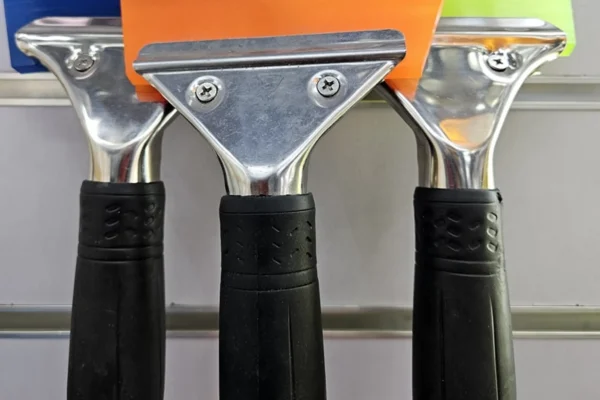
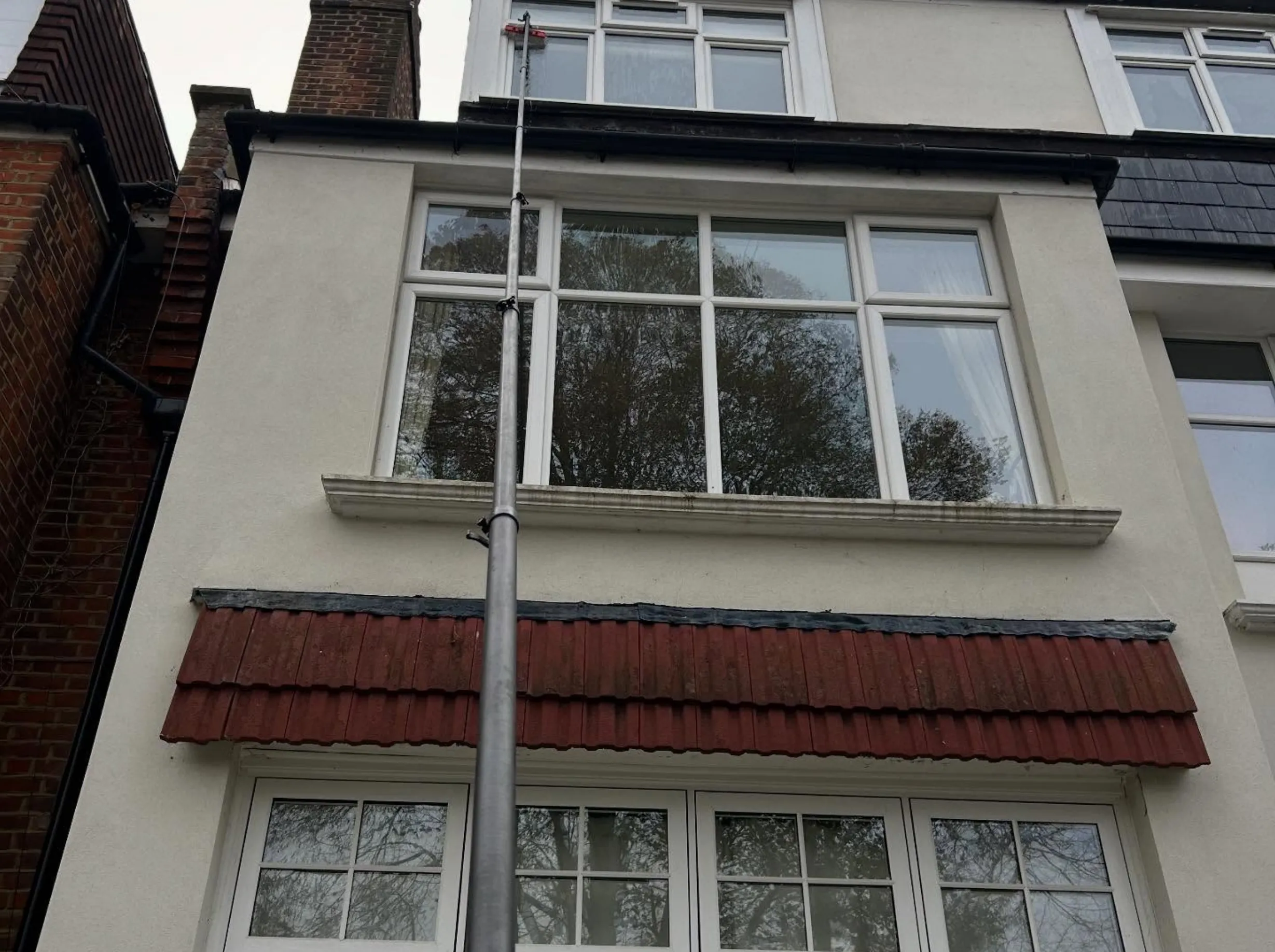
How does professional cleaning differ from regular cleaning? I can tell you this: most people reckon the only difference is a fancier mop and someone turning up in a ute with a logo. But once you’ve tackled a proper deep cleaning job in a commercial facility, sorted out a stubborn build-up in medical centre cleaning, or tried window cleaning with water-fed poles on a windy Melbourne afternoon, you realise pretty quickly there’s a gulf between “giving it a go” and a true professional cleaning service — safety, chemistry, equipment, and all.
Regular cleaning keeps things looking half-decent; professional cleaning services solve problems that you don’t even know exist until it’s too late – the damage is already done. We don’t just focus on the dust on the windowsill – we’re looking forward, thinking about long term cleaning needs: mould growing behind silicone seals, clogged air vents making the air inside your home or office a health hazard, neglected grout lines, and those kinds of problems that can turn into a real issue if you leave them – like a slip hazard on your floor.
That’s why commercial cleaning can feel more like maintenance than just tidying up. You get fewer nasty surprises, fewer costly repairs, and a business or home that seems to weather better – especially in Melbourne, where it can go from dry to stinking wet in the blink of an eye, or the pollen count spikes more often than you can shake a stick at.
Tools and Techniques
Households? Yeah, they just use whatever’s handy – a broom, a sponge, and whatever cleaner was on sale at the supermarket. A professional cleaning service? Forget about it. We’ve got a whole different toolbox.
We invest in the good stuff – heavy-duty equipment – because we need to know exactly what we’re getting with each job. One day, it’s cleaning an office building with high ceilings and dusty old ceiling fans, the next it’s carpet cleaning in a strata job, or giving the showers a good going-over in a nursing home or medical clinic.
Here’s a quick comparison so you can see how different the tools really are:
Comparison Table: Regular vs Professional Cleaning Tools
| Cleaning Type | Common Tools | Professional Tools | Why It Matters |
| Windows | Paper towel, supermarket spray | Pure water-fed poles, soft-wash systems, resin filters | Pure water leaves no streaks; poles reach 3–4 storeys safely. |
| Exterior walls | Garden hose, pressure nozzle | Variable-pressure washers, soft-wash nozzles, surface-appropriate detergents | Wrong pressure strips, paint or etches render. |
| Floors | Mop & bucket | Commercial microfibre systems, floor pads, neutral pH products | Avoids streaking, residue and long-term dulling. |
| Bathrooms | Bleach spray, scrub brush | Mould-specific surfactants, grout brushes, and steam units | Bleach hides mould; pros remove and sanitise. |
| Outdoor surfaces | Hose | Rotary surface cleaners, chemical injectors | Deep clean without gouging timber or concrete. |
ABS data shows 80% of households use general-purpose cleaners, which is fine for daily general cleaning but not effective for stain removal, deep cleaning or sanitising high-risk areas like medical clinics, shared kitchens or commercial buildings.
Safety Standards: The Bit DIY Jobs Usually Skip
Ever balanced on a ladder to reach that one window “just for a second”? You know how quickly a job can go sideways. Professional cleaning services don’t gamble like that.
A proper professional cleaning service follows strict cleaning protocols, especially in commercial building work, medical centre cleaning or healthcare settings where infection control matters.
We use:
- Safe access gear for high ceilings
- PPE for dealing with hazardous chemicals
- Training in spill response and sanitisation services
- Compliance with fire regulation standards in commercial facilities
- Clear cleaning schedules so work doesn’t interfere with business hours
A domestic cleaner is excellent for weekly tidy-ups, but a professional cleaning service is built to handle jobs that carry real risk.
Surface Knowledge
Most households clean everything the same way: grab one bottle, spray, wipe, and hope. Professional cleaning services? Every surface is a separate science lesson.
Common mistakes we see:
- Using the wrong cleaning chemicals on kitchen appliances or stainless steel
- Over-scrubbing grout lines until they start to deteriorate
- Blasting render with too much pressure
- Using domestic vacuums on commercial floor cleaning jobs
- Not sanitising air vents or ventilation systems, which hurts air quality
Knowing the chemistry means choosing the right pH, dwell time and technique.
That’s why commercial cleaning doesn’t rely on guesswork — it relies on training.
Efficiency and Finish: Pros in 2 Hours, DIY in 7
This isn’t bravado — it’s workflow.
When you bring in a professional cleaning service, you get efficiency because:
- The cleaning equipment does half the heavy lifting
- Cleaning protocols remove the “what do I use on this?” guesswork
- Teams can do multiple cleaning types at once (carpet cleaning, window cleaning, kitchen cleaning, etc.)
- Commercial cleaning jobs are correctly sequenced to reduce downtime
Meanwhile, DIY gets slowed down by re-cleaning surfaces or using the wrong products.
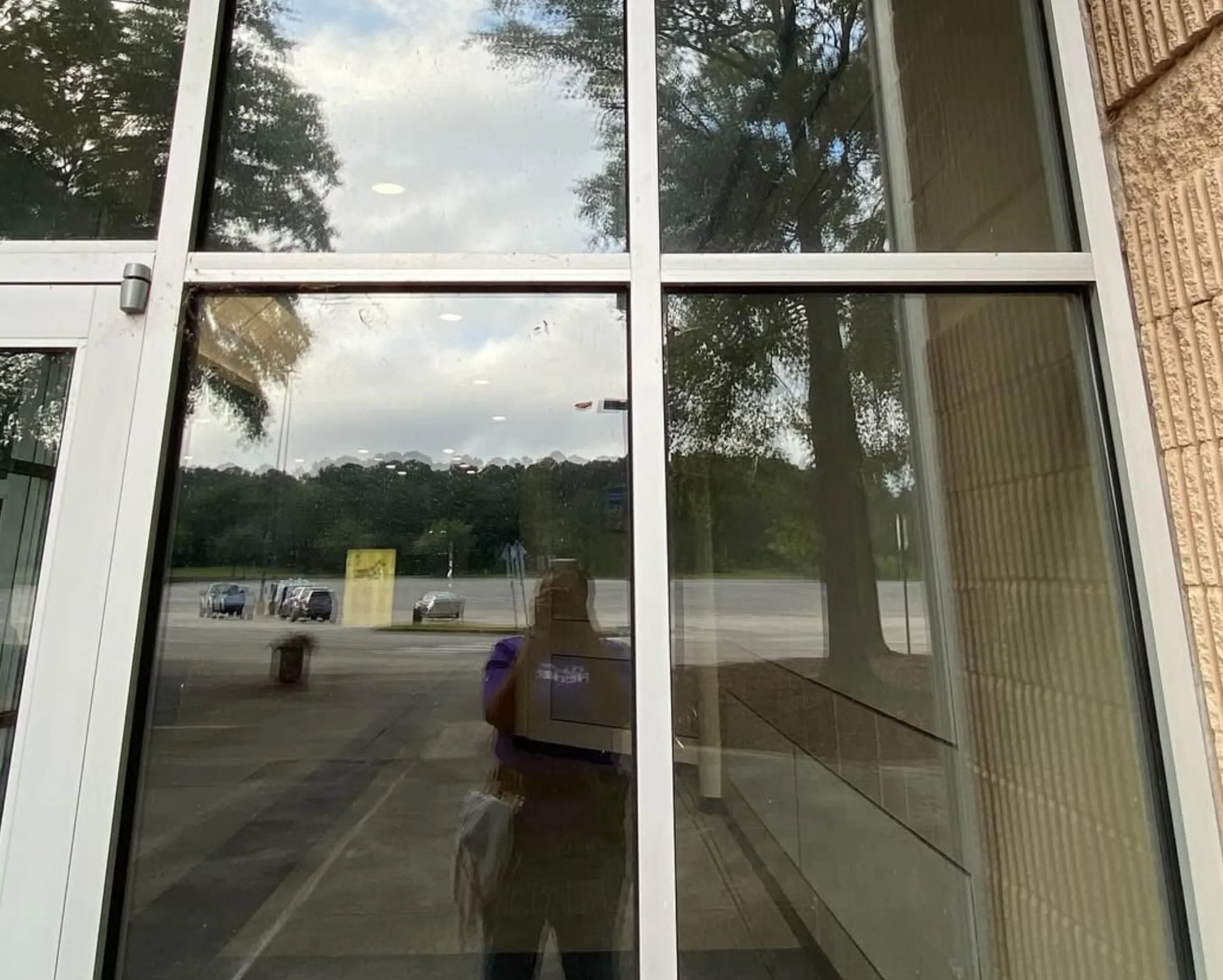
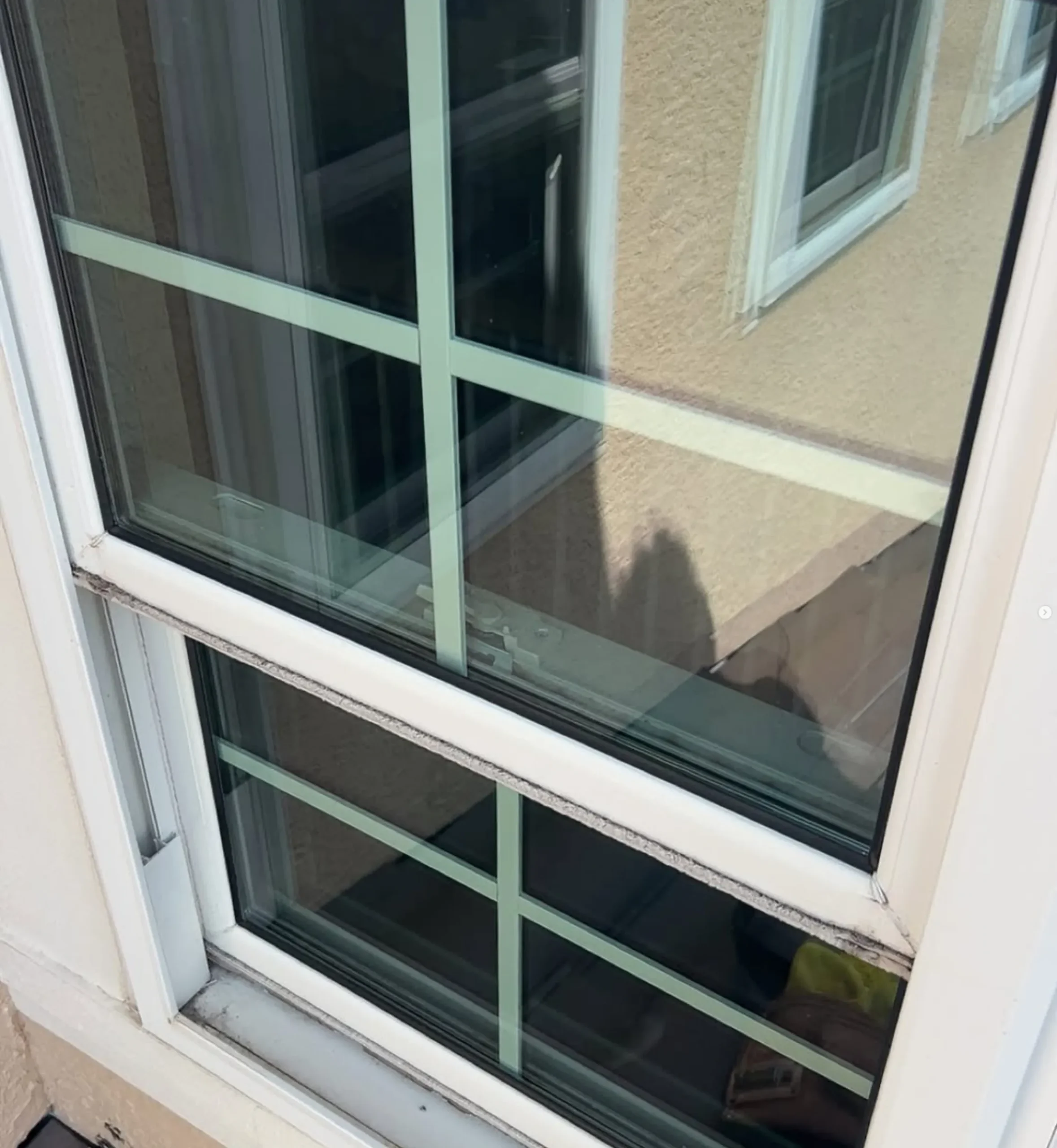
The Hidden Cost of “Just Doing It Yourself”
DIY cleaning might seem like it costs nothing – but it really does.
Hidden Costs of Regular Cleaning
Here’s where the costs sneak up on you:
- Damaging your kitchen surfaces with some of those super-strong cleaning sprays
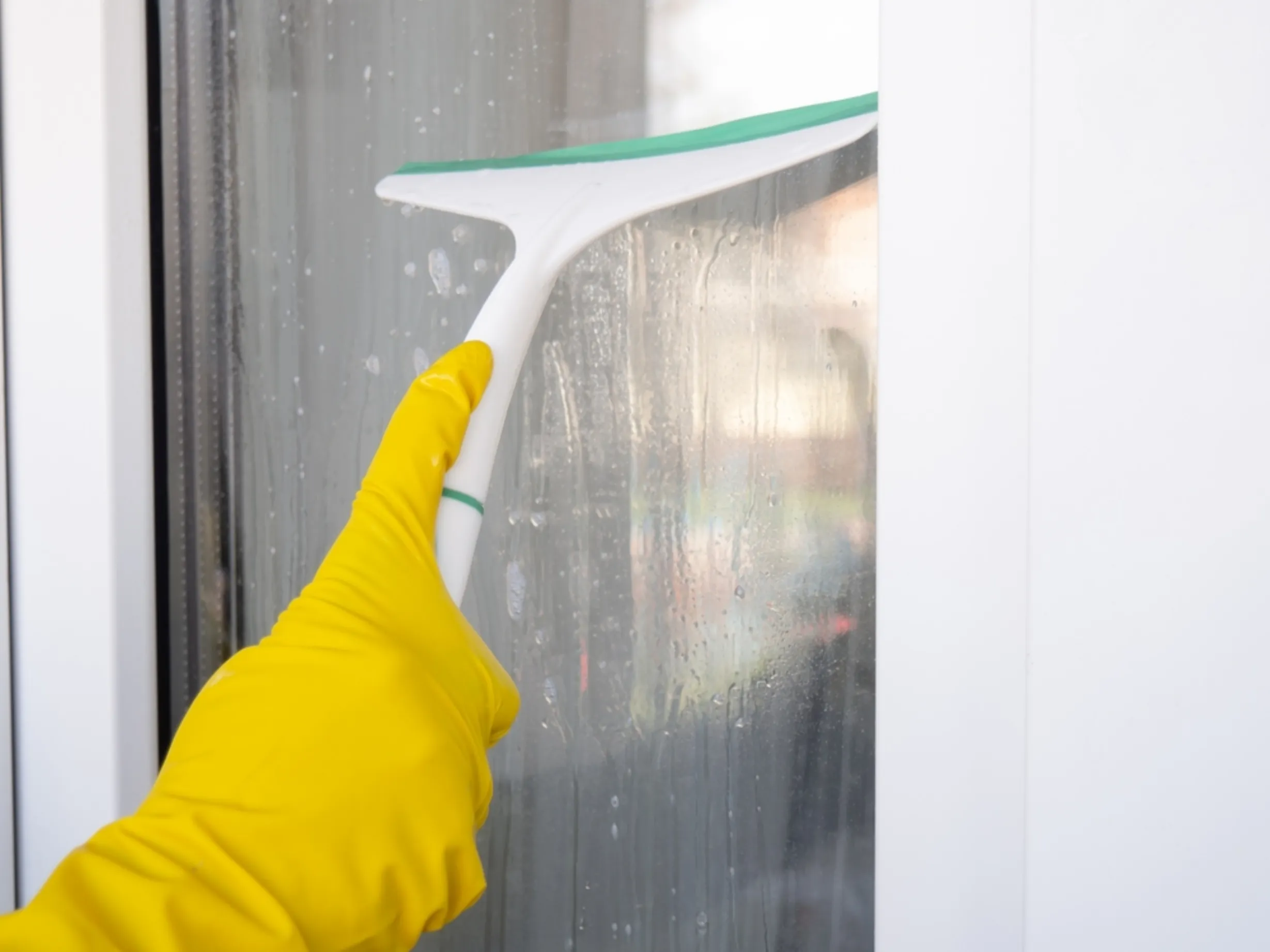
- Scratching your windows while trying to clean them
- Using the wrong cleaner on medical equipment – that’s a real no-no
- Spreading bacteria around instead of actually getting rid of them
- Staining your carpets with the wrong chemicals – yeah, that happens
We get called out to fix these kinds of messes all too often – especially when people are trying to do end-of-lease cleaning.
Environmental Responsibility: Not All Cleaners Are Kind<
Household cleaners just get poured down the drain. Professionals know better.
We use:
- Eco-friendly products when we can
- A meticulous rinsing system
- Techniques that use less water – like steam cleaning
- Cleaning protocols that meet hygiene standards and environmental rules
Commercial facilities or commercial kitchens need to meet hygiene AND environmental standards – there’s no getting around it.
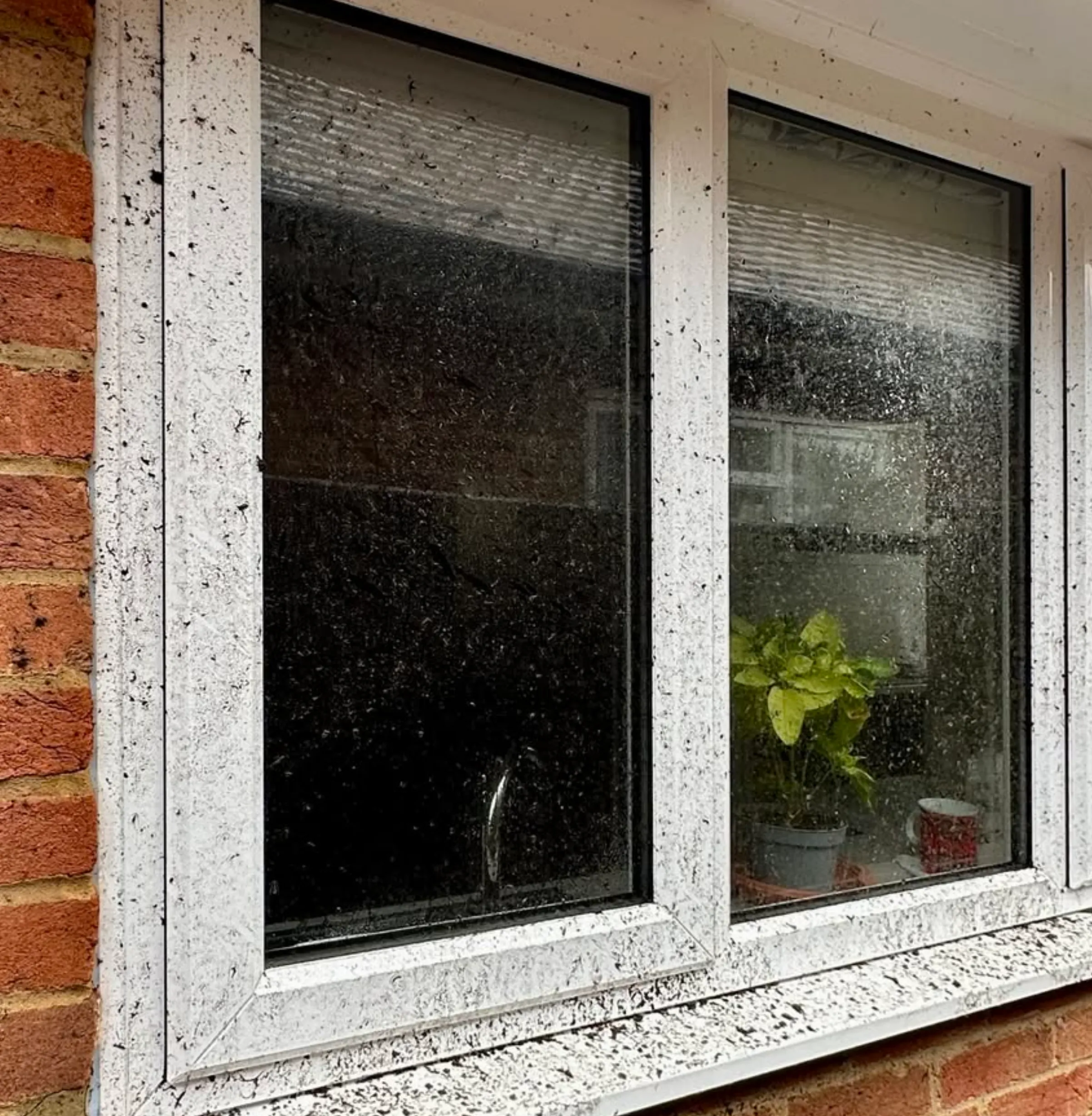
When Professional Cleaning Really Pays Off
Regular cleaning is great and all, but there are times when you need to bring in the professionals:
When You Should Probably Call a Pro
- Cleaning super busy offices
- Infection control in hospitals and clinics
- Cleaning medical centres, especially in treatment rooms
- Cleaning windows that are way up high or in super windy conditions
- Cleaning carpets after a big spill or when they’ve had a lot of foot traffic
- Cleaning kitchens in restaurants and cafes
- Strata cleaning for the common areas
- Steam cleaning for sanitising services
If it’s a tricky job, a safety risk, or all about hygiene – bring in the pros.
And if you ever wonder whether a job needs some serious cleaning or just a quick once-over, Window Cleaning Melbourne Crew is always happy to give you the lowdown.
FAQ
Is professional cleaning worth it if I'm already cleaning regularly?
Yes – regular cleaning keeps things tidy, but pros handle the deep cleaning, sanitising, and infection control tasks that your regular products can’t handle.
Why do professional cleaning services use different chemicals?
Commercial cleaning and healthcare settings need more potent, safer, or hospital-grade disinfectants to meet the compliance and hygiene standards.
Is high-pressure washing something I can safely do myself?
Not always – those high-pressure cleaners can damage surfaces if you use the wrong nozzle or set the incorrect pressure.
Do professional cleaners use safer or greener products?
A lot of the time, yes – many jobs allow eco-friendly products or steam cleaning to cut down on chemical use.
When should I absolutely avoid doing DIY cleaning?
Any time height, hazardous chemicals, kitchen cleaning, infection control, or commercial cleaning are involved.