Is it better to clean your gutters by vacuum or by hand? I’m not going to sugarcoat it: Melbourne’s gutter cleaning scene is far from glamorous. Between gum leaves, spring pollen, clogged gutters after a storm, and the odd mosquito you find floating in yesterday’s rainwater, gutters here fill up pretty quickly and empty slowly.
Here’s the lowdown – the pros, cons, the mess it makes, and the safety concerns. And just for good measure, I’ve thrown in a couple of tales from roofs that were a real handful.
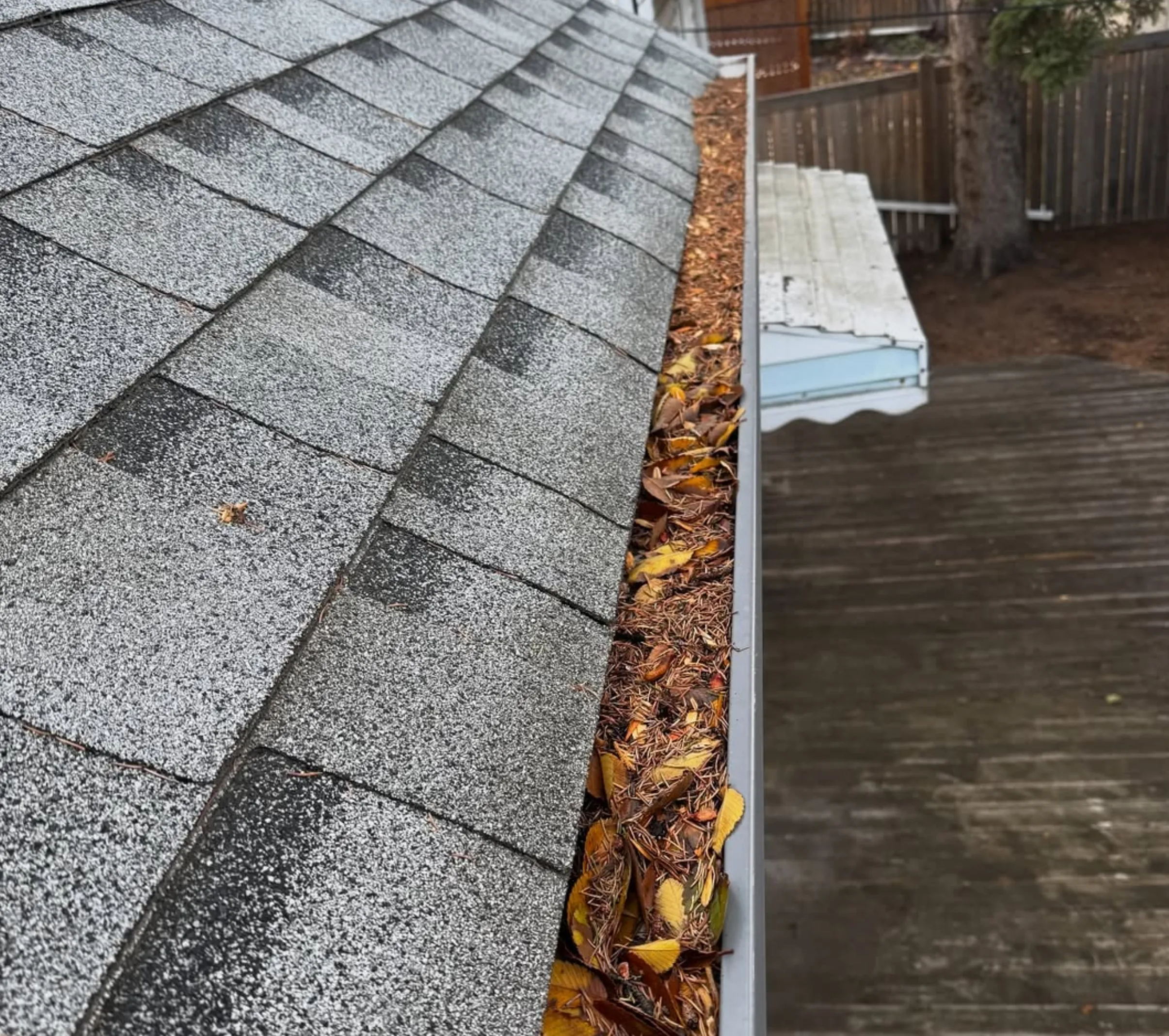
Cleaning gutters may seem like a no-brainer until you’re climbing a wobbly ladder on a blustery Melbourne afternoon, trying to juggle a garden hose and an extension pole. The truth is, the method you choose for gutter cleaning is actually kinda important. It affects stuff like:
- Whether you can prevent clogs and blockages in the first place
- If your downspouts will stay clear or turn into a clogged mess
- Your safety in multi-story buildings – and we all know that’s no joke
- Whether you end up with water damage in your roof cavity or walls down the track
- How long will your guttering and other bits and bobs last?
So, is it better to use a gutter vacuum or to clean by hand? The answer is… well, it’s a bit of both, really. The trick is knowing when each method works best – and in Melbourne, with its weather-exposed surfaces, plastic guttering, leaf litter, and weird roof heights, that’s not always easy.
How Gutter Vacuuming Works (And When It’s Brilliant)
Gutter vacuuming uses a big, powerful suction set-up – usually a commercial gutter cleaning vacuum connected to a lightweight vacuum pole. Think of it like a giant vacuum cleaner with a gutter-cleaning attachment, designed explicitly for rooftops. It suck up leaves, roof grit, and dry debris into a big drum without leaving a mess on the ground.
Why Vacuuming Gutters Is A Winner
If your gutters are stuffed with dry debris, leaf litter, or roof sediment, the vacuum method is your best bet. We use gutter vacuums in:
- Multi-story homes, where climbing a ladder loads of times is just too much of a safety risk
- Older roof tiles and fragile surfaces, where manual removal might just damage the whole lot
- Homes under tree canopies, where leaf removal is a never-ending battle
- Tight gutter profiles on newer estates are just a nightmare to clean by hand
- Any property with glass conservatory roofs or weird roof inspections
It’s quick, efficient, and ideal for homes that need regular gutter maintenance.
When Vacuuming Has Limits
Even the best vacuum system is going to struggle with:
- Wet sludge – sorry, but that needs manual elbow grease
- Compacted muck that’s been sitting behind those pesky offset bends for months
- Moss and mould buildup – that’s just a job for some good old-fashioned scrubbing
- Thick branches that are just too big and unwieldy
- Pest infestations hiding under those gutter guards – that’s a job for a professional, mate.
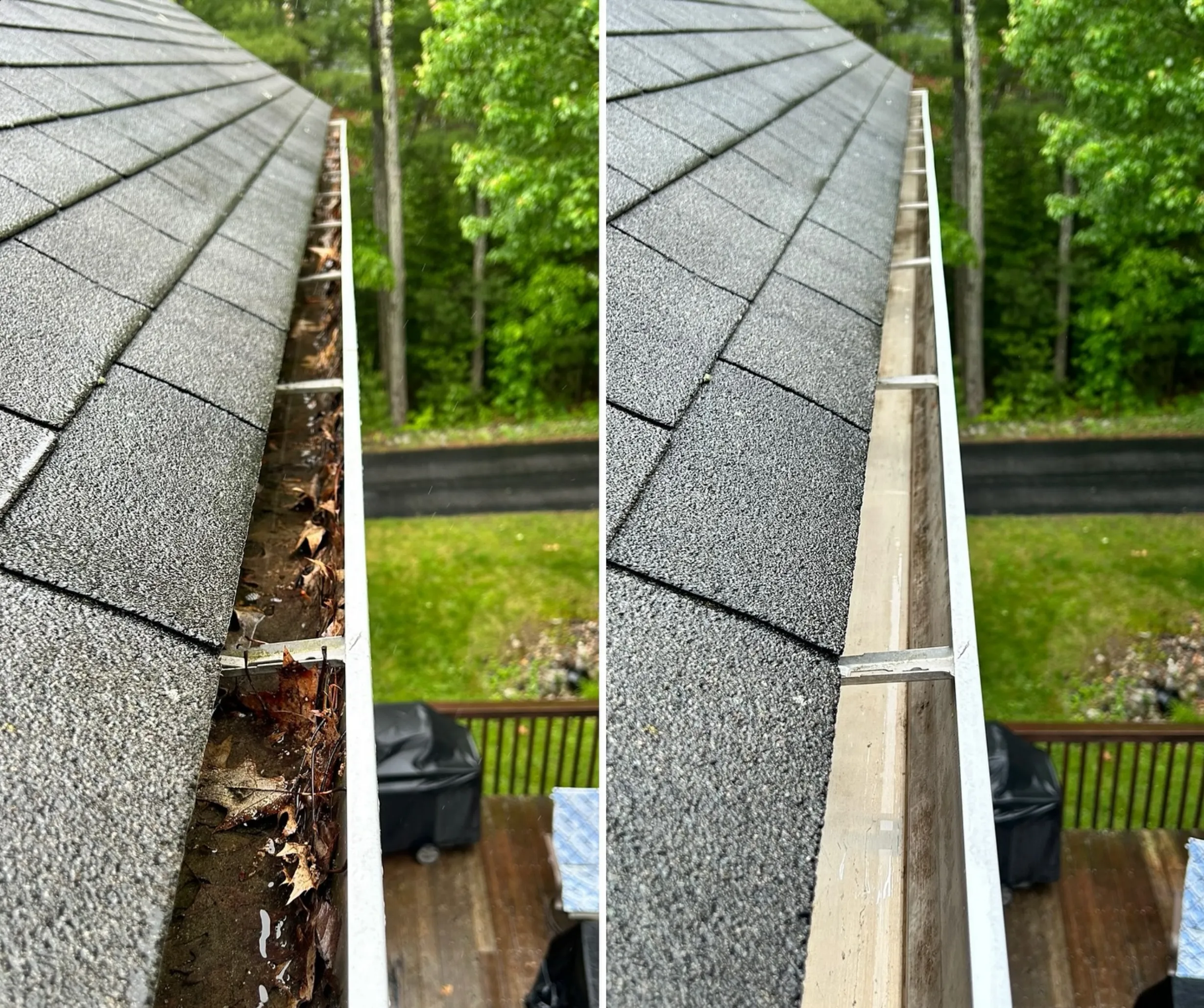
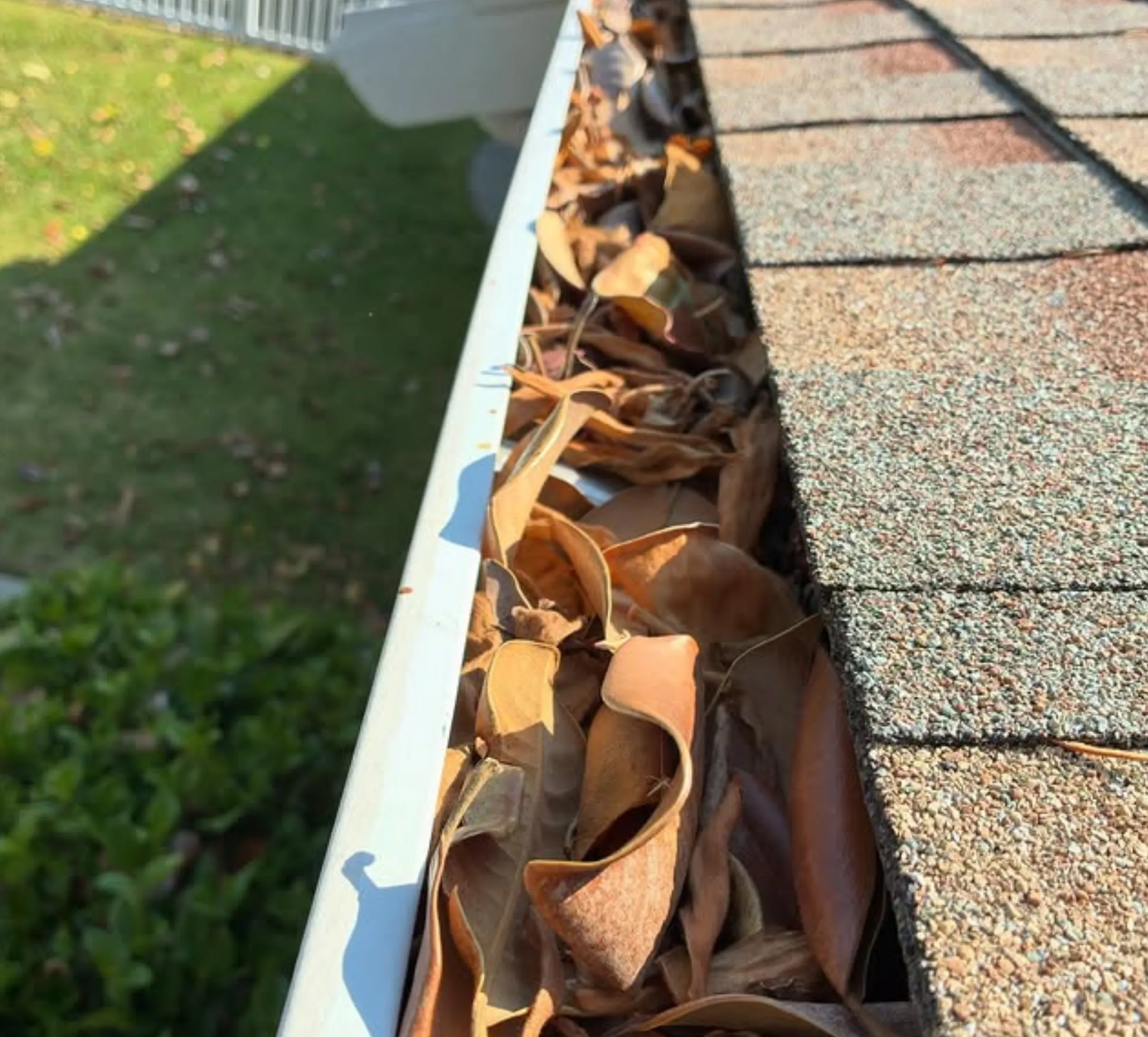
Why Manual Techniques Still Hold Up Today
There was a time before vacuum poles became the norm, when manual cleaning was where it was at for gutter-cleaning tools. And the truth is, this old-school method still holds up as one of the most reliable gutter cleaning methods out there, especially when you back it up with a water test, a good blast from a pressure hose, or a post-job visual inspection.
Why Manual Cleaning Still Matters
Manual cleaning really comes into its own in these situations:
- You’re dealing with a thick layer of wet, compacted gunk in the gutters
- Gutter guard systems are letting debris build up underneath them
- You need to get up close and personal to inspect gutters for cracks, loose joints, or wonky union brackets
- Your downpipes are clogged, and you need to clear them
- You just want some good old-fashioned proof that the gutter problems have been sorted out
When a vacuum pole just can’t hack it against sticky muck, a simple plastic scoop will get the job done with some elbow grease.
The Downsides of Manual Cleaning
It’s worth noting:
- Manual removal takes longer and is a lot messier
- It can be a safety risk depending on the height of your roof and the safety gear you’re using
- If access to your gutters is tricky, you’re going to need some pro-grade equipment
Still, when gutters are as clogged as they can get, nothing beats the satisfaction of clearing them out by hand.
Vacuum Vs Hand Cleaning: The Straight-Up Comparison
| Feature / Issue | Vacuum Cleaning | Manual Cleaning |
| Best for debris type | Dry leaves, roof grit | Wet sludge, compacted muck |
| Speed | Fast | Moderate to slow |
| Mess on the ground | Very low | Medium to high |
| Downpipe clearing | Average | Excellent |
| Safety on roofs | High (less climbing a ladder) | Depends on experience |
| Gutter guards | Mixed performance | Excellent access |
| Multi-storey buildings | Ideal | Access can be tricky |
| Risk of damaging guttering | Low | Low to moderate |
| Use with inspection cameras | Excellent | Good |
| Overall reliability | High for dry debris | High for sludge and blockages |
Victoria gets over 80 days of rain per year, so Melbourne homes go from dry debris to heavy sludge and back again – that’s why many roofs need both methods throughout the year.
What Most People Don’t Know (But Should)
Most homeowners only think about gutters when water starts pouring over the edge – by then, the damage is already happening. What you do between storms matters just as much as the big clean itself.
- Gutter vacuums don’t always solve clogged downspouts Sometimes you still need manual removal and a pressure washer or garden hose test.
- Wet debris can weigh up to 20kg per metre That’s why cracked gutters and sagging brackets show up in older homes.
- Gutter guard systems reduce debris — but never eliminate it Debris gets in, and sludge builds under the guards.
- Vacuuming gutters is safest for DIYers Ground-level vacuum poles dramatically reduce safety concerns.
- Professional gutter cleaning services use both tools Because real homes don’t fit into one method.
When To Use Each Method Throughout The Year
Because Melbourne has the personality of four different climates in one day, timing matters.
Autumn
Vacuum wins. Dry leaves everywhere. Fast removal.
Winter
Hand cleaning wins. Everything is wet, heavy and sticky.
Spring
Both. Pollen forms a sticky film that vacuums well, while rain creates sludge.
Summer
Vacuum again. Dry debris, fire-season prep.
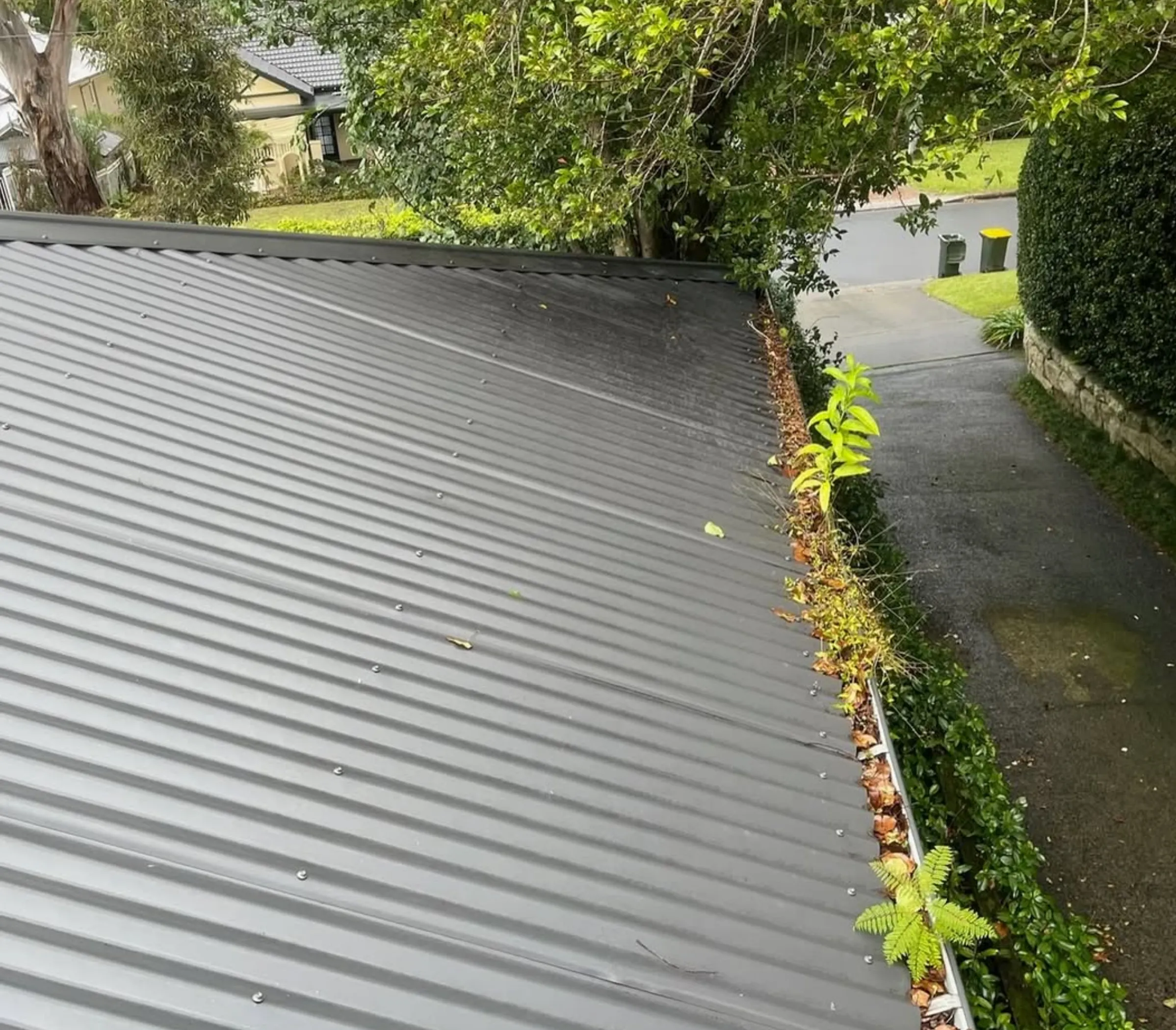
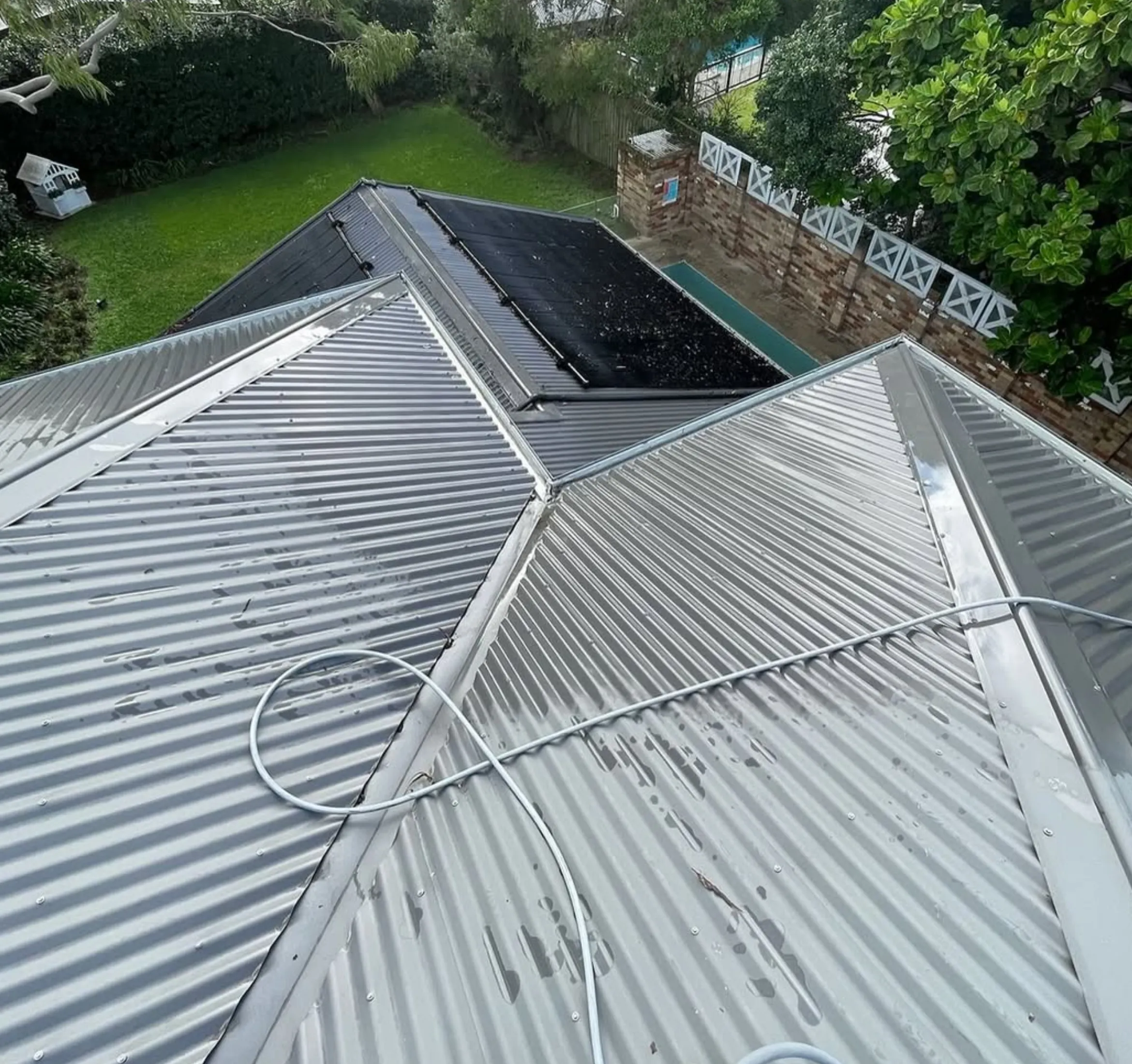
Cost Breakdown: What You’re Likely To Pay
| Home Type | Vacuum Cleaning (avg) | Manual Cleaning (avg) | Notes |
| Single-storey | $150–$250 | $150–$220 | Dry debris = vacuum wins |
| Double-storey | $220–$400 | $200–$350 | Vacuum lowers safety risks |
| Complex roofs | $350–$600+ | $300–$550+ | Combo usually needed |
A gutter cleaning quote will vary by debris level, gutter guard systems, roof height, and access.
Our Crew’s Honest Take
Both systems have their strengths — but neither is a magic wand.
If you asked us on smoko what works best, we’d say:
“Vacuum when it’s dry. Hand-clean when it’s wet. Combine them if you want a proper job.”
At Window Cleaning Melbourne Crew, we use gutter vacuums, manual tools, inspection cameras, and water tests to ensure your gutters come up a treat without causing costly repairs or foundation problems later.
FAQ
Do gutter vacuums actually work?
Yes — for dry debris, light roof grit and general leaf removal. They struggle with wet sludge.
Is manual cleaning safer?
Not necessarily. Vacuum poles keep your feet on the ground. Manual methods require climbing a ladder or accessing roof tiles.
Can I use a wet-dry vacuum with a gutter cleaning attachment?
You can — but most DIY setups lack the high-power suction and safety measures of professional equipment.
Do gutter guards eliminate the need for cleaning?
No. Gutter guard systems reduce debris but still require regular gutter maintenance and visual inspection.
How often should I get my gutters cleaned in Melbourne?
Every 6–12 months, depending on trees, weather patterns, roof height and gutter problems like rainwater overflow.