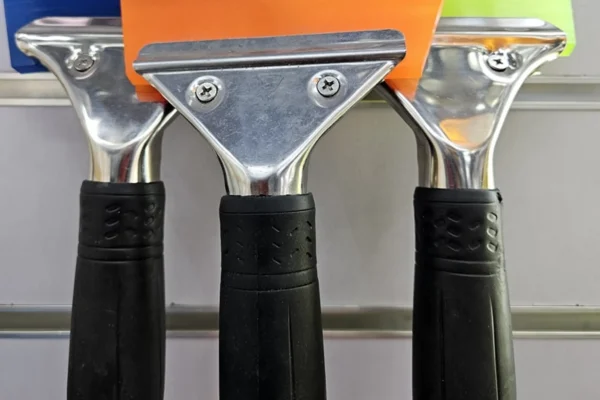
I found myself thinking about what poles do window cleaners use, because honestly, most people reckon we just rock up with a rag, a window washer and a bit of elbow grease. If only. In the real world, the extension pole, the water-fed pole or even the tiny mini pole you choose can make or break a job — especially in Melbourne, where you can start the morning in sunshine and end up cleaning in sideways rain.
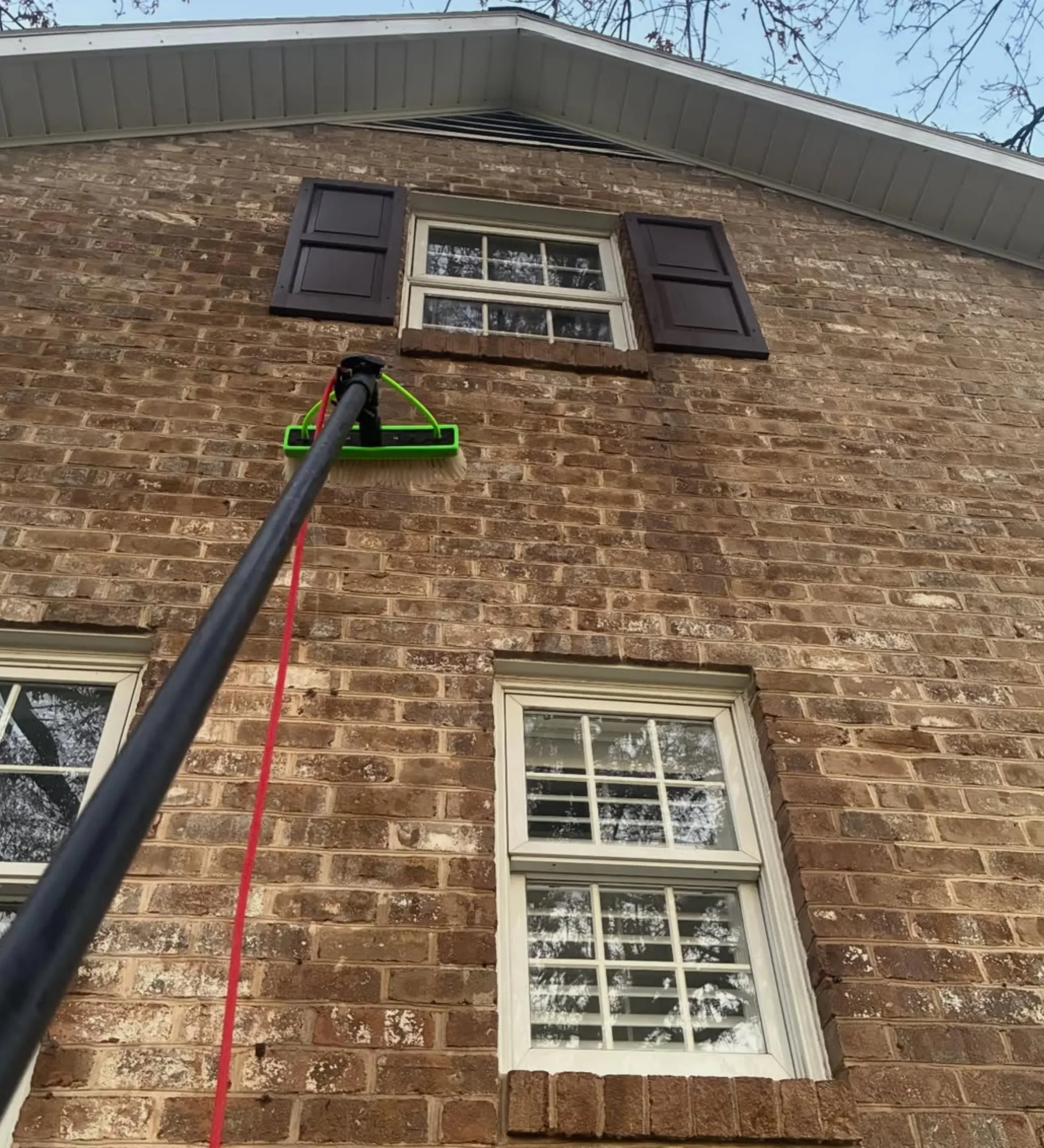
When customers ask “what poles do window cleaners use?” they’re really asking why some jobs need simple extension poles, and others need full water-fed pole systems running purified water through a pole hose. Each pole solves a different problem, and each has its own base distance, collapsed length and number of extension sections.
Telescopic Extension Poles
These are the workhorses — straight-up telescopic poles with adjustable reach — light, simple and compatible with nearly every window squeegee, washer or Microfiber Head.
Why we use them:
They’re quick, safe and good for second-story window jobs where you just need a little height without setting up full gear.
Where they shine:
- Residential properties, shopfronts, ground-level windows, skylights and odd-angled windows tucked under eaves.
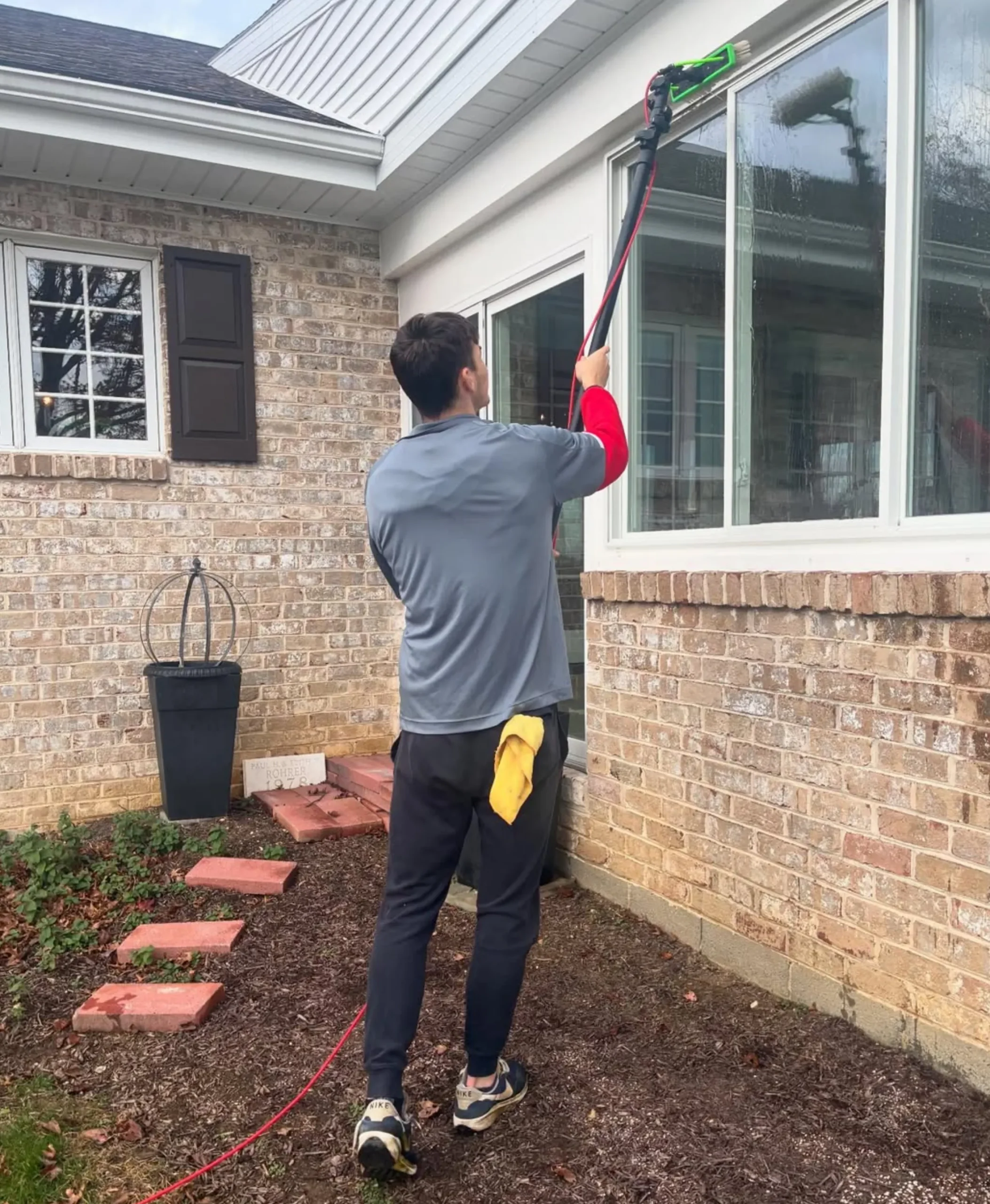
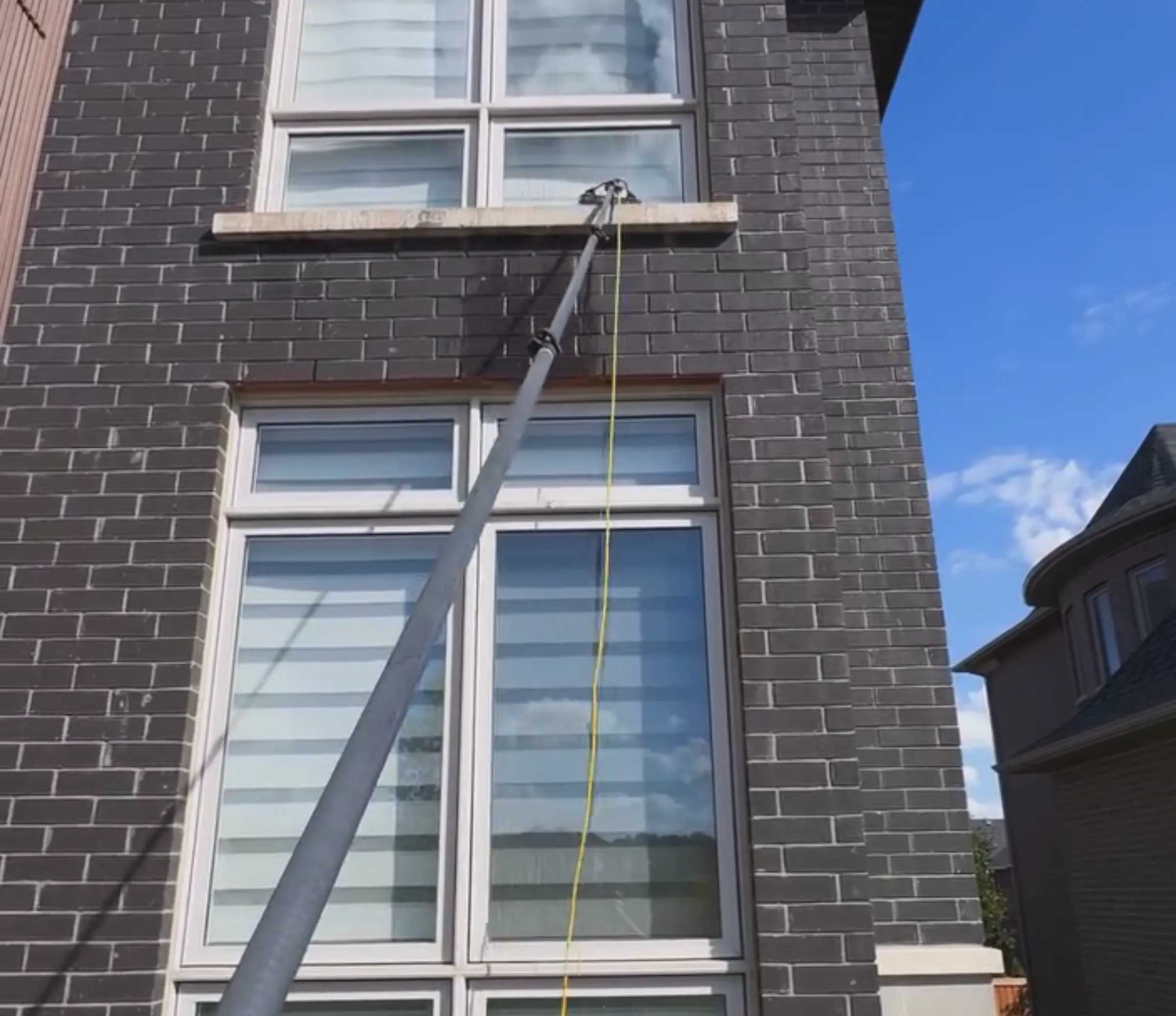
Water Fed Poles (WFP)
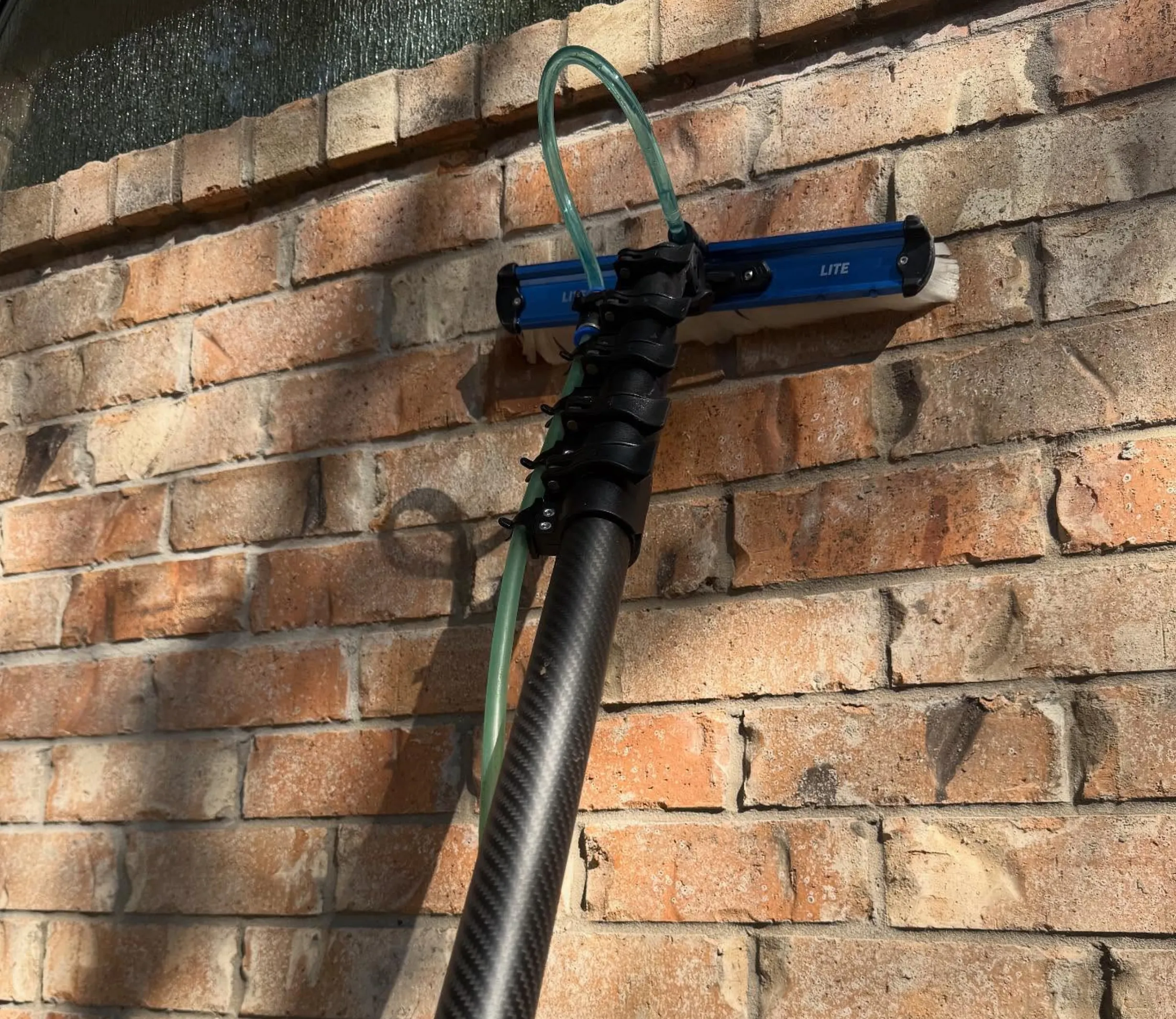
A proper water-fed pole system pumps purified water — usually filtered by reverse osmosis — straight up the shaft and out through the brush. No soap. No streaks. No ladder.
Why they’re a game changer:
Less risk, especially around slippery gardens and uneven driveways. And because the water is mineral-free, you avoid hard-water mineral stains and watermarks, leaving a crystal-clear finish without pressure on the squeegee.
Where they shine:
Solar panel cleaning, exterior glass up to 3–4 storeys, balustrades, modern apartments and anything that’s a pain to reach safely.
High-Reach Carbon Fibre Poles
When you want strength without shoulder burn, carbon fibre and carbon fibre hybrid designs are king. They’re light, stiff and perfect when you’re working at max height on windy days.
Why:
Less flex, more control and safer to handle — especially on big jobs or commercial work with tricky angles.
Where:
Office buildings, double-storey homes, high roof lights and modern townhouses with the kind of “features” that give tradies grey hair.
Breaking Down Pole Materials (And Why It Matters)
You wouldn’t use a plastic spanner to fix a steel bolt. The same goes for pole materials. They’re not just “poles” — they’re tools that behave differently under pressure, weight, water flow, and wind.
Aluminium Poles
Cheap. Durable enough. But heavy once you extend them, and if you’re cleaning all day, your shoulders will hate you.
Best for:
DIYers, small jobs, tight budgets.
Fibreglass Poles
Safer near electricity and sturdier than aluminium, but not as light as carbon fibre.
Best for:
Tradies working around power lines or rooftops with wiring everywhere (we see you, old Melbourne terraces).
Carbon Fibre Poles
The gold standard for pro window cleaners. Light, stiff, rugged, and designed for pro-level work.
Best for:
Water-fed pole systems, multi-storey buildings, and long work sessions without wrecking your back.
At Window Cleaning Melbourne Crew, our carbon fibre poles take a beating weekly and still come up a treat.
Table: Comparing Different Reach-Extension Tools
Below is a simple breakdown that helps customers understand why some jobs take more gear — and why the quote sometimes reflects it.
| Pole Type | Weight | Max Height | Ideal Use | Cost Level |
| Aluminium Extension Pole | Heavy | 2–6m | Basic home windows | Low |
| Fibreglass Pole | Medium | 6–12m | Near electrical hazards | Medium |
| Carbon Fibre Pole | Very light | 10–20m+ | Professional high-reach work | High |
| Water Fed Pole System | Light–Medium | 4–22m | Pure-water external cleans | High (equipment + filters) |
Industry data from major suppliers suggests that a whopping 70% of Australian window cleaners now rely on waterfed poles for external jobs above three metres — primarily driven by safety concerns, height access rules and a shift towards greener gear.
When a Water Fed Pole Beats Traditional Cleaning
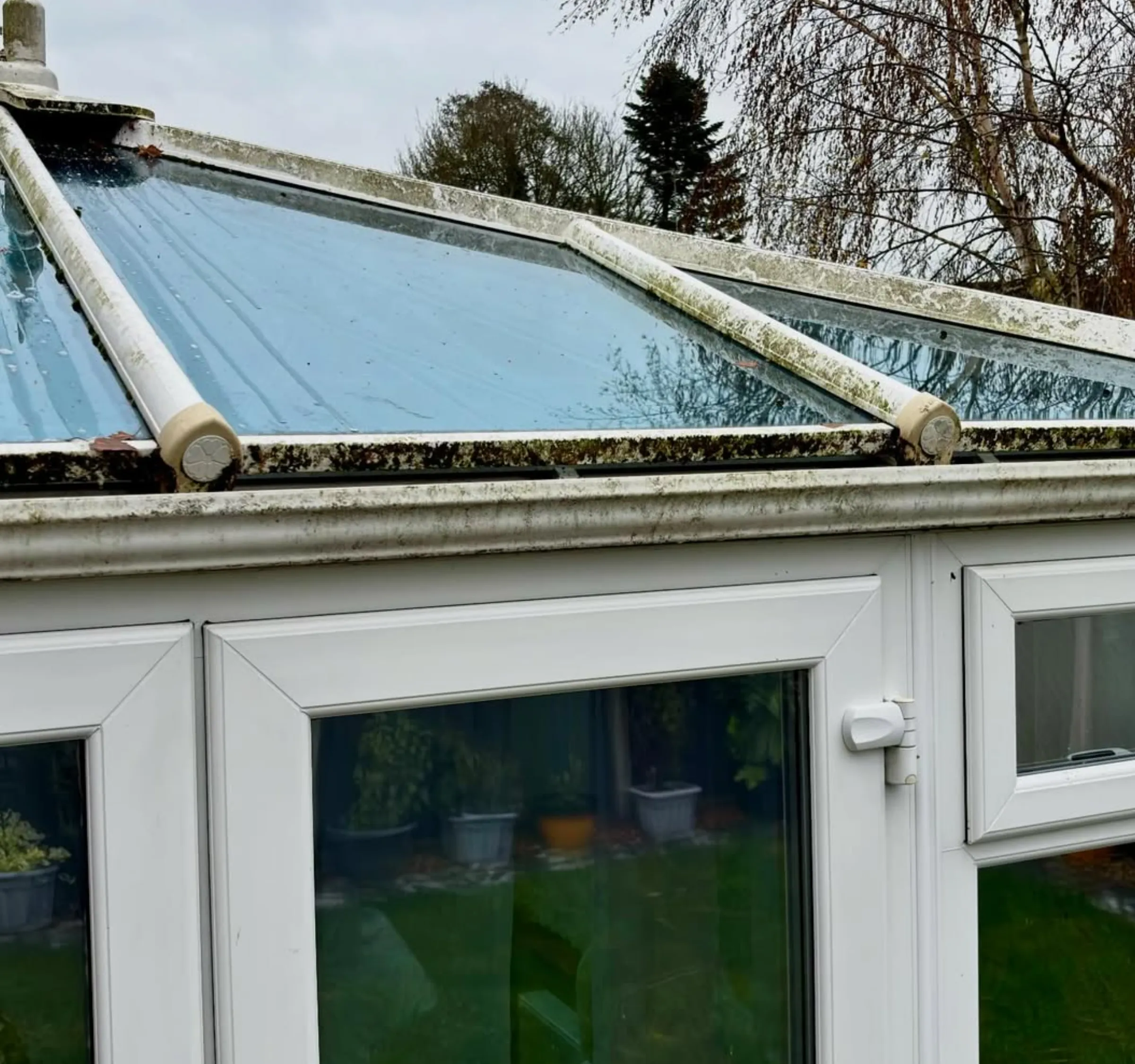
A lot of clients think pure water cleaning is just a gimmick – until they see it: no soap, no streaks, no need to wipe edges or catch drips.
Here’s when WFP wins:
- Height: Anything over two storeys – the higher the better
- Safety: No ladders on sloping driveways or muddy gardens to worry about
- Speed: Commercial sites with loads of repetitive glass to clean
- Eco-friendly jobs: No detergent runoff into the stormwater to worry about
And that’s because pure water dries spotless – it doesn’t leave any mineral residue behind.
Quick Checklist For Choosing the Right Pole
If you’re a DIYer or new tradie wondering what pole to buy:
- How high do you need to reach?
- Do you want detergent or purified water?
- Will you use it weekly, daily, or once a month?
- What’s the weather like in your area?
- Are you working around electrical hazards?
- Do you have shoulder or back issues?
- What’s your budget?
Follow that, and you’ll avoid buying a pole that shakes like a wet noodle.
At Window Cleaning Melbourne Crew, we match the pole to the job to save time and prevent safety risks.
FAQ
Is a water-fed pole safe near electricity?
Only if you use insulated handles and avoid overhead lines, safety always comes first.
Why does purified water clean without detergent?
Because it has no minerals left, it absorbs dirt naturally and dries without streaks.
What’s the difference between hybrid and carbon fibre poles?
Hybrid and carbon fibre poles differ in weight and stiffness — hybrids combine fibreglass and carbon fibre for a cheaper, slightly heavier alternative.
Can I use a water-fed pole on old wooden frames?
Usually, yes, but flaky paint or loose putty needs testing first.
Do extension poles reach second-storey windows?
Yes — many telescopic poles reach 12 metres, perfect for most Australian two-storey homes.