Which is better, silicone or rubber squeegee? I reckon every cleaner — from DIY weekend warriors to full-timer tradies — hits this crossroads sooner or later.
Some people swear by silicone like it’s the holy grail. Others stick with rubber because that’s what the old-school pros used when windows still had timber putty edges, and houses weren’t insulated as well as a cold beer in winter. Truth is? Both have their place. But the trick is knowing when each one shines… and when it turns into a pain in the backside.
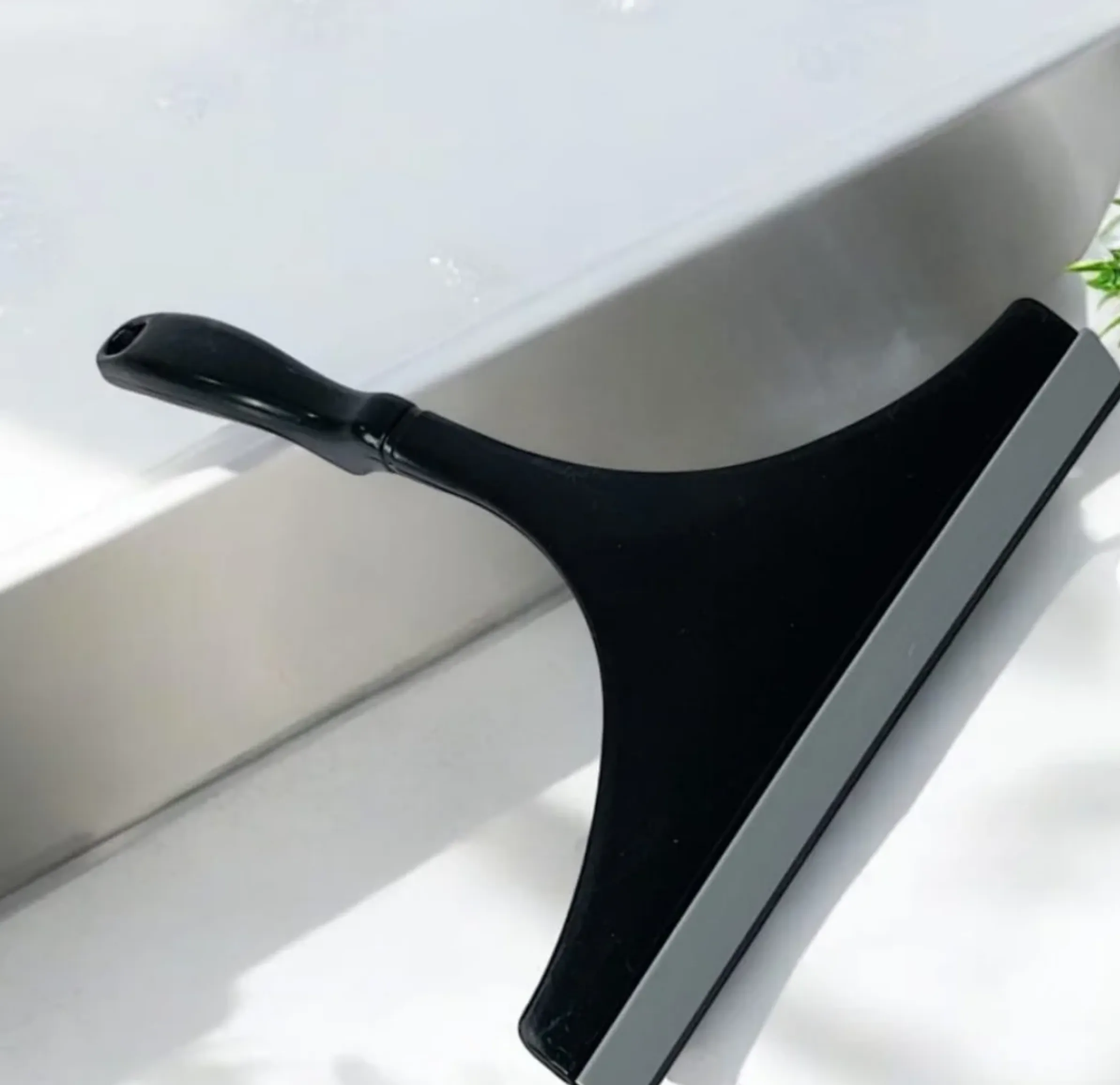
You’d be surprised how often we get called to fix a DIY clean where someone’s bought the wrong blade. One time, a client in St Kilda used a $6 silicone squeegee on salt-stained balcony doors and ended up with more drag marks than a school footy oval after a wet weekend. Happens all the time — especially near coastal suburbs where salt spray, humidity, and even the odd bit of weather damage to frames or seals make a simple job a headache.
And these days, with people more aware of climate change and the environmental impact of the tools they buy, the silicone vs rubber debate isn’t just about streaks — it’s about sustainability too.
The Basics: What Actually Makes a Quality Cleaning Blade?
- Hold a straight edge — no wobble, no waves, no funny business.
- Track smoothly across glass — not grabby, not slippery, not squeaky like a mozzie zapper.
- Push water evenly — so you’re not chasing drips like a magpie after a sausage roll.
Professional window cleaners like us rely on consistency. A blade that works on a cool autumn morning might misbehave during a humid February arvo. And if you’re working in Melbourne, you know you can get both conditions in the same hour.
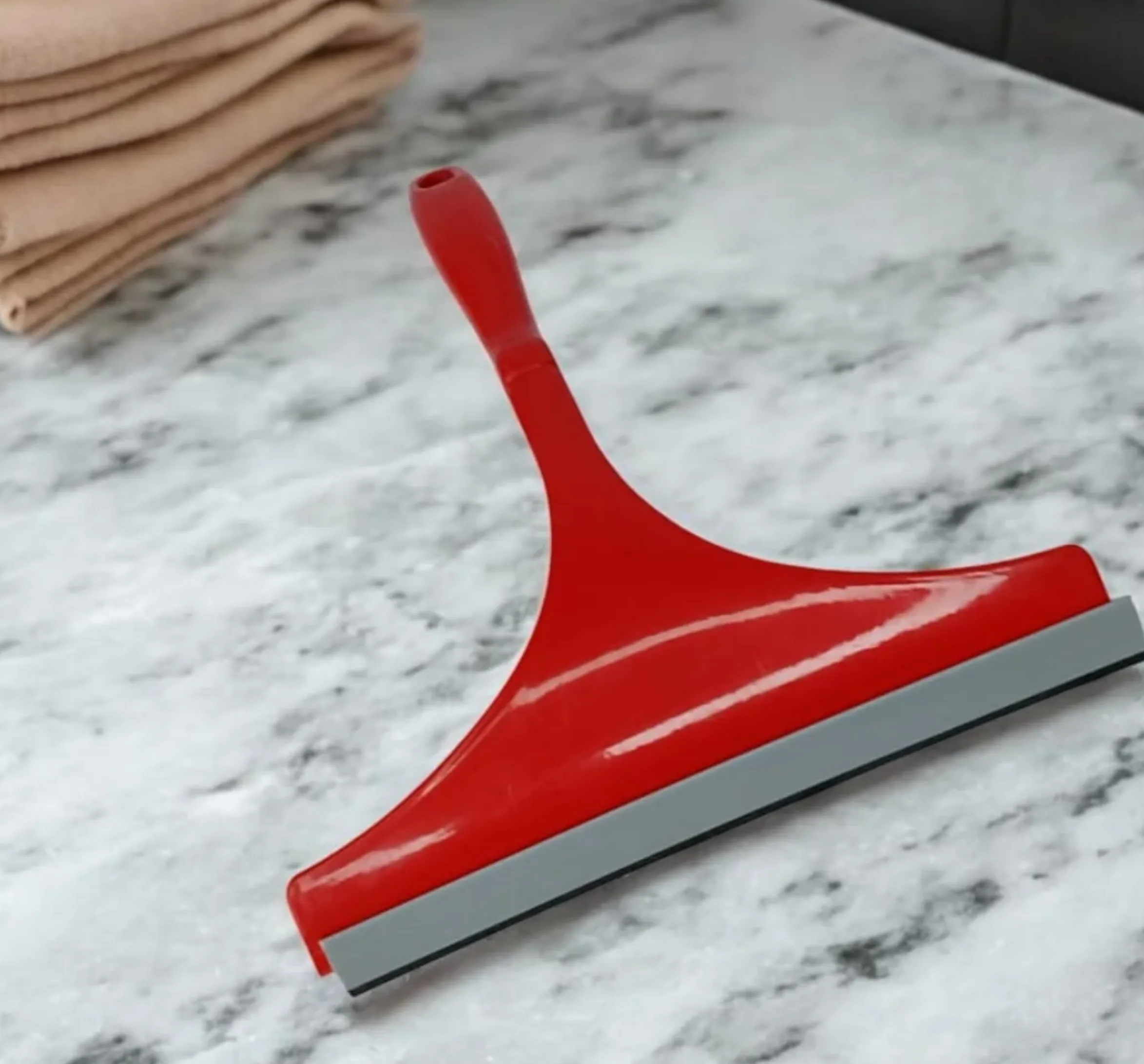
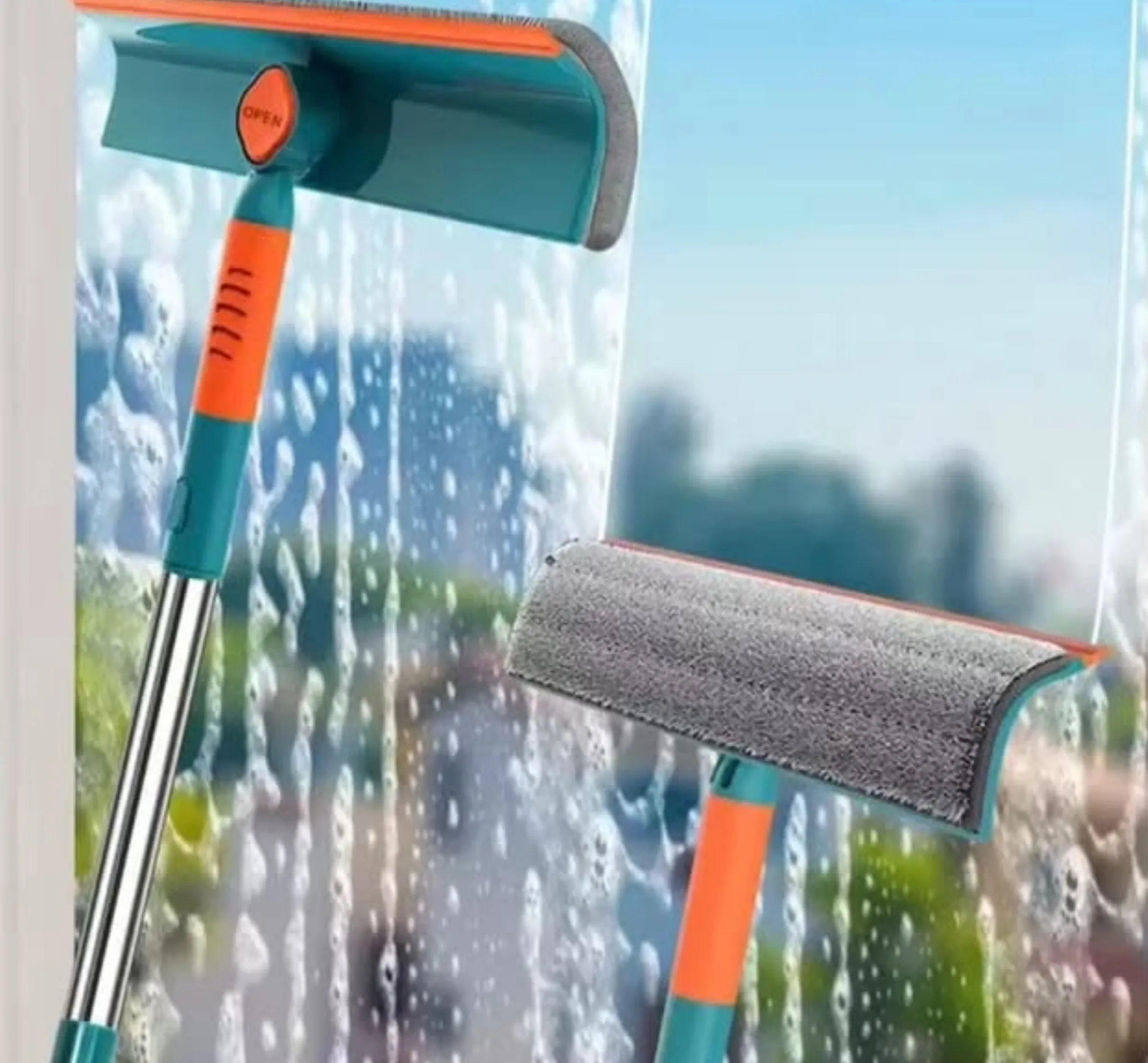
Silicone Blades - A Smooth Ride, But Fussy Too
People often say that silicone blades are as slick as silk. And they’re right – they do glide beautifully, especially when you’re cleaning big panes like shopfronts and office windows. You get that lovely smooth ride.
Where Silicone Works Like a Charm
Silicone pretty much shines when:
- You’re tackling indoor glass, like gym mirrors and shower screens
- The glass is highly polished or treated
- You really need a bit of extra glide, especially in hot, dry conditions
- You’re working on hydrophobic coatings
I’ve seen silicone get the job done on high-rise jobs when it was a hot and dry 30 degrees outside, and the rubber was dragging all over the place.
Where Silicone Falls Short
But: silicone is a bit of a diva:
- Salt spray makes it sticky
- Cold glass makes it stiff and uncooperative
- Dirty panes chew the edge quickly
- Cheap silicone bends out of shape fast
Another downside is the environmental impact. Silicone isn’t recyclable easily and often ends up in landfill.
Rubber Blades - The Trusty Old Workhorse
Rubber’s been around for ages — long before battery-powered tools and “smart” buckets. And you know what? It still gets the job done.
Why Pros Still Love Rubber
Rubber’s got grip — the good kind. Here’s where it shines:
- It handles salt, dust, pollen, city dirt and real-world grime
- It stays flexible in all temperatures
- It gives better control during detailed edge work
- It’s cheaper and easier to replace
Rubber blades often come from manufacturers that use recycling systems and incorporate repurposed materials.
Where Rubber Struggles
- Dries out faster in hot weather
- Needs replacing more often
- Can get worn from grit or old sealant
- Cheap rubber becomes rough quickly
Still, rubber remains the industry favourite.
Silicone vs Rubber: The Comparison Table
| Feature | Silicone Squeegee | Rubber Squeegee |
| Glide | Extremely smooth | Consistently controlled |
| Best Weather | Hot & dry | Cool, damp, mixed |
| Handles Salt & Grime | Not well | Excellent |
| Durability | Sensitive to dirt | More resilient |
| Price | Generally higher | Lower |
| Professional Use | Niche cases | Industry standard |
| Maintenance | Minimal but unpredictable | Regular sharpening/replacing |
| Performance on Hydrophobic Glass | Better | Decent |
Across the industry, 80–90% of professional cleaners still default to rubber because it handles grime, weather shifts, coastal muck and large commercial panes better.
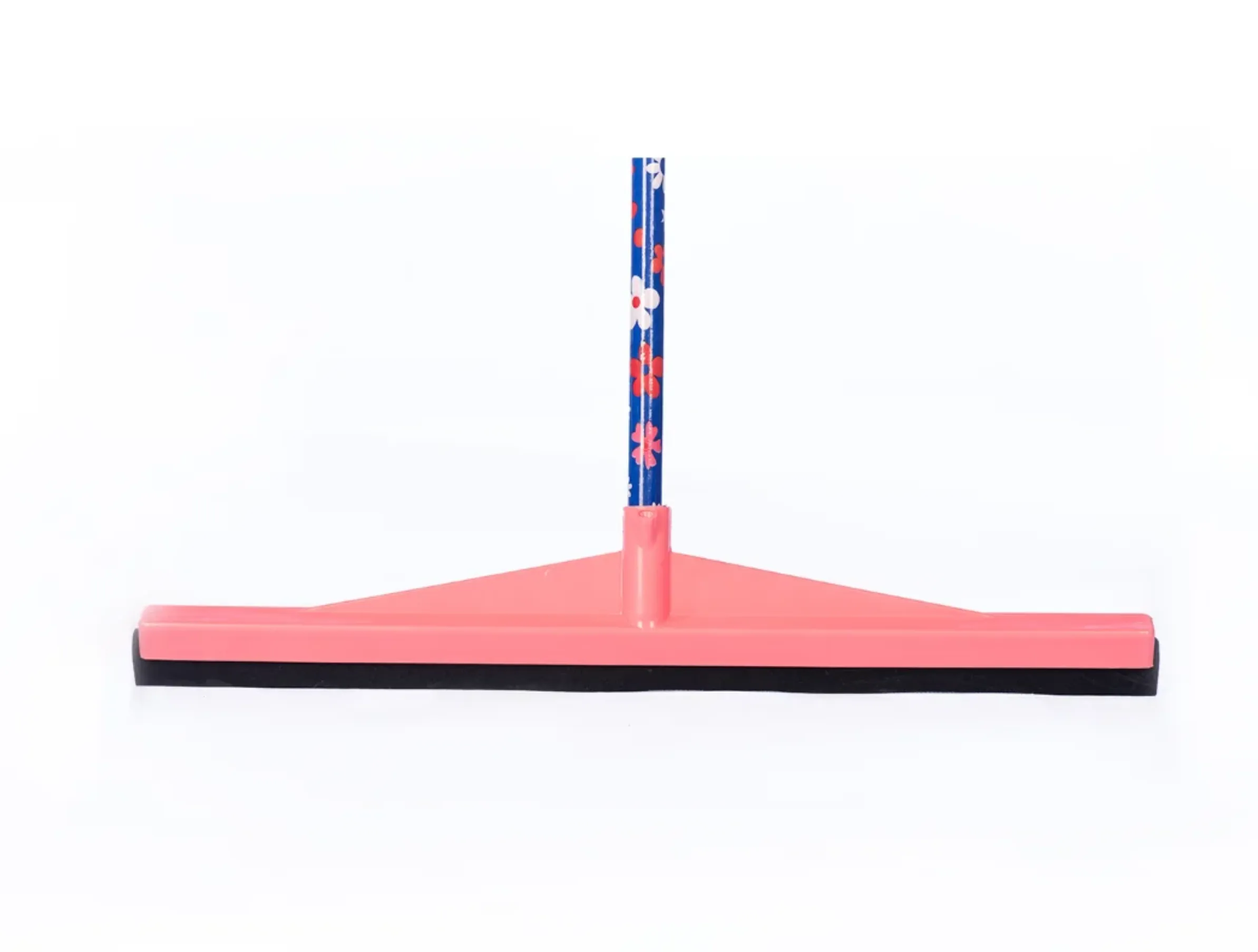
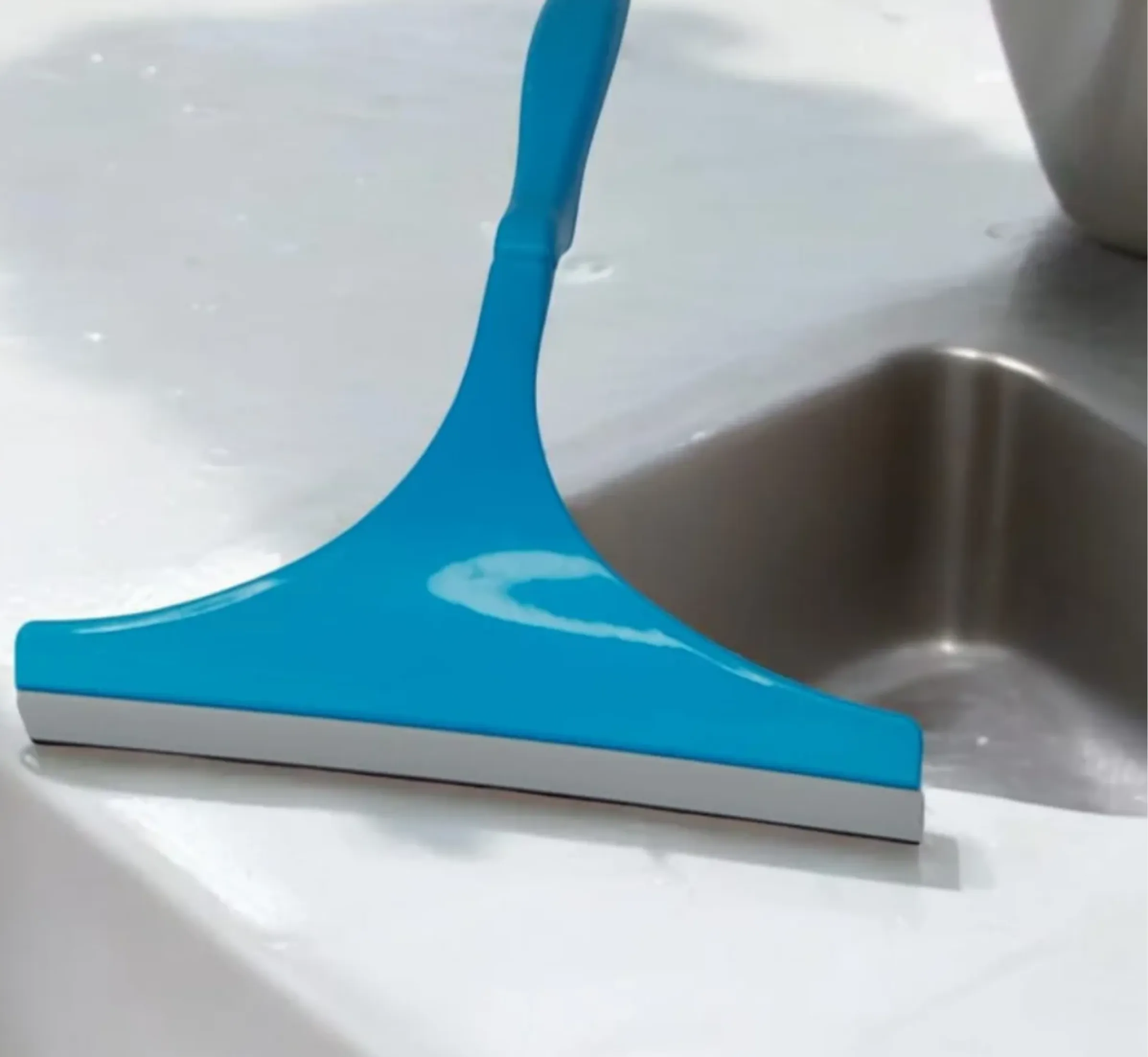
Real-World Conditions: Why Melbourne Matters
Tools behave differently depending on where you are.
Coastal Suburbs (Brighton, St Kilda, Williamstown)
Salt crystals stick to everything — railings, glass, even your hair. Silicone glides too much; rubber pushes through it.
Inner-City High-Rise
There’s dust, construction residue, airborne grime — rubber handles it better.
Northern Suburbs
Dry heat + UV = cracked rubber. Silicone works only if glass is spotless.
Winter Condensation
Cold panes + silicone = streaks. Rubber stays flexible.
Which One Lasts Longer?
It depends on:
- How often you clean
- The water you use
- Your storage conditions
- Whether you trim your rubber properly
Professionally, rubber lasts 1–3 weeks. Silicone can last longer only if conditions stay perfect — which in Melbourne, they rarely do.
What We Recommend as Professionals
At Window Cleaning Melbourne Crew, we carry both. But if we had to pick just one?
Rubber squeegee — no doubt.
It’s reliable, adaptable and reacts better to the messy mix of weather Melbourne throws at us.
If you’re a DIY cleaner:
- Choose rubber for first-timers
- Upgrade to silicone once you understand glass types
- Don’t mix cheap blades with quality channels
- Replace your blade more often than you think
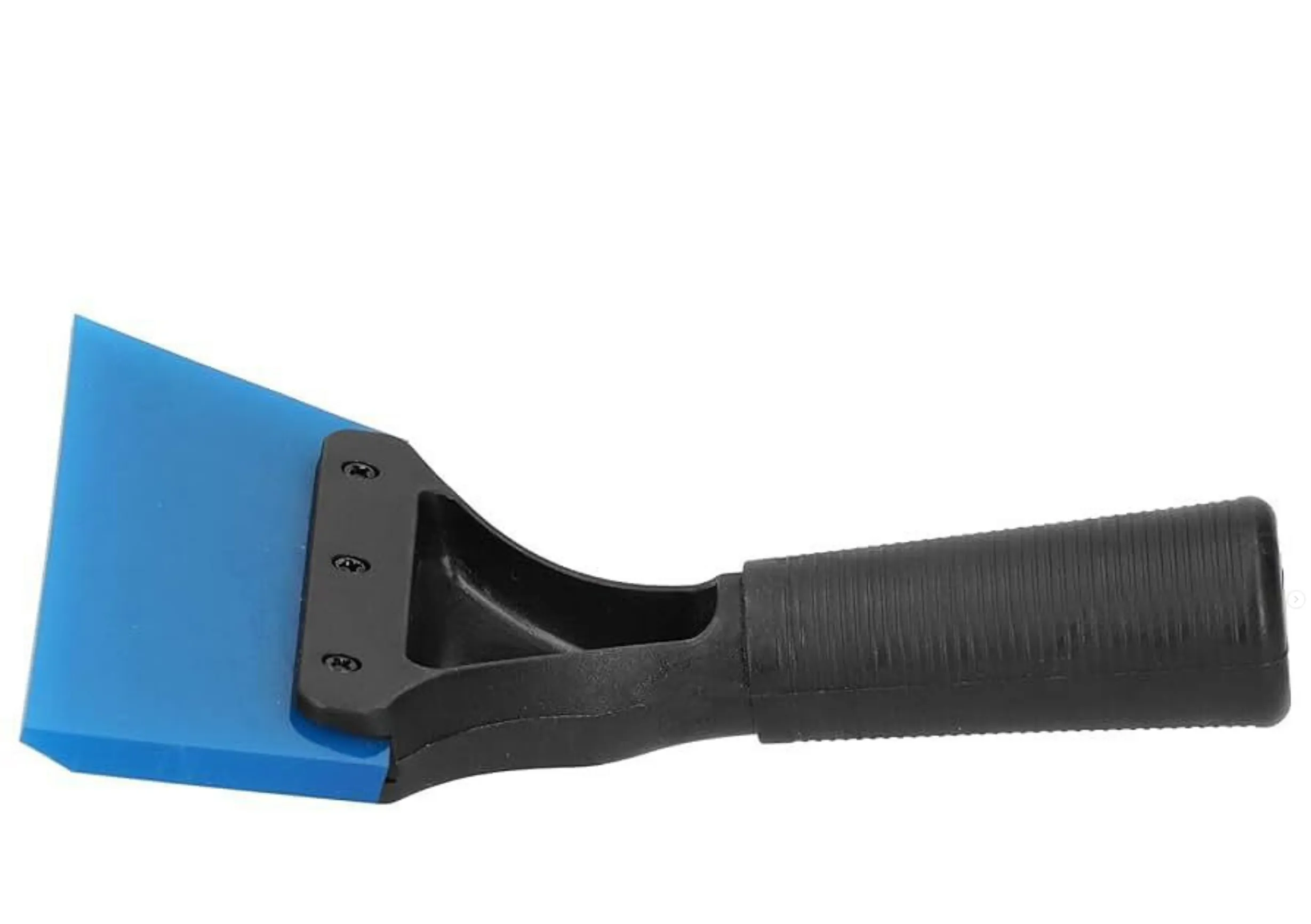
Safety & Sustainability Tips
Because cleaning isn’t just about shiny glass — it’s about safety:
- Use fresh edges — old blades slip more
- Use eco-friendly detergents
- Keep blades out of sunlight — UV ruins them
- Store blades straight — not thrown in the back of the ute
FAQ
Does silicone always give a streak-free finish?
Not always. Humidity, salt spray, and cold weather can cause it to skip.
Why do professionals prefer rubber?
Because it handles grime, temperature swings, coastal muck better than silicone.
How often should I replace my blade?
Home users: every few months. Pros: every 1–3 weeks.
Can I mix silicone blades with any channel?
You can, but some channels are designed for rubber. Silicone doesn’t always sit straight.
Which squeegee is best for shower screens?
Silicone usually wins indoors due to its smooth glide and stable room temperatures.